Top 20 Castles around Gingelom
Castles around Gingelom offer insights into the region's historical architecture and cultural heritage. Situated in the slightly hilly Haspengouw, this area features structures dating from the 17th to 19th centuries. The municipality is home to various historical estates, providing a glimpse into Belgium's past. Visitors can explore a range of castles, each with distinct architectural styles and historical significance.
Best castles around Gingelom
- The most popular castles is Hélécine Estate, an estate that features a castle in the middle…
Last updated: October 4, 2026
Heks Castle
Highlight • Castle
The palatial castle was built from 1770, probably …
Translated by Google •
Tip by

Château de Fallais
Highlight • Castle
Translated by Google •
Tip by

Sign up now to discover places like this
Get recommendations on the best single tracks, peaks, & plenty of other exciting outdoor places.
Hélécine Estate
Highlight • Parking
Translated by Google •
Tip by

Heks Castle
Highlight • Castle
Translated by Google •
Tip by
Rullingen Castle and Vineyard
Highlight (Segment) • Castle
Translated by Google •
Tip by

Sign up for free to discover even more castles around Gingelom.
Already have an account?
Start today with a free account
Your next adventure awaits.

Tips from the Community

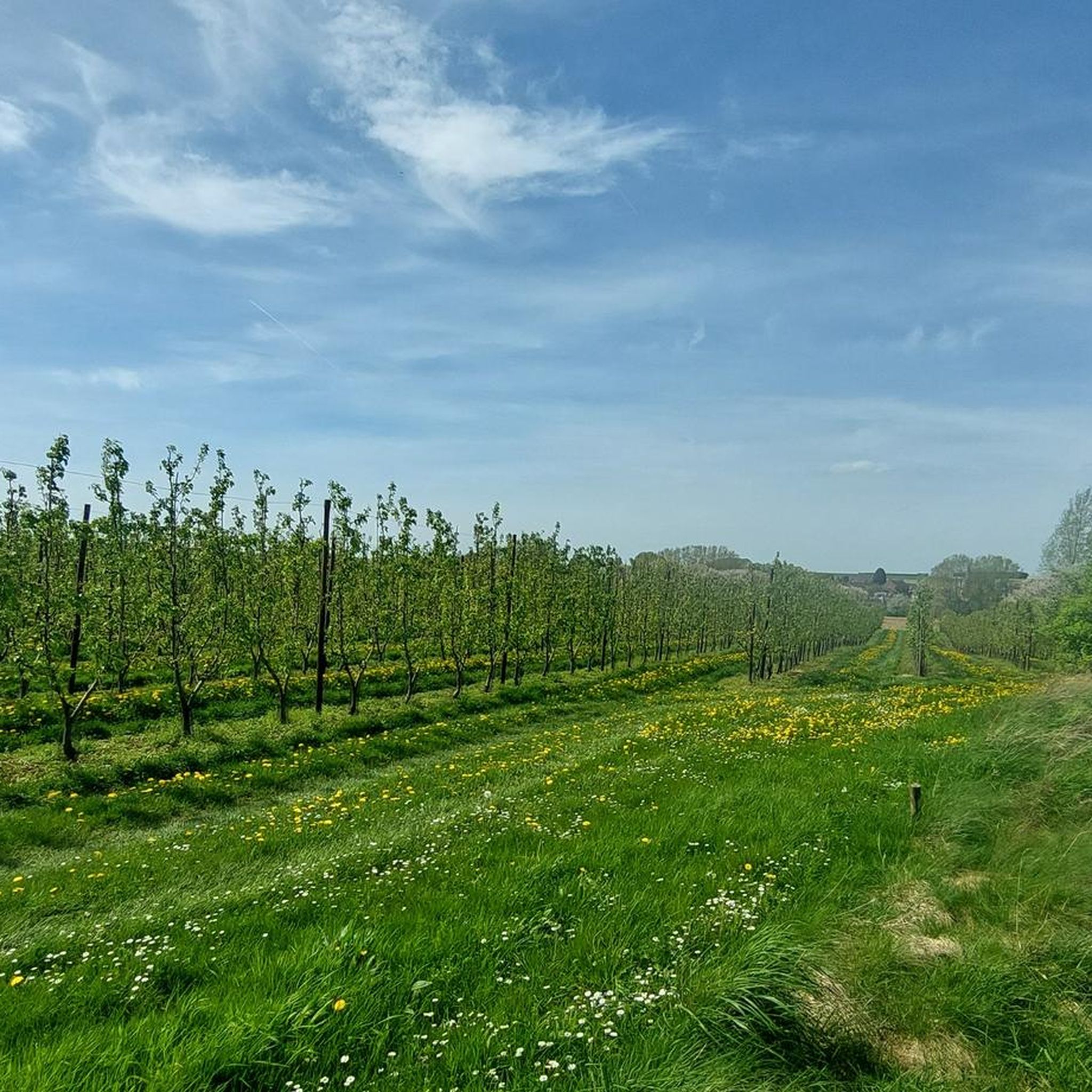
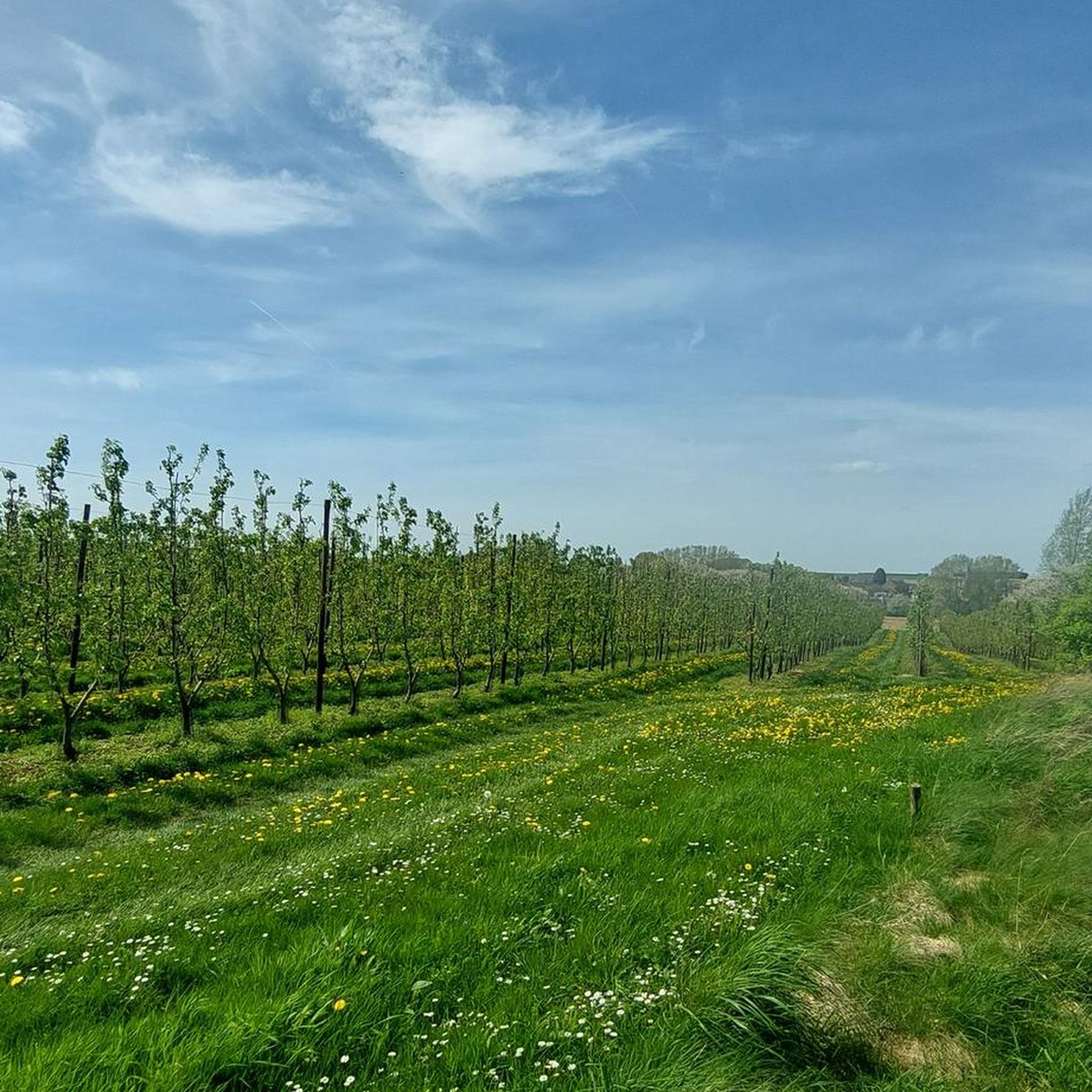
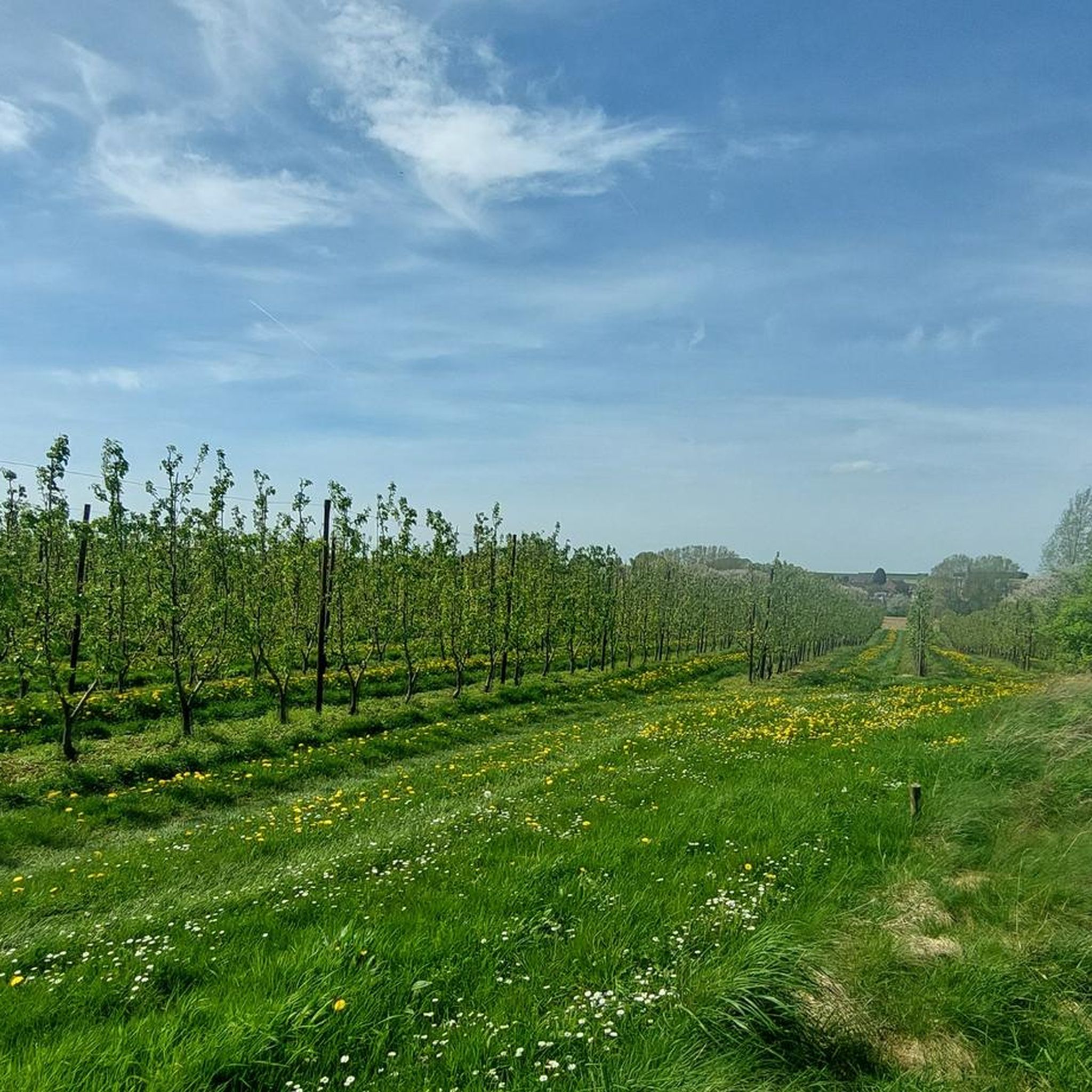
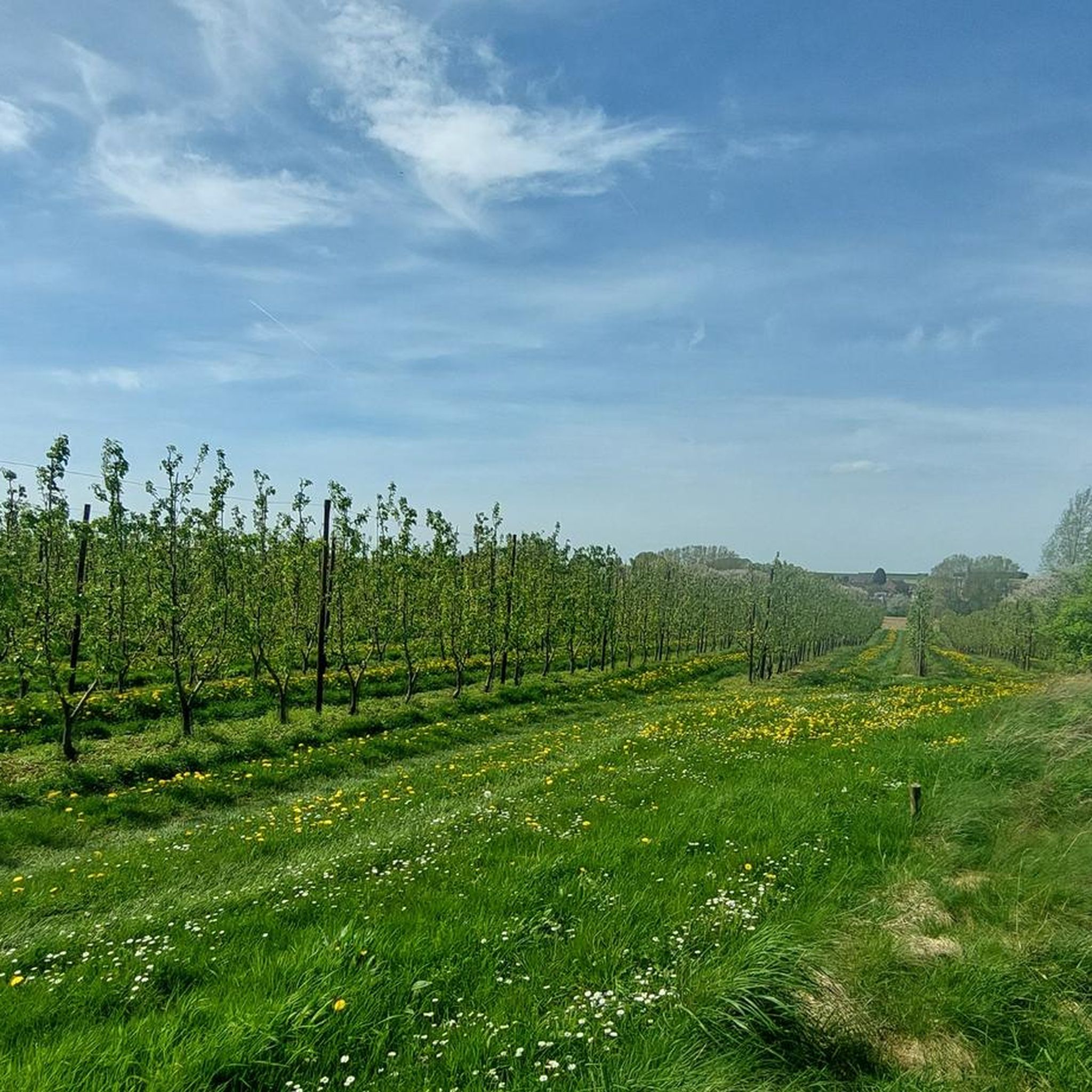
I was overwhelmed by the beautiful blossoms, also how many plantations on this hike, recommended!
0
0

Rullingen Castle (also called Rolengen, Rolenghem, and Ruelingen) is located in the Herk valley in Rullingen, a hamlet of the Belgian town of Borgloon. The oldest known lord of Rullingen was Eggebertus van Rolengen, who witnessed the foundation of Averbode Abbey by his feudal lord, Arnold II van Loon. The medieval fortress was replaced, probably between 1623 and 1638, by a typical Maasland moated castle. It consisted of a U-shaped farmyard and an L-shaped manor house with a projecting square corner tower. In the 18th and 19th centuries, the castle was adapted to the then-current residential standards; a coach house was added. Between 1770 and 1850, an English garden was laid out to the south. In 1912, Knight Pangaert d'Opdorp purchased the castle. The farm behind the castle and a service wing were destroyed by fire in 1920. The building was then thoroughly renovated, a garden was created, and the moats were partially filled in. A new coach house was built using the demolition material. The Provincial Government of Limburg has owned the building since 1978. Until 2013, it was operated as a hotel and restaurant. In 2014, the Province of Limburg sold the castle to NV Livaco in Sint-Lambrechts-Woluwe, one of the companies of the project developer Kolmont, owned by the Tans family in Hasselt. A real vineyard has been located on the Rullingen estate for several years now. In May 2005, one hectare of land was set aside for planting. The vineyard consists of 3,000 Pinot Gris vines, 2,000 Pinot Blanc, 600 Pinot Noir (Sankt Laurence), 200 Riesling, and 200 Kerner. The wine from Kasteel van Rullingen is organic. Unlike "regular" wine, which uses chemical agents, the grapes used in organic wine are grown without the use of any chemical products. Artificial fertilizers, highly toxic herbicides, and all chemical insecticides and fungicides are STRICTLY FORBIDDEN in this cultivation. Organic cultivation is therefore 100% environmentally friendly.
3
0

The description is very accurate. Thank you.
1
0

Beautiful castle with moat in the limestone of the region from the 13th century. It was long the property of Charles the Bold.
0
0

beautiful big castle in Rullingen
0
1

The domain is closed and the castle is partially covered in scaffolding. It is currently only visible from a distance.
4
0

Always very pleasant to walk/run in this beautiful park
1
0

The fortified castle of Fallais dates from the 13th century and was built by the Beaufort family. It was the place of historical meetings and Reformed preaching. Occupied by Louis XIV in the 17th century, it escaped destruction thanks to village women offering Liège waffles. Restored in 1881-1882, a fire in 1937 damaged it, then it became a home for the elderly.
3
0
Frequently Asked Questions
What castles are located directly within the municipality of Gingelom?
Within Gingelom itself, you can find the Kasteel van Gingelom, a neoclassical edifice with historical ties to Belgium's first head of state, and the Kasteel van Hasselbroek, a monument dating from the 17th and 18th centuries located in the hamlet of Jeuk.
What are some of the most popular castles to visit in the broader Gingelom region?
Visitors frequently enjoy Hélécine Estate, known for its castle set within a 28-hectare park with nature reserves and playgrounds. Another popular choice is Château de Fallais, a 13th-century fortified castle with a rich history. Heks Castle is also highly regarded, especially for its beautiful gardens.
Are there family-friendly castles or estates around Gingelom?
Yes, Hélécine Estate is particularly family-friendly, offering two playgrounds, an aerial structure, an educational pond, and mini-golf within its extensive park. Many of the castles, like Heks Castle, also feature large parks and gardens suitable for family walks.
What kind of historical significance do the castles in Gingelom hold?
The castles in the Gingelom region offer a deep dive into Belgian history. For instance, the Kasteel van Gingelom is significant due to its connection with Erasme Louis Surlet de Chokier, the first head of state of newly formed Belgium. Château de Fallais has a turbulent past, including occupation by Louis XIV, while Heks Castle was built as a summer residence for a Prince-Bishop of Liège.
What outdoor activities can I do near the castles around Gingelom?
The region around Gingelom is excellent for outdoor activities. You can find numerous routes for road cycling, gravel biking, and running. For example, explore the 'Sint-Truiden is worth a visit' road cycling loop or the 'Retention basin loop' for running. You can find more detailed routes and guides at Road Cycling Routes around Gingelom, Gravel biking around Gingelom, and Running Trails around Gingelom.
When is the best time to visit the castles and their gardens?
The spring and summer months are generally ideal, especially if you wish to see the gardens in full bloom. Heks Castle, for example, opens its gardens and park to the public during specific weekends in June and September, which are excellent times to experience its famous rose collection. The Haspengouw blossom season (typically April) also offers beautiful scenery.
Are there any castles with notable gardens or natural features?
Yes, Heks Castle is renowned for its historic gardens, including a rose garden with an exceptional assortment of varieties, and one of the first landscape parks on the European mainland. Hélécine Estate also boasts a 28-hectare park with a nature reserve, ponds, and forested areas.
What architectural styles can be observed among the castles in the Gingelom area?
The castles around Gingelom showcase a variety of architectural styles. You can find neoclassical designs, such as the Kasteel van Gingelom, as well as fortified structures like the 13th-century Château de Fallais. Palatial castles, like Heks Castle, built in the 18th century, also represent the region's diverse historical estates.
Can I visit the Kasteel van Gingelom or Kasteel van Hasselbroek?
While the Kasteel van Gingelom offers a glimpse into 19th-century neoclassical architecture and Belgian political history, and the Kasteel van Hasselbroek is a classified monument, specific details about their public accessibility and current use are not readily available. They are primarily appreciated for their external views and historical significance within the municipality.
What do visitors appreciate most about the castles around Gingelom?
Visitors frequently highlight the historical insights, the diverse architectural styles, and the beautiful surrounding parks and gardens. The opportunity for leisurely walks and the peaceful atmosphere are also highly valued, especially at estates like Hélécine Estate and Heks Castle.
Are there any castles near Gingelom that are less crowded?
While popular sites like Hélécine Estate and Heks Castle can attract visitors, exploring the smaller, less prominent castles or visiting during off-peak seasons (outside of specific event days) can offer a more tranquil experience. The Kasteel van Gingelom and Kasteel van Hasselbroek, while historically significant, are generally less frequented by tourists.
Are there any castles that are particularly suitable for dog owners?
Many of the larger estates with extensive parks, such as Hélécine Estate, often welcome dogs on leashes in their outdoor areas. It's always advisable to check the specific rules of each castle or estate before visiting with your dog, as policies can vary.
Where can I find information about parking near the castles?
Parking availability varies by location. For popular sites like Hélécine Estate, dedicated parking facilities are usually available. For other castles, especially those not regularly open to the public, parking might be limited to nearby public spaces. It's recommended to check local signage or official websites for specific parking information before your visit.
Most popular routes around Gingelom
Most popular attractions around Gingelom

Get inspired with the komoot mobile app


Explore more
Looking for the best castles somewhere else? Discover other guides around Gingelom:
