The best gravel rides around Gingelom
4.5
(7)
157
riders
12
rides
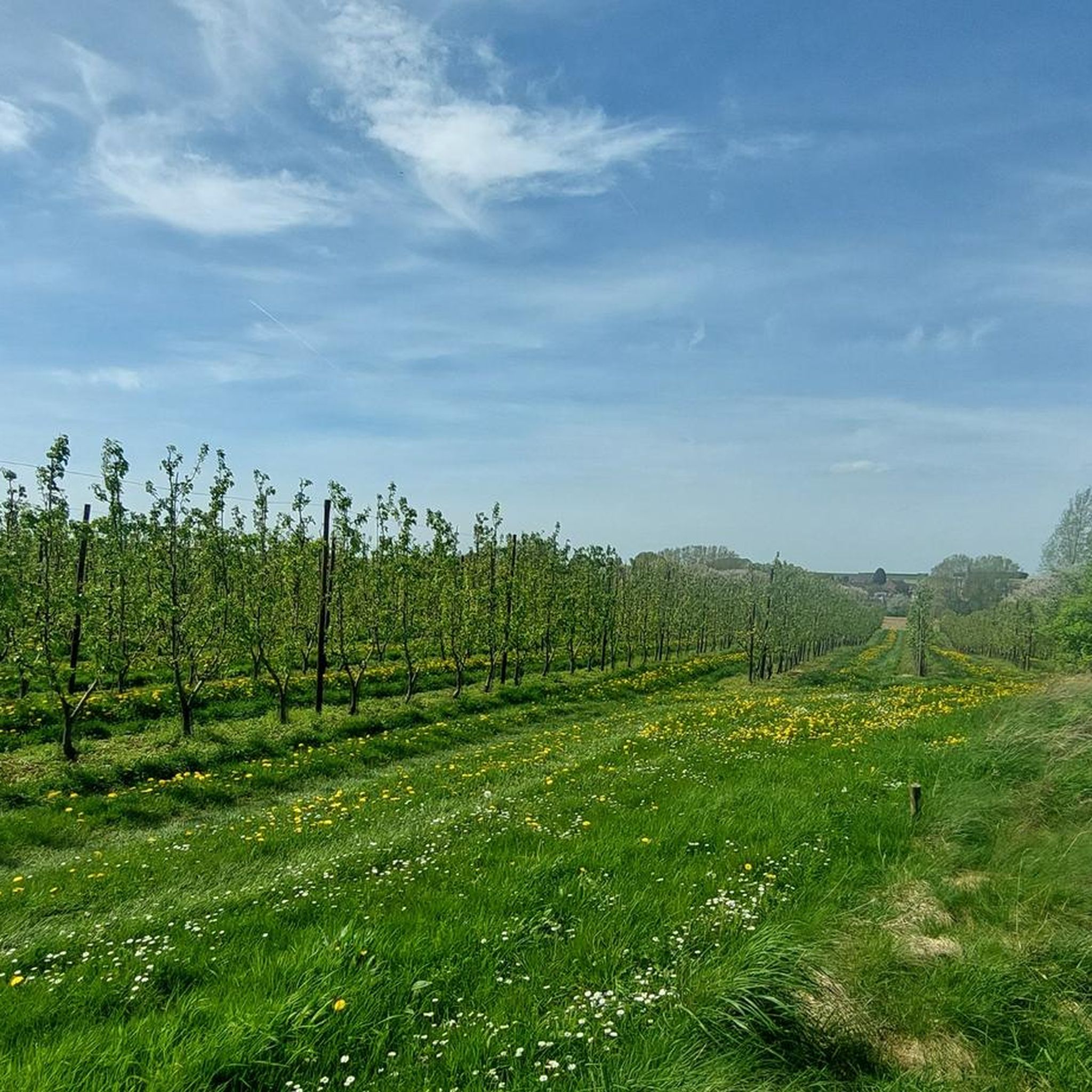
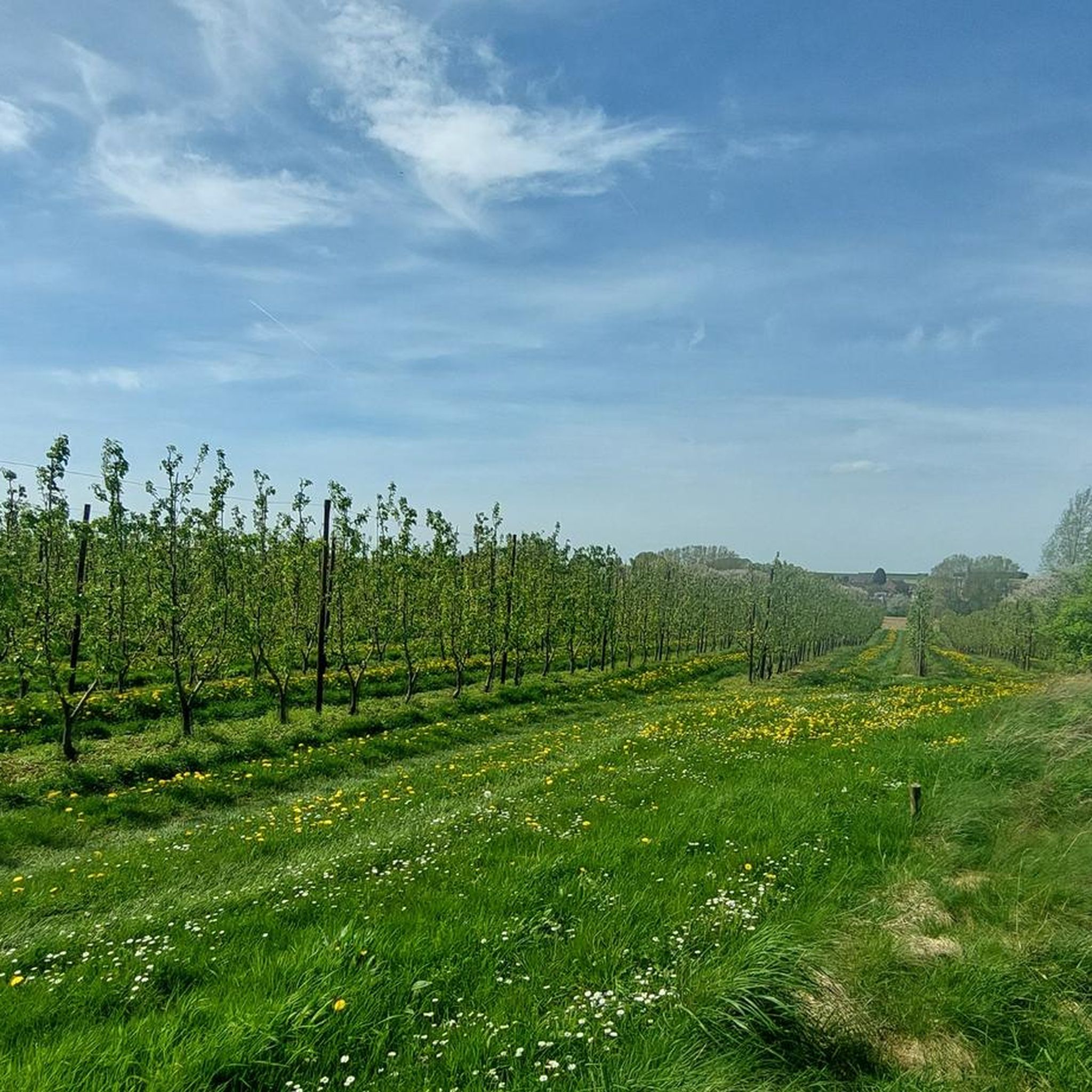
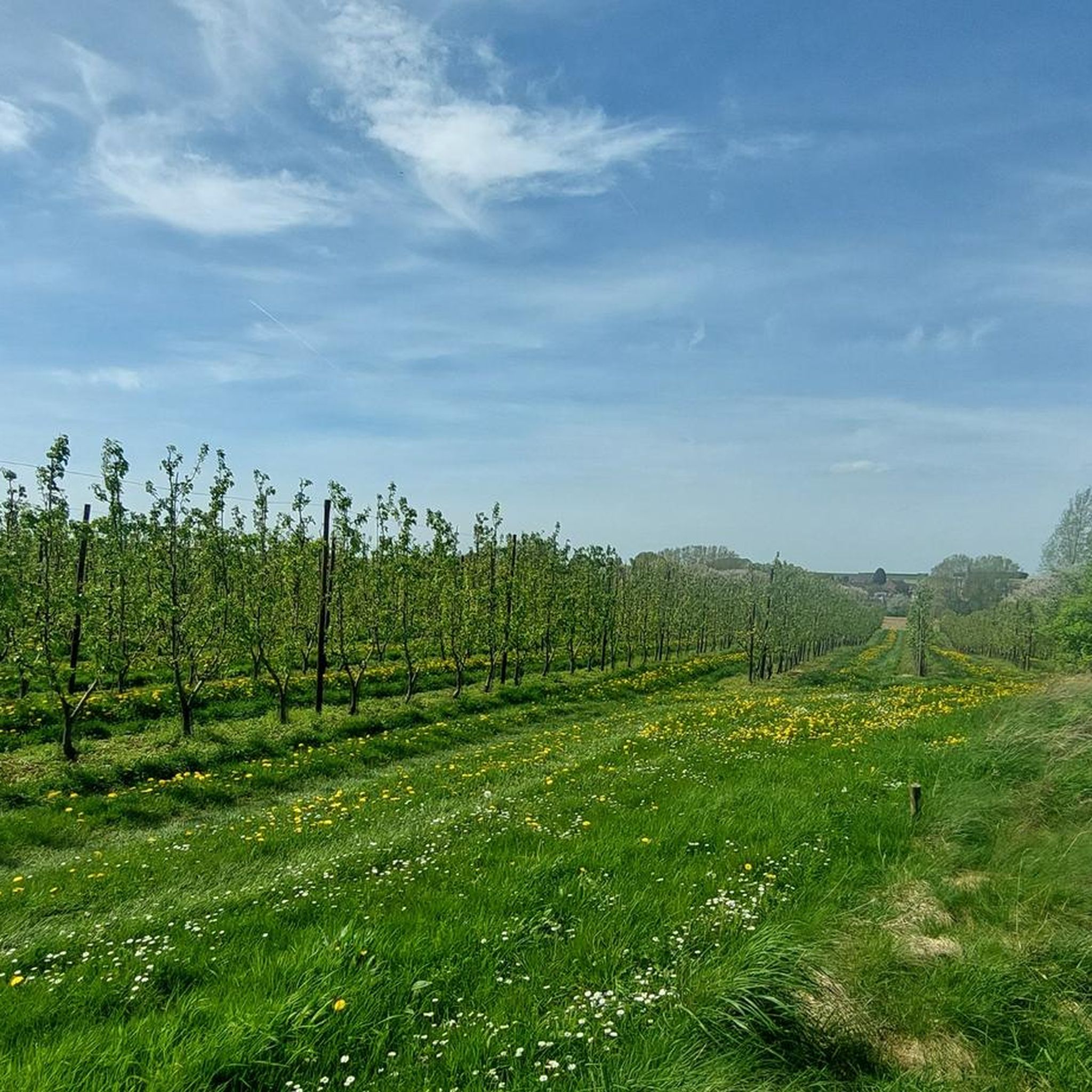
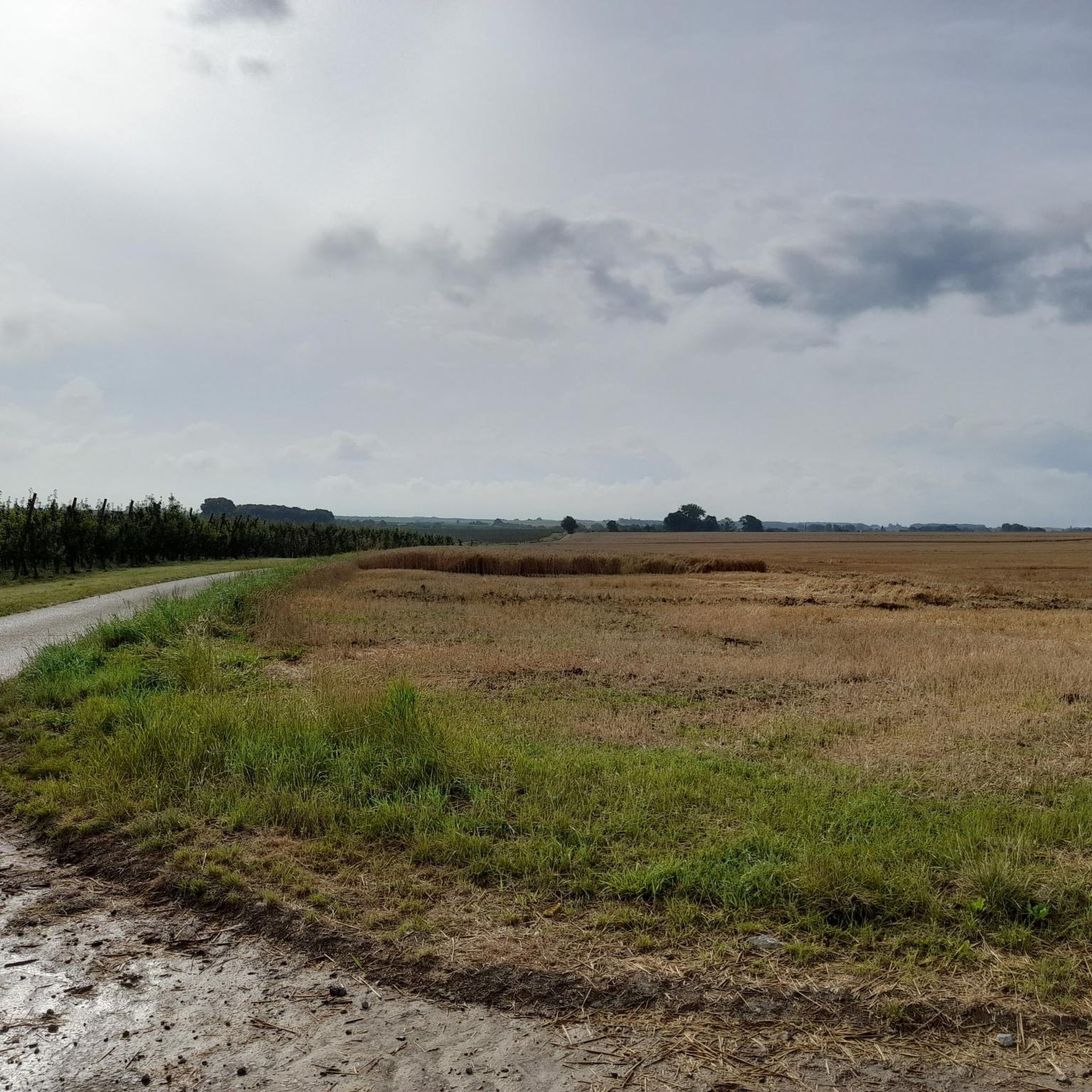
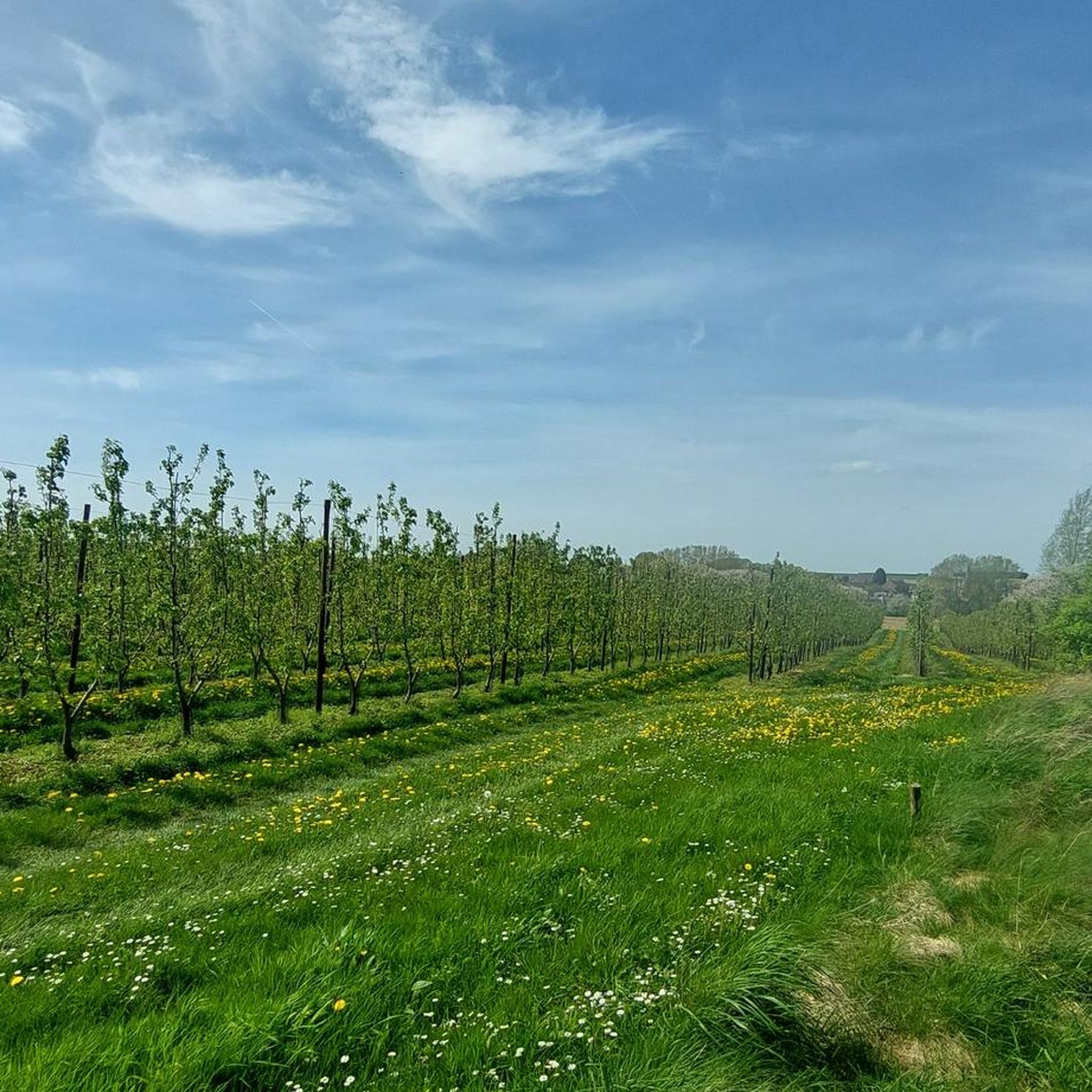
Gravel biking around Gingelom offers exploration through the Haspengouw landscape, characterized by undulating fields and extensive fruit orchards. The region features rolling terrain with a mix of climbs and descents, providing varied routes for gravel cyclists. Unpaved or partially unpaved hollow roads are common, offering suitable surfaces for gravel riding. These natural paths and quiet roads allow for immersive experiences in the rural environment.
Best gravel bike trails around Gingelom
- The most popular gravel bike trail is Widooie Castle –…
Last updated: October 11, 2026
57
riders
Hard gravel ride. Good fitness required. You may need to push your bike for some segments of this route.
36
riders
68.2km
03:49
340m
340m
Hard gravel ride. Good fitness required. You may need to push your bike for some segments of this route.

4.0
(3)
18
riders
37.9km
02:13
150m
150m
Hard gravel ride. Good fitness required. You may need to push your bike for some segments of this route.
17
riders
52.1km
02:47
150m
150m
Hard gravel ride. Good fitness required. You may need to push your bike for some segments of this route.
5.0
(2)
14
riders
50.6km
03:05
380m
380m
Hard gravel ride. Good fitness required. You may need to push your bike for some segments of this route.
Get access to more routes and recommendations from other explorers.
Already have an account?
Our route recommendations are based on thousands of hikes, rides, and runs completed by other people on komoot.
Start today with a free account
Your next adventure awaits.
Tips from the Community

On the site of the current Sint-Leonardus church, there was a chapel – whose construction date is unknown – in honor of Saint Leonard of Noblac. After this chapel was elevated to a parish church in 1231, it was replaced by the current church, which had a long construction history: the monumental Gothic building was largely erected between the 13th and 16th centuries. The Sint-Leonardus church is rich in art treasures and owes its international fame mainly to them. The Iconoclastic Fury of 1566 and the French Revolution passed by the church without major damage, so that the impressive artistic heritage built up over centuries has largely been preserved: altarpieces, paintings, statues of saints, copper and silverware, vestments, and other devotional objects.
4
0

Pleasant climb, nothing too steep, doable.
0
0
The new Castle De Klee was built on behalf of and for the baroness Sneyers-d'Attenhoven in 1904-07. After a fire in 1933, it was restored again. The whole is located in a landscape-style park, enclosed by an iron entrance gate between bluestone pillars.
4
0

At the highest point of Helshoven, you can now enjoy a breathtaking view over the Haspengouw landscape. Artist Frits Jeuris has created a unique work of art from dozens of felled fruit trees from the area. “Helsh(ea)ven”, a wooden work of art consisting of 90 standard cherry trees, each fifty years old, was hit by the cherry plague virus at the end of 2016, a contagious plant disease that causes small fruits on cherries. Now the felled trees are getting a second life. The work of art symbolizes the dynamic landscape of Haspengouw.
2
0
The Tjenneboom commemorates Tjenne the witch, who is said to have been burned at the stake at this location more than three centuries ago. The location is typical for a pyre or gallows, namely on the outskirts of a village and at the highest point in the area. The tree is located on the border of four former municipalities, Helshoven, Gotem, Mettekoven and Voort, and can thus also be considered a border tree. Finally, the tree marks the route of the Roman Road, the historical Roman connection between Bavay and Tongeren. It is already the third tree at this location, planted in 1970. The location has also been laid out as a meeting place. The solitary white poplar is an important landmark in the landscape. Due to its location, at the highest point in an open agricultural landscape, it is visible from the surrounding area. Moreover, it has a beautiful, representative growth form. @https://inventaris.onroerenderfgoed.be/aanduidingsobjecten/9752
3
0

Well-maintained path through the Tienbundersbos.
8
0

On the site of the current St. Leonard's Church stood a chapel—the date of construction of which is unknown—in honor of Saint Leonard of Noblac. After this chapel was elevated to a parish church in 1231, it was replaced by the current church, which had a long construction history: the monumental Gothic building was largely constructed between the 13th and 16th centuries. St. Leonard's Church is rich in art treasures and owes its international fame primarily to them. The Iconoclasm of 1566 and the French Revolution passed the church by without significant damage, thus preserving most of the impressive artistic heritage accumulated over centuries: altarpieces, paintings, statues of saints, copper and silverwork, vestments, and other devout objects. Below, a few of these showpieces are presented. Upon entering, the first thing that catches the eye is the Marianum: this double statue (1533) is situated within the 15th-century veneration of Mary, which depicted the Virgin Mary as the apocalyptic woman and mediatrix of grace. Not-to-be-missed highlight inside: The Sacrament Tower: A tabernacle crafted from white Avesnes stone is undoubtedly the church's showpiece. The artwork was created in the workshops of Cornelis II Floris de Vriendt in Antwerp and erected in Zoutleeuw in 1552. The tower is 18 meters high, has nine stories, and contains approximately 200 statues depicting scenes from the Old and New Testaments. A replica is on display at London's Victoria and Albert Museum. The Paschal Candlestick This copper candlestick is 5.68 meters high and weighs approximately 950 kg. It was cast by Renier van Thienen, based on a design by Jan Bornam, and installed in the choir by the founder himself in 1483. It is the second-largest Easter candlestick in Europe. Source: https://www.zoutleeuw.be/sint-leonarduskerk
6
0
Slow down and enjoy. In some areas, the reeds have been cut, and you have a beautiful view of Het Vinne.
4
0
Frequently Asked Questions
How many gravel bike trails are available around Gingelom?
There are over 20 gravel bike trails around Gingelom, offering a variety of experiences. These include 4 easy routes, 5 moderate routes, and 13 more challenging options for experienced riders.
What kind of terrain can I expect on gravel bike routes in Gingelom?
Gravel biking in Gingelom takes you through the picturesque Haspengouw landscape, characterized by undulating fields, extensive fruit orchards, and distinctive hollow roads. You'll encounter a mix of paved and unpaved surfaces, with rolling terrain that includes both climbs and descents, providing varied challenges and scenic beauty.
Are there any circular gravel bike routes in Gingelom?
Yes, many of the gravel routes in Gingelom are designed as loops, allowing you to start and finish at the same point. For example, the challenging Café Coureur – Bissemstraat Climb loop from Opheers is a popular circular option covering nearly 58 km.
What are some notable historical or natural attractions I can see along the gravel routes?
Gingelom's routes often pass by interesting historical and natural sites. You can discover ancient Gallo-Roman tumuli, authentic monuments, and quiet church villages. For natural beauty, consider routes that pass by Lake Het Vinne or the Haut-Geer Nature Reserve. You might also spot Heks Castle on some tours.
What is the best time of year for gravel biking in Gingelom?
The Haspengouw region, with its fruit orchards, is particularly beautiful during spring when the blossoms are out, offering a 'flowering orchard loop' experience. However, the varied terrain and hollow roads are enjoyable throughout much of the year. Be mindful of winter conditions, as some unpaved sections might become muddy or challenging.
Are there any longer, more challenging gravel routes for experienced riders?
Absolutely. Gingelom offers several difficult routes for experienced gravel bikers. One of the longest and most challenging is the Widooie Castle – Climb to Vechmaal loop from Bleret, which spans over 95 km and includes significant elevation gain, typically taking over 6 hours to complete.
What do other gravel bikers say about the routes in Gingelom?
The gravel routes in Gingelom are highly rated by the komoot community, with an average score of 4.5 stars from over 25 reviews. Riders often praise the immersive experience in the rural environment, the varied terrain, and the scenic views of the Haspengouw landscape.
Are there any routes that follow rivers or offer waterside views?
Yes, some routes incorporate waterside sections. The Jonas Vlayenpad – Along the Kleine Gete loop from Sint-Truiden, for instance, follows the Kleine Gete river, providing scenic views of the water and surrounding fields.
Where can I find more information about the Gingelom region?
For additional information about the broader Haspengouw region and Gingelom, you can visit the official tourism website: visitlimburg.be.
Are there any routes suitable for a quicker gravel ride?
Yes, if you're looking for a shorter ride, the Zoutleeuw Town Center – Jonas Vlayenpad loop from Wilderen is a great option. This route is about 37.7 km long and can typically be completed in under 3 hours, offering a good taste of the rural Haspengouw landscape.
What makes the gravel biking experience in Gingelom unique?
Gingelom's gravel biking experience is unique due to its blend of the picturesque Haspengouw landscape, characterized by rolling fields, extensive fruit orchards, and distinctive hollow roads. These unpaved or partially unpaved paths offer a true gravel adventure, allowing riders to immerse themselves in the quiet, natural environment away from busy roads.
Most popular attractions around Gingelom

Get inspired with the komoot mobile app


Explore more
Browse the best Gravel rides in other regions.
