Attractions and Places To See around Lokeren - Top 20
Best attractions and places to see around Lokeren, a city in East Flanders, Belgium, offer a blend of natural landscapes and historical sites. The region is characterized by its location along the Durme River and features expansive nature reserves. Historically, Lokeren was known for its fur-processing industry, and its cultural heritage is reflected in landmarks such as Sint-Laurentiuskerk and the Old Town Hall. Visitors can explore a variety of outdoor activities and cultural experiences.
Best attractions and places to see around Lokeren
- The most popular attraction is Kalkense Meersen, an expansive natural area. This controlled floodplain covers 950 hectares, featuring diverse birdlife and grazing Galloway cattle, with a 165-kilometer hiking route network.
- Another must-see spot is Moervaart Towpath, a cycle way. Cycling or walking along this canal offers peaceful views over polders and vast ponds, connecting the Ghent-Terneuzen Canal and the Durme.
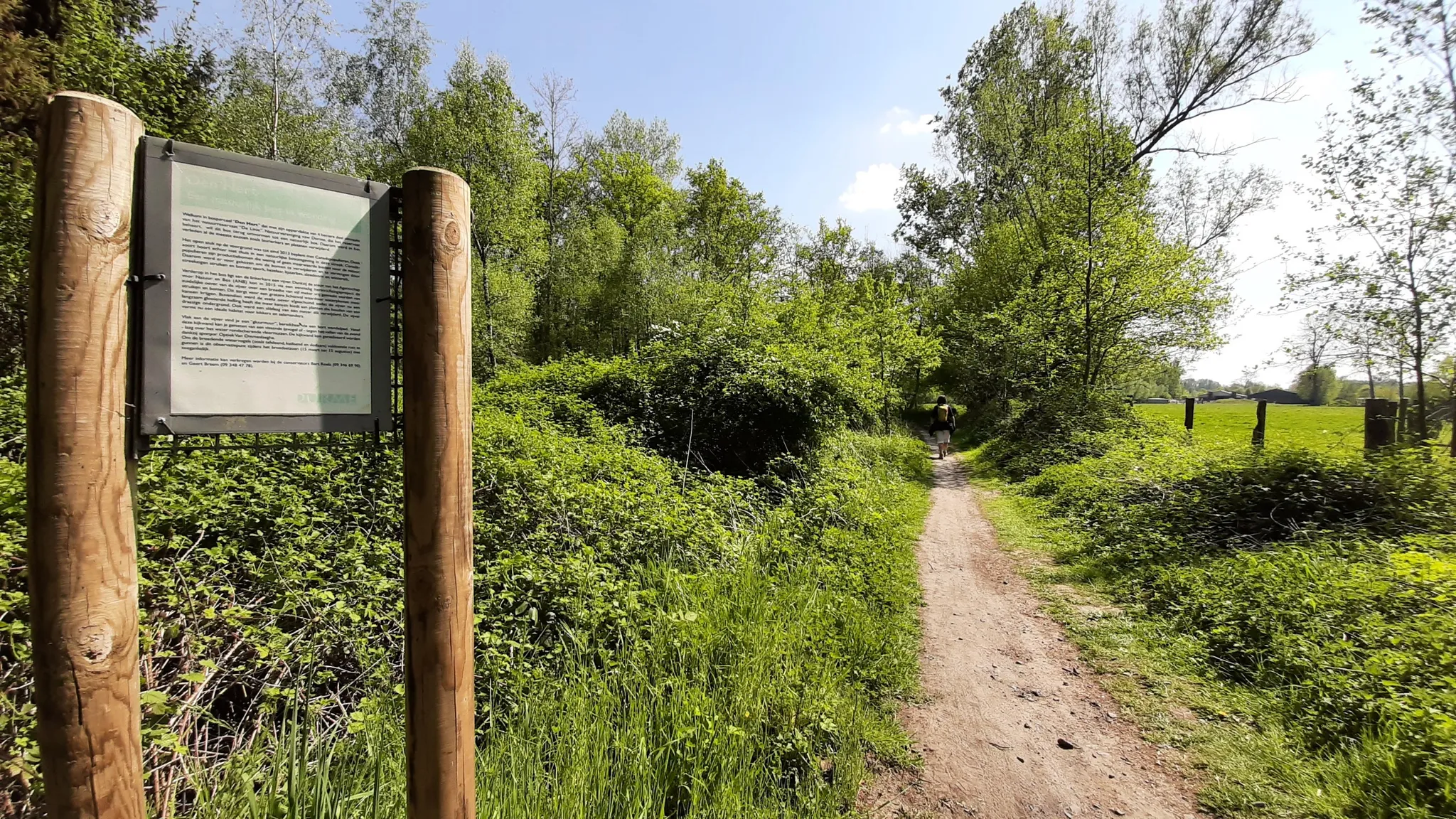
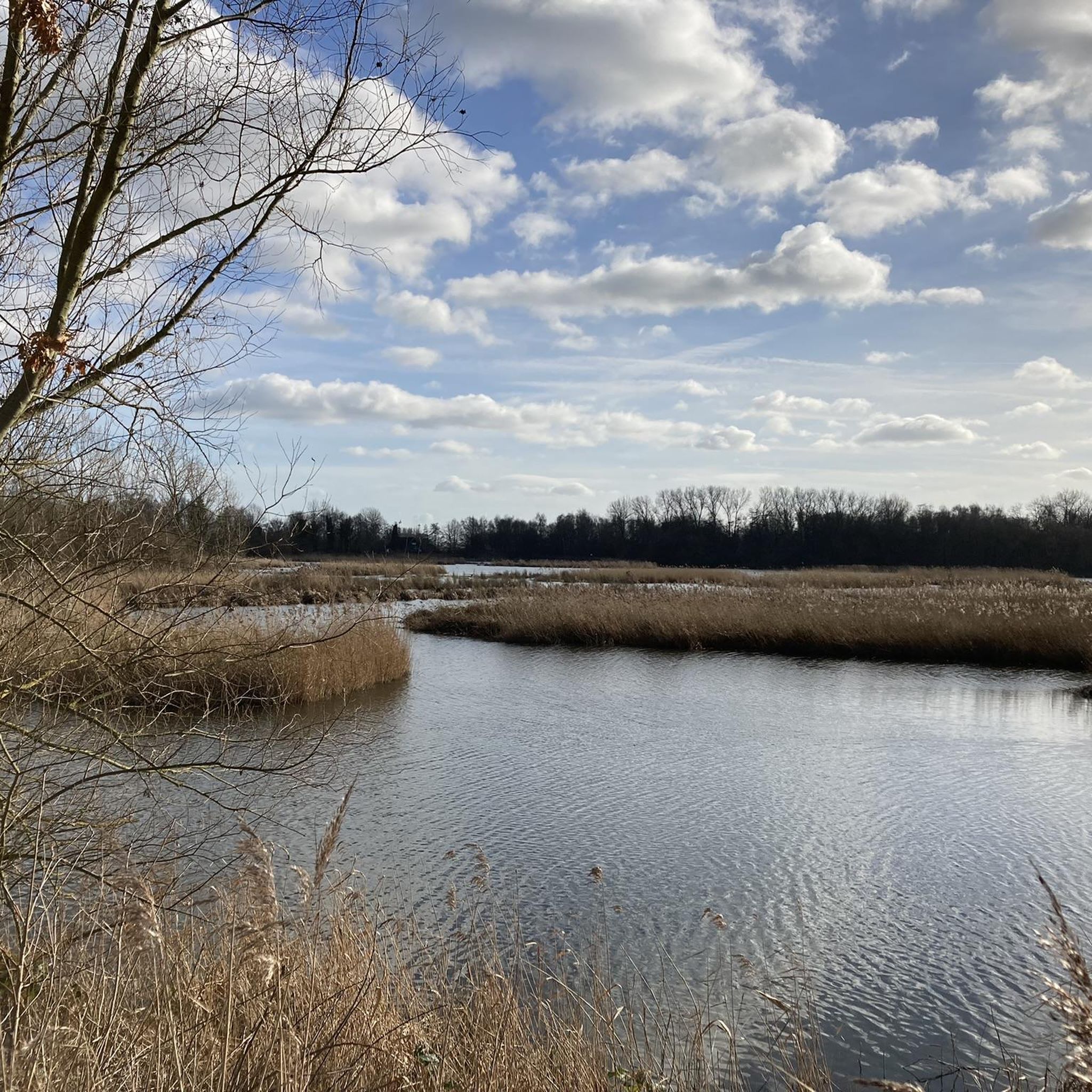
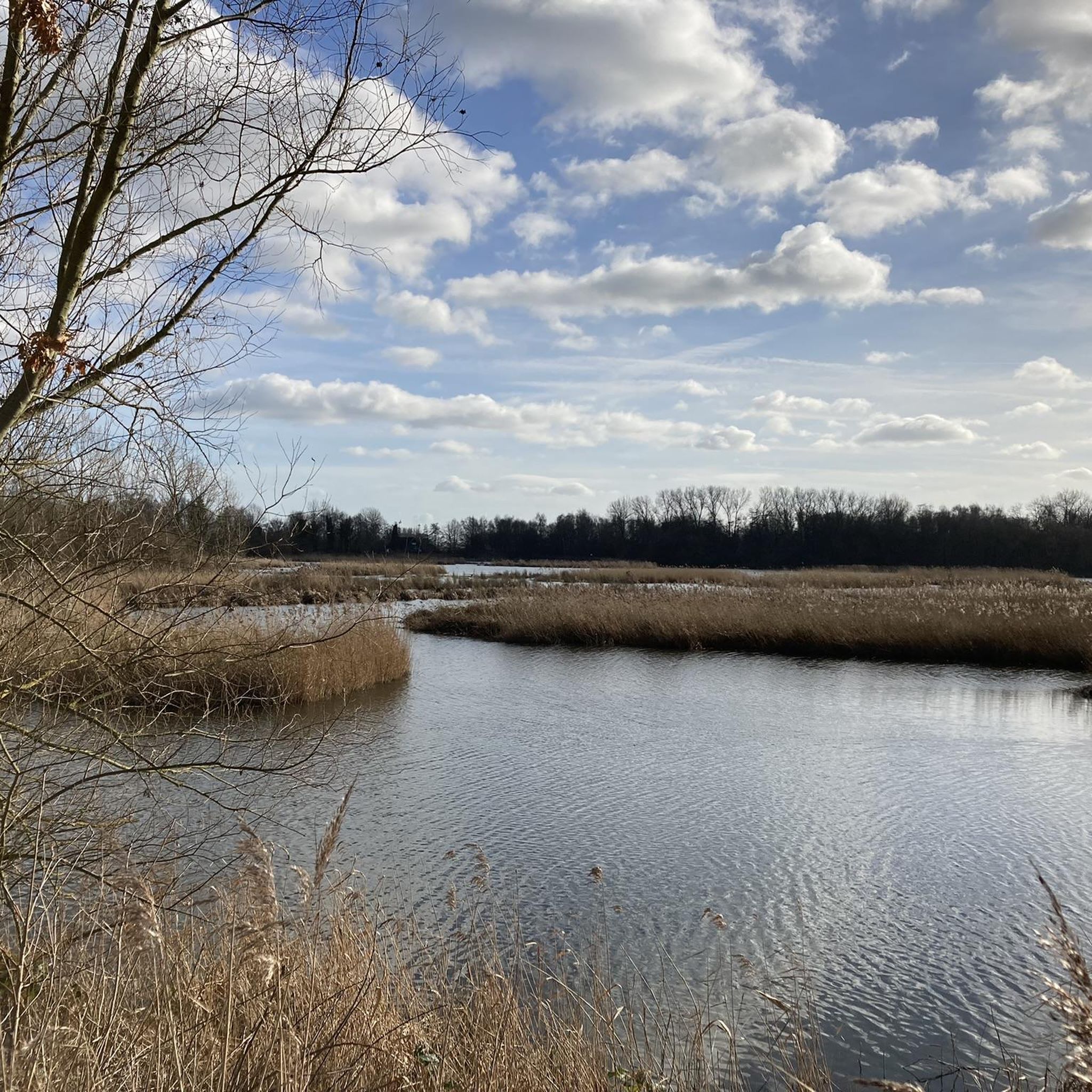
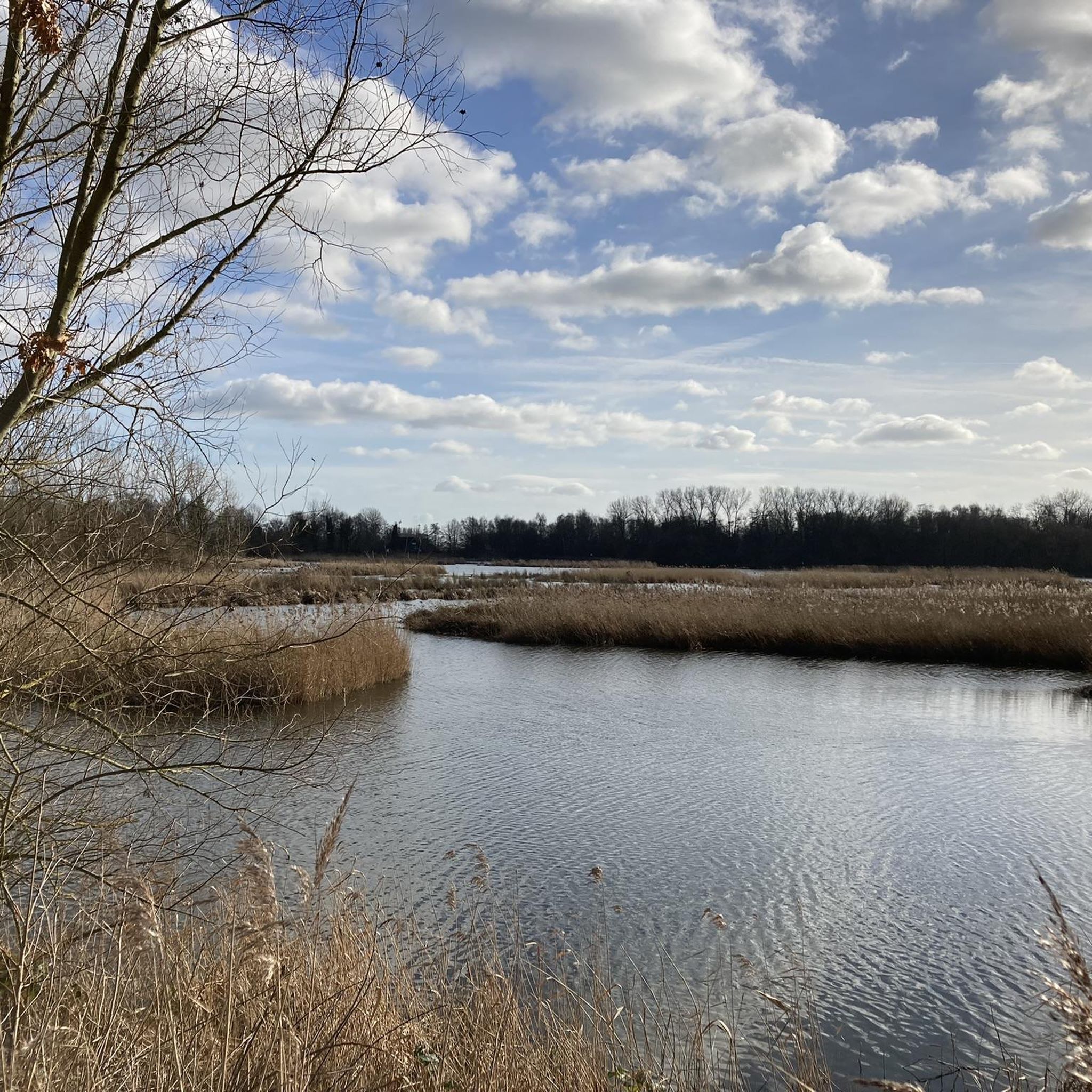
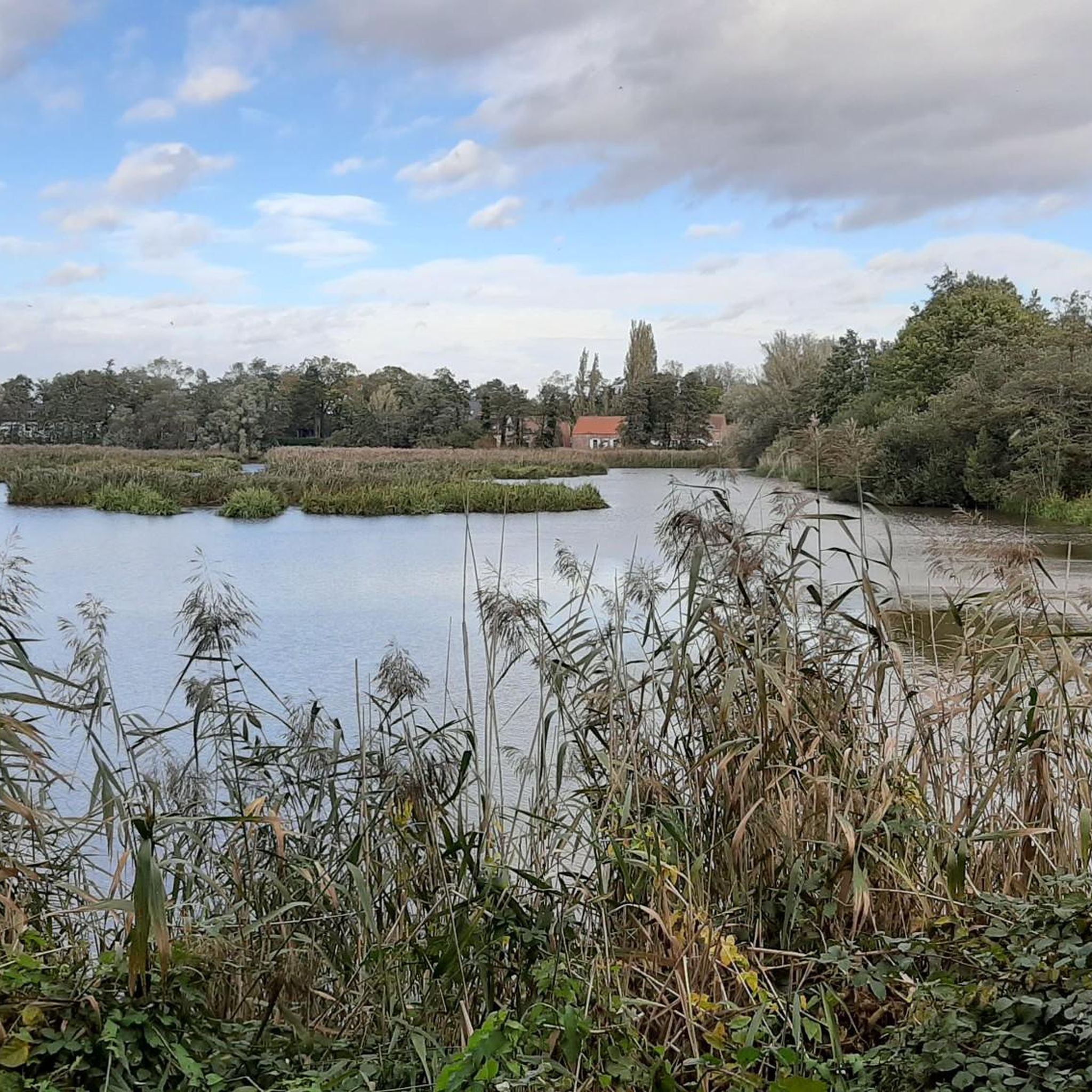
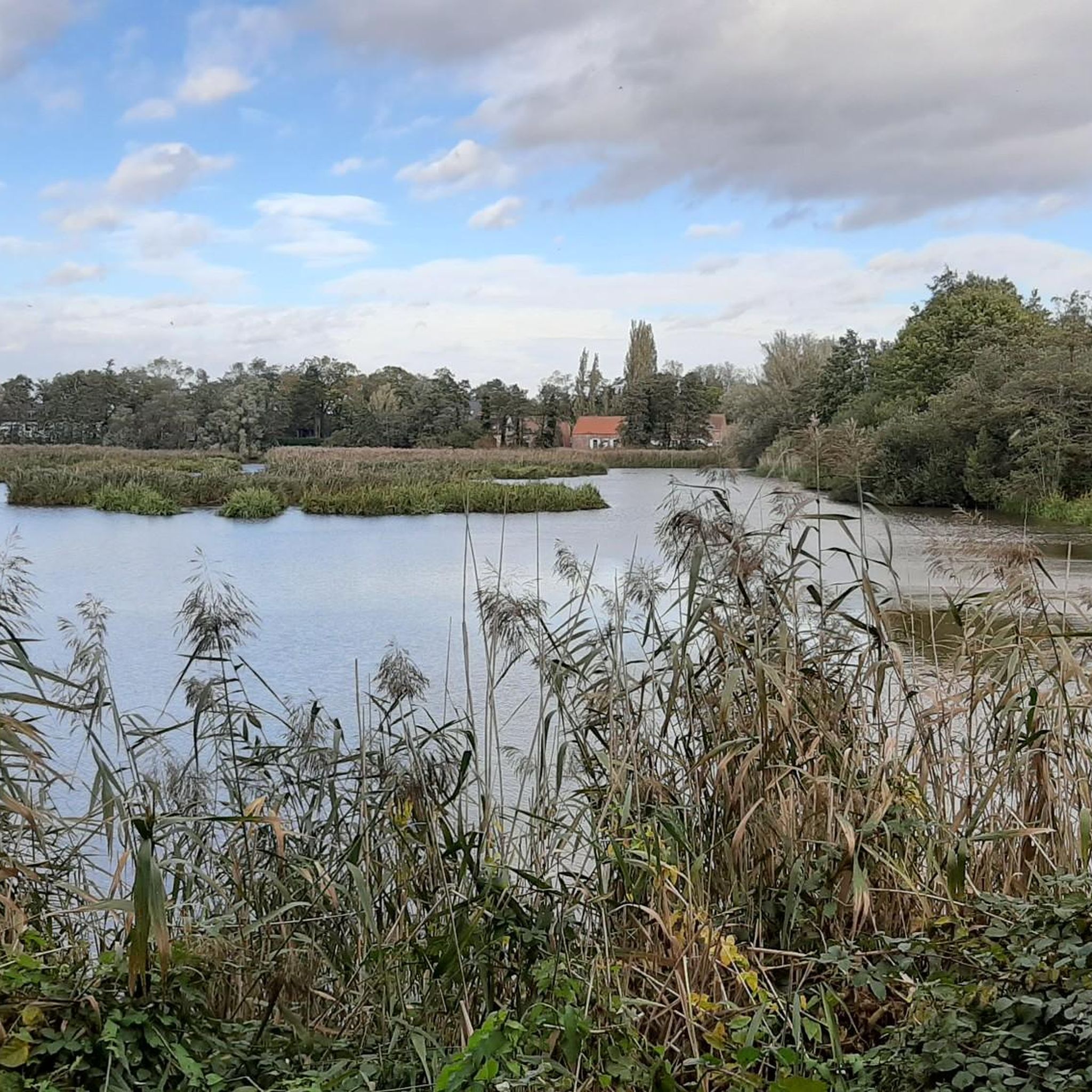
- Visitors also love Peat Pits of Berlare Broek, a lake area. These peat pits are the result of natural processes and historical peat extraction, now forming a landscape of ponds and forests.
- Lokeren is known for its historical sites, nature reserves, and cycling routes. The region offers a variety of attractions to see and explore, from cultural landmarks to extensive natural areas.
- The attractions around Lokeren are appreciated by the komoot community, with more than 400 upvotes and 4 photos shared by visitors.
Last updated: October 9, 2026
Kalkense Meersen
Highlight • Natural
This area was given back to nature, which now has free reign in the vast fields. Because the meadows around you are actually intended as a buffer in the event of a flood. Enjoy this masterly spectacle of rushing wind, wonderful silence and flushing water.
But the Kalkense Meersen are more than just a controlled floodplain. With various sub-areas such as Wijmeers, Bergemeersen, Paardeweide and Paardebroek, this area comprises no less than 950 hectares of valuable nature, spread over the municipalities of Wetteren, Wichelen, Laarne and Berlare. What you will also encounter when exploring the Kalkense Meersen are grazing cattle. They help ensure well-thought-out nature management. You can immediately recognize the typical Galloway cattle by their characteristic long hair.
Thousands of meadow birds seek refuge here, away from civilization - a fantastic sight. From the Scheldt dike you have a beautiful view over the landscape.
You can easily explore the area via the hiking route network Kalkense Meersen Donkmeer. It offers 165 kilometers of green tranquility with places that will stay with you. Thanks to the imposing expanse, the abundance of birds, the tranquility and the combination of land and water. But also because of the simple beauty of what you see.
Translated by Google •
Tip by

Mira Bridge
Highlight • Bridge
The bridge got its name and fame thanks to the feature film Mira, the 1971 film adaptation of the book De teleurgang van de Waterhoek by Stijn Streuvels by Fons Rademakers, with Willeke van Ammelrooy and Jan Decleir in the leading roles. The script was by Hugo Claus.
The bridge that Streuvels described was not between Hamme and Waasmunster, but was the Vierendeel Bridge that connected Ruien with Avelgem. However, it was dynamited and replaced twice. The current bridge is a much more modern version of the original.
At the beginning of the First World War, the middle section of the bridge was blown up by the local population, in an attempt to stop the Germans and their war material.
(Wikipedia)
Translated by Google •
Tip by

Sign up now to discover places like this
Get recommendations on the best single tracks, peaks, & plenty of other exciting outdoor places.
Donkmeer
Highlight • Lake
Translated by Google •
Tip by

Cyclists and pedestrians bridge "De Passerelle"
Highlight • Bridge
The Scheldt pedestrian and cyclist bridge provides an elegant, modern crossing between the towpath and the center of Wetteren. The wide ramps eliminate the need for the old footbridge and stairs, giving the bridge a flowing, accessible line. From the highest point, you have an unobstructed view of the Scheldt, the dikes, and the green river plain.
Translated by Google •
Tip by

Peat Pits of Berlare Broek
Highlight (Segment) • Lake
The thick layer of peat remained virtually untouched until the second half of the 17th century. Only then did peat begin to be extracted. As part of this peat extraction, the eastern part of the old Scheldt meander was excavated again, transforming the area into a large water surface. It was only finally drained at the beginning of the last century. The vacated land was planted with willows for basket weaving. After the Second World War, poplars were planted for the production of matches. Today, these poplars are gradually being replaced by native tree and shrub species as part of current forest management.
Translated by Google •
Tip by

Sign up for free to discover even more attractions around Lokeren.
Already have an account?
Start today with a free account
Your next adventure awaits.

Other adventures around Lokeren

Tips from the Community

Walking through a sunken historyDid you know that the idyllic ponds in the Berlare Broek were created by human hands? Where you now enjoy chirping birds and reflecting trees, peat cutters toiled from 1686 onwards to extract precious fuel from the ground. Their back-breaking work in this ancient, cut-off Scheldt meander created more than fifty ponds. A beautiful piece of nature full of history where you can enjoy a wonderful walk through boardwalks and forest paths!
2
0

As a cyclist, you ride straight into the town hall. The Scheldt pedestrian and cyclist bridge provides an elegant, modern crossing between the towpath and the center of Wetteren. The wide ramps eliminate the need for the old footbridge and stairs, giving the bridge a flowing, accessible line. From the highest point, you have an unobstructed view of the Scheldt, the dikes, and the green river plain.
6
0
Where cyclists and pedestrians can reach the other side without getting wet.
4
2

Cycle bridge with a gentle slope to go to the city center. The ramp leads directly to the city center at a slightly higher elevation.
1
0

Beautiful piece of bridge that connects the towpath with the rest of the village centre
2
0


Nice to walk through with water on both sides.
14
1

The bridge got its name and fame thanks to the feature film Mira, the 1971 film adaptation of the book De teleurgang van de Waterhoek by Stijn Streuvels by Fons Rademakers, with Willeke van Ammelrooy and Jan Decleir in the lead roles. The script was by Hugo Claus. In 2002, the bridge was completely renovated and since then it has been an important junction for the many cycling and walking routes in the area. This fine piece of architecture has been recognized as a protected monument since 1991.
6
0
Frequently Asked Questions
What natural features can I explore around Lokeren?
Lokeren offers a variety of natural landscapes. You can visit Kalkense Meersen, an expansive controlled floodplain known for its diverse birdlife and grazing Galloway cattle. Another unique area is the Peat Pits of Berlare Broek, a landscape of ponds and forests resulting from historical peat extraction. Just east of Lokeren, the De Molsbroek Nature Reserve provides 120 hectares of marshland, grassland, and reedbeds, ideal for birdwatching.
Are there good cycling routes near Lokeren's attractions?
Yes, Lokeren is well-suited for cycling. The Moervaart Towpath offers peaceful views along the canal. For more extensive cycling, you can explore various routes like the 'De Buylaers Nature Reserve – Mira Bridge loop' or the 'Cycling Bridge Over the Durme – Verloren Bos, Lokeren loop'. You can find more cycling options in the Cycling around Lokeren guide.
Where can I go for a walk or hike in Lokeren?
Lokeren provides several excellent spots for walking and hiking. The Kalkense Meersen features a 165-kilometer hiking route network with beautiful views from the Scheldt dike. The Peat Pits of Berlare Broek offer a scenic walk through forests and around ponds. Additionally, the De Molsbroek Nature Reserve has an asphalt trail for easy access and picturesque views. For dedicated running trails, check out the Running Trails around Lokeren guide.
What historical landmarks can I visit in Lokeren?
Lokeren boasts several significant historical landmarks. The Sint-Laurentiuskerk, a Baroque church on the main market square, features impressive altars and stained glass. The Oud Stadhuis (Old Town Hall) on the Markt is a beautiful example of Flemish Rococo architecture. You can also visit the Mira Bridge, famous from a 1971 film, and the Heirbrugmolen, the last remaining windmill in the area.
Are there any unique cultural sites related to Lokeren's history?
Yes, the Stadsmuseum (City Museum) offers insights into Lokeren's past, focusing on its historical importance in the hat-making industry, particularly the processing of rabbit and hare fur. The museum also houses the National Butchers Museum and a historic bakery. A tribute to this heritage can be seen in the gleaming steel sculpture, De drie hazen (The three hares), on the Durme, and a giant hare mural on the City Museum's facade.
What are some family-friendly activities or attractions in Lokeren?
Many of Lokeren's natural areas are great for families. The Kalkense Meersen and the Peat Pits of Berlare Broek offer engaging walks and opportunities to observe nature. The De Molsbroek Nature Reserve is also suitable for families, with its accessible trails and birdwatching opportunities. The Bospark provides recreational opportunities for all ages.
Are there any wheelchair-accessible paths or attractions in Lokeren?
The De Molsbroek Nature Reserve features an asphalt trail, providing easy access for visitors, including those with wheelchairs, to enjoy the natural surroundings and birdlife. The dikes along the Kalkense Meersen also offer relatively flat surfaces for exploration.
What is the best time to visit Lokeren for outdoor activities?
The spring and summer months (roughly April to September) are generally ideal for outdoor activities in Lokeren. During this period, the weather is milder, making it pleasant for cycling, walking, and exploring nature reserves like De Molsbroek and Kalkense Meersen. The annual Lokerse Feesten, a city festival, also takes place in August, adding a cultural highlight to your visit.
Can I spot wildlife in the Lokeren area?
Yes, Lokeren is excellent for wildlife spotting, especially birds. The De Molsbroek Nature Reserve is a haven for diverse birdlife, making it a prime spot for birdwatching. The Kalkense Meersen is home to thousands of meadow birds, and you can also observe grazing Galloway cattle there. The Lokerse Moervaartmeersen, visible from the Moervaart Towpath, is known as a paradise for water birds.
Are there any less crowded attractions in Lokeren?
While popular, the expansive nature reserves like Kalkense Meersen and De Molsbroek often provide ample space for a peaceful experience, especially during weekdays or outside peak hours. The Peat Pits of Berlare Broek also offer tranquil walks through forests and around ponds, away from the main city bustle.
What are the options for mountain biking near Lokeren?
Lokeren offers several mountain biking opportunities. You can explore routes like the 'Lokeren Blue MTB Loop' or the 'Red loop Lokeren'. For more detailed information and a variety of trails, consult the MTB Trails around Lokeren guide.
Are there places to eat or drink near the attractions?
Yes, for instance, Koolputten, a historical location near the Durme bridge, is now a popular meeting place where you can often find an ice cream cart on nice days. The main market square in Lokeren, near the Sint-Laurentiuskerk and Oud Stadhuis, also offers various cafes and pubs.
Most popular routes around Lokeren
Most popular attractions around Lokeren

Get inspired with the komoot mobile app


Explore more
Still not found the Highlight you’re looking for? See guides of the top attractions in other regions:
