The best cycling routes around Lokeren
4.2
(350)
3,559
riders
171
rides
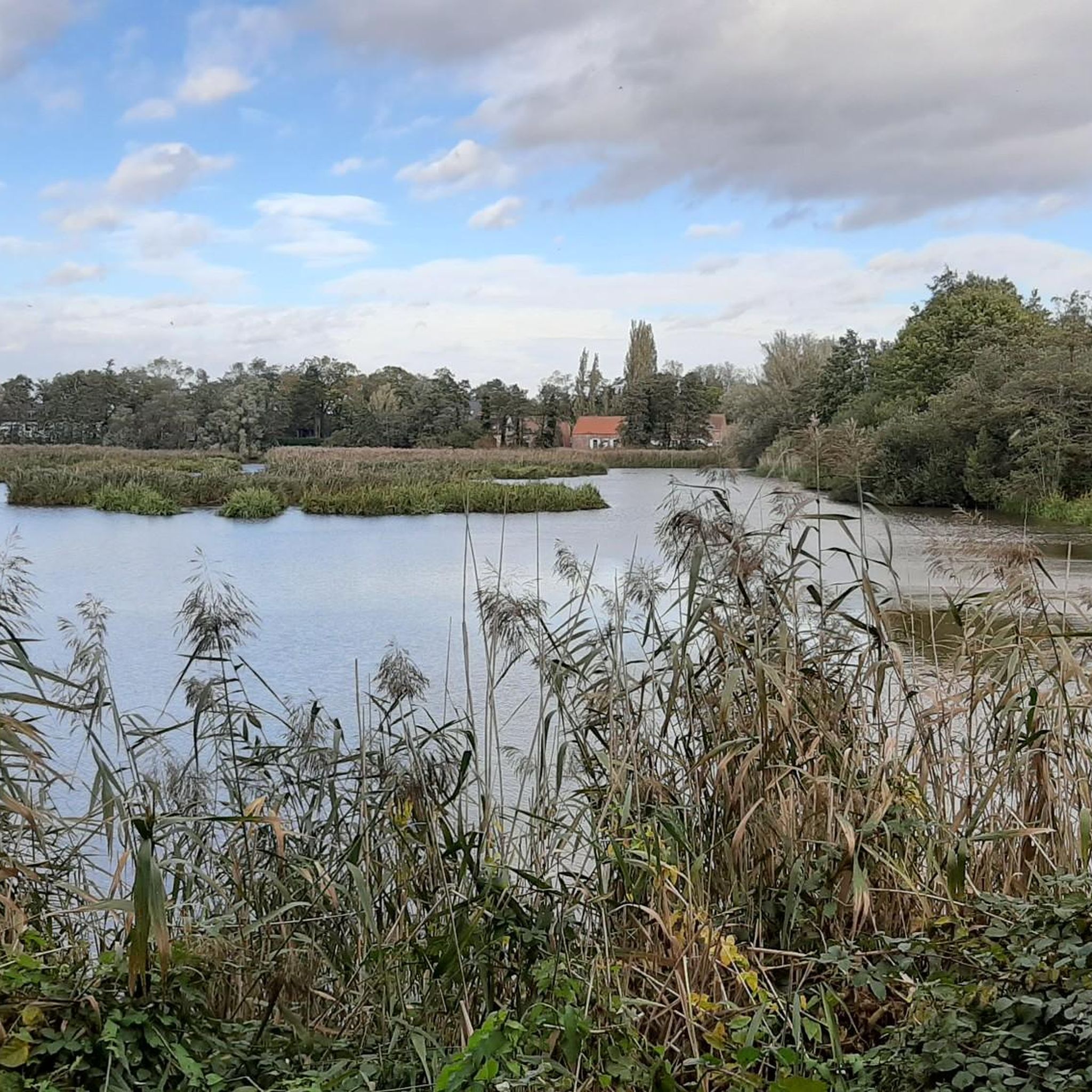
Touring cycling routes around Lokeren are characterized by flat terrain, extensive cycle paths, and a blend of waterways and green spaces. The city is situated on the banks of the Durme River, with the Moervaart canal also offering tranquil paths. The region features marshland, nature reserves like De Molsbroek, and well-maintained routes suitable for various cycling preferences.
Best touring cycling routes around Lokeren
- The most popular touring cycling route is Hidden treasures - East Flanders, a 27.2 miles (43.8…
Last updated: August 22, 2026
4.5
(39)
131
riders
43.8km
02:40
40m
40m
Moderate bike ride. Good fitness required. Mostly paved surfaces. Suitable for all skill levels.
4.8
(5)
371
riders
54.7km
03:38
160m
160m
Moderate bike ride. Good fitness required. Mostly paved surfaces. Suitable for all skill levels.

Sign up for free
4.7
(26)
130
riders
46.3km
02:45
60m
60m
Moderate bike ride. Good fitness required. Mostly paved surfaces. Suitable for all skill levels.
4.1
(77)
217
riders
26.1km
01:31
40m
40m
Easy bike ride. Great for any fitness level. Mostly paved surfaces. Suitable for all skill levels.
3.0
(1)
105
riders
35.1km
02:34
40m
40m
Moderate bike ride. Good fitness required. Mostly paved surfaces. Suitable for all skill levels.
Get access to more routes and recommendations from other explorers.
Sign up for free
Already have an account?
Our route recommendations are based on thousands of hikes, rides, and runs completed by other people on komoot.
Start today with a free account
Your next adventure awaits.
Login or Signup

Other adventures around Lokeren

Tips from the Community

The former station of Klein-Sinaai was located on line 77, which ran from Sint-Gillis-Waas to Zelzate. In 1974, the Kemzeke - Moerbeke section was dismantled and shortly thereafter converted into an asphalted walking and cycling path, an early example, as recreational cycling was still relatively rare around 1980. In 1981, the former station was converted into the hamlet's post office and from 2011 onwards into a youth center, as is still the case. sources: Inventaris Onroerend Erfgoed & Wikipedia
2
0
The wooden arch bridge over the Stekense Vaart, named after Frans Coppens, was receiver-clerk in the municipality of Sinaai for almost a quarter of a century. He played an important role in "de Groote Watering van Sinay", the name given to the project launched by the Boerenbond in 1926. This project was initiated after repeated floods and aimed to make the polders 'dry'. The construction of the pumping station near Hondsnest was one of the first achievements within this project. During the Second World War, the unemployed were employed to clean or widen ditches. Under the impetus of dike reeve Jozef "meester" Maes and... receiver-clerk Frans Coppens (!), major reclamation works were carried out in the 60s, continuing into the following decades. Thus, Hondsnest got a new pumping station in 1975. In the meantime, the watering area had been converted into a polder, pursuant to the polder law of June 3, 1957. source: info file "Polder Daknam-Sinaai"
2
0
The Sinaaibrug is one of the more recent bridges over the Moervaart. It was only built in 1984. Therefore, it is one of the few bridges that did not require a thorough restoration as part of the Flemish Waterway's Integral Bridge Plan Moervaart. The five bridges protected as monuments, dating from the interwar period and repaired and partially renewed shortly after the Second World War: the Overledebrug and the Kalvebrug in Lochristi, the Terwestbrug, the Dambrug and the Coudenbornbrug in Lokeren. Source: vlaamsewaterweg.be
2
0
The Dambrug bridge dates from the interwar period and was restored and partially renewed around 1945 after war damage. Originally, the bridge was manually operated, but it now has hydraulic operation. Source: Inventaris Onroerend Erfgoed
3
0
On Friday, April 5, 1867, the Spletterenbrug was officially opened. Between Moerbeke and Lokeren, trains stopped in Daknam and Eksaarde. In Moerbeke, travelers could transfer to railway line 77 towards Zelzate or towards Sint-Gillis-Waas. That the intention was to one day double the 9-kilometer railway line to two tracks is still visible on the Spletterenbrug. Both bridge abutments are indeed twice as wide as the bridge deck itself. It never came to that. On the contrary. The railway line suffered during both world wars, causing traffic to be suspended for months. For example, retreating German soldiers blew up the bridge at the end of World War I. Less than a year after the armistice, in September 1919, the line was already restored and trains could run on the route again. In 1940, the Belgian army, in turn, tried to slow down the German advance by destroying the bridge. The bridge was repaired again. In 1971, the last train chugged along the route. After more than a century of train traffic, the tracks were dismantled and the route was redeveloped as a cycling and walking path from Lokeren to Moerbeke. The Spletterenbrug itself was preserved and restored in 2017. The seven layers of paint were removed, and the bridge regained its original, dark gray color. Source: industriecultuur.be
4
0
Bovendurme? The naming of the different waters in the vicinity is sometimes quite confusing and requires an explanation: The Bovendurme is the part of the Durme located in the Ghent canals basin. The river begins at the confluence between the Zuidlede and the Moervaart near Daknam. It then flows further along Daknam and through the center of Lokeren, and flows into the Benedendurme near the Molsbroek. Previously, the Bovendurme and Benedendurme were one river called the Durme. But due to regular floods, a dam was built at the Molsbroek, which split the river into two parts. Because of this, the Benedendurme is often still called the "Durme", but the Bovendurme is mistakenly referred to as the Moervaart. Wikipedia
4
0
Daknambrug in Daknam, a sub-municipality of Lokeren. This charming swing bridge over the Durme is located at the site of a former ferry crossing on the old Lille-Tilburg highway. Such a ferry served as a bridge to transport people, livestock, horses, and vehicles. The current swing bridge has replaced a small wooden bridge since the 1930s. At that time, the Durme was straightened here between the confluence of the Zuidlede and Moervaart at Spletterenbrug and the bend near Middendam. In the summer, you can see the bridge keeper opening the bridge to let pleasure boats pass, sailing to or from Lokeren.
5
0
Opened on October 1, 2012, the Brug Ter Beuken provides a safe and green connection to the city center. It has since become a fixed landmark in the landscape: the beautiful red cycle and footbridge that spans the Durme at the end of Vijgenstraat. The bridge is 21m long. Source: axiradio.be
4
0
Frequently Asked Questions
How many touring cycling routes are available around Lokeren?
There are over 140 touring cycling routes available around Lokeren, catering to various preferences and skill levels. These routes are highly rated by the komoot community, with an average score of 4.3 stars from more than 200 reviews.
What is the typical terrain and difficulty level for touring cycling routes in Lokeren?
Touring cycling routes around Lokeren are generally characterized by flat terrain, extensive cycle paths, and a blend of waterways and green spaces. The region offers a good mix of routes, with 79 easy, 56 moderate, and 8 more difficult options, ensuring there's something for every cyclist.
Are there any easy touring cycling routes suitable for beginners or families in Lokeren?
Yes, Lokeren offers numerous easy touring cycling routes perfect for beginners and families. For instance, the Cycling Bridge Over the Durme – Verloren Bos, Lokeren loop from Lokeren is an easy 28.5 km path that takes about 2 hours to complete. Another great option is the Paved path through green area – Mira Bridge loop from Lokeren, which is 33.1 km long and also rated as easy.
What natural features can I expect to see along the touring cycling routes in Lokeren?
Lokeren's touring cycling routes often follow the picturesque Durme River and the tranquil Moervaart canal. You can explore lush green spaces, marshlands, and nature reserves like De Molsbroek, which is known for its birdlife. Highlights include the Damvallei Lake, the Meandering Old Scheldt, and the Paardeweide Wetlands.
Are there any historical landmarks or castles to explore along the touring cycling routes?
Yes, the region around Lokeren features several historical landmarks and beautiful castles that can be incorporated into your cycling tours. Notable examples include Berlare Castle Park, Walburg Moated Castle, and Blauwendael Castle. These offer scenic stops and a glimpse into the area's rich history.
Are there any circular touring cycling routes in Lokeren?
Many of Lokeren's touring cycling routes are designed as loops, offering convenient circular journeys. For example, the popular De Buylaers Nature Reserve – Mira Bridge loop from Lokeren is a moderate 53.5 km route that allows you to start and end in the same location. Another option is the Frans Coppens Bridge – Frans Coppensbrug loop from Lokeren, a 46.3 km trail along the Durme River.
What is the best time of year for touring cycling in Lokeren?
Lokeren is enjoyable for touring cycling throughout much of the year. The extensive network of cycle paths and generally flat terrain make it accessible. Spring and autumn offer pleasant temperatures and beautiful scenery, while summer provides longer daylight hours. Even in winter, many paths remain rideable, though conditions may vary.
Are there options for public transport access to the cycling routes in Lokeren?
Lokeren is well-connected by public transport, making it easy to access the starting points of many cycling routes. The city's train station provides good links, and local bus services can also help you reach various areas. It's advisable to check specific routes and schedules for bike transport options on public services.
Where can I find parking for touring cycling routes in Lokeren?
Lokeren offers various parking facilities within the city center and near popular access points to the cycling network. Many routes start from or pass through areas with designated parking, making it convenient to park your vehicle before heading out on your tour. Specific parking information can often be found on local municipality websites or within komoot tour details.
What other outdoor activities can I combine with touring cycling in Lokeren?
Beyond cycling, Lokeren offers a range of outdoor activities. You can enjoy boating on the Durme River, renting electric boats, kayaks, or SUP boards. The nearby Puyenbroeck Provincial Domain provides opportunities for golf, swimming, mini-golf, and even more extensive walking trails. Fishing is also popular in specific locations with a permit.
Are there any viewpoints along the touring cycling routes in Lokeren?
Yes, Lokeren's flat landscape and riverine environment offer several scenic viewpoints. You can find picturesque spots along the Durme River and Moervaart canal. A notable highlight is the Natuurpunt viewing platform at Blokstraat and the Oude Schelde, which provides excellent opportunities for birdwatching and enjoying the natural surroundings.
Most popular attractions around Lokeren

Get inspired with the komoot mobile app


Explore more
Browse the best Cycling routes in other regions.
