The best cycling routes around Lochristi
4.0
(151)
1,306
riders
98
rides
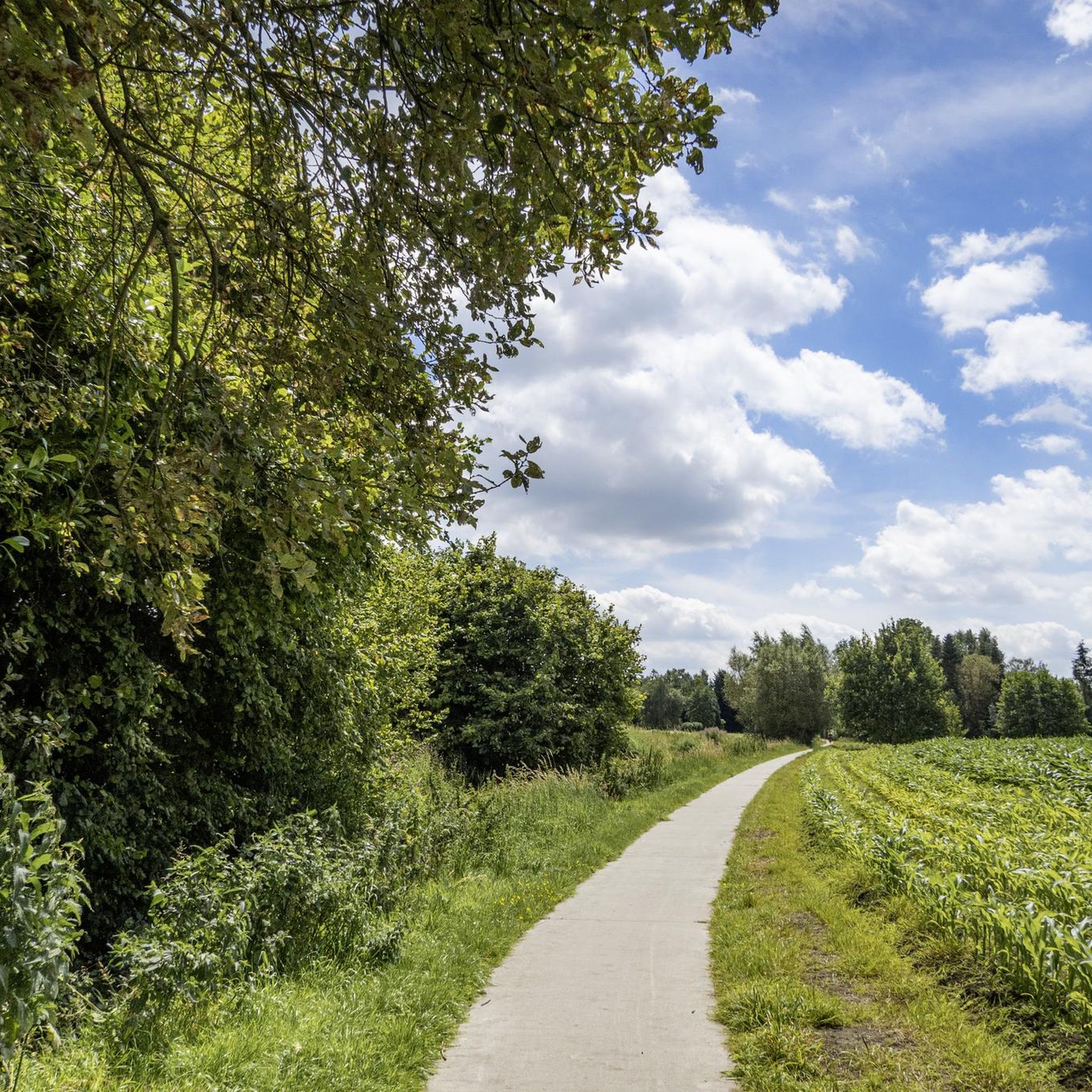
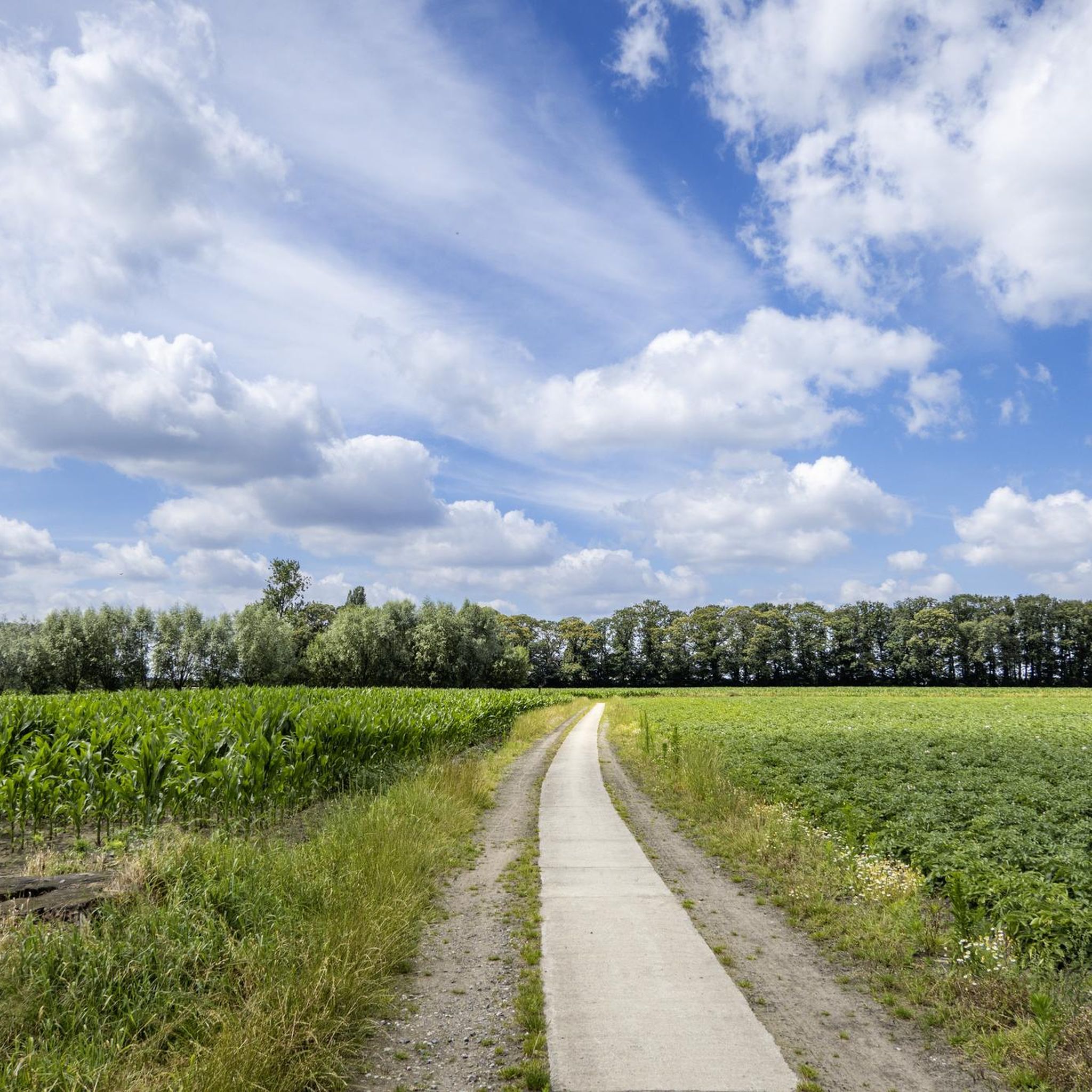
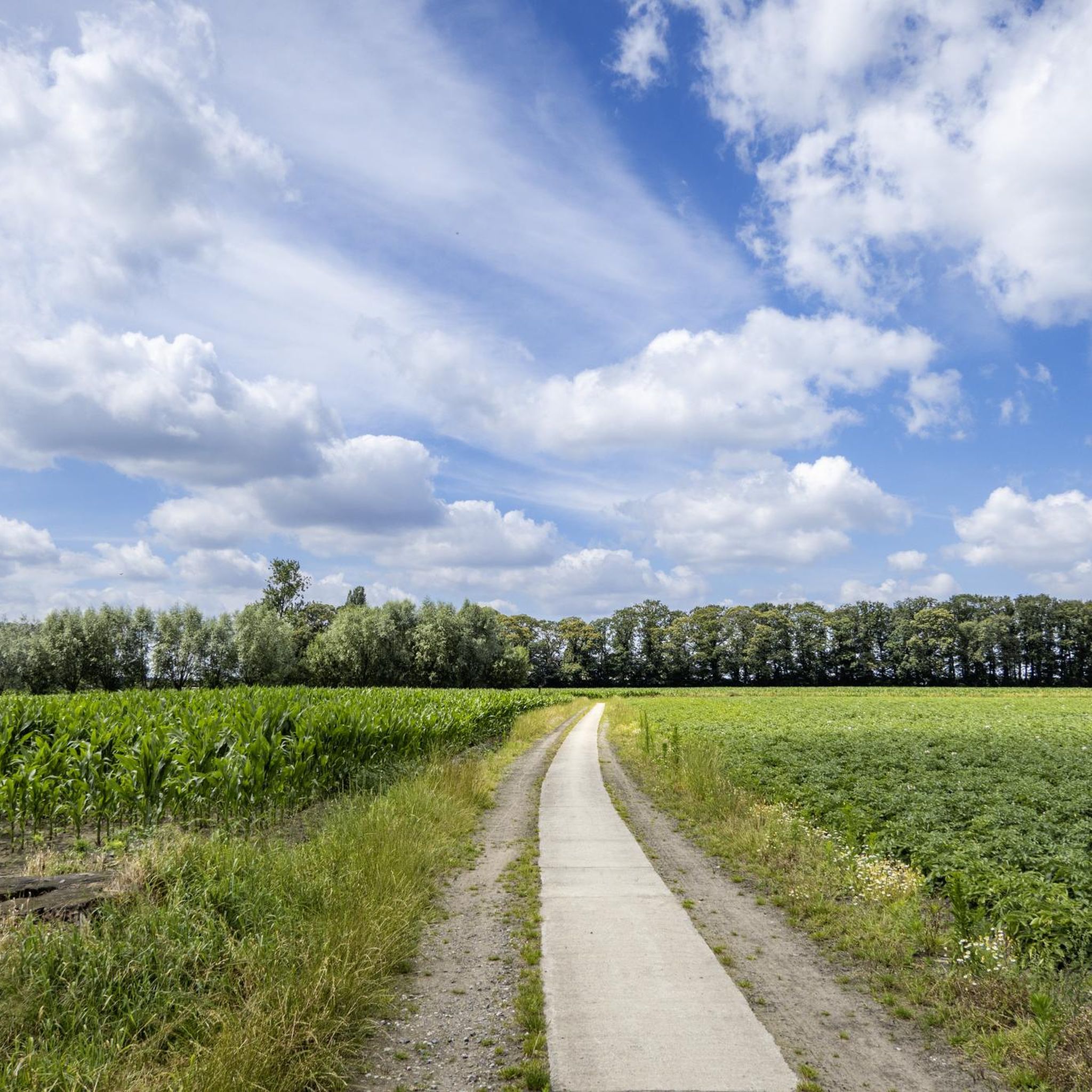
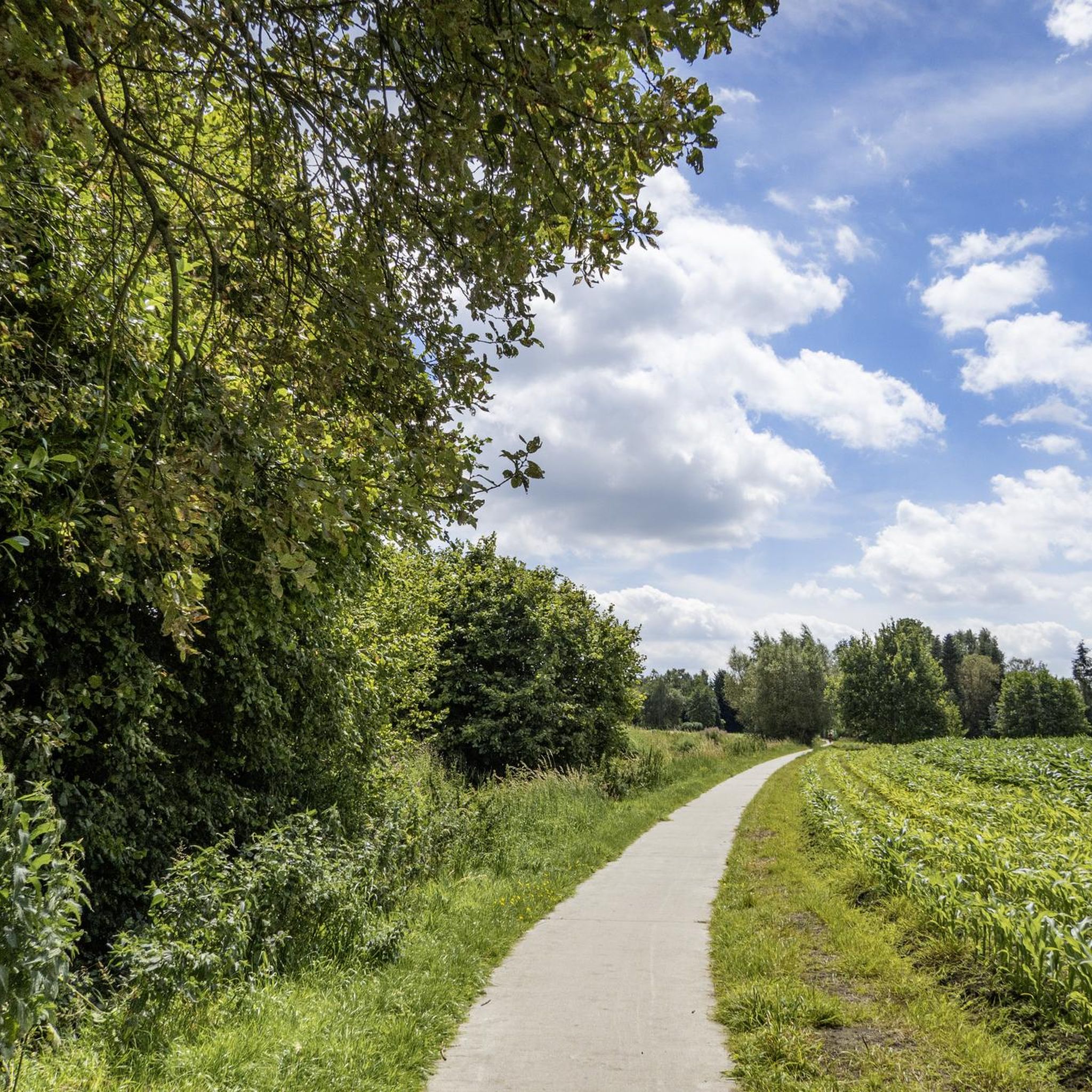
Touring cycling routes around Lochristi traverse a landscape known for its floriculture, particularly extensive begonia and azalea nurseries. The region features a distinctive rural greenery, with routes often passing through agricultural lands and open spaces. This flat to gently undulating terrain provides accessible cycling experiences, characterized by a peaceful and scenic environment. The area's natural beauty is enhanced by its vibrant flower fields, especially during the summer months.
Best touring cycling routes around Lochristi
- The most popular touring cycling route…
Last updated: August 14, 2026
4.4
(34)
200
riders
41.5km
02:41
50m
50m
Moderate bike ride. Good fitness required. Mostly paved surfaces. Suitable for all skill levels.
4.5
(19)
91
riders
31.5km
01:58
40m
40m
Easy bike ride. Great for any fitness level. Mostly paved surfaces. Suitable for all skill levels.

Sign up for free
4.3
(9)
52
riders
40.0km
02:28
40m
40m
Moderate bike ride. Good fitness required. Mostly paved surfaces. Suitable for all skill levels.
3.4
(5)
80
riders
31.9km
01:50
40m
40m
Easy bike ride. Great for any fitness level. Mostly paved surfaces. Suitable for all skill levels.
3.0
(1)
41
riders
23.8km
01:23
40m
40m
Easy bike ride. Great for any fitness level. Mostly paved surfaces. Suitable for all skill levels.
Get access to more routes and recommendations from other explorers.
Sign up for free
Already have an account?
Our route recommendations are based on thousands of hikes, rides, and runs completed by other people on komoot.
Start today with a free account
Your next adventure awaits.
Login or Signup

Tips from the Community

Fun chicane under the train tracks. Just be mindful of people riding in the other direction, so stay in your lane.
0
0

The Belfry of Ghent (Dutch: Belfort van Gent) is one of three medieval towers that overlook the old city centre of Ghent, Belgium; the other two belonging to Saint Bavo's Cathedral and Saint Nicholas' Church. Its height of 91 metres (299 ft) makes it the tallest belfry in Belgium.[1] The belfry of Ghent, together with its attached buildings, belongs to the set of Belfries of Belgium and France, a UNESCO World Heritage Site.
0
0

Beautiful piece of nature very close to the center of Lochristi
1
0

Since the 14th century, grain has been traded on the Korenmarkt on Fridays. Formerly called "Koornaard". The current streetscape is dominated by the west facade of St. Nicholas' Church, while on the other side is the monumental facade with a bell tower of the post office building. In addition, on both sides there are houses of roughly the same size but with different facade types, varying between the 13th and 20th centuries. The Korenmarkt belongs to the second medieval city, the western expansion outside the oldest medieval Portus or trading settlement. This expansion began in the mid-10th century as a result of population growth. In the course of this expansion, the land was parceled out, the parish of Sint-Niklaas was founded, and trading activities were started. The Korenmarkt was first mentioned in 1208 under the name forum segeta (literally grain market). https://www.gent-geprent.com/straten-van-gent/straten-a-m/straten-k-1/korenmarkt/korenmarkt-algemeen
3
0
Over the centuries, the people of Ghent remain true to their reputation as stubborn rebels. They even rise up against their own prince, Emperor Charles V. However, this goes one step too far: the people of Ghent are publicly humiliated, and the Roland Bell – a symbol of Ghent's independence – is removed from the Belfry. The once powerful city-state is brought to its knees, both figuratively and literally. Economically, things also gradually worsen. The city loses its access to the sea, and the population halves. It is only in the second half of the 18th century that an economic upswing occurs. Under Dutch leadership, Ghent gets its own university in 1816. As a reminder of this, a statue of King William I, founder of the university, was erected on De Reep. Ten years later, the city becomes a seaport again with the Ghent-Terneuzen Canal. Source: https://visit.gent.be/de/wissenswertes/praktische-auskuenfte/warum-gent/gent-im-laufe-der-jahrhunderte
2
1
The history of Ghent begins in the year 630, when Saint Amandus decides to build an abbey at the confluence (or 'Ganda') of the rivers Leie and Scheldt. Almost 1400 years of history are still omnipresent in the city today: a medieval castle in a moat, an imposing cathedral, a belfry, three beguinages,… You will not find such a high density of history per square meter anywhere else as in the historic district of Ghent! From 1000 to approx. 1550, Ghent was one of the most important cities in Europe. Ghent was larger than London and only had Paris 'above' it. The 60,000 inhabitants the city had in the 14th century vehemently defended their rights: the counts and princes had to experience firsthand that the proud and rebellious Ghent citizen does not give up his acquired privileges and freedoms without a fight. Until the Battle of the Golden Spurs in 1302, the city was ruled by a few wealthy merchant families. As they generally preferred the French king to the Count of Flanders, they were given the derogatory nickname 'Leliaerts' by the people, derived from the lily (NL: lelie) on the French coat of arms. In the course of the increasing political power of the craftsmen and guilds in the 14th century, Ghent gained a more democratic leadership. As England blocked the import of raw materials for the vital textile industry, Ghent, during the Hundred Years' War (out of necessity), sided with England (1338-1345). The wealthy cloth merchant Jacob van Artevelde led the resistance against Count Louis of Nevers, a vassal of the French king. In 1345, the 'wise man' was murdered by his fellow citizens. His great significance is evident from the fact that Ghent is still referred to as 'Artevelde City' today. Ghent had to give up its alliance with England and recognize the King of France. In 1407, the seat of the Council of Flanders, the highest judicial body of the county, moved from Bruges to the Count's Castle. Dutch became the lingua franca. Source: https://visit.gent.be/de/wissenswertes/praktische-auskuenfte/warum-gent/gent-im-laufe-der-jahrhunderte
2
1
Sint Baafsplein The St. Bavo Square is a spacious rectangular square situated between the west facade of the Gothic St. Bavo Cathedral (to the east) and the belfry with the Cloth Hall (to the west). This square originated in 1897 during the reconstruction work at the foot of the belfry, with the disappearance of the Regnessestraat and the Sint-Jansstraat, which led from the belfry to the Nederpolder and the current St. Bavo Cathedral, respectively. The demolition of these streets was part of the project by Mayor Baron E. Braun to clear part of the old city center and thus create the famous sight with the three famous towers of Ghent. In 1899, the Royal Dutch Theatre was founded on the site of the Regnessestraat. Furthermore, the north side of the current square is occupied by a row of colorful bourgeois houses in the eclectic style from the first quarter of the 20th century. The other side (south side), the preserved street side of the disappeared Sint-Jansstraat, is built with spacious 18th-century mansions and bourgeois houses, among which the so-called Hotel Hamelinck stands out. Additionally, between them are heavily modified facades from the 18th and 19th centuries, behind which old cores are presumably hidden. Directly opposite the Royal Dutch Theatre, in the middle of Sint-Baafsplein, is a rectangular lawn with a monument dedicated to Jan Frans Willems (1798–1846), created by Isidoor De Rudder and inaugurated in 1899: a granite pedestal with a relief bust of J.F. Willems, depictions of his most important works, and mentions of his collaborators. On top of the pedestal stands a group of white marble symbolizing the awakening Flanders: a young man, symbolizing Flemish genius, awakens a maiden representing Flanders. Source: https://www.gent-geprent.com/straten-van-gent/straten-n-z/straten-s/st-baafsplein
2
0
The mighty silhouette of the 91 m high belfry with the dragon on top symbolizes the power of the Ghent guilds in the Middle Ages. The city's privileges were kept inside. From the top platform, there is a beautiful view of the city. The belfry, built in the 13th and 14th centuries, frequently rebuilt and restored, is connected to the Cloth Hall (15th century). Walking around the belfry, you can see the gate (1741) of the old prison, adorned with the baroque bas-relief "the suckling man", the Mammelokker.
2
0
Frequently Asked Questions
How many touring cycling routes are available in Lochristi?
There are over 100 touring cycling routes in Lochristi, catering to various preferences and skill levels. More than 1200 touring cyclists have used komoot to explore the area's diverse terrain.
What is the general difficulty level of touring cycling routes in Lochristi?
The terrain in Lochristi is generally flat to gently sloping, making it accessible for a wide range of fitness levels. Most routes are classified as easy or moderate, with 55 easy routes and 42 moderate routes available. Only a small number of routes are considered difficult.
Are there any family-friendly touring cycling routes in Lochristi?
Yes, Lochristi offers many easy routes suitable for families. The generally flat terrain and well-maintained paths make it ideal for leisurely rides. An excellent option is the Damsloot Lake – View of Damvallei Lake loop from Lochristi, which is an easy 19.5-mile (31.4 km) path offering scenic views of local lakes.
What kind of landscapes can I expect to see while cycling in Lochristi?
Lochristi is known as the heart of the azalea and begonia growing area, so you can expect picturesque routes through vibrant flower fields, especially during blooming seasons. The region also features a predominantly rural and green environment with agricultural lands, open spaces, and natural water features like Damsloot Lake and the Moervaart waterway.
Are there any circular touring cycling routes in Lochristi?
Yes, many touring cycling routes in Lochristi are circular, allowing you to start and end at the same point. For example, the Towpath Along the Moervaart – Moervaart Towpath loop from Lochristi is a moderate 41.0 km (25.5 miles) loop that follows the scenic Moervaart waterway.
What are some interesting landmarks or attractions to see along the touring cycling routes?
Cycling routes in Lochristi often lead past a blend of natural beauty and historical sites. You might encounter charming castles, such as the Castle of Beervelde, or modern cycling infrastructure like the Oudenbos Bicycle Tunnel and the Ter Beuken Bicycle Bridge. For specific historical sites, consider exploring highlights like Gravensteen Castle or Friday Market, which are accessible from some routes.
What do other touring cyclists enjoy most about cycling in Lochristi?
The komoot community highly rates the touring cycling routes in Lochristi, with an average score of over 4 stars from more than 120 reviews. Cyclists often praise the varied terrain, scenic views of flower fields and waterways, and the well-signposted node network that makes navigation easy.
Are there any routes that pass by castles or historical sites?
Yes, several routes incorporate historical landmarks. The Oudenbos Bicycle Tunnel – Rozelaar Castle loop from Zaffelare is a 25.1-mile (40.4 km) trail that leads through rural areas and past historical landmarks, including Rozelaar Castle. You can also find other castles like Wippelgem Castle in the wider region.
What is the best time of year to go touring cycling in Lochristi?
The region is particularly stunning during blooming seasons, especially for its famous azalea and begonia fields. Spring and summer offer the most vibrant displays of flowers and generally pleasant weather for cycling. However, the rural and green environment provides enjoyable rides throughout much of the year.
Are there any easy routes for beginners or those looking for a relaxed ride?
Absolutely. Lochristi has 55 easy routes perfect for beginners or those seeking a relaxed pace. An example is the Rozelaar Castle – Ter Beuken Bicycle Bridge loop from Lochristi, an easy 31.9 km (19.8 miles) route that offers a pleasant ride through the local scenery.
Most popular routes around Lochristi
Most popular attractions around Lochristi

Get inspired with the komoot mobile app


Explore more
Browse the best Cycling routes in other regions.
