The best walks and hikes around Oud-Heverlee
4.5
(2081)
11,093
hikers
327
hikes
Hiking around Oud-Heverlee offers diverse natural features, including vast forests, meandering rivers, and rolling hills. The region is characterized by expansive woodlands like Meerdaalwoud and Heverleebos, alongside the Dijle River and the unique wetland of the Doode Bemde nature reserve. This varied terrain provides a network of trails suitable for different hiking experiences.
Best hiking trails around Oud-Heverlee
- The most popular hiking route is Treinstapper from Sint-Joris-Weert to Leuven, a difficult 16.6 miles (26.7 km) trail that takes 6 hours 55 minutes to complete. This route connects train stations and follows the Dijle River through the landscape.
- Another top favourite among local hikers is Minnebron Spring – Ad's Trail Sculptures loop from Oud-Heverlee, a moderate 7.0 miles (11.3 km) path. This loop features the Minnebron Spring and unique tree art within the forest.
- Local hikers also love the Everzwijnbad Play Forest – Forest Pastures loop from Oud-Heverlee, a difficult 11.7 miles (18.9 km) trail leading through extensive forest areas, often completed in about 5 hours 0 minutes.
- Hiking around Oud-Heverlee is defined by vast forests, the Dijle River, and rolling hills, with nature reserves like Doode Bemde adding to the scenic diversity. The extensive network offers options for various ability levels, from easy strolls to more challenging routes.
- The routes in Oud-Heverlee are highly rated by the komoot community with an average score of 4.5 stars from over 1900 reviews. More than 11000 hikers have used komoot to explore Oud-Heverlee's varied terrain.
Last updated: August 16, 2026
4.5
(37)
160
hikers
26.7km
06:55
150m
160m
Hard hike. Very good fitness required. Easily-accessible paths. Suitable for all skill levels.
4.5
(213)
1,196
hikers
11.5km
03:02
100m
110m
Moderate hike. Good fitness required. Easily-accessible paths. Suitable for all skill levels.

Sign up for free
4.6
(159)
854
hikers
18.6km
04:56
190m
190m
Moderate hike. Good fitness required. Easily-accessible paths. Suitable for all skill levels.
4.6
(127)
497
hikers
10.2km
02:39
70m
70m
Moderate hike. Good fitness required. Easily-accessible paths. Suitable for all skill levels.
4.6
(159)
845
hikers
Moderate hike. Good fitness required. Easily-accessible paths. Suitable for all skill levels.
Get access to more routes and recommendations from other explorers.
Sign up for free
Already have an account?
Our route recommendations are based on thousands of hikes, rides, and runs completed by other people on komoot.
Start today with a free account
Your next adventure awaits.
Login or Signup
Popular around Oud-Heverlee
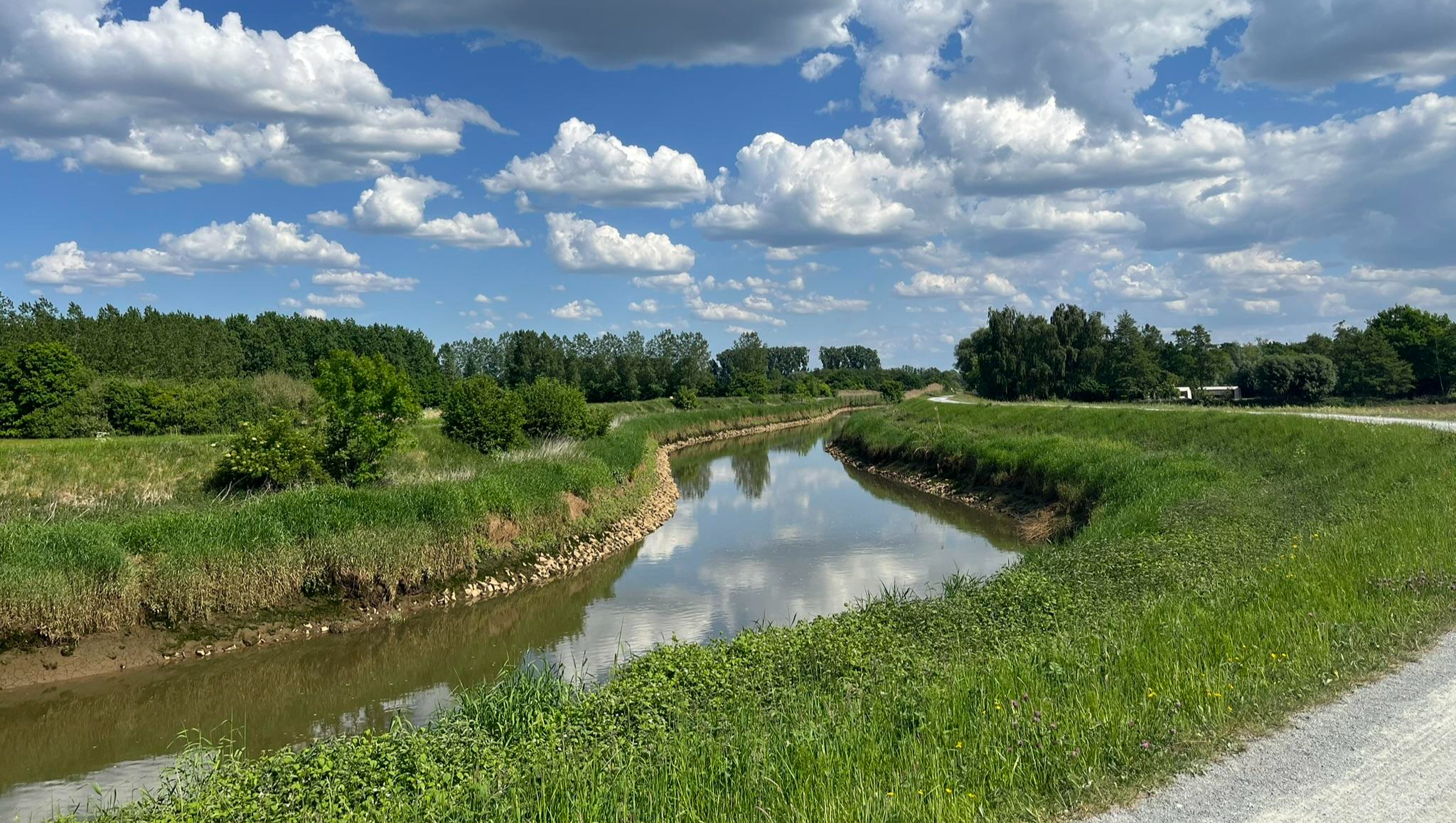
Through the valley of the Dijle – Streek-GR Dijleland
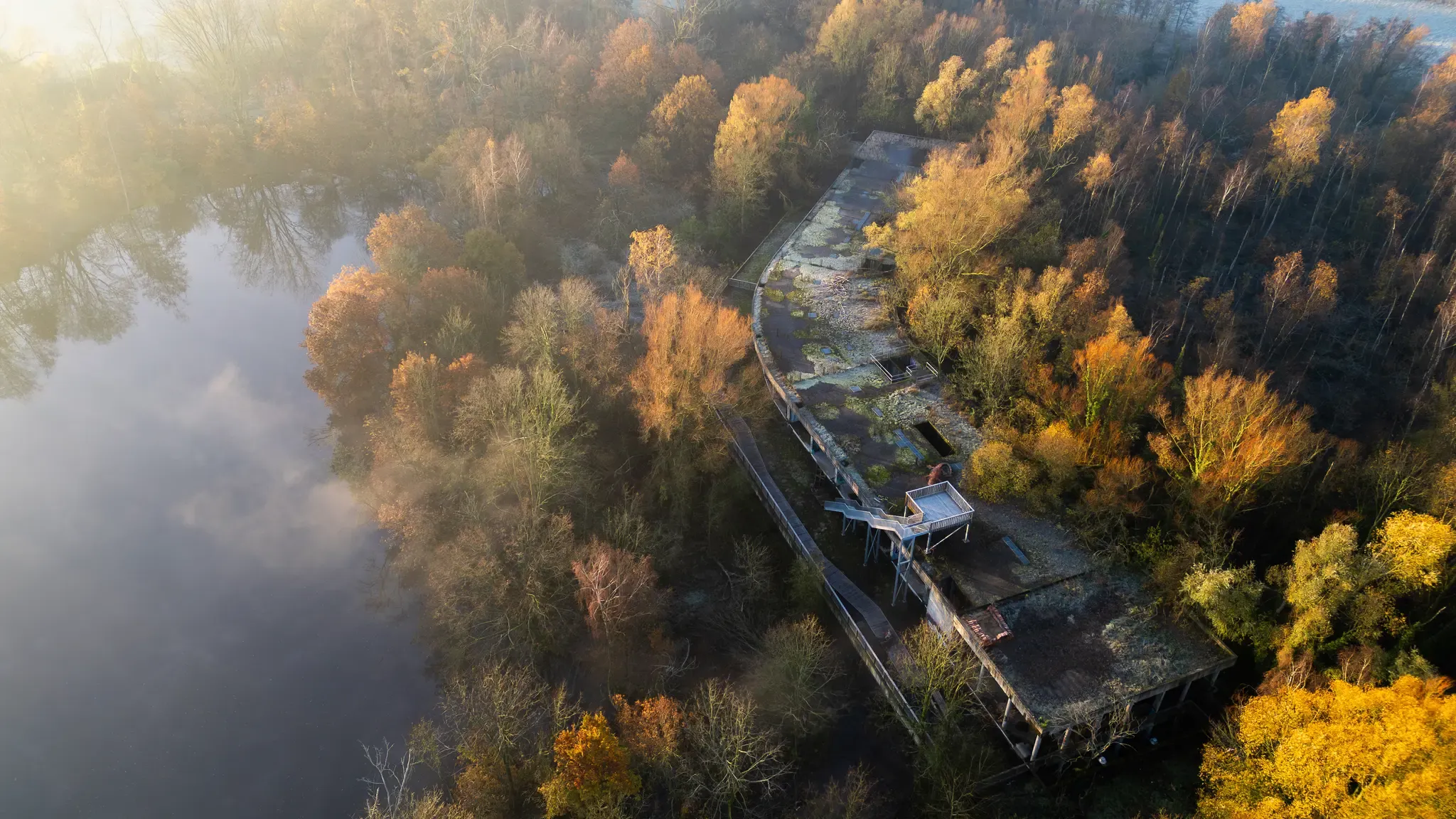
Treinstappers – from station to station in Flanders
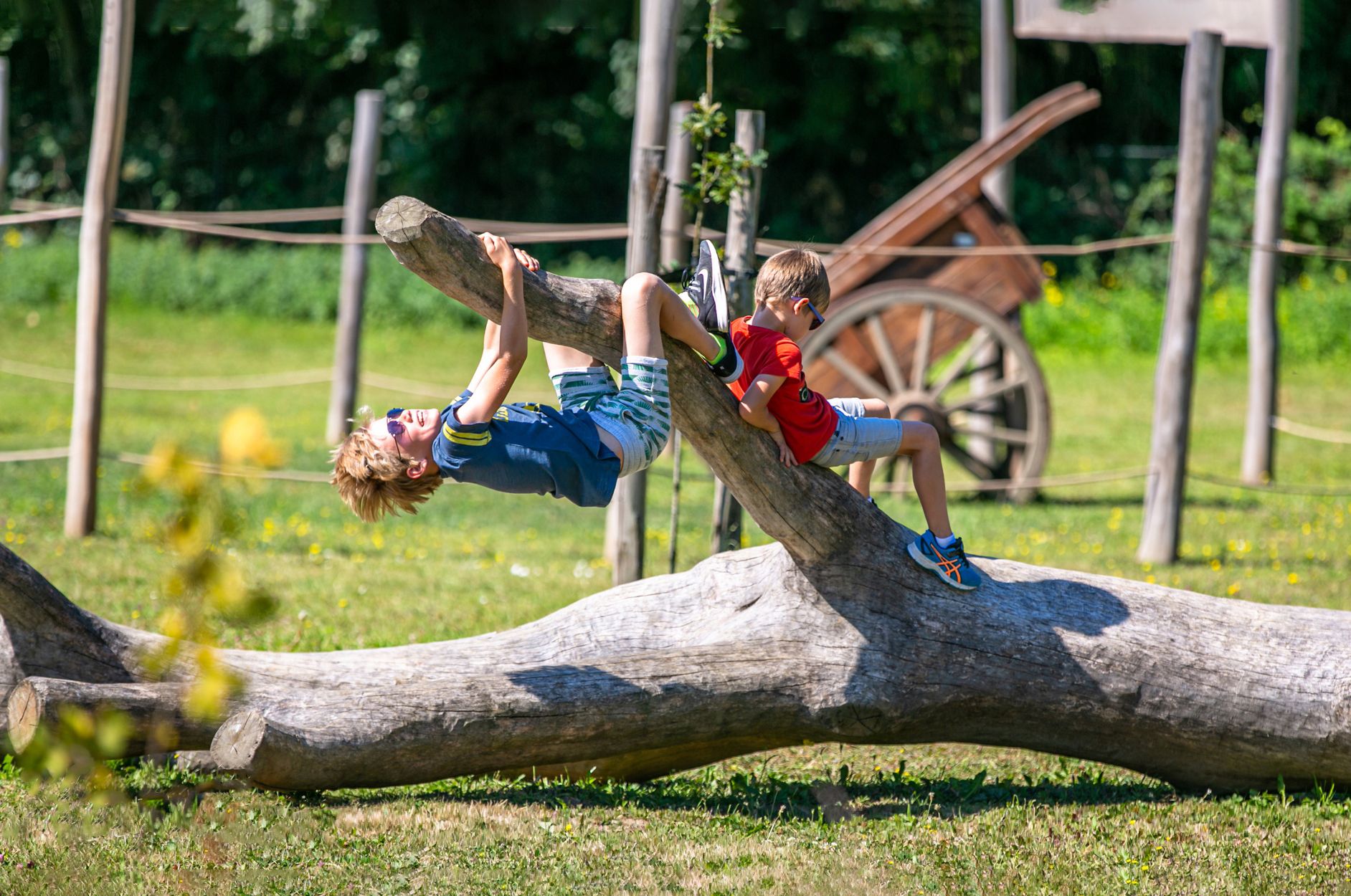
Tours for little adventurers and heroes in Flanders
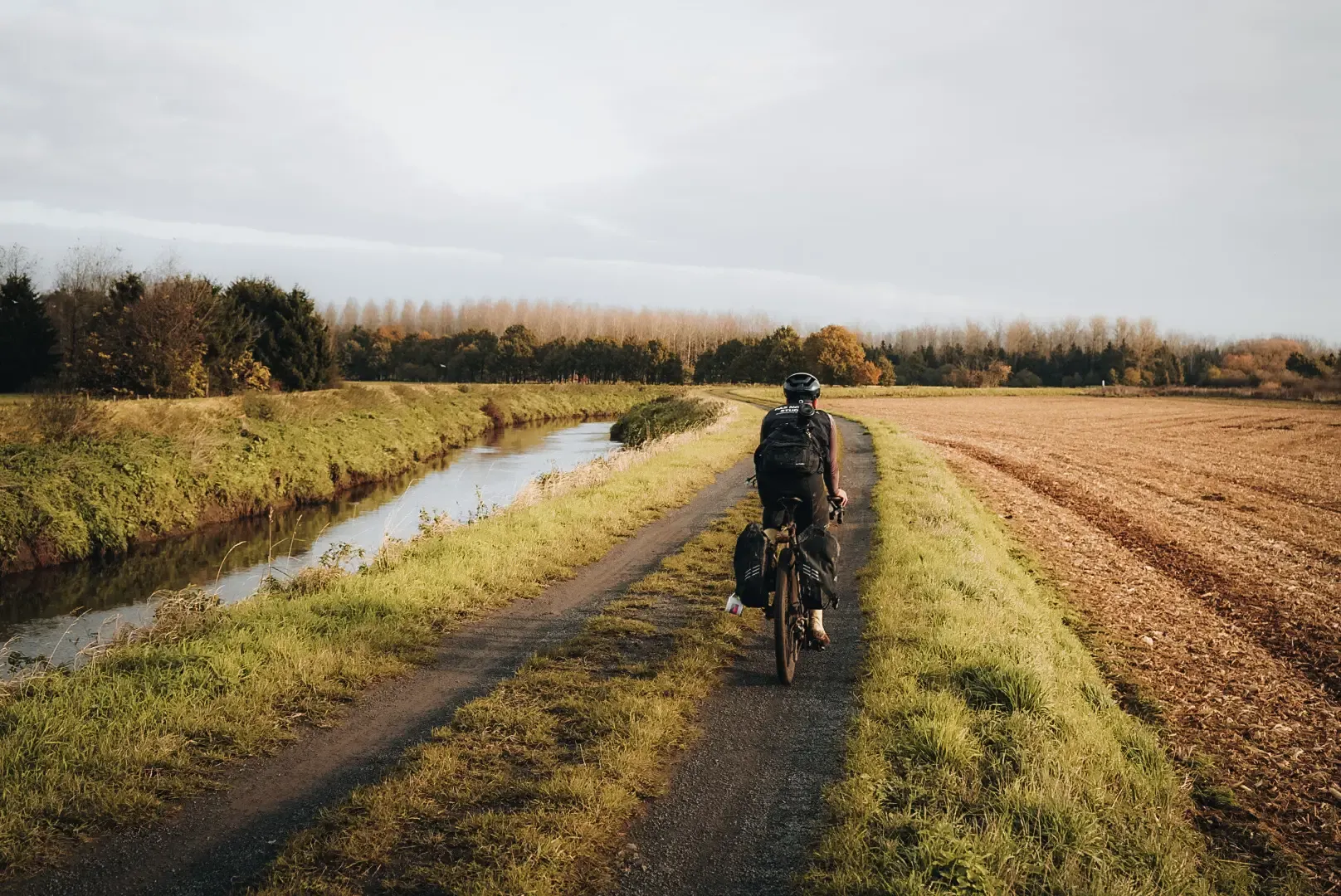
Flanders Divide - Across Flanders
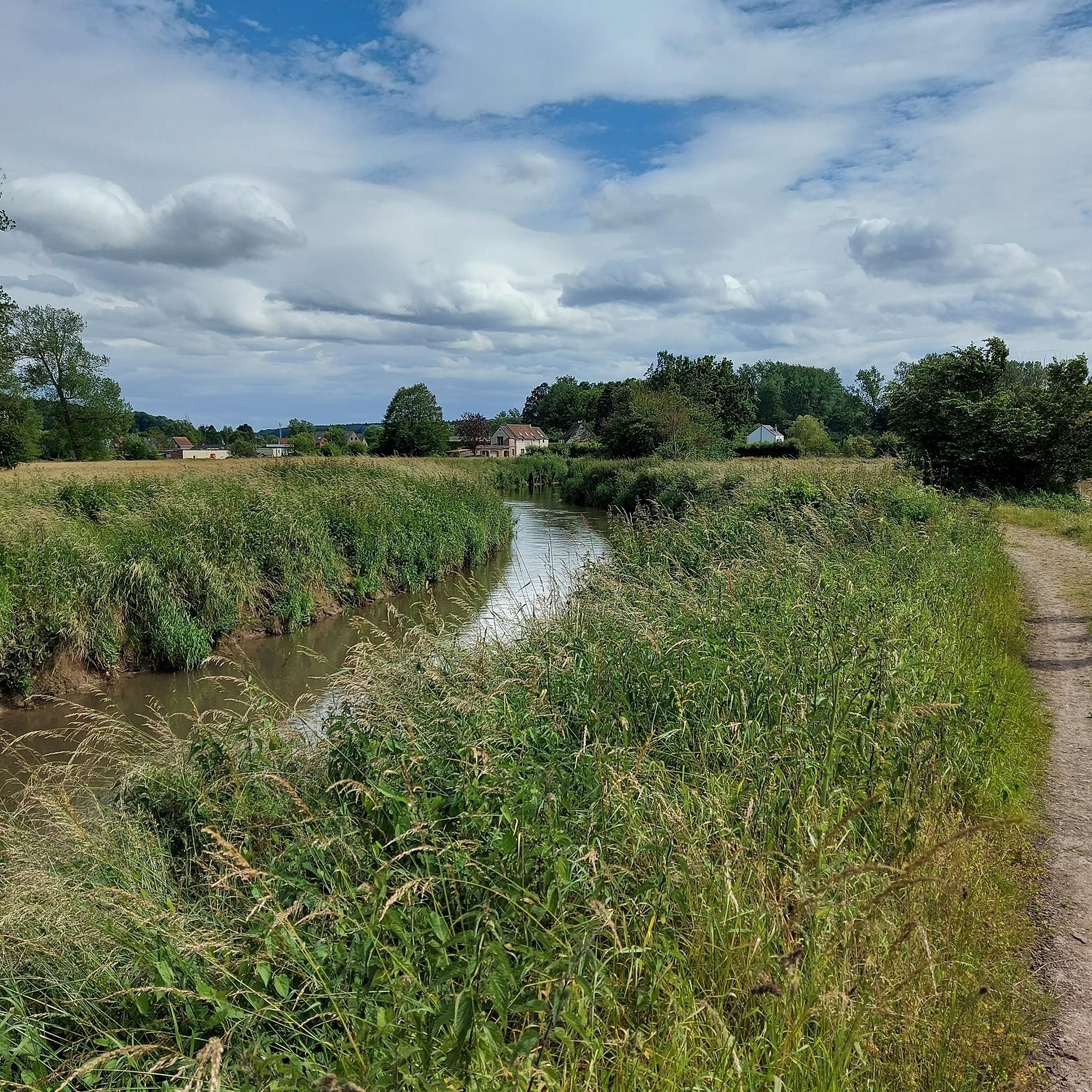
Running Trails around Oud-Heverlee
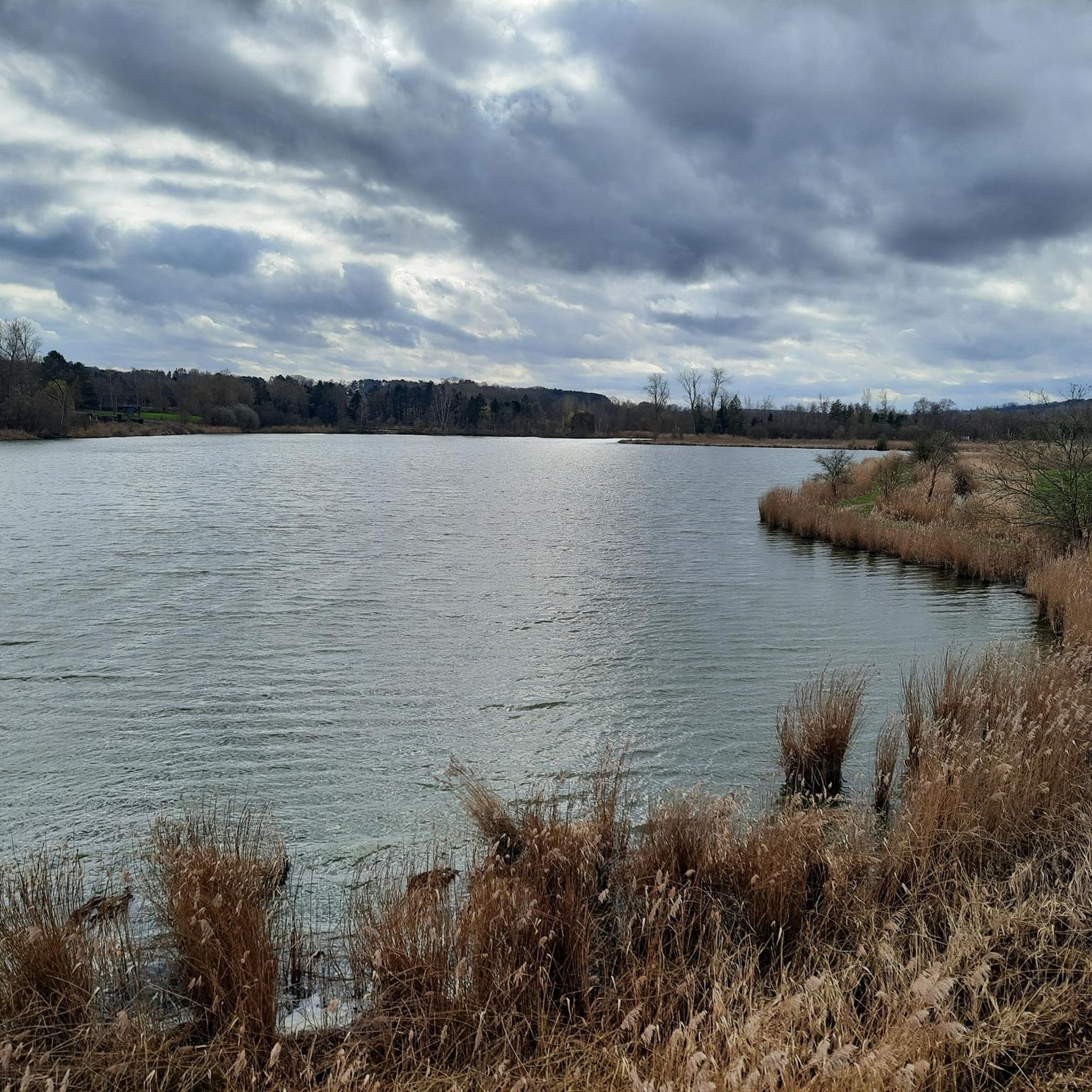
Cycling around Oud-Heverlee
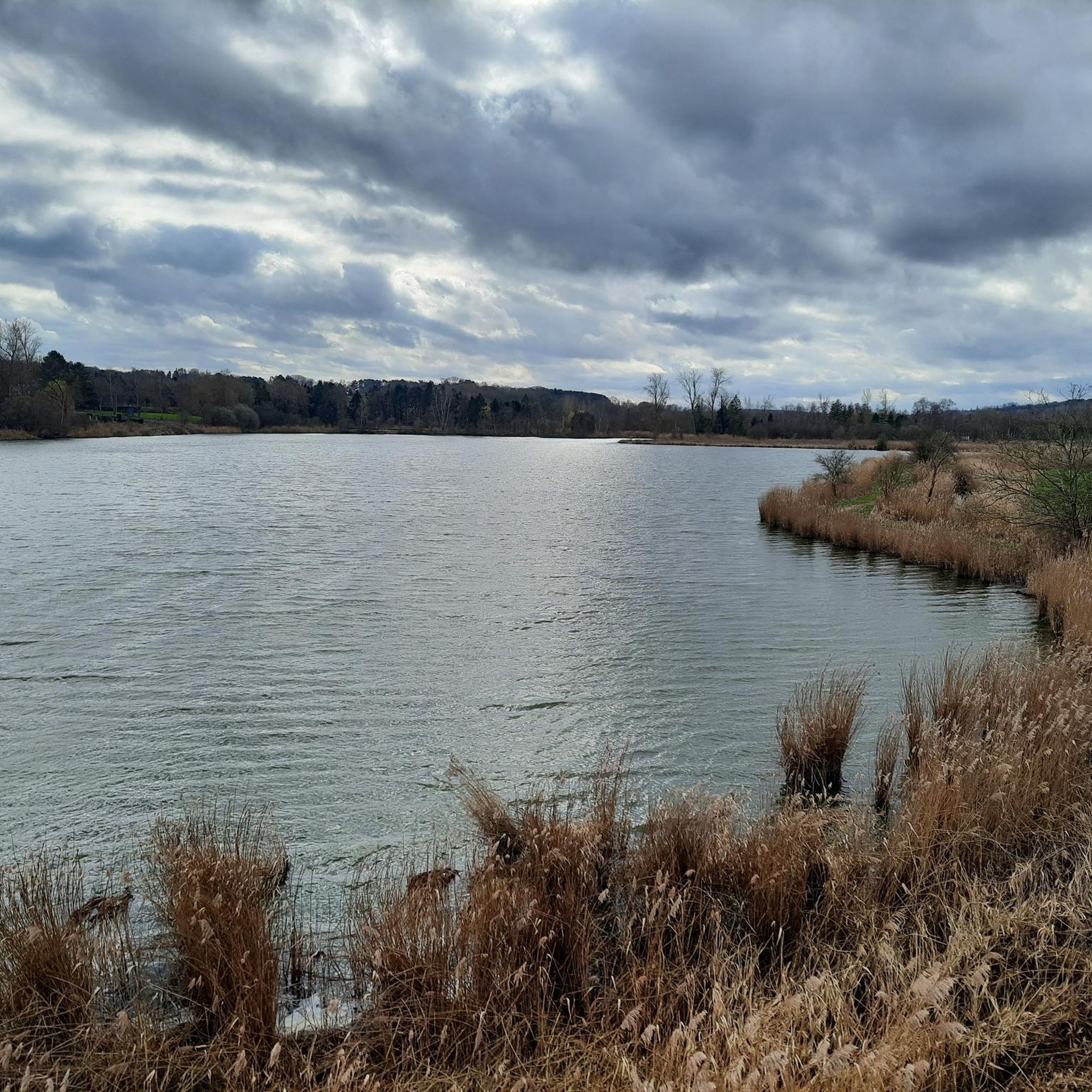
Road Cycling Routes around Oud-Heverlee
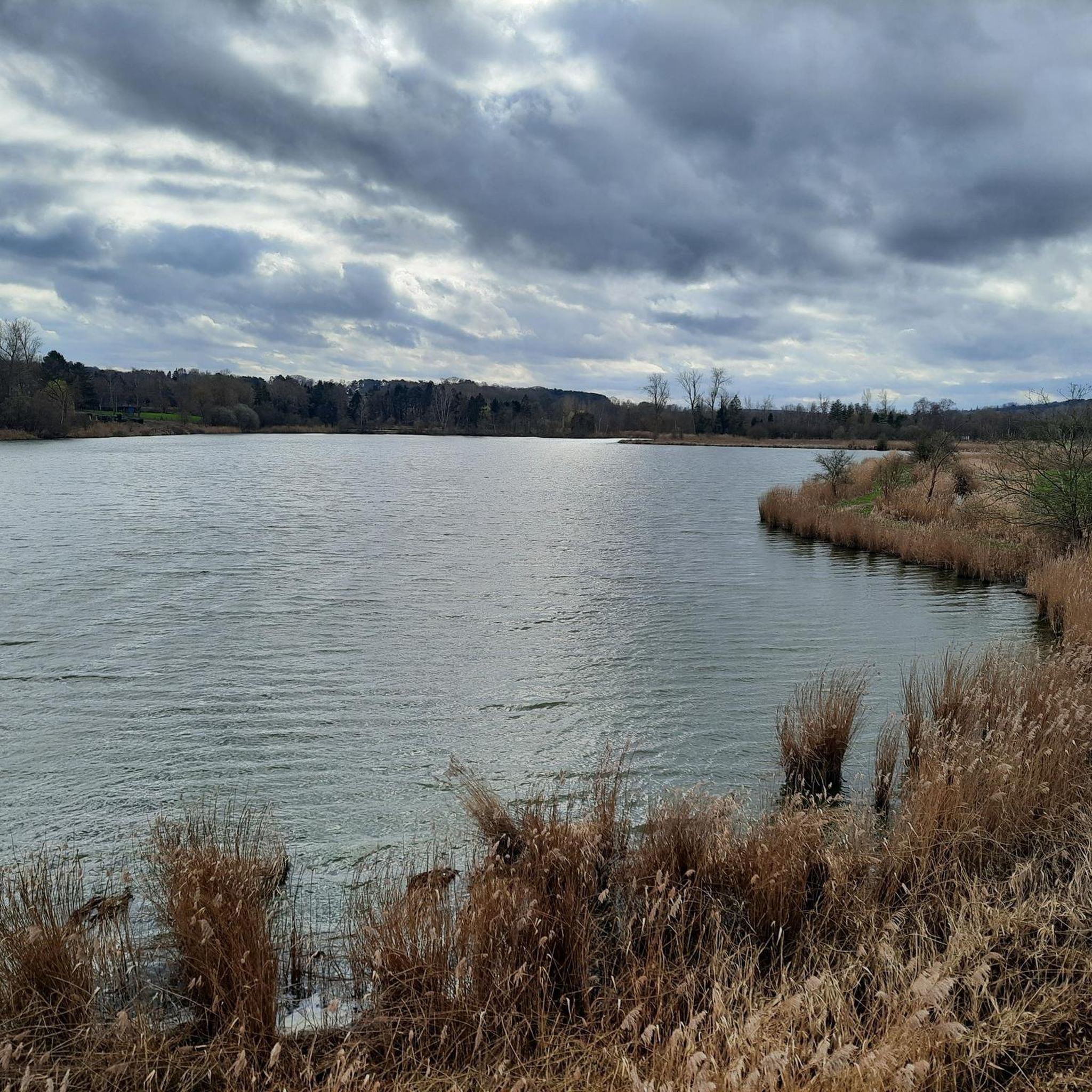
MTB Trails around Oud-Heverlee

Gravel biking around Oud-Heverlee
Other adventures around Oud-Heverlee


Tips from the Community

Nearby is the spring where apparently very healthy water can be tapped.
1
0


The Warandevijver pond was built by order of the Duke of Arenberg some 300 years ago. At that time, Meerdaalwoud was the dukes' hunting grounds. A "warande" (warden) often refers to a (closed) hunting area and/or open space where game was kept. It's a lovely picnic bench where I used to picnic with my parents decades ago.
6
0

off the beaten track of the Meerdael forest
1
0

Beautiful nature (all wild flowers in bloom) - Not a living soul to be seen - Concluded with a visit to the Delvaux brewery - Top 💥💥
2
0
Duke Charles III de Croy (1560-1612) had the Arenberg Castle moated, the park laid out and the avenue to Leuven extended at the end of the 16th century. A memorial stone was built into the right side wall of the Cantine to commemorate the construction of the avenue to Leuven in 1596. In the 18th century, when the castle and the park were owned by the Arenberg family, the entire domain was enclosed by a wall. The moat around the castle was also filled in. This resulted in a significant change to the terrain, which was originally very marshy. Nevertheless, the structure that Charles III de Croy gave to the landscape around 1600 is still clearly recognisable. The whole of gardens, orchards and outbuildings was then arranged around two main axes, which corresponded to the axes of the castle: an (approximately) north-south avenue, from the Terbank leper colony to the Meerdaal forest that served the Croys as a private hunting domain, and an east-west avenue, which extended from the Celestine Priory, the Croys' family mausoleum, past the new stable buildings to the entrance gate right on the city walls, opposite the Namur Gate. The construction of these straight avenues, bordered by palisades, for kilometres long, had forced the Duke to purchase important land and then to carry out major earthworks: hills were dug away – such as the hill on which the old Romanesque Saint-Lambert church stood, which was desecrated as a result – and holes and pits were filled in. Duke Charles Marie Raymond of Arenberg had a ‘jardin anglois’ built in 1771 to his own design, with the Yellow House as the focal point of the picturesque garden, a pavilion on a hill to the southeast of the castle, and with many remarkable exotic tree species such as a Lebanon cedar (Cedrus libanii) that was brought over from Edingen. The historical value of the Arenberg Park is formed by the connection with the Arenberg Castle and the other buildings located there. Inventory of Immovable Heritage: Arenberg Park, https://id.erfgoed.net/erfgoedobjecten/302524
3
0

across the lawn you can see the castle of Arenberg Leuven
0
0

Frequently Asked Questions
How many hiking trails are available in Oud-Heverlee?
Oud-Heverlee offers a wide variety of hiking experiences, with over 300 routes documented on komoot. These range from easy strolls to more challenging treks, ensuring options for all fitness levels.
What kind of terrain can I expect on hikes in Oud-Heverlee?
The region features diverse terrain, including vast deciduous forests like Meerdaalwoud and Heverleebos, rolling hills, and the meandering Dijle River. You'll find well-maintained paths, some areas with rich herbaceous vegetation, and unique wetland environments in reserves like Doode Bemde, which often include boardwalks.
Are there any easy hiking trails suitable for beginners or casual walkers?
Yes, Oud-Heverlee has plenty of options for easy walks. Out of over 300 routes, 190 are classified as easy. These trails often explore the flatter areas around Neerijse and Sint-Joris-Winge, or offer gentle paths through the extensive forests.
Are there any circular hiking routes in Oud-Heverlee?
Many trails in Oud-Heverlee are designed as circular routes, allowing you to start and end at the same point. An example is the moderate Minnebron Spring – Ad's Trail Sculptures loop from Oud-Heverlee, which takes you through the forest to the natural Minnebron Spring and past unique tree art.
What natural attractions or landmarks can I see while hiking in Oud-Heverlee?
Hikers can discover several natural attractions. The Minnebron Spring is a notable natural water source. You can also explore the unique wetland ecosystem of the De Doode Bemde Nature Reserve, where the Dijle River meanders through diverse biotopes. The Geographic Arboretum of Tervuren, with its 300 tree and shrub species, is also nearby.
Are there family-friendly hiking options in Oud-Heverlee?
Yes, Oud-Heverlee is great for families. Areas like the Speelzone Everzwijnbad offer interactive play zones combined with walking paths. Many of the easier routes through Meerdaalwoud and Heverleebos are suitable for families with children.
Can I bring my dog on the hiking trails in Oud-Heverlee?
Many trails in Oud-Heverlee's forests and nature reserves are dog-friendly, though it's always recommended to keep dogs on a leash to protect local wildlife, especially the oldest roe deer population in Flanders. Specific rules may vary by area, so look for local signage.
What is the best time of year to go hiking in Oud-Heverlee?
Oud-Heverlee offers beautiful hiking experiences year-round. Spring brings vibrant wildflowers, while autumn transforms the deciduous forests into a spectacle of rich foliage. The well-maintained paths in Meerdaalwoud and Heverleebos are generally accessible in most seasons.
Are there any long-distance or challenging hikes in the area?
For those seeking a challenge, Oud-Heverlee offers several difficult routes. The Treinstapper from Sint-Joris-Weert to Leuven is a demanding 26.7 km trail that connects train stations and follows the Dijle River. Another challenging option is the Everzwijnbad Play Forest – Forest Pastures loop from Oud-Heverlee, covering 18.9 km through extensive forest areas.
Where can I find parking for hiking trails in Oud-Heverlee?
Parking is generally available near popular trailheads and attractions within Oud-Heverlee, especially around the Meerdaalwoud and Heverleebos areas, and near Het Zoet Water. Specific parking information is often provided on individual route descriptions.
Can I reach hiking trails in Oud-Heverlee using public transport?
Yes, public transport is an option. The 'Treinstapper' routes, for example, are specifically designed to connect different train stations, such as the one from Sint-Joris-Weert to Leuven, making them accessible by rail. Local bus services also connect to various points within the region.
What do other hikers say about the trails in Oud-Heverlee?
The hiking trails in Oud-Heverlee are highly regarded by the komoot community, with an average rating of 4.5 stars from over 1,900 reviews. Hikers frequently praise the diverse natural features, the tranquility of the vast forests, and the well-maintained paths that cater to various skill levels.
Most popular routes around Oud-Heverlee
Most popular attractions around Oud-Heverlee

Get inspired with the komoot mobile app


Explore more
Browse the best Hikes in other regions.
