The best cycling routes around Wanze
4.4
(132)
1,102
riders
66
rides
Touring cycling around Wanze offers a diverse landscape characterized by river valleys, historic castle-farms, and varied terrain. The region features paths along the Mehaigne river and routes that pass by notable landmarks such as the La Neuville Fish Pass and the Ruins of Moha Castle. Cyclists can expect a mix of flat sections and moderate ascents, providing a balanced experience.
Best touring cycling routes around Wanze
- The most popular touring cycling route is La Neuville Fish Pass – View of…
Last updated: August 13, 2026
4.0
(34)
232
riders
Hard bike ride. Very good fitness required. Mostly paved surfaces. Suitable for all skill levels.
5.0
(10)
96
riders
53.8km
03:16
390m
390m
Moderate bike ride. Good fitness required. Mostly paved surfaces. Suitable for all skill levels.

Sign up for free
4.7
(23)
84
riders
41.3km
02:32
320m
320m
Moderate bike ride. Good fitness required. Mostly paved surfaces. Suitable for all skill levels.
4.0
(3)
53
riders
19.0km
01:07
110m
110m
Easy bike ride. Great for any fitness level. Mostly paved surfaces. Suitable for all skill levels.
4.0
(1)
38
riders
52.5km
03:14
410m
410m
Moderate bike ride. Good fitness required. Mostly paved surfaces. Suitable for all skill levels.
Get access to more routes and recommendations from other explorers.
Sign up for free
Already have an account?
Our route recommendations are based on thousands of hikes, rides, and runs completed by other people on komoot.
Start today with a free account
Your next adventure awaits.
Login or Signup
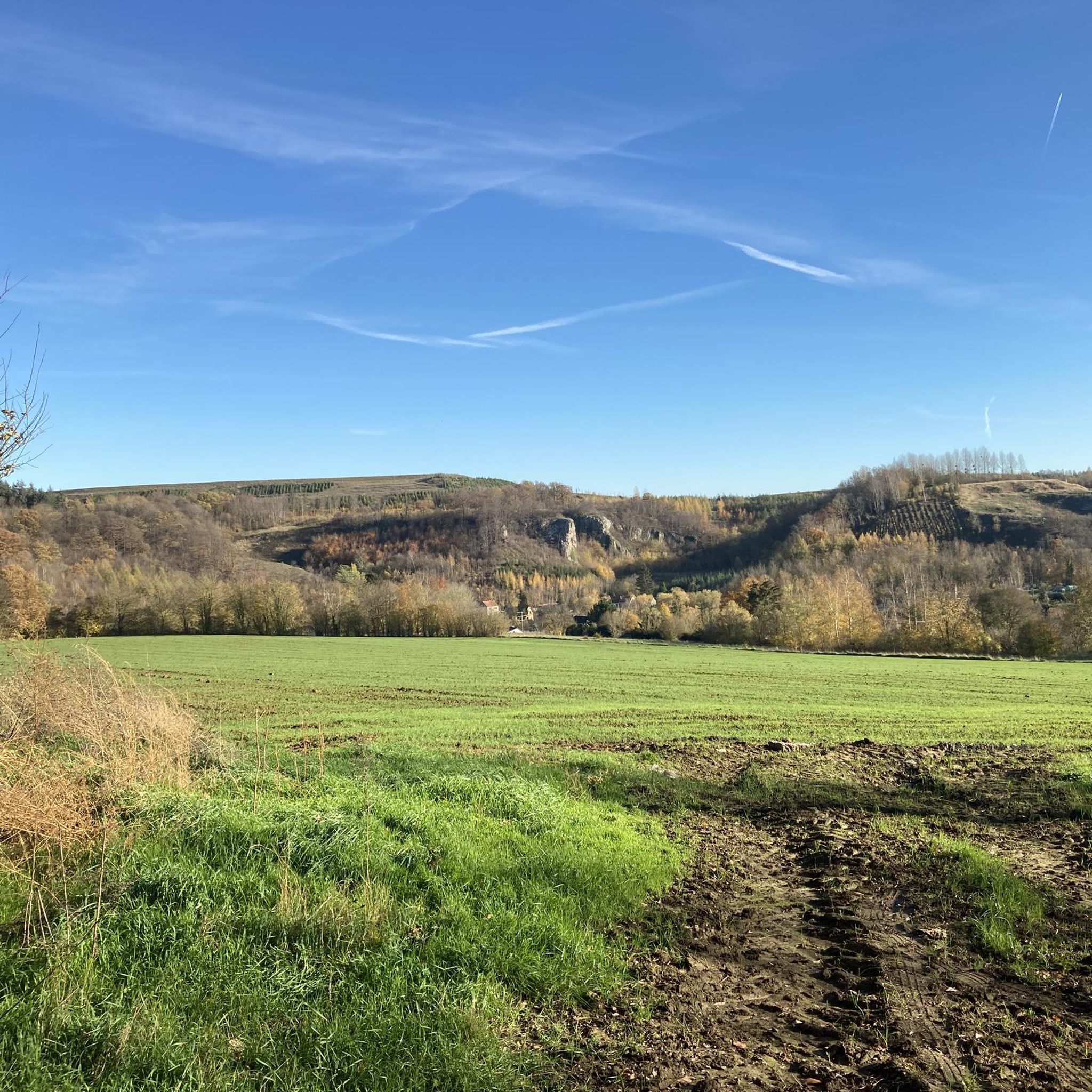
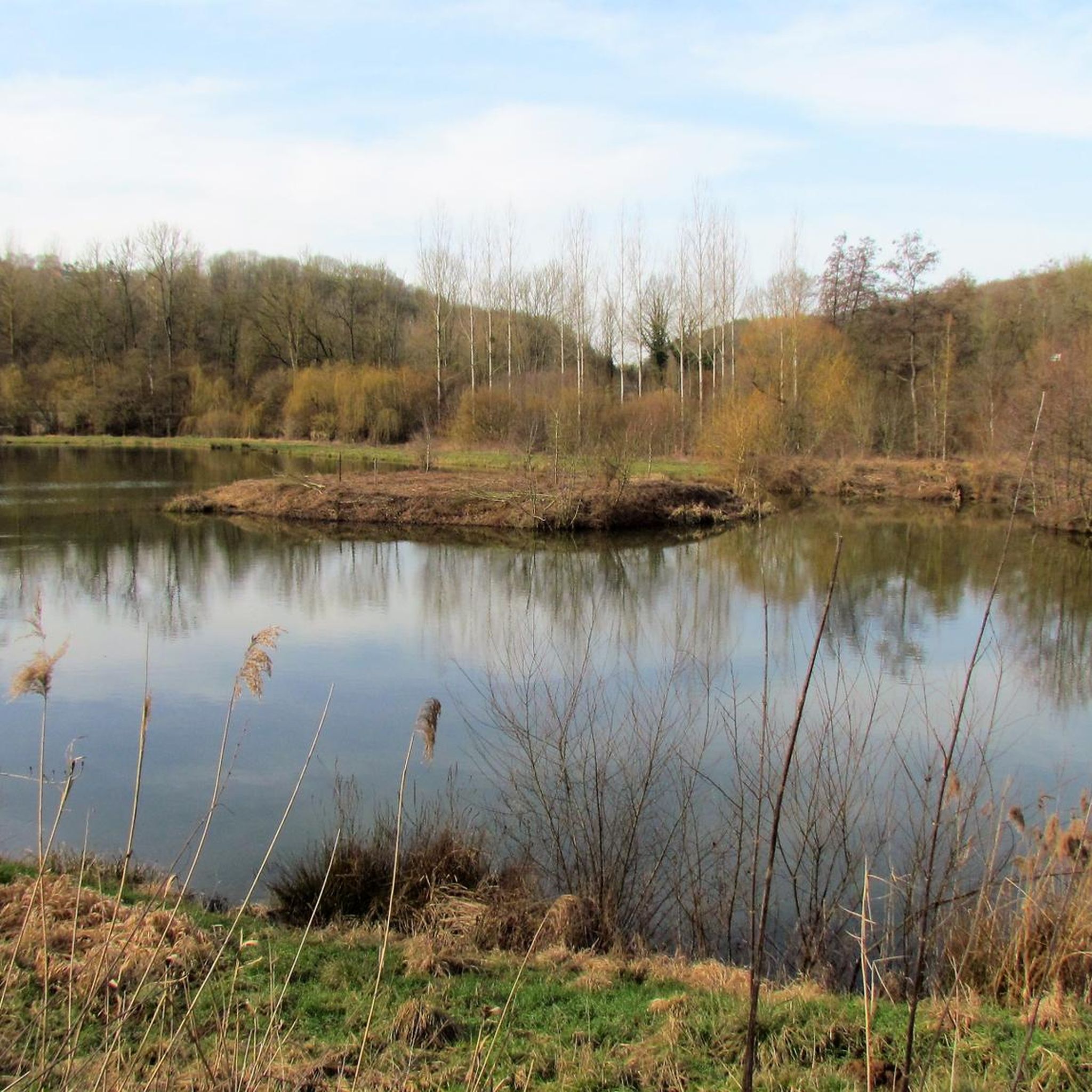
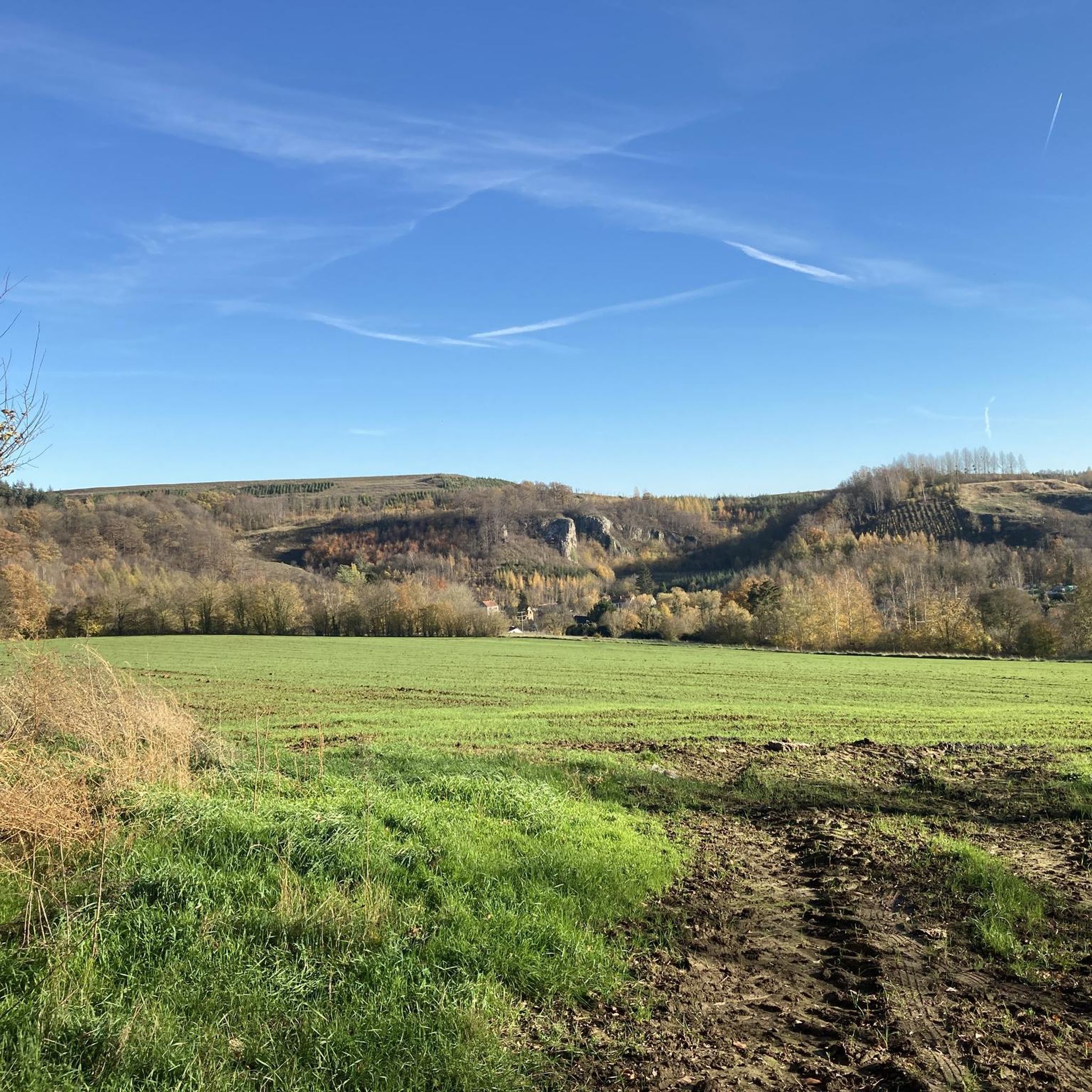
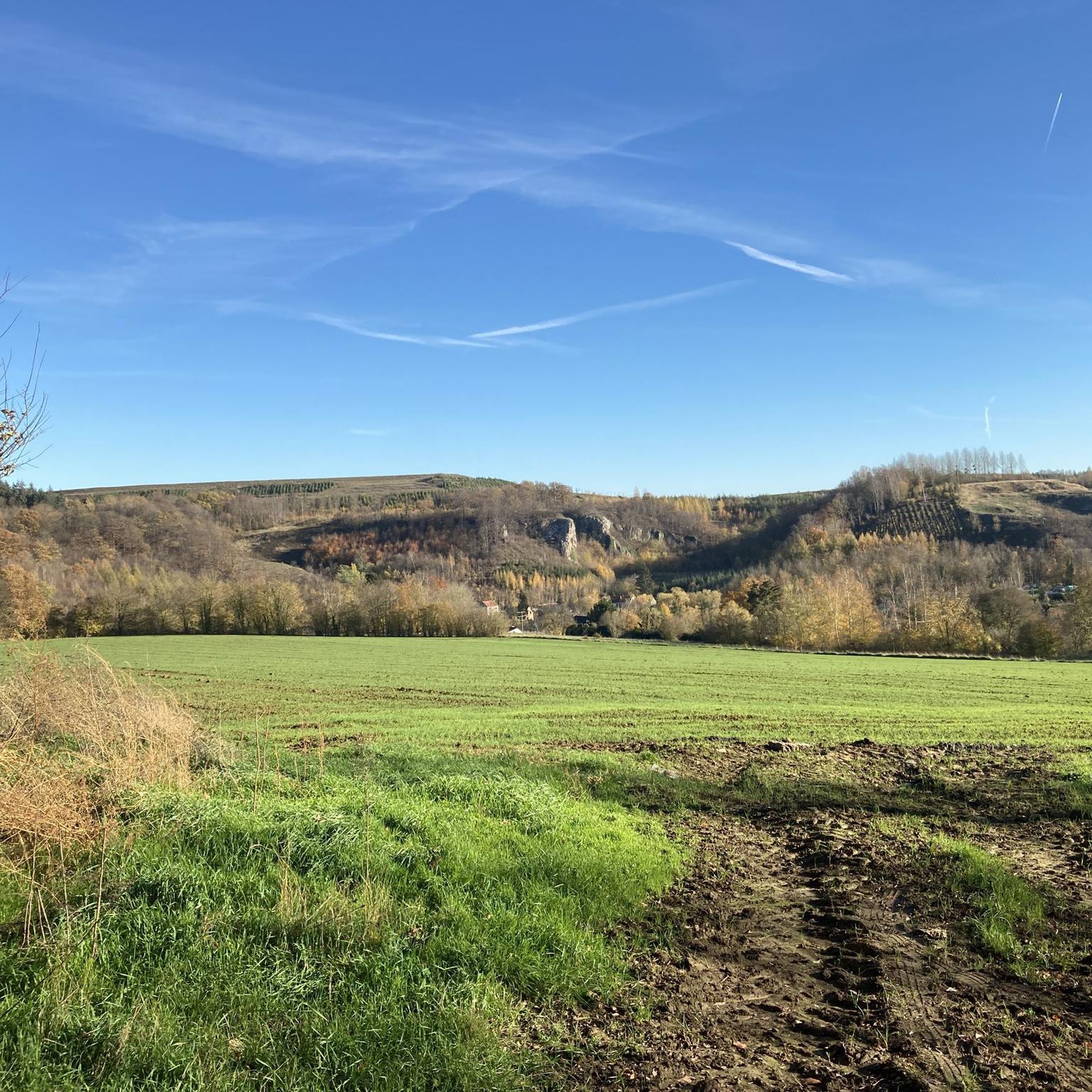

Tips from the Community

The bridge over the Meuse in Ben-Ahin is a cable-stayed bridge. It was put into position on 18 September 1987 by rotation around its concrete pylon. This construction method remained the world record for the heaviest bridge (16,000 tons) erected by rotation for over 30 years. In 2019, however, this record was shattered when a bridge weighing no less than 46,000 tons was put in place by rotation in the Chinese city of Baoding. The design and construction of this 341 m long structure were developed by the Greisch firm. The longest span (the central part over the water) is 126 meters. It was named the 'Pater Pire Bridge', named after the winner of the 1958 Nobel Peace Prize, a Dominican who worked at the Sarte monastery in Huy. source: greisch.com and news.cgtn.com
2
0

A really nice place to have a drink after your walk (open Wednesday and Sunday)
1
0
This RAVeL follows the old railway line 127, which once ran from Hannut to Huccorgne. The RAVeL winds through the heart of Hesbaye, past grain fields and orchards, and through villages like Villers-le-Peuplier and Avennes, before ending in the Burdinale and Mehaigne Valley Nature Park.
2
0
Excavations are conducted year-round at Moha Castle, making it unique in Belgium. When I visited, two archaeologists were uncovering a wall that runs beneath the visible castle and likely dates back to the 12th century.
2
0
The castle is free to visit. At the foot of the rock, there's a visitor center where you can pick up a badge to open the gate. For €4, you can also get a brochure with information about the most important points. The castle is only open to visitors starting in April, but the friendly man at the visitor center let me in on February 27th... as far as you can even call it "inside" at this ruin ;-)
2
0
Please note that the second part of the walk is inaccessible due to the quarry expansion. There are no signs indicating the direction of travel. A sign from the town indicates the change in the local road where you rejoin the trail. Information should be provided at each end to avoid unnecessary backtracking.
1
1

In Fumal, two historic buildings stand out: Fumal Castle and Saint-Remy Church. Fumal Castle is a medieval fortified manor house, with later extensions, which was once the power base of local lords and still dominates the village skyline. Saint-Remy Church is a Gothic-Renaissance church, with elements from various periods, and has been the religious center of the village for centuries. Together, they are important witnesses to Fumal's history and heritage.
0
0

The exact origins of the medieval County of Moha remain unknown. It is likely that the county was formed during the fragmentation of the Carolingian Empire and the Hesbaye region at the end of the 9th century. The first known count, Albert of Moha, is mentioned in a document dated 1026 or 1028. The first defensive stone walls also date from the first half of the 11th century. Having no male heir, Albert of Moha married his daughter to Henry I of Dasbourg around 1050, thus linking the county's destiny to that of this powerful family of Alsatian origin. Initially, it is highly unlikely that the Counts of Dasbourg regularly resided in Moha, entrusting the county's administration to trusted men and a small garrison. However, the situation changed with Hugh II (1130-1180) and his son Albert II (d. 1212), who decided to become more involved in the region's politics. Albert II, in particular, chose to align his interests with those of his nephew, Duke Henry I of Brabant, whose policies he would follow until the end of the 12th century. In 1204, Count Albert III, having lost hope of having a son, chose the Prince-Bishop of Liège as his heir. But the late birth of his daughter Gertrude would jeopardize these agreements. Quickly betrothed to Thibaut of Lorraine, who died in 1219, she then married Thibaut of Champagne, who repudiated her, and subsequently Simon of Linange. At 19, she died childless. On March 19, 1225, the Prince-Bishop of Liège, Hugues de Pierrepont, took possession of Moha. Under the Prince-Bishops, Moha became a prison for political prisoners and a fortification tasked with controlling the city of Huy and blockading merchants. This policy was deeply unpopular and led to reprisals: the people of Huy besieged Moha in 1255. The fortress of Moha was considered impregnable. It was therefore through trickery that the people of Huy, taking advantage of a request for a truce, seized the castle on May 6, 1376. After the attack on the castle, the site's history is largely unknown. Mass is still celebrated twice a year in the castle chapel. During the 18th century, the ruins served as a refuge for a hermit. The castle's stones were gradually plundered, notably to build the surrounding houses. In 1889, the ruins of the castle were purchased by the Belgian state. Source: https://chateaumoha.be/histoire
6
0
Frequently Asked Questions
How many touring cycling routes are available around Wanze?
There are over 60 touring cycling routes available around Wanze, catering to various skill levels. You'll find a good mix of easy, moderate, and challenging options to explore the region.
Are there easy touring cycling routes suitable for beginners or families?
Yes, Wanze offers 19 easy touring cycling routes, perfect for beginners or families looking for a relaxed ride. These routes typically feature gentler terrain and shorter distances, allowing everyone to enjoy the scenic landscapes.
What kind of terrain can I expect on touring cycling routes in Wanze?
The terrain around Wanze is quite varied. You can expect paths along river valleys like the Mehaigne, agricultural landscapes, and routes with moderate ascents and descents. Some routes, such as the Nice gravel path along the Mehaigne river – Ruins of Moha Castle and Cliffs loop from Statte, also feature gravel sections.
Are there any circular touring cycling routes in Wanze?
Many of the touring cycling routes in Wanze are designed as loops, allowing you to start and finish at the same point. For example, the Fousseroûl Castle-Farm – Château de Fallais loop from Bas-Oha is a popular circular option that takes you past historic castle-farms.
What are some interesting landmarks or attractions I can see along the routes?
Wanze's touring cycling routes often pass by historical and natural attractions. You can encounter sites like the Moha Castle, the Wall of Huy, and the Former Braives railway station (RAVeL L127). The La Neuville Fish Pass – View of Huy Castle loop from Statte specifically offers views of Huy Castle and passes a fish pass.
Are there challenging touring cycling routes for experienced riders?
Yes, for experienced touring cyclists seeking a challenge, Wanze offers 21 difficult routes. These routes typically feature more significant elevation changes and longer distances. An example is the Former RovenSix Station – View of Huy loop from Leumont, which includes substantial climbs.
What is the best season for touring cycling in Wanze?
While cycling is possible year-round, the best seasons for touring cycling in Wanze are generally spring, summer, and early autumn. During these months, the weather is typically mild, and the landscapes are at their most vibrant, offering ideal conditions for longer rides.
What do other touring cyclists enjoy most about cycling in Wanze?
The komoot community highly rates the touring cycling experience in Wanze, with an average score of 4.5 stars from over 60 reviews. Cyclists often praise the diverse landscapes, the mix of river paths and historic sites, and the variety of routes suitable for different abilities.
Are there routes that follow the RAVeL network in Wanze?
Yes, the region includes sections of the RAVeL network, which are dedicated paths often built on old railway lines or towpaths, providing smooth and scenic cycling. The Former Braives railway station (RAVeL L127) is a notable point of interest along such a route.
Can I find less crowded touring cycling routes in Wanze?
While some popular routes can see more traffic, Wanze has a wide network of over 60 routes. To find quieter options, consider exploring some of the less-trafficked moderate or difficult routes, or plan your rides during off-peak hours or weekdays.
Are there any routes that pass by lakes or water features?
Yes, several routes offer views of or pass by various water features. You might encounter highlights such as the Amay Gravel Pit, Gravière Lake, or the Andenne Dam and Bridge, providing picturesque stops along your ride.
Most popular attractions around Wanze

Get inspired with the komoot mobile app


Explore more
Browse the best Cycling routes in other regions.
