The best traffic-free bike rides around Wanze
4.4
(109)
1,033
riders
30
rides
No traffic touring cycling routes around Wanze traverse the gentle river valleys of the Meuse and its tributaries, alongside undulating agricultural plains and through interspersed woodlands. The region, part of the Burdinale and Mehaigne Valleys Natural Park, features well-maintained paths and tranquil country roads. This landscape provides a varied terrain for cyclists, ranging from flat river sections to moderate climbs through forested areas.
Best no traffic touring cycling routes around Wanze
- The most popular no traffic touring cycling route is…
Last updated: July 14, 2026
5.0
(8)
77
riders
31.3km
01:49
170m
170m
Moderate bike ride. Good fitness required. Mostly paved surfaces. Suitable for all skill levels.
4.0
(1)
34
riders
90.6km
05:56
1,110m
1,110m
Hard bike ride. Very good fitness required. Mostly paved surfaces. Suitable for all skill levels.

Sign up for free
4.5
(2)
59
riders
36.7km
03:13
660m
660m
Hard bike ride. Very good fitness required. You may need to push your bike for some segments of this route.
15
riders
29.8km
01:51
240m
240m
Moderate bike ride. Good fitness required. Mostly paved surfaces. Suitable for all skill levels.
5.0
(2)
10
riders
23.7km
01:32
260m
260m
Moderate bike ride. Good fitness required. Mostly paved surfaces. Suitable for all skill levels.
Get access to more routes and recommendations from other explorers.
Sign up for free
Already have an account?
Our route recommendations are based on thousands of hikes, rides, and runs completed by other people on komoot.
Start today with a free account
Your next adventure awaits.
Login or Signup
Popular around Wanze

Tips from the Community

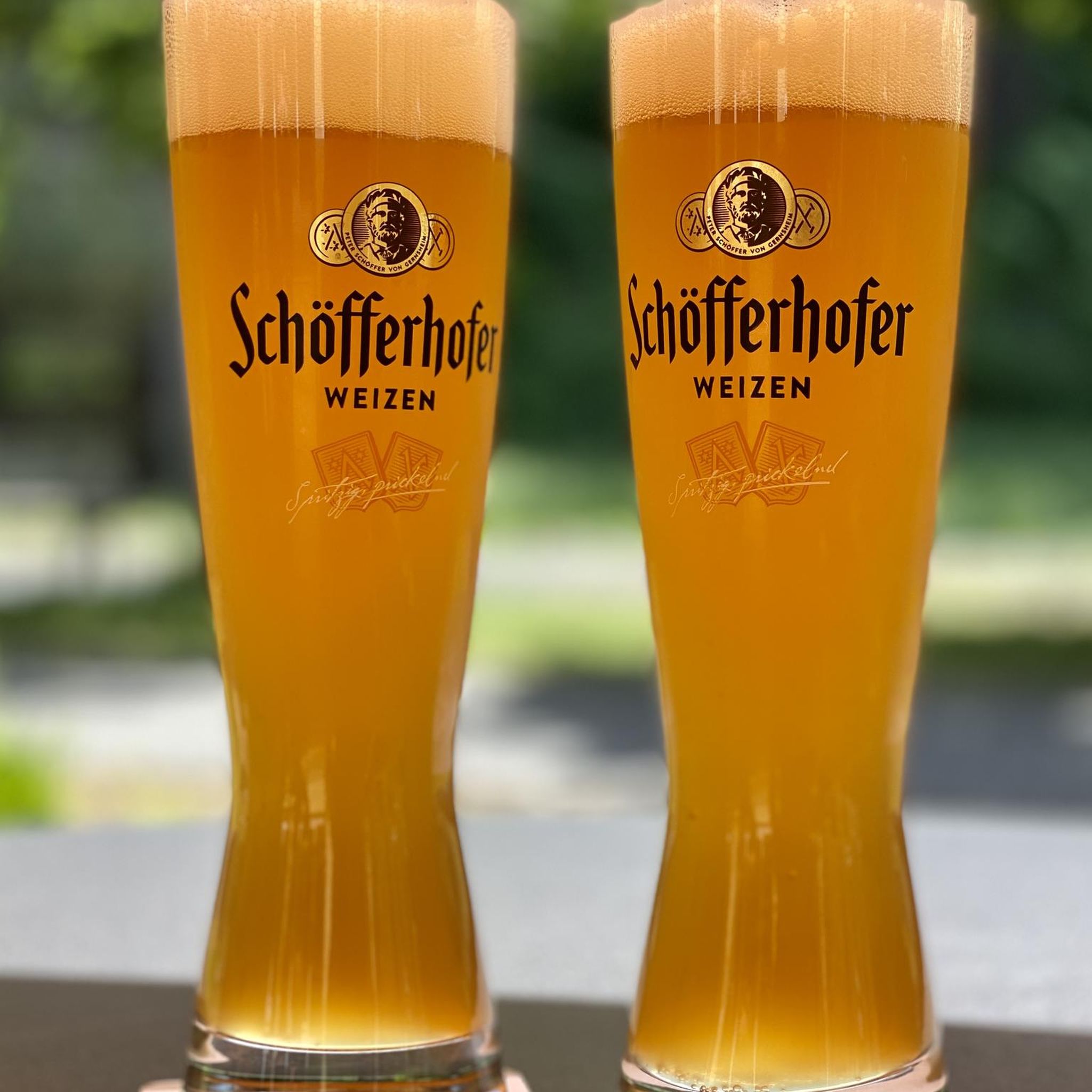
A really nice place to have a drink after your walk (open Wednesday and Sunday)
0
0

The current castle ensemble is largely 16th century, but was built around a 14th-century square keep. The location of that keep was, of course, strategically chosen: slightly elevated above the surroundings, this point offers a good view. The original military architecture gave way in the 16th century to a balanced combination of defense and residential comfort. In addition to the main building, the domain includes a farm, a barn, and several outbuildings, which together form a coherent whole. All these constructions are built from locally quarried limestone rubble, while carefully dressed limestone was used for lintels, sills, door frames, and window frames. This choice of materials testifies to the craftsmanship and the prosperity of the owners during that period. The oldest known lord associated with Famelette is Thiry Lardinois de Famelette, lord of Moha, indicating the close ties between the domain and the local feudal power structures. In 1441, the castle passed into the hands of Collar de Hosden, who held the office of bailiff of Moha. His function as a representative of the lordly authority underscores the administrative importance of Famelette within the region. A decisive phase in the castle's history began in 1558, when it was acquired by the Berlaymont de Floyon family, an influential noble dynasty in the Southern Netherlands. Under their rule, the domain underwent two thorough renovations, during which the existing medieval structures were expanded and embellished. The Berlaymont de Floyon family remained owners of the castle until the early 19th century, an era marked by profound political and social changes, including the consequences of the French Revolution. Famelette subsequently came into the hands of the noble Aspremont Lynden family, who sold the domain in 1878 to the Collinet family (owners of Carmeuse, the quarries). Source: www.burchten-kastelen.be
2
0
This RAVeL follows the old railway line 127, which once ran from Hannut to Huccorgne. The RAVeL winds through the heart of Hesbaye, past grain fields and orchards, and through villages like Villers-le-Peuplier and Avennes, before ending in the Burdinale and Mehaigne Valley Nature Park.
2
0
Please note that the second part of the walk is inaccessible due to the quarry expansion. There are no signs indicating the direction of travel. A sign from the town indicates the change in the local road where you rejoin the trail. Information should be provided at each end to avoid unnecessary backtracking.
1
1

In Fumal, two historic buildings stand out: Fumal Castle and Saint-Remy Church. Fumal Castle is a medieval fortified manor house, with later extensions, which was once the power base of local lords and still dominates the village skyline. Saint-Remy Church is a Gothic-Renaissance church, with elements from various periods, and has been the religious center of the village for centuries. Together, they are important witnesses to Fumal's history and heritage.
0
0
One of the events held annually at this location is the Marsinne Folk Festival (September). It was founded in 1991 at the Moulin de Ferrières, but moved here years ago. Furthermore, a brewery has also been located at the castle farm since 2013: the Leopold 7 brewery, actually a reconstruction of a brewery that was already active here in the mid-19th century.
3
0


Durbuy is first mentioned in 1078 (as Dolbui) and in 1084 (under the current name). The first traces of habitation are found during excavations in the Anticlinaal cave by Count Pierre d'Ursel. The d'Ursel family still inhabits Durbuy Castle. Before the current castle, there were already others. Based on the archives of Luxembourg, a castle was destroyed and in the eleventh century, another was built by Henry II the Lame, who had received the domain from his mother Rageline, sister of Pope Stephen II, and her husband Albert II of Namur. Around 1156, that castle was severely damaged by flames and during the succession wars of the Duchy of Limburg, it was destroyed several more times. From 1412, Durbuy came into the hands of the House of Burgundy and at the end of the fifteenth century, the then-existing castle was destroyed by Maximilian of Austria, like all the castles of the la Marck family: besides Durbuy, these also include the castles of Logne and La Roche. In 1628, Baron Antoine Schetz of Grobendonck leased the Durbuy estate for 40,000 gold marks, a very considerable sum. Besides being a baron, he was also Count of Grobbendonk, Lord of Tilburg and Goirle, Pulle and Pulderbos, and Wezemaal. He was in the service of the Spanish and had led the defense of 's-Hertogenbosch during the Eighty Years' War. At the age of 71, he was also governor of the city of Leuven during the Siege of Leuven. And he was the first in a long line of the d'Ursel family who, to this day, inhabit the castle. In 1731, the castle was rebuilt by the then Duke of Ursel. Countess Auguste d'Ursel, who acquired the d'Ursel family's possessions in Durbuy, then modernized the castle from 1880 to 1882 with the help of architect Thirian from Namur. During the Second World War, the castle was occupied several times and in 1944, during the Battle of the Bulge, it was used as a field hospital by the American liberators, with the billiard table serving as an operating table. Sources: historical overviews in Word documents on the website of Count Jean-Michel d'Ursel, current resident, at https://www.chateaudedurbuy.be/historique.html
6
0
Frequently Asked Questions
How many no traffic touring cycling routes are available in Wanze?
There are over 35 dedicated no traffic touring cycling routes around Wanze. These routes are designed to offer peaceful rides away from vehicular traffic, allowing you to fully enjoy the scenic Wallonian landscape.
What are the difficulty levels of the no traffic touring cycling routes in Wanze?
The routes cater to various skill levels. You'll find 7 easy routes, 16 moderate routes, and 12 more challenging routes. This variety ensures there's a suitable option whether you're looking for a relaxed pedal or a more demanding adventure.
What kind of terrain can I expect on these no traffic touring cycling routes?
The terrain around Wanze is quite varied, offering gentle river valleys, undulating agricultural plains, and interspersed woodlands. Routes often feature well-maintained paths and tranquil country roads. For example, the Nice gravel path along the Mehaigne river – Ruins of Moha Castle and Cliffs loop from Statte includes gravel sections and significant elevation changes, while others might follow flatter riverbanks.
Are there historical landmarks to see along the no traffic touring cycling routes?
Yes, Wanze is rich in history. Many routes pass by or offer views of historical sites. A notable example is the Château de Moha, a medieval feudal castle ruin. You can explore routes like the Moha Castle Rock – RAVeL L127 Huccorgne loop from Moha which takes you past this fascinating landmark.
What natural features can I explore on these routes?
The region is part of the Burdinale and Mehaigne Valleys Natural Park, offering beautiful natural backdrops. The majestic Meuse River is also a significant feature, with some routes aligning with its scenic banks. You might also encounter highlights like the Poudingue d'Ombret Trail or the Amay Gravel Pit, showcasing the diverse natural beauty of the area.
Are the no traffic touring cycling routes in Wanze suitable for families with children?
Many of the routes, especially the easier ones that follow riverbanks or traverse agricultural fields, are ideal for families. The focus on 'no traffic' ensures a safer and more relaxed experience for younger riders. Look for routes with lower elevation gain and shorter distances for the most family-friendly options.
Can I bring my dog on these touring cycling routes?
Generally, dogs are welcome on many of the public paths and RAVeL routes in Wallonia, provided they are kept on a leash. However, it's always best to check local signage or specific route descriptions for any restrictions, especially in nature reserves or private estates. Ensure your dog is comfortable with cycling speeds and other cyclists.
Where can I park my car when starting a no traffic touring cycling route in Wanze?
Parking is generally available in Wanze town center and in many of the smaller villages where routes often begin or pass through. For routes starting from specific points like Moha, there are usually designated parking areas. Public transport options are also available to reach some starting points.
What is the best time of year to go touring cycling in Wanze?
Spring and autumn are often considered the best seasons for touring cycling in Wanze. The weather is typically mild, and the landscapes are particularly beautiful with blooming flowers or vibrant autumn foliage. Summer can also be pleasant, but be prepared for warmer temperatures. Winter cycling is possible, but some paths might be less maintained or have adverse conditions.
Are there circular no traffic touring cycling routes available?
Yes, many of the no traffic touring cycling routes in Wanze are designed as loops, allowing you to start and end at the same point. An example is the Château de Fallais – View of Fumal Castle loop from Huccorgne, which offers a scenic circular journey through the countryside.
What do other cyclists say about the no traffic touring cycling routes in Wanze?
The no traffic touring cycling routes in Wanze are highly rated by the komoot community, with an average score of 4.49 stars. Reviewers often praise the peacefulness of the routes, the beautiful scenery of the Meuse Valley and natural park, and the opportunity to discover historical sites like castles away from busy roads.
Are there cafes or places to eat along the no traffic touring cycling routes?
Yes, many routes pass through or near charming villages where you can find cafes, bakeries, and restaurants. Wanze and surrounding towns offer various options for refreshments and meals. It's a good idea to check the route map beforehand to identify suitable stops for a break or a bite to eat.
Most popular attractions around Wanze

Get inspired with the komoot mobile app


Explore more
Browse the best Cycling routes in other regions.
