The best road cycling routes around Ouffet
4.2
(270)
11,428
riders
474
rides
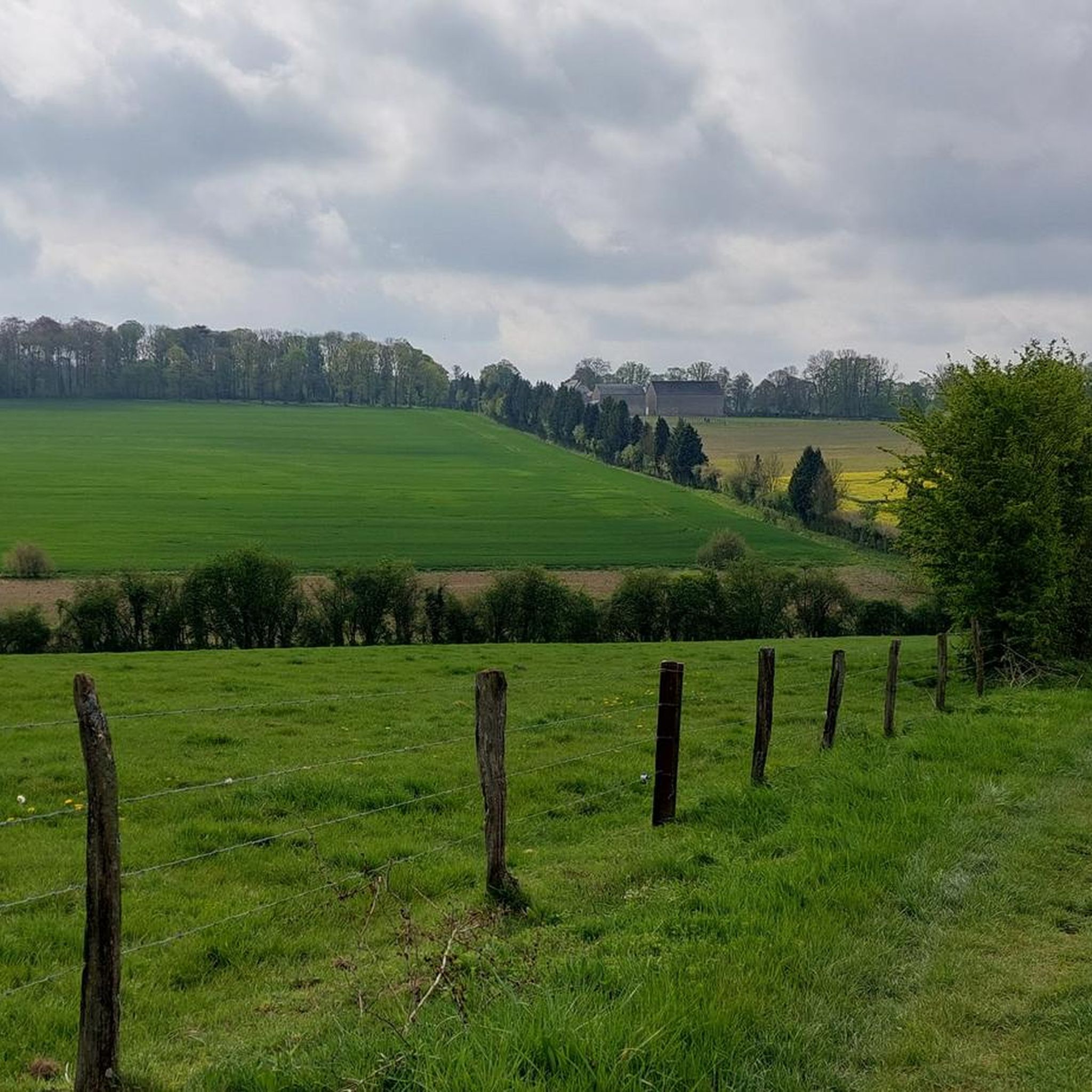
Road cycling around Ouffet is characterized by its diverse terrain, featuring rolling hills, dense forests, and river valleys. The region, situated in the province of Liège, offers varied landscapes for cyclists. The Ourthe River carves through picturesque valleys, providing scenic routes. This area provides a dynamic backdrop for road cycling, with options ranging from moderate to challenging climbs.
Best road cycling routes around Ouffet
- The most popular road cycling route is Comblain-au-Pont – Ourthe Riverside Trail loop from Hamoir,…
Last updated: July 1, 2026
4.0
(5)
175
riders
59.3km
02:55
520m
520m
Moderate road ride. Good fitness required. Mostly well-paved surfaces and easy to ride.
4.0
(5)
132
riders
47.8km
02:26
290m
290m
Moderate road ride. Good fitness required. Mostly well-paved surfaces and easy to ride.

Sign up for free
4.0
(4)
46
riders
29.6km
01:32
120m
120m
Moderate road ride. Great for any fitness level. Some segments of this route may be unpaved and difficult to ride.
35
riders
37.9km
01:42
330m
330m
Moderate road ride. Good fitness required. Some segments of this route may be unpaved and difficult to ride.
4.0
(1)
106
riders
49.9km
02:32
700m
700m
Moderate road ride. Good fitness required. Mostly well-paved surfaces and easy to ride.
Get access to more routes and recommendations from other explorers.
Sign up for free
Already have an account?
Our route recommendations are based on thousands of hikes, rides, and runs completed by other people on komoot.
Start today with a free account
Your next adventure awaits.
Login or Signup


Other adventures around Ouffet

Tips from the Community

The scenery compensates for the bumpy road surface in places.
3
0
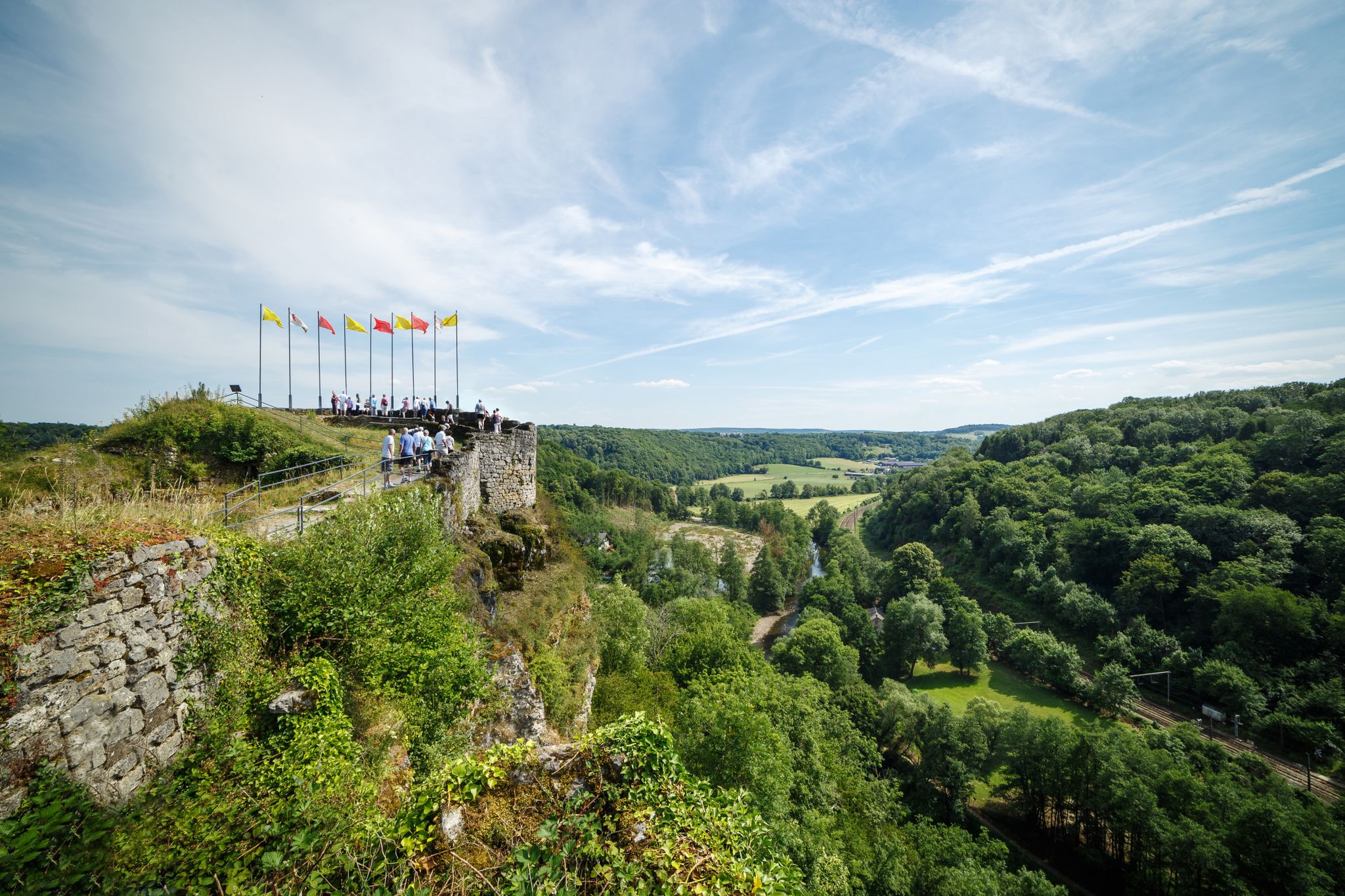
Formerly spelled Comblenz, this locality, like its neighbor Comblain-la-Tour, owes its name to the Latin confluentes which means confluence. The German city of Koblenz has the same etymology. "The first castellan of Comblain whose name we know was probably Raoul de Comblain (Rr dulfus de Comblenz) whose wife was called Ide (October 11, 1146)" (source: "Les Echos de Comblain" n°1970.12, Emile Detaille). The inhabitants of Comblain-au-Pont are called Comblennois.
3
0

18th century castle with Romanesque chapel
1
0
With beautifully restored buildings towards homes
1
0

Durbuy is first mentioned in 1078 (as Dolbui) and in 1084 (under the current name). The first traces of habitation are found during excavations in the Anticlinaal cave by Count Pierre d'Ursel. The d'Ursel family still inhabits Durbuy Castle. Before the current castle, there were already others. Based on the archives of Luxembourg, a castle was destroyed and in the eleventh century, another was built by Henry II the Lame, who had received the domain from his mother Rageline, sister of Pope Stephen II, and her husband Albert II of Namur. Around 1156, that castle was severely damaged by flames and during the succession wars of the Duchy of Limburg, it was destroyed several more times. From 1412, Durbuy came into the hands of the House of Burgundy and at the end of the fifteenth century, the then-existing castle was destroyed by Maximilian of Austria, like all the castles of the la Marck family: besides Durbuy, these also include the castles of Logne and La Roche. In 1628, Baron Antoine Schetz of Grobendonck leased the Durbuy estate for 40,000 gold marks, a very considerable sum. Besides being a baron, he was also Count of Grobbendonk, Lord of Tilburg and Goirle, Pulle and Pulderbos, and Wezemaal. He was in the service of the Spanish and had led the defense of 's-Hertogenbosch during the Eighty Years' War. At the age of 71, he was also governor of the city of Leuven during the Siege of Leuven. And he was the first in a long line of the d'Ursel family who, to this day, inhabit the castle. In 1731, the castle was rebuilt by the then Duke of Ursel. Countess Auguste d'Ursel, who acquired the d'Ursel family's possessions in Durbuy, then modernized the castle from 1880 to 1882 with the help of architect Thirian from Namur. During the Second World War, the castle was occupied several times and in 1944, during the Battle of the Bulge, it was used as a field hospital by the American liberators, with the billiard table serving as an operating table. Sources: historical overviews in Word documents on the website of Count Jean-Michel d'Ursel, current resident, at https://www.chateaudedurbuy.be/historique.html
6
0

awesome
0
0

The footbridge over the Ourthe in Durbuy offers a beautiful view of the river and the surrounding nature. This pedestrian bridge connects the charming old town with the green opposite side and offers a unique perspective on the smallest town in Belgium.
0
0

Leaving Durby requires a climb. You will have to go through Thier de Viné by taking rue de la Haie. In doing so you have beautiful views as you climb.
1
0
Frequently Asked Questions
How many road cycling routes are available around Ouffet?
Ouffet offers a wide selection of road cycling routes, with over 470 tours available. These range from easy rides to more challenging climbs, catering to various fitness levels.
What kind of terrain can I expect when road cycling in Ouffet?
Road cycling in Ouffet is characterized by its diverse terrain, featuring rolling hills, dense forests, and picturesque river valleys, particularly along the Ourthe River. The region is nestled within the expansive Ardennes Forest, providing a dynamic backdrop with options for both leisurely rides and more challenging climbs. Most routes feature well-paved surfaces suitable for road bikes.
Are there routes suitable for beginners or those looking for an easy ride?
Yes, Ouffet offers a good selection of easier road cycling routes. There are 53 routes specifically categorized as easy, perfect for beginners or those seeking a more relaxed ride through the scenic landscape.
Where can I find more challenging road cycling routes in Ouffet?
For experienced cyclists seeking a challenge, Ouffet has 151 difficult road cycling routes. These often feature significant elevation gains through the rolling hills and forested areas of the Ardennes, such as the Côte de Tohogne – Côte d'Ouffet loop from Hermanne, which includes nearly 900 meters of climbing over 65 kilometers.
What is the best time of year for road cycling in Ouffet?
The region around Ouffet is generally best for road cycling during the warmer months, from spring through early autumn. This period offers pleasant temperatures and lush scenery, making for ideal riding conditions through the forests and river valleys. Winter cycling might be possible, but conditions can be more challenging due to colder weather and potential for ice or snow.
Are there any scenic viewpoints or natural features to see along the road cycling routes?
Absolutely. The Ourthe River carves through picturesque valleys, offering stunning views. You can also find natural monuments like The Anticline and the Sy Rocks. Many routes, such as the Comblain-au-Pont – Ourthe Riverside Trail loop from Hamoir, follow the river, providing continuous scenic beauty.
Can I incorporate historical sites or cultural landmarks into my road cycling tour?
Yes, several routes pass by notable landmarks. For instance, the Durbuy Castle – Durbuy — Old Town and Castle loop from Hamoir takes you past the historic Durbuy — Old Town and Castle. The wider region also features historical sites like Hoyoux Castle in Clavier, which can be part of longer tours.
Are there loop road cycling routes available around Ouffet?
Many of the road cycling routes around Ouffet are designed as loops, allowing you to start and finish at the same point. Examples include the Ourthe Riverside Trail – Pont-de-Scay Train Station loop from Hamoir and the Comblain-au-Pont – Rock of the Virgin loop from Hamoir, providing convenient options for exploration.
What are the parking options for road cyclists in Ouffet?
While specific parking areas for cyclists aren't detailed, many routes start from villages like Hamoir or Hermanne, where public parking is generally available. It's advisable to check local parking regulations in these starting points before your ride.
Are there family-friendly road cycling routes in Ouffet?
For families, the region offers easier routes with less elevation, often following river paths where the terrain is flatter. While specific 'family-friendly' designations aren't always explicit, look for routes categorized as 'easy' or those that stick to riverside trails for a more relaxed experience suitable for various ages.
Are there road cycling routes that include cafe stops or places to rest?
Many routes pass through charming villages and towns where you can find cafes, restaurants, and places to rest. Towns like Durbuy, featured in routes such as the Durbuy Castle – Durbuy — Old Town and Castle loop from Hamoir, are excellent spots for a break and refreshment.
What do other road cyclists enjoy most about the routes around Ouffet?
The road cycling routes around Ouffet are highly rated by the komoot community, with an average score of 4.3 stars from over 200 reviews. Cyclists frequently praise the varied terrain, the scenic beauty of the Ourthe River valleys, and the challenging yet rewarding climbs through the rolling hills and dense forests.
Most popular attractions around Ouffet

Get inspired with the komoot mobile app


Explore more
Browse the best Road cycling routes in other regions.
