Attractions and Places To See around Bassenge - Top 20
Best attractions and places to see around Bassenge are found in the scenic Geer Valley, situated between Tongeren, Liège, and Maastricht. This region offers a combination of historical landmarks, cultural sites, and natural beauty. The Geer river meanders through the municipality, connecting its six villages. Visitors can explore diverse landscapes and points of interest.
Best attractions and places to see around Bassenge
- The most popular attractions is Bemelerberg Climb, a climb that offers a challenging ascent for cyclists and…
Last updated: October 9, 2026
Sint Servaas Bridge
Highlight • Bridge
Translated by Google •
Tip by

Fort Sint Pieter
Highlight • Historical Site
Translated by Google •
Tip by

Sign up now to discover places like this
Get recommendations on the best single tracks, peaks, & plenty of other exciting outdoor places.
Maastricht City Hall
Highlight • Monument
Translated by Google •
Tip by
Bemelerberg Climb
Highlight (Segment) • Climb
With the racing bike, it's all about dividing the effort. After the cornering, it's still climbing.
With the Tour bike, it's about finding a good rhythm and enjoying it.
Translated by Google •
Tip by

Lanaye Lock
Highlight • Monument
Translated by Google •
Tip by

Sign up for free to discover even more attractions around Bassenge.
Already have an account?
Start today with a free account
Your next adventure awaits.
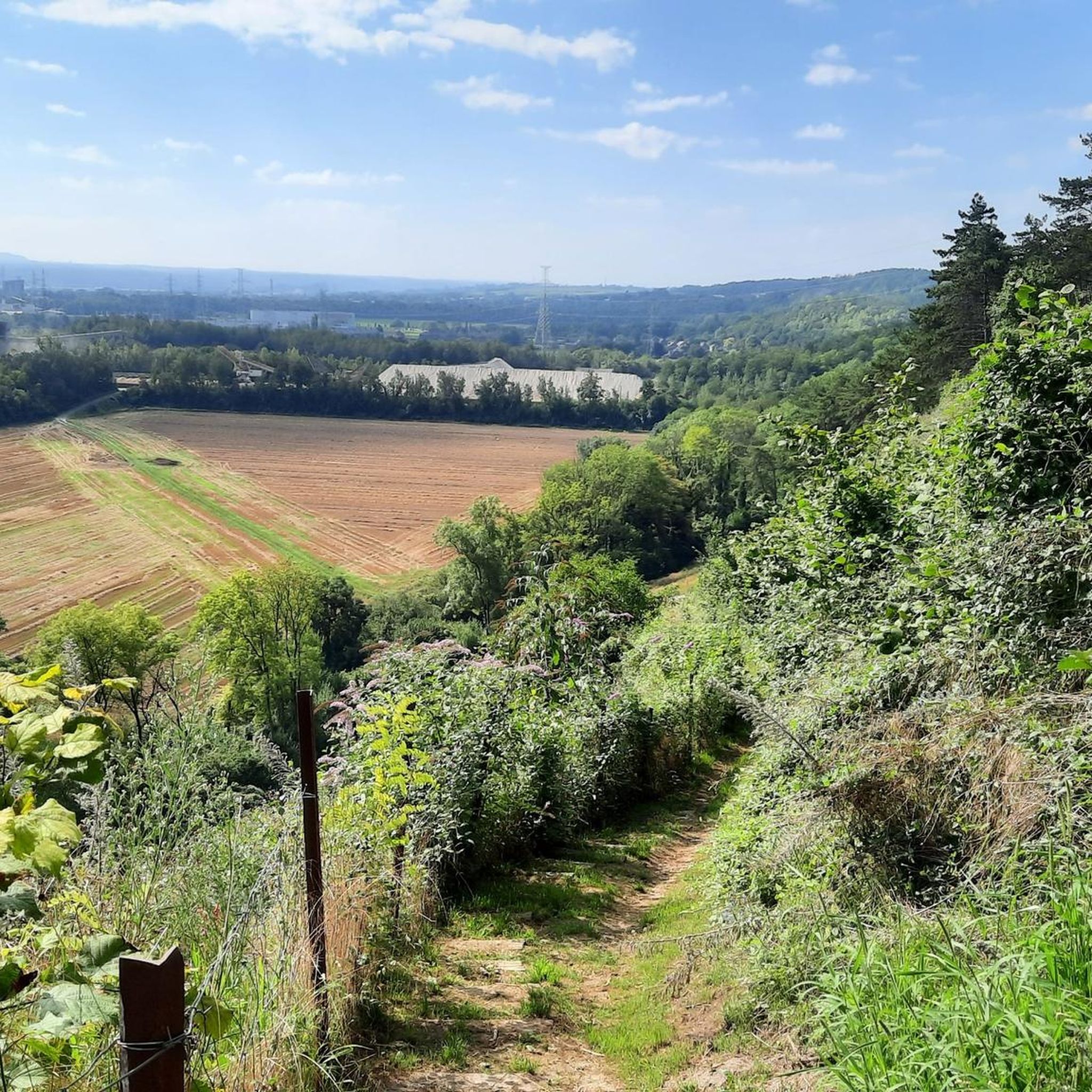
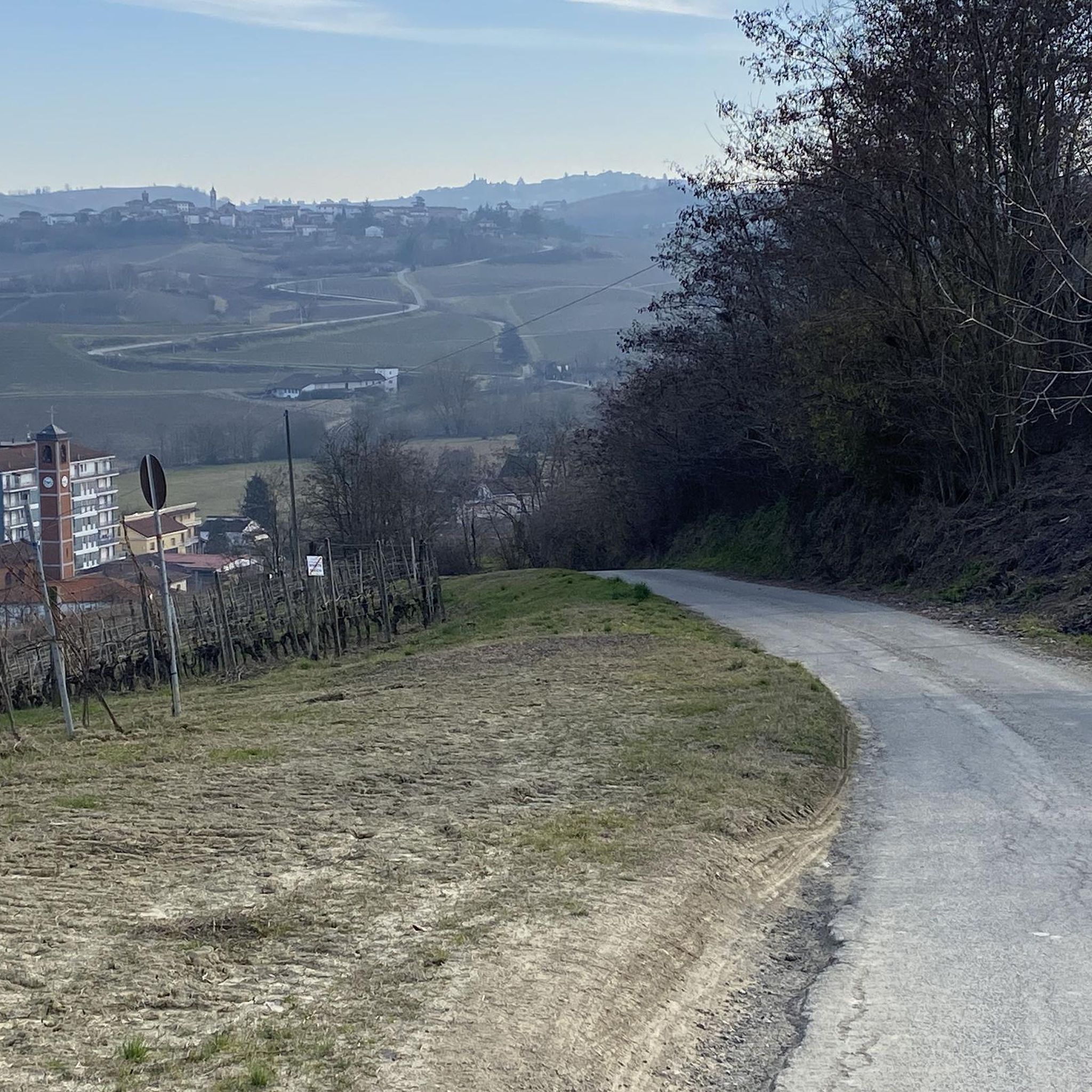
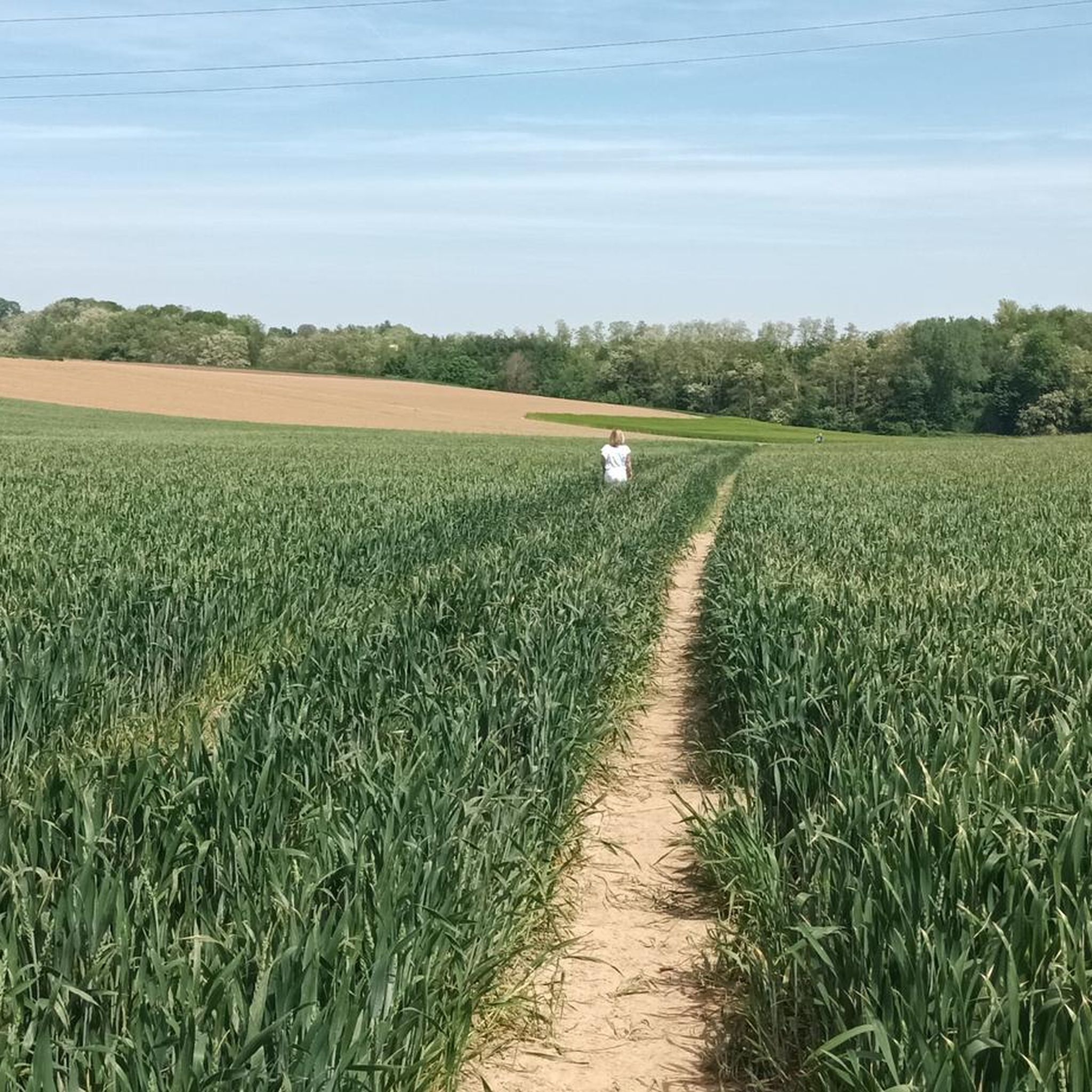

Other adventures around Bassenge

Tips from the Community

It's been a long time since I've been up here on the big leaf. But it's always beautiful and part of almost every tour through the Mergelland.
4
0

Fort Sint Pieter is a fort that was built in 1701-02 on the northern flank of the Sint-Pietersberg in Maastricht. Until 1867, the fort had a military function as part of the fortifications of Maastricht. The building is now a national monument and a tourist attraction. To the southwest of the fort used to be the Great Entrance of the Northern Gangensysteem, to the southeast the Predikherengat and to the northwest the quarry Ancienne Brasserie.
9
1

The lock is 225 meters long and 25 meters wide and is currently the largest inland lock in Europe.
7
1

Impressive lock, beautiful surroundings.
2
0

The market takes place on Wednesdays and Fridays from 10 a.m. to 3 p.m. Here you can buy sausage, meat, cheese, fruit and vegetables, fabrics, flowers, fish (especially Kibbeling) and much more. Part of the Stadhuis (town hall) can also be visited.
10
0

On market days it swarms with people, but there is everything you would expect from a market and a lot more.
12
1
Maastricht is one of the oldest cities in the Netherlands. The name of the city already suggests this. Maastricht means something like "crossing of the Meuse", which probably refers to a bridge built here by the Romans. Today Maastricht is important for tourism.
12
1
Right in the heart of Maastricht is the historic City Hall, built in 1659 and where the Treaty establishing the European Union was signed on February 7, 1992. The building was modernized as part of an extensive general renovation.
14
1
Frequently Asked Questions
What historical sites can I explore in Bassenge?
Bassenge is rich in history. You can visit the impressive Fort Sint Pieter, a 300-year-old fortification that protected Maastricht, offering guided tours and views. Another significant site is Fort d'Eben-Emael, a 1930s stronghold with underground barracks and galleries. Don't miss the unique Eben-Ezer Tower, built entirely of flint, which also houses the Flint Museum. The old graveyard in Glons features a Romanesque tower from the former Saint-Victor church.
Are there any cultural attractions in Bassenge?
Yes, Bassenge offers several cultural insights. The Eben Museum, located in an 18th-century farm, showcases local archaeology and folklore, including workshops and a 1930s grocery shop. Moulin du Broukay (Broukay Mill) hosts art exhibitions and courses. You can also visit Petit-Lourdes, a recreation of the Massabielle Cave, which is a pilgrimage site.
What natural features and viewpoints can I discover in the Bassenge area?
The Geer Valley itself is a beautiful natural feature with stunning landscapes. The Montagne Saint-Pierre area is a diverse nature reserve offering unique biodiversity, caves, and excellent hiking opportunities with marked trails. Specific reserves like Heyoule Nature Reserve and Thier de Boirs are worth exploring. For impressive views, the Lanaye Lock on the Albert Canal is a significant man-made monument that can be observed from Fort Eben-Emael, and Bemelerberg Climb offers scenic vistas.
What outdoor activities and routes are available around Bassenge?
The region is excellent for outdoor enthusiasts. You can find numerous hiking and cycling routes, particularly in the Geer Valley and Montagne Saint-Pierre area. Starting points include Moulin du Broukay and the old Town Hall in Roclenge-sur-Geer. Popular cycling routes include the 'Balade des Cerisiers' (31 km) and 'Via Jecore' (25 km). For specific routes, check out the cycling guide, hiking guide, and running trails guide for Bassenge.
Are there family-friendly attractions in Bassenge?
Yes, several attractions are suitable for families. The Fort Sint Pieter offers an engaging historical experience, and the Lanaye Lock is fascinating to watch ships pass through. Exploring the Eben-Ezer Tower and its Flint Museum can also be an educational outing. The natural areas like Montagne Saint-Pierre provide opportunities for family walks and exploring nature.
What is the best time to visit Bassenge for outdoor activities?
The spring, summer, and early autumn months generally offer the most pleasant weather for outdoor activities like hiking and cycling in the Geer Valley and Montagne Saint-Pierre. However, the Wonck Caves host a magical Christmas Craft Market, making winter an interesting time to visit for specific cultural events.
Where can I find unique local crafts or markets in Bassenge?
The Wonck Caves are known for hosting a magical Christmas Craft Market, offering a unique experience during the winter season. Additionally, the Eben Museum showcases the region's history, including a headgear workshop reflecting the local straw industry, which was once prosperous in the area, as commemorated by the kiosk in Roclenge-sur-Geer.
What is the significance of the Geer Valley in Bassenge?
The Geer Valley is central to Bassenge, with the Geer river meandering through its six villages. It's a significant natural feature, offering stunning landscapes and serving as a hub for numerous hiking and cycling routes. The valley's geology also contributed to the construction of landmarks like the Eben-Ezer Tower, built from local flint.
What do visitors enjoy most about the attractions around Bassenge?
Visitors appreciate the blend of history, nature, and unique experiences. Many enjoy the challenging ascent and views from the Bemelerberg Climb, the sheer scale of the Lanaye Lock, and the historical depth of sites like Fort Sint Pieter. The diverse landscapes of the Geer Valley and Montagne Saint-Pierre are also highly valued for their natural beauty and outdoor opportunities.
Are there any specific cycling routes recommended in Bassenge?
Yes, Bassenge offers several cycling routes. The 'Balade des Cerisiers' (31 km) and 'Via Jecore' (25 km), which connects Tongres to Maastricht, are popular choices. The Lanaye Lock is also integrated into various cycling routes, providing a scenic and interesting point along the way. You can find more options in the Cycling around Bassenge guide.
What is the Eben-Ezer Tower and what can I see there?
The Eben-Ezer Tower, also known as the Tower of Apocalypse, is a unique seven-level structure in Eben-Emael, built entirely from flint found in the Geer Valley. At its summit, it features four cherubim of the Apocalypse. Inside, you can explore the Flint Museum, which details the tower's construction and the historical use of flint in the region.
Can I find places for walking or hiking near the attractions?
Absolutely. The Montagne Saint-Pierre area is a prime location for walking and hiking, with marked trails and diverse natural landscapes. Moulin du Broukay serves as one of the starting points for various hikes. You can also enjoy walks around the exterior of Fort d'Eben-Emael. For detailed routes, refer to the Hiking around Bassenge guide.
Most popular routes around Bassenge
Most popular attractions around Bassenge

Get inspired with the komoot mobile app


Explore more
Still not found the Highlight you’re looking for? See guides of the top attractions in other regions:
