Top 20 Castles around Genk
Best castles around Genk are situated in Belgium's Limburg province, an area known for its historical significance and varied natural landscapes. Genk offers a blend of cultural heritage and outdoor exploration, with several historical sites nestled within expansive parks and green spaces. The region provides opportunities to explore ancient architecture and enjoy tranquil surroundings.
Best castles around Genk
- The most popular castles is Alden Biesen Commandery, a castle that dates back to the 11th century. This grand architectural marvel…
Last updated: August 11, 2026
Bokrijk Castle
Highlight • Castle
Translated by Google •
Tip by

Alden Biesen Commandery
Highlight • Castle
It served as:
• an administrative center for the surrounding holdings (farms, villages, lands),
Translated by Google •
Tip by

Sign up now to discover places like this
Get recommendations on the best single tracks, peaks, & plenty of other exciting outdoor places.
Sign up for free
Pietersheim Water Castle (ruins)
Highlight • Castle
Translated by Google •
Tip by

Kiewit Castle
Highlight • Castle
Translated by Google •
Tip by

Schoonbeek Moated Castle
Highlight • Castle
Translated by Google •
Tip by
Sign up for free to discover even more castles around Genk.
Sign up for free
Already have an account?
Start today with a free account
Your next adventure awaits.
Login or Signup
Popular around Genk
From Flanders to the Ardennes — GR 5 in Belgium
Flanders Divide - Across Flanders
Flanders' Finest Cycle Routes: routes to discover Flemish nature and heritage
Three-day National Park Trail (from Genk Station)
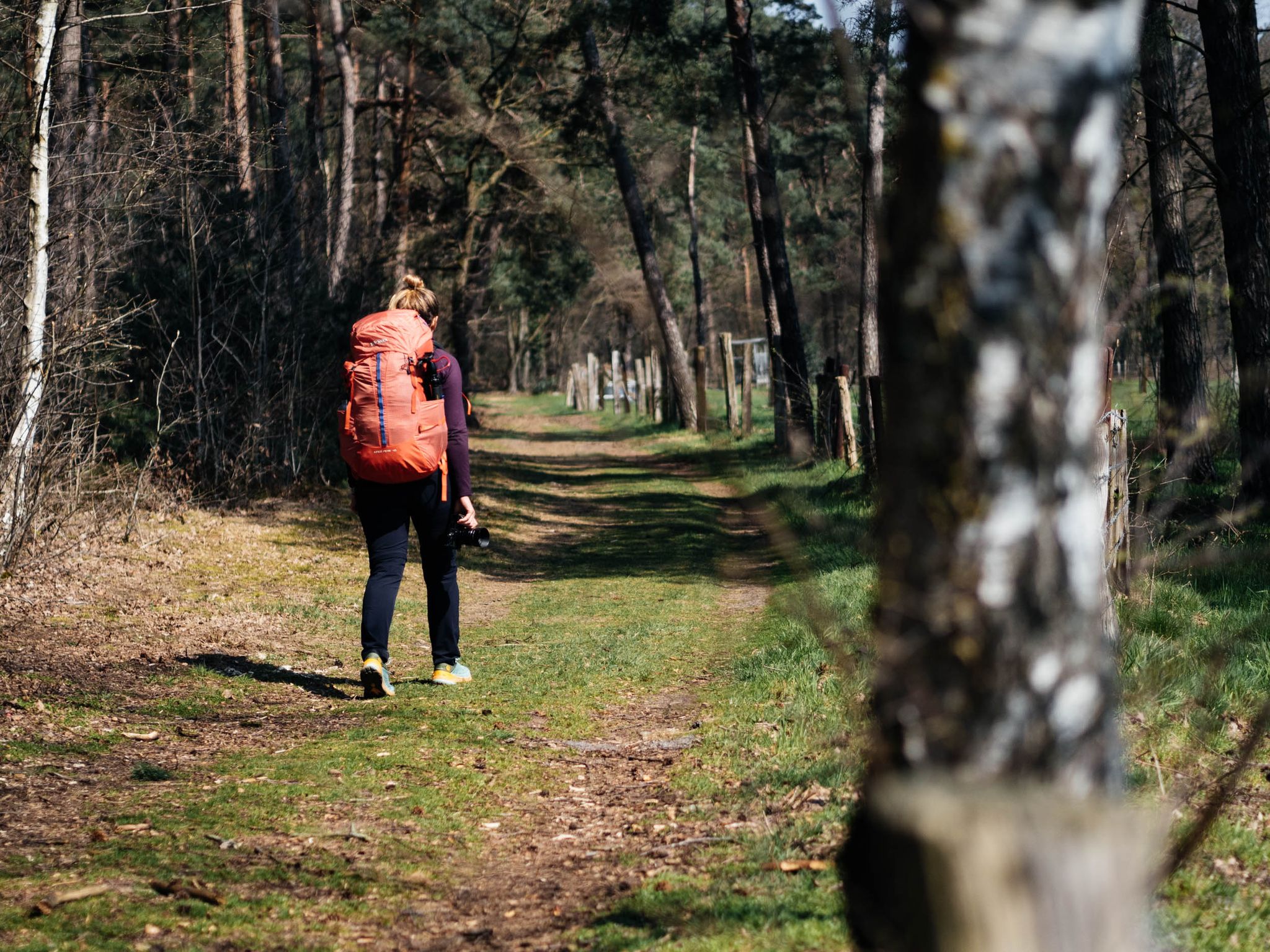
Hiking in Flanders – National Park Trail through Hoge Kempen
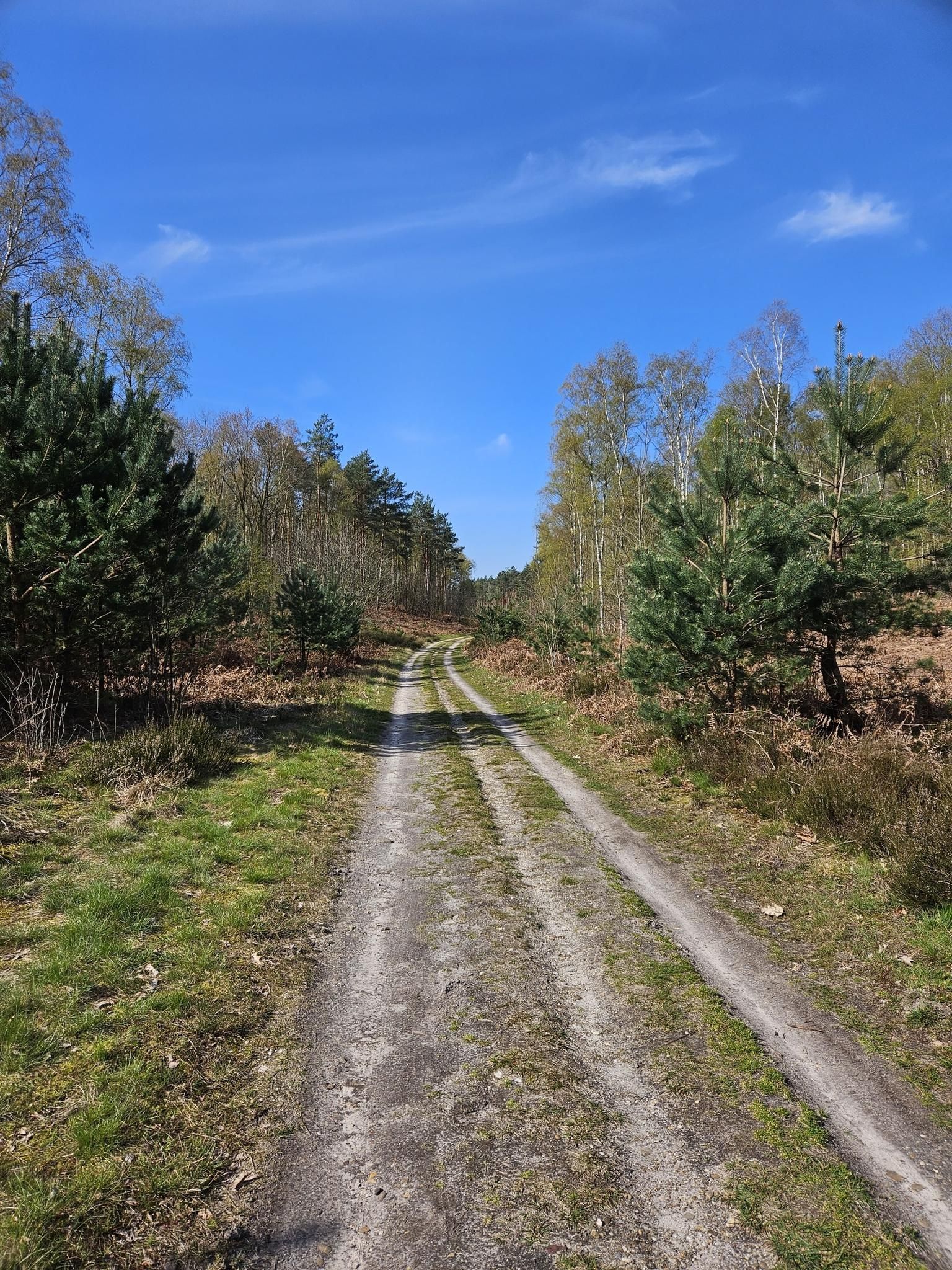
Camping Trail: 111 km National Park Trail, from Campsite to Campsite
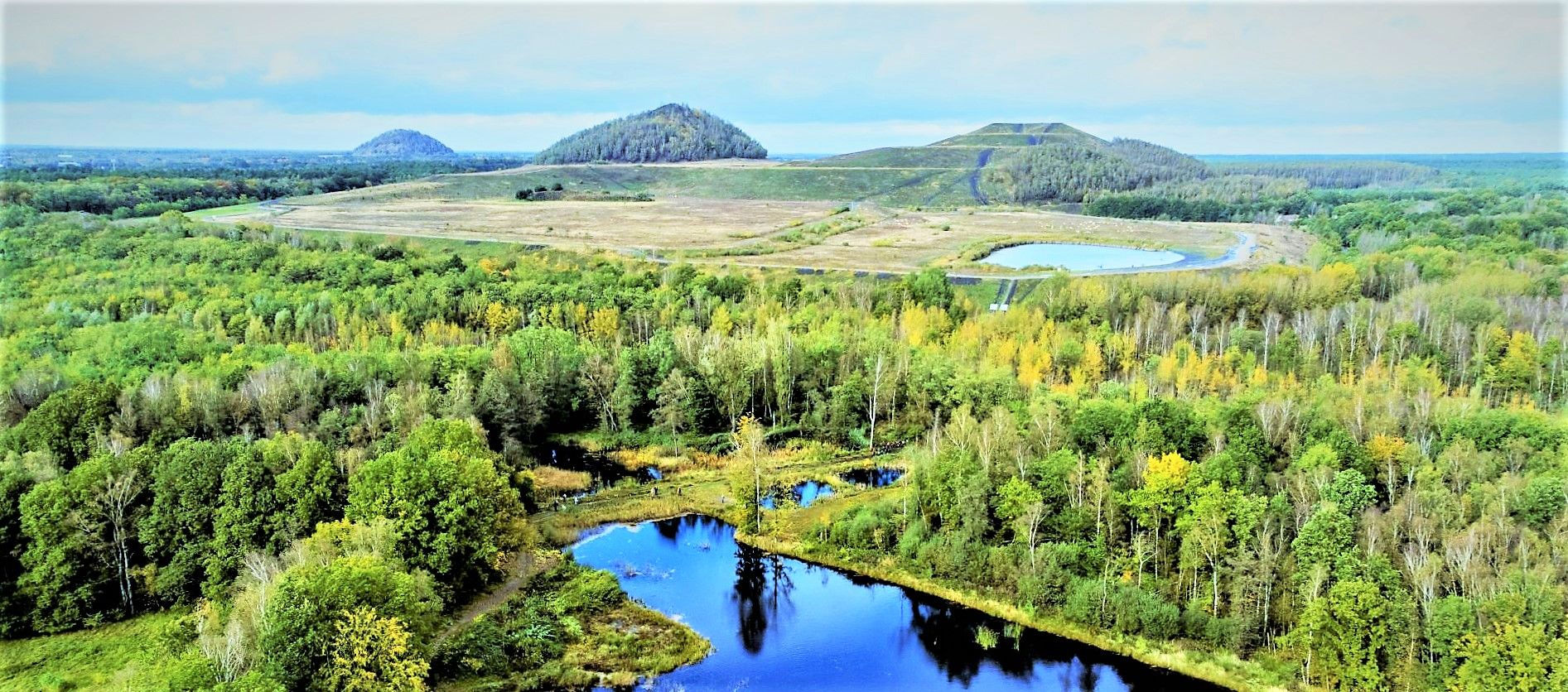
National Park Trail - 110 kilometers through Hoge Kempen National Park
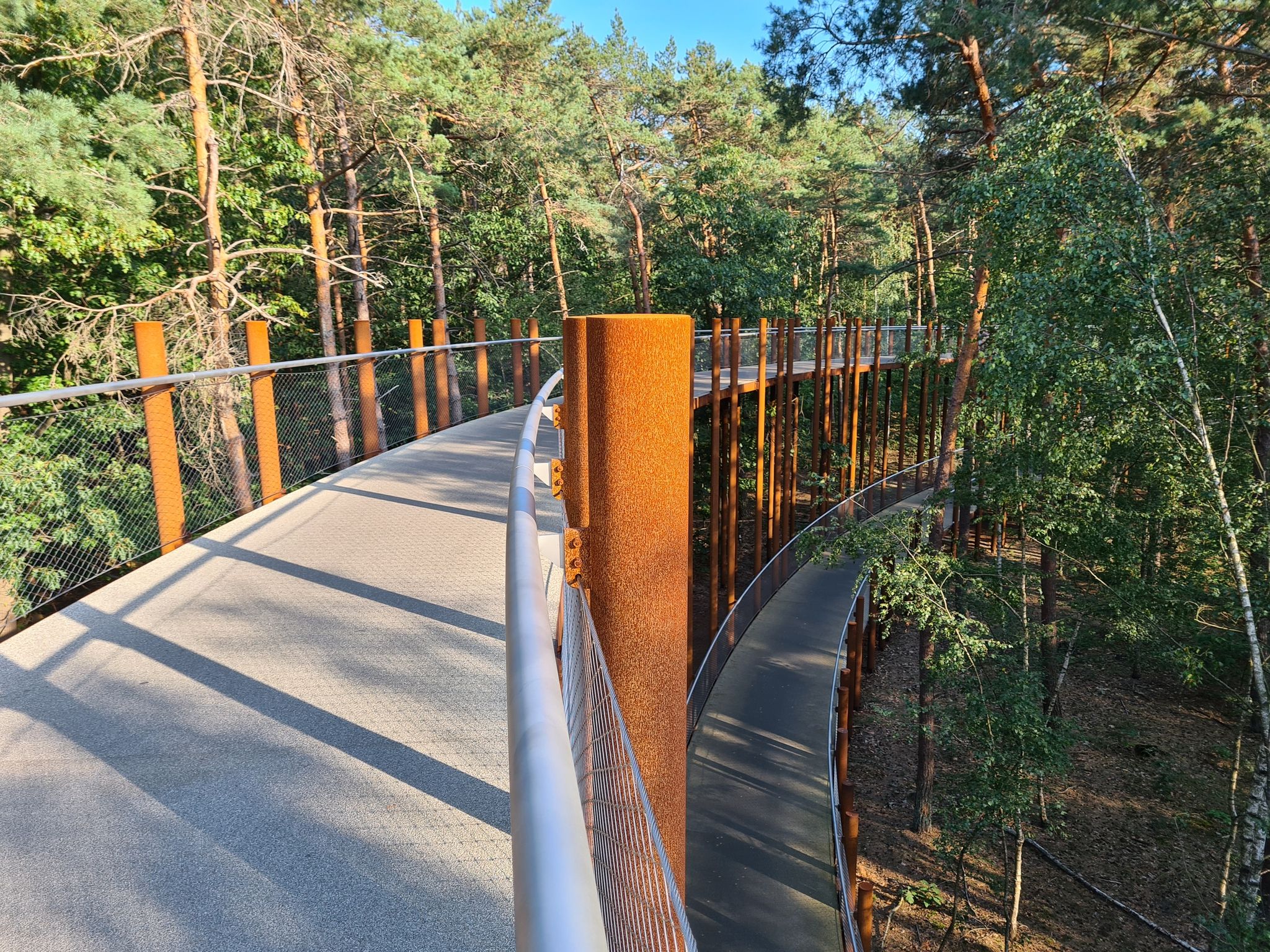
Cycling on Belgium’s most beautiful bike paths — 10 boucles à vélo
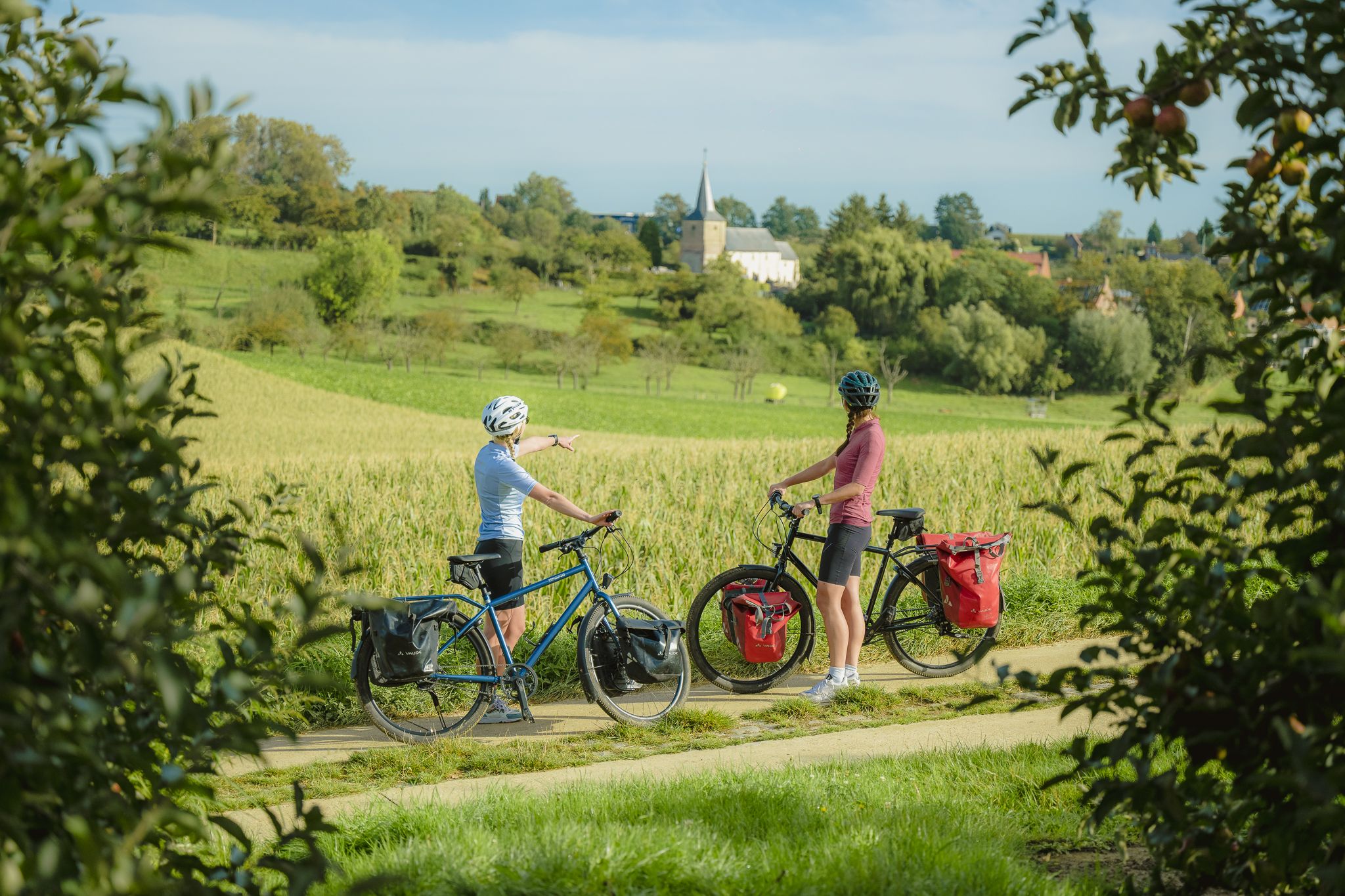
The best of Flanders — the Flanders Route
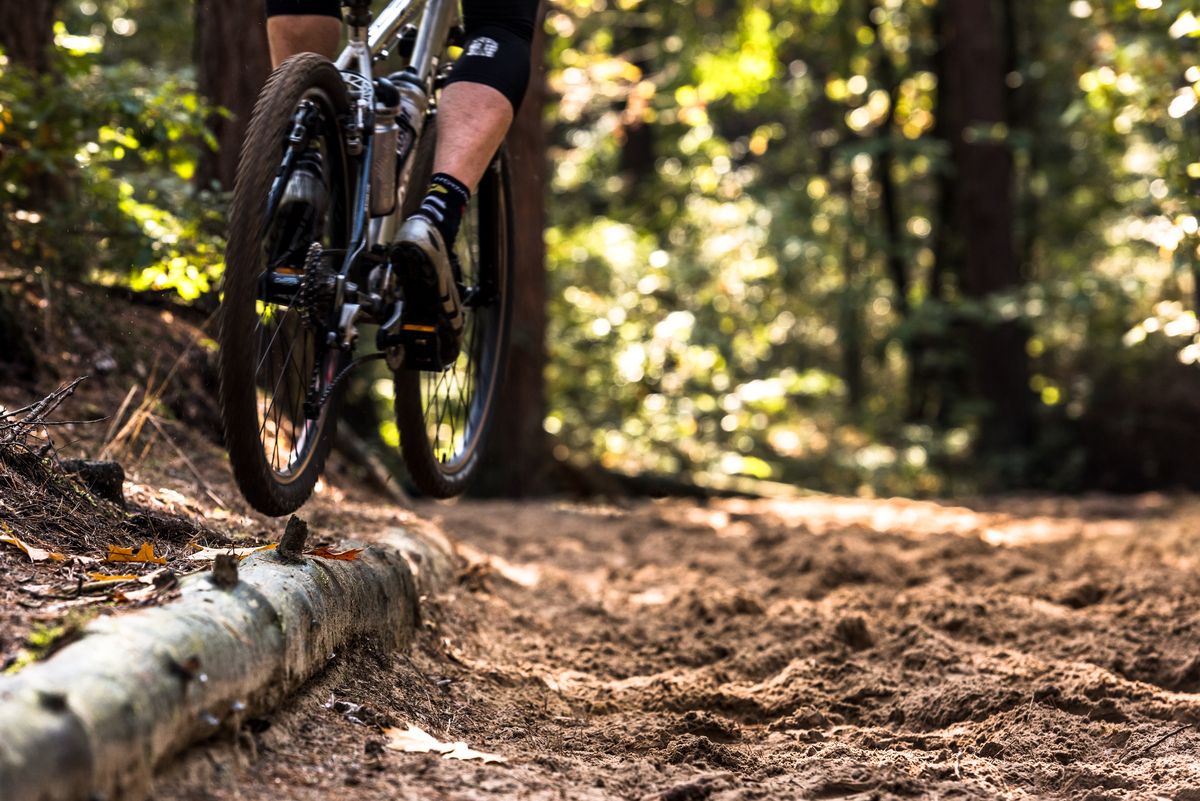
One with nature - Mountain biking network Hoge Kempen
Other adventures around Genk


Tips from the Community

Beautiful castle, but not accessible
0
0

Watch here a beautiful film about the history of Alden Biesen and the Teutonic Order: https://youtu.be/YXJjgloHpH8?si=-T5CilBr4_Vu4Ov4
6
1
The water castle of Schoonbeek is a Renaissance castle built in a U-shape with a large garden. Next to the castle is a pond that flows into a moat, over which a drawbridge leads to the entrance gate. The oldest core of the castle dates back to the Middle Ages: in 1333 the castle belonged to the County of Loon. Herman Typots, bailiff of the Land of Grevenbroek and castellan of the Prinsenhof in Kuringen, married Margriet van Chiney, daughter of Dirk van Chiney, lord of Schoonbeek and Anna Vandenbosch of Gors-op-Leeuw. In 1573 their grandson Hendrik Typots was still lord of the castle of Schoonbeek. The Preston family from Ireland bought it in 1780. The next owner was the de Renesse family. Count Theodore de Renesse was mayor of Beverst and governor of the province of Limburg. Another descendant, Frédéric Alexandre Jean Marie Ghislain, Count de Renesse, born in Brussels on January 3, 1904, died unmarried in the castle on November 18, 1990. In 1991 the castle became the property of Count Thierry de Hemricourt de Grunne.
3
0

The story of Alden Biesen does not begin in Limburg, but at the scorching gates of besieged Acre. In 1190, German merchants built a field hospital there with the sails of their ships, intended for sick pilgrims and wounded crusaders. What began as an act of care and solidarity grew into the establishment of the Teutonic Order; a spiritual order of knights that was soon recognized by the Pope and the Emperor. In our region too, the Teutonic Order left its mark. In the thirteenth century, an impressive commandery was established in Rijkhoven near Bilzen: Alden Biesen, the headquarters of the bailiwick of Biesen, which managed dozens of properties in the region. For centuries, this domain was a center of power, wealth, and religious influence. But at the end of the eighteenth century, disaster struck. During the French Revolution, the property of the Teutonic Order was confiscated. In 1797, Guillaume Claes, the mayor of Hasselt, bought the domain and saved it from demolition. Nevertheless, it fell into disrepair, and in 1971, a severe fire destroyed almost the entire castle. Only the walls remained standing. Fortunately, the Flemish government intervened, and a thorough restoration followed. Today, Alden Biesen is once again a vibrant heritage site where you can relive the past in the castle, the garden, and the museum. Want to know more? Click through to https://www.alden-biesen.be/geschiedenis
11
0
This small castle is actually a neoclassical manor house with accompanying service buildings and a farm complex from the 19th century, situated in a wooded park in a landscape style with remarkable old oaks and beeches.
2
0

A Landkommande (command post) was a regional administrative and economic unit of a religious military order, primarily the Teutonic Knights. It served as: • an administrative center for the surrounding holdings (farms, villages, lands), • an economic base for financing military and charitable activities, • the residence of the Landkomtur (commander), who held regional leadership. Chronological development: c. 1220 --> Establishment of the settlement by the Teutonic Knights --> Beginning as a regional administrative and economic unit 13th–14th centuries --> Expansion into the central Landkommande of the Bailiwick of Biesen --> Establishment as an important administrative center in the area of what is now the southern Netherlands 15th century --> Consolidation of the Order's rule; Economic stabilization --> Securing income from agriculture and taxes 16th century --> Effects of the Reformation and religious conflicts --> Political and religious tensions, but the commandery continued to exist 17th century --> Baroque expansion into a representative castle complex --> Transformation from a fortified complex to a prestigious residence 18th century --> Golden age as the seat of the Bailiwick of Biesen --> Administrative center with cultural significance 1794–1795 --> French revolutionary troops occupy the region --> Expropriation of the Order's property, end of the Order's rule 19th century --> Private use and structural alterations --> Loss of the original administrative function 1971 --> Major fire destroys large parts of the complex --> Severe structural damage From the 1970s onwards --> Restoration by the Belgian heritage authorities --> Re-establishment as a historical cultural monument Today --> Cultural and event center used for exhibitions, conferences, concerts, and tourism
30
0

You are not allowed to walk in this area without visiting the Landcommanderij Alden Biesen. Several hiking trails also run across the grounds of the Lancommanderij. Alden Biesen is usually free to enter. If events are taking place, you may have to purchase an entrance ticket. Check this in advance on the website https://www.alden-biesen.be
17
0

Kiewit Castle (not to be confused with Kewith Castle) is a small castle in Kiewit, located in the Kiewit Nature Reserve. It is a neoclassical mansion, built in the second half of the 19th century. Originally, this was an estate with several small farms. In 1868, Hubert Dominique Vroonen bought this estate. His son Emile had the mansion built. A park in English landscape style was also constructed. In 1944, the castle was badly damaged. The domain with mansion was bought by the municipality of Hasselt in 1953, and it rented it to the diocese of Hasselt until 1970, which had a meditation center there. From 1970 to 1974, it was occupied by the Trappistine sisters. After this, it was transformed into a public park with, among other things, a petting zoo, and in 1976 it was opened to the public. The country house consists of three bays and has two floors and an attic floor under a mansard roof. The middle bay has an entrance and a balcony resting on pillars above the entrance doors. Behind the castle are service buildings and housing for the staff. Behind that is a semi-enclosed farm whose core dates from the 17th century and was originally built in half-timbered construction.
3
1
Frequently Asked Questions
What historical significance do the castles around Genk hold?
The castles around Genk offer a rich tapestry of history, from medieval origins to Neo-Renaissance grandeur. For example, Alden Biesen Commandery dates back to the 11th century and was a significant center for the Teutonic Order. Pietersheim Water Castle (ruins), a 12th-century moated castle, showcases medieval defensive architecture. These sites reflect centuries of regional power, architectural evolution, and cultural shifts in Limburg province.
Are there family-friendly castles around Genk?
Yes, several castles in the Genk area are great for families. Pietersheim Water Castle (ruins), for instance, has a visitor center with interactive games, archaeological displays, and a petting zoo. Kiewit Castle is part of a domain with farm animals, a playground, and an adventure wood, making it very appealing for children. Alden Biesen Commandery also hosts various cultural events throughout the year that can be engaging for all ages.
Can I combine a castle visit with outdoor activities like hiking or cycling?
Absolutely. The castles around Genk are often situated within larger natural domains, perfect for outdoor activities. Pietersheim Water Castle (ruins) serves as an entry point to the Hoge Kempen National Park, offering numerous hiking trails. The vast Bokrijk Provincial Domain, home to Bokrijk Castle, includes an arboretum and nature reserve. You can find many routes for different sports in the area, such as running trails, road cycling routes, and MTB trails.
Are there specific hiking trails near these castles?
Yes, you'll find several hiking opportunities. The domain around Pietersheim Water Castle (ruins) is an excellent starting point for exploring the Hoge Kempen National Park. At Kiewit Castle, you can enjoy a 2 km 'long-legged trail' suitable for strollers. The grounds of Alden Biesen Commandery also feature several hiking trails. For more detailed options, explore the running trails around Genk, which include many walking paths.
What kind of natural surroundings can I find near the castles?
The castles near Genk are often nestled within beautiful natural landscapes. Bokrijk Castle is located within the vast Bokrijk Provincial Domain, which features an open-air museum, arboretum, and nature reserve. Alden Biesen Commandery is surrounded by lush greenery and meticulously maintained English and French gardens. Pietersheim Water Castle (ruins) is an entry point to the Hoge Kempen National Park, offering diverse natural environments.
Are any castles around Genk wheelchair accessible?
Yes, Pietersheim Water Castle (ruins) has a floating walkway that makes the renovated ruins accessible for less mobile visitors. For other locations, it's advisable to check their official websites for specific accessibility information before your visit.
What is the best time of year to visit the castles near Genk?
The spring and summer months (April to September) are generally ideal for visiting the castles around Genk. During this period, the weather is pleasant for exploring the extensive gardens and natural domains surrounding the castles. Many cultural events and festivals also take place at sites like Alden Biesen Commandery during these seasons. However, the historical sites are open year-round, offering different charms in autumn and winter.
Are there cafes or restaurants near the castles?
Yes, you can often find dining options nearby. For instance, near Bokrijk Castle, you'll find Bistro Koetshuis. The neoclassical castle next to Pietersheim Water Castle (ruins) houses a hotel and restaurant. At Kiewit Castle, the Koe-vert tavern offers organic, local, and fair-trade products. Many castle domains are equipped to cater to visitors.
What do visitors particularly enjoy about the castles around Genk?
Visitors frequently appreciate the blend of historical architecture and natural beauty. The extensive gardens of Alden Biesen Commandery and the vast parkland of Bokrijk Provincial Domain (home to Bokrijk Castle) are often highlighted. The opportunity to explore medieval ruins like Pietersheim Water Castle (ruins) and learn about their history, combined with family-friendly activities, also receives positive feedback.
Are there any ruins or unfinished castles to explore?
Yes, the region offers fascinating ruins. Pietersheim Water Castle (ruins) is a prominent example, showcasing the remnants of a 12th-century moated castle with accessible renovated ruins. Additionally, the Ruins of Jonckholt Castle near Hoelbeek represent an unfinished medieval military fortress, where only the canals, ramparts, and foundations were realized, offering a unique glimpse into historical military planning.
How can I get to the castles around Genk using public transport?
While specific public transport routes vary, Genk is well-connected within Limburg province. Many castle domains, like Bokrijk, are often accessible by local bus services or are within reasonable cycling distance from train stations. For example, Kiewit Castle is easily accessible by public transport. It's recommended to check local transport schedules for the most up-to-date information when planning your visit to a specific castle.
Are dogs allowed at the castles around Genk?
Policies regarding dogs can vary by specific castle and its surrounding domain. While some outdoor areas and parks might be dog-friendly, access to indoor castle sections or specific gardens may be restricted. For example, the vast natural domains around castles like Bokrijk and Pietersheim often allow dogs on leashes in designated areas. It's always best to check the official website of the specific castle you plan to visit for their current pet policy.
Most popular attractions around Genk

Get inspired with the komoot mobile app


Explore more
Looking for the best castles somewhere else? Discover other guides around Genk:
