The best running trails around Genk
4.2
(80)
7,244
runners
293
runs
Jogging routes around Genk traverse a varied landscape, offering a mix of heathlands, pine forests, and unique marsh and pond areas. The region features expansive natural parks like Hoge Kempen, alongside transformed former mining sites such as Thor Park. Dedicated urban running facilities and scenic trails through the "land of 1001 ponds" provide diverse options for runners. This environment supports a range of jogging experiences, from gentle loops to more challenging routes.
Best jogging routes around Genk
- The most popular…
Last updated: August 17, 2026
5
runners
22.9km
02:28
60m
90m
This difficult 14.2-mile jogging route between Genk and Hasselt offers a challenging run through the scenic De Wijers region.
2.7
(3)
613
runners
10.6km
01:12
110m
110m
Moderate run. Good fitness required. Mostly paved surfaces. Suitable for all skill levels.

Sign up for free
4.3
(4)
437
runners
11.5km
01:14
30m
30m
Moderate run. Good fitness required. Mostly paved surfaces. Suitable for all skill levels.
265
runners
17.6km
01:53
80m
80m
Hard run. Very good fitness required. Mostly paved surfaces. Suitable for all skill levels.
5.0
(1)
224
runners
Moderate run. Good fitness required. Mostly paved surfaces. Suitable for all skill levels.
Get access to more routes and recommendations from other explorers.
Sign up for free
Already have an account?
Our route recommendations are based on thousands of hikes, rides, and runs completed by other people on komoot.
Start today with a free account
Your next adventure awaits.
Login or Signup
Popular around Genk
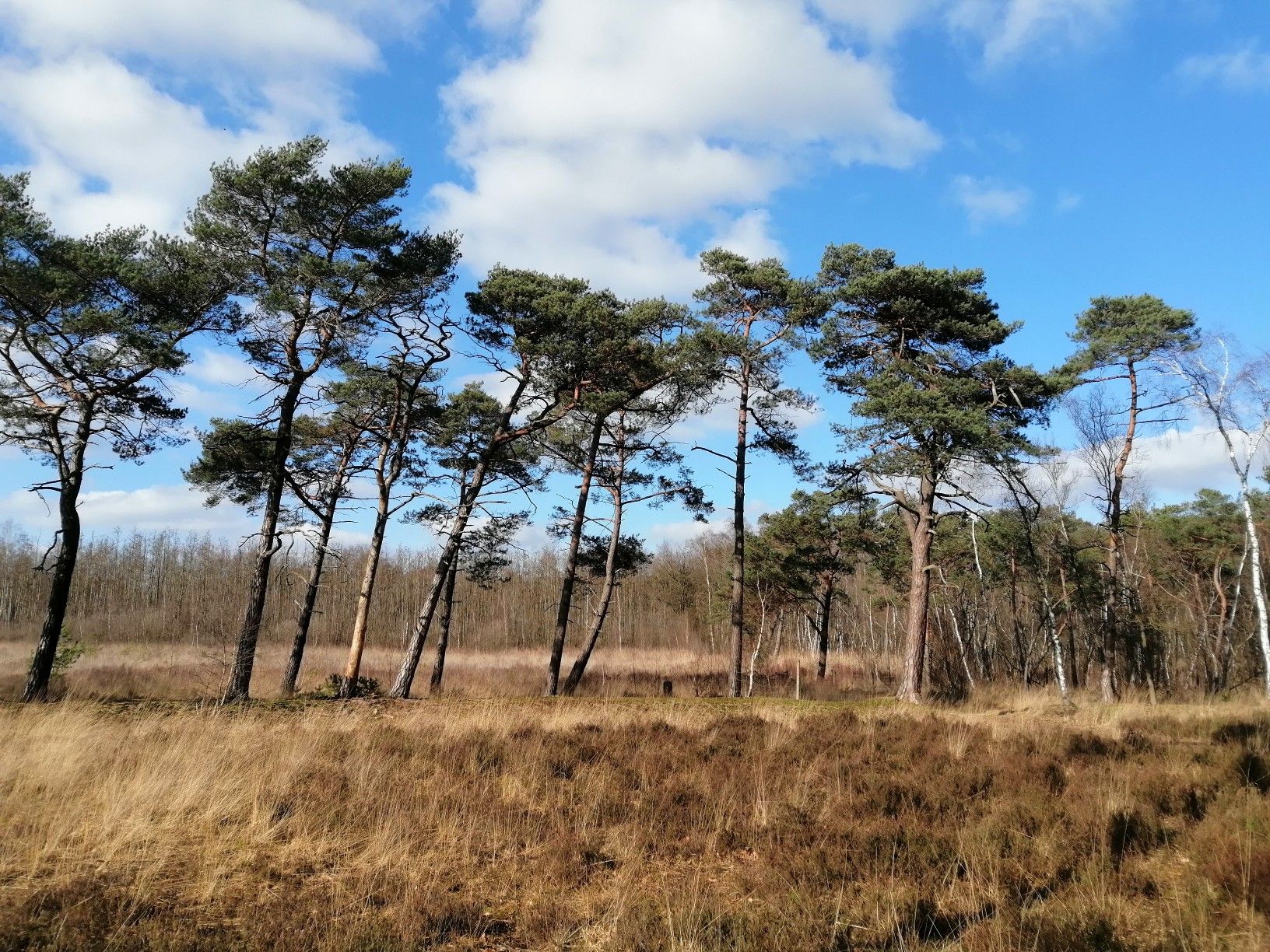
From Flanders to the Ardennes — GR 5 in Belgium
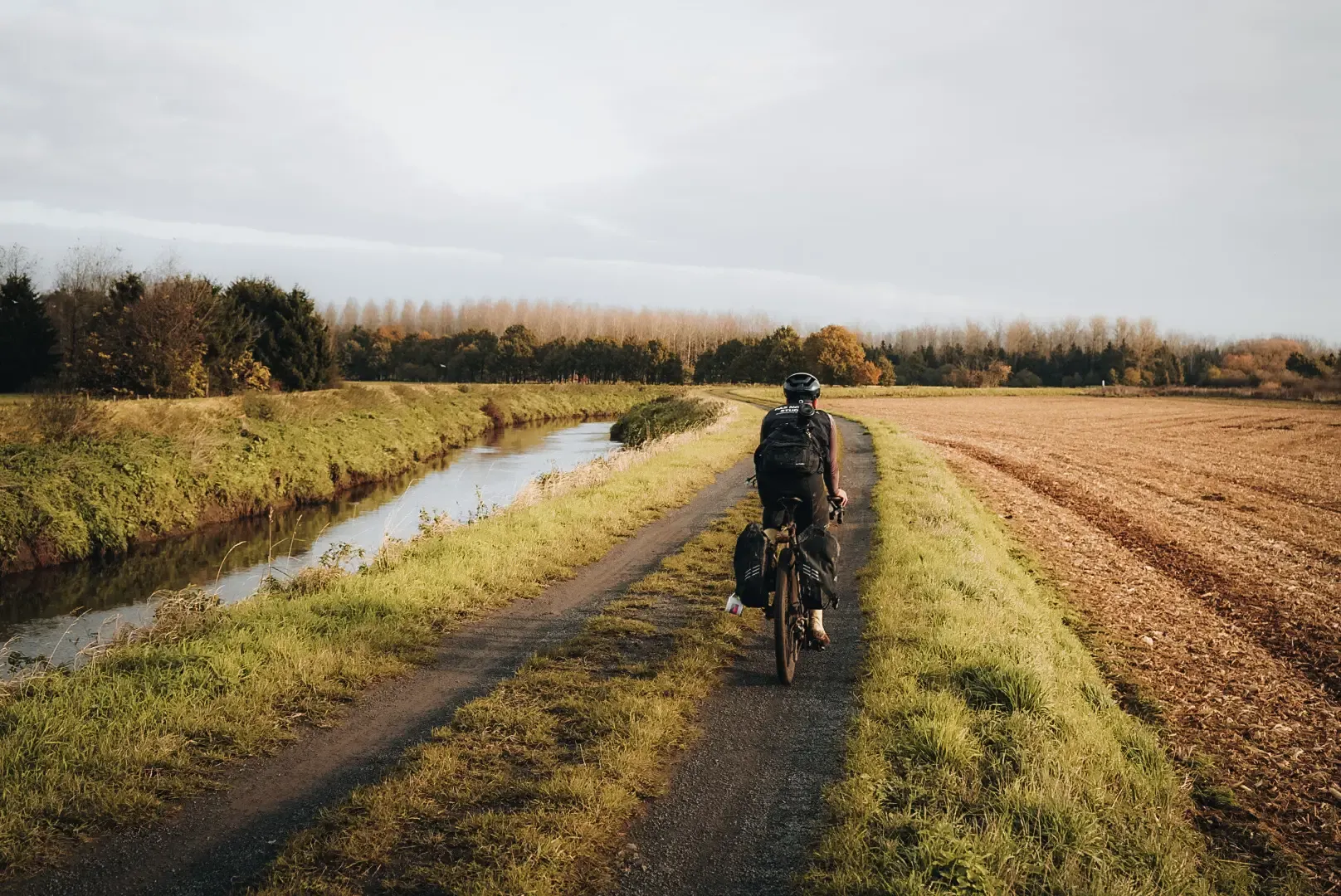
Flanders Divide - Across Flanders
Flanders' Finest Cycle Routes: routes to discover Flemish nature and heritage
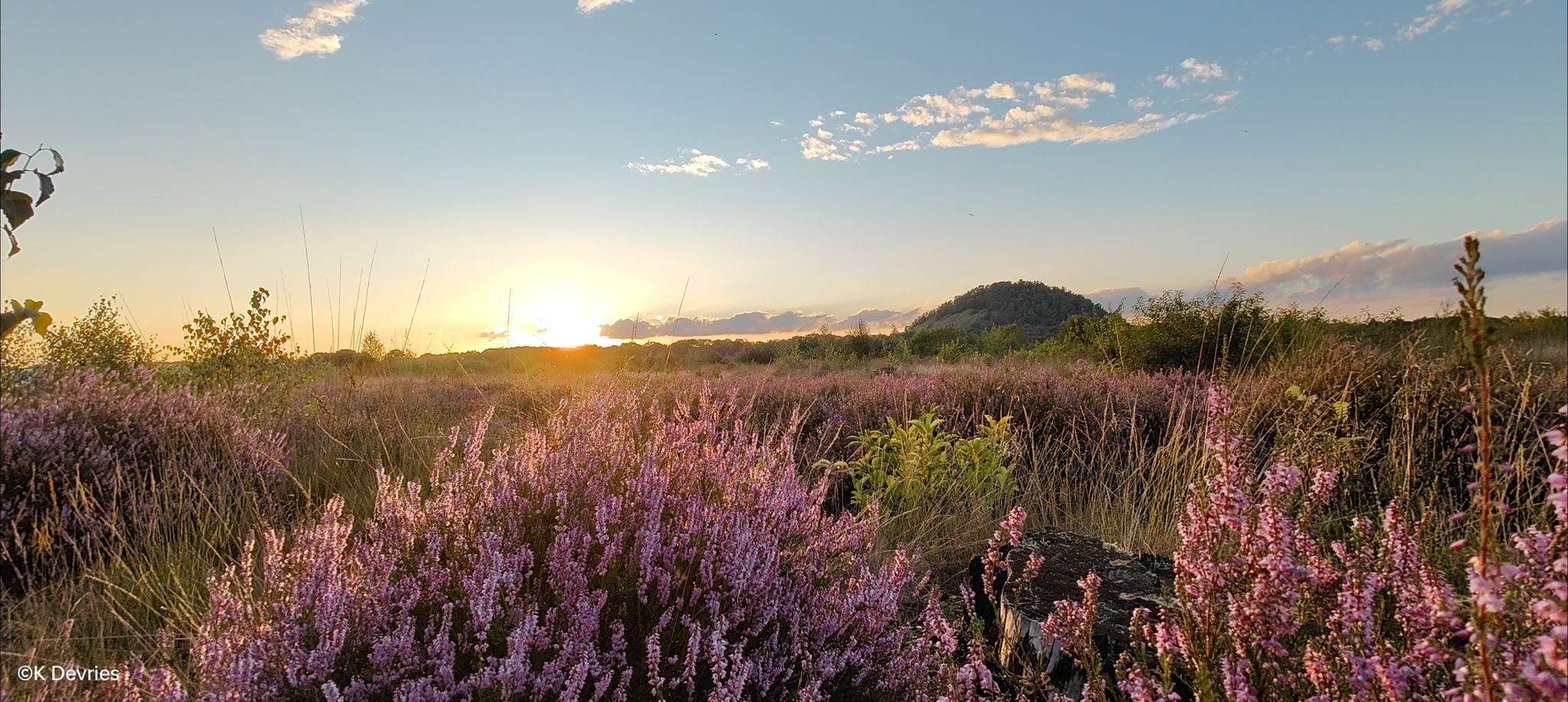
Three-day National Park Trail (from Genk Station)
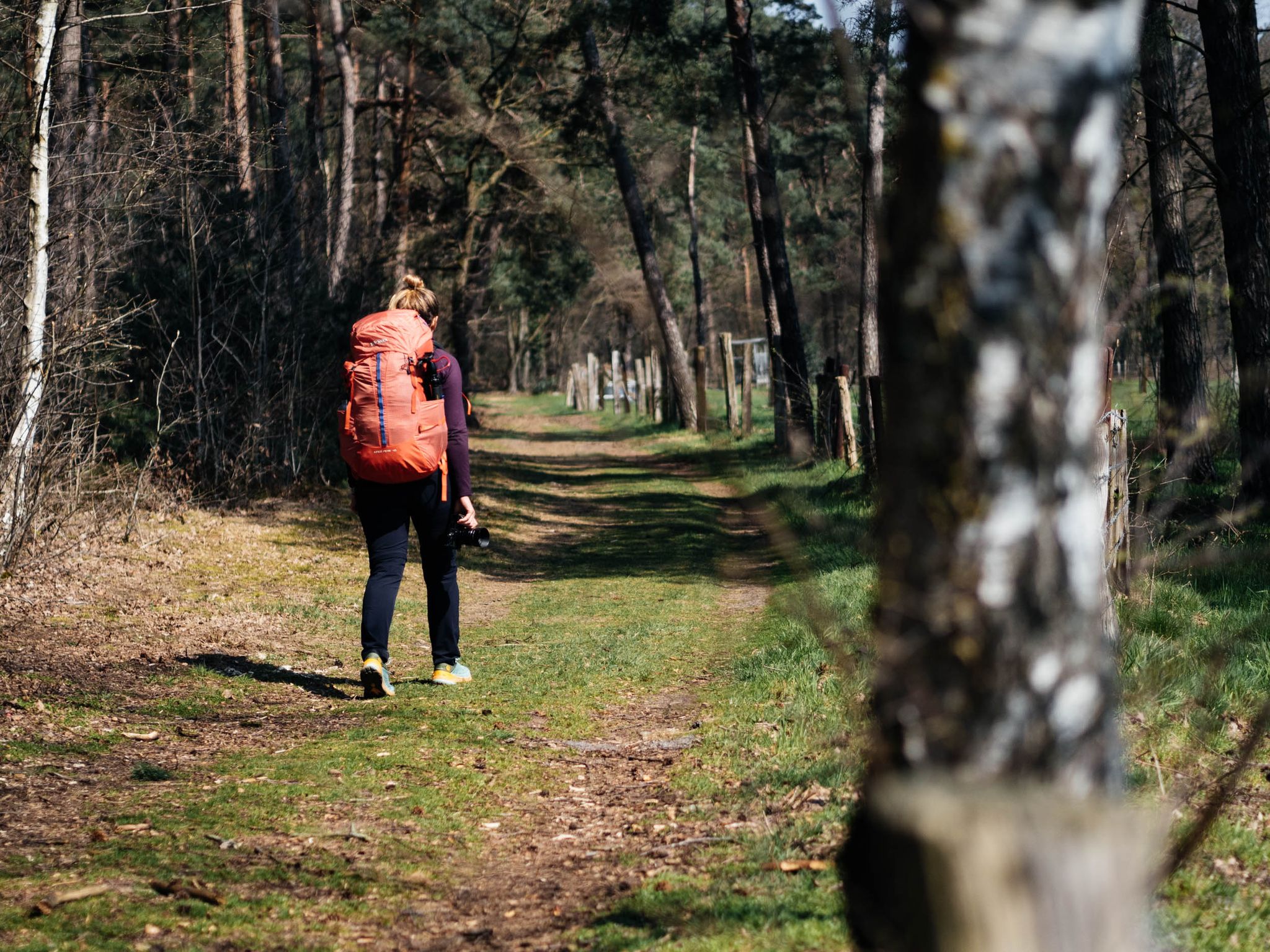
Hiking in Flanders – National Park Trail through Hoge Kempen
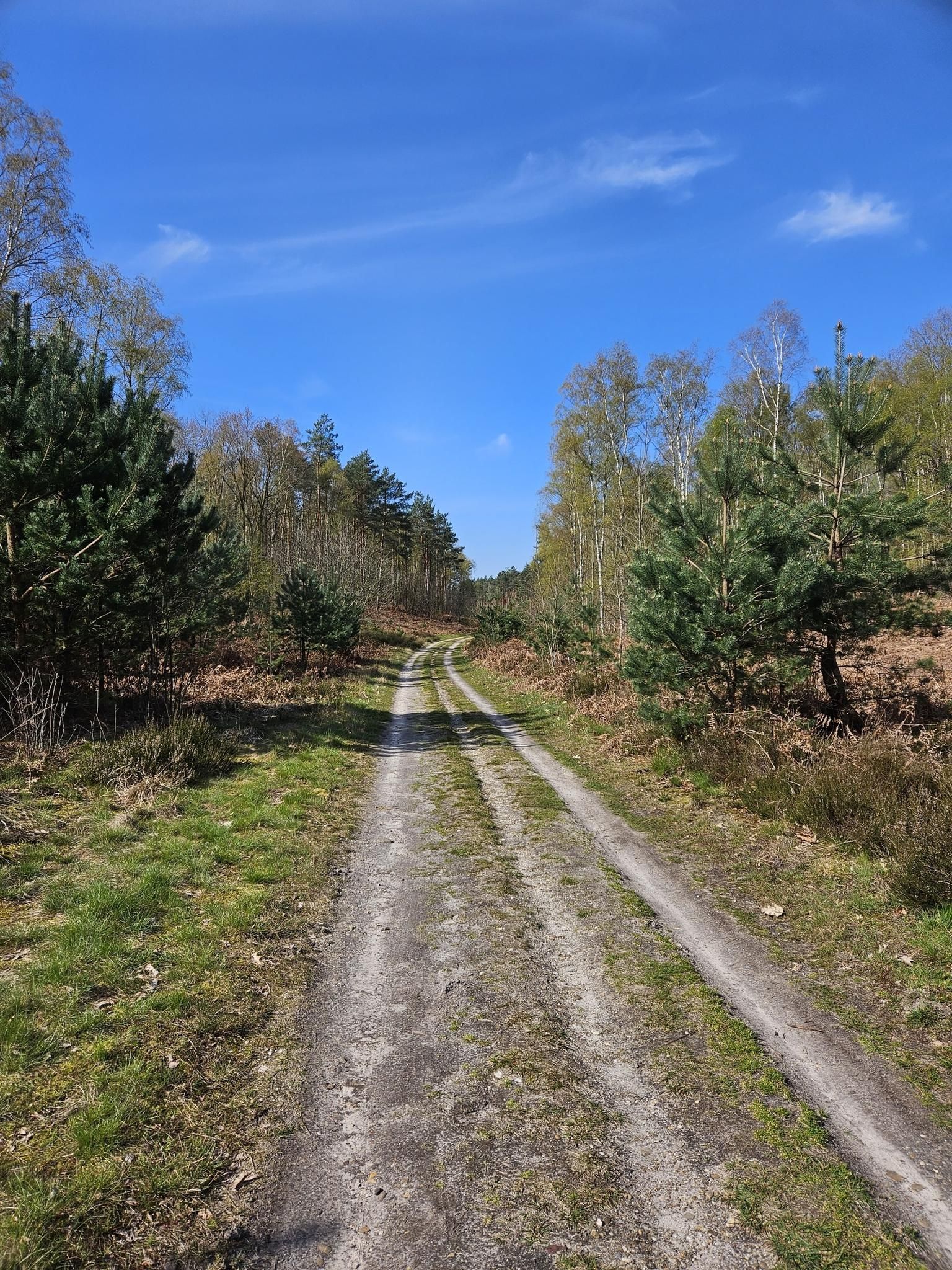
Camping Trail: 111 km National Park Trail, from Campsite to Campsite
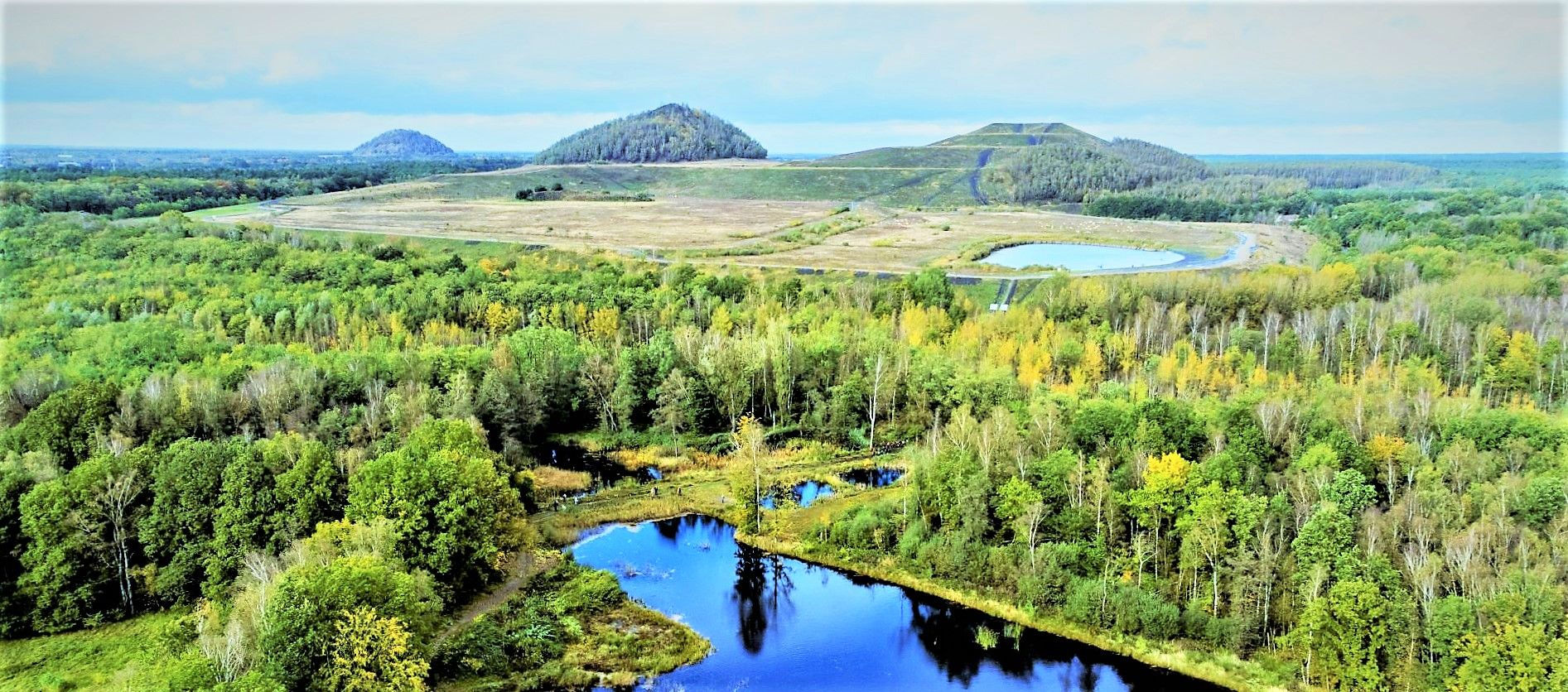
National Park Trail - 110 kilometers through Hoge Kempen National Park
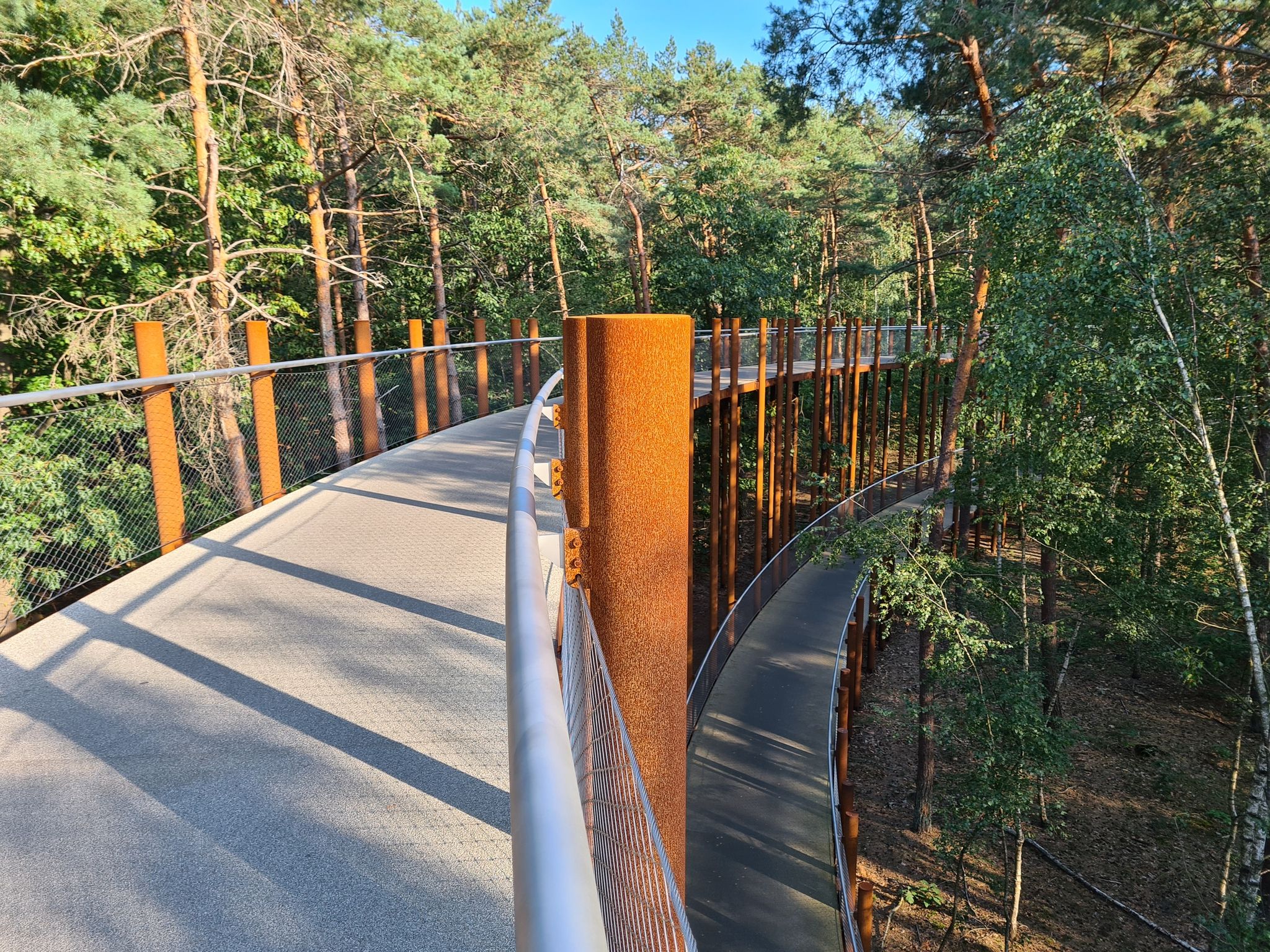
Cycling on Belgium’s most beautiful bike paths — 10 boucles à vélo
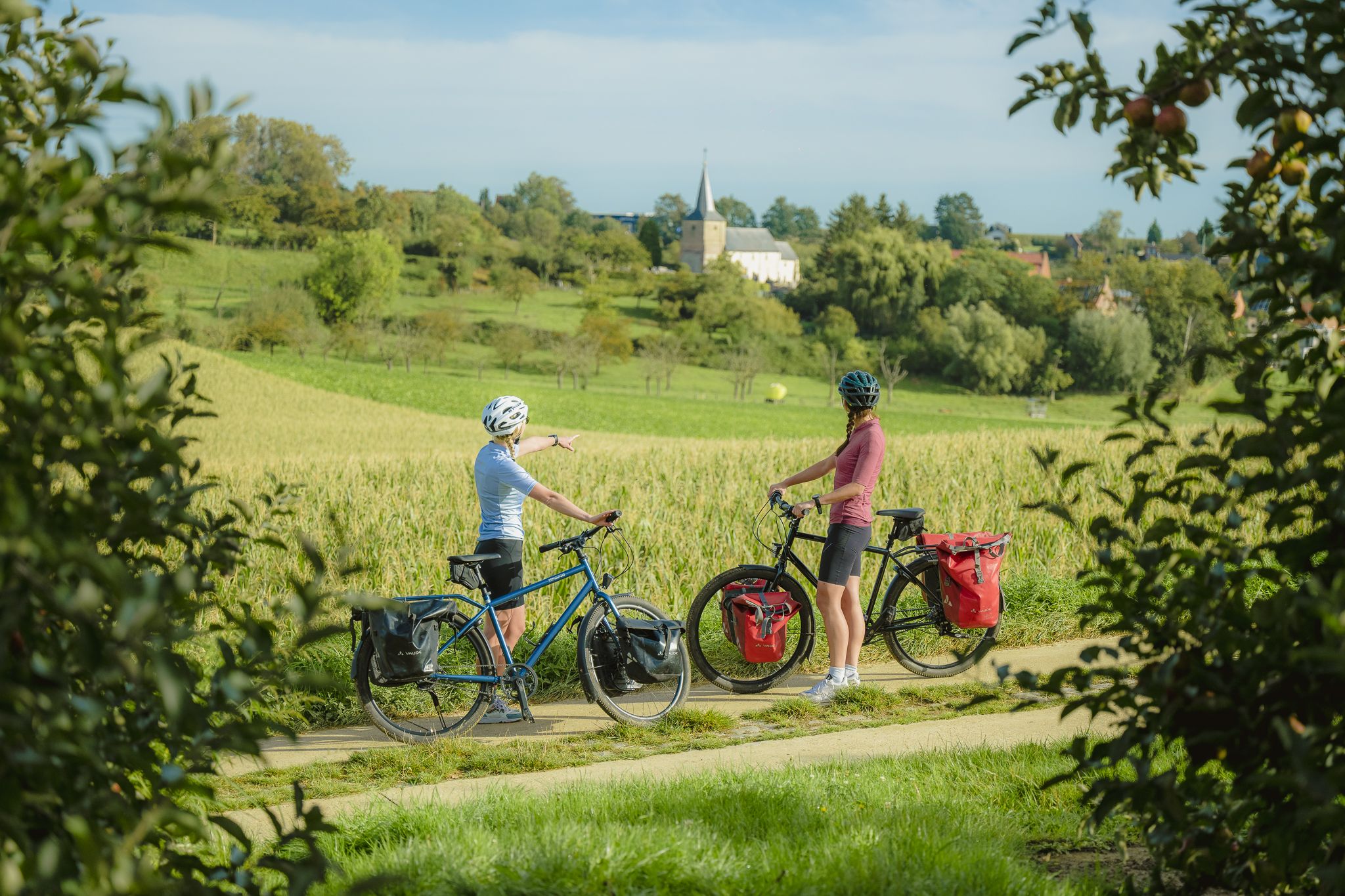
The best of Flanders — the Flanders Route
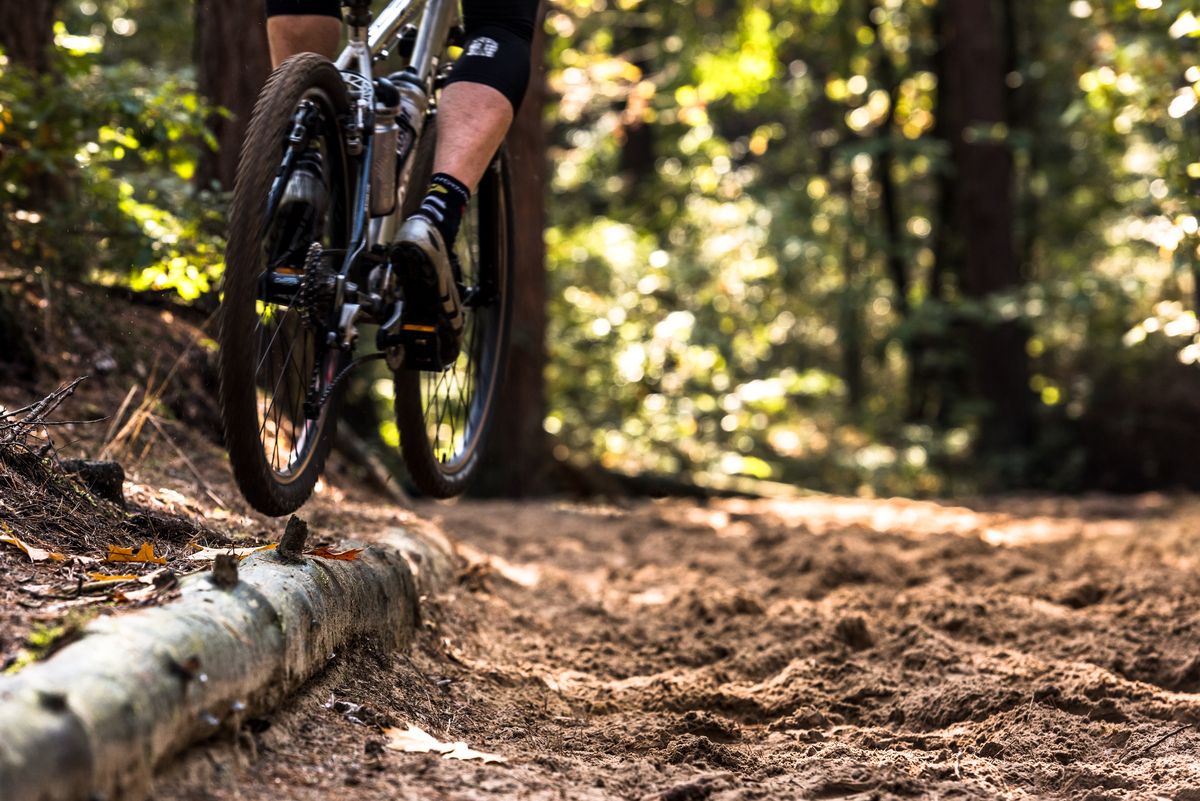
One with nature - Mountain biking network Hoge Kempen
Other adventures around Genk


Tips from the Community

De Klaverberg is a largely wooded sand dune and also the name of the surrounding nature reserve on the border of the Belgian municipalities of As, Genk and Oudsbergen. It borders the Opglabbekerzavel heathland and other wooded nature areas. The area is named after the cloverleaf-shaped blown sand dunes, which form a, mainly wooded, dune ridge over a length of approximately 1.7 kilometers. The sand dunes probably originated as a result of the blowing away of sand that was exposed by overgrazing and too frequent turf stripping of southwestern heathlands. Klaverberg on an 18th-century Ferraris map De Klaverberg is overshadowed by the remediated spoil tip of the former Waterschei coal mine, with a top of up to 155 meters above sea level. These scenically most striking witnesses of the mining past cover a part of the dunes.
3
0
The Klaverberg is a largely wooded sand dune and also the name of the surrounding nature reserve on the border of the Belgian municipalities of As, Genk and Oudsbergen. It borders the Opglabbekerzavel heathland and other wooded nature reserves. The area is named after the cloverleaf-shaped sand dunes, which form a mainly wooded dune ridge for about 1.7 kilometers. The sand dunes possibly originated from the blowing sand that was exposed due to overgrazing and too frequent sod cutting in southwestern heathlands. Klaverberg on an 18th-century Ferraris map The Klaverberg is overshadowed by the remediated slag heap of the former Waterschei coal mine, with a summit up to 155 meters above sea level. These most visually striking remnants of the mining past cover a part of the dunes.
3
0
The Klaverberg is a largely wooded sand dune and also the name of the surrounding nature reserve on the border of the Belgian municipalities of As, Genk and Oudsbergen. It borders the Opglabbekerzavel heathland and other wooded nature areas. The area is named after the cloverleaf-shaped drifting dunes, which form a predominantly wooded dune ridge over a length of approximately 1.7 kilometers. The sand dunes probably arose as a result of the wind-blown transport of sand that was exposed due to overgrazing and too frequent turf stripping of southwestern heathlands. Klaverberg on an 18th-century Ferraris map The Klaverberg is overshadowed by the remediated spoil tip of the former Waterschei coal mine, with a top up to 155 meters above sea level. These most striking landscape witnesses of the mining past cover a part of the dunes.
3
0
The Kapermolenpark has undergone a thorough renovation. The Demer now connects beautifully with the water features in the park and a walking path now leads you over the water.
3
0

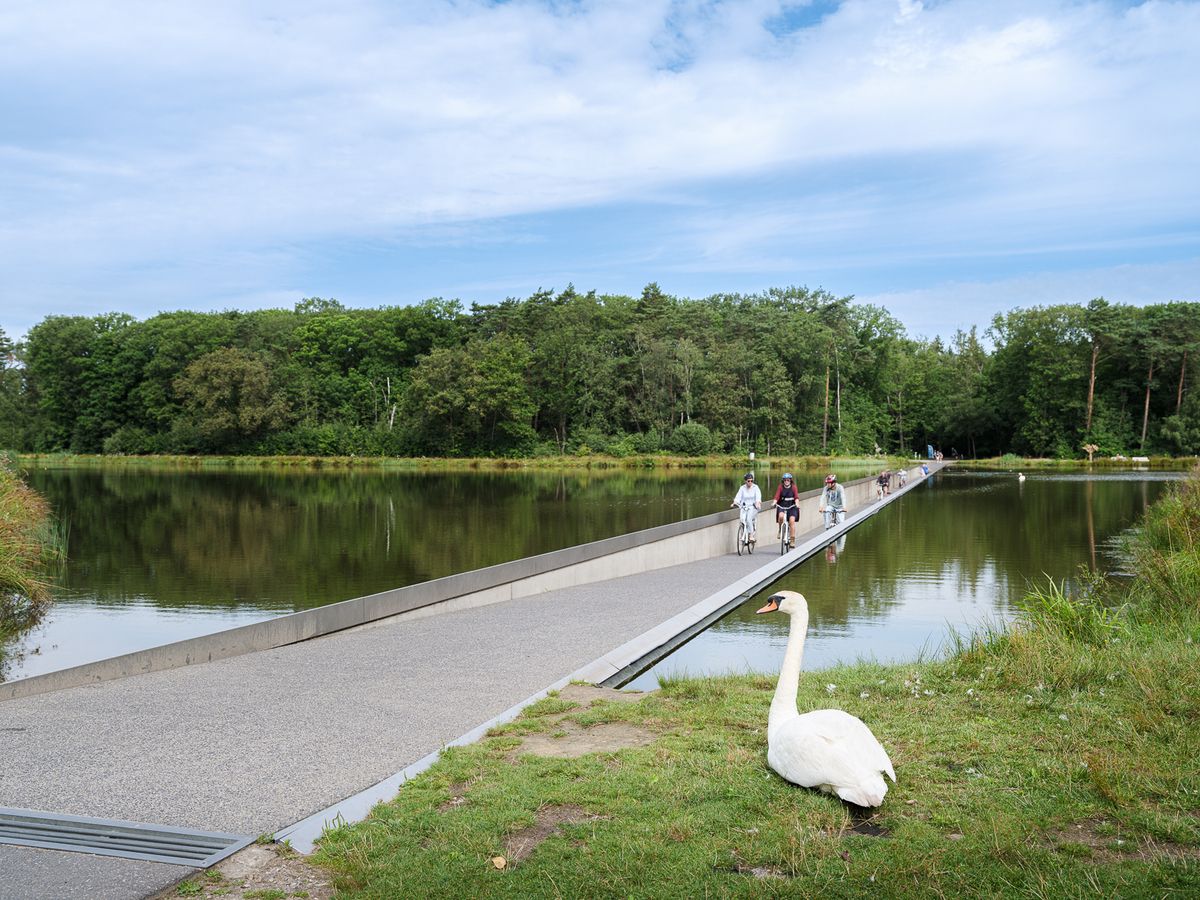
The cycle path through the water leads cyclists over a 212-meter-long and three-meter-wide concrete path, with water at eye level on both sides. Swans and other waterfowl swim along the banks, curiously watching the cyclists. Since its opening, interest in this unique cycle path has been enormous. On average, 800 visitors per day explore this unforgettable part of the Limburg cycle network, with peaks on Saturdays and Sundays, and on some days even up to 5,000 cyclists.
2
1
Curious about the origins of our current customs and traditions? In the Bokrijk Open Air Museum, you'll discover how the past inspires our future! Dive into the history of crafts and gain practical experience during fascinating workshops. Immerse yourself in the art of bread baking, textiles, and woodworking. Discover heritage breeds at the beautifully restored museum farm or learn all about historical brewing at the Het Paenhuys museum brewery.
0
0

Cycle bridge next to the road bridge. A beautiful structure for a safe crossing.
0
0

Homeleswijer is one of the characteristic ponds (wijers/ponds) you'll encounter during walks through the De Maten nature reserve in the Belgian province of Limburg. It lies within the watery landscape of the reserve, which is part of the larger De Wijers pond area, a network of natural and man-made ponds that originated from centuries-old fish farming traditions in the region. In De Maten, the Stiemerbeek stream and its tributaries formed the basis for pond complexes containing water features like the Homeleswijer. Dams and overflows made fish farming possible, creating a unique marsh and pond landscape full of reed beds, open water, and wet grasslands. Walking trails through De Maten—ranging from short loops to longer hikes—run along and around these ponds. They are true natural treasures: herons, waterfowl, and typical marsh plants can be found here, and information boards often line the path explaining the ecology and water management. Many walks along the Homeleswijer are signposted and start, for example, at the Slagmolen in Genk or at other access points in De Maten.
0
0
Frequently Asked Questions
How many running routes are available in Genk?
Genk offers a wide variety of running experiences, with over 230 routes available on komoot. These range from easy loops to more challenging trails, ensuring options for every fitness level.
What types of landscapes can I expect on jogging routes around Genk?
Jogging routes in Genk traverse diverse landscapes, including the heathlands and pine forests of the Hoge Kempen National Park, the unique marsh and pond areas of the De Wijers region (often called the 'land of 1001 ponds'), and transformed former mining sites like Thor Park. You'll find a mix of natural and sometimes paved surfaces.
Are there any dedicated running facilities in Genk?
Yes, Genk provides several dedicated facilities for runners. These include the marked 6 km Loopbaan between the city hall and ZOL hospital, three Finnish Tracks (Finse pistes) with shock-absorbing surfaces in SportinGenk park, Zonnebos, and Bospark, and public access to the Koninklijke Atletiekclub Genk's athletics track outside of training hours.
Which running routes are suitable for beginners or those looking for an easy jog?
While many routes offer a challenge, Genk has 27 easy-rated routes perfect for beginners or a relaxed jog. Look for shorter loops within parks like Molenvijverpark or explore sections of the dedicated Loopbaan, which also has 1 km and 3 km options.
Can I find family-friendly running trails in Genk?
Yes, many of Genk's parks and nature reserves offer paths suitable for families. Areas like Molenvijverpark and sections of Kattevennen Nature Reserve provide relatively flat and accessible terrain. The dedicated Finnish Tracks are also a great option for a safe and comfortable family run.
Are there any dog-friendly running routes in Genk?
Many natural areas and trails in Genk are dog-friendly, though it's always best to keep your dog on a leash, especially in nature reserves to protect wildlife. Routes through the Hoge Kempen National Park or around Thor Park are popular choices for running with your canine companion.
What are some interesting sights or landmarks I might see while running in Genk?
Genk's routes offer various points of interest. You might encounter unique landscapes like the 'land of 1001 ponds' in De Wijers, or the industrial heritage transformed into nature at Thor Park. Specific highlights include the View of the Terrils from the Lake, the View from Tweelingterril, or the unique Cycling Through the Water — Fietsen Door Het Water (Bokrijk) experience near Bokrijk Castle.
What do other runners enjoy most about jogging in Genk?
The running routes in Genk are highly rated by the komoot community, with an average score of 4.3 stars from over 40 reviews. Runners often praise the varied terrain, from peaceful forests to scenic pond landscapes, and the well-maintained paths that offer a refreshing outdoor experience.
Are there any long-distance or challenging running routes in Genk?
Absolutely. For those seeking a challenge, routes like the Genk to Hasselt Train-hopper Trail (14.2 miles / 22.9 km) or the Thor Park Pond – Thor Park loop from Cegeka Arena (13.1 miles / 21.1 km) offer significant distances and varying elevations, guiding you through some of the region's most beautiful and demanding terrain.
Where can I find parking for running routes in Genk?
Many popular starting points for running routes in Genk, especially those near nature reserves or parks like Molenvijverpark, Kattevennen, Bokrijk, and Thor Park, offer designated parking facilities. It's advisable to check specific route details for the most convenient parking options.
Are there any circular running routes available in Genk?
Yes, Genk features many excellent circular running routes. A popular option is the Molenvijverpark – Sundial Park – Kattevennen Nature Reserve loop from Genk, which offers a diverse 10.7-mile (17.2 km) path connecting several key green spaces. Another great loop is the Bokrijk Castle – View of the Weyers loop from Bokrijk.
What is the best time of year to go jogging in Genk?
Genk is suitable for jogging year-round, but spring and autumn offer particularly pleasant conditions with mild temperatures and beautiful scenery, such as the heathlands in bloom or vibrant fall foliage. Summer mornings and evenings are also ideal to avoid the midday heat. Winter running is possible, especially on illuminated tracks like the Finse pistes.
Most popular attractions around Genk

Get inspired with the komoot mobile app


Explore more
Browse the best Running Trails & Routes in other regions.
