Attractions and Places To See around Buggiano - Top 20
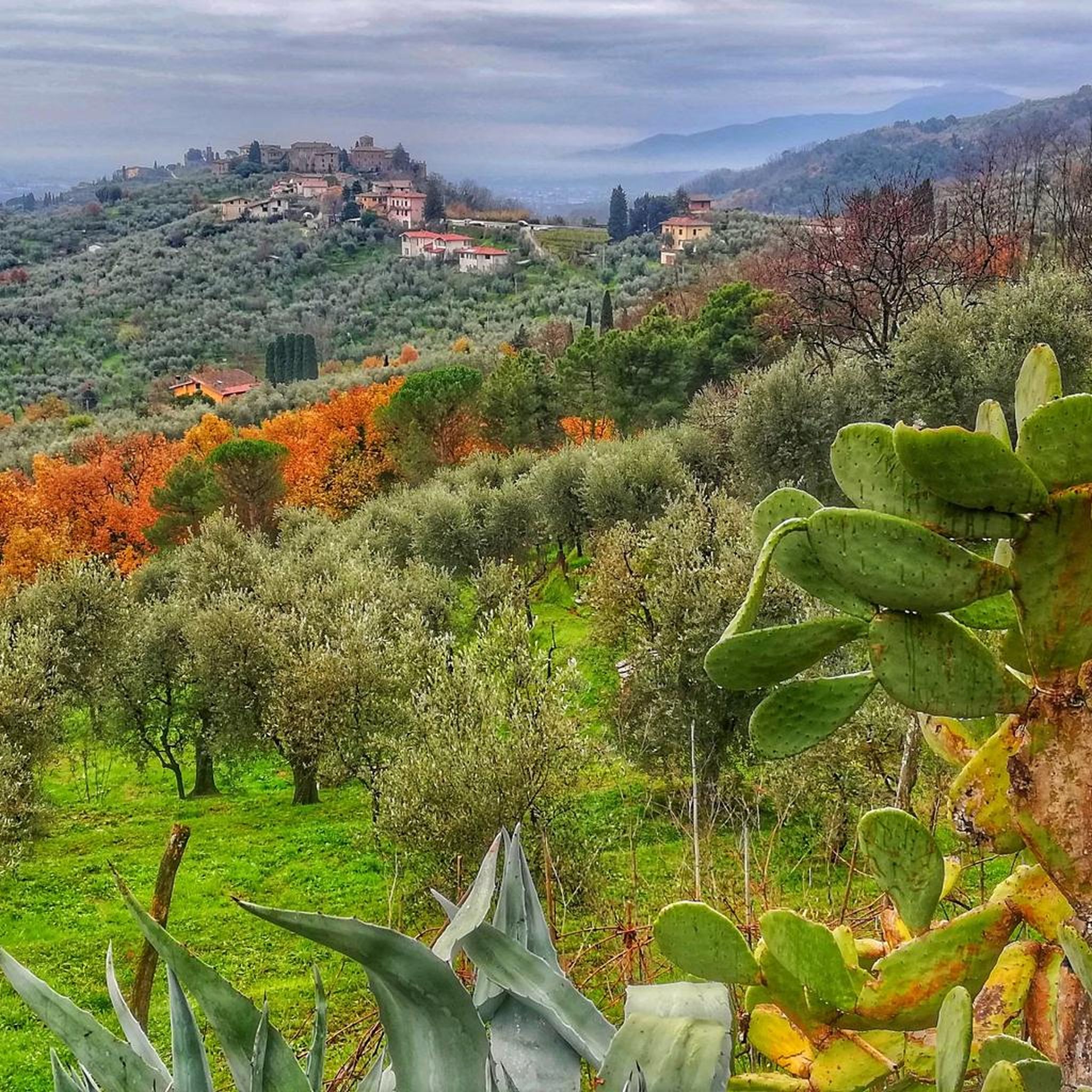
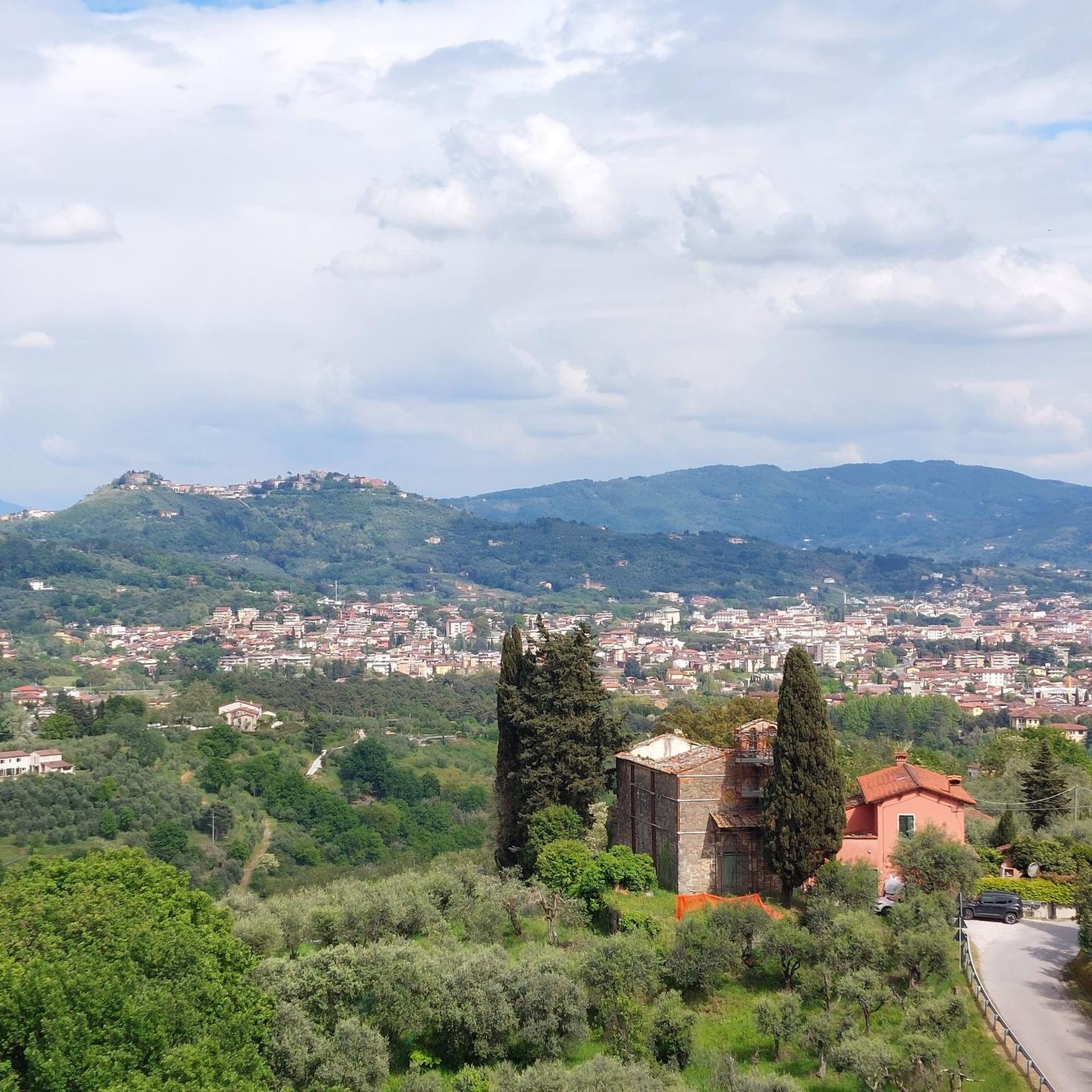
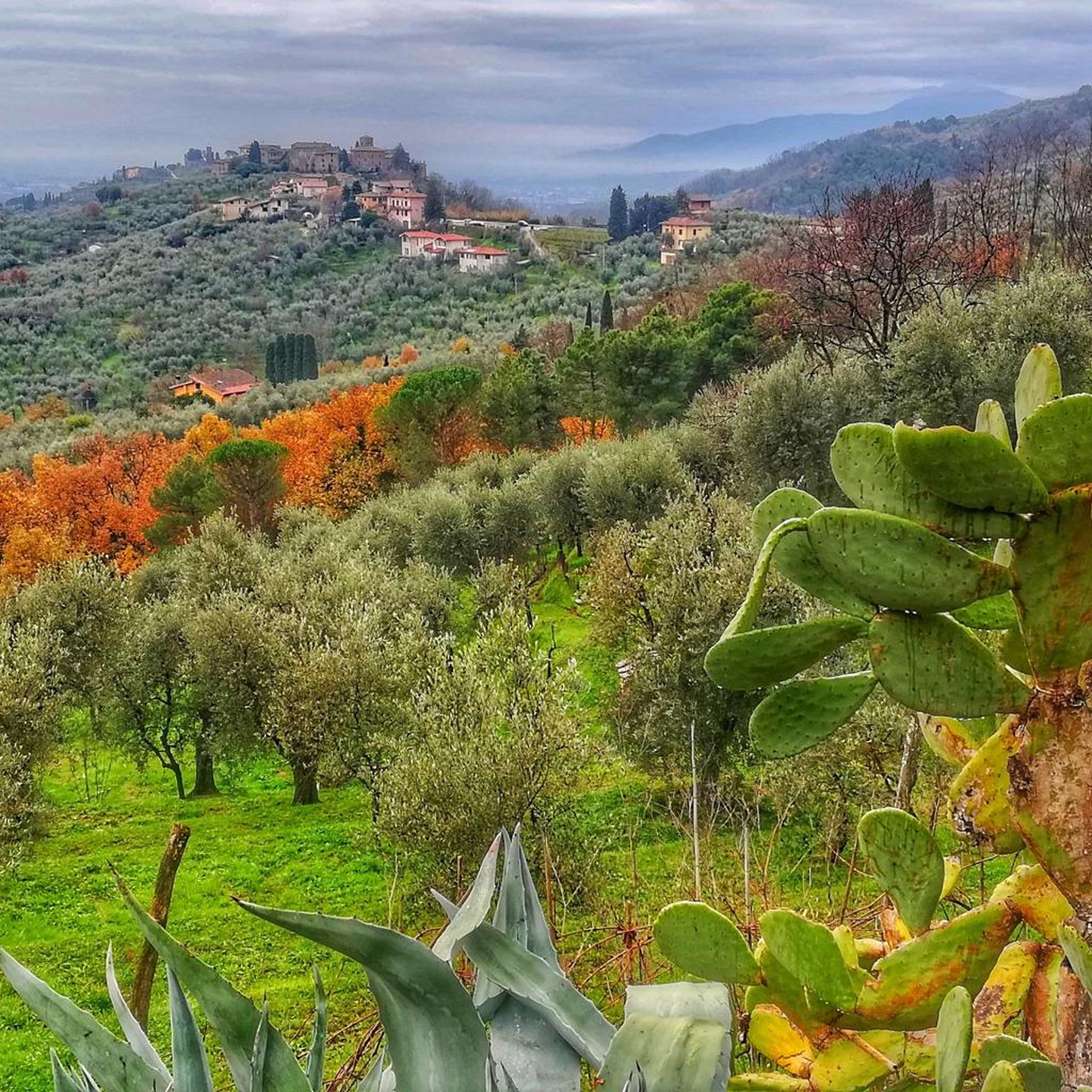
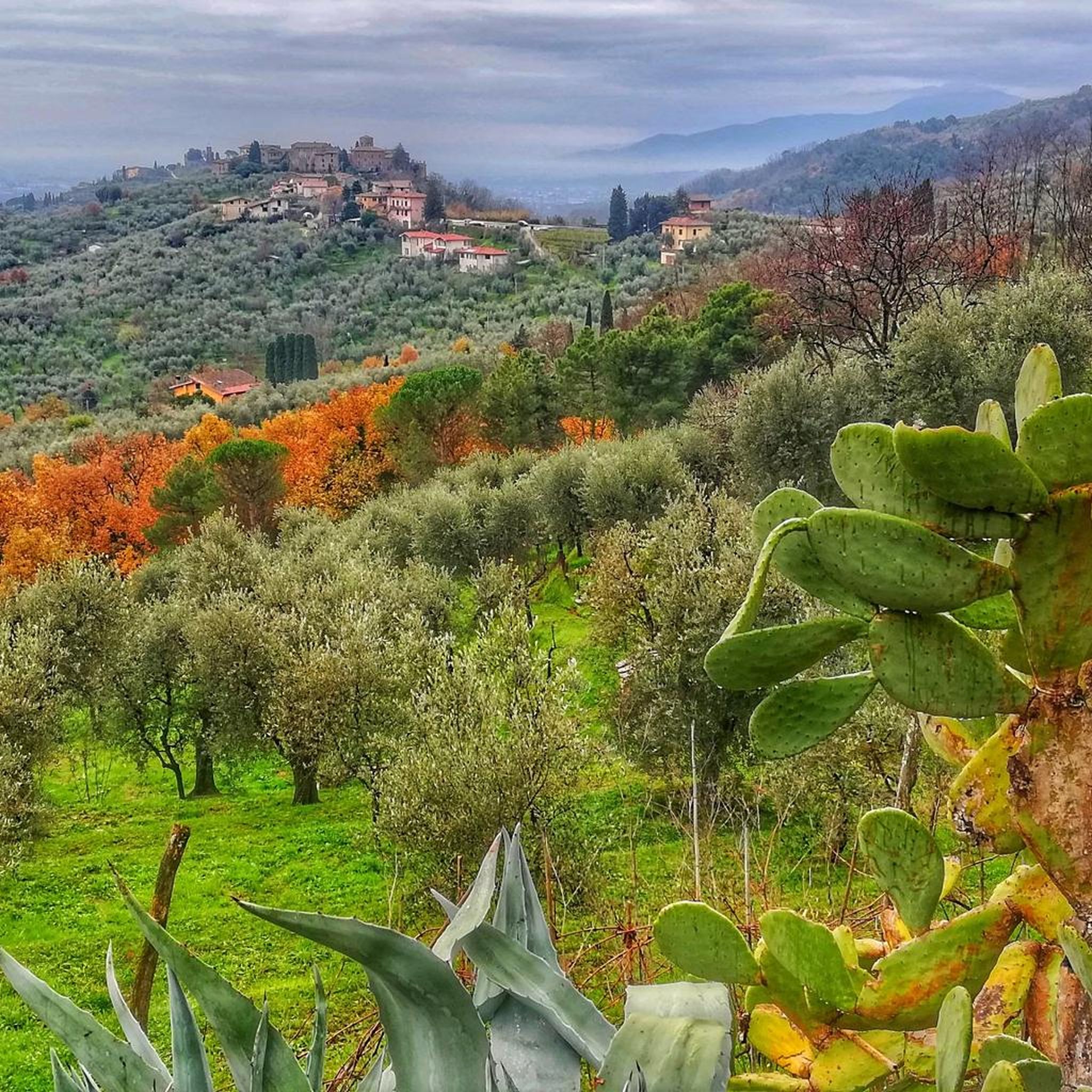
Best attractions and places to see around Buggiano include a collection of medieval hamlets, historical sites, and natural landscapes in the Province of Pistoia, Tuscany. Situated in the Valdinievole Valley, the area offers ancient villages and impressive architecture. Buggiano Castello, for instance, maintains its medieval urban structure with defensive walls and hidden citrus gardens. The region provides a rich historical and artistic heritage for exploration.
Best attractions and places to see around Buggiano
- The most popular attractions is The Witches'…
Last updated: October 9, 2026
The Witches' Oak
Highlight • Natural Monument
Showing Translation
Tip by

Villa Torrigiani
Highlight • Historical Site
Showing Translation
Tip by
Sign up now to discover places like this
Get recommendations on the best single tracks, peaks, & plenty of other exciting outdoor places.
Cozzile Castle and the Clock Tower
Highlight • Castle
Translated by Google •
Tip by
Villa Bellavista
Highlight • Historical Site
Antincendi - an organization with welfare functions of the National Fire Brigade Corps - the Villa was initially intended as …
Translated by Google •
Tip by

Ancient Via Francigena in Galleno
Highlight • Trail
Tip by

Sign up for free to discover even more attractions around Buggiano.
Already have an account?
Start today with a free account
Your next adventure awaits.

Tips from the Community

Beautiful ancient oak tree!
1
0

The centuries-old oak, called The Witches' Oak located in the municipality of Capannori, a meeting point for many cyclists given the numerous paths that surround the large oak. Historic monument to see
1
0

A stately building that is already showing its age. But you can still feel the charm of a bygone era!👍
0
0

One of the most beautiful and famous villas in the province of Lucca, Villa Torrigiani is located in the hamlet of Camigliano, in the municipality of Capannori. Its park is very large and of great beauty, in particular thanks to the French garden.
0
0

Beautiful building and park. The villa is an extraordinary example of Baroque architecture in Tuscany.
3
0
Unfortunately, the villa is currently closed. Most recently it housed a fire department museum. Despite its state of disrepair, the villa looks very impressive.
0
0

Cozzile was probably founded at the end of the 12th century around fortification works with lookout and extreme defense functions. Even at the beginning of the 14th century they housed a castellan and a small garrison on behalf of the people of Lucca. Around the fortress a fortified town arose with a structure similar to that of Massa, organized in a "fishbone" pattern on both sides of the road that crossed it and which, exiting at the other end of the town, led towards the Apennines and towards Modena. The houses were grouped into two neighborhoods or "deeds" (Volata to the East, and Cessana to the West of the main road) with the square located to the north and the church to the south. In the city walls, of which important remains are still visible incorporated into the houses built above them, three doors opened: one to the east, corresponding to the entrance to the town of the medieval road from Massa (gate to Massa), one to the west , on the diametrically opposite side (Porta Vecchia)
0
0

Only suitable for MTB.
0
2
Frequently Asked Questions
What historical sites can I explore in Buggiano?
Buggiano is rich in history, offering several medieval hamlets and historical sites. You can visit Cozzile Castle and the Clock Tower, which dates back to the 12th century and offers insights into the region's defensive past. Another significant site is Villa Bellavista, a stately 17th-century building known for its Florentine Baroque style and panoramic views. Don't miss Buggiano Castello, a well-preserved medieval village with its Palazzo Pretorio and the 11th-century Church of Madonna della Salute e di San Nicolao. The Villa Torrigiani, with its beautiful French garden and historic ground floor, is also a must-see.
Are there any natural attractions or viewpoints around Buggiano?
Yes, Buggiano offers beautiful natural spots and scenic viewpoints. A prominent natural monument is The Witches' Oak, a magnificent 700-year-old oak tree with wide branches that can be visited freely. The region is nestled in the green hills of the Valdinievole Valley, providing picturesque views of the surrounding countryside and extensive olive groves. Buggiano Castello itself offers splendid views over the Valdinievole, and the unique citrus gardens, known as 'Borgo degli Agrumi', are a testament to the area's favorable microclimate.
What kind of outdoor activities can I do near Buggiano?
The territory around Buggiano is ideal for various outdoor activities. You can find numerous trails for trekking, hiking, and mountain biking that wind through ancient cobblestone streets, wooded paths, and cultivated countryside, offering stunning panoramas. For specific routes, explore the Hiking around Buggiano guide, the Cycling around Buggiano guide, or the MTB Trails around Buggiano guide for detailed routes and difficulty levels.
Are there family-friendly attractions in Buggiano?
Absolutely! Buggiano offers several attractions suitable for families. The Witches' Oak is a fascinating natural monument that children and adults alike can appreciate. Villa Torrigiani, with its large and beautiful park, including a French garden, provides ample space for exploration and enjoyment. Many of the easy walking routes through the medieval villages and olive groves are also suitable for families.
What are the unique features of Buggiano Castello?
Buggiano Castello is a captivating medieval aristocratic castle village. It has preserved its original urban structure and features remains of defensive walls. It's particularly famous for its hidden citrus gardens, known as 'Borgo degli Agrumi', which are occasionally opened to the public during special events. Within the Castello, you'll find the 12th-century Palazzo Pretorio, adorned with coats of arms, and the 11th-century Church of Madonna della Salute e di San Nicolao, housing significant artworks.
Where can I find easy walking routes near Buggiano?
For easy walks, consider exploring the medieval lanes of Colle di Buggiano or the paths through the olive groves surrounding Buggiano Castello. The Hiking around Buggiano guide lists routes like the 'Path Through Olive Groves loop from Borgo a Buggiano' and 'View of the Valdinievole Plain – Creekside Nature Trail loop from Buggiano', which are rated as easy.
What is the best time to visit Buggiano?
Buggiano is charming throughout the year, but the spring and autumn months are particularly pleasant. Spring (April-May) offers mild weather and blooming landscapes, ideal for exploring the citrus gardens and outdoor trails. Autumn (September-October) brings comfortable temperatures and beautiful fall colors to the Valdinievole Valley. Summers can be warm, but the evenings are often delightful, and winters are generally mild.
Are there any notable churches or religious sites in Buggiano?
Yes, Buggiano has several historically significant churches. In Buggiano Castello, you can visit the 11th-century Benedictine Romanesque Church of Madonna della Salute e di San Nicolao. In Borgo a Buggiano, the Basilica of the SS. Crucifix, dating back to the 13th century, features a Baroque interior and a 14th-century wooden crucifix. Colle di Buggiano is home to the 13th-century Pieve di San Lorenzo with its Romanesque bell tower, and Stignano features the 11th-century Pieve di Sant'Andrea.
What is the Ancient Via Francigena and can I access it near Buggiano?
The Ancient Via Francigena in Galleno is a historic pilgrimage route. A beautiful stretch of this ancient path, featuring a cobblestone road that transitions into a flat and easy footpath through the woods, is accessible near Buggiano. It's suitable for walking and even city-bikes, offering a glimpse into the region's medieval past as a route for pilgrims and travelers.
What are some lesser-known or 'hidden gems' in Buggiano?
Beyond the main highlights, Buggiano offers charming discoveries. The 'Borgo degli Agrumi' (citrus gardens) within Buggiano Castello are a unique feature, often considered a hidden gem due to their limited public access, typically during the 'La Campagna dentro le Mura' event. Exploring the medieval lanes of Colle di Buggiano or the village of Stignano with its Romanesque bell tower and 14th-century fresco fragments in the Pieve di Sant'Andrea can also feel like uncovering local secrets.
What are the main villages or hamlets to explore within Buggiano municipality?
The municipality of Buggiano comprises several distinct villages, each with its own character. Buggiano Castello is a medieval aristocratic village known for its historic architecture and citrus gardens. Borgo a Buggiano is the largest village, housing the town hall and notable churches like the Basilica of the SS. Crucifix. Colle di Buggiano is another charming medieval cluster on a hill, surrounded by olive groves. Additionally, the village of Stignano, north of Buggiano, is known for its Romanesque bell tower and ancient Pieve di Sant'Andrea.
Is there parking available for attractions in Buggiano?
While specific parking details for every attraction vary, Buggiano's villages generally offer public parking areas. For instance, The Witches' Oak is accessible by road, implying nearby parking. When visiting the medieval hamlets like Buggiano Castello, it's often best to park outside the historic center and explore on foot due to narrow streets. It's advisable to check local signage upon arrival.
Most popular routes around Buggiano
Most popular attractions around Buggiano

Get inspired with the komoot mobile app


Explore more
Still not found the Highlight you’re looking for? See guides of the top attractions in other regions:
