Attractions and Places To See around Alpago - Top 20
Best attractions and places to see around Alpago, a basin nestled in the Dolomite Pre-Alps, offers a diverse range of natural and cultural sites. The region is characterized by its prominent lakes, extensive forests, and surrounding mountain peaks. Visitors can explore historical sites, traditional villages, and various outdoor activities. Alpago provides a blend of natural beauty and cultural heritage.
Best attractions and places to see around Alpago
- The most popular attractions is Lake Santa Croce, a lake that is…
Last updated: October 9, 2026
Lake Santa Croce
Highlight • Lake
Translated by Google •
Tip by

Lake Morto
Highlight • Lake
Here is a picnic area where you can relax and enjoy a well-deserved break.
Translated by Google •
Tip by

Sign up now to discover places like this
Get recommendations on the best single tracks, peaks, & plenty of other exciting outdoor places.
Along the Piave on the old state road
Highlight (Segment) • Cycleway
Translated by Google •
Tip by

Cycle Path Along Lake Santa Croce
Highlight (Segment) • Cycleway
Translated by Google •
Tip by

Lake Santa Croce
Highlight • Lake
More information: de.wikipedia.org/wiki/Lago_di_Santa_Croce
Translated by Google •
Tip by

Sign up for free to discover even more attractions around Alpago.
Already have an account?
Start today with a free account
Your next adventure awaits.
Popular around Alpago
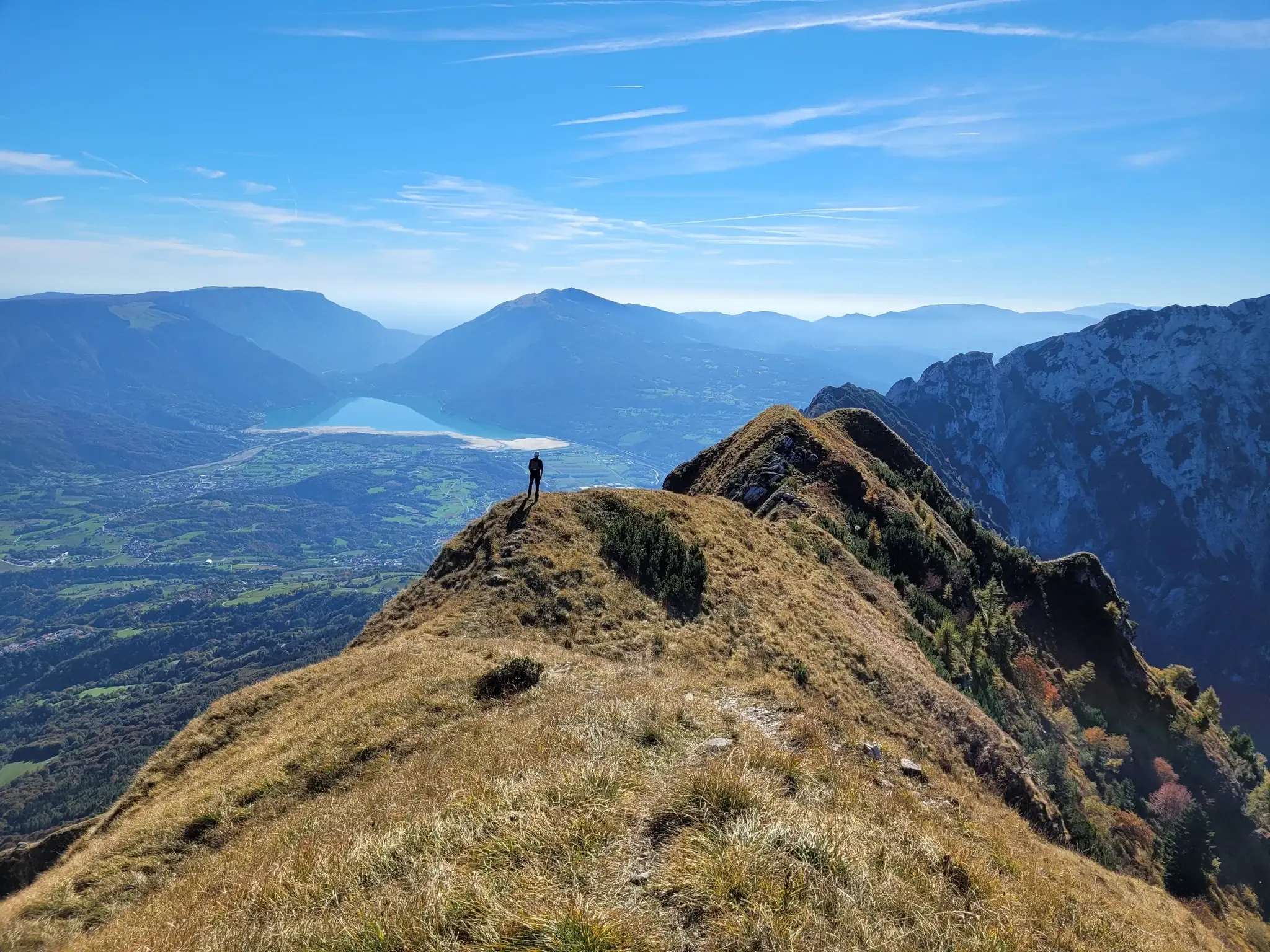
A fairytale hike in Italy’s Pale Mountains – Alta Via delle Dolomiti 7
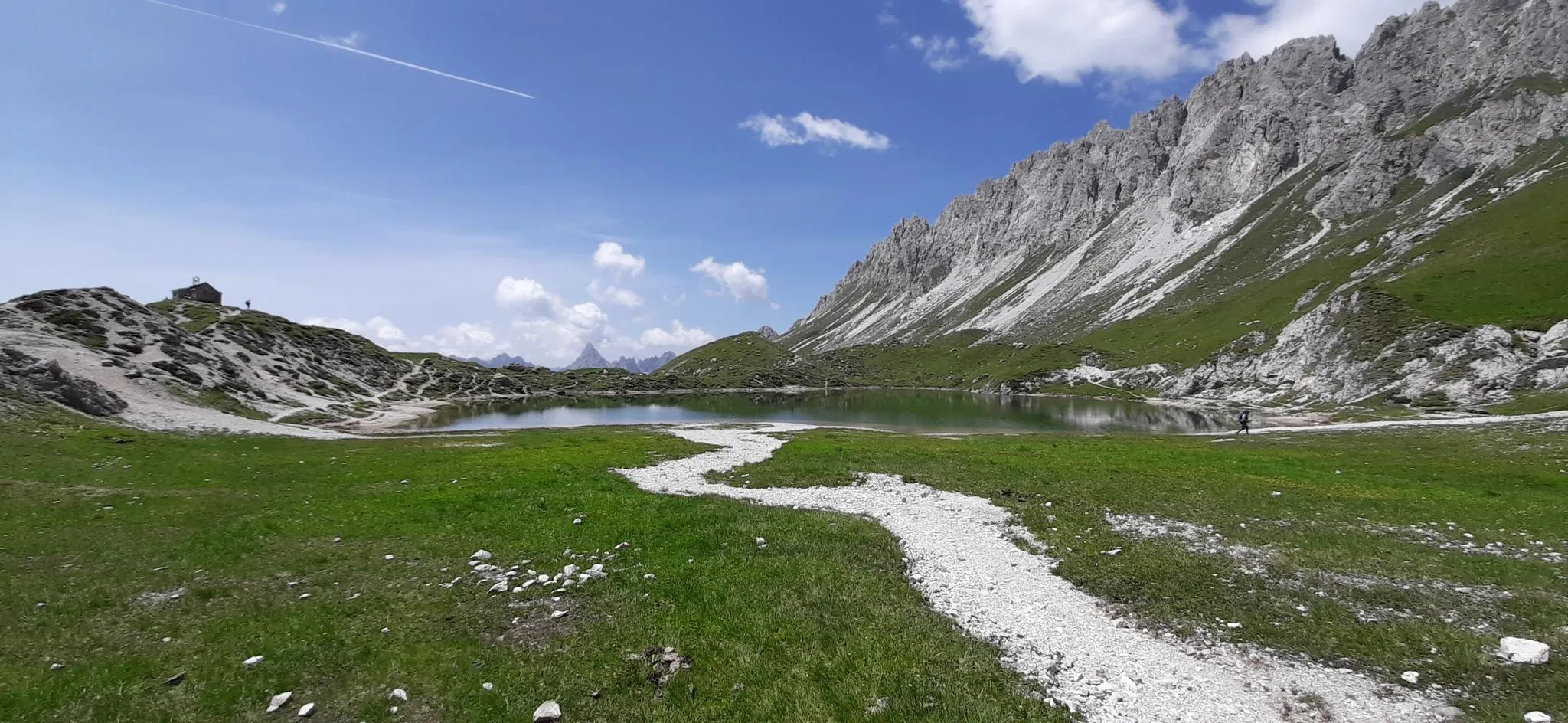
A trail running adventure in the Dolomites – Alta Via 6
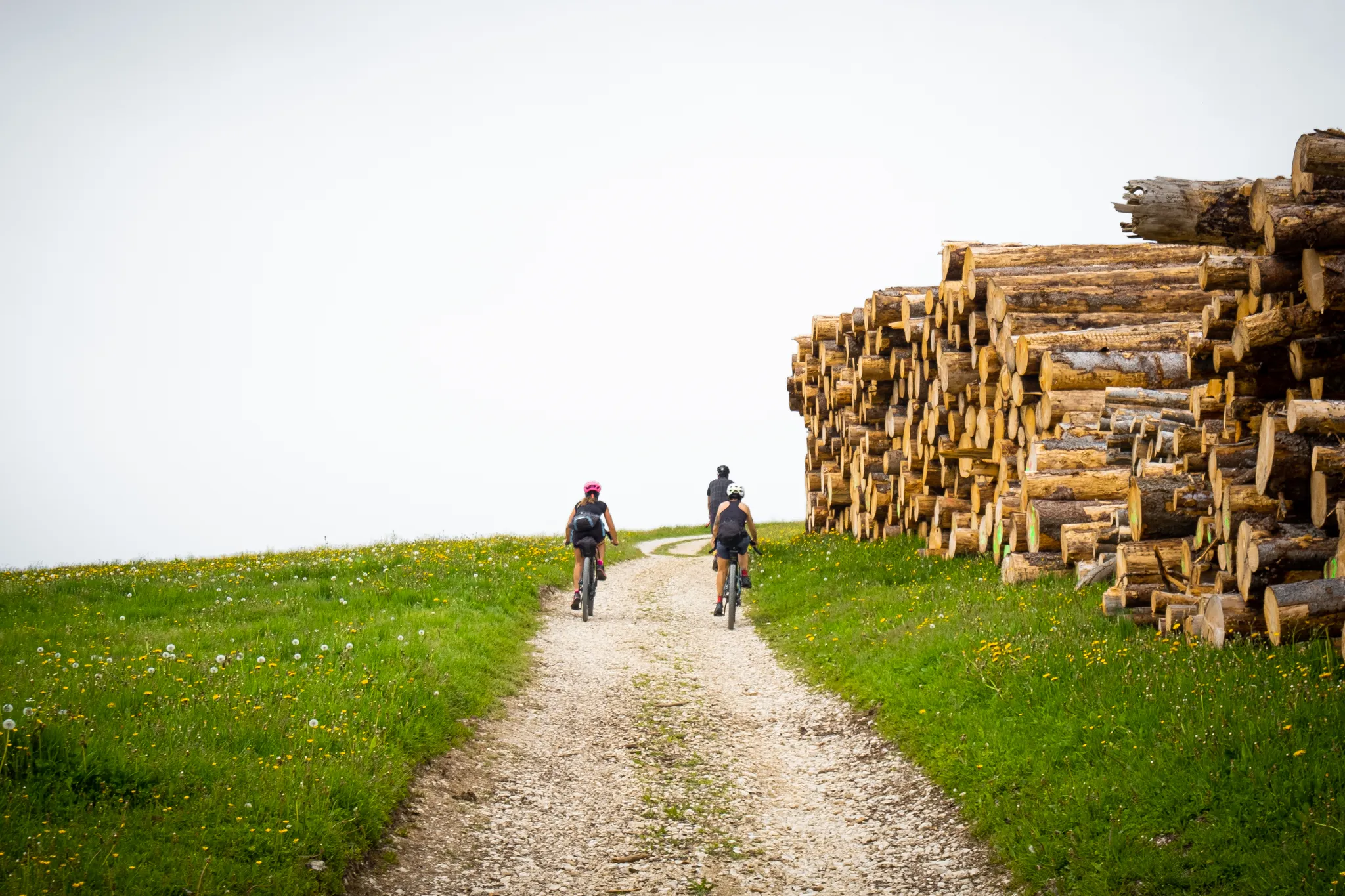
Via delle Prealpi – On the way with the MTB in the Venetian Prealps
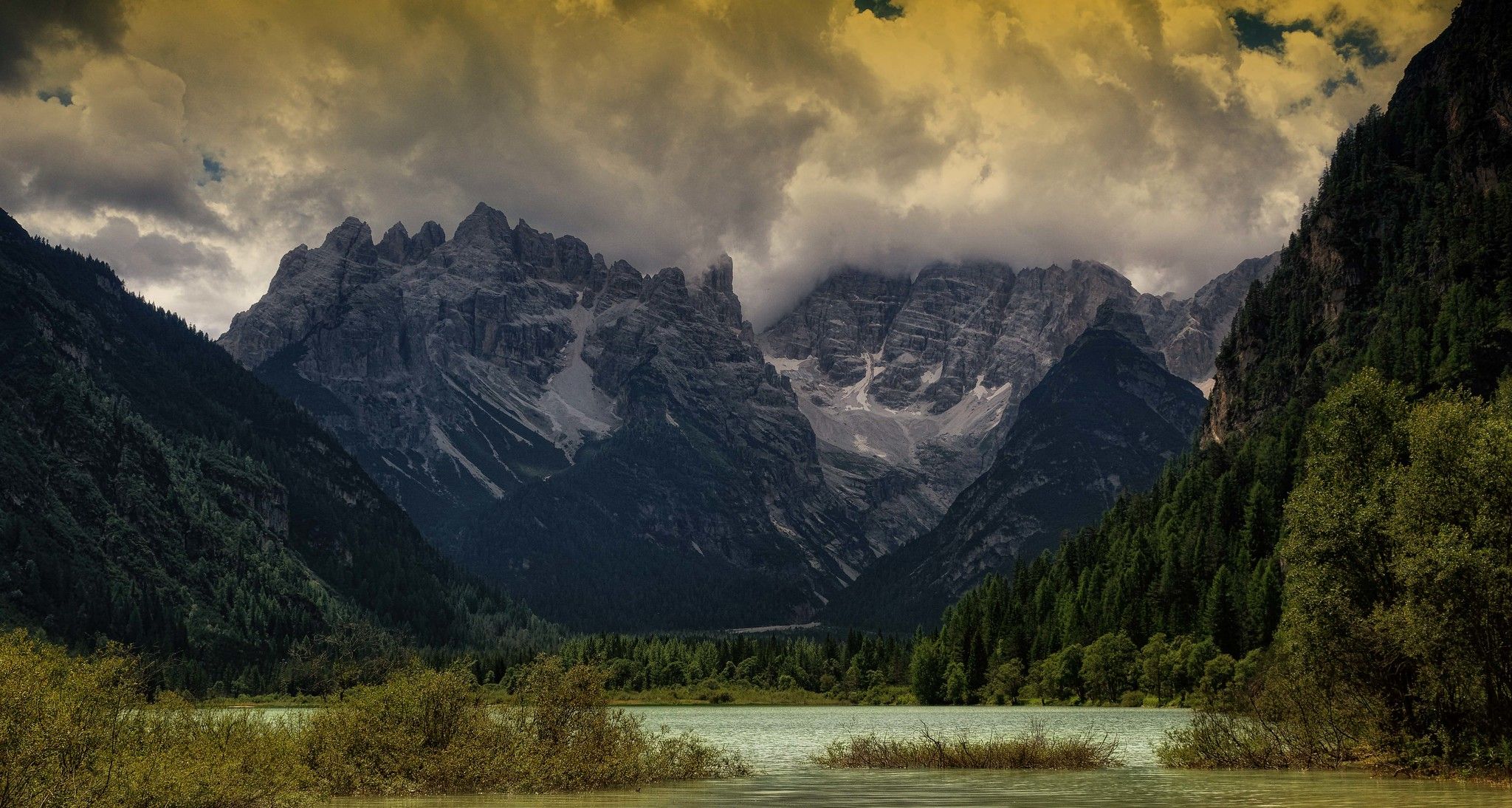
Ride across the Alps – bikepacking between Munich and Venice
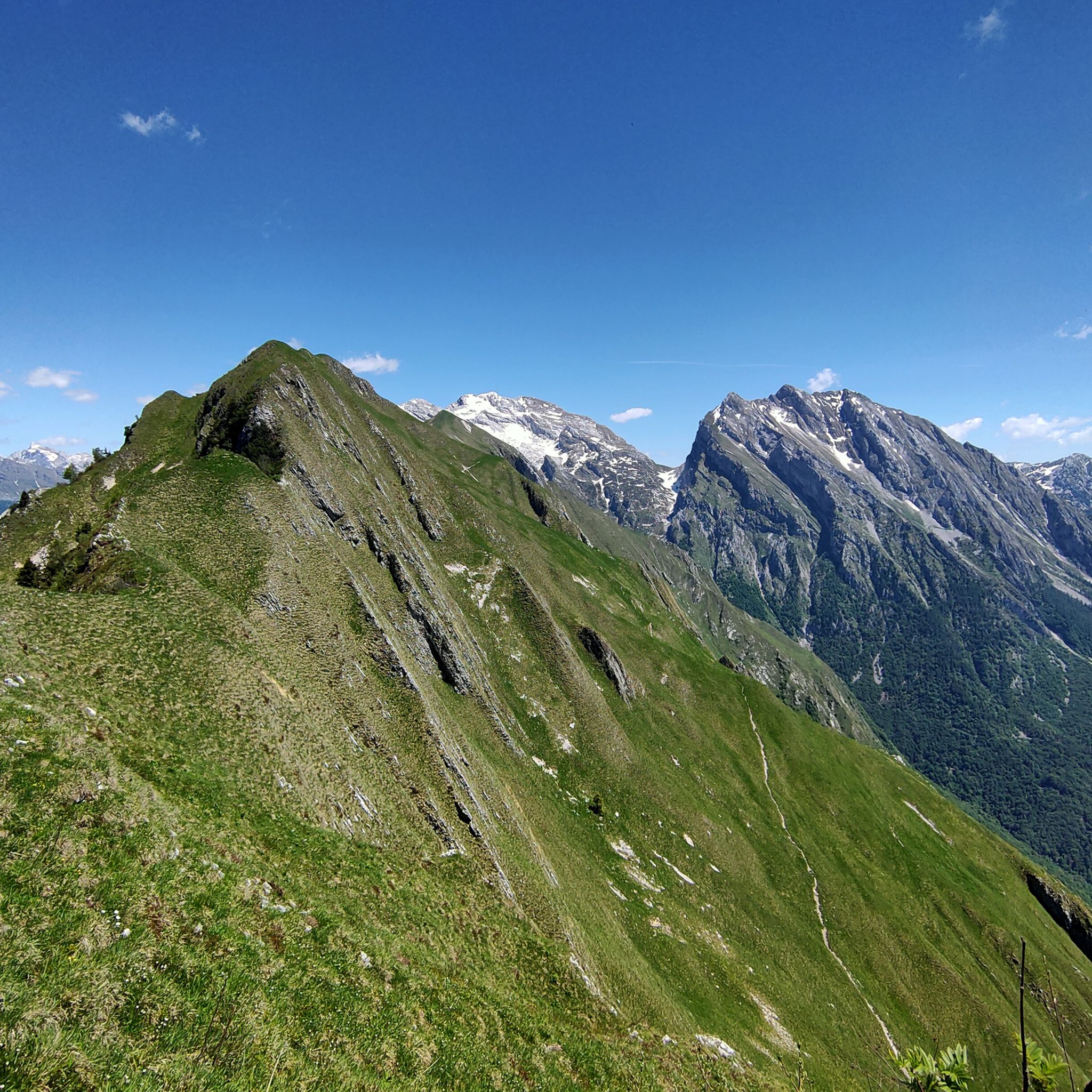
Hiking around Alpago
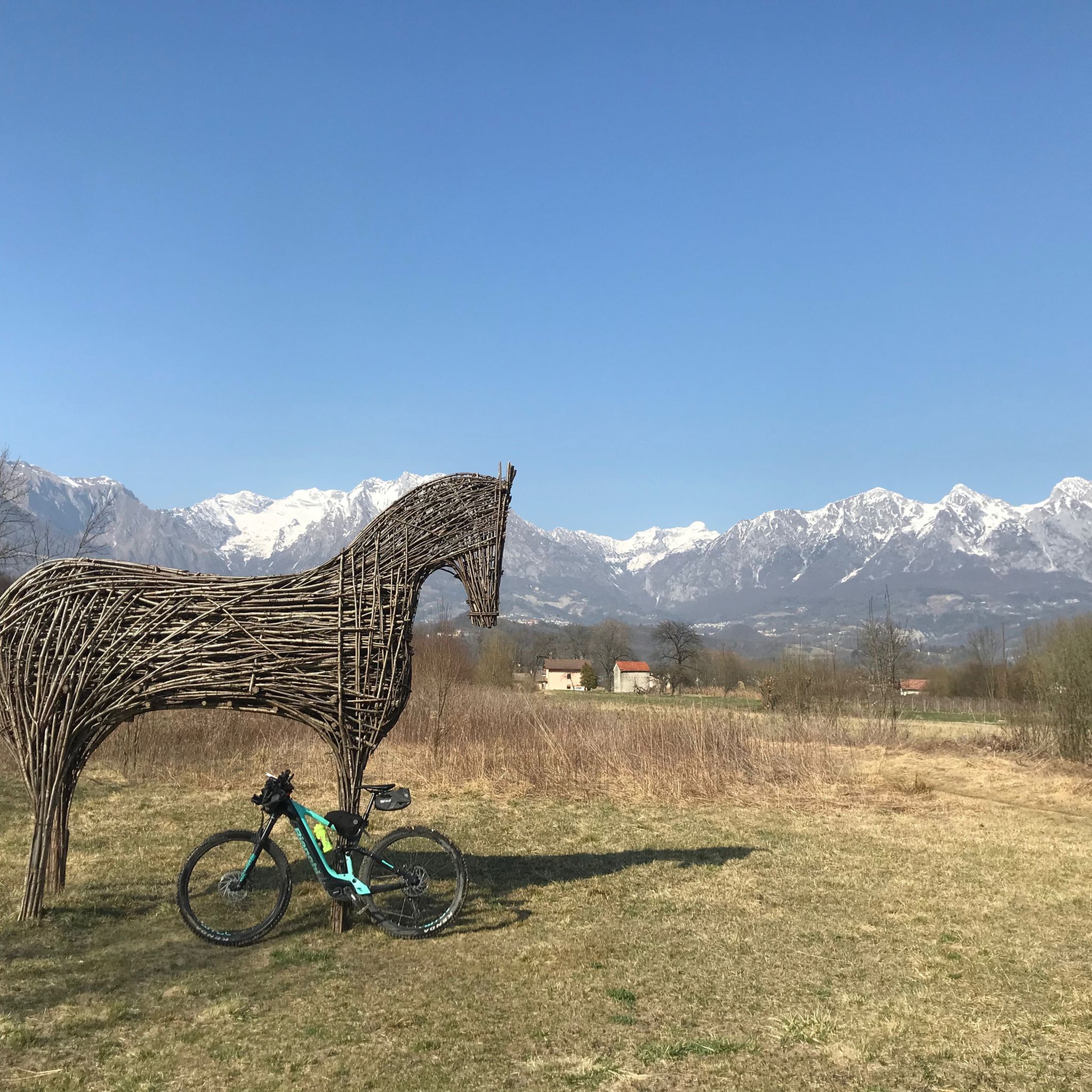
MTB Trails around Alpago
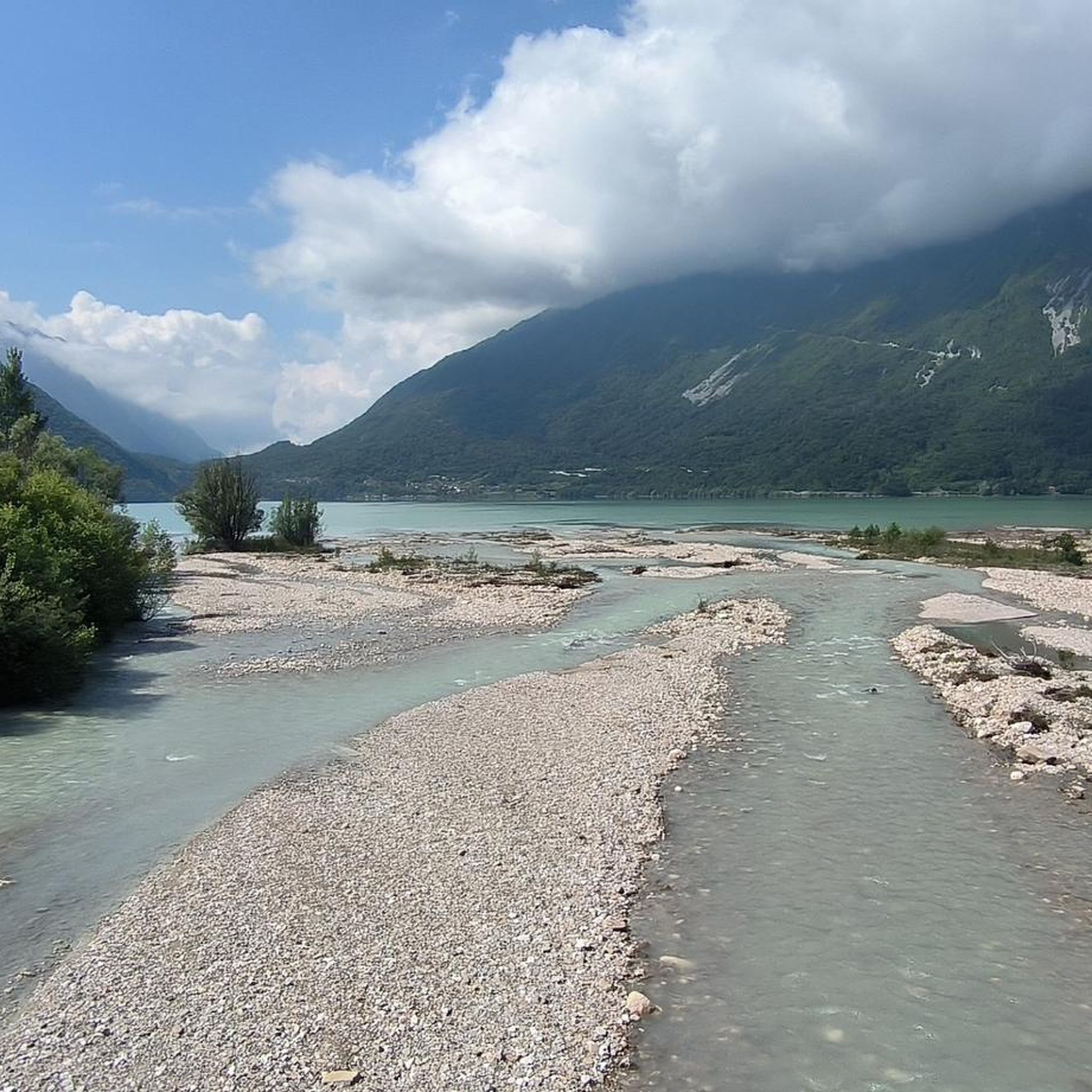
Cycling around Alpago
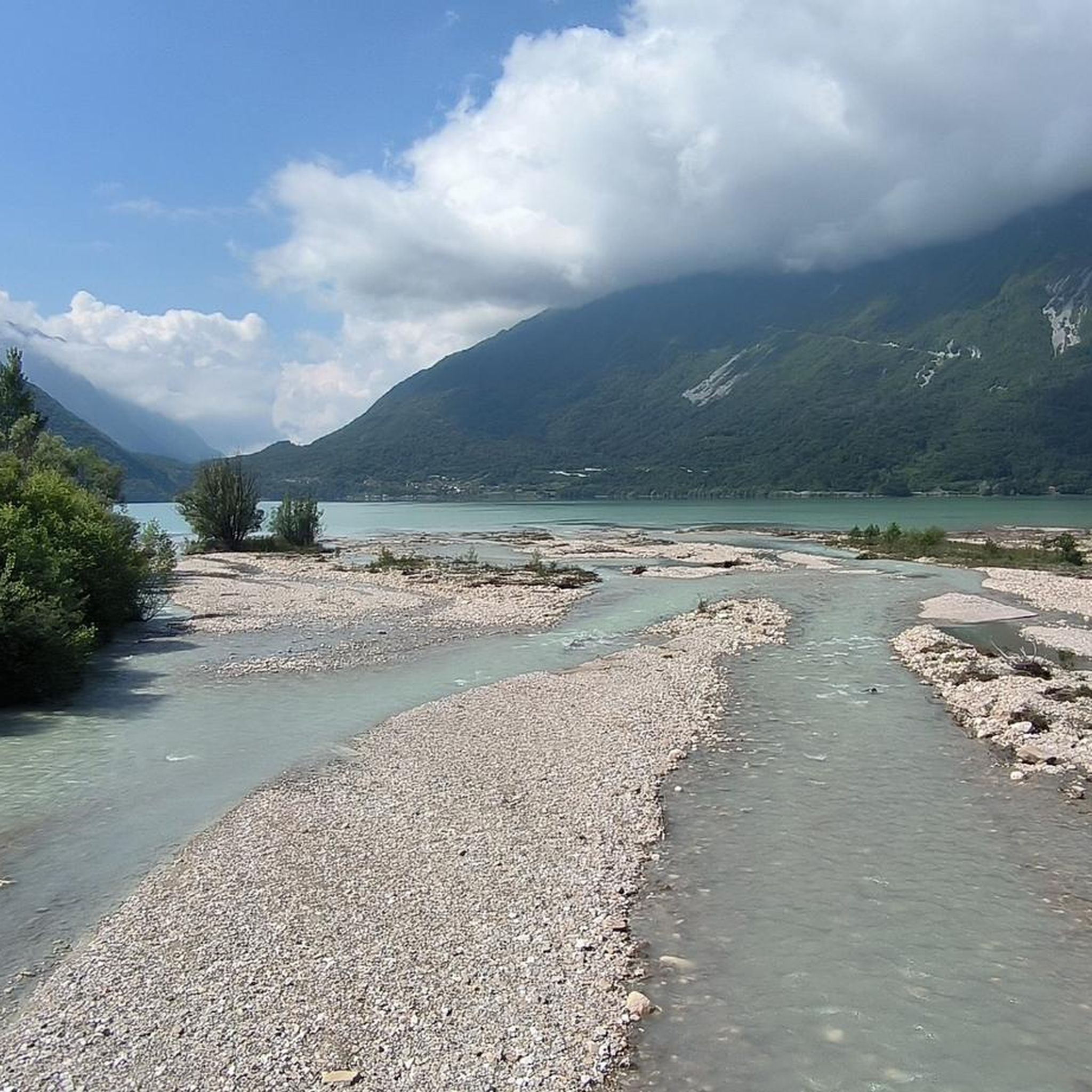
Running Trails around Alpago
Gravel biking around Alpago
Road Cycling Routes around Alpago
Other adventures around Alpago


Tips from the Community

If you are traveling in the area between San Vito di Cadore, Cortina d'Ampezzo and Venice, it is easy to confuse it with other Dolomite lakes, but the well-known Lago Morto of Veneto is located near Vittorio Veneto, at the foot of the Cansiglio plateau.
13
0

No cycle path but old SS51, usually little traffic, but nowadays also gladly a speed track for motorized road users especially 🏍️😕🤔
2
0

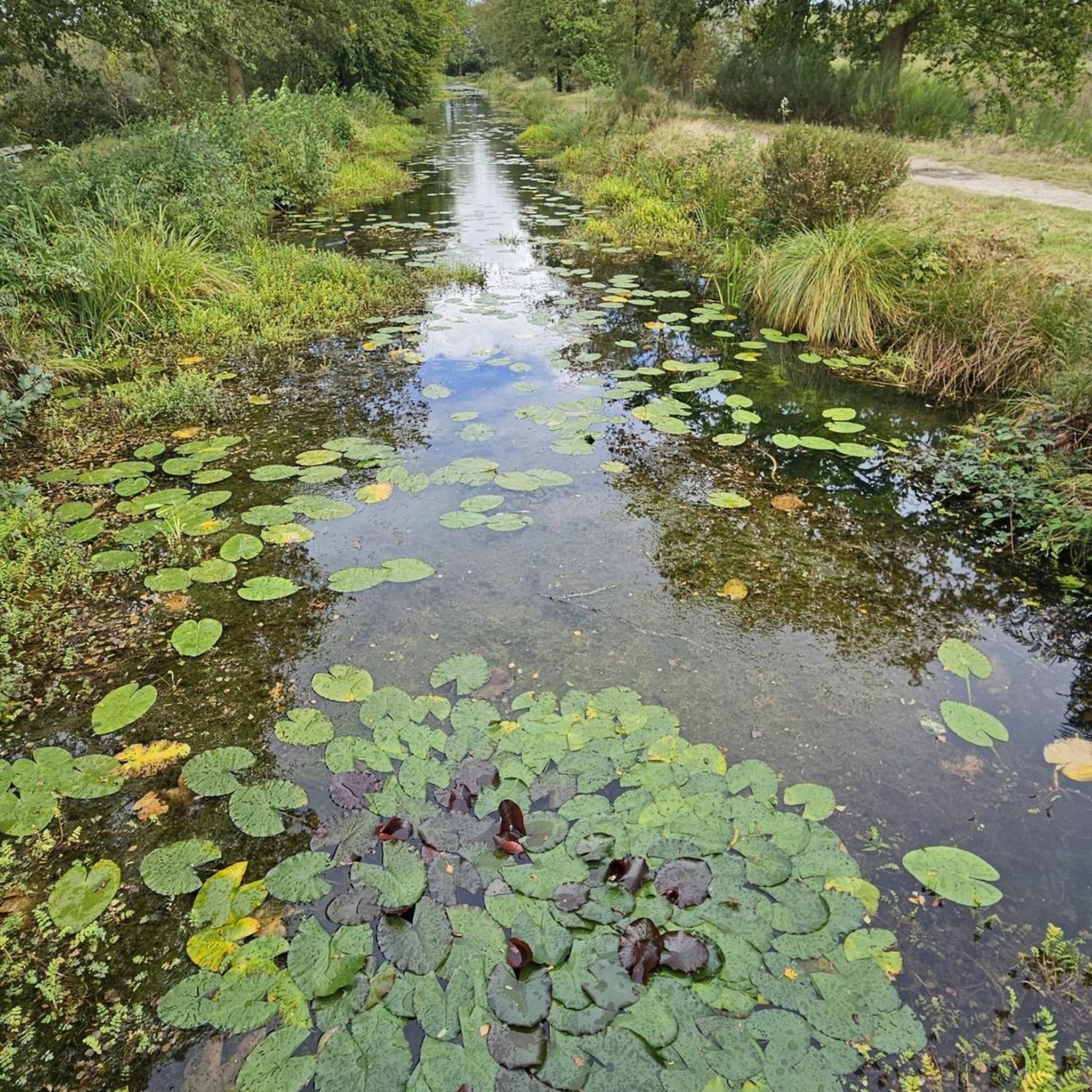
The Lago Morto is a fascinating lake basin located in Val Lapisina, in the hamlet of Nove within the municipality of Vittorio Veneto, in the province of Treviso. It is called "dead" because it is devoid of visible artificial inlets and outlets. It is fed by underground karst fissures and infiltrations coming from the nearby Lago di Santa Croce.
1
0

Lago Morto is a striking body of water located in Val Lapisina, in the municipality of Vittorio Veneto, right at the foot of the Treviso side of the Sella di Fadalto pass. Its peculiar name derives from a unique geographical characteristic: it is a lake devoid of visible surface outlets and inlets, as it is fed and emptied exclusively through underground karst pathways. The basin, surrounded by steep wooded slopes and imposing rocky walls, is characterized by deep and cool waters. Today, the lake plays a fundamental role in hydroelectric power production, being connected to the valley's power plant system that utilizes the waters coming from the overlying Lago di Santa Croce. Despite the industrial footprint, the area is a popular destination for relaxing walks, picnics, and sport fishing.
2
0

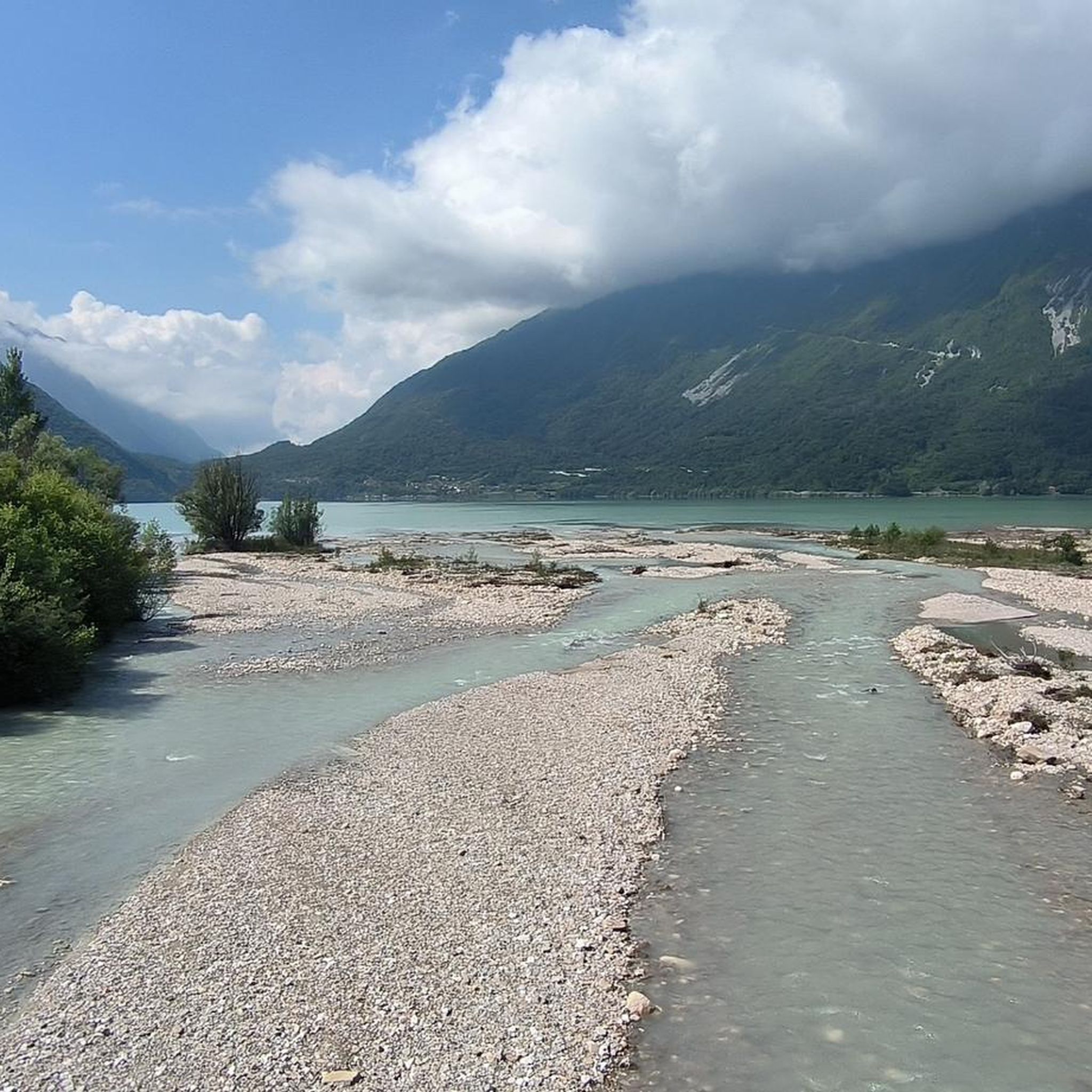
Lake Santa Croce, the largest in the province of Belluno and the second largest in the Veneto region, is a natural lake formed by a landslide that closed off the Val Lapisina, blocking the Piave River's descent towards Vittorio Veneto and creating the Sella del Fadalto. Located in the Alpago area between Farra d'Alpago, Puos d'Alpago, and Ponte nelle Alpi, on the border with the province of Treviso, it is a body of water that reflects the mountains of the Alpago and the Nevegal in its crystal-clear waters. The villages along the shores still preserve examples of typical stepped-house architecture with roofs made of stone slabs, straw, and marsh reeds.
3
0

The beautiful Santa Croce lake in Farra d'Alpago.
17
0
Beautiful lake for water sports.
17
0

Always right next to the river, so the climate is great even in midsummer.
1
0
Frequently Asked Questions
What natural attractions can I explore in Alpago?
The Alpago region is rich in natural beauty. You can visit Lake Santa Croce, the second-largest lake in Veneto, or the unique Lake Morto, known for having no tributaries or emissaries. The vast Cansiglio Forest offers extensive opportunities for walking and cycling, especially beautiful in autumn. You can also explore various mountain peaks like Col Nudo, Monte Cavallo, and Col Visentìn for breathtaking vistas.
Are there opportunities for water sports in Alpago?
Yes, Lake Santa Croce is a major hub for water sports. It's particularly popular for kitesurfing, windsurfing, sailing, and swimming, especially in the afternoons when geothermal winds pick up.
Where can I find panoramic views in the Alpago region?
For stunning panoramic views, consider hiking to mountain peaks such as Col Nudo (2,472 m), which offers one of the widest views in the Belluno Pre-Alps. Col Visentin Hut, located on Col Visentìn (1,763 m), provides 360-degree vistas, including the Dolomiti Bellunesi and even the sea on clear days.
What cultural or historical sites are worth visiting in Alpago?
Alpago offers several cultural and historical points of interest. You can explore the Archaeological Trail in Pieve d'Alpago, which features necropolises from the Iron Age and Roman times. The Museum of Natural History in Chiès d'Alpago and the Museum of Mankind in Cansiglio, dedicated to the Cimbri culture, provide insights into the region's heritage. The Solitary Church of San Pietro also offers serene views and historical significance.
Are there family-friendly activities or attractions in Alpago?
Absolutely! Both Lake Santa Croce and Lake Morto are considered family-friendly, offering opportunities for relaxation and picnics. The Cansiglio Forest has trails suitable for families, and the Alpine Botanical Garden is an open-air museum showcasing local biodiversity, which can be an engaging educational experience for all ages.
What kind of hiking trails are available in Alpago?
Alpago offers a diverse range of hiking trails, from easy walks around the lakes to challenging mountain hikes. The Cansiglio Forest provides numerous paths, and you can find trails leading to peaks like Col Nudo and Col Visentìn. For detailed routes and difficulty levels, explore the Mountain Hikes around Alpago guide.
Can I go cycling in the Alpago area?
Yes, Alpago is excellent for cycling. You can enjoy road cycling, mountain biking (MTB), and gravel routes. A notable option is Along the Piave on the old state road, a section of the Munich - Venice cycle path with good asphalt and minimal traffic. For more routes, check out the MTB Trails around Alpago and Road Cycling Routes around Alpago guides.
What is the best time to visit Alpago for outdoor activities?
The best time to visit Alpago for most outdoor activities is generally from spring through autumn. Autumn is particularly striking in the Cansiglio Forest due to its vibrant foliage. For winter activities like ski touring and snowshoeing, the colder months offer unique experiences.
Are there any unique local products or cuisine to try in Alpago?
Yes, Alpago is known for its local cuisine and artisan products. Be sure to try the Slow Food presidium Alpago Lamb, a native breed adapted to the alpine environment. Local artisans also produce wool sweaters, capes, and slippers from Alpago wool, along with popular Alpago dolls.
What do visitors enjoy most about the attractions in Alpago?
Visitors frequently praise the natural beauty and tranquility of the region. Many enjoy the opportunities for water sports at Lake Santa Croce and the scenic views from spots like Lake Morto. The well-maintained cycling paths, such as Along the Piave on the old state road, are also highly appreciated for their relaxed atmosphere and beautiful surroundings.
Are there any traditional villages to explore in Alpago?
Yes, the Alpago basin is home to several charming traditional villages. Chiès d'Alpago, Funès, Irrighe, and San Martino are notable for their interesting stone houses built in the characteristic Pre-Alp style, offering a glimpse into local life and architecture.
Where can I learn about the local ecosystem and fish science in Alpago?
You can visit the Alpago Ichthyology Centre, located near Santa Croce. This center focuses on fish science and sustainable alpine architecture, providing insights into the aquatic life and environmental efforts in the region.
Most popular routes around Alpago
Most popular attractions around Alpago

Get inspired with the komoot mobile app


Explore more
Still not found the Highlight you’re looking for? See guides of the top attractions in other regions:
