Attractions and Places To See around Uri - Top 20
Best attractions and places to see around Uri include a variety of historical sites and religious buildings. The region offers several significant landmarks that reflect its rich past and cultural heritage. Visitors can explore ancient structures and historically important locations. These attractions provide insights into the area's development and traditions.
Best attractions and places to see around Uri
- The most popular attractions is Cathedral of St. Nicholas, Sassari, a religious building known for its imaginative Baroque facade. This impressive…
Last updated: October 9, 2026
Cathedral of St. Nicholas, Sassari
Highlight • Religious Site
Translated by Google •
Tip by

Piazza d'Italia, Sassari
Highlight • Monument
Tip by

Sign up now to discover places like this
Get recommendations on the best single tracks, peaks, & plenty of other exciting outdoor places.
Ducal Palace of Sassari
Highlight • Historical Site
The building was built …
Translated by Google •
Tip by
Sassari: historic center
Highlight • Historical Site
Tip by
Rosello Fountain
Highlight • Monument
Showing Translation
Tip by

Sign up for free to discover even more attractions around Uri.
Already have an account?
Start today with a free account
Your next adventure awaits.

Tips from the Community

The Fontana di Rosello is the most emblematic monument of Sassari and one of the historical symbols of Sardinia. Built between 1603 and 1606 by Genoese masters in the late Renaissance style, it stands on an ancient spring used since Roman times to supply water to the city and the nearby port of Turris Libisonis (modern-day Porto Torres). Its most striking feature is the twelve mouths from which water gushes, representing the months of the year, and the four allegorical statues of the seasons, symbolizing the incessant passage of time. For centuries it was the main water supply point for the inhabitants of Sassari and today it is one of the most photographed and representative monuments of the city.
5
0

Piazza d'Italia is the monumental heart of Sassari and one of the most representative squares in Sardinia. Surrounded by elegant historic buildings and the Palazzo della Provincia, it offers a large pedestrian area ideal for a break during a bike ride.
1
0

Very impressive from the outside. I didn't go inside because they charged a €3 entrance fee (September 2025).
0
0

Sassari is the second largest city in Sardinia. It was founded by the Phoenicians and has experienced various cultural influences over the centuries. This is reflected in the architecture and cultural heritage of the city. It is definitely worth a visit.
0
0

Marble fountain house, built during the Renaissance. The water bubbles from eight lion and four dolphin heads.
3
0

It is the lounge square in the center of Sassari, large, elegant, bright, overlooked by important buildings such as the majestic Palazzo della Provincia and, opposite, the "Intesa San Paolo" bank in neo-Gothic style; in the center stands a monument to Vittorio Emanuele II, until recently surrounded by 4 palm trees. It is accessed by descending from the beautiful Via Roma, shaded by citrus trees, while continuing downhill on the opposite side, through a short arcaded street, you enter the adjacent Piazza Castello. Piazza d'Italia is a favorite destination for shopping, family walks and some local events.
4
0

The Palazzo Ducale was built between 1775 and 1804 by Don Antonio Manca, Marquis of Mores and Lord of Usini. From 1860 to 1878 it was the seat of the Prefecture first and then of the provincial administration, from 1878 it became the seat of the Municipality of Sassari which bought it in 1900.
1
0
The Rosello fountain is one of the symbols of the city of Sassari. It was built in 1295 and renovated in 1605 in the late Renaissance style.
1
0
Frequently Asked Questions
What are the main historical attractions around Uri?
The area around Uri, particularly in Sassari, offers several significant historical sites. You can explore the Castle Square, Sassari, which takes its name from the Aragonese Castle that once stood there, and includes an archaeological path with underground rooms. Another notable site is the Ducal Palace of Sassari, a historic palace built between 1775 and 1804, which now serves as the seat of the municipal administration. The historic center of Sassari itself is also a highlight, reflecting various cultural influences over centuries.
Are there any religious buildings worth visiting near Uri?
Yes, the most popular religious building is the Cathedral of St. Nicholas, Sassari. It is renowned for its imaginative Baroque facade, featuring playful pedestals, balconies, and pilasters, crowned by a statue of Saint Nicholas of Myra. The interior, however, is dominated by medieval Gothic architecture.
What kind of archaeological sites can I visit near Uri?
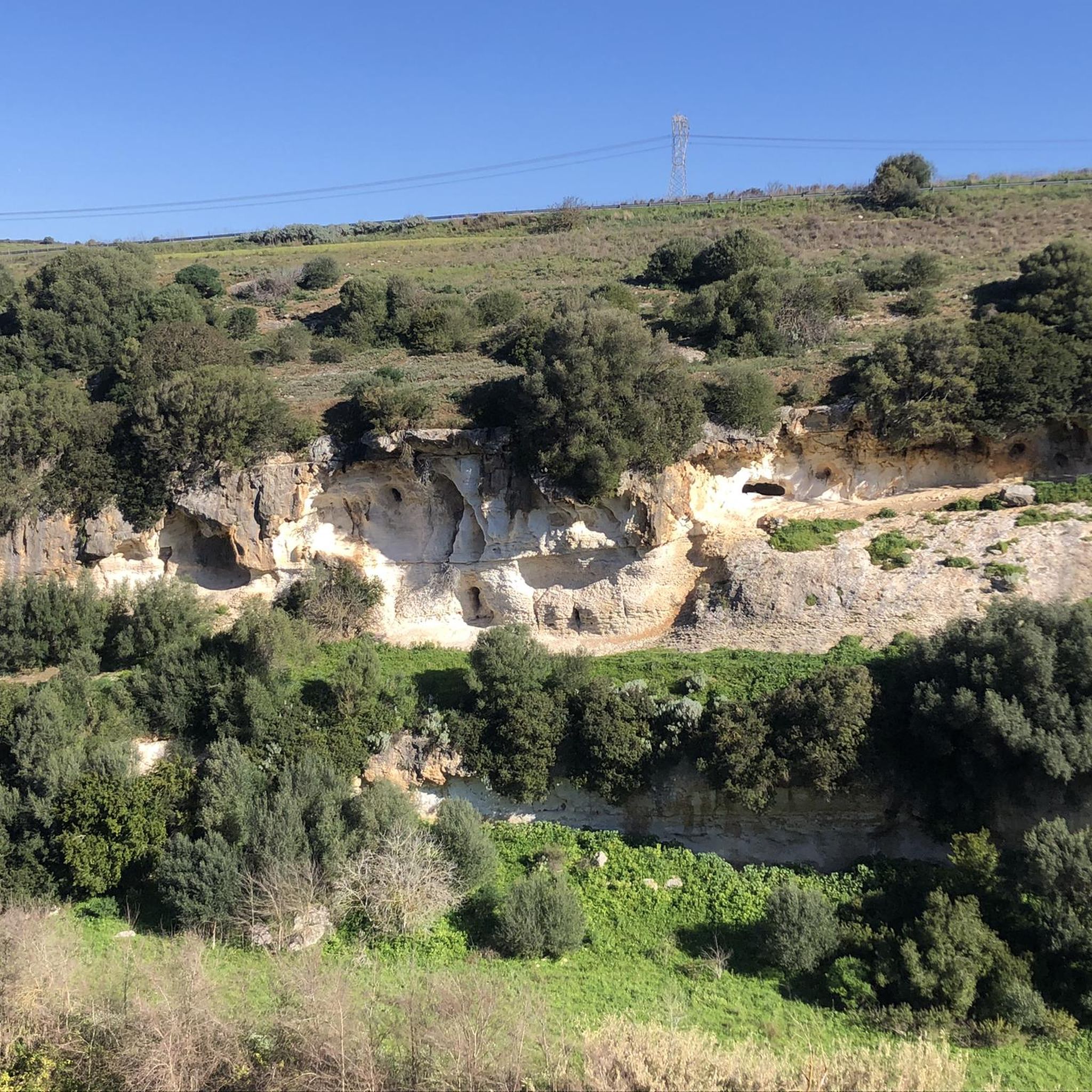
You can visit The tomb of Molafà, a prehistoric archaeological site located within the municipal territory of Sassari. This tomb is excavated in the rock and reproduces elements typical of the Tombs of the Giants, with several burial cells inside. It was also used as a rock church in the early Middle Ages.
What outdoor activities can I do near these attractions?
The region offers various outdoor activities. For running enthusiasts, there are several trails, including moderate loops from Tàttari/Sassari and longer routes like the Ducal Palace of Sassari – Rosello Fountain loop. Hikers can explore routes such as the Monte Baranta Archaeological Loop or the Castle Square, Sassari – Italy Square, Sassari loop. For gravel biking, options range from the Stintino Cycle Path to the San Lorenzo Forest Trail. You can find more details on these activities and routes on the respective guide pages for running, hiking, and gravel biking around Uri.
Are there family-friendly attractions around Uri?
Yes, several attractions are considered family-friendly. The Castle Square, Sassari and the historic center of Sassari are great for family strolls and exploring. The Cathedral of St. Nicholas, Sassari is also listed as family-friendly, offering an interesting architectural experience.
What do visitors enjoy most about the attractions in Sassari?
Visitors particularly appreciate the unique architecture of the Cathedral of St. Nicholas, Sassari, especially its Baroque facade. The historical significance and the archaeological path beneath Castle Square, Sassari are also highly valued. The historic center of Sassari is enjoyed for its cultural heritage and vibrant atmosphere, especially during festivals like the 'Discesa dei Candelieri'.
Are there any unique cultural events or traditions in Sassari?
Yes, Sassari is known for the 'Discesa dei Candelieri' (Descent of the Candlesticks), celebrated every year on August 14th. This festival, recognized by UNESCO as a World Heritage Site, involves a costume procession where representatives of city guilds carry giant wooden candlesticks through the historic center.
Can I find information about the Aragonese Castle in Sassari?
While the Aragonese Castle itself was demolished in 1877, its legacy lives on at Castle Square, Sassari. An archaeological path beneath the square allows visitors to explore some underground rooms that belonged to the former castle, offering a glimpse into its past.
What is the significance of the Ducal Palace of Sassari?
The Ducal Palace of Sassari is a significant example of the region's architectural heritage. Built between 1775 and 1804, it served as the seat of the Prefecture and later the provincial administration before becoming the seat of the Municipality of Sassari. It represents the historical importance of noble families in the city's development.
Are there any specific tips for visiting the Cathedral of St. Nicholas in Sassari?
Visitors often highlight the impressive Baroque facade of the Cathedral of St. Nicholas, Sassari. While the exterior is highly praised, some visitors note that access to the interior might be limited at times. The sacristy also houses the Duomo Museum, which, when open, displays paintings, silverwork, and religious artifacts.
What kind of terrain can I expect on hiking trails near Uri (Sassari area)?
Hiking trails in the Sassari area, such as the Monte Baranta Archaeological Loop, typically feature varied terrain. While specific details on elevation and difficulty vary by route, you can expect paths suitable for moderate hiking, often incorporating historical or natural points of interest. For detailed information on specific routes, refer to the Hiking around Uri guide.
Are there any unique natural features or monuments to see?
While the primary attractions are historical and architectural, the Tomb of Molafà is a unique archaeological site that is also considered a natural monument due to its rock-cut nature. The surrounding landscapes of Sardinia offer natural beauty, which can be explored via the various outdoor activity routes.
Most popular attractions around Uri

Get inspired with the komoot mobile app


Explore more
Still not found the Highlight you’re looking for? See guides of the top attractions in other regions:
