Attractions and Places To See around Mamujada/Mamoiada - Top 20
Best attractions and places to see around Mamujada/Mamoiada, a village in Sardinia's Barbagia region, offers a blend of cultural, historical, and natural attractions. The area is characterized by a hilly landscape, ancient traditions, and a rich winemaking heritage. Visitors can explore archaeological sites, cultural museums, and scenic routes through springs, streams, and forests. This region provides diverse experiences for those interested in history, culture, and outdoor exploration.
Best attractions and places to see around Mamujada/Mamoiada
- The most popular attractions is Christ the Redeemer statue on Monte Ortobene, a man-made monument that features a bronze statue of Christ the Redeemer. This statue is located at 925 meters above sea level on Monte Ortobene, a granite hill east of Nuoro.
- Another must-see spot is Murals of Orgosolo, a collection of public artworks. These murals, first appearing in 1968, depict historical events, social commentary, and local life, with many stylistically influenced by cubism.
- Visitors also love Fabrizio De André Mural, Orgosolo, a man-made monument. This specific mural is noted for its relaxed and casual portrayal, contributing to the high artistic level of the public art in Orgosolo.
- Mamujada/Mamoiada is known for its cultural sites, archaeological landmarks, and natural features. The region offers a variety of attractions, including museums, ancient rock-cut tombs, Nuraghi, and routes for hiking and mountain biking.
- The attractions around Mamujada/Mamoiada are appreciated by the komoot community, with 72 upvotes and 143 photos shared by visitors.
Last updated: July 6, 2026
Orgosolo Murals
Highlight • Monument
Translated by Google •
Tip by

Christ the Redeemer statue on Monte Ortobene
Highlight • Monument
Source: it.wikipedia.org/wiki/Monte_Ortobene
Translated by Google •
Tip by

Sign up now to discover places like this
Get recommendations on the best single tracks, peaks, & plenty of other exciting outdoor places.
Sign up for free
Sanctuary of Our Lady of Grace
Highlight • Religious Site
Source: vaticano.com/turismo/scheda_19_santuario-di-nostra-signora-delle-grazie.html
Translated by Google •
Tip by
Coop Enis Monte Maccione Restaurant & Hotel
Highlight • Restaurant
For walks in the peaks (1463 m Monte Corrasi) and caves of the Supramonte it is an ideal starting point.
Tel. 0039 784 288363
Translated by Google •
Tip by

Fabrizio De André Mural, Orgosolo
Highlight • Monument
Translated by Google •
Tip by

Sign up for free to discover even more attractions around Mamujada/Mamoiada.
Sign up for free
Already have an account?
Start today with a free account
Your next adventure awaits.
Login or Signup
Tips from the Community

Feels like 100 curves to the top
0
0

The guitar player depicted here represents the Italian singer-songwriter Fabrizio de André who in one of his most famous songs, "Preghiera in Gennaio", sings about another artist, Luigi Tenco, a young Genoese singer like him, who committed suicide.
0
0

The statue of the Redeemer is a bronze work placed on a peak of Mount Ortobene near Nuoro, at a height of 925 metres above sea level.
0
0

At the top of Monte ORTOBENE, hikers will not find a classic summit cross, as is the case with many mountain ridges. Instead, there is a statue of the "Christo Redentore". Jesus Christ, the Savior and Redeemer, appears to be floating above the mountain as the resurrected one, as his feet no longer touch the ground. The cross held in one hand is therefore no longer a sign of death, but has become a symbol of the overcoming of sin and death. The artist of the statue has succeeded in portraying this Christian belief in a relaxed elegance.
2
0

The small campsite directly behind the hotel in the dark forest is very rudimentary and can only be recommended to a limited extent. It seems to be run rather reluctantly (it is not advertised anywhere). The hotel itself is upscale and well attended, especially at weekends. Hikers can park in front of the hotel grounds.
0
0

History According to legend, the Sanctuary was born thanks to an archaic wooden statue found by a shepherd in the 17th century, who miraculously healed the city from the plague. The ancient sacred building was built in 1670, thanks to the project by Nicola Ruiu Manca, then replaced by a church in 1946. Since 1957, the icon of the Madonna delle Grazie has been kept in the new Sanctuary, next to the church. The Sanctuary The new Sanctuary was designed in the 1950s by the architect Don Verri and is characterized by a high facade, in polished granite, decorated with mosaics representing the fifteen Mysteries of the Rosary. Of the ancient Sanctuary we can only notice the facade, consisting of an ornate portal and a trachyte rose window, derived from the older church of Nuoro. The Sanctuary, as a whole, is formed by a very simple architectural scheme: an elongated room, covered by a barrel vault, which ends in a square presbytery. Inside we can admire two superimposed altars where, in the upper altar, the Virgin of Grace is kept. The small wooden sculpture represents a young woman holding the Child to her breast with her left hand and who, in turn, holds the world in the palm of her hand. To appreciate the cycle of seventeenth-century frescoes that outline the figures of the twelve Apostles with other Saints. Noteworthy is the imposing bell tower, which was also part of the previous Sanctuary. Source: https://www.vaticano.com/turismo/scheda_19_santuario-di-nostra-signora-delle-grazie.html
0
0
Mount Ortobene is an ancient granite hill, which rises east of the city of Nuoro. It is 955 meters high above sea level. Source: https://it.wikipedia.org/wiki/Monte_Ortobene
1
0

Orgosolo is 21 km south of the provincial capital, Nuoro. The place is in the center of the rugged Supramonte mountains in the heart of the Barbagia. Monte Lisorgoni (978 m asl) rises above the village. The neighboring municipalities are: Dorgali, Fonni, Mamoiada, Nuoro, Oliena, Talana, Urzulei and Villagrande Strisaili.
2
1
Frequently Asked Questions
What cultural attractions can I explore in Mamoiada?
Mamoiada offers a rich cultural experience. You can delve into the fascinating world of local traditions at the Museum of Mediterranean Masks, which showcases the iconic Mamuthones and Issohadores masks. The Museum of Culture and Work provides insights into the area's productive and peasant heritage, including traditional clothes and economic activities. Wandering through the narrow, cobbled streets of the Historic Center, especially around Via Mannu and Piazza Santa Croce, also offers a glimpse into the town's authentic character.
Where can I discover ancient history and archaeology near Mamoiada?
The region around Mamoiada is rich in ancient history. You can visit Sa Perda Pintà (The Painted Stone), an extraordinary megalithic stele from the Neolithic period featuring unique concentric motifs. The territory is also home to around 40 Domus de Janas (Fairies' Houses), ancient rock-cut tombs, with Sa Conchedda Istevene being particularly noteworthy. Additionally, you can find as many as 32 Nuraghi, unique megalithic edifices, such as the imposing Arràilo.
Are there any religious or historical buildings to visit in the area?
Yes, Mamoiada features several significant religious and historical buildings. The Church of Nostra Signora di Loreto, located in the historic center, likely dates back to the 18th century and features a distinctive circular shape and recently restored frescoes. You can also visit the suggestive Country Shrine of Saints Cosmas and Damian, a rural sanctuary surrounded by 50 'cumbessias' (small houses for pilgrims), reflecting the area's Byzantine faith.
What natural features and landscapes can I experience around Mamoiada?
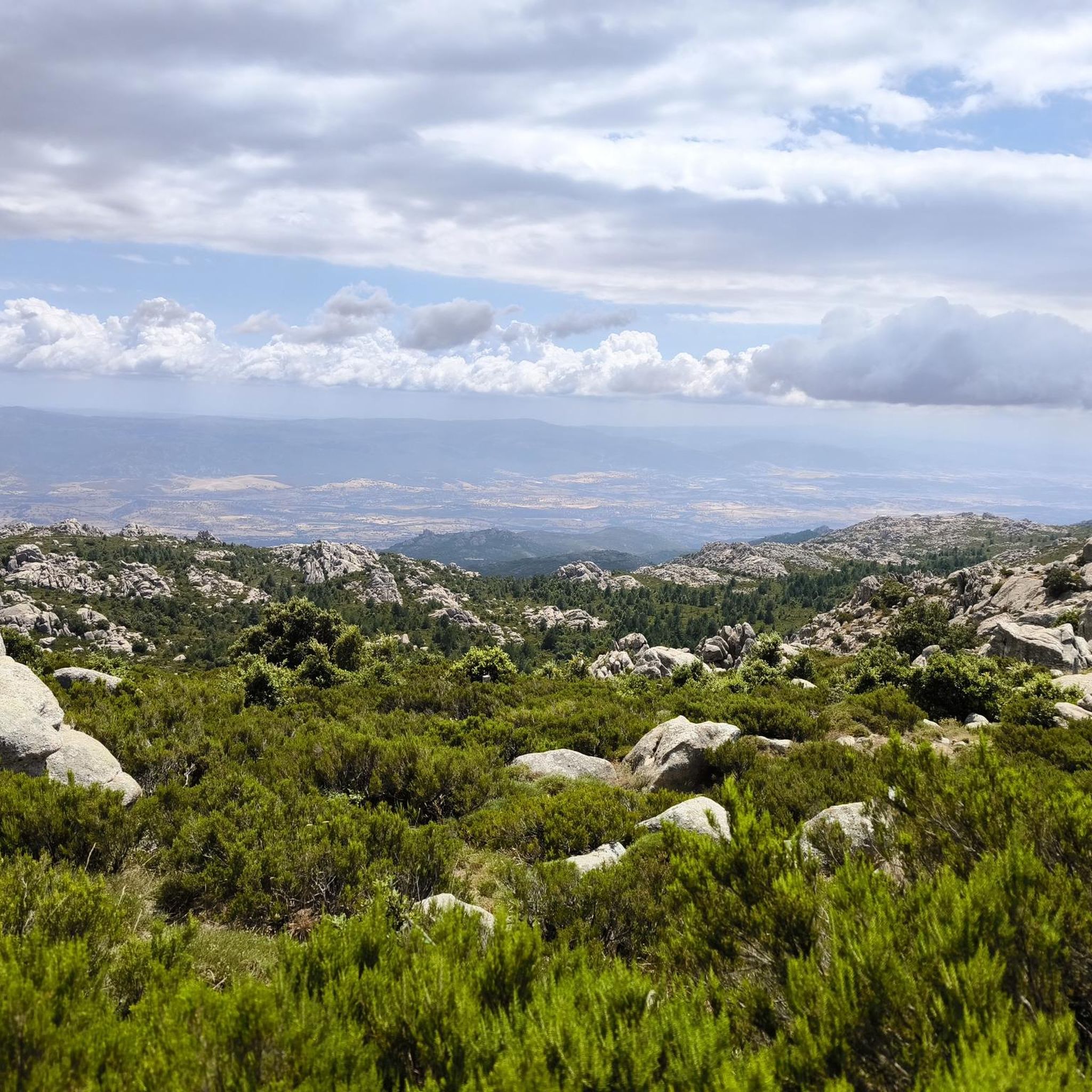
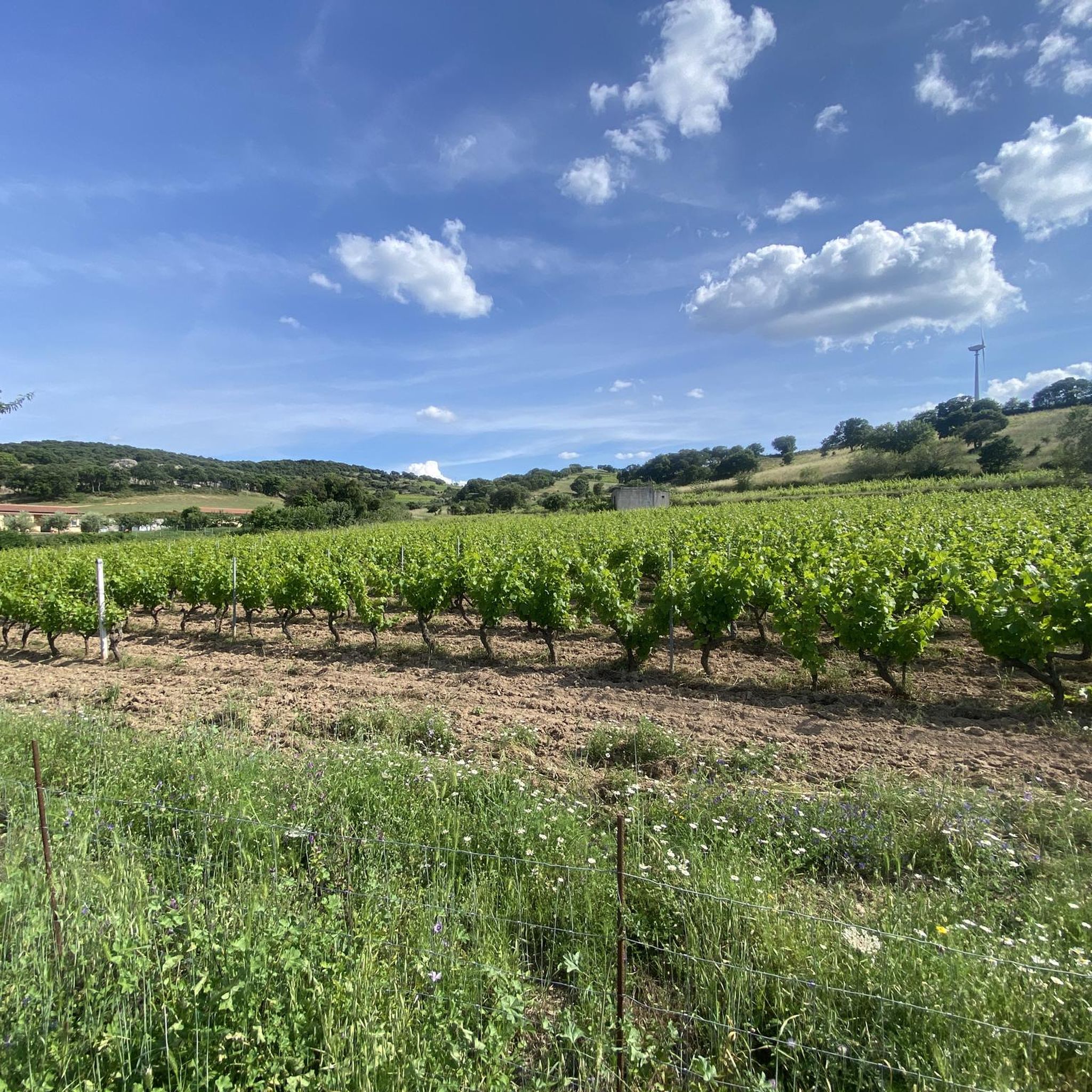
Mamoiada is nestled within a beautiful hilly landscape characterized by springs, streams, and forests. The untouched countryside of the Nuoro region provides an excellent starting point for excursions into nature, where you can also discover numerous archaeological sites. The ancient Shepherds' Paths (Sentieri dei Pastori), once used for transhumance, now offer unique panoramic views between Gennargentu and Supramonte, perfect for exploring the natural beauty.
Can I go hiking or mountain biking near Mamoiada?
Absolutely. The ancient Shepherds' Paths around Mamoiada are ideal for hiking and mountain biking, offering unique panoramic views and opportunities to discover ancient rural huts known as 'sos pinnettos'. For specific routes, you can explore options like the hiking trails around Mamujada/Mamoiada, which include routes like 'Mount Gonare — Ring tour' or various loops around Orgosolo. For cycling, check out the cycling routes around Mamujada/Mamoiada, such as the 'Mamoiada loop'.
What is the best time to visit Mamoiada for outdoor activities?
Mamoiada's hilly landscape, crisscrossed by springs, streams, and forests, makes it suitable for outdoor activities like hiking and mountain biking. While specific seasonal recommendations depend on the activity, generally, spring and autumn offer pleasant temperatures for exploration. Summer can be warm, but the natural features still provide opportunities for countryside excursions.
Are there any family-friendly attractions or activities in Mamoiada?
Yes, Mamoiada offers several family-friendly experiences. The Museum of Mediterranean Masks can be an engaging visit for families interested in local culture and traditions. Exploring the Historic Center with its cobbled streets is also a pleasant activity. For outdoor-loving families, the easier sections of the Shepherds' Paths or general countryside excursions can be enjoyable. The Sanctuary of Our Lady of Grace is also listed as family-friendly.
Where can I experience local traditions and festivals?
Mamoiada is renowned for its ancient traditions, particularly the evocative Carnival of Mamoiada. This event features the striking figures of the Mamuthones and Issohadores, which are profound symbols of archaic rituals. Witnessing their procession, especially during events like the Bonfires of Sant'Antonio in January, offers a powerful cultural experience.
Can I taste local wine in Mamoiada?
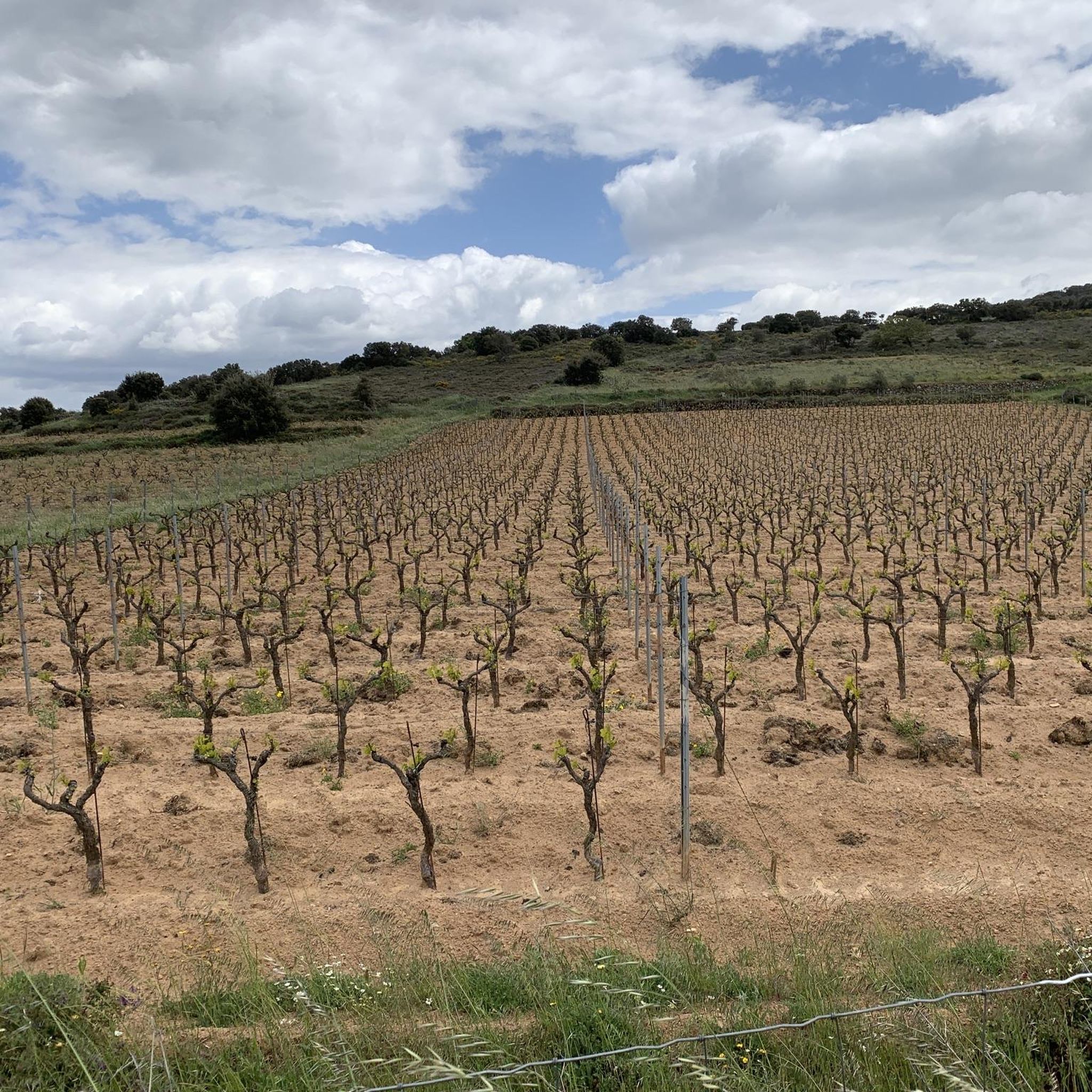
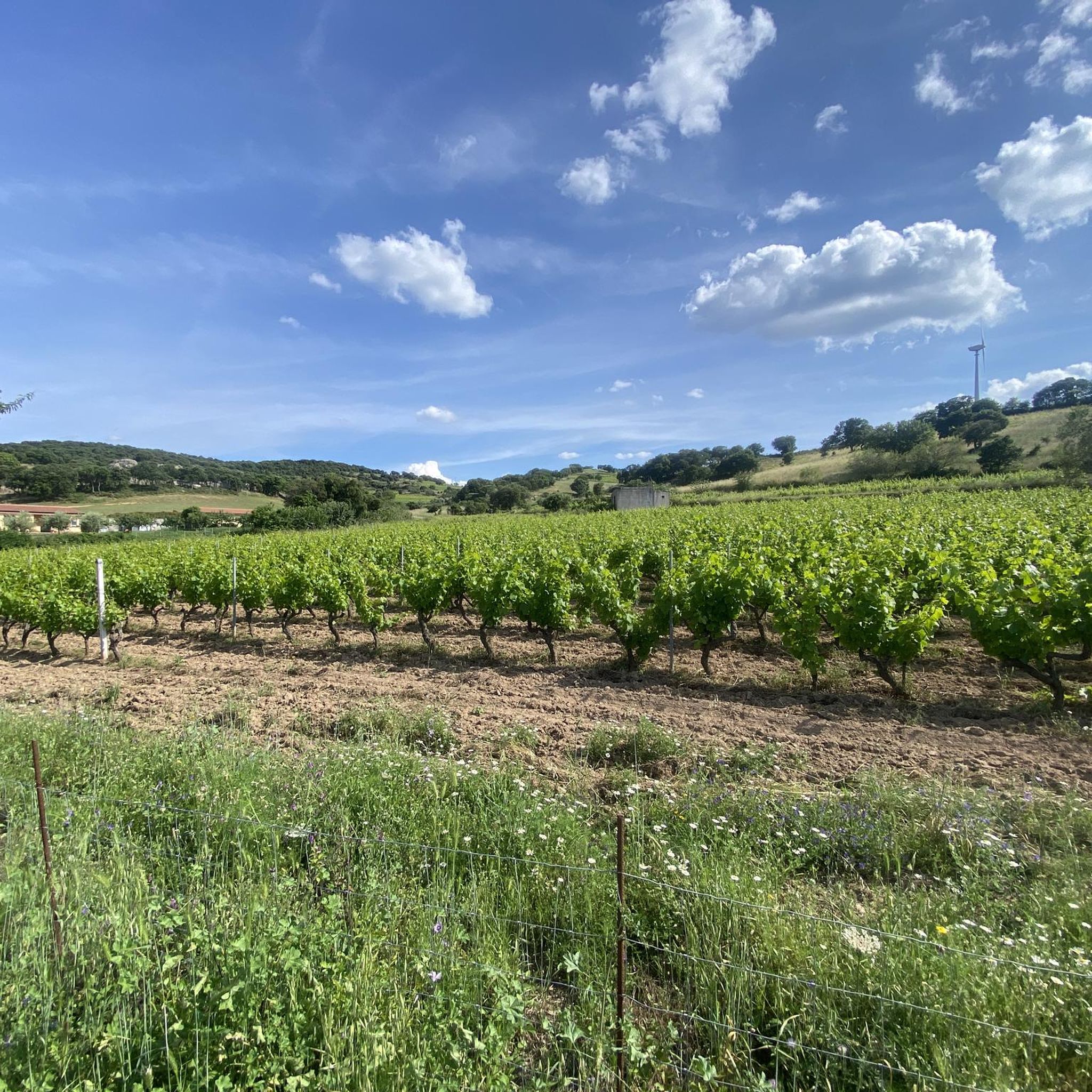
Yes, Mamoiada is a prominent winemaking region, particularly known for its full-bodied Cannonau red wine. Visitors can explore numerous small to medium-sized wineries in the area. Many offer wine tastings, often set in picturesque vineyards, where you can learn about local winemaking traditions and indigenous grape varieties like Granazza.
What do visitors enjoy most about the attractions around Mamoiada?
Visitors appreciate the blend of cultural, historical, and natural attractions. The Murals of Orgosolo are highly popular for their depiction of historical events and social commentary, with many stylistically influenced by cubism. The Christ the Redeemer statue on Monte Ortobene is also a favorite, offering a significant monument at 925 meters above sea level. The region's rich history, from ancient archaeological sites to vibrant cultural traditions, also leaves a lasting impression on visitors.
Are there any unique viewpoints or scenic spots in the area?
Yes, the region offers several scenic spots. The Shepherds' Paths provide unique panoramic views between Gennargentu and Supramonte. Additionally, the Christ the Redeemer statue on Monte Ortobene is located on a granite hill at 925 meters above sea level, offering expansive views. The untouched countryside around Mamoiada itself provides numerous picturesque settings for excursions.
Most popular attractions around Mamujada/Mamoiada

Get inspired with the komoot mobile app


Explore more
Still not found the Highlight you’re looking for? See guides of the top attractions in other regions:
