Top 9 Castles around Acquapendente
Best castles around Acquapendente are found in the province of Viterbo, Italy, a region known for its historical fortifications and picturesque landscapes. The area features a blend of medieval architecture, including imposing castles and watchtowers, set amidst the borders of Lazio, Umbria, and Tuscany. This geographic position has historically made it a strategic location, contributing to the rich array of historical sites. Visitors can explore ancient structures that offer insights into centuries of regional history.
Best castles around Acquapendente
- The…
Last updated: July 1, 2026
Bolsena Old Town and the Rocca Monaldeschi
Highlight • Historical Site
Translated by Google •
Tip by

Sorano
Highlight • Settlement
Translated by Google •
Tip by

Sign up now to discover places like this
Get recommendations on the best single tracks, peaks, & plenty of other exciting outdoor places.
Sign up for free
San Casciano dei Bagni
Highlight • Settlement
Translated by Google •
Tip by

Orsini Fortress of Sorano
Highlight • Castle
Translated by Google •
Tip by

Vitozza
Highlight • Historical Site
Translated by Google •
Tip by

Sign up for free to discover even more castles around Acquapendente.
Sign up for free
Already have an account?
Start today with a free account
Your next adventure awaits.
Login or Signup
Popular around Acquapendente
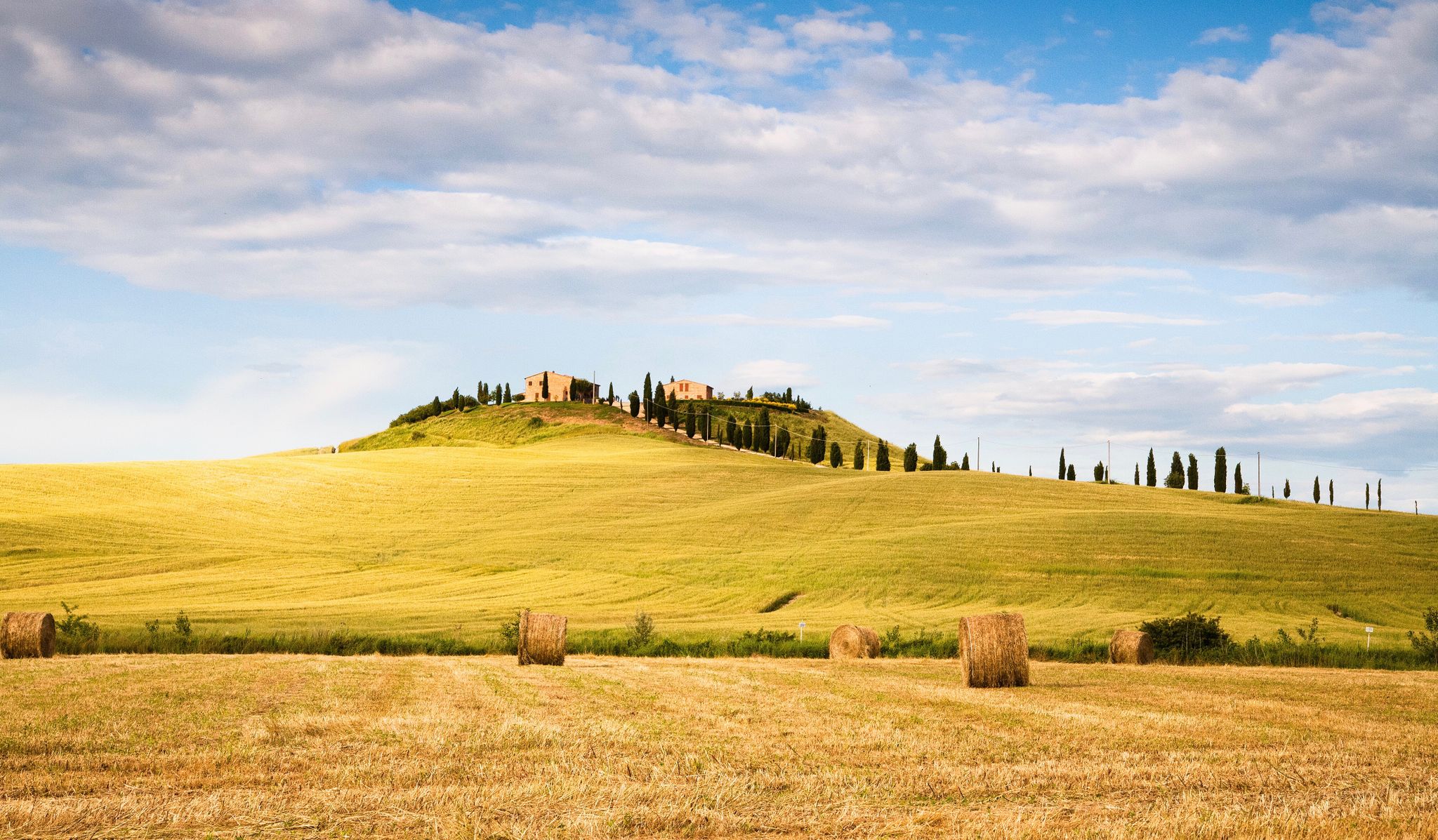
Via Francigena South — Siena to Rome
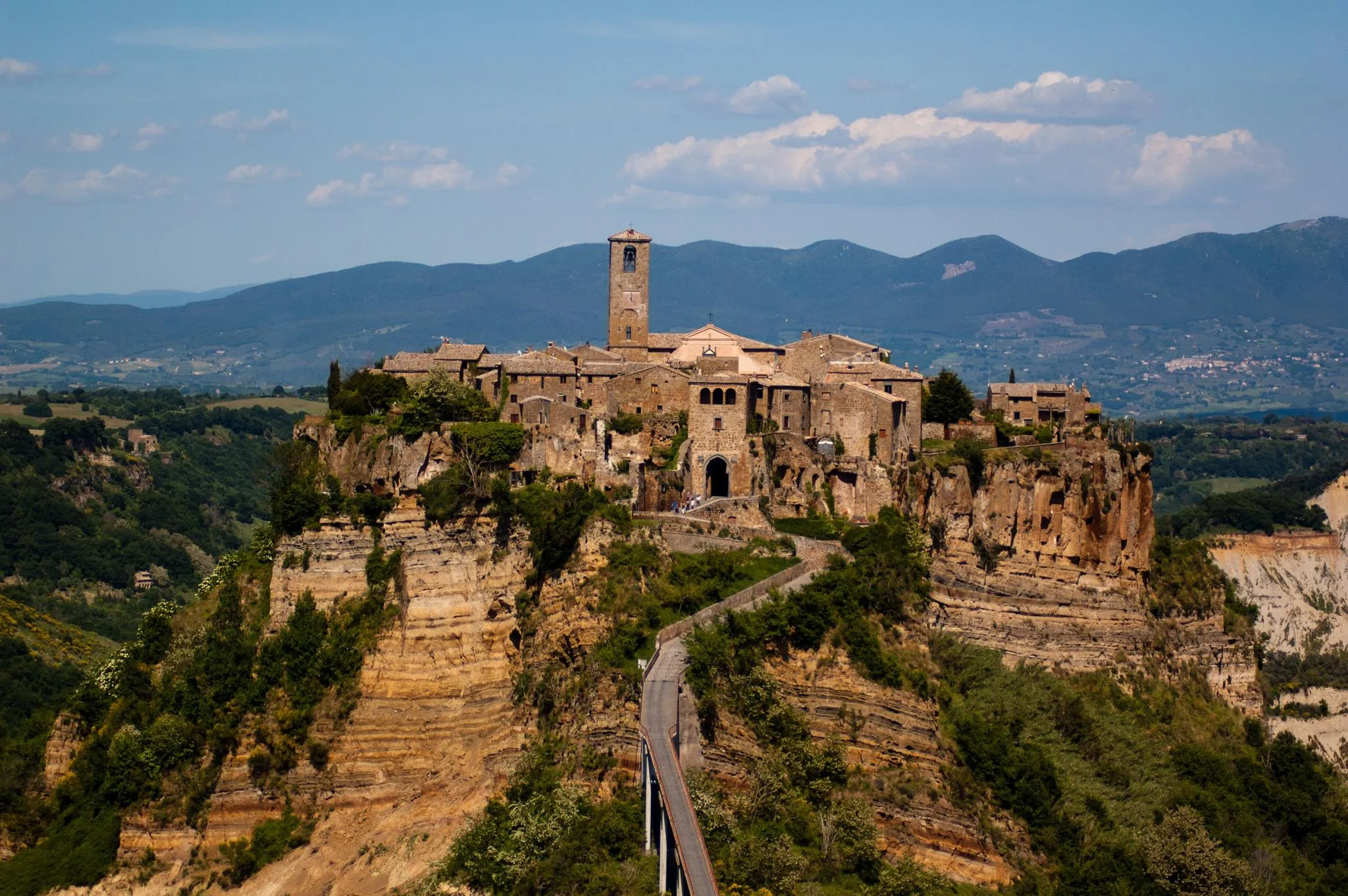
Lazio by bike – suspended villages, turquoise waters and natural parks
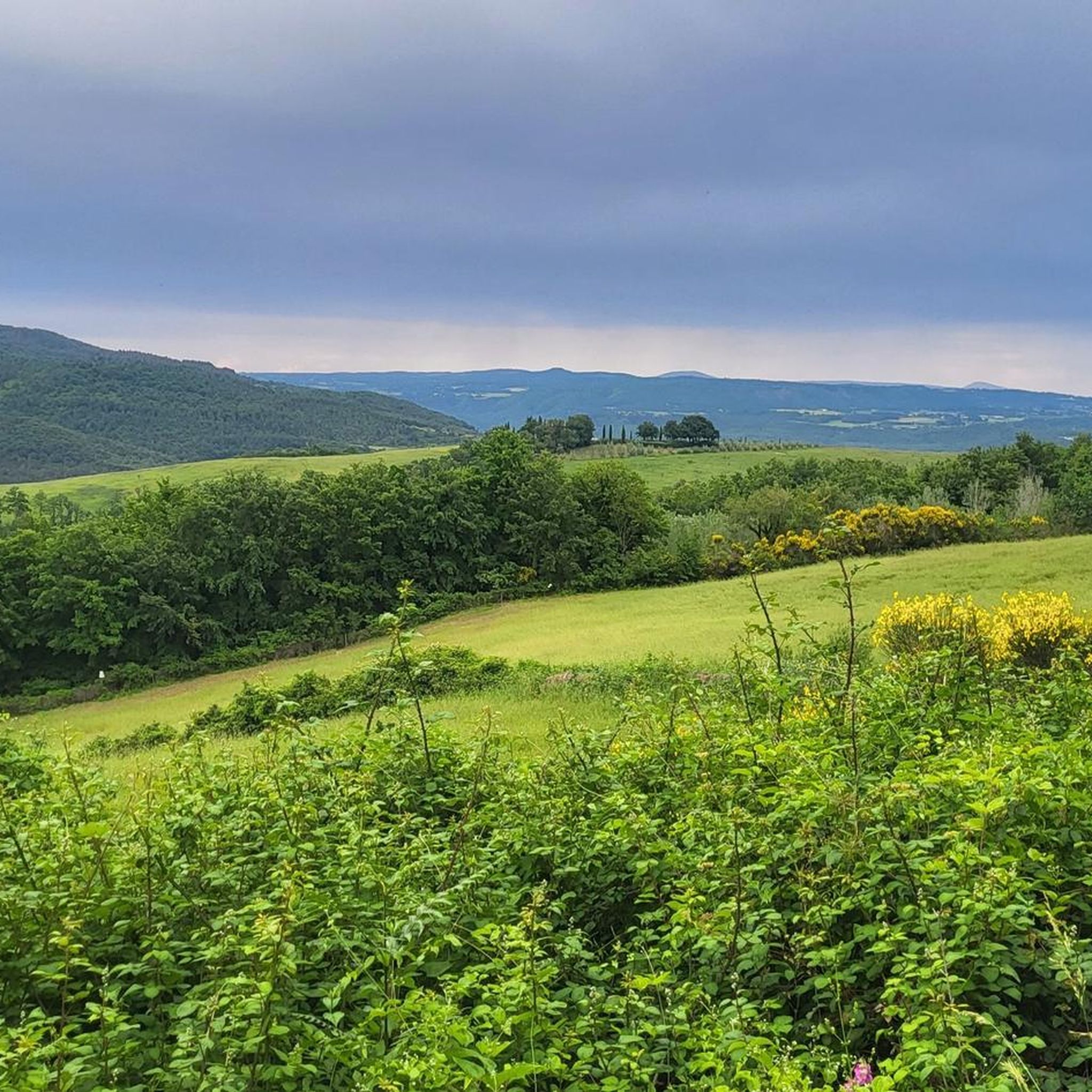
Cycling around Acquapendente
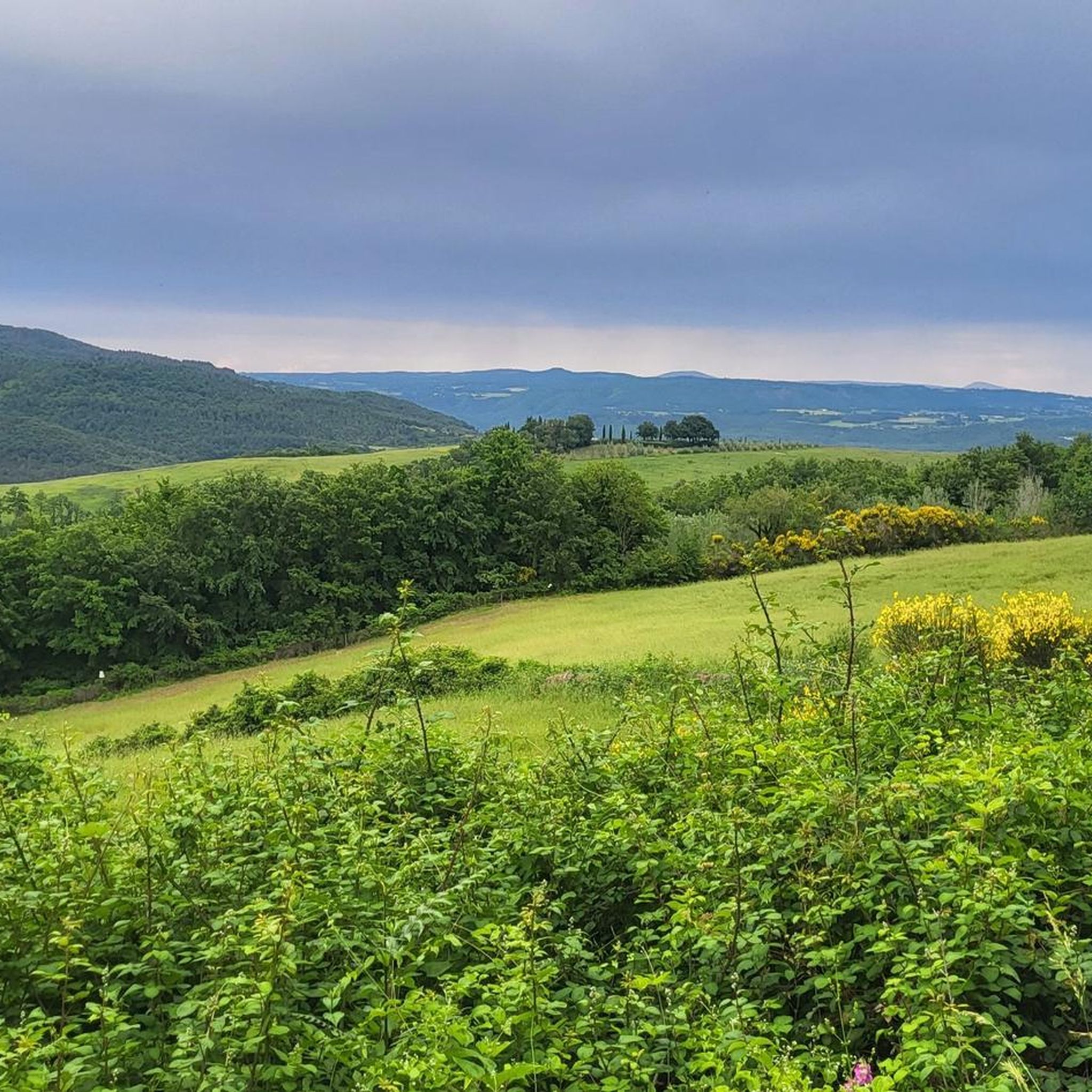
MTB Trails around Acquapendente
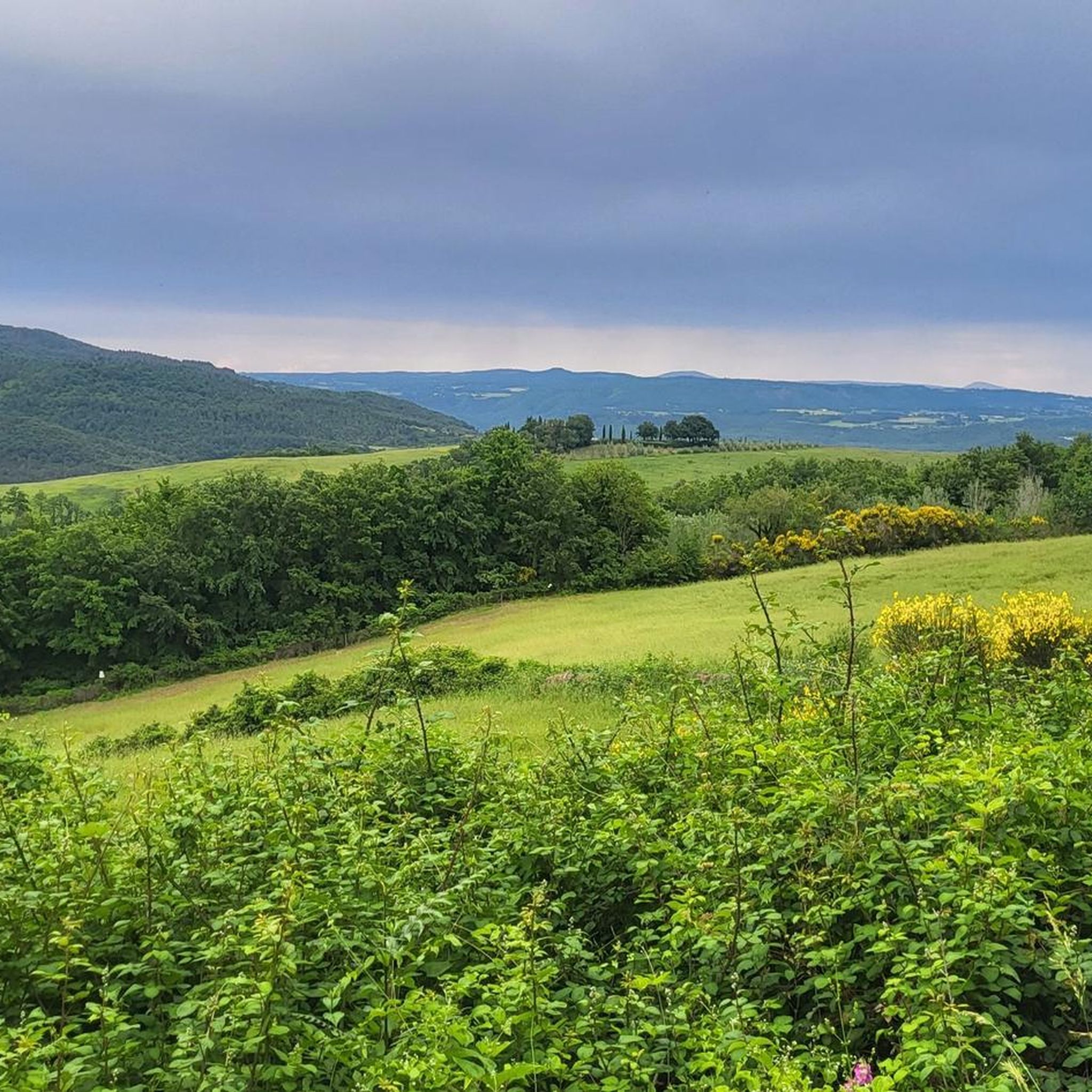
Hiking around Acquapendente
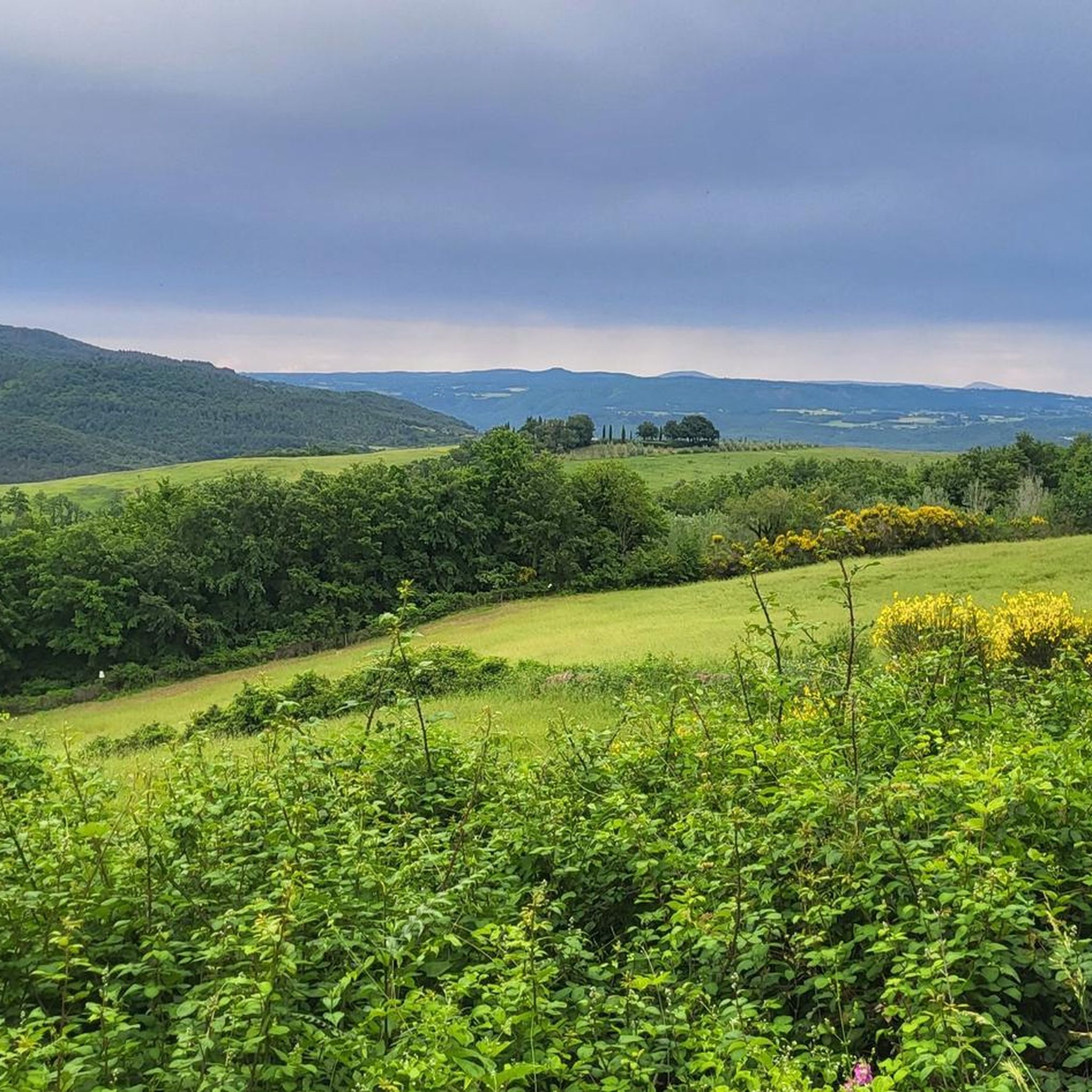
Road Cycling Routes around Acquapendente
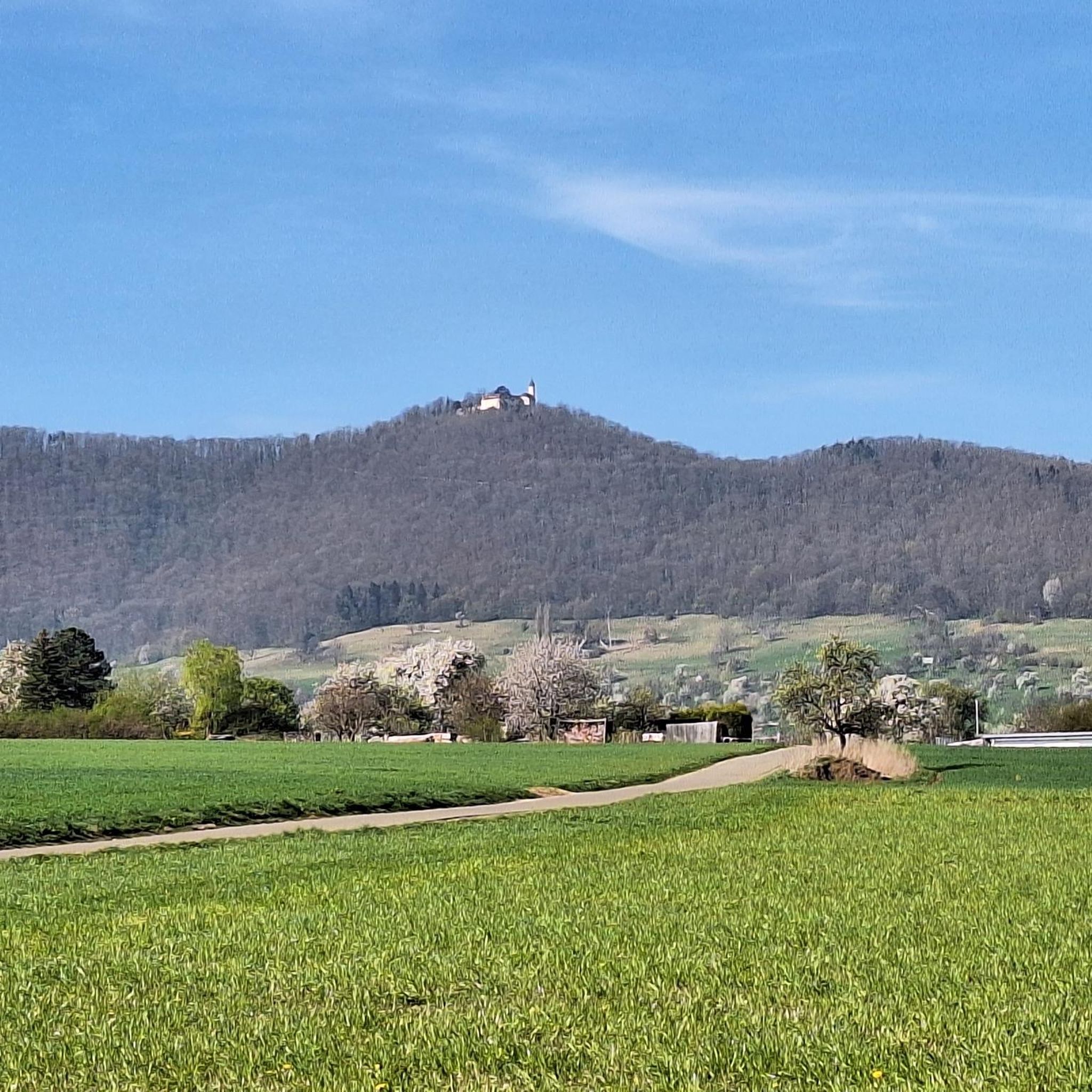
Gravel biking around Acquapendente
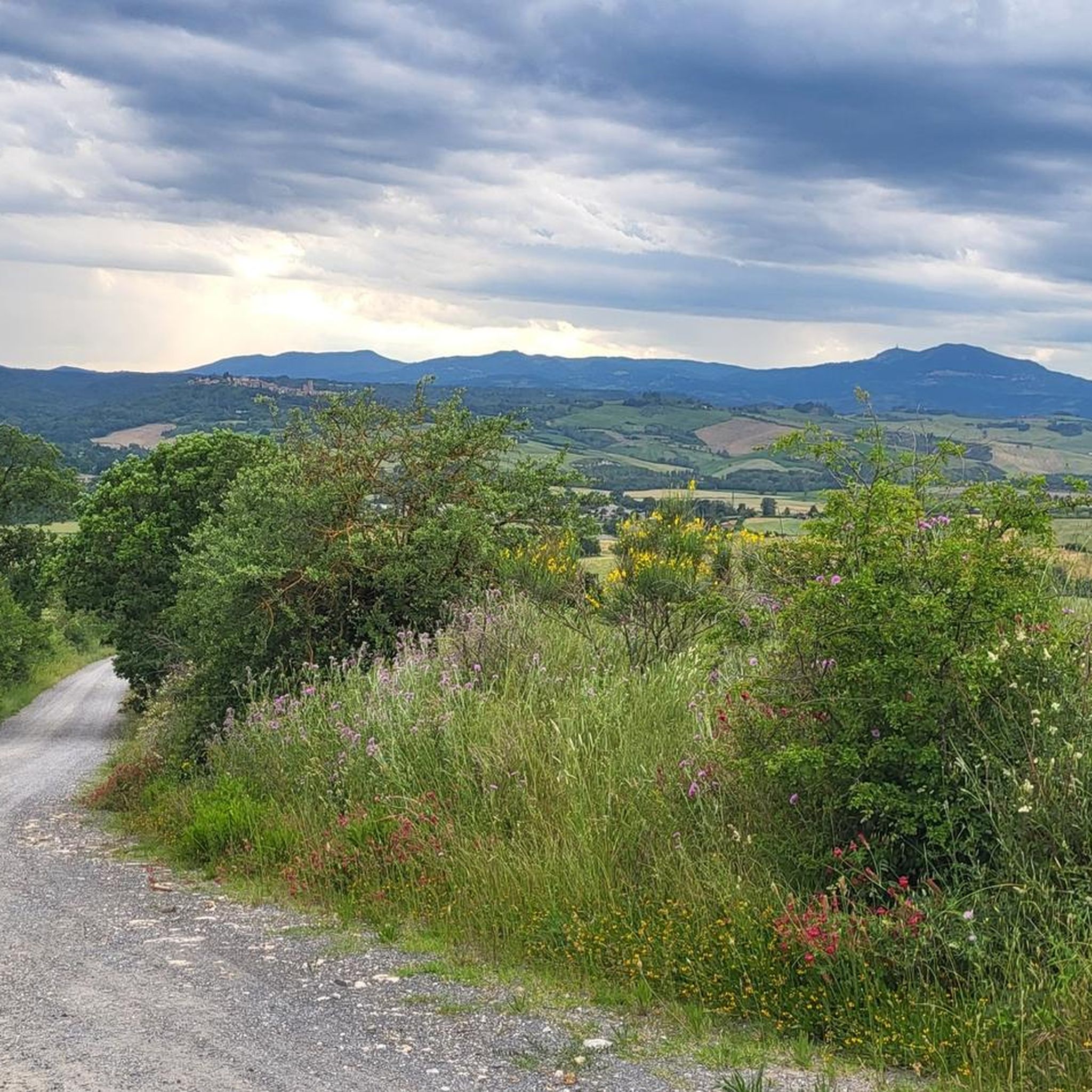
Running Trails around Acquapendente


Tips from the Community

With its imposing mass, the Orsini Fortress dominates the medieval village of Sorano and represents one of the greatest examples of medieval architecture of the Renaissance. Built by the Aldobrandeschi in the 13th century, it was later expanded and renovated by the Orsini, according to the needs imposed by the advent of firearms. The aim was to make Sorano a powerful military bulwark in the centuries-old dispute between this turbulent family and the Republic of Siena. The oldest structures, identifiable with the surviving portions of the Rocca degli Aldobrandeschi, are located in the northern area of the fortification. The complex must have been divided into two main alignments that delimited an open space facing the town below (now Piazza Cairoli) to the east and south. In the mid-16th century, other structural interventions completely modified the original layout of the ancient keep, which was adapted to the use of a count's residence. Today some of these rooms house the Civic Archaeological Museum which preserves finds from the territory of Sorano, Sovana and Castell’Ottieri. The entrance to the keep was protected by a drawbridge, now disappeared, and by a deep moat which delimited, descending into the valley, also the two gates of access to the village. The large square in front, supported on two sides by walls, was the nodal point of all the daily activities of the garrison. The sixteenth-century complex consists of a central keep where the headquarters was located and which housed the armory, the gunpowder and saltpetre warehouse, the foundry and the prisons. At the base of the building was located the guardhouse to control the main entrance to the Fortress. Above the portal stands the coat of arms with the rampant lions of the Aldobrandeschi, the rosette and the bars of the Orsini, surmounted by the crest on which rests the heraldic bear. The Mastio is connected to the two corner bastions, also decorated with a coat of arms and by embankments that delimit a second moat that was filled in during the Lorraine period. The various buildings, which make up the Renaissance complex, are connected to each other by a series of underground walkways that allowed the rapid movement of troops along the entire perimeter of the walls. The paths are dug on multiple levels and are equipped with "wolf mouth" slits suitable for defense with arquebuses and culverins. The two bastions also constituted the main deposits for food and water reserves and were used as milling rooms for the processing of grain and gunpowder. The water supply was via a system of canals connected by some cisterns dug into the tuff. In the second half of the 16th century, the political situation of the County changed radically when it became part of the Grand Duchy of Tuscany. From this moment on, the large military complex, which had withstood many battles, lost its strategic function and was gradually abandoned. Today, thanks to numerous restoration interventions, it is possible to visit the entire bastion complex of the Fortress by going to the Museum located in the fourteenth-century part.
0
0

Sorano is a small medieval town built on tuff rocks in the province of Grosseto/Tuscany.
1
0

Beautiful village
0
0


Benvenuti a Bolsena, the town to which Lago di Bolsena owes its name. With just over four thousand inhabitants, it is a relatively small city. The old medieval center is located on the hill overlooking the water. The main city on the lake shines with its simplicity and modesty. Here you will not find a large shopping center with all the well-known chains, but one long street runs from east to west on which you will find countless small shops from local entrepreneurs who sell authentic products. At the end of that long street is the Rocca Monaldeschi, a beautiful castle from the fourteenth century. In the castle you will find the municipal museum, where you can discover the history of the lake and the city of Bolsena through archaeological finds. An entrance ticket also gives access to the castle's roof terrace, where you can enjoy beautiful views.
3
0

Sorano is located in a suggestive mountainous region immersed in the richness of forests. The medieval village clings to a steep tuff rock called Masso Leopoldino, which dominates the valley of the Lente stream. The tower houses, the winding streets, the open spaces, the alleys and tunnels that intertwine in the heart of the rock give the neighborhood a unique charm. The panorama from the terrace on the top of the cliff offers exceptional views of Sorano, the volcanic gorges and the Lente valley. Over the centuries, Sorano has been the scene of disputes, sieges and wars, earning it the curious nickname of "Italy's match".
3
0
Vitozza, a significant rock settlement in the municipality of Sorano, has medieval roots, presumably at the end of the 11th century, around the castle built by the Aldobrandeschi. This castle structure is located in a rock settlement which probably saw settlements already in the Etruscan-Roman era. Over the centuries, Vitozza has passed through various dominations, including Orvieto, the Basques, the Aldobrandeschi, Siena and the Orsini. Despite its historical importance, the settlement suffered a slow decline and progressive abandonment, with the population moving to San Quirico in the sixteenth century. However, the Vitozza caves remained inhabited until the eighteenth century, as documented by the 1783 census conducted by the Lorena family. The history of Vitozza is today told through descriptive panels at the entrances to the caves, highlighting the people and families who lived there centuries ago.
2
0
Frequently Asked Questions
What are some of the most historically significant castles or fortifications in the Acquapendente area?
The region boasts several sites with deep historical roots. The imposing Castle of Torre Alfina, though not a Komoot highlight, is a significant example with origins tracing back to the 8th century, featuring Renaissance transformations and five medieval towers. Within Acquapendente itself, remnants of the Imperial Castle include a notable Watch Tower, showcasing the town's medieval past. Other historically rich sites include the 11th-century Monaldeschi della Cervara Fortress and Bolsena Old Town and the Rocca Monaldeschi, a massive 14th-century castle overlooking Lake Bolsena.
Are there any castles around Acquapendente that offer panoramic views?
Yes, many castles in the area provide stunning vistas. From the Castle of Torre Alfina, you can enjoy breathtaking panoramic views of the village and the surrounding countryside, which lies on the borders of Lazio, Umbria, and Tuscany. The Rocca Monaldeschi in Bolsena offers panoramic views from its roof terrace. Similarly, the Monaldeschi della Cervara Fortress provides splendid panoramas of the village and Lake Bolsena. The Radicofani Fortress also offers an incredible landscape view, stretching towards Siena to the north and hinting at Lake Bolsena to the south.
Which castles are particularly suitable for families with children?
Several locations are family-friendly. The Monaldeschi della Cervara Fortress in Bolsena is categorized as family-friendly, offering an engaging experience with its medieval architecture and views. The village of Sorano, with its unique charm, winding streets, and tunnels, can be an exciting exploration for families. Additionally, San Casciano dei Bagni, a beautiful village on a panoramic hill, is also noted as family-friendly.
What kind of outdoor activities can I do near these castles?
The area around Acquapendente is excellent for various outdoor activities. You can find numerous routes for gravel biking, cycling, and running. For example, there are challenging gravel biking routes like the 'San Casciano dei Bagni – Salci village loop' or the 'Pitigliano Historic Hilltop Town – View of Sorano loop'. Cycling enthusiasts can explore routes such as the 'Bartali cycle path in the Monte Rufeno Nature Reserve' or the 'Bolsena Lake Promenade – View of Bolsena loop from Castello di Torre Alfina'. For runners, there are moderate to difficult trails like the 'Running loop from Acquapendente'. You can find more details and routes in the Gravel biking around Acquapendente, Cycling around Acquapendente, and Running Trails around Acquapendente guides.
Are there museums or cultural exhibits within the castles?
Yes, some castles house museums that offer insights into the region's history. The Rocca Monaldeschi in Bolsena contains a municipal museum with archaeological finds, detailing the history of Lake Bolsena and the city. Similarly, the Monaldeschi della Cervara Fortress has been transformed into the territorial museum of Lake Bolsena, showcasing Etruscan, Roman, and medieval artifacts across three floors. The Torre Julia de Jacopo in Acquapendente also serves as an exhibition space.
What is the best time of year to visit the castles around Acquapendente?
The region, bordering Lazio, Umbria, and Tuscany, offers a pleasant climate for much of the year. Spring and autumn generally provide the most comfortable temperatures for exploring historical sites and engaging in outdoor activities like hiking or cycling. These seasons avoid the peak heat of summer and the cooler, potentially wetter conditions of winter, making for ideal visiting conditions.
What natural features or landscapes can I expect to see near these castles?
The castles are often set amidst beautiful natural surroundings. The Castle of Torre Alfina offers views of a landscape that is a paradise for nature lovers, trekkers, and history enthusiasts, including the nearby Sasseto wood with its ancient trees. Bolsena Old Town and the Rocca Monaldeschi and Monaldeschi della Cervara Fortress are situated overlooking the volcanic Lake Bolsena. Sorano is perched on a tuff cliff, dominating the valley of the Lente stream, offering views of volcanic gorges. The Radicofani Fortress provides views over the Tuscan hills.
Are there any hidden gems or lesser-known castles worth exploring?
While the Castle of Torre Alfina is well-known regionally for its grandeur, the Castle of Trevinano, known since the 12th century, is another historical fortification in a 'frazione' of Acquapendente that might offer a more secluded experience, though specific visitor details are less common. Exploring the smaller, winding streets of medieval villages like Sorano can also reveal hidden corners and unique architectural details.
What makes the village of Sorano a unique place to visit?
Sorano is affectionately known as 'the Matera of Tuscany' due to its unique setting. This medieval village is dramatically perched on a tuff cliff, featuring tower houses, winding streets, alleys, and tunnels that intertwine within the rock itself. The majestic Orsini fortress adds to its charm, and the panorama from the cliff's terrace offers exceptional views of Sorano, volcanic gorges, and the Lente valley.
What can I expect when visiting Bolsena Old Town and its Rocca Monaldeschi?
Bolsena Old Town and the Rocca Monaldeschi is a historical site dominated by a massive 14th-century castle overlooking Lake Bolsena. The town itself is relatively small, with a medieval center on a hill. Inside the Rocca Monaldeschi, you'll find a municipal museum with archaeological finds, and an entrance ticket also grants access to the castle's roof terrace, offering beautiful views of the lake and surrounding area. The town's long street features small shops from local entrepreneurs selling authentic products.
Is it possible to visit the interior of the Castle of Torre Alfina?
The Castle of Torre Alfina is a private property that occasionally opens for events, tours, or stays. It spans 5,000 square meters across five levels and includes exquisite interiors such as a frescoed gallery, sumptuous lounges, a dining room, and a library. It also features a 1,000-square-meter Renaissance garden. For current visiting opportunities, it's advisable to check local tourism information or the castle's official channels, as it's not a publicly managed Komoot highlight.
Most popular routes around Acquapendente
Most popular attractions around Acquapendente

Get inspired with the komoot mobile app


Explore more
Looking for the best castles somewhere else? Discover other guides around Acquapendente:
