Attractions and Places To See around Tratalias - Top 20
Best attractions and places to see around Tratalias include historical landmarks, archaeological sites, and natural features in southwestern Sardinia. This charming village, with origins tracing back to around the year 1000, offers a journey through its rich past and cultural traditions. Once the most important settlement in the Sulcis region, Tratalias has been revitalized for tourism, maintaining its historical memory. The area is characterized by its well-preserved sites and diverse landscapes.
Best attractions and places to see around Tratalias
- The…
Last updated: October 10, 2026
Tratalias–Sant'Antioco Cycle Path
Highlight (Segment) • Cycleway
Translated by Google •
Tip by

Vacca Point
Highlight • Beach
Translated by Google •
Tip by

Sign up now to discover places like this
Get recommendations on the best single tracks, peaks, & plenty of other exciting outdoor places.
Roman Bridge of Sant'Antioco
Highlight • Bridge
Translated by Google •
Tip by

Su Pisu Savoyard Fort
Highlight • Historical Site
Translated by Google •
Tip by

Old Tratalias
Highlight • Historical Site
Translated by Google •
Tip by

Sign up for free to discover even more attractions around Tratalias.
Already have an account?
Start today with a free account
Your next adventure awaits.

Other adventures around Tratalias

Tips from the Community

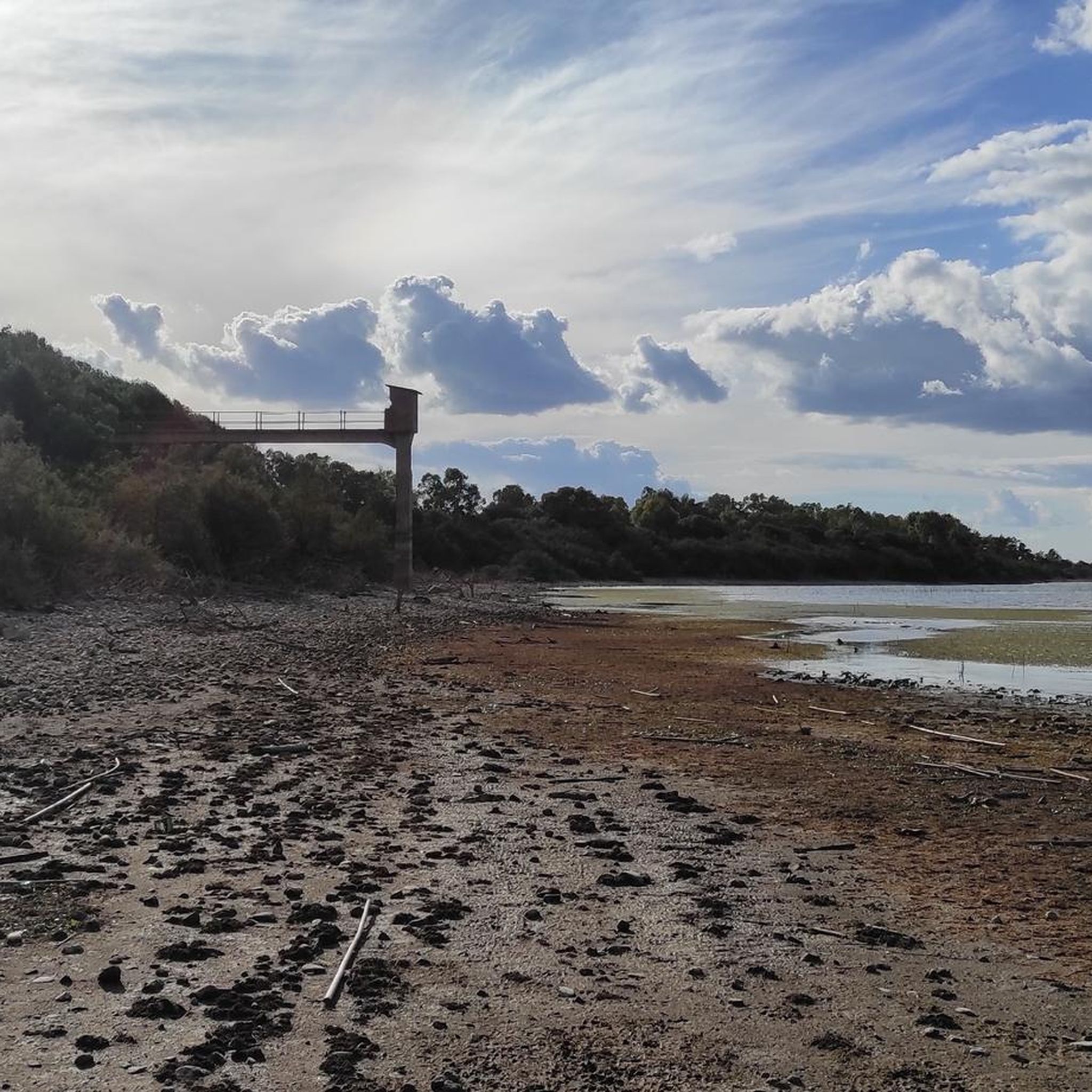
Honestly it's not much but the view is amazing which is why they built it there
0
0

This is the most beautiful stretch of the cycle path that connects Tratalias and the island of Sant'Antioco. Here you cycle through the Santa Caterina pond, on a very narrow strip of sand surrounded by the sea. A unique cycle path!
1
0

Ponto Romano is the last of the 3 ancient Roman bridges that led to the island of Sant Antioco. The bridge was still in use until 1954, when the alternative road was built. In 2006 the bridge was restored.
0
0

The island has been inhabited since the 5th millennium BC, as evidenced by remains of the Ozieri culture. Domus de Janas and menhirs also bear witness to Neolithic settlement. Nuraghes, such as the Su Niu de Su Crobu (Crow's Nest), date back to the Bronze Age.
4
0
Sant'Antioco is the second largest island in the Italian region of Sardinia. With an area of 109 km², it is also the fourth largest Italian island. It is located about 87 km from Cagliari and is connected to the island of Sardinia by a bridge. Sant'Antioco belongs to the province of Sulcis Iglesiente, the most important towns are Sant'Antioco, Calasetta and the tourist resort of Maladroxia.
4
0

The Savoy Su Pisu Fort, also known as "Sa guardia de Su Pisu" or "the castle," dominates the island from atop a 60-meter hill. This military structure was built between 1813 and 1815. Its location was previously occupied by Punic walls, which had partially demolished a nuraghe. At the time, the island of Sant'Antioco was constantly threatened by incursions from the Ottoman Empire, particularly from Tunis, where ships carrying Barbary pirates set sail to plunder the poorly defended villages along the Sardinian coast.
1
0

Beautiful little known place
0
0

State road that quickly connects Sant'Antioco to Calasetta, it is possible to opt for the Strada Su Pranu (parallel East) which is favored by cyclists and pedestrians because it is undoubtedly more panoramic
1
0
Frequently Asked Questions
What historical and cultural sites can I explore in Tratalias?
Tratalias offers a rich historical experience. You can visit the magnificent Church of Saint Mary of Montserrat, a stunning example of Sardinian Romanesque art. Explore the charming
Tratalias Vecchia (Old Medieval Village)
with its stone houses, craft shops, and the Museo del Territorio Trataliese. The area is also rich in ancientNuragic archaeological sites
, including the Nuraghe is Meurras complex, and the Roman Bridge of Sant'Antioco, a unique ancient structure connecting the mainland to an island. Don't miss the Su Pisu Savoyard Fort for its historical significance and panoramic views.Are there any natural features or viewpoints worth visiting near Tratalias?
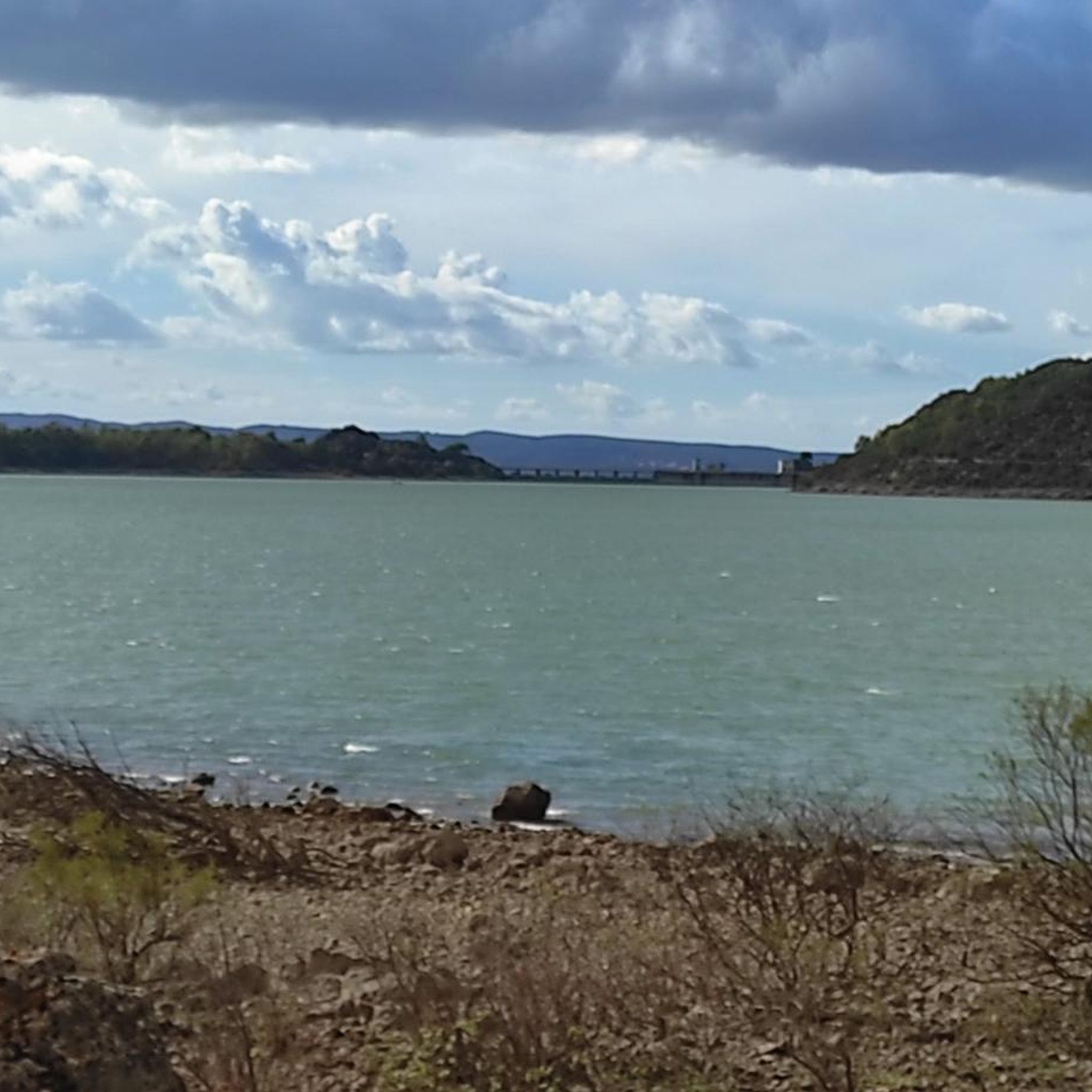
Absolutely. The Tratalias–Sant'Antioco Cycle Path offers scenic views overlooking the sea and the Santa Caterina pond, where you can observe pink salt collection. For breathtaking vistas, head to Vacca Point on Sant'Antioco island. The
Monte Pranu Park Natural Oasis
provides opportunities to explore the artificial Lake of Monte Pranu and its surrounding landscapes.What outdoor activities, like cycling or hiking, can I do around Tratalias?
The region around Tratalias is excellent for outdoor enthusiasts. You can enjoy cycling along the Tratalias–Sant'Antioco Cycle Path. For more extensive cycling adventures, explore the Cycling routes around Tratalias, which include tours of Sant'Antioco island. If you prefer road cycling, there are Road Cycling Routes, and for off-road experiences, consider the Gravel biking routes in the area. The Monte Pranu Park Natural Oasis also offers marked itineraries for horseback riding and mountain biking.
Are there family-friendly attractions in the Tratalias area?
Yes, several attractions are suitable for families. The Tratalias–Sant'Antioco Cycle Path is a great option for a leisurely family bike ride. Historical sites like the Church of Saint Mary of Montserrat and the Roman Bridge of Sant'Antioco offer educational and engaging experiences for all ages. Exploring the
Tratalias Vecchia (Old Medieval Village)
with its craft shops and museum can also be a fascinating family outing.What is the best time of year to visit Tratalias?
Tratalias, located in southwestern Sardinia, generally enjoys a Mediterranean climate. Spring (April-May) and early autumn (September-October) are often considered the best times to visit. During these months, the weather is pleasant for exploring historical sites and engaging in outdoor activities like cycling, without the intense heat of summer. The natural landscapes are also particularly vibrant in spring.
How long should I plan for a visit to the attractions around Tratalias?
To fully appreciate the historical, cultural, and natural attractions around Tratalias, a visit of at least 1-2 full days is recommended. This allows time to explore the Old Medieval Village and its church, visit archaeological sites, and enjoy a scenic cycle ride or a trip to Sant'Antioco island. If you plan to engage in longer cycling routes or explore more of the Sulcis region, you might consider a longer stay.
What unique cultural traditions or events are associated with Tratalias?
Tratalias preserves a unique tradition called "Sa Festa Manna," where the statue of the Virgin of Montserrat is paraded back to Tratalias from Iglesias on Ascension Thursday each year. The
Museo del Territorio Trataliese
in the old village provides further insight into the history and cultural traditions, including folk and religious festivals, of the area.What kind of archaeological sites can be found near Tratalias?
The territory of Tratalias is rich in ancient history, featuring numerous
Nuragic archaeological sites
. You can find 11 nuraghi, four villages, and two Tombs of Giants identified in the area, such as the Nuraghe is Meurras complex and Nuraghe Carroccia. TheMonte Pranu Archaeological Complex
, revealed by receding water levels, also contains monuments spanning from prehistory to the Middle Ages, offering a glimpse into millennia of human habitation.What do visitors enjoy most about the attractions around Tratalias?
Visitors particularly enjoy the unique experience of cycling along the Tratalias–Sant'Antioco Cycle Path, especially the stretch through the Santa Caterina pond. The historical significance and architectural beauty of the Church of Saint Mary of Montserrat are also highly appreciated. Many are captivated by the scenic views from Vacca Point and the historical insights offered by sites like the Su Pisu Savoyard Fort.
Can I find any hidden gems or less-known spots in the Tratalias area?
Beyond the main attractions, exploring the revitalized
Tratalias Vecchia (Old Medieval Village)
itself can feel like discovering a hidden gem, with its artisan workshops and the quiet charm of its ancient streets. The variousNuragic archaeological sites
scattered throughout the territory, such as the well-preserved monotower Nuraghe Cuccu, offer a deeper dive into the region's ancient past away from more crowded spots.Is there public transport available to reach attractions around Tratalias?
While specific public transport routes directly to every attraction might be limited, Tratalias is connected to nearby towns. For exploring the wider region and reaching attractions like those on Sant'Antioco island, it's often advisable to use a car or bicycle. The Tratalias–Sant'Antioco Cycle Path provides a dedicated route for cyclists to reach Sant'Antioco.
Most popular routes around Tratalias
Most popular attractions around Tratalias

Get inspired with the komoot mobile app


Explore more
Still not found the Highlight you’re looking for? See guides of the top attractions in other regions:
