Attractions and Places To See around Torrevecchia Pia - Top 20
Best attractions and places to see around Torrevecchia Pia, a municipality in the Province of Pavia, Lombardy, Italy, is a smaller town situated approximately 25 km southeast of Milan and 15 km northeast of Pavia. While direct widely-known tourist attractions within Torrevecchia Pia itself are not extensively documented, the surrounding area offers a wealth of notable landmarks, natural features, and cultural sites. Visitors can explore historical sites, religious buildings, and man-made monuments in the nearby cities of Pavia and Milan.
…Last updated: August 12, 2026
Certosa of Pavia (Charterhouse of Pavia)
Highlight • Religious Site
Translated by Google •
Tip by

Viboldone Abbey
Highlight • Religious Site
en.wikipedia.org/wiki/Viboldone_Abbey
Tip by

Sign up now to discover places like this
Get recommendations on the best single tracks, peaks, & plenty of other exciting outdoor places.
Sign up for free
Sanctuary of Santa Maria ad Fontem
Highlight • Religious Site
Translated by Google •
Tip by

Rocca Brivio
Highlight • Historical Site
Translated by Google •
Tip by

Campomorto Abbey
Highlight • Religious Site
Translated by Google •
Tip by

Sign up for free to discover even more attractions around Torrevecchia Pia.
Sign up for free
Already have an account?
Start today with a free account
Your next adventure awaits.
Login or Signup

Tips from the Community

Abbey Built by the Order of the Humiliati, it was one of the first places where raw wool was processed into felt, which was used to make the first overcoats. Today it is managed by a cloistered community of Benedictine nuns.
1
0


The Viboldone Abbey is a jewel of medieval architecture that transmits peace and meditation, an oasis of peace surrounded by greenery. Getting there by bike allows you to appreciate the contrast between the tranquility of the place and the rural context that surrounds it, offering a regenerating and contemplative break in the heart of the Lombardy plain. A corner of history and beauty that is worth every pedal stroke.
0
0

Founded in 1176 and completed in 1348 by the Umiliati, a religious order formed by monks, nuns and lay people who, around the church, led a life of prayer and work. Later, after the suppression of the Umiliati, the abbey passed to the Olivetan Benedictines. 20th century In 1940, Cardinal Ildefonso Schuster, after years of abandonment, offered the abbey to a community of nuns led by Margherita Marchi, who had separated from the congregation of the Benedictine nuns of Priscilla. The monastery sui iuris of the Benedictine nuns of Viboldone was canonically erected on 1 May 1941: the nuns dedicate themselves to the production of jams and, since 1945, have carried out an important religious and theological publishing activity, in addition to their more strictly monastic commitments. In 1965 Paul VI ordered that the abbot of Montserrat, Aureli Maria Escare, be transferred there to protect him from Franco's persecution[1]. For many years, the chaplain of the Benedictine community was Luisito Bianchi (1927-2012).
0
0
This monumental complex was born as a defensive bulwark. Towards the end of 1300, it lost its military function to become a manor house within the land purchased by the Brivios, nobles of Germanic origin whose wealth came from agricultural activities. The name of Rocca derives from the fact that originally the building was one of the defensive bulwarks erected along the Milan - Lodi road in the early Middle Ages, at the time of the wars that pitted the Municipality of Milan against the Municipality of Lodi. The current building was built in 1600 by the Brivio marquises on the ruins of the pre-existing castle. It was at the center of important war episodes, such as the Battle of Marignano in 1515 and in 1859, when on 8 June Napoleon III and Vittorio Emanuele II entered Milan victorious, defeating the Austrians. From an architectural point of view it is a baroque palace built with a rather elaborate scheme: the north-west part houses a noble chapel, rich in typically seventeenth-century stucco and gilding. The entrance has a large portal with a beautifully crafted wrought iron gate, the work of a craftsman from Melegnano from the 1700s, rich in scrolls and arabesques. Since 1996 it has been public property and hosts painting exhibitions, classical music concerts and conferences of national importance in its halls with frescoed ceilings and large fireplaces.
1
0

Here, already in the 13th century, a tabernacle dedicated to the Virgin Mary stood next to a source that was said to be miraculous. Even if no miracle is known, over time the fame of this place grew so much that it led the Trivulzio family to build a chapel in 1470 and a real sanctuary a hundred years later. During the plague of 1630 many reported having been saved by the miraculous waters which are still collected today in tubs located at the back of the lower church.
3
0

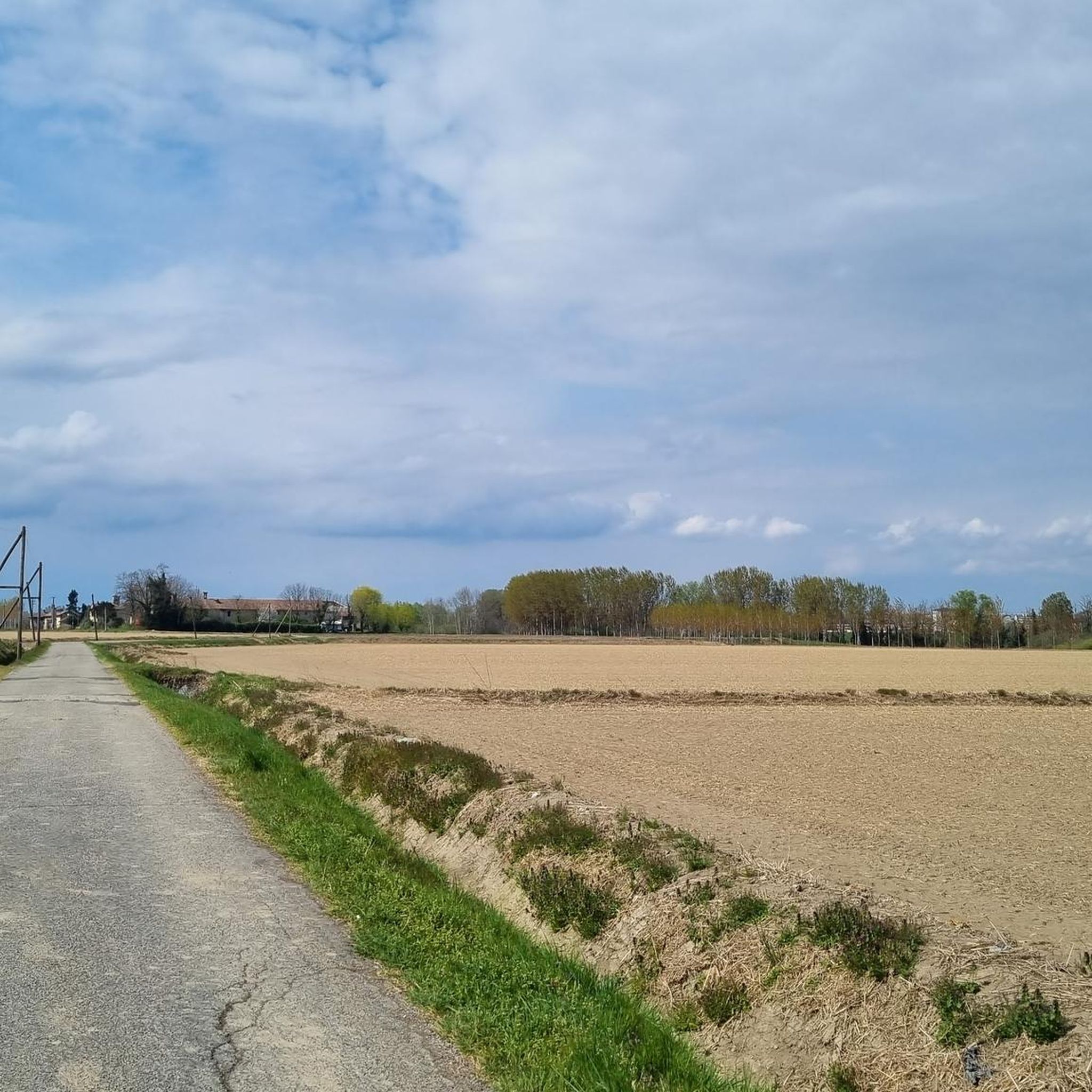
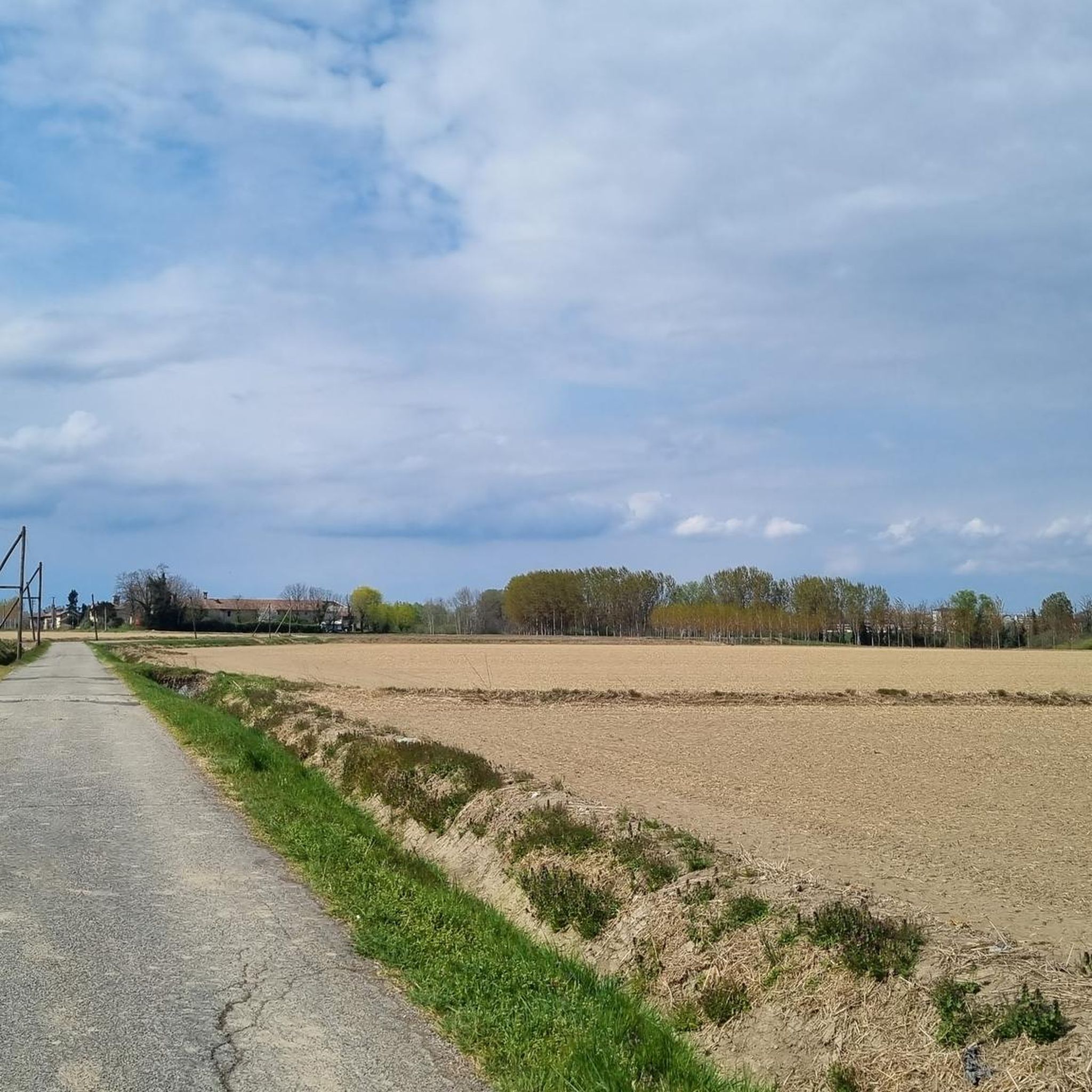
Sixteenth-century fortress immersed in the countryside between San Giuliano and Melegnano. It can be reached either by taking a pleasant dirt road through the fields or by a more comfortable asphalt road. It is not always open so don't be disappointed if the gate is closed
1
0
Frequently Asked Questions
What historical and cultural sites can I visit near Torrevecchia Pia?
The area surrounding Torrevecchia Pia is rich in history and culture. A must-see is the Certosa of Pavia (Charterhouse of Pavia), a monumental complex considered one of the most important Carthusian monasteries globally. Other significant sites include the Rocca Brivio, a noble country palace built on the site of a medieval castle, and the Sanctuary of Santa Maria ad Fontem, known for its historical significance and miraculous waters.
Are there any notable religious buildings to visit in the region?
Yes, besides the renowned Certosa of Pavia, you can visit the Sanctuary of Santa Maria ad Fontem, which has roots dating back to the 13th century. Further afield, in Pavia, you'll find the impressive Duomo di Pavia and the 12th-century San Michele Maggiore Basilica, a masterpiece of Romanesque architecture. The Campomorto Abbey and the Basilica of San Bassiano also offer historical and religious insights.
What kind of castles or fortresses are there to explore?
Near Torrevecchia Pia, you can explore Rocca Brivio, a sixteenth-century noble country palace built on the foundations of a medieval castle. In the nearby city of Pavia, the mighty Castello Visconteo, a medieval fortress, houses the city's municipal museums. Milan also features the historic Sforza Castle, which is now an art museum.
What outdoor activities can I do near these attractions?
The area offers various outdoor activities. You can find numerous trails for running, gravel biking, and hiking. For running, explore routes like the 'Running loop from Torrevecchia Pia' or 'Running loop from Landriano'. Gravel biking enthusiasts can enjoy longer routes such as the 'Muzza Canal Riverside Path – Adda River loop from Tavazzano'. If you prefer hiking, consider the 'Castle loop from Sant'Alessio con Vialone' or other routes around Melegnano. You can find more details on these activities on the respective Komoot guides: Running Trails around Torrevecchia Pia, Gravel biking around Torrevecchia Pia, and Hiking around Torrevecchia Pia.
Are there any family-friendly attractions or activities?
Many of the historical and religious sites are suitable for families. The Certosa of Pavia, the Sanctuary of Santa Maria ad Fontem, and Rocca Brivio are all considered family-friendly. In Pavia, the University's Botanical Garden offers a green oasis for botany enthusiasts and children alike. Additionally, the nearby Parco del Ticino provides opportunities for family-friendly cycling along riverside paths.
What natural features can I see in the vicinity of Torrevecchia Pia?
While Torrevecchia Pia itself is a smaller town, the surrounding region offers natural beauty. Pavia is situated on the Parco del Ticino, a large river nature park, which is ideal for cycling and enjoying riverside scenery. The Rocca Brivio is located near the Lambro river, offering picturesque views of the countryside.
What do visitors enjoy most about the attractions around Torrevecchia Pia?
Visitors frequently appreciate the rich historical and artistic heritage of the region. The Certosa of Pavia is often highlighted as an 'unforgettable experience for art and history enthusiasts' and a 'treasure'. The Sanctuary of Santa Maria ad Fontem is noted for its 'suggestive' atmosphere and historical significance. The attractions collectively have received over 550 upvotes and more than 160 photos from the komoot community, indicating a high level of visitor satisfaction with the cultural and historical points of interest.
What are some notable attractions in the city of Pavia?
Pavia, located about 15 km from Torrevecchia Pia, boasts several significant attractions. These include the iconic Ponte Coperto (Covered Bridge) over the Ticino River, the historic Castello Visconteo which houses municipal museums, the impressive Duomo di Pavia, and the San Michele Maggiore Basilica, a masterpiece of Romanesque architecture. Don't miss the University of Pavia and its charming Botanical Garden.
What are some major attractions in Milan, accessible from Torrevecchia Pia?
Milan, approximately 25 km from Torrevecchia Pia, offers world-renowned attractions. Key highlights include the iconic Milan Cathedral (Duomo di Milano), the Leonardo da Vinci Museum of Science and Technology, Santa Maria delle Grazie (home to 'The Last Supper'), Sforza Castle, and the prestigious Teatro alla Scala opera house.
Is there public transport available to reach these attractions?
While specific public transport details for each highlight are not provided, both Pavia and Milan are well-connected by public transport from surrounding areas. For detailed travel information to individual sites like the Certosa of Pavia, it's advisable to check local transport schedules from Torrevecchia Pia or nearby larger towns.
Can I find places to eat or stay near the attractions?
The towns and cities surrounding Torrevecchia Pia, particularly Pavia and Milan, offer a wide range of cafes, restaurants, and accommodation options to suit various preferences and budgets. While Torrevecchia Pia itself is smaller, you will find amenities in the nearby larger centers.
What is the best time of year to visit the Torrevecchia Pia area?
The region generally enjoys pleasant weather during spring (April-May) and autumn (September-October), making these ideal times for exploring historical sites and engaging in outdoor activities like hiking and cycling. Summers can be warm, especially in July and August, while winters are typically cooler and can be damp.
Most popular routes around Torrevecchia Pia
Most popular attractions around Torrevecchia Pia

Get inspired with the komoot mobile app


Explore more
Still not found the Highlight you’re looking for? See guides of the top attractions in other regions:
