The best cycling routes around Cannara
4.5
(576)
6,932
riders
314
rides
Touring cycling routes around Cannara traverse the fertile Umbrian Valley, characterized by its flat plains and the confluence of the Topino and Chiascio rivers. The landscape offers expansive views of Mount Subasio and the Martani Mountains, providing a diverse backdrop for cycling. Routes range from flat riverside paths to more challenging hilly sections through vineyards and olive groves.
Best touring cycling routes around Cannara
- The most popular touring cycling route is Spello, Bevagna, and Bettona Loop, a 38.7 miles…
Last updated: June 23, 2026
3.0
(1)
4
riders
62.2km
04:18
640m
640m
This difficult 38.7-mile touring cycling loop between Spello and Bettona offers panoramic Umbrian views and historic towns.
4.0
(3)
8
riders
Easy bike ride. Great for any fitness level. Mostly paved surfaces. Suitable for all skill levels.

Sign up for free
5.0
(3)
6
riders
39.7km
02:41
400m
410m
Hard bike ride. Good fitness required. You may need to push your bike for some segments of this route.
8
riders
37.9km
03:43
1,000m
1,000m
Hard bike ride. Very good fitness required. You may need to push your bike for some segments of this route.
Get access to more routes and recommendations from other explorers.
Sign up for free
Already have an account?
Our route recommendations are based on thousands of hikes, rides, and runs completed by other people on komoot.
Start today with a free account
Your next adventure awaits.
Login or Signup

Tips from the Community

It is located along the path of the same name, a very suggestive place of peace that recalls the sermon of Saint Francis to the birds
0
0

A charming medieval village, located directly opposite Mount Subasio. It can be reached from the plain below, accessed via the road from Bettona to Bevagna.
1
0

The historic center of Spello is an elegant and well-preserved medieval village
0
0

unforgettable passages, definitely worth a visit.
0
0
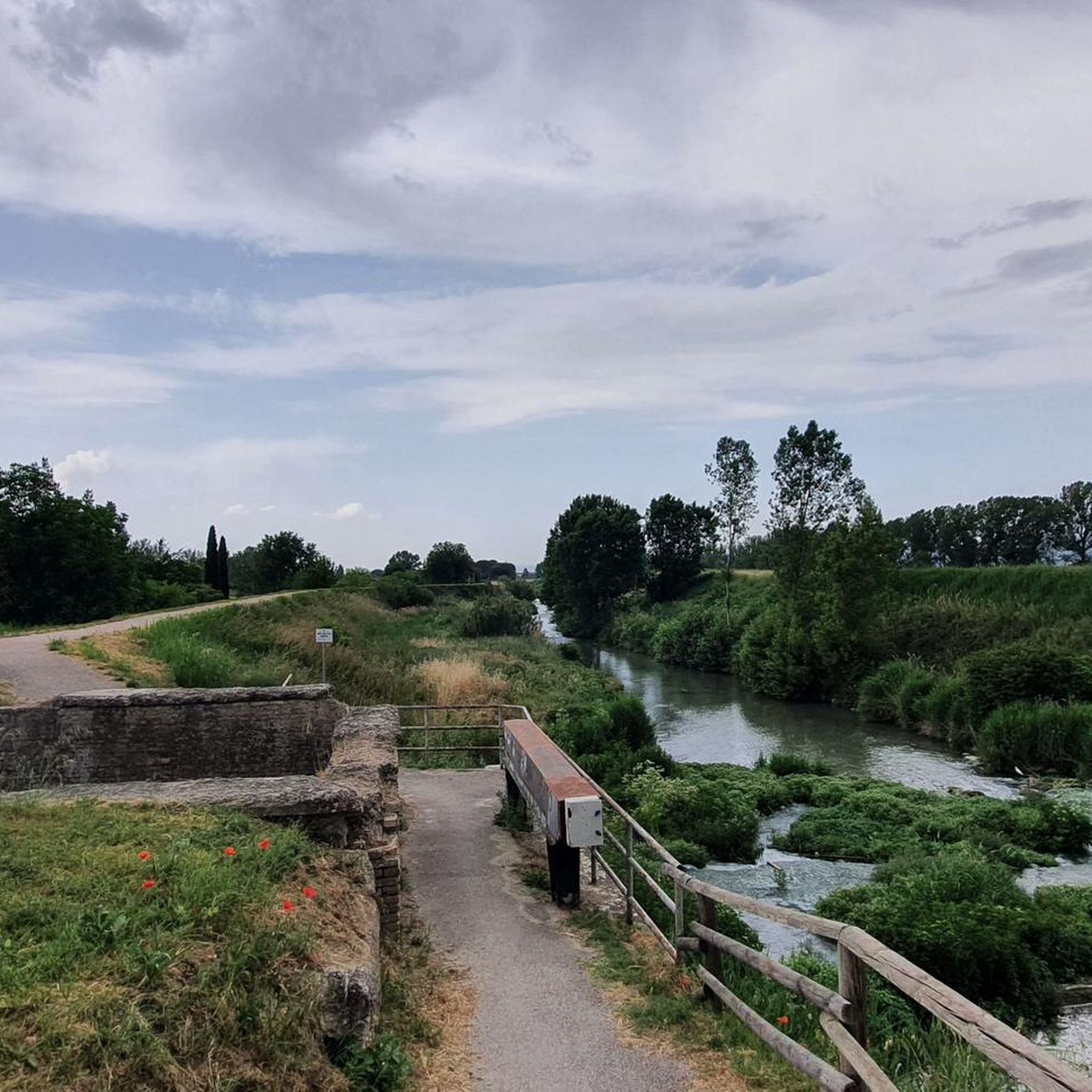
One of the few bridges that cross the Topino river is located in Cannara, the next one in Passaggio di Bettona, the previous one much further away, even in Bevagna
0
0
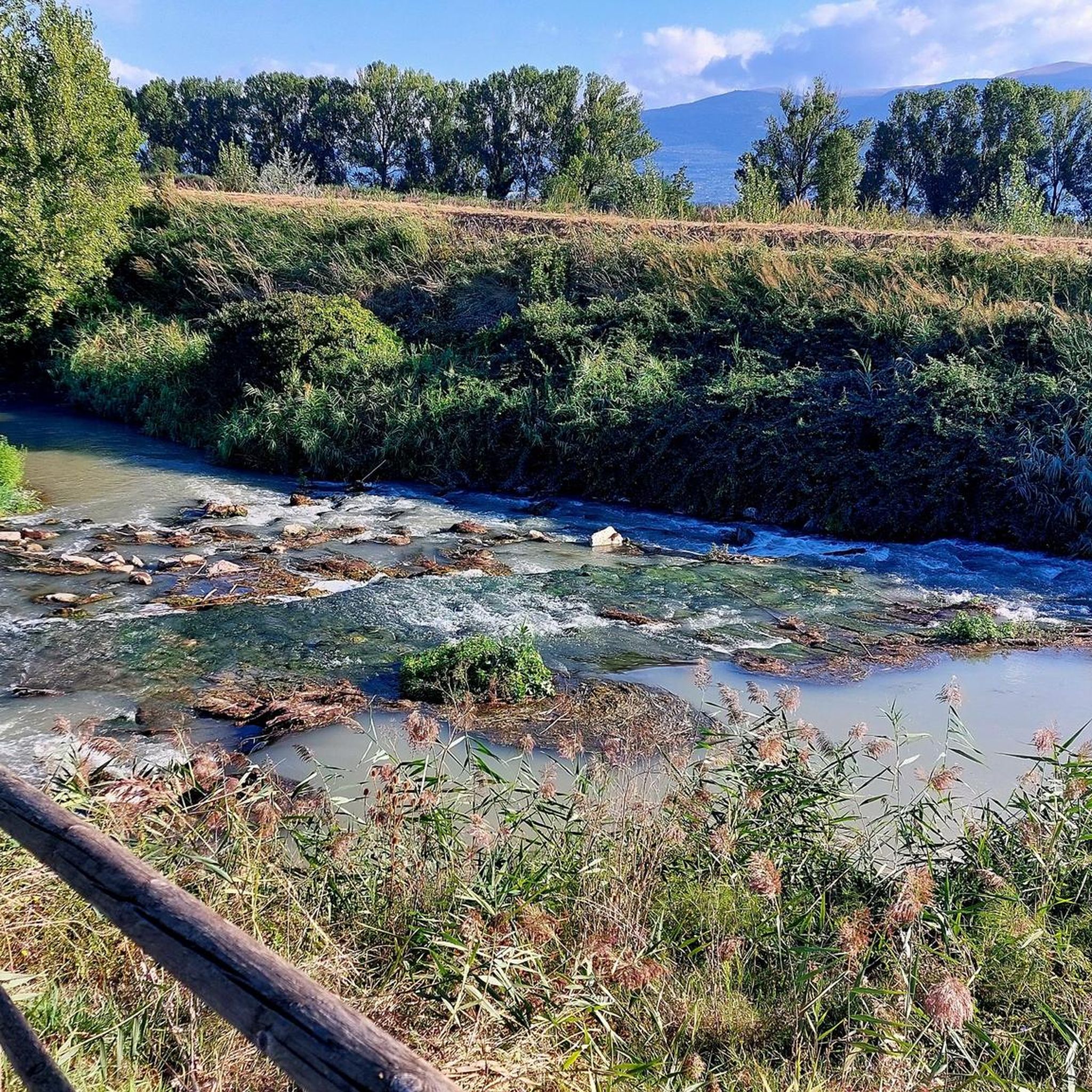
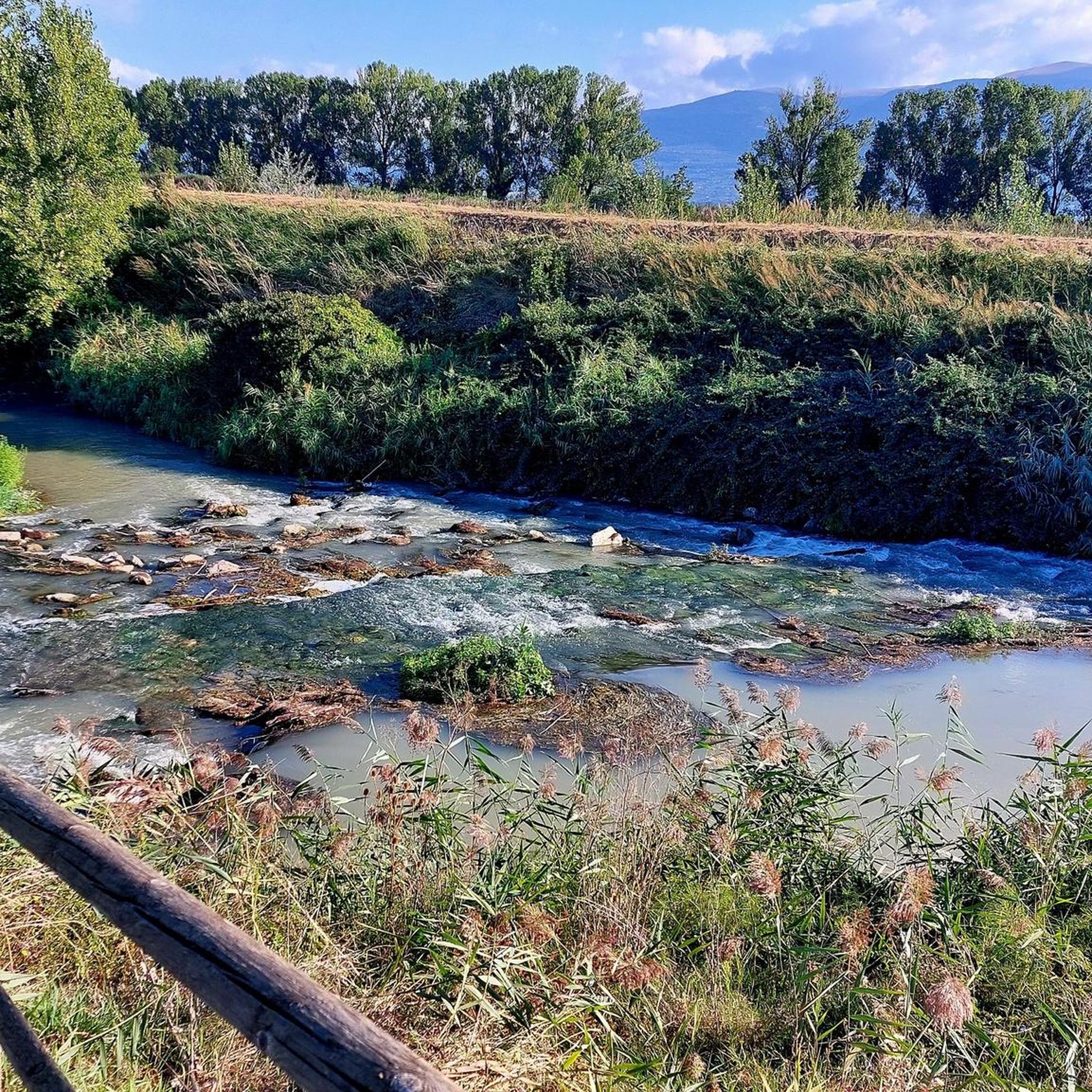
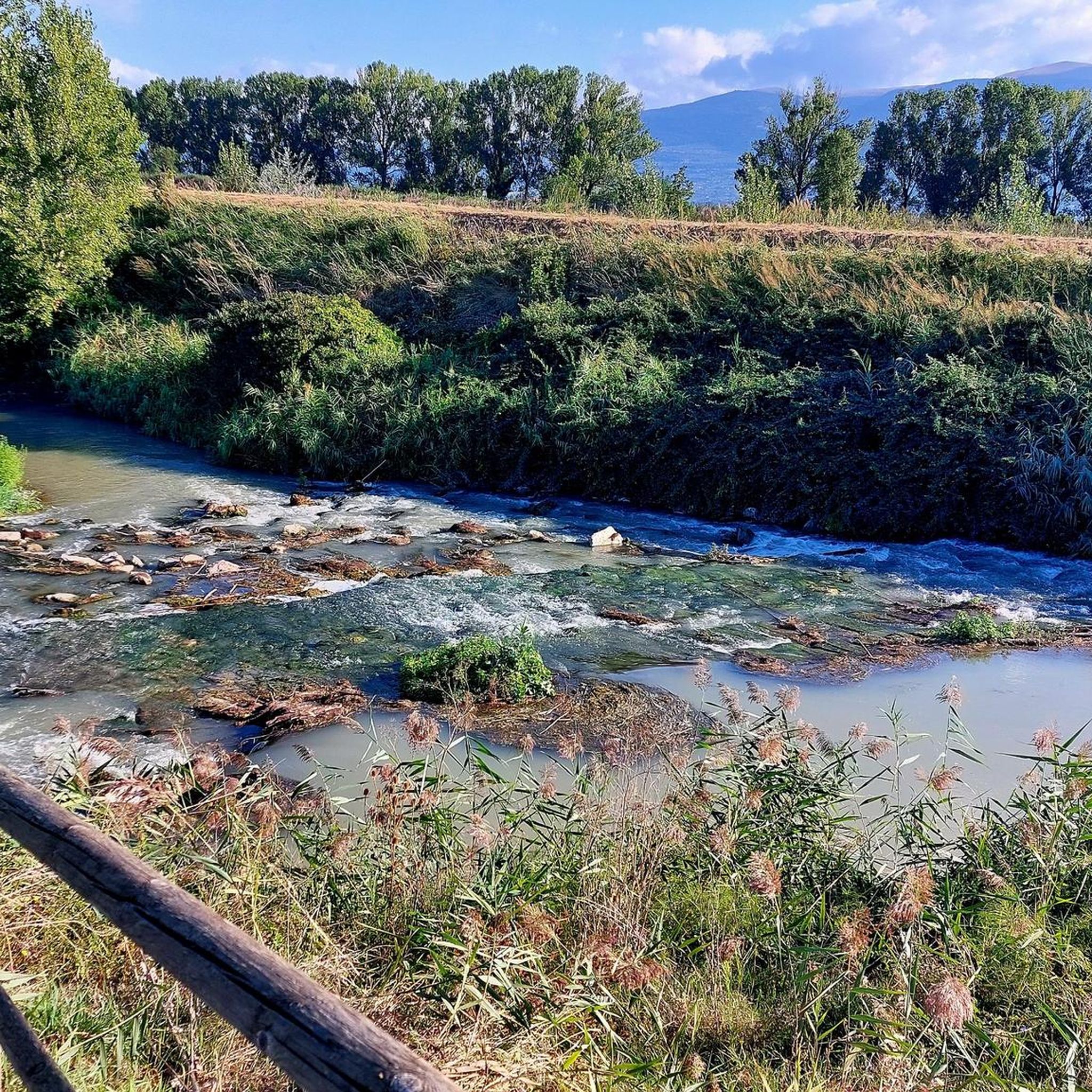
Natural waterfalls on the Topino river near Cannara
0
0

Bevagna / Region – Umbria / Province – Perugia (PG) The town, surrounded by a city wall with towers and gates, has an intact medieval structure (12th-13th centuries). In the upper part of the town, numerous Roman remains can still be seen: the ruins of a temple, the theater, and a thermal bath complex, of which a frigidarium with a magnificent black and white floor mosaic depicting marine figures from the 2nd century AD survives. The medieval town structure, with its squares and noble houses, developed over the Romanesque foundations: The magnificent Piazza Silvestri is home to the Palazzo dei Consoli (1270), which houses the Torti Theater, the Romanesque churches of San Silvestro and San Michele Arcangelo, both from the late 12th century, and the church of San Domenico e Giacomo (1291). Worth seeing is the Palazzo Comunale (late 18th century), which houses the historical archives, the library, and the art gallery. The Baroque churches of the Monastery of Santa Margherita and San Filippo are also very interesting. At the highest point in the town stands the Church of San Francesco (late 13th century). Next to the altar, one can see the stone on which St. Francis knelt when he preached to the flock of birds at Pian d'Arca. The 18th-century Palazzo Lepri houses the Museum of Bevagna, with works that tell the story of the town from pre-Roman times to the 18th century: archaeological finds from the ancient city of Mevania, medieval documents, and paintings by Dono Doni, Fantino, and Corrado Giaquinto. In the surrounding area, the Sanctuary of Madonna delle Grazie (late 16th century), the Sanctuary of Madonna della Valle, and the Monastery of Annunziata (11th century), formerly a defensive castle, rise up against the hillsides. Text / Source: Umbria Tourism.it contatti@umbriatourism.it https://www.umbriatourism.it/de/bevagna
14
1

This church in Bevegna has a patronal name that is truly on everyone's lips, but only a few will know the person behind it: San SILVESTRO's feast day is December 31st. He lived at the end of the third and beginning of the fourth century and was Bishop of Rome when Emperor Constantine recognized Christianity as a religion with the Edict of Milan - known as the "Edict of Toleration" - and thus ended (at least temporarily) the period of bloody persecution of Christians.
1
0
Frequently Asked Questions
How many touring cycling routes are available around Cannara?
There are over 300 touring cycling routes available around Cannara, catering to various skill levels. This includes approximately 77 easy routes, 103 moderate routes, and 138 difficult routes for more experienced cyclists.
What is the best time of year for touring cycling in Cannara?
The Umbrian Valley, including Cannara, is generally pleasant for cycling from spring through autumn. Spring offers lush green landscapes and mild temperatures, while autumn provides comfortable weather and beautiful fall colors. Summers can be warm, so early morning or late afternoon rides are often preferred.
Are there routes suitable for beginners or families in Cannara?
Yes, Cannara offers several easy and family-friendly routes. For instance, the Assisi-Spoleto bicycle route – Historic Center of Bevagna loop from Cannara is an easy 15.3-mile (24.6 km) path that connects to the broader Assisi-Spoleto cycling path, offering flat and scenic sections ideal for a relaxed pace.
Are there any circular touring cycling routes in the Cannara area?
Many routes around Cannara are designed as loops, allowing you to start and end in the same location. An example is the Bevagna City Walls – Montefalco Tower loop from Cannara, an easy 27.7 km route that takes you through picturesque landscapes.
What historical sites or landmarks can I see while cycling around Cannara?
Cycling around Cannara allows you to explore rich history. You can visit the central Piazza San Matteo in Cannara, or cycle to nearby historic villages. The Collemancio Village, a picturesque hilltop castle, is accessible via some routes and offers magnificent panoramic views. You might also encounter sites like the archaeological remains of Urvinum Hortense near Collemancio.
Are there any natural features or scenic viewpoints along the cycling routes?
Absolutely. The routes often provide expansive views of Mount Subasio and the Martani Mountains. You can also enjoy the confluence of the Topino and Chiascio rivers, and even the Chiascio waterfalls. For specific viewpoints, consider routes that pass near Croce di Sasso Piano (Sasso Piano Cross) or offer vistas towards Monte Subasio Summit.
What do other touring cyclists enjoy the most about touring cycling in Cannara?
The area is highly rated by the komoot community, with an average score of 4.5 stars from over 480 reviews. Reviewers often praise the diverse terrain, from flat riverside paths to rolling hills through vineyards and olive groves, and the charming historic towns encountered along the way.
Are there any long-distance touring cycling options near Cannara?
Cannara is well-situated to connect with longer cycling networks in Umbria. The region is known for routes like the 100 km Assisi-Spoleto-Marmore Cycle Way. For a challenging itinerary, consider routes that incorporate 'white roads' (unpaved roads) like sections of the 'Media Valle Tour' from Todi to Cannara, which passes through evocative landscapes.
Can I find places to eat or drink along the cycling routes in Cannara?
Yes, many touring cycling routes around Cannara pass through or near charming villages and towns like Bevagna, Spello, and Montefalco. These locations offer opportunities to stop at local cafes, restaurants, and trattorias to refuel and experience Umbrian cuisine.
What are the parking options for cyclists in Cannara?
Cannara, being a small town, typically offers various public parking areas within or on the outskirts of the village center. It's advisable to check local signage for specific parking regulations, especially if you plan to leave your vehicle for an extended period while cycling.
Is public transport available to access cycling routes in Cannara?
Cannara is served by local bus services that connect it to larger towns in Umbria, such as Assisi and Foligno. While some buses may accommodate bicycles, it's recommended to check with the specific bus operator regarding their policy on transporting bikes, especially during peak times.
Are there any routes that pass by rivers or waterfalls?
Yes, some routes follow the left bank of the Topino River and extend along the confluence of the Topino and Chiascio rivers. You can enjoy views of the Chiascio waterfalls on these paths, offering a refreshing natural highlight during your ride.
Are there any routes that offer a more challenging experience?
For more ambitious cyclists, the region offers routes with varying elevations and unpaved sections. The Cannara village center – Assisi-Spoleto bicycle route loop from Collemancio is classified as difficult, featuring significant elevation changes and taking you through more demanding terrain.
Most popular attractions around Cannara

Get inspired with the komoot mobile app


Explore more
Browse the best Cycling routes in other regions.
