The 12 Most Amazing Peaks in Pyrénées - Mont Perdu
Best mountain peaks in Pyrénées - Mont Perdu is a UNESCO World Heritage site known for its exceptional mountain landscapes and unique geological formations. This region, centered around the Mont Perdu massif, features dramatic alpine phenomena including deep canyons and spectacular cirque walls. It also boasts rich biodiversity and a cultural heritage reflecting centuries of pastoral life. The area offers a variety of peaks and viewpoints, making it a rewarding destination for exploration.
Best mountain peaks in Pyrénées - Mont…
Last updated: April 25, 2026
Monte Perdido
Highlight • Summit
Translated by Google •
Tip by

Calcilarruego Viewpoint
Highlight • Viewpoint
Translated by Google •
Tip by

Sign up now to discover places like this
Get recommendations on the best single tracks, peaks, & plenty of other exciting outdoor places.
Sign up for free
Le Taillon (3,144m)
Highlight • Summit
Translated by Google •
Tip by

Mondoto Sur Summit
Highlight • Summit
Translated by Google •
Tip by

Tuquerouye Refuge / Tucarroya Refuge
Highlight • Mountain Hut
Translated by Google •
Tip by

Sign up for free to discover even more peaks in Pyrénées - Mont Perdu.
Sign up for free
Already have an account?
Start today with a free account
Your next adventure awaits.
Login or Signup
Popular around Pyrénées - Mont Perdu
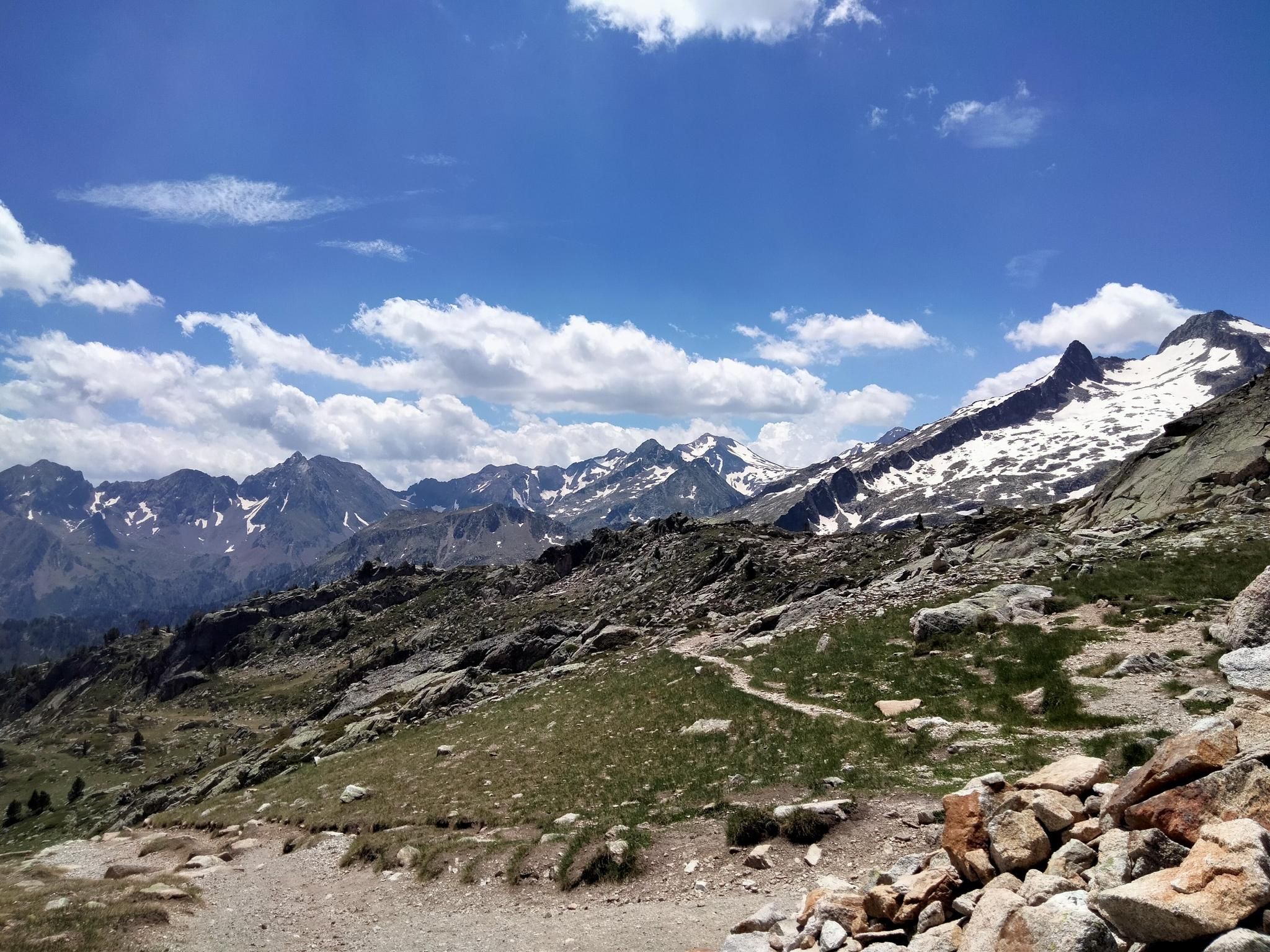
Hexatrek, the western and central Pyrenees – Between mountains and the ocean
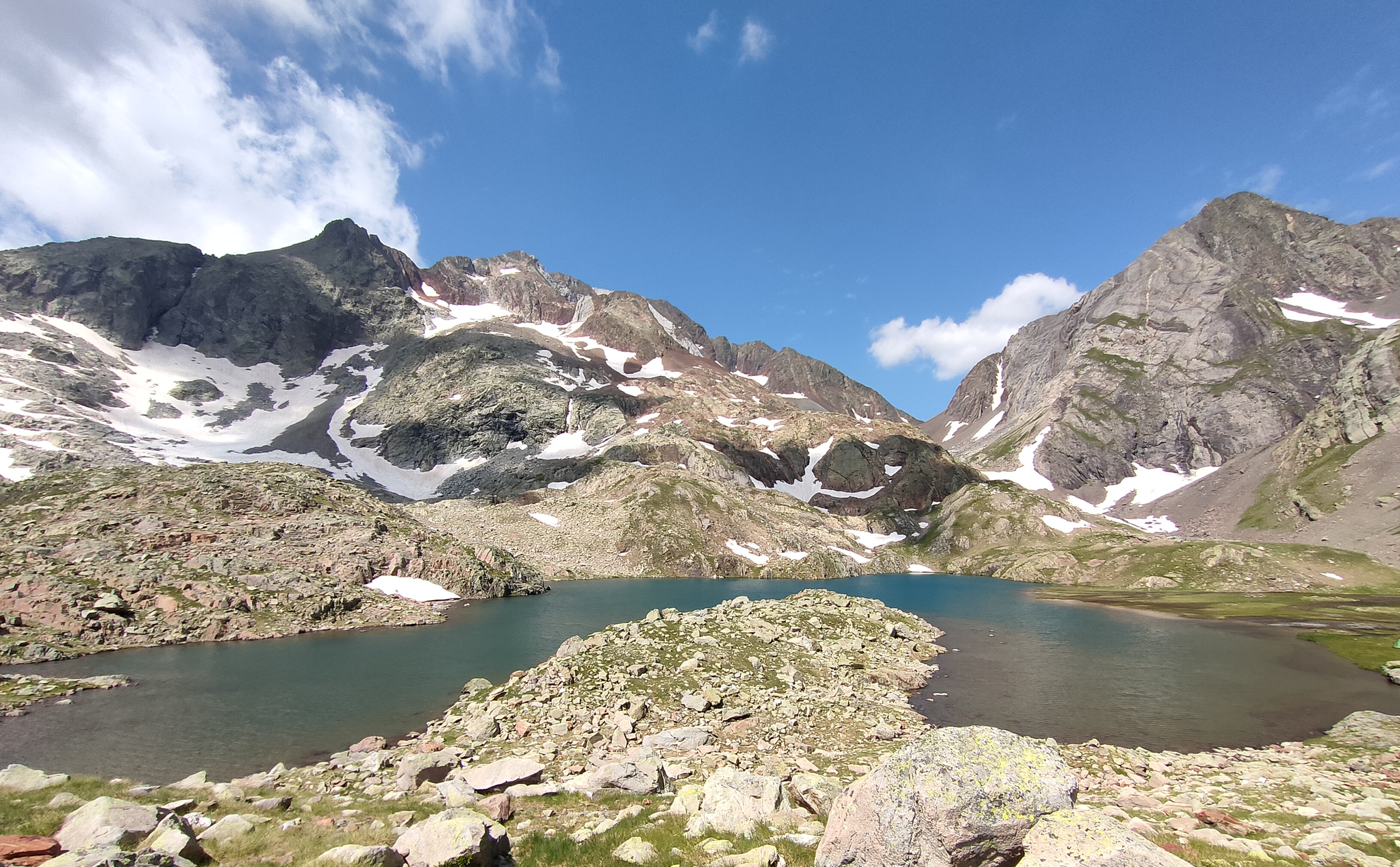
Panoramic Pyrenees – 15 hikers' peaks of over 3,000 metres
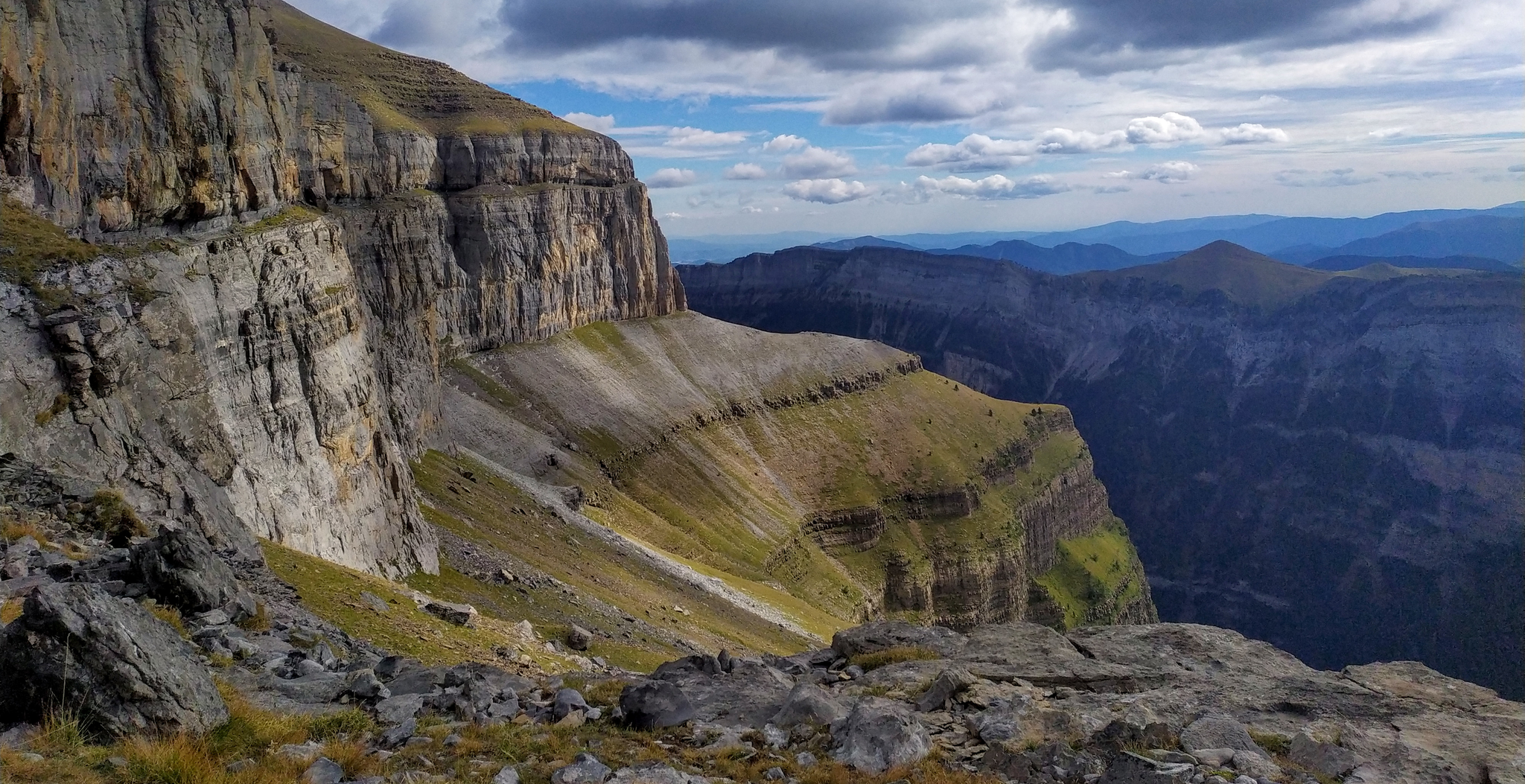
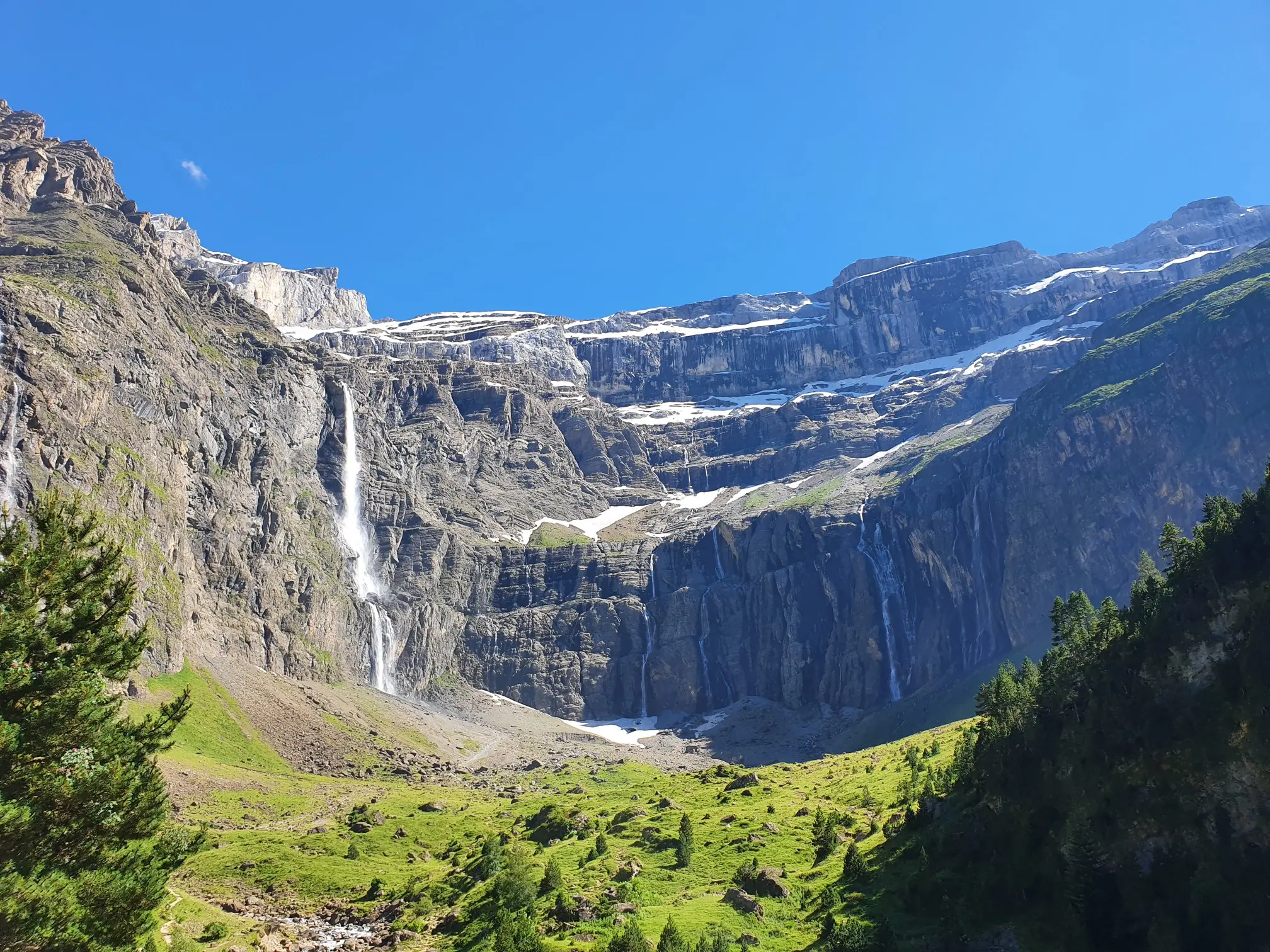
Hike from Gavarnie to Ordesa – A breathtaking loop in the cirques
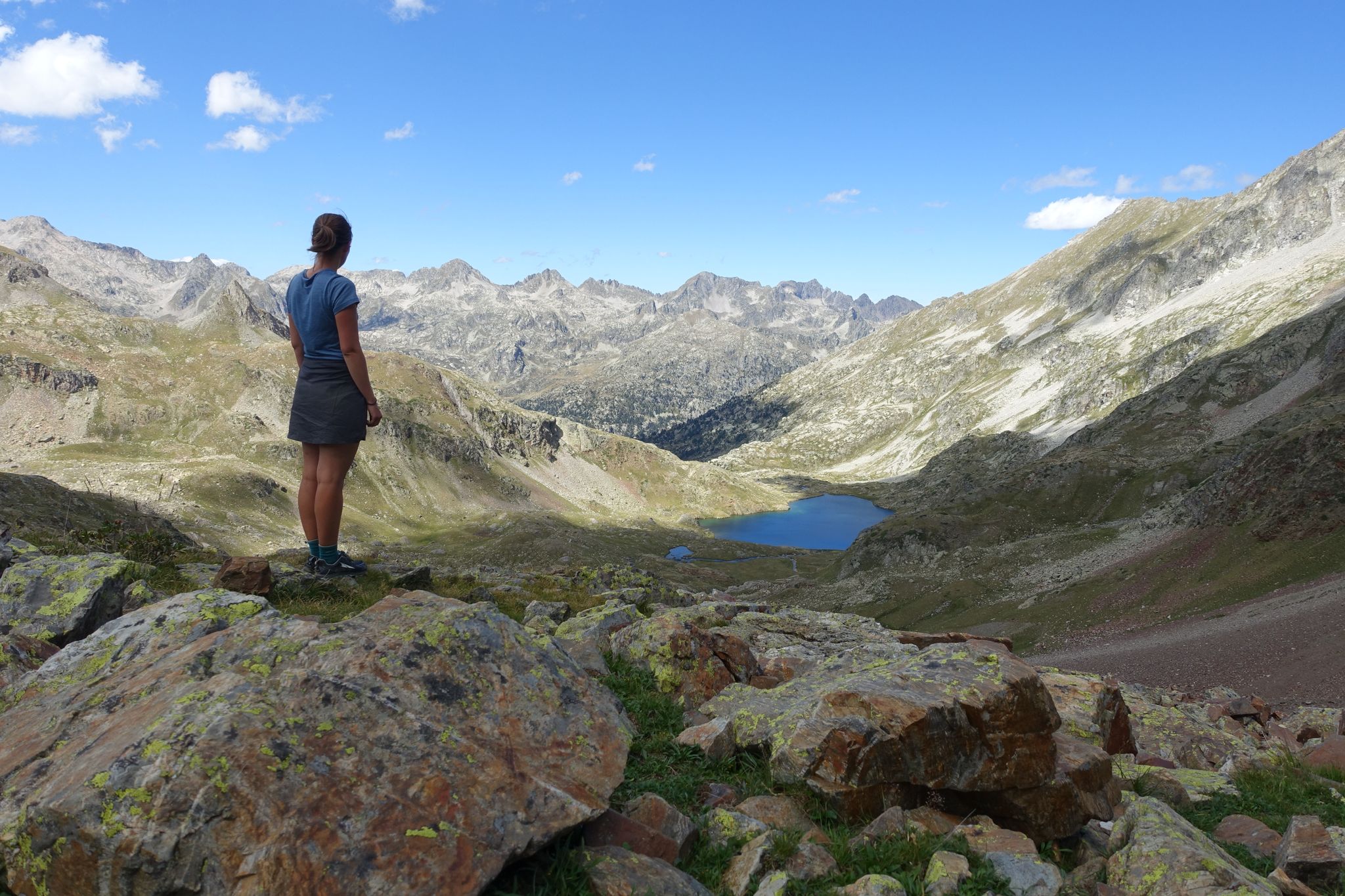
Haute Route Pyrénéenne – Pyrenees Crossing
In the heart of the massif – the best hikes in the Central Pyrenees
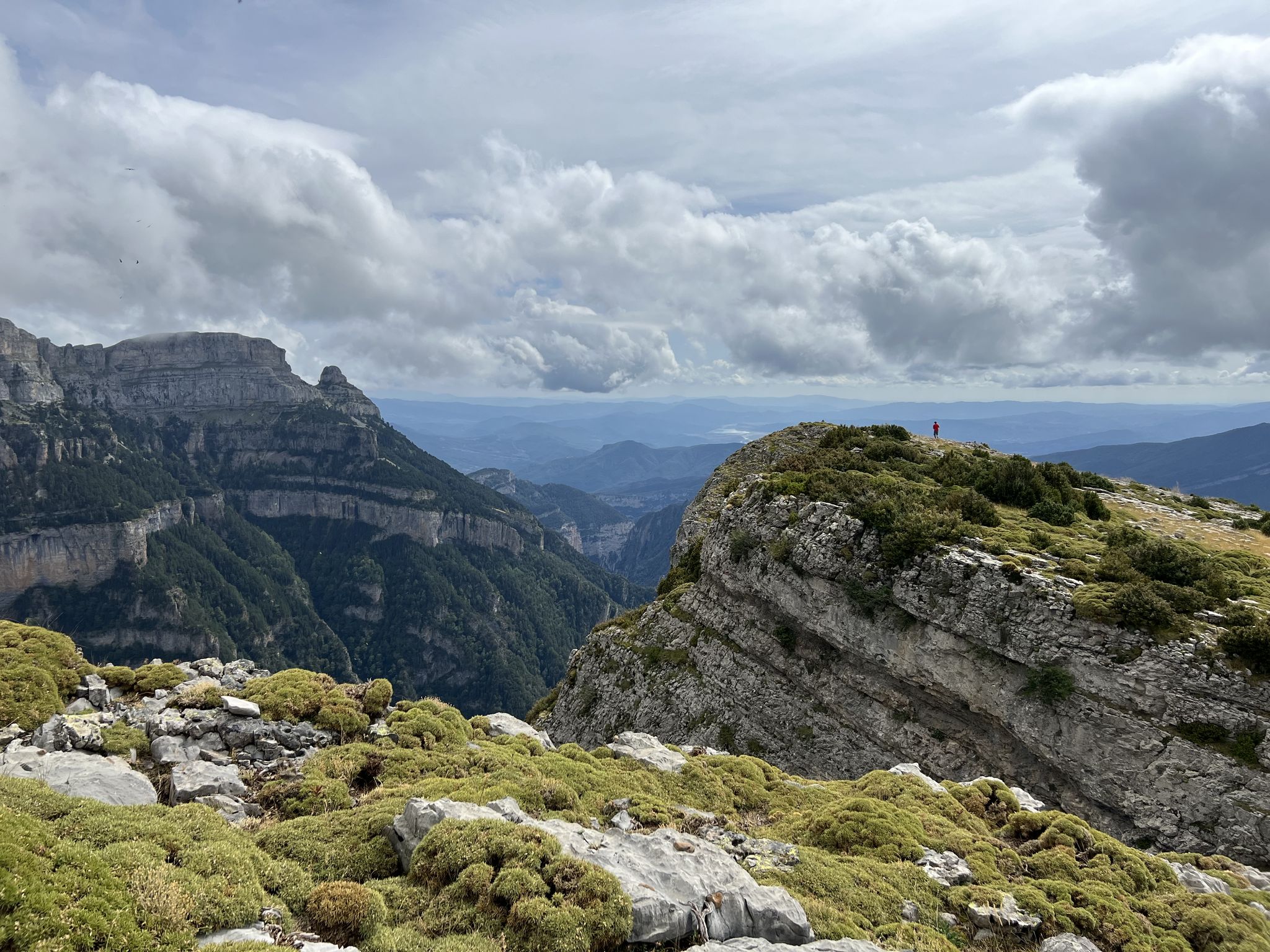
Summit conquests and idyllic mountain lakes – Spanish Pyrenees
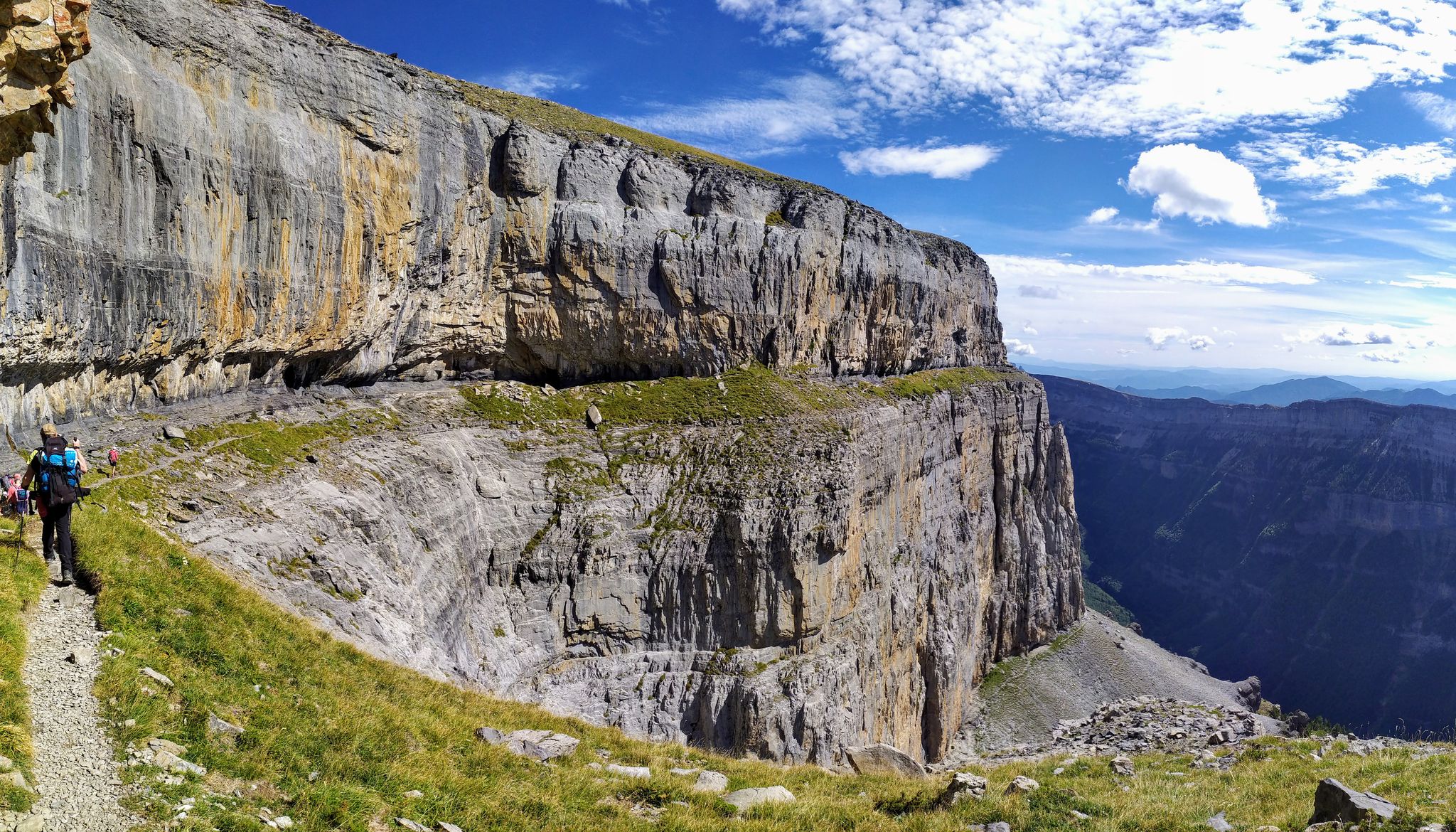
Between Heaven and Earth – Monte Perdido and the Ordesa Valley
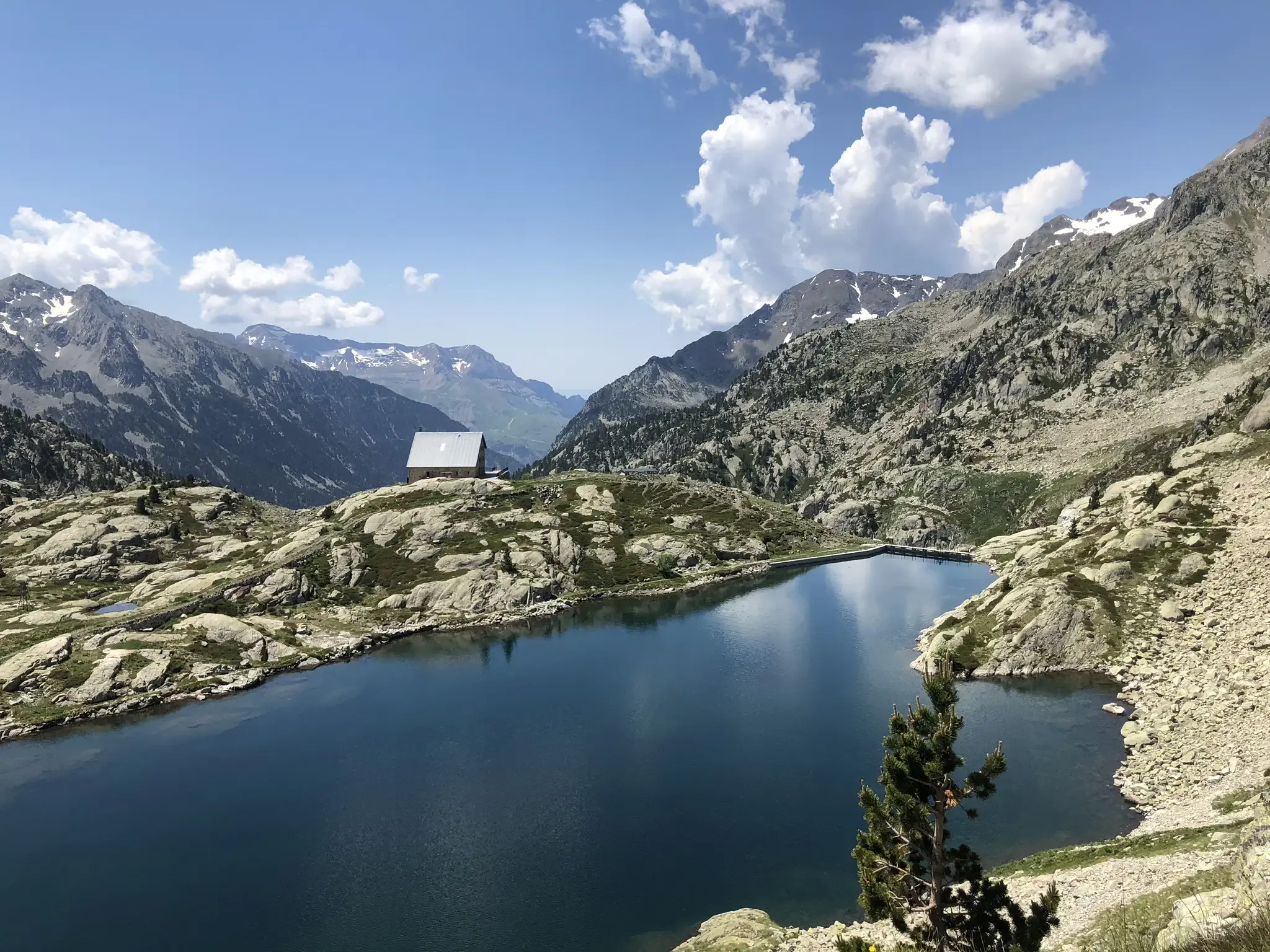
Aragon along the Pyrenean Trail – GR 11
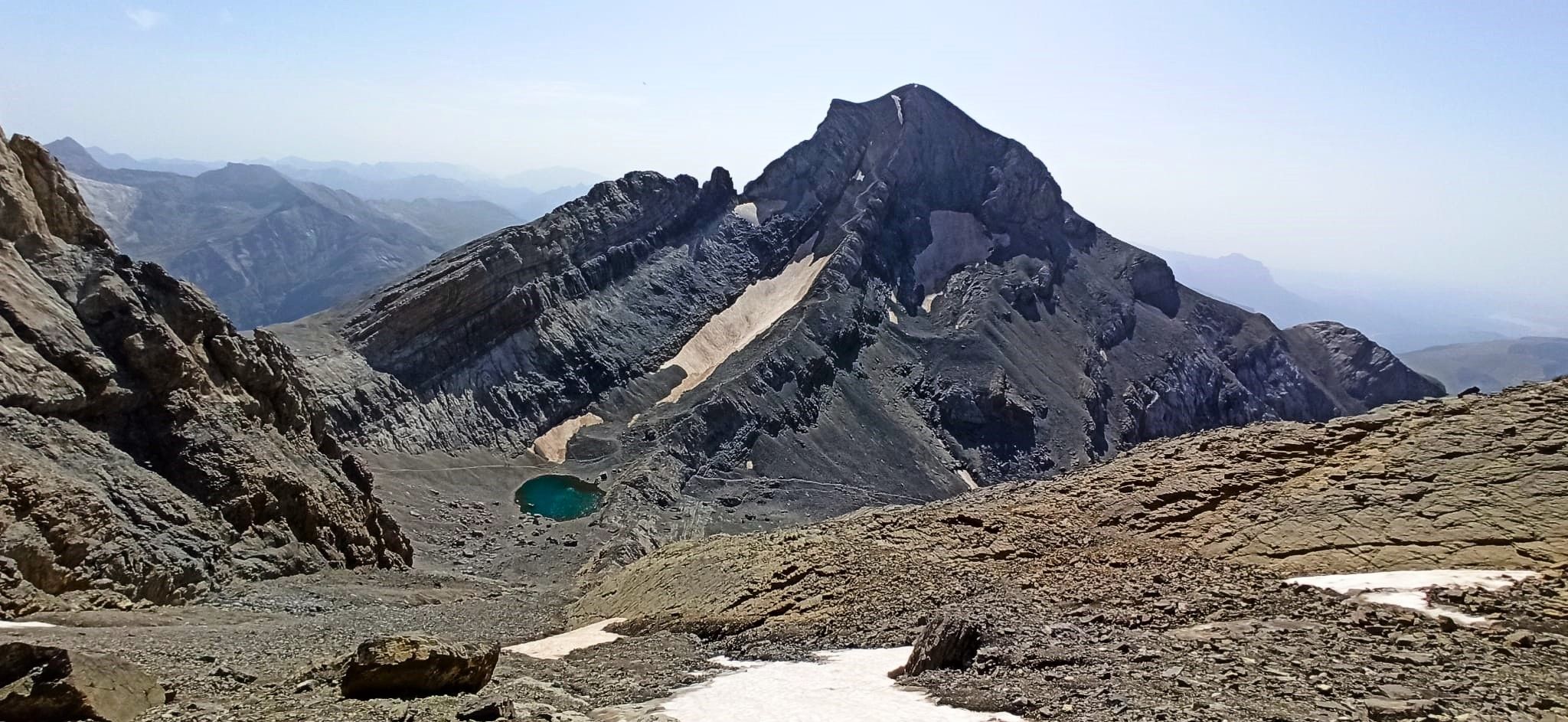
Adventure in the heights — Ordesa and Monte Perdido National Park
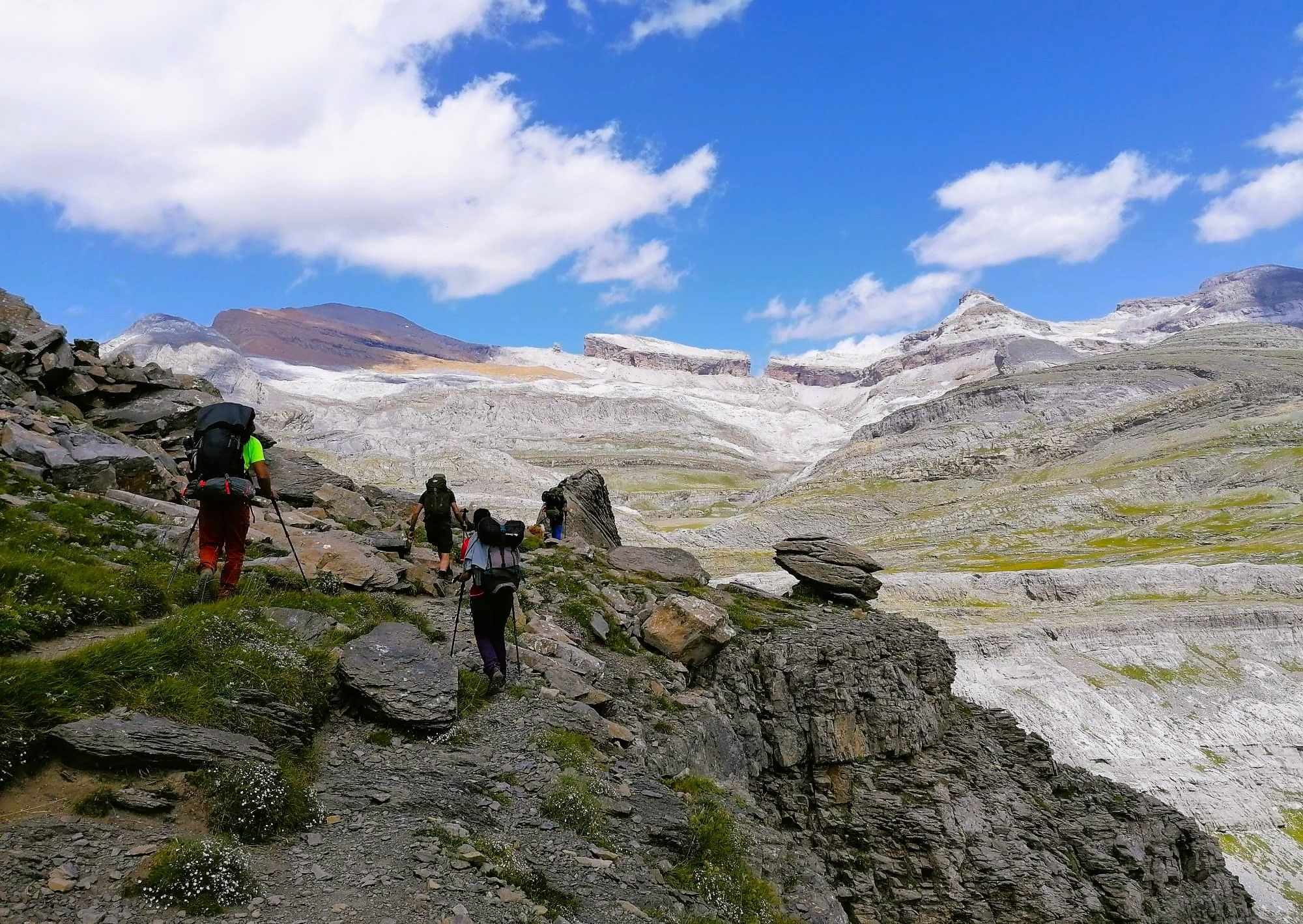
Wilderness — Ordesa y Monte Perdido National Park
Other adventures in Pyrénées - Mont Perdu


Tips from the Community

One of the most beautiful hikes in Aragon, splendid! In pictures: https://youtu.be/ZsNl8RIozi8?si=8nvgeLdQLeEMLP0H
0
0

An open-sided refuge in very good condition for its altitude and geographical location. It has two areas: a dining and fireplace area with two large tables, and a bunk bed area. It is located in the Tucarroya Gap, on the border divide, north of Marboré Lake. The access channel can be difficult until well into the season due to the ice (45°C). The refuge is located in the Pyrenees, between the Spanish and French borders.
0
0

A mega impressive valley with great views
0
1
A mega impressive valley with great views
0
1

With a bit of luck, for a few moments you will have this mountain to yourself and a few crows, a breathtaking view of an exceptional site.
1
0

The summit of Mondoto Sur rises to 1,944 meters in the Parque National de Ordesa y Monte Perdido. The view into the depths is spectacular: directly below you is the Cañón de Añisclo. In the distance there are some well-known peaks of the Pyrenees chain, including Monte Perdido. A perfect place for a long break.
2
0

Climb from the tent pass on October 13, lots of wind and cold temperature.
0
0

Spectacular site. Taking the bus from Nerín you can go up to Perdido in one day (7am/7pm)
0
0
Frequently Asked Questions
What are some of the most notable mountain peaks and viewpoints in Pyrénées - Mont Perdu?
The Pyrénées - Mont Perdu region is home to several impressive peaks. Monte Perdido, at 3,355 meters, is the centerpiece of the massif and the third highest in the Pyrenees. It forms part of the 'Tres Sorores' alongside Cilindro de Marboré and Soum de Ramond. For stunning panoramic views without extreme technical difficulty, Le Taillon (3,144m) is a popular choice. Additionally, the Calcilarruego Viewpoint offers one of the most beautiful vistas in Ordesa National Park, located at almost 2,000 meters above sea level.
What unique geological features characterize the Pyrénées - Mont Perdu region?
The region is a UNESCO World Heritage site renowned for its exceptional geological formations. You'll find dramatic alpine phenomena, including two of Europe's largest and deepest canyons on the Spanish side (Ordesa and Añisclo) and three major cirque walls on the French side (Gavarnie, Estaubé, and Troumouse). The calcareous massif is a unique geological showcase, situated at the tectonic collision point between the Iberian and West European plates, resulting in classic landforms like cirques and canyons.
When is the best time to visit the mountain peaks in Pyrénées - Mont Perdu?
The summer months are generally the most accessible and rewarding for visiting the mountain peaks, especially for challenging ascents like Monte Perdido. During this period, trails are typically clearer of snow, and the weather is more stable, making it ideal for hiking and mountaineering. However, conditions can vary, so always check local forecasts.
Are there family-friendly hiking options near the mountain peaks in Pyrénées - Mont Perdu?
Yes, there are several options for families. While some peaks require advanced skills, the region offers easier trails leading to stunning viewpoints. For example, you can explore easy hikes like the 'Beech Forest – Arripas Waterfall loop' or the 'Lac des Aires – La Vierge de Troumouse loop'. You can find more details on these and other routes in the Easy hikes in Pyrénées - Mont Perdu guide.
What kind of wildlife and nature can I observe in Pyrénées - Mont Perdu?
The Pyrénées - Mont Perdu region boasts a rich diversity of flora and fauna. It is home to over 1,500 species of flowers, 171 species of birds, 32 mammals, and 8 types of reptiles. Keep an eye out for the impressive lammergeier (bearded vulture) with its three-meter wingspan. The area also features six distinct vegetation zones, ranging from Mediterranean evergreen forests to high-altitude rock and scree communities.
What is the cultural significance of the Pyrénées - Mont Perdu landscape?
Beyond its natural beauty, the landscape of Pyrénées - Mont Perdu reflects a centuries-old pastoral way of life. Traditional transhumance systems, involving the seasonal movement of livestock, are still practiced here. Villages, farms, fields, and ancient mountain trails bear witness to this enduring interaction between humans and nature, contributing to the region's 'mixed' World Heritage designation.
Which peaks offer particularly breathtaking panoramic views?
Many peaks in the region offer spectacular vistas. From the summit of Le Taillon (3,144m), you can enjoy extensive views of the Monte Perdido Range, Vignemale Range, and Pic du Midi de Bigorre. Soum de Ramond provides magnificent views over the Añisclo Canyon and Monte Perdido, often with a sense of tranquility. The Mondoto Sur Summit also offers a spectacular view into the Cañón de Añisclo and distant Pyrenean peaks.
Are there challenging ascents for experienced mountaineers in the area?
Absolutely. The ascent to Monte Perdido is a challenging yet highly rewarding experience, particularly in summer. Another peak, Cilindro de Marboré, offers a climb that involves a 'rock scramble,' which can be a significant challenge for those comfortable with using both hands and feet, with some sections potentially requiring a rope.
What outdoor activities can I do near the mountain peaks in Pyrénées - Mont Perdu?
The region provides abundant opportunities for outdoor enthusiasts. Besides hiking and mountaineering, you can explore various running trails, such as the 'Cola de Caballo Trail' or 'Balcón de Pineta and Lago de Marboré Trail'. Road cycling is also popular, with routes like the 'Tentes Pass – Sign for Cirque de Troumouse loop'. For more options, check out the Running Trails and Road Cycling Routes guides for Pyrénées - Mont Perdu.
Is there mountain accommodation available for multi-day treks?
Yes, for those undertaking multi-day treks, mountain refuges are available. The Tuquerouye Refuge / Tucarroya Refuge, located at 2,666 meters above sea level on the Franco-Spanish border, is the highest and oldest refuge in the Pyrenees. It offers basic accommodation with beds, a stove, and blankets, but it's advisable to book your bed in advance, especially during peak season.
What makes the Cilindro de Marboré unique among the Pyrenean summits?
Cilindro de Marboré, also known as Pico Cilindro, is distinctive for its almost perfectly cylindrical north face, composed of sandstone. This geometric shape is quite rare among Pyrenean summits. It is also notable as the northernmost point of Spain crossed by the IERS Reference Meridian and is one of 'Las Tres Sorores' alongside Monte Perdido and Soum de Ramond.
What do visitors enjoy most about the Pyrénées - Mont Perdu region?
Visitors consistently appreciate the region's spectacular landscapes, including its dramatic alpine phenomena like deep canyons and glacial cirques. The sense of adventure offered by challenging ascents, combined with the rich biodiversity and the tranquility of less crowded areas, makes it a highly rewarding destination. The extensive panoramic views from various peaks and viewpoints are also frequently highlighted as a major draw.
Most popular routes in Pyrénées - Mont Perdu
Most popular attractions in Pyrénées - Mont Perdu

Get inspired with the komoot mobile app


Explore more
See even more amazing summits in Pyrénées - Mont Perdu with these guides:
