The best mountain hikes in Pyrénées - Mont Perdu
4.7
(39)
274
hikers
22
hikes
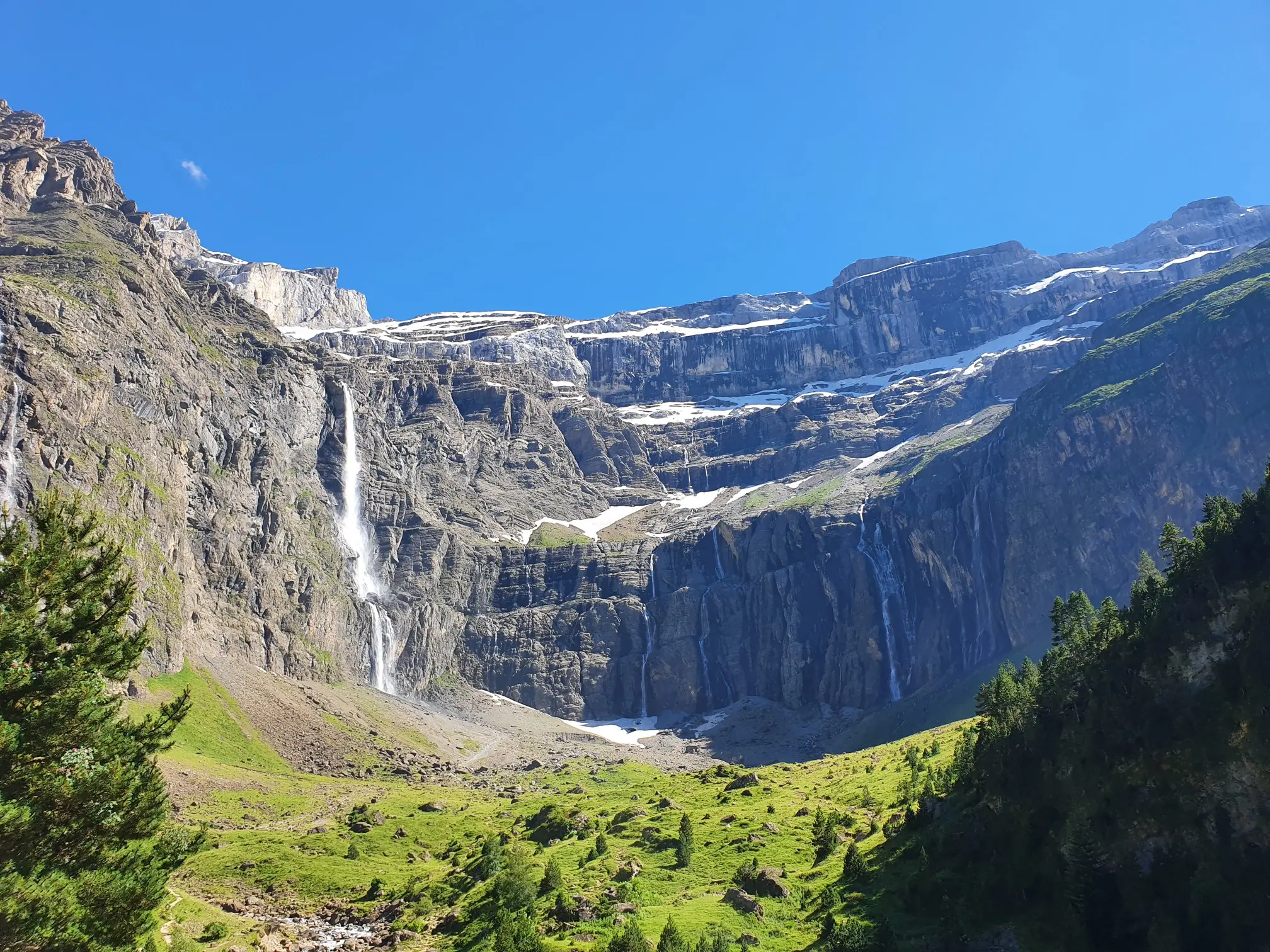
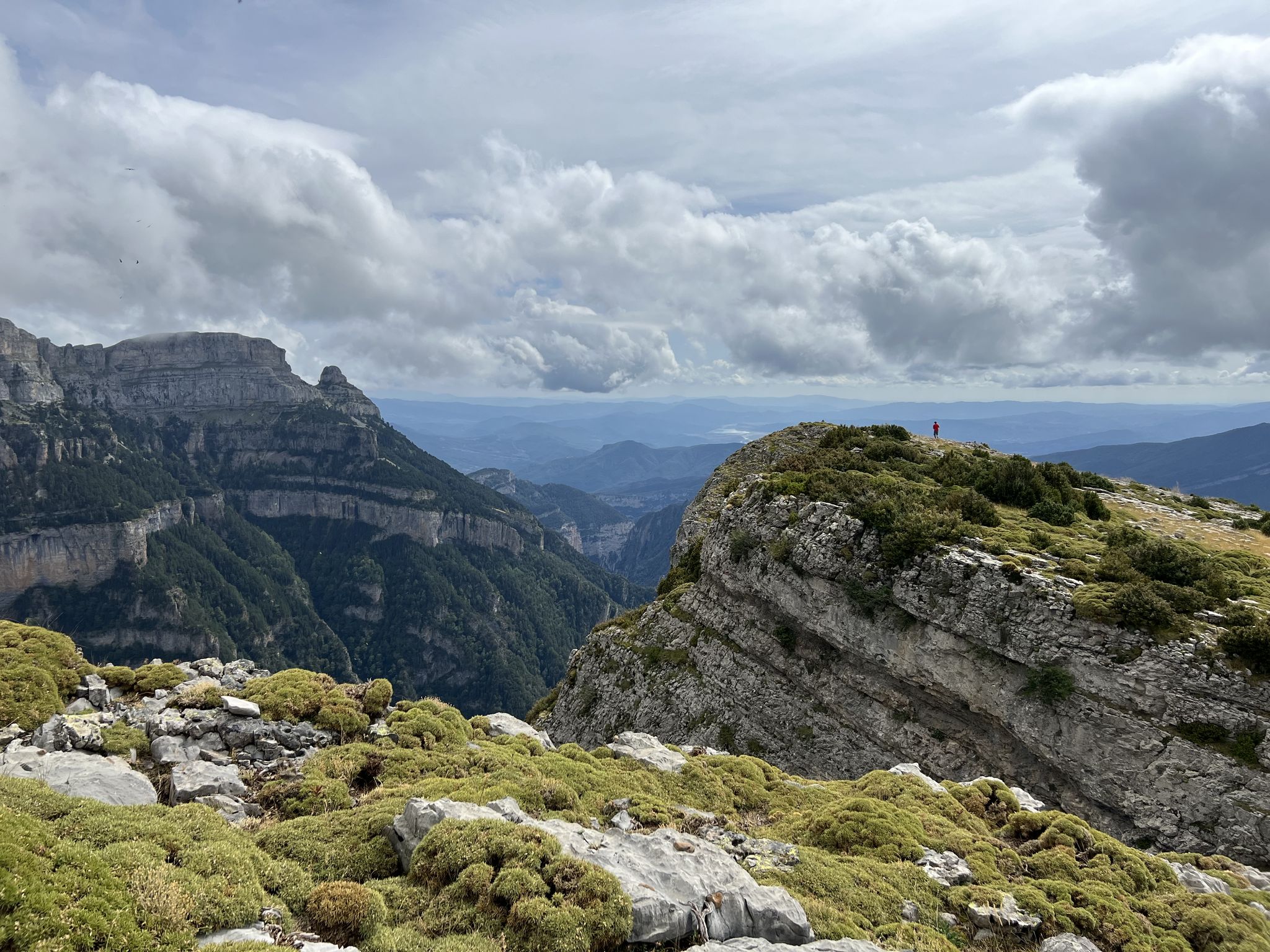
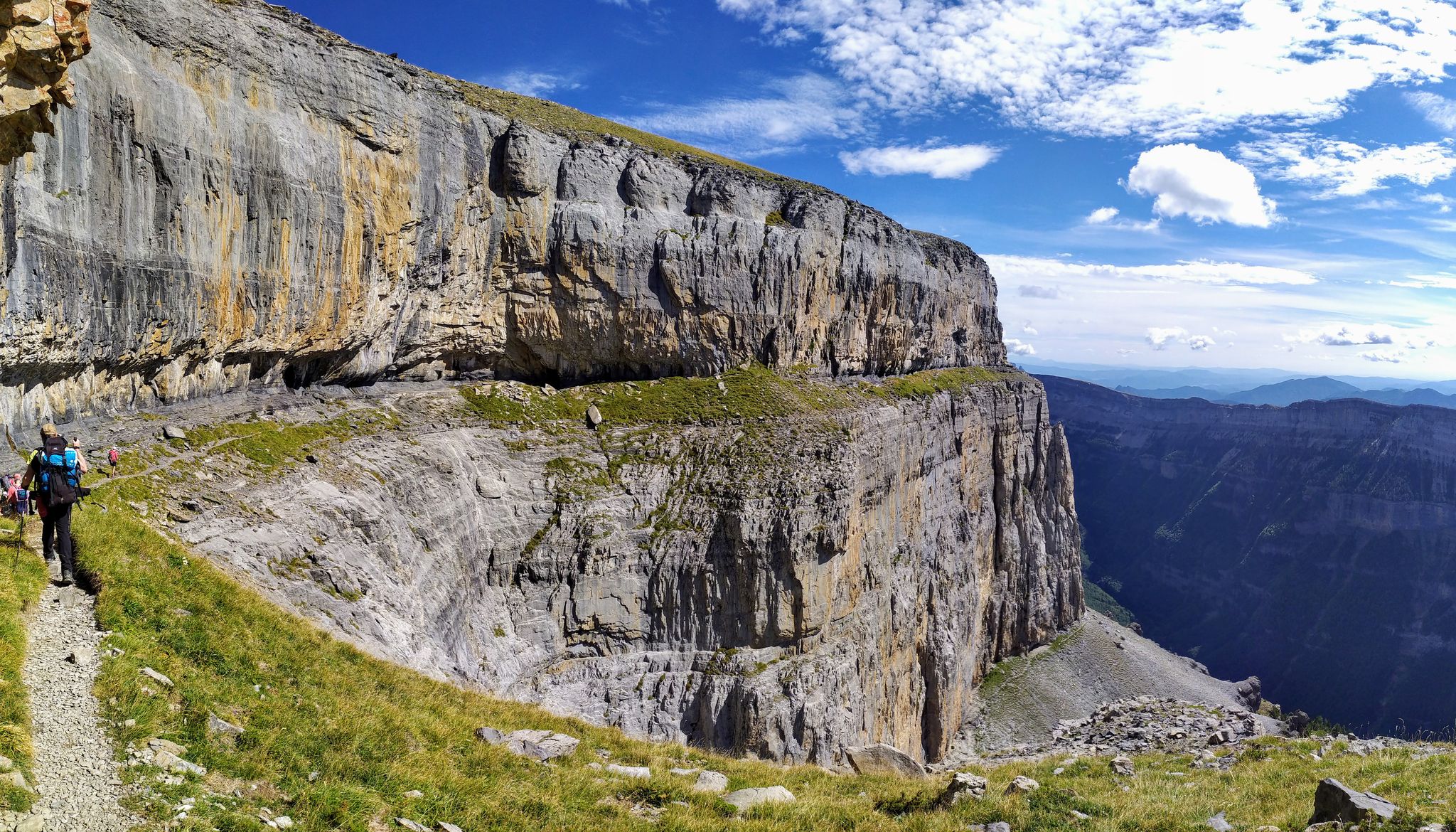
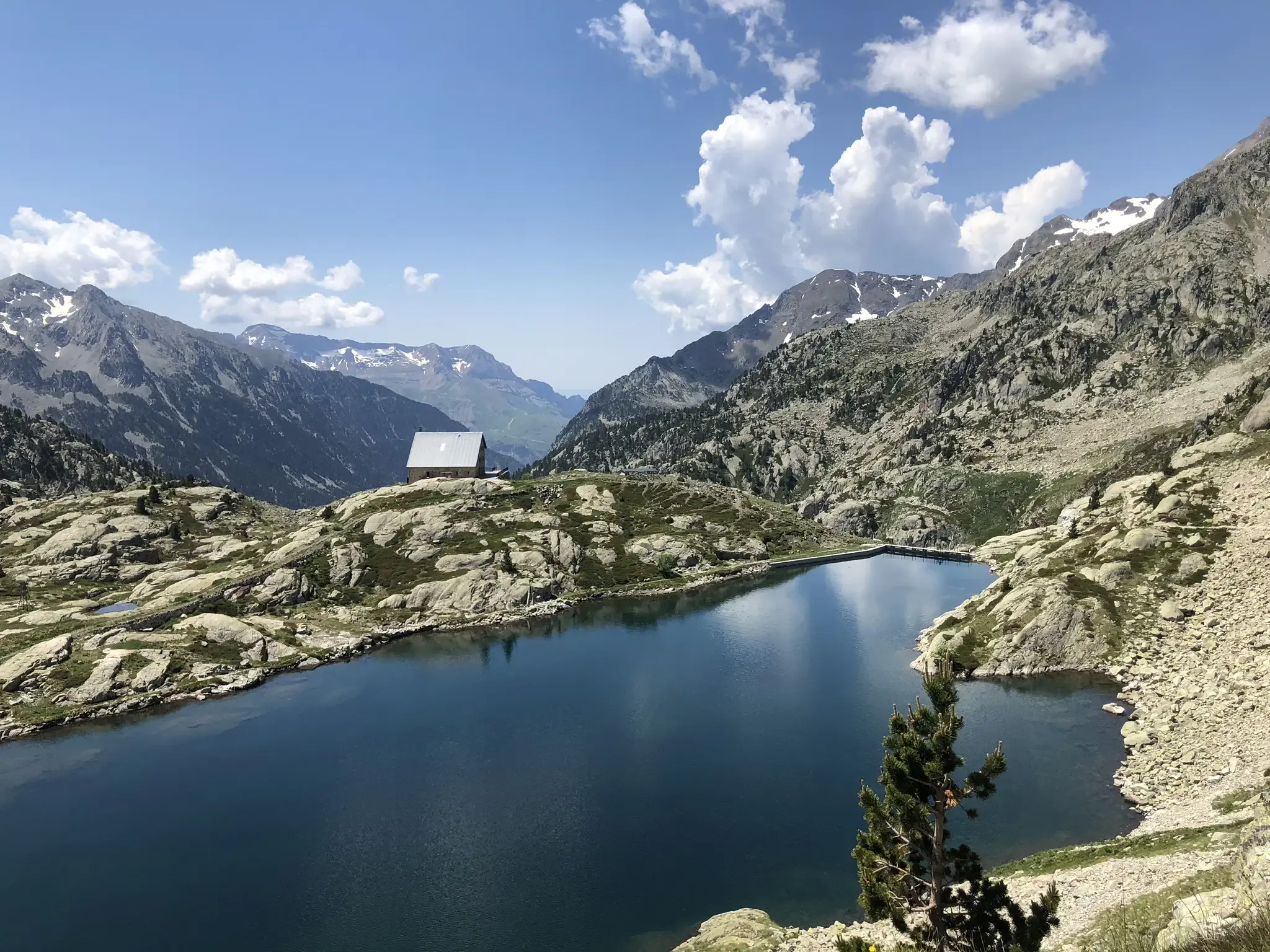
Mountaineering in Pyrénées - Mont Perdu, a UNESCO World Heritage site, is characterized by dramatic landscapes and unique geological formations spanning the border between France and Spain. The region features the 3,352-meter Mont Perdu peak, offering a range of challenging experiences. Deep canyons like Ordesa and Añisclo on the Spanish side contrast with the steep cirque walls and glacier-carved summits on the French side, including the iconic Cirque de Gavarnie. This area provides diverse terrain for mountaineers, from high alpine pastures to rugged gorges.
Best mountaineering routes in Pyrénées - Mont Perdu
- The most popular mountaineering route is Cirque de Gavarnie – Brecha de Rolando loop from Col de Tentes, a 7.6 miles (12.2 km) trail that takes 5 hours 30 minutes to complete. This difficult route offers views of the spectacular Cirque de Gavarnie and leads towards the legendary Brèche de Roland.
- Another top favourite among local mountaineers is Cola de Caballo Waterfall – Soaso Steps loop from Rio Arazas, a difficult 13.1 miles (21.2 km) path. This route explores the deep canyons of Ordesa National Park, featuring the impressive Cola de Caballo waterfall and the Soaso Steps.
- Local mountaineers also love the Monte Perdido Ice Lake – Monte Perdido loop from Refugio de Goriz, a 5.8 miles (9.4 km) trail leading through high alpine terrain towards the summit of Mont Perdu, often completed in about 6 hours 55 minutes.
- Mountaineering in Pyrénées - Mont Perdu is defined by deep canyons, spectacular cirque walls, and high alpine pastures, with routes suitable for both beginner mountaineers in summer and experts seeking challenging winter climbs.
- The routes in Pyrénées - Mont Perdu are highly rated by the komoot community with an average score of 4.7 stars from more than 60 reviews. More than 380 mountaineers have used komoot to explore Pyrénées - Mont Perdu's varied terrain.
Last updated: July 4, 2026
5.0
(3)
30
hikers
9.37km
06:56
1,090m
1,090m
Hard mountaineering route. Very good fitness required. Sure-footedness, sturdy shoes and alpine experience required.
4.8
(8)
20
hikers
12.6km
04:57
630m
630m
Moderate mountaineering route. Good fitness required. Mostly accessible paths. Sure-footedness required.

Sign up for free
13
hikers
9.16km
05:12
900m
900m
Hard mountaineering route. Very good fitness required. Mostly accessible paths. Sure-footedness required.
5.0
(1)
12
hikers
21.8km
11:41
1,480m
1,480m
Hard mountaineering route. Very good fitness required. Sure-footedness, sturdy shoes and alpine experience required.
4.0
(2)
10
hikers
Hard mountaineering route. Very good fitness required. Mostly accessible paths. Sure-footedness required.
Get access to more routes and recommendations from other explorers.
Sign up for free
Already have an account?
Our route recommendations are based on thousands of hikes, rides, and runs completed by other people on komoot.
Start today with a free account
Your next adventure awaits.
Login or Signup
Popular around Pyrénées - Mont Perdu
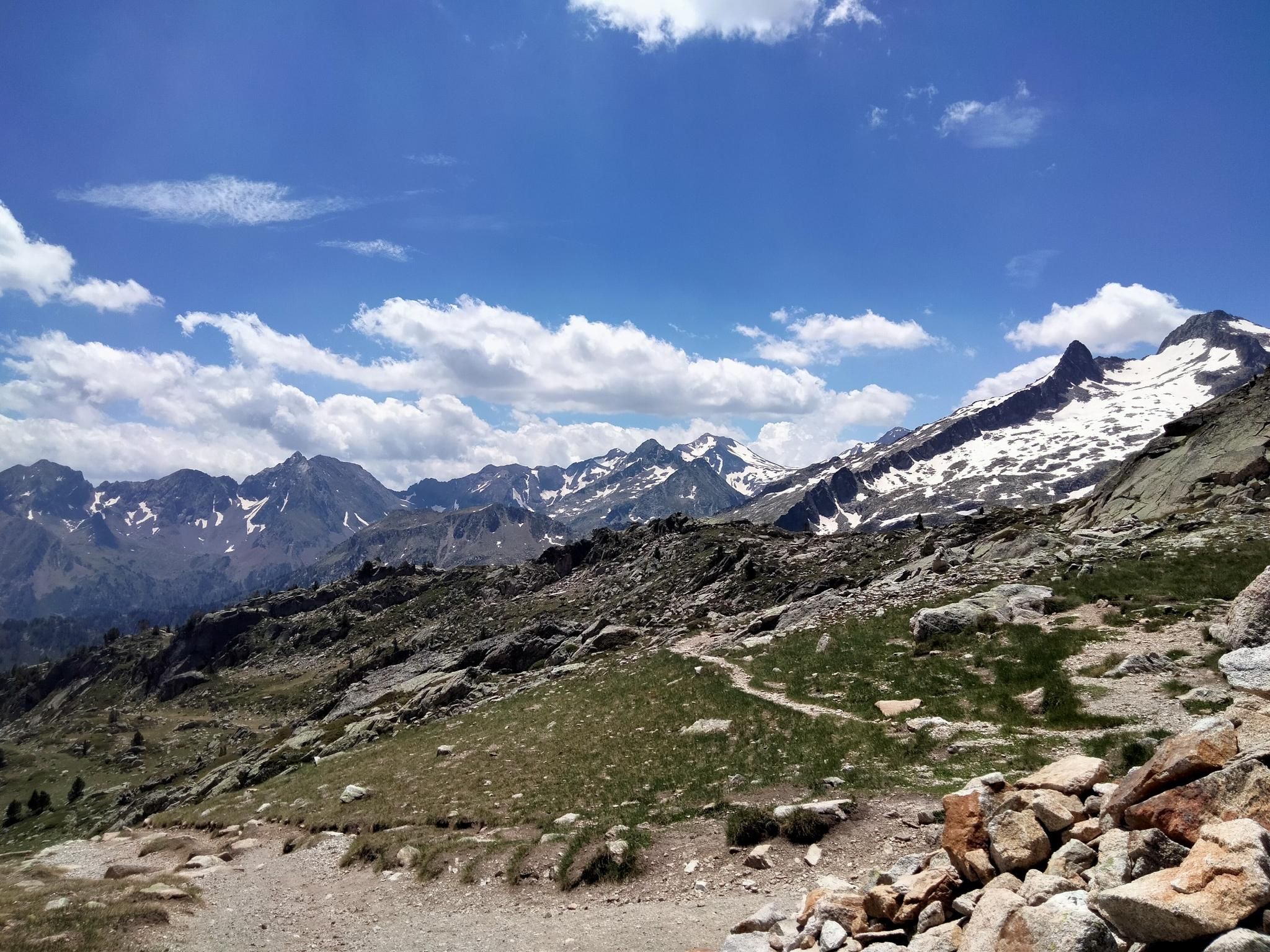
Hexatrek, the western and central Pyrenees – Between mountains and the ocean
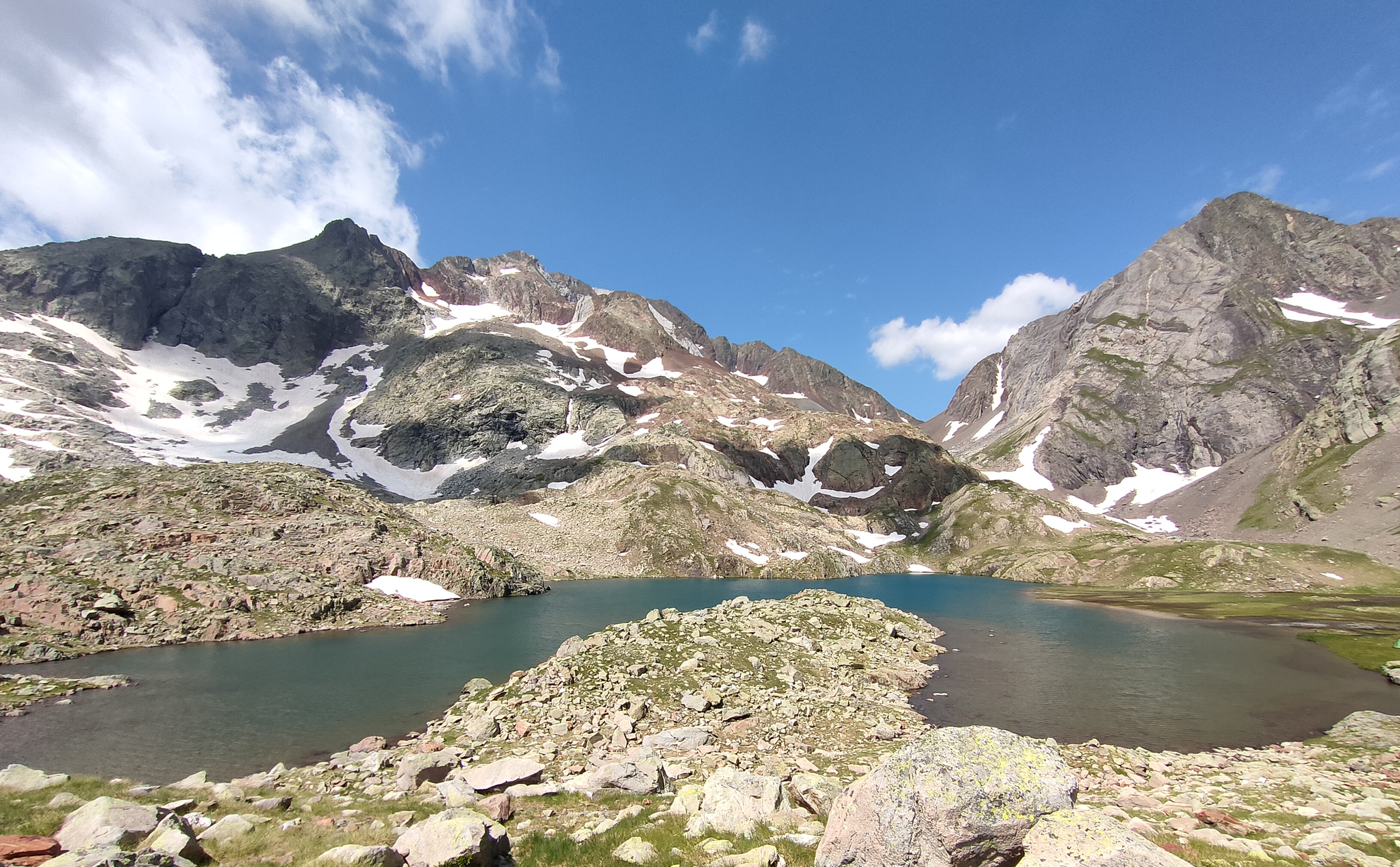
Panoramic Pyrenees – 15 hikers' peaks of over 3,000 metres
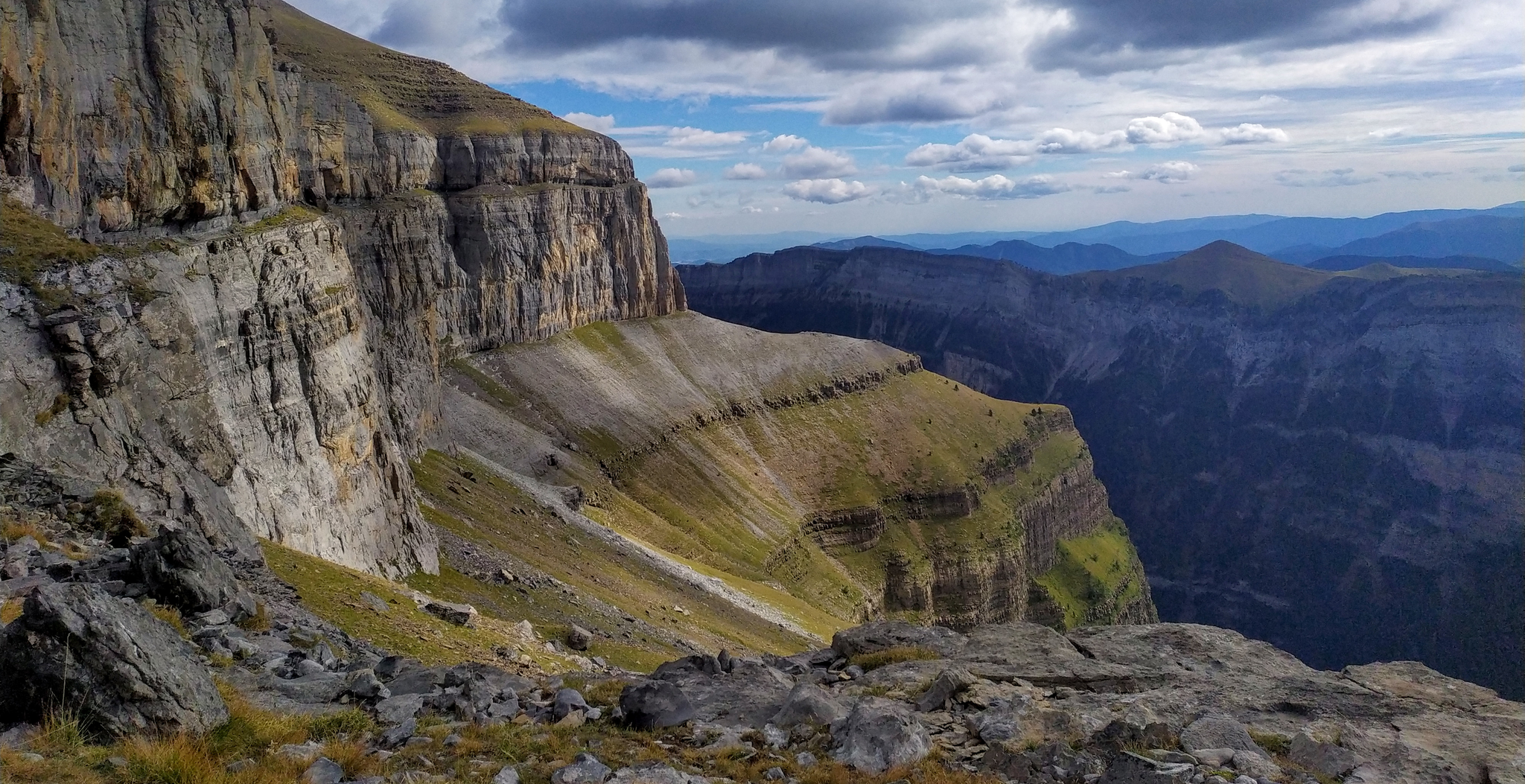
Hike from Gavarnie to Ordesa – A breathtaking loop in the cirques
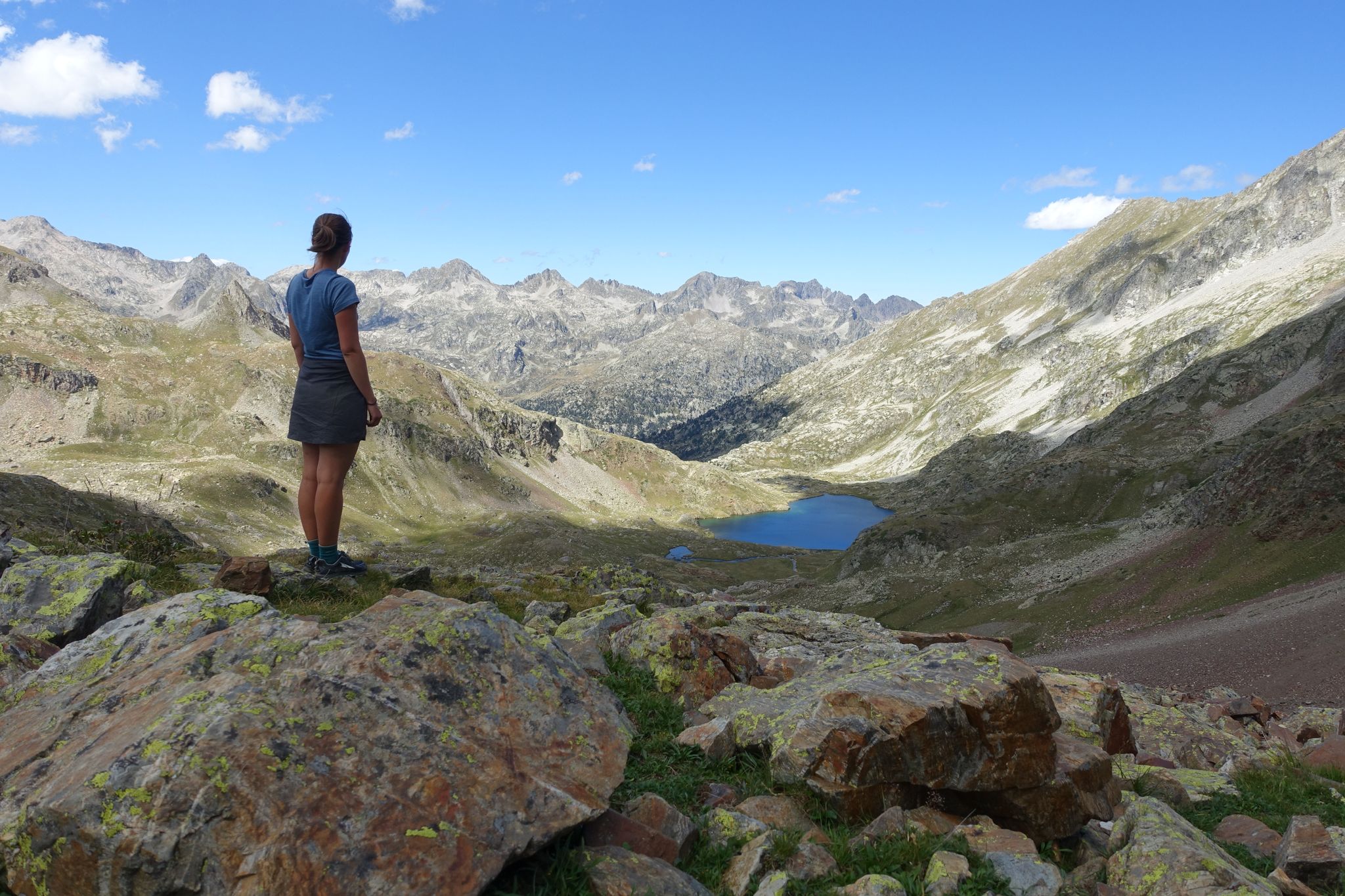
Haute Route Pyrénéenne – Pyrenees Crossing
In the heart of the massif – the best hikes in the Central Pyrenees
Summit conquests and idyllic mountain lakes – Spanish Pyrenees
Between Heaven and Earth – Monte Perdido and the Ordesa Valley
Aragon along the Pyrenean Trail – GR 11
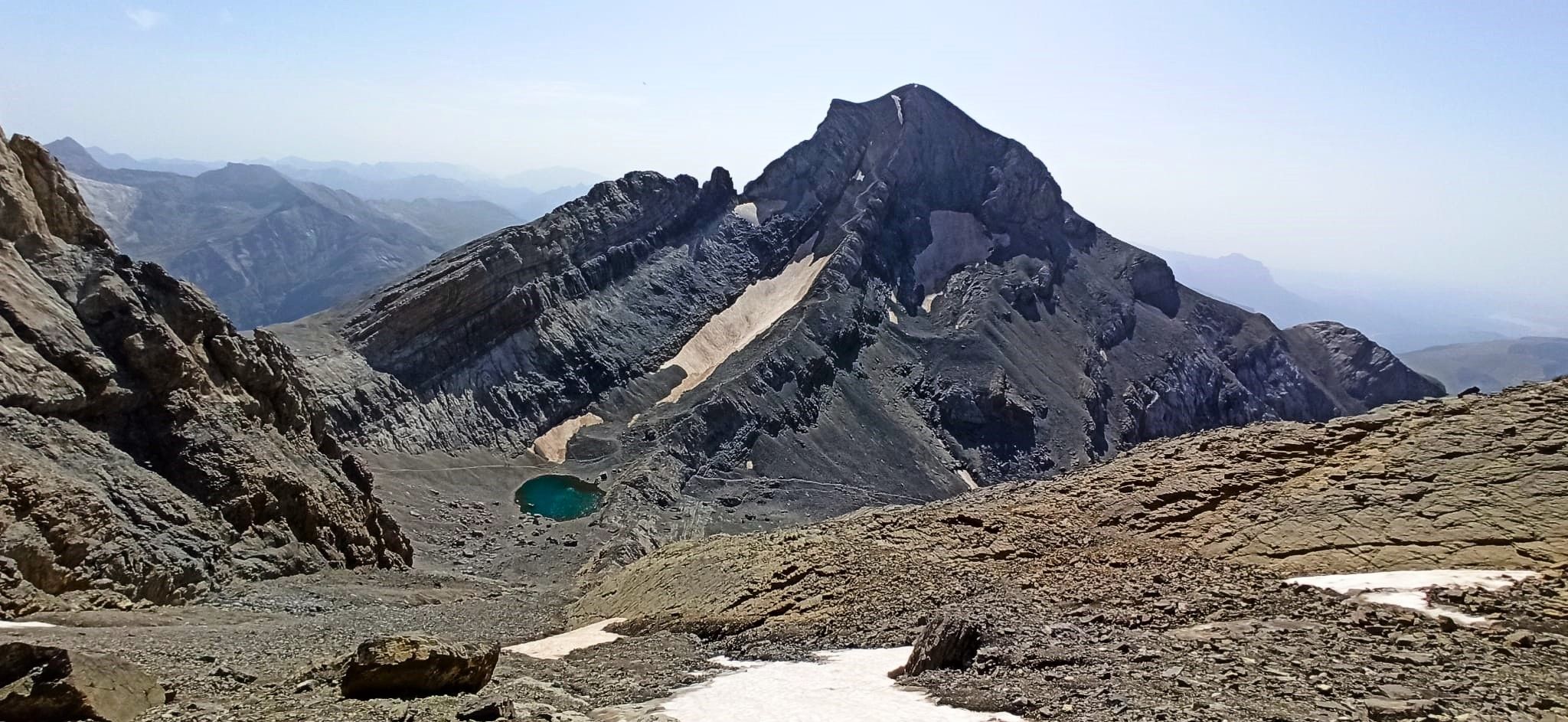
Adventure in the heights — Ordesa and Monte Perdido National Park
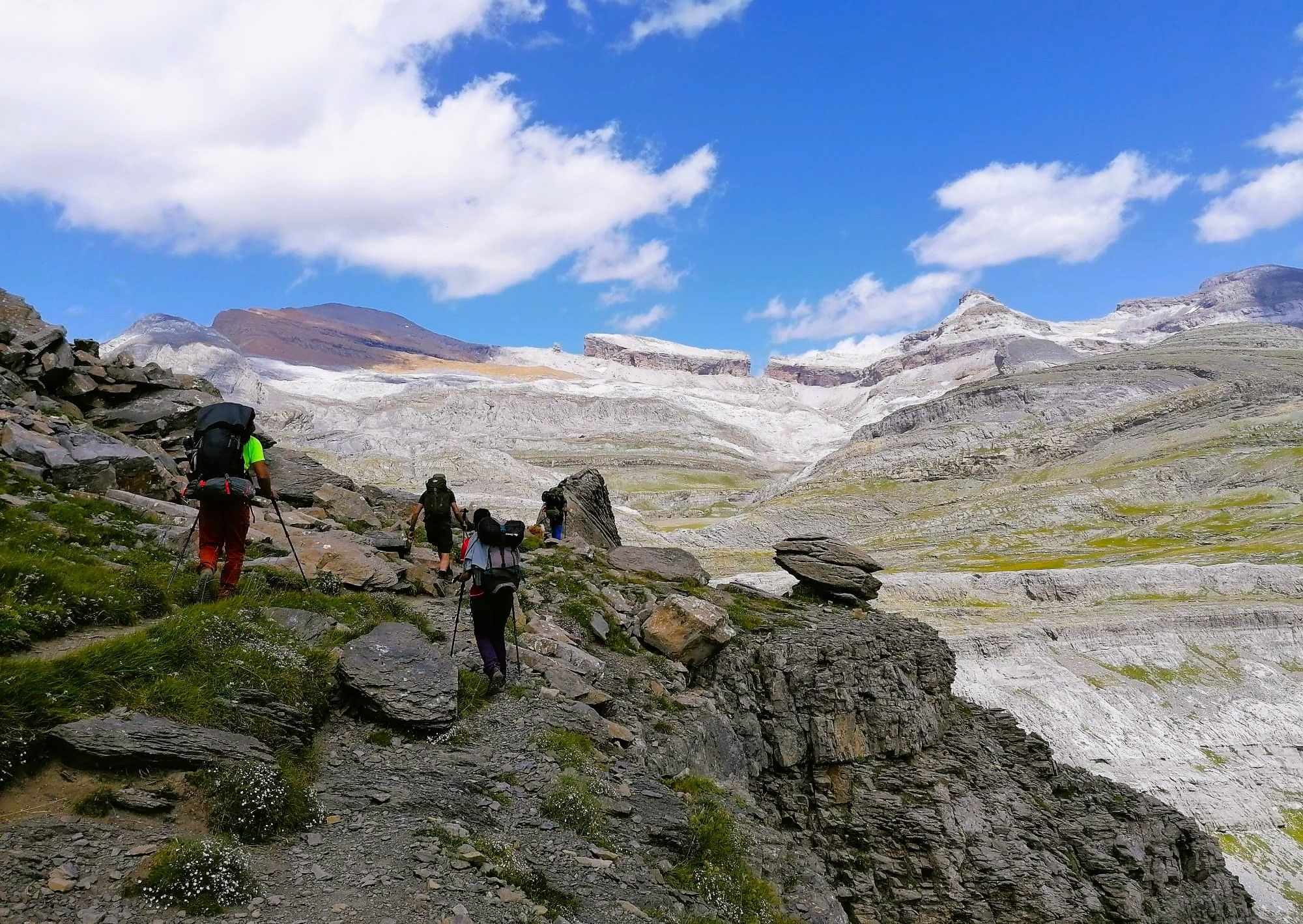
Wilderness — Ordesa y Monte Perdido National Park
Other adventures in Pyrénées - Mont Perdu


Tips from the Community

The Frozen Lake is a small lake located between Cilindro and Monte Perdido
0
0

This parking lot alone has an amazing view!
0
0

Parking is free, but private vehicles are only permitted during the off-season.
0
0

A mega impressive valley with great views
0
2

With a bit of luck, for a few moments you will have this mountain to yourself and a few crows, a breathtaking view of an exceptional site.
1
0

Beautiful! Don't hesitate to go there.
1
0

There isn't much water. Only one lake is visible, the others are dry!
0
0

View of this surprising point that stands out from the Arazas River on the trail to Cola de Caballo.
0
0
Frequently Asked Questions
How many mountaineering routes are available in Pyrénées - Mont Perdu?
There are over 10 mountaineering routes available in Pyrénées - Mont Perdu on komoot, ranging from moderate to difficult. You'll find a diverse selection to explore the region's dramatic landscapes.
What are the typical difficulty levels for mountaineering in Pyrénées - Mont Perdu?
Mountaineering in Pyrénées - Mont Perdu primarily features moderate and difficult routes. There are 6 moderate routes and 7 difficult routes listed, offering challenges for experienced mountaineers and those looking to push their limits. The region is known for its rugged terrain and significant elevation changes.
Are there any routes that feature impressive waterfalls?
Yes, the region is home to spectacular waterfalls. You can experience the impressive Cola de Caballo Waterfall – Soaso Steps loop from Rio Arazas, which explores the deep canyons of Ordesa National Park and features the iconic Cola de Caballo waterfall and the Soaso Steps. Another route, the Cinca Waterfall – Pineta Balcony loop from Espacio nórdico de Pineta, also offers stunning waterfall views.
Can I find circular mountaineering routes in Pyrénées - Mont Perdu?
Yes, several routes in the region are circular. For example, the popular Cirque de Gavarnie – Brecha de Rolando loop from Col de Tentes offers a challenging circular journey. Another option is the Lacs des Aires loop from Chapelle de Héas, a moderate circular route.
What kind of natural features and landmarks can I expect to see along the routes?
The Pyrénées - Mont Perdu region is rich in natural wonders. You'll encounter dramatic geological formations like the Cirque de Gavarnie, deep canyons such as Ordesa and Añisclo, and the iconic Monte Perdido peak. Many routes also pass by stunning waterfalls like the Cola de Caballo Waterfall and the Soaso Steps Waterfalls, as well as high alpine pastures and glacial lakes.
What do other mountaineers say about their experience in Pyrénées - Mont Perdu?
The area is highly rated by the komoot community, with an average score of 4.7 stars from over 60 reviews. Mountaineers often praise the spectacular scenery, the challenging yet rewarding trails, and the unique geological formations found throughout the region.
What is the best time of year for mountaineering in Pyrénées - Mont Perdu?
Summer is generally considered the best time for mountaineering in Pyrénées - Mont Perdu, especially for those new to the sport, as conditions are more favorable. However, the region offers challenging winter climbs for experts. Always check local weather and trail conditions before heading out, as high alpine environments can change rapidly.
Are there any specific permits or regulations I should be aware of for mountaineering in this region?
As Pyrénées - Mont Perdu encompasses parts of both Ordesa y Monte Perdido National Park in Spain and Pyrénées National Park in France, specific regulations apply. It's advisable to check the official websites for both parks regarding permits, camping restrictions, and protected areas before your trip. For general information on the World Heritage site, you can visit UNESCO's page.
Are there any routes suitable for beginner mountaineers?
While many routes are moderate to difficult, some sections and guided treks are considered suitable for beginner mountaineers during the summer months. For example, the ascent of Mont Perdu itself can be undertaken by beginners with a guide in summer. Always choose routes that match your experience and fitness level, and consider hiring a local guide for more challenging terrain.
Where can I find parking for mountaineering routes in Pyrénées - Mont Perdu?
Parking availability varies by trailhead. For routes on the Spanish side, such as those in Ordesa National Park, parking is often available at designated areas like the Ordesa Meadow, though access might be restricted during peak season, requiring shuttle bus use. On the French side, starting points like Col de Tentes or Chapelle de Héas typically have parking facilities. Always check specific access information for your chosen trailhead.
Can I spot any unique wildlife while mountaineering in Pyrénées - Mont Perdu?
Yes, the region is known for its rich biodiversity. Keep an eye out for impressive birds of prey such as lammergeyers (bearded vultures) and griffon vultures soaring above the canyons and cirques. The diverse landscapes also support a variety of other alpine flora and fauna.
Are there any refuges or huts available for overnight stays on longer routes?
Yes, for longer mountaineering adventures, especially those involving multi-day ascents like Mont Perdu, refuges are available. The Góriz Refuge is a well-known stop for those ascending Mont Perdu. Another option is the Tuquerouye Refuge / Tucarroya Refuge. It's highly recommended to book these in advance, especially during peak season.
Most popular routes in Pyrénées - Mont Perdu
Most popular attractions in Pyrénées - Mont Perdu

Get inspired with the komoot mobile app


Explore more
Browse the best Mountain Hikes & Routes in other regions.
