The 20 Most Amazing Peaks in Sierra Nevada
Mountain peaks in Sierra Nevada are a prominent feature of the landscape, offering diverse terrain and elevations. This range is home to the highest peaks of the Iberian Peninsula, characterized by rugged slopes and alpine environments. The region provides a variety of experiences for those seeking to explore its natural features. Its geological formations and high-altitude environments define the area.
Best mountain peaks in Sierra Nevada
- The most popular mountain peaks is Mulhacén Summit, a summit that is the highest peak of the Iberian Peninsula. It is a challenging ascent, often requiring high altitude precautions.
- Another must-see spot is Pico Veleta viewpoint, a viewpoint that is the second highest peak in the Sierra Nevada. It offers panoramic views of Mulhacén and the surrounding high-mountain landscapes.
- Visitors also love Hondera Lagoon, a lake and summit area. This location is known for its beauty and serves as an ideal place for a rest break or overnight campsite.
- Sierra Nevada is known for its summits, viewpoints, and natural monuments. The region offers a variety of mountain peaks to see and explore, ranging from challenging ascents to scenic viewpoints.
- The mountain peaks in Sierra Nevada are appreciated by the komoot community, with 33 highlights, 172 photos, and 111 upvotes.
Last updated: October 11, 2026
Mulhacén Summit
Highlight • Summit
Translated by Google •
Tip by

Hondera Lagoon
Highlight • Lake
Important note: if you plan to spend the night here, do not pitch your tent in the borreguiles (the grasslands). They are home to several species of flora endemic to the Sierra Nevada and it is necessary to protect them.
Translated by Google •
Tip by
Sign up now to discover places like this
Get recommendations on the best single tracks, peaks, & plenty of other exciting outdoor places.
Pico Veleta viewpoint
Highlight • Viewpoint
Tip by

Peñabón
Highlight • Summit
Tip by

La Ragua Pass
Highlight • Mountain Pass
Translated by Google •
Tip by

Sign up for free to discover even more peaks in Sierra Nevada.
Already have an account?
Start today with a free account
Your next adventure awaits.
Popular around Sierra Nevada
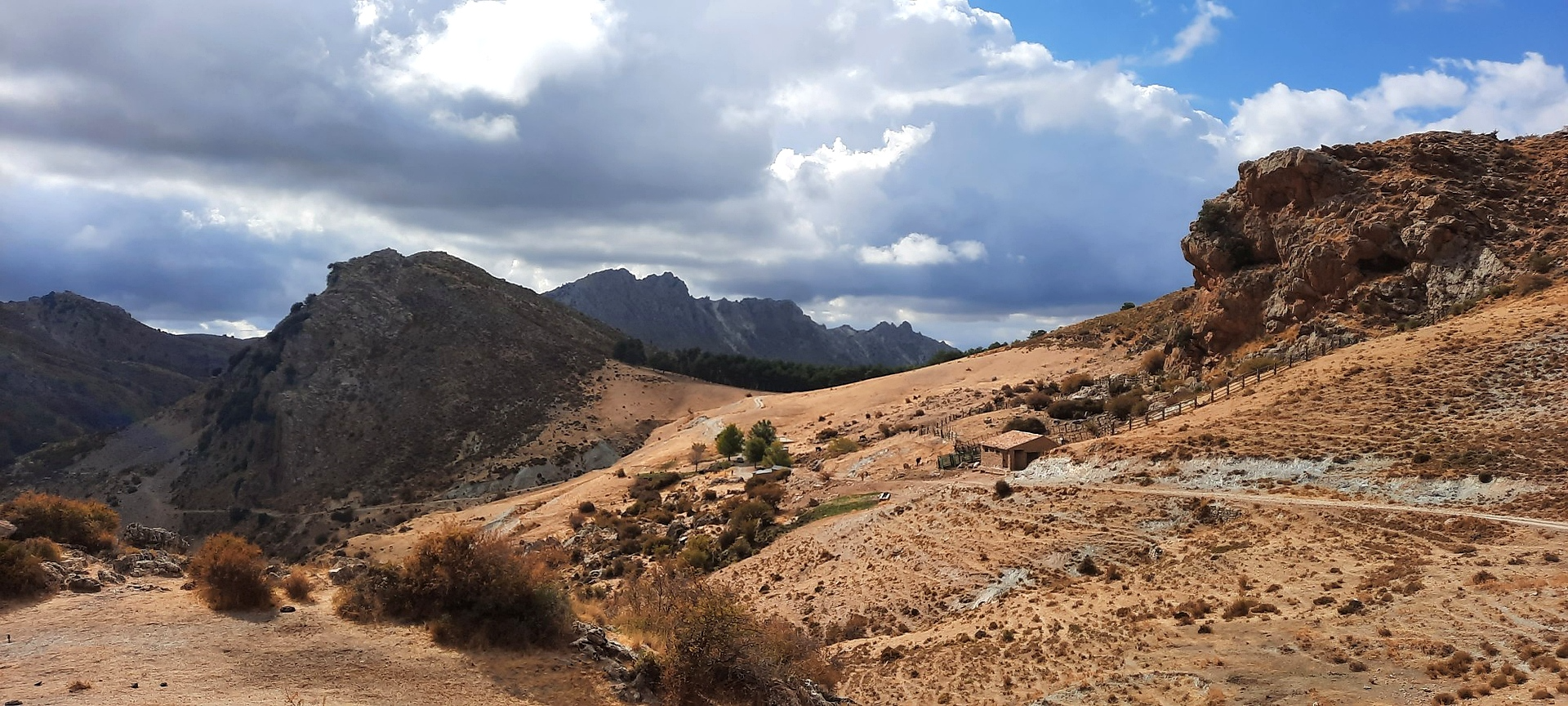
Sulayr Trail (GR 240) — 300 kilometers in the mountain of the sun
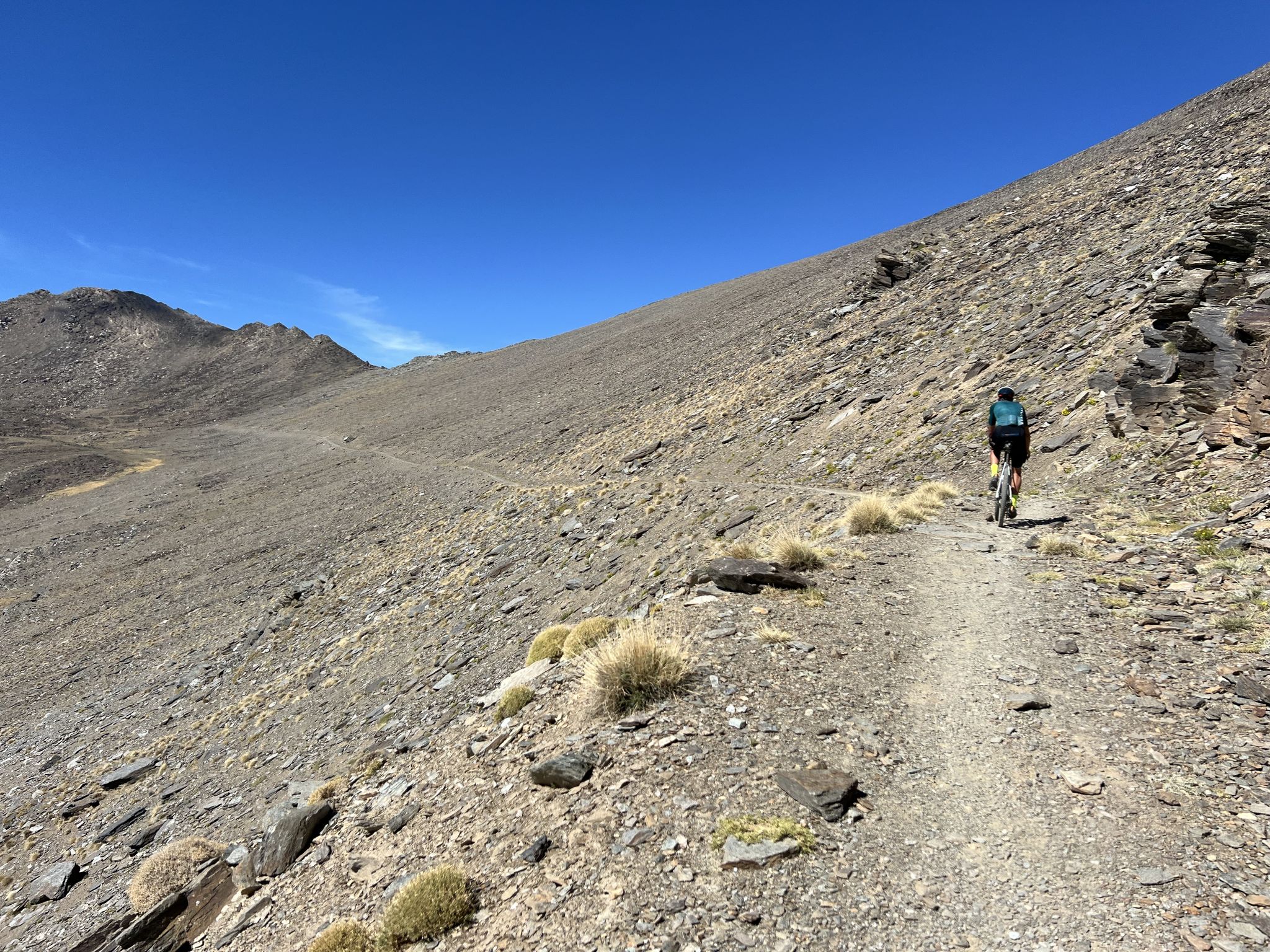
Badlands 2024 – extreme experiences and a sense of joy
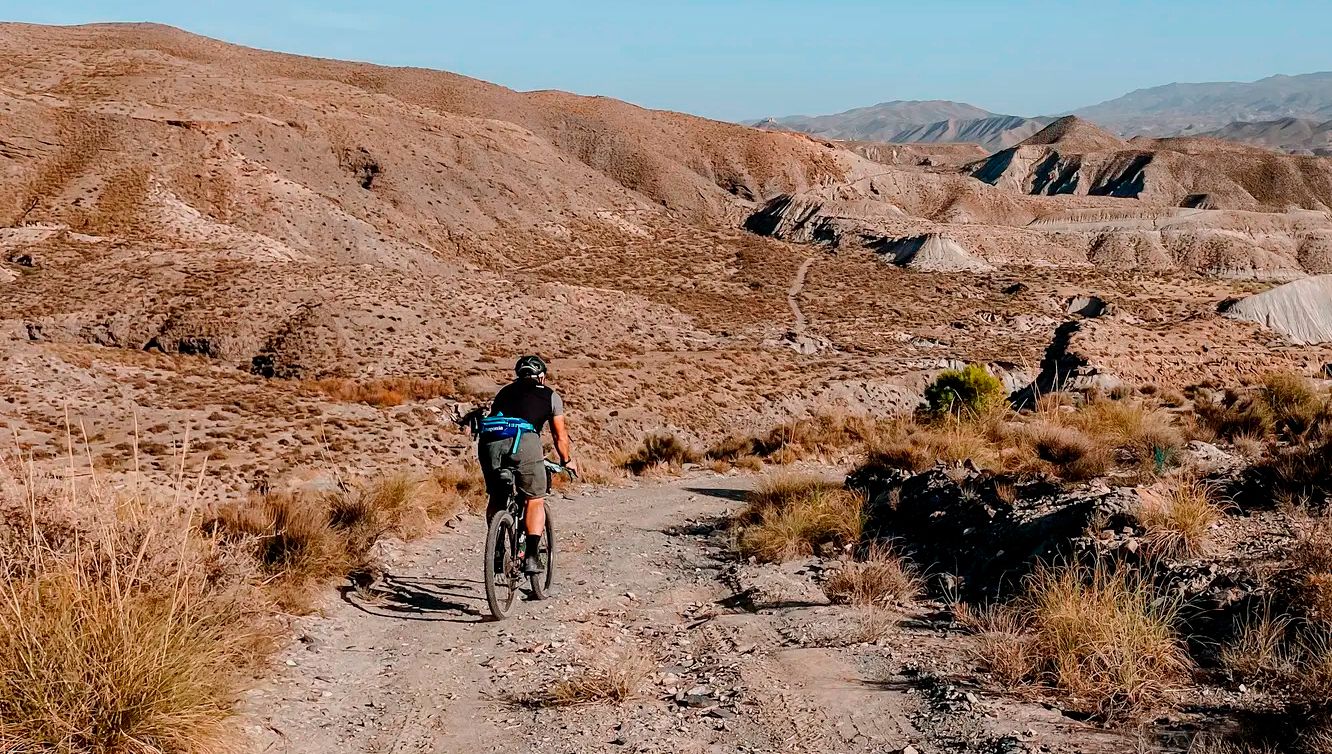
TransAlmería Gravel – Summits, dry riverbeds and deserts
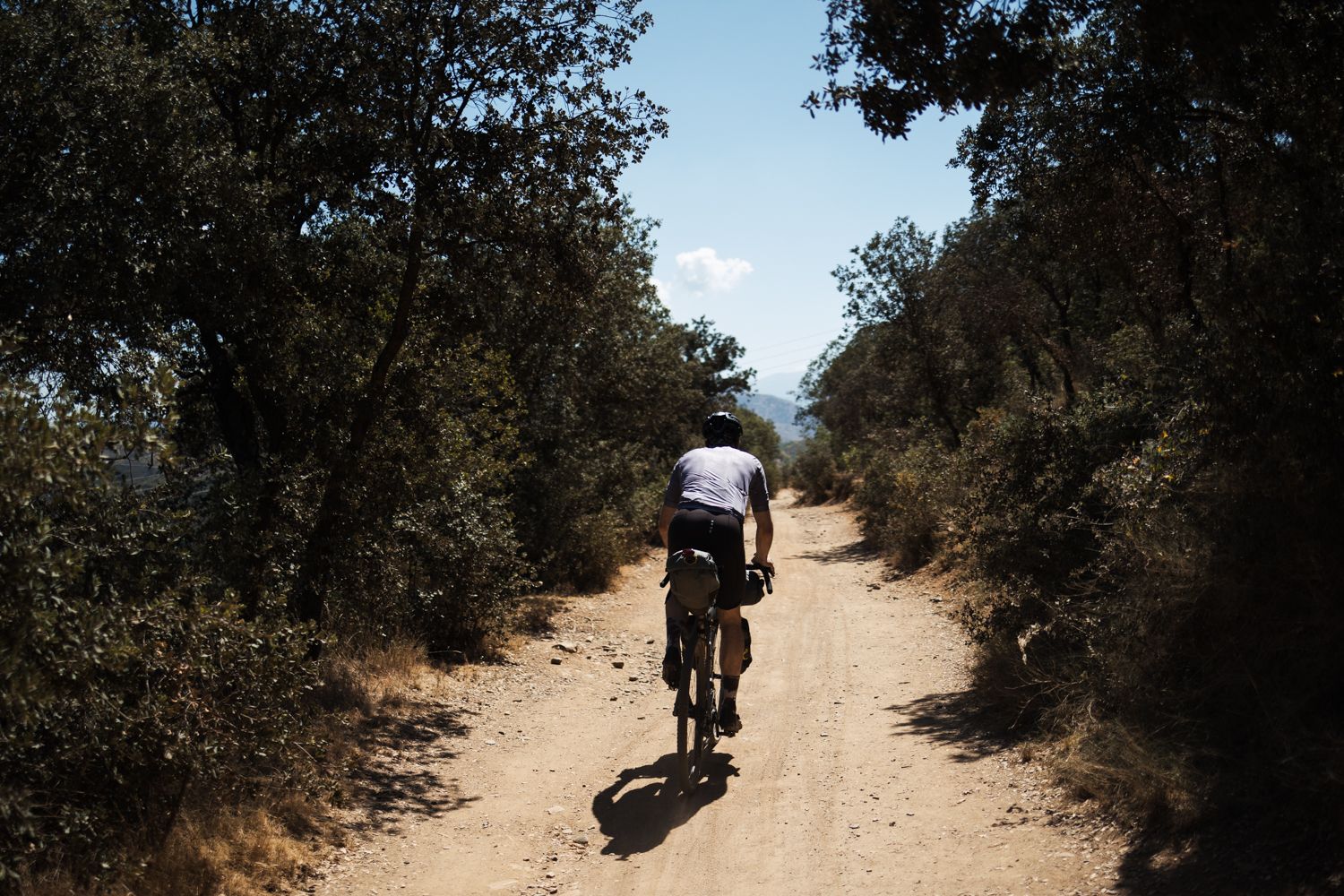
Mozarabic Way to Santiago – Gravel between two worlds
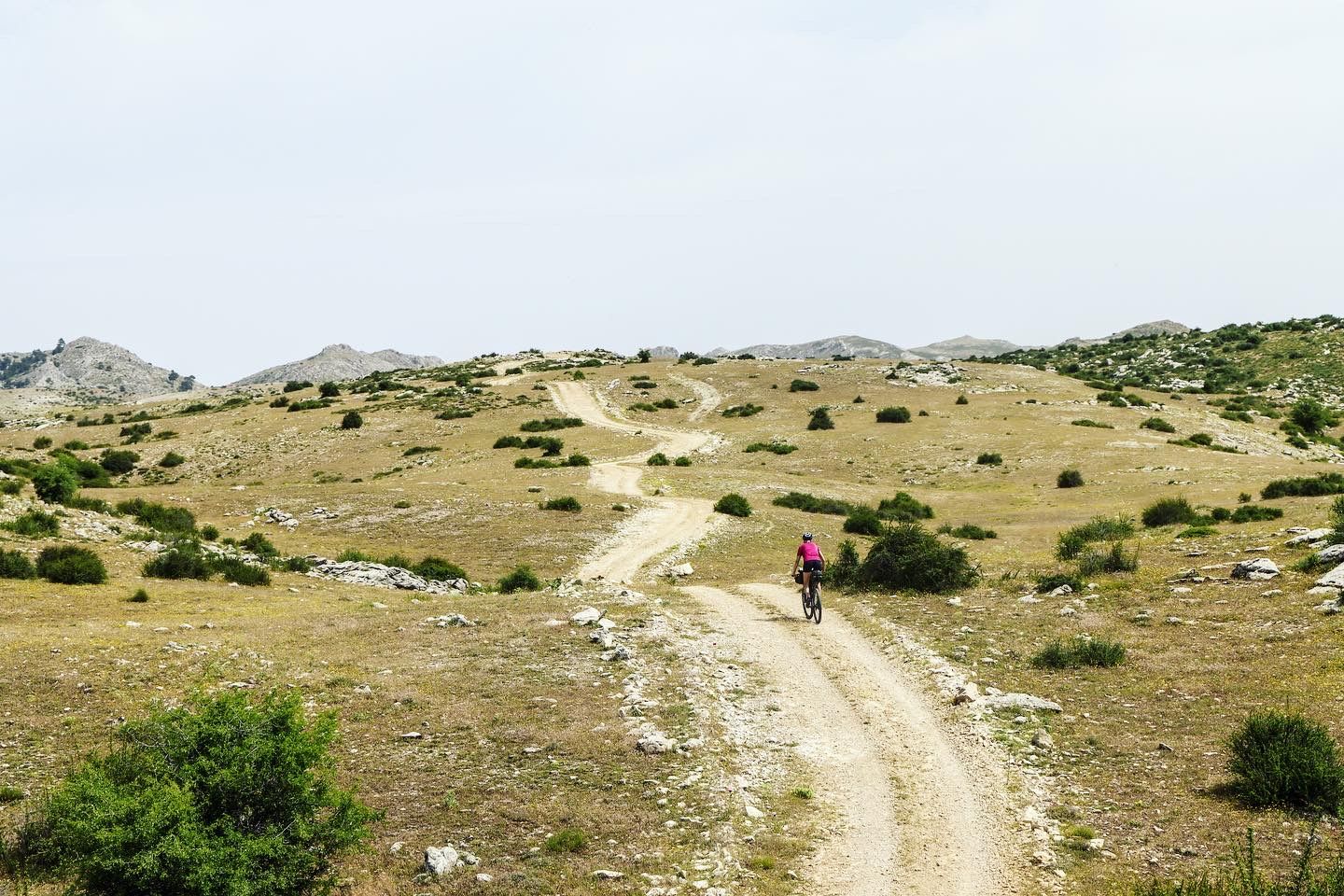
Bikepacking the mountains and deserts of Andalucía
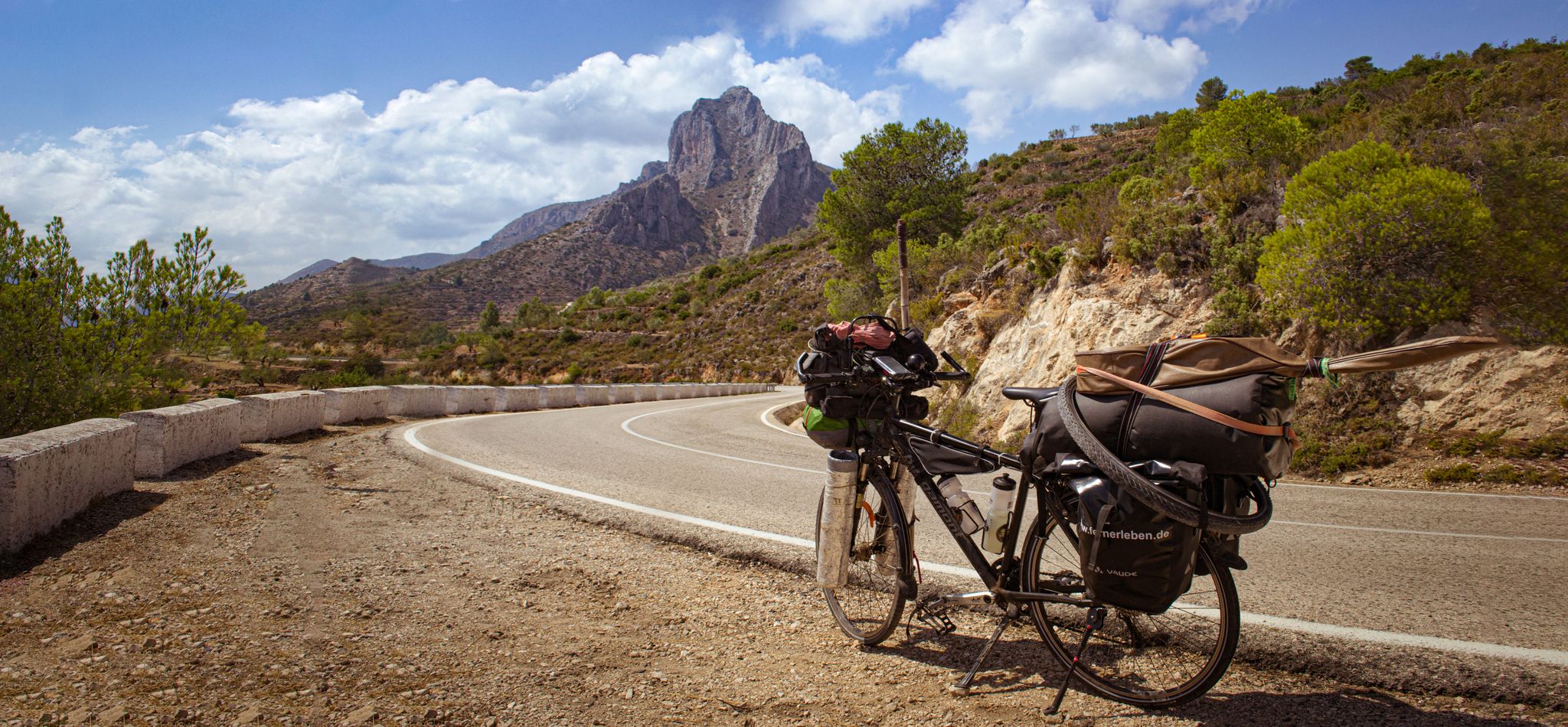
On the road to the sun — bikepacking to southeast Spain
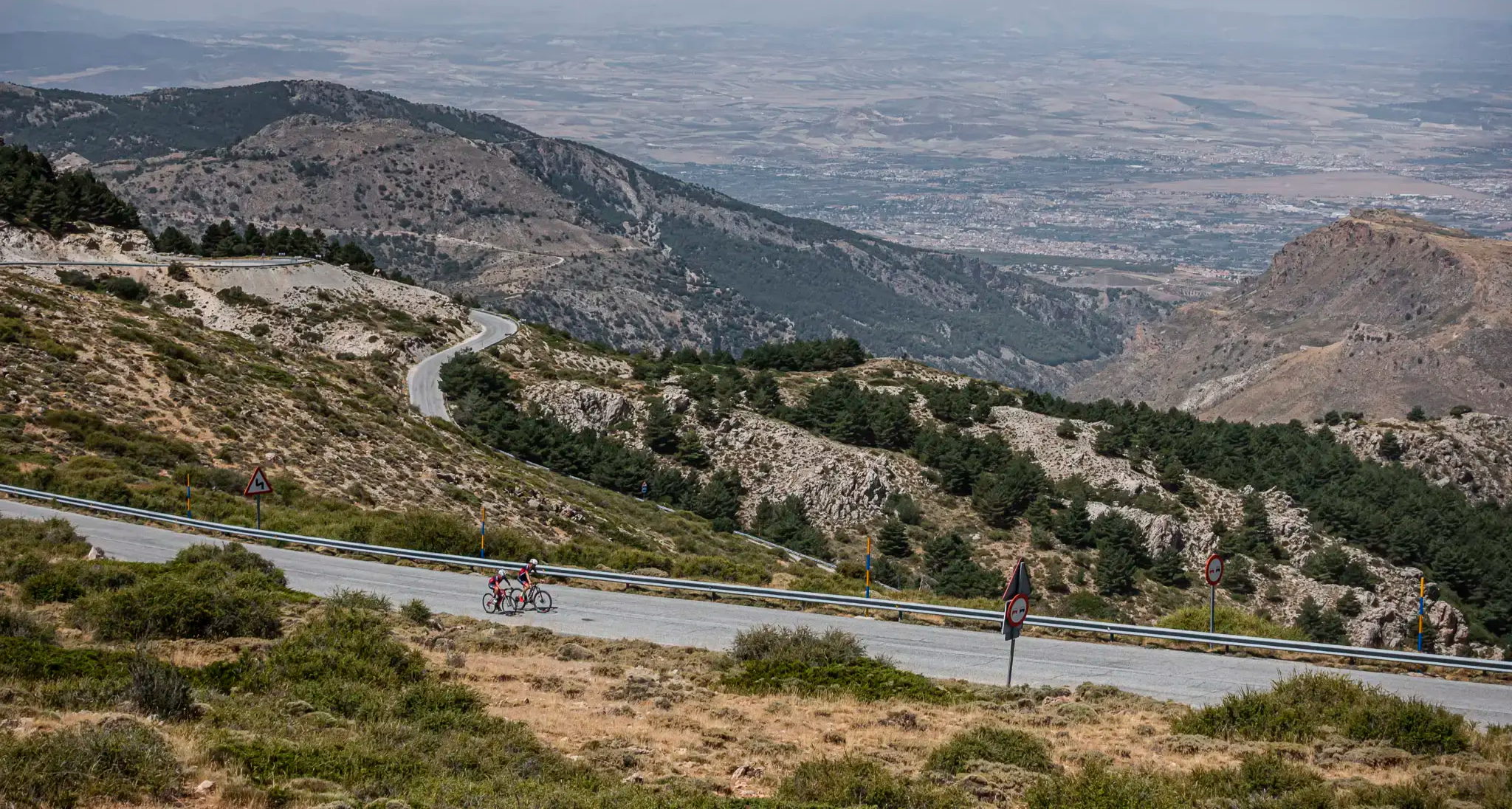
The challenge of the south - Routes through Sierra Nevada
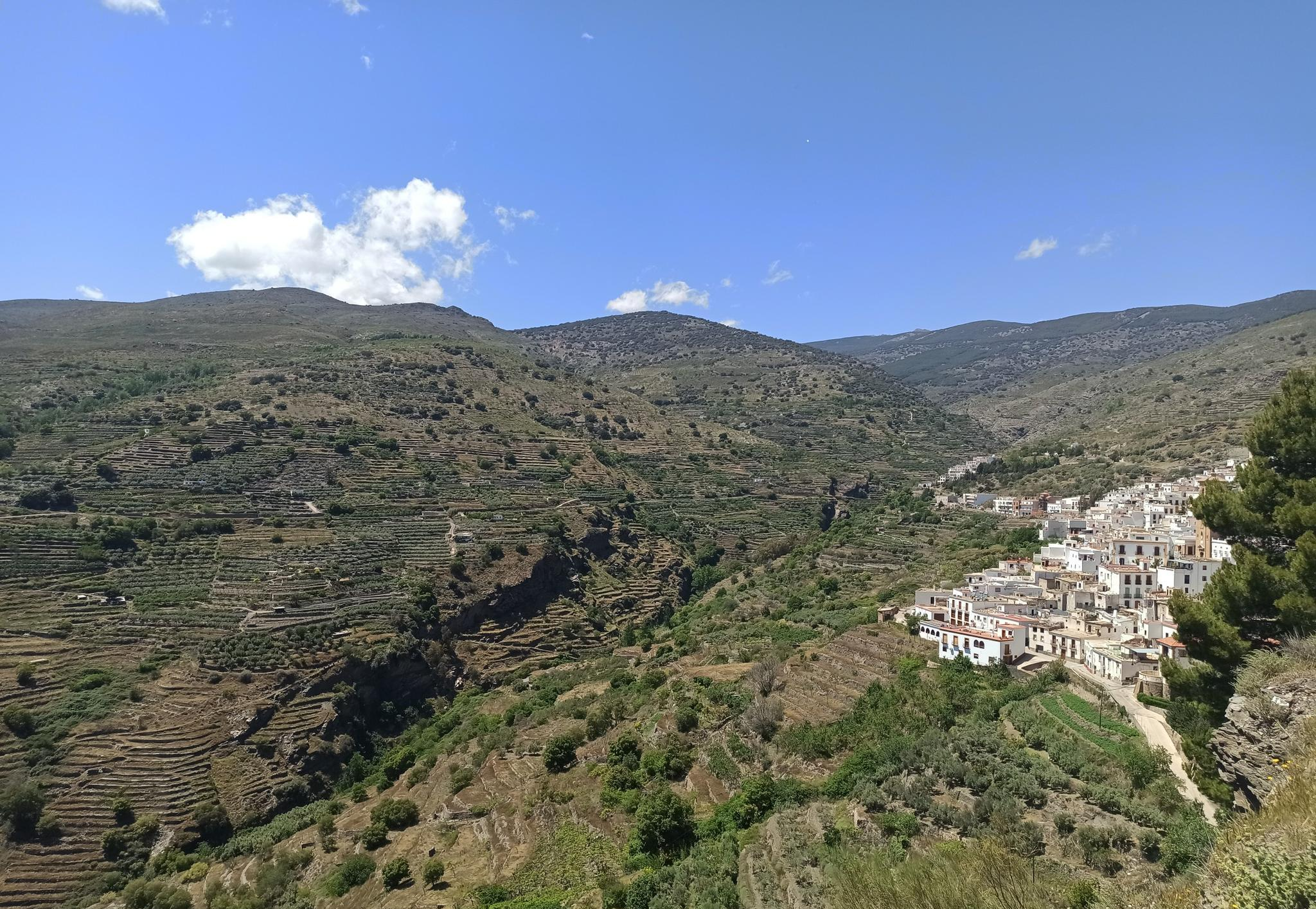
Among white villages - Path of the Alpujarra (GR 142)
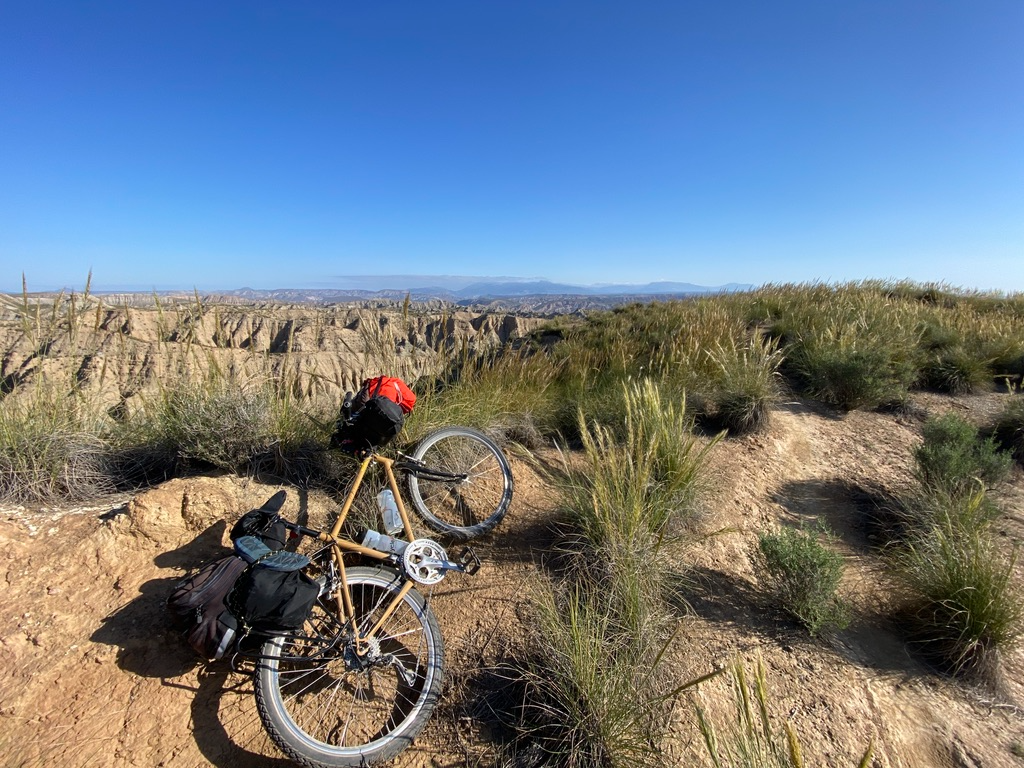
Mountain, Desert and Sea — Andalusian Trilogy
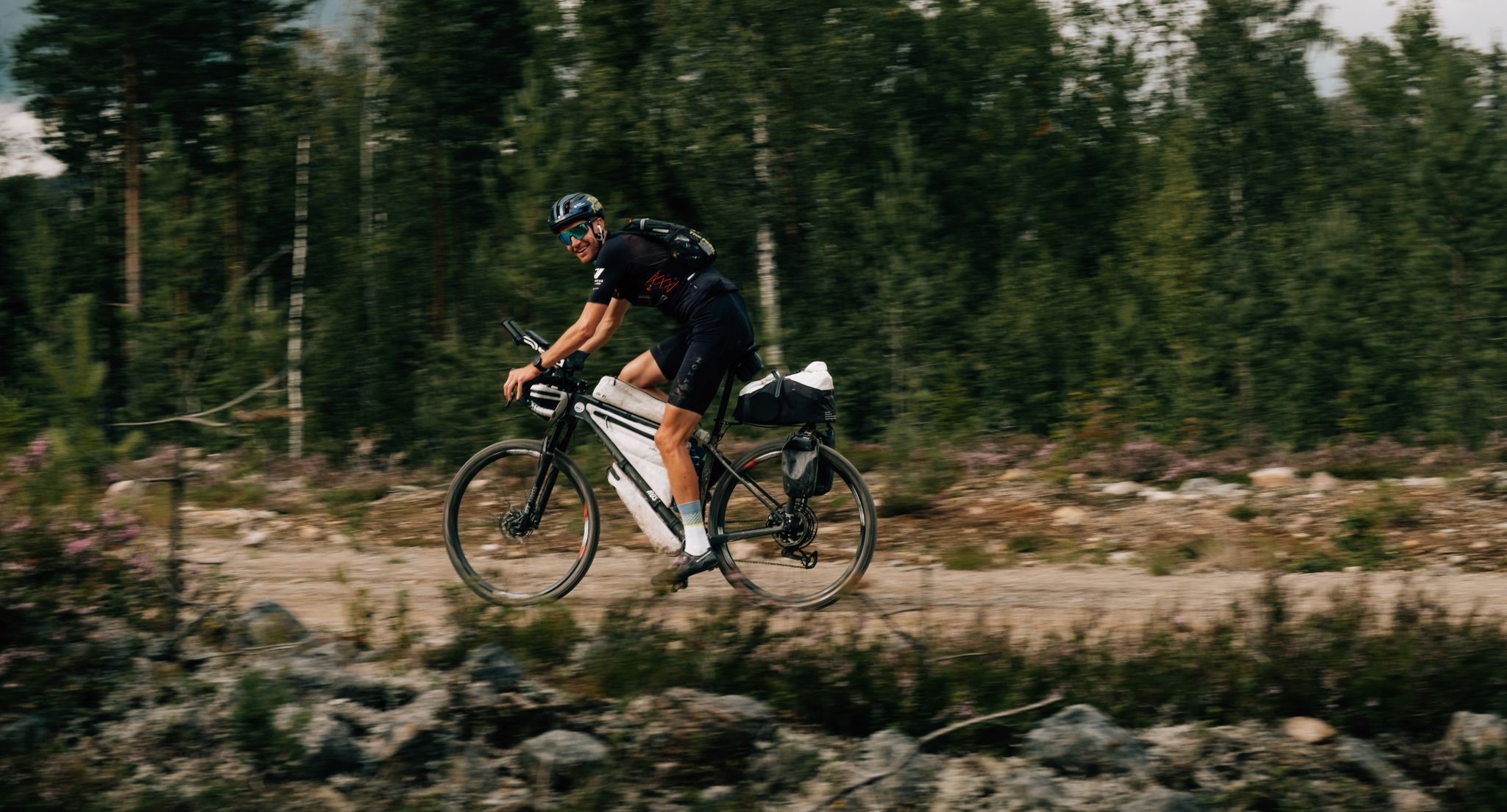
European D̶I̶V̶I̶D̶E̶ Connect Trail Project – a journey across Europe
Other adventures in Sierra Nevada


Tips from the Community

This hike is really tough: -very poorly signposted -inaccurate komoot navigation -long, constant ascent, 560 meters of altitude gain -during the ascent, you have to climb a section on scree, for me even on hands and knees -the descent goes for a long time over scree, loose slate, along a very narrow path next to the ravine -we took 8 hours for it..(got lost for a bit and had to turn back to find the right path again) -tip: look for the 'stone men', so you can still orient yourself now and then
0
0

The Veleta Peak viewpoint, located in the Sierra Nevada mountains (Granada), is one of the most spectacular spots to enjoy panoramic high-mountain views on the Iberian Peninsula. From the summit of Veleta you can enjoy: Views of the Mediterranean Sea on clear days. Panoramic views of Mulhacén, the highest peak on the peninsula. High-mountain landscapes with rock formations, snow (in winter), and native flora.
2
0

No problem at all with the north way, really nice landscape; 1h30 in running
2
0

The Puerto de la Ragua marks the border between the provinces of Granada and Almería. The Sierra Nevada stretches on both sides, with the 3000m peaks on the Granada side. The highest mountain in the province of Almería, El Chullo, is, however, easily accessible from the Puerto de la Ragua. The Puerto de la Ragua is just over 2000m.
0
0


One of the few asphalt passes over 2,000m in the region. You just have to take it with you, even if it's not particularly "exciting" IMHO.
2
0

The trail is pretty easy to find until you get to the waterfalls. To reach Laguna Hondera you must climb up beside the first waterfall. That is between the two waterfalls. There are cairns on the path but it’s quite easy to miss them amongst the other routes up there. It’s a beautiful location. We saw a few ibex but only 2 other hikers!
1
0

The area of the Seven Lagoons (and Laguna Hondera in particular) is one of the most beautiful places in the Sierra Nevada National Park. The climb up here next to the waterfall formed by the Chorreras Negras is demanding, but all the pain in your legs is forgotten as soon as you reach the top and see the beauty of the place. Important note: if you plan to spend the night here, do not pitch your tent in the borreguiles (the grasslands). They are home to several species of flora endemic to the Sierra Nevada and it is necessary to protect them.
4
0
Frequently Asked Questions
What are the most popular mountain peaks in the Sierra Nevada?
The Sierra Nevada in the Iberian Peninsula is home to several prominent peaks. Among the most popular are Mulhacén Summit, which is the highest peak of the Iberian Peninsula, and Pico Veleta viewpoint, the second highest, offering panoramic views. Visitors also frequently explore Hondera Lagoon, known for its beauty and as a resting spot.
What kind of terrain and elevation can I expect when visiting Sierra Nevada mountain peaks?
The Sierra Nevada peaks are characterized by rugged slopes and alpine environments, with elevations reaching over 3,400 meters. For instance, Mulhacén Summit stands at 3,479 meters. The terrain can be demanding, often requiring high-altitude precautions and good physical fitness, especially for challenging ascents.
Are there challenging mountain ascents for experienced hikers in the Sierra Nevada?
Yes, the Sierra Nevada offers demanding challenges for experienced hikers. Ascending Mulhacén Summit is a challenging endeavor, often requiring high-altitude precautions. The climb to Hondera Lagoon, especially next to the waterfall formed by the Chorreras Negras, is also demanding but rewarding.
What natural features and viewpoints can I find in the Sierra Nevada mountains?
The Sierra Nevada is rich in natural features, including stunning viewpoints and alpine lakes. Pico Veleta viewpoint offers spectacular panoramic high-mountain views, including Mulhacén. Hondera Lagoon is a beautiful lake and summit area, part of the Seven Lagoons, known for its idyllic setting and lush greenery during summer.
What is the best time to visit the Sierra Nevada mountains for hiking?
The best time to visit depends on your activity. While some areas like Hondera Lagoon are very green during summer months, winter brings snow and ice, making conditions more challenging. For high-altitude peaks like Mulhacén, weather can change rapidly, so appropriate precautions are necessary year-round. Summer offers warmer conditions, but winter mountaineering is also possible for the prepared.
What outdoor activities can I do near the Sierra Nevada mountain peaks?
Beyond peak bagging, the Sierra Nevada offers diverse outdoor activities. You can find excellent options for gravel biking, with routes like the Pinos Genil village loop. There are also numerous waterfall hikes and easy hikes, such as the Capileira Village loop, suitable for various skill levels.
Are there family-friendly mountain hikes in the Sierra Nevada?
Yes, the Sierra Nevada offers several family-friendly hiking options. For example, the easy hikes guide includes routes like the Capileira Village – Bubión Village loop, which is suitable for families looking for less strenuous trails.
What should I wear when hiking in the Sierra Nevada mountains?
Given the high altitude and potential for rapid weather changes, it's crucial to dress in layers. Even in summer, temperatures can drop significantly, and strong winds are common. In winter, expect very cold conditions, ice, and snow. Always carry appropriate high-altitude and weather-related gear, including waterproofs, warm layers, and sturdy hiking boots.
What do visitors enjoy most about the Sierra Nevada mountain peaks?
Visitors frequently praise the breathtaking panoramic views from peaks like Pico Veleta viewpoint and the sense of accomplishment from summiting challenging peaks like Mulhacén Summit. The serene beauty of places like Hondera Lagoon, ideal for rest or bivouac, is also highly appreciated.
Are there any mountain passes suitable for cycling in the Sierra Nevada?
Yes, the Sierra Nevada features notable mountain passes popular with cyclists. La Ragua Pass is one of the few asphalt passes over 2,000m in the region, known for its demanding climbs and having been part of the Cycling Tour of Spain multiple times. It also offers good nature walks and bird watching opportunities.
Where can I find less crowded mountain peaks or trails in the Sierra Nevada?
While popular peaks attract many, exploring areas slightly off the main routes or visiting during off-peak seasons can offer a more solitary experience. For instance, Peñabón, a classic ascent from Trevélez, offers a challenging yet potentially less crowded experience compared to the highest peaks.
Most popular routes in Sierra Nevada
Most popular attractions in Sierra Nevada

Get inspired with the komoot mobile app


Explore more
See even more amazing summits in Sierra Nevada with these guides:
