Attractions and Places To See in La Narbonnaise En Méditerranée - Top 20
Best attractions and places to see in La Narbonnaise En Méditerranée include a blend of ancient Roman sites, diverse natural landscapes, and Mediterranean villages. The region features the Narbonnaise en Méditerranée Natural Regional Park, encompassing beaches, vineyards, and lagoons. Historical sites like Narbonne, with its Roman past and medieval legacy, complement natural features such as the Massifs of Corbières Maritimes and La Clape. Visitors can explore a variety of cultural and natural points of interest.
Best attractions and places to see in La Narbonnaise En Méditerranée
- The most popular attractions is Cap Leucate Lighthouse, a man-made monument and viewpoint. It is situated on the only cliff in the coastal area of Occitanie, offering views of the Mediterranean and the wild landscape.
- Another must-see spot is Œil Doux Sinkhole, a lake and natural monument. This location offers views of the lake.
- Visitors also love Gruissan Lagoon, a lake. This vast body of salt water is bordered by marshes and lagoons, which are home to diverse fauna and flora.
- La Narbonnaise En Méditerranée is known for its Roman sites, natural parks, and charming villages. The region offers a variety of historical landmarks, coastal features, and natural reserves to explore.
- The attractions in La Narbonnaise En Méditerranée are appreciated by the komoot community, with 486 upvotes and 47 photos shared across various highlights.
Last updated: July 7, 2026
Gruissan Lagoon
Highlight • Lake
Translated by Google •
Tip by

Œil Doux Sinkhole
Highlight • Lake
Translated by Google •
Tip by

Sign up now to discover places like this
Get recommendations on the best single tracks, peaks, & plenty of other exciting outdoor places.
Sign up for free
Cap Leucate Lighthouse
Highlight • Monument
Translated by Google •
Tip by

Gorges du Rec
Highlight (Segment) • Gorge
Translated by Google •
Tip by

Leucate Lighthouse
Highlight • Viewpoint
Translated by Google •
Tip by

Sign up for free to discover even more attractions in La Narbonnaise En Méditerranée.
Sign up for free
Already have an account?
Start today with a free account
Your next adventure awaits.
Login or Signup
Popular around La Narbonnaise En Méditerranée
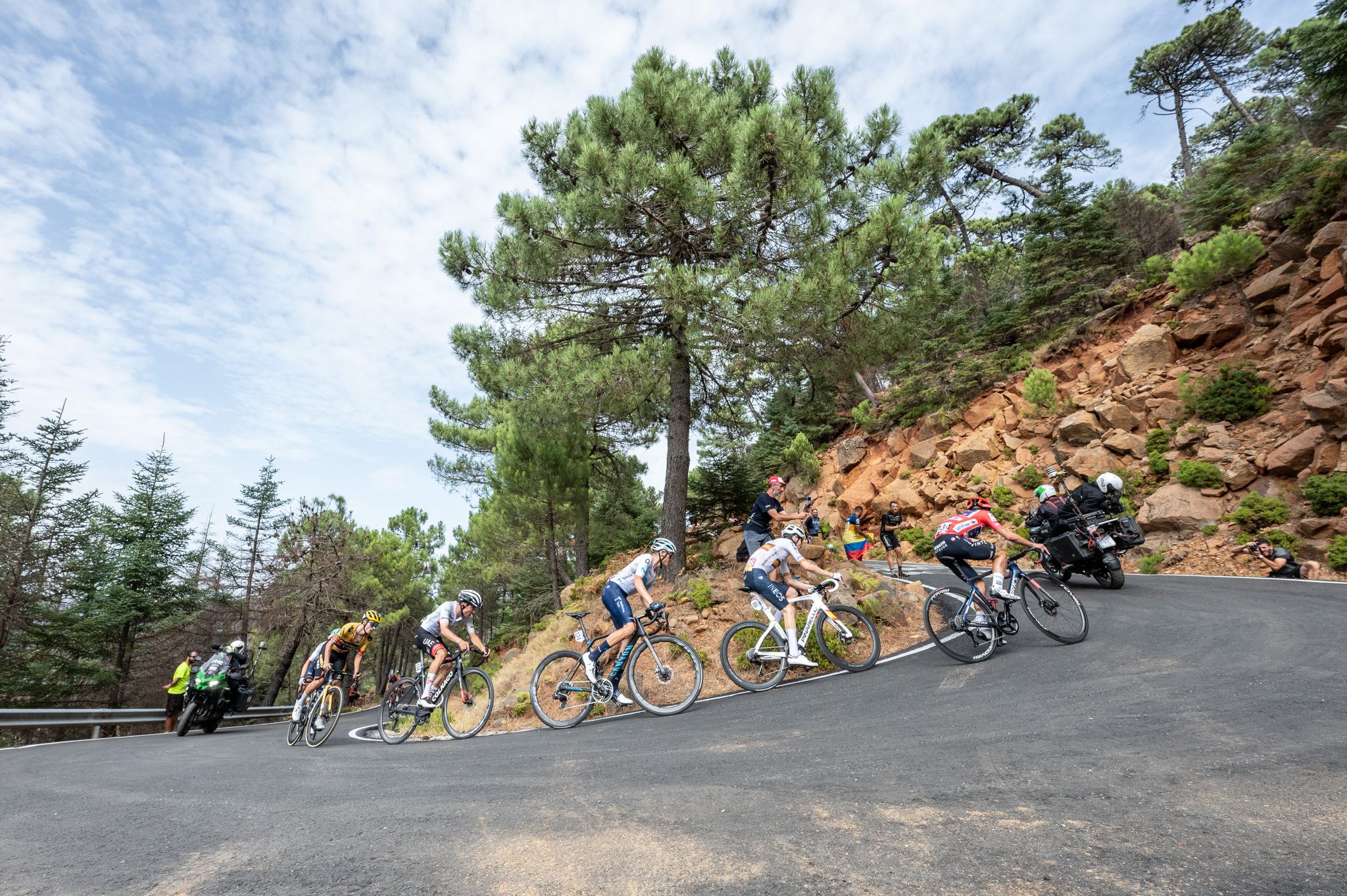
La Vuelta 26 — All Official Stages
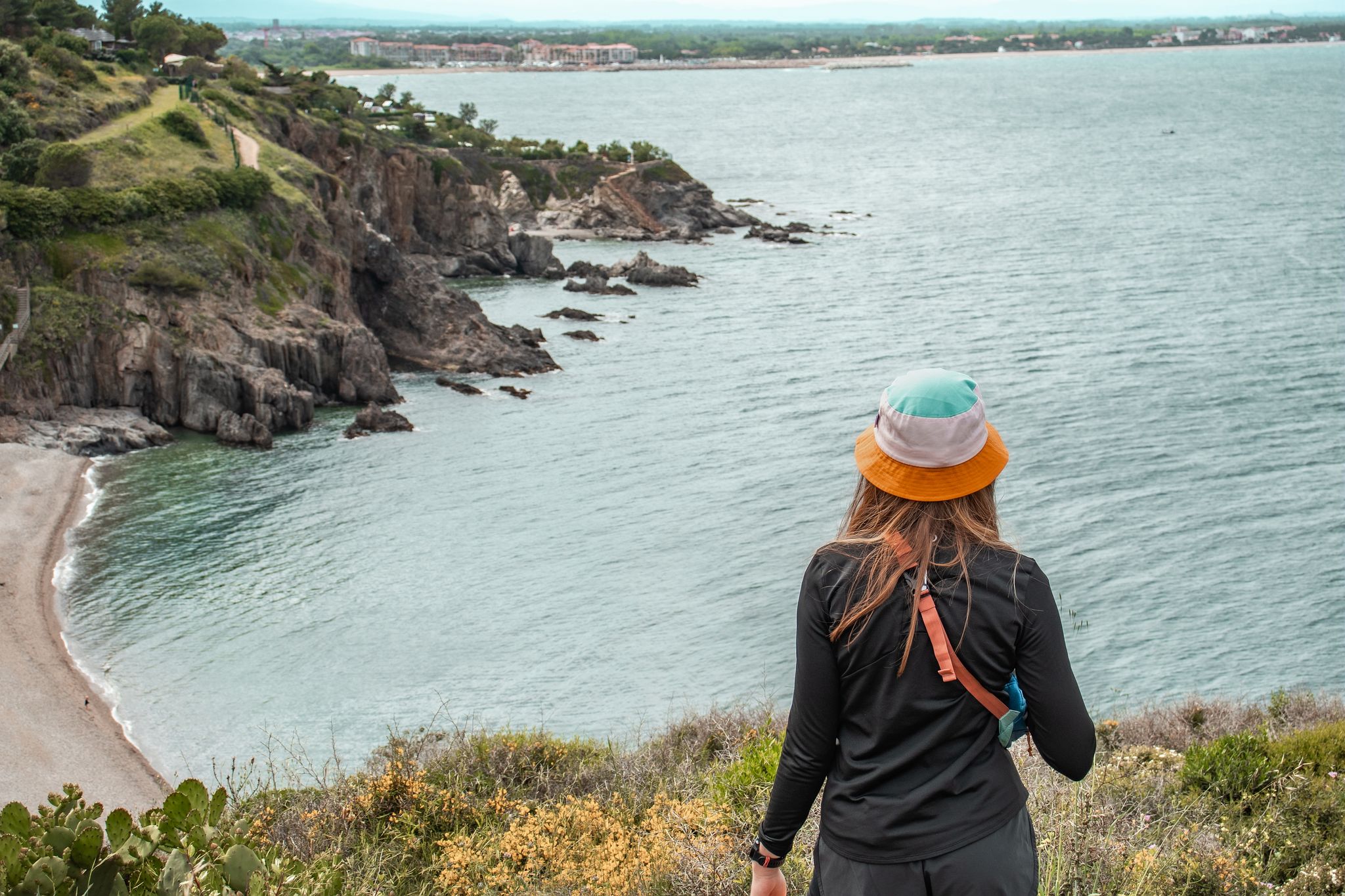
Côte Méditerranée – hiking in Occitania
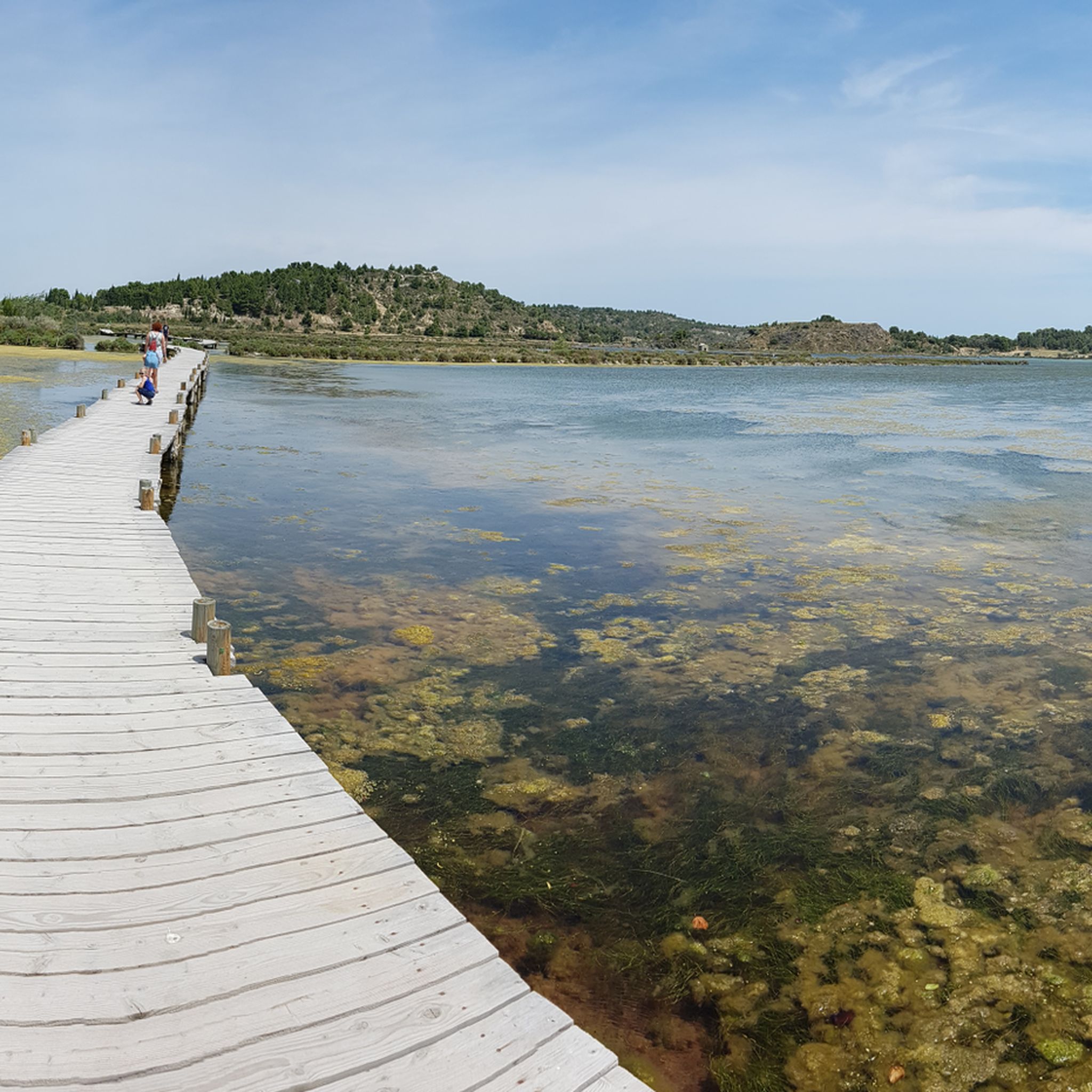
Hiking in La Narbonnaise En Méditerranée
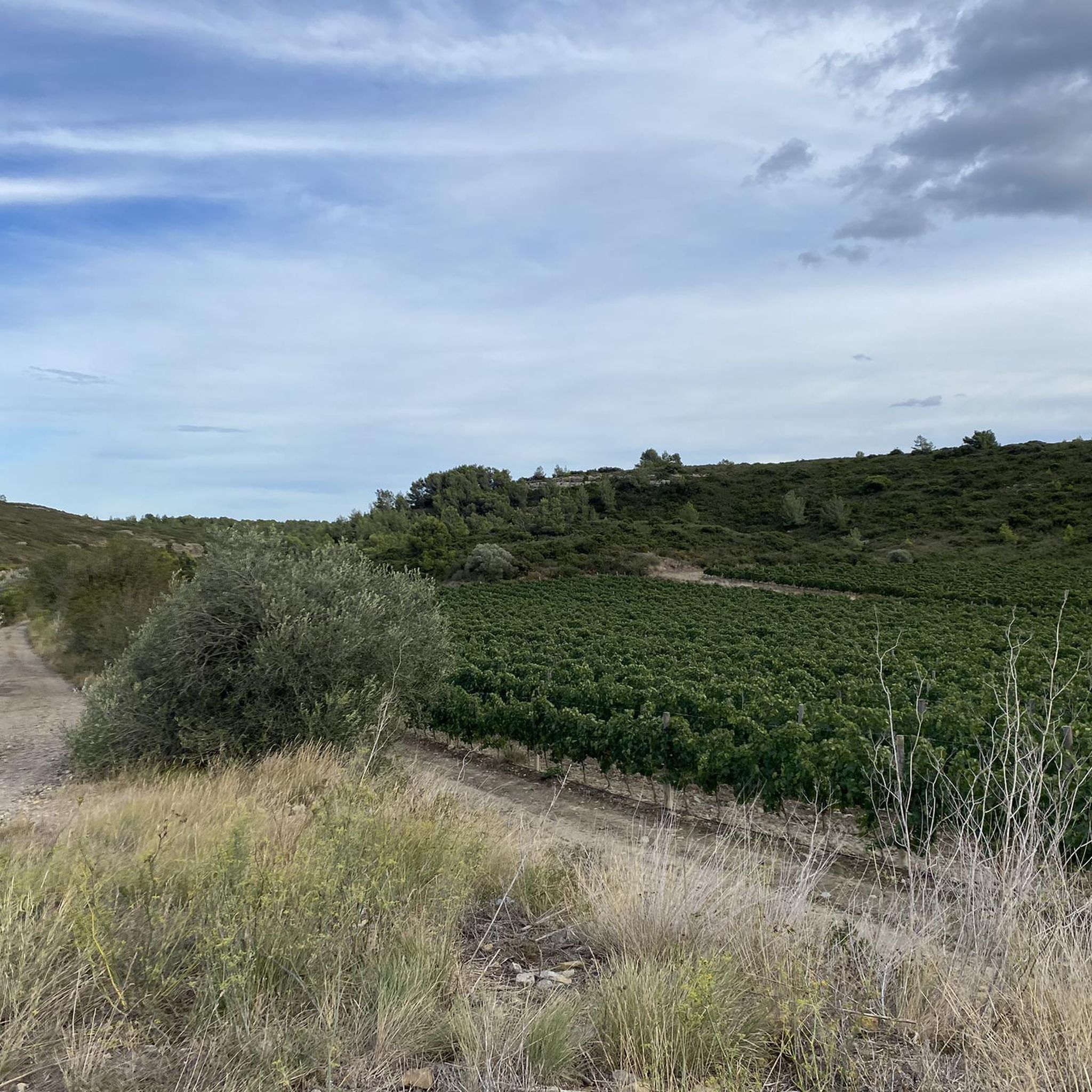
Cycling in La Narbonnaise En Méditerranée
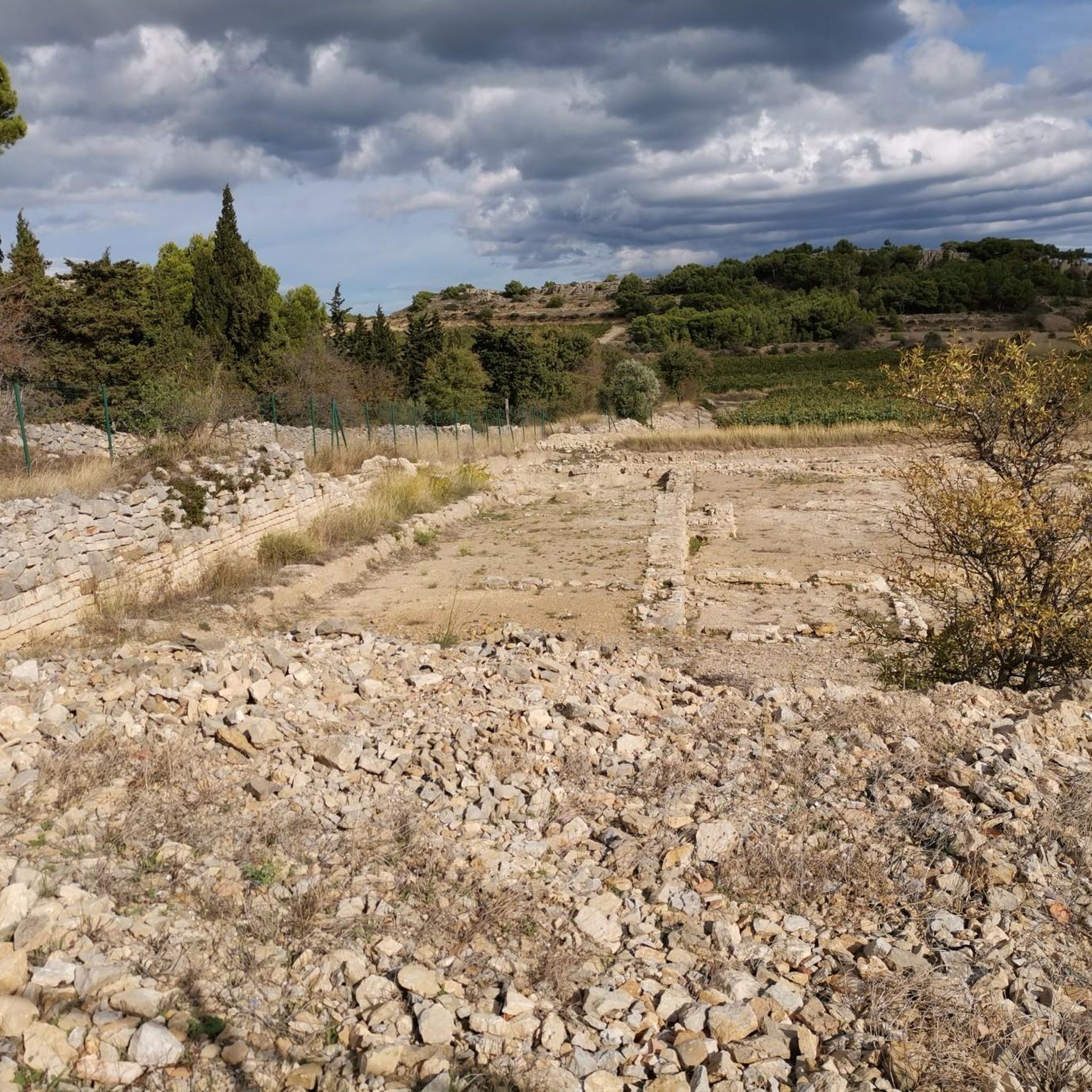
Running Trails in La Narbonnaise En Méditerranée
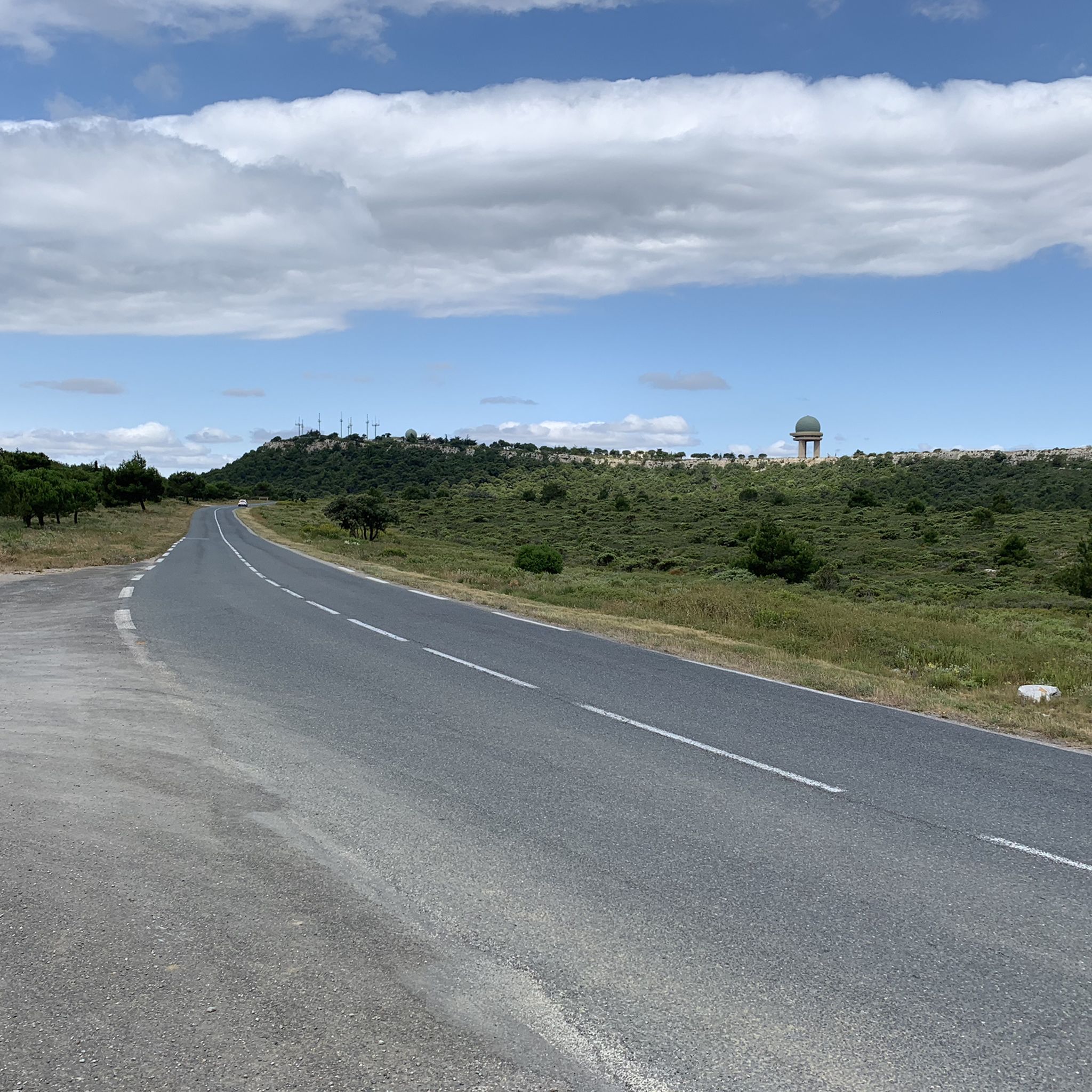
Road Cycling Routes in La Narbonnaise En Méditerranée
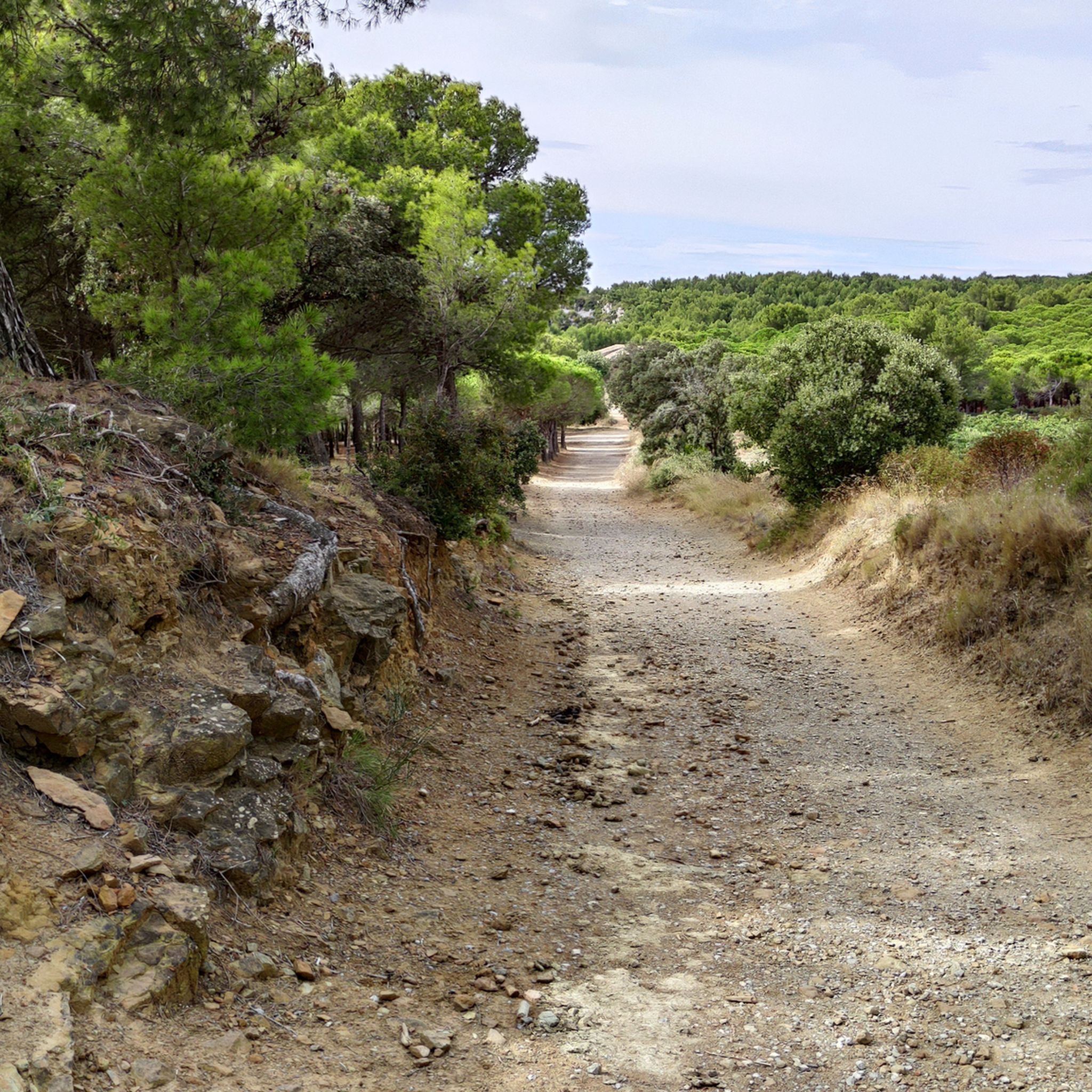
MTB Trails in La Narbonnaise En Méditerranée
Gravel biking in La Narbonnaise En Méditerranée
Other adventures in La Narbonnaise En Méditerranée


Tips from the Community

Very beautiful hike from the Leucate lighthouse to La Franqui beach (8 km9) with a superb view.
0
0

Very beautiful walk overlooking the sea
0
0

cave closed until the end of 2025
0
0

The pond can be easily circumnavigated by bike, it is worth it
0
0

From Cap Leucate you can enjoy a beautiful view that extends from the Gulf of Lion to the Pyrenees
1
1

Here at Cap Leucate you can go for beautiful hikes and enjoy the nature and the view of the sea.
3
1
At the Cap Leucate lighthouse (Phare du Cap Leucate) you can take a lovely walk with a view of the sea.
4
1

Very beautiful pond, the view of Gruissan is a significant plus which brings great charm to this place!
1
0
Frequently Asked Questions
What natural features can I explore in La Narbonnaise En Méditerranée?
The region is rich in natural beauty, including the diverse landscapes of the Narbonnaise en Méditerranée Natural Regional Park, which features beaches, vineyards, and lagoons. You can visit the unique Œil Doux Sinkhole, a natural lake, or explore the vast Gruissan Lagoon, known for its diverse fauna and flora. The Massifs of Corbières Maritimes and La Clape also offer stunning natural environments with garrigues, pine forests, and oak massifs.
What historical and cultural sites should I visit in the region?
La Narbonnaise En Méditerranée boasts a deep historical legacy. In Narbonne, explore ancient Roman sites like a well-preserved section of the Via Domitia and the Narbo Via Museum. Don't miss the impressive Narbonne Cathedral (Saint-Just-et-Saint-Pasteur) and the adjacent Archbishop's Palace. Further afield, the 11th-century Cistercian Abbaye de Fontfroide offers a glimpse into medieval history, and the picturesque Hameau du Somail on the Canal du Midi provides a historical stop for travelers.
What are some unique viewpoints in La Narbonnaise En Méditerranée?
For breathtaking vistas, head to the Cap Leucate Lighthouse, situated on the only cliff in the coastal area of Occitanie. It offers stunning views of the Mediterranean and the wild landscape, stretching from the Gulf of Lion to the Pyrenees. The Gilles Aycelin Keep at the Archbishop's Palace in Narbonne also provides panoramic views after a 170-step climb.
Are there family-friendly attractions in La Narbonnaise En Méditerranée?
Yes, the region offers several family-friendly options. The Grau de Leucate Oyster Village is a great place to experience local culture and cuisine. Exploring the Canal de la Robine by electric boat in Narbonne or visiting the charming village of Gruissan with its distinctive circulade design and the iconic Barberousse Tower can also be enjoyable for families. Many natural areas within the Narbonnaise en Méditerranée Natural Regional Park are suitable for gentle walks and picnics.
Where can I experience local cuisine, especially seafood?
The Grau de Leucate Oyster Village is an excellent spot to savor fresh oysters, mussels, and other seafood directly from local producers. Many restaurants in Narbonne and coastal towns like Gruissan also offer regional specialties, often featuring fresh catches from the Mediterranean and the local lagoons.
What outdoor activities are available near the attractions?
The region is ideal for various outdoor activities. You can enjoy hiking and cycling (including VTTs) within the Narbonnaise en Méditerranée Natural Regional Park. The coastal areas, particularly around Cap Leucate, offer excellent trails with stunning sea views. Bird watching is also popular around the vast lagoon complexes like the Étangs de Bages-Sigean and Gruissan Lagoon.
Are there hiking trails near these attractions?
Yes, there are numerous hiking opportunities. For example, you can find trails around the Œil Doux Sinkhole, such as the 'Gouffre de l'Oeil Doux Circuit'. The area around Notre-Dame des Auzils Chapel also offers a mountain path with religious monuments. For more options, you can explore various routes in the region, including 'Le Sentier du Guetteur' or 'Étang de Gruissan' which are generally easy. Find more details on available routes in the Hiking in La Narbonnaise En Méditerranée guide.
What is the best time of year to visit La Narbonnaise En Méditerranée?
The region enjoys a Mediterranean climate. Spring (April-May) and early autumn (September-October) are often considered ideal, offering pleasant temperatures for outdoor activities like hiking and cycling, and fewer crowds than the peak summer months. Summer (June-August) is perfect for beach activities and water sports, though it can be quite warm and busy. Winter is milder, suitable for exploring historical sites and enjoying the quiet landscapes.
What is the significance of the Canal du Midi and Canal de la Robine in the region?
Both the Canal du Midi and the Canal de la Robine are UNESCO World Heritage sites. The Canal de la Robine, a branch of the Canal du Midi, flows through Narbonne and was the canalized former course of the Aude river, offering unique electric boat trips. The broader Canal du Midi is a historic waterway connecting the Atlantic to the Mediterranean, with picturesque stops like the Hameau du Somail, preserving its original charm.
Can I find ancient Roman ruins in La Narbonnaise En Méditerranée?
Absolutely. Narbonne, as ancient *Narbo Martius*, was a significant Roman colony. You can walk on a well-preserved section of the Via Domitia in the city center, visit the Narbo Via Museum which houses nearly 10,000 Roman artifacts, and explore the underground maze of the Roman Horreum. Just outside Narbonne, in Sallèles-d'Aude, Amphoralis, the 'village of the Gallo-Roman potters,' provides further insight into Roman life and craftsmanship.
What kind of wildlife can I expect to see in the natural parks?
The Narbonnaise en Méditerranée Natural Regional Park and its vast lagoon complexes (like Étangs de Bages-Sigean, La Palme, and Gruissan) are crucial for biodiversity. They are particularly renowned for bird watching, especially for migratory birds. You can spot various species of waterfowl, flamingos, and other coastal birds in these protected areas.
Are there any charming villages worth visiting in the area?
Yes, the region is dotted with charming villages. Gruissan is famous for its distinctive circulade design, the iconic Barberousse Tower, and the romantic 'Plage des Chalets.' Bages is another picturesque village, perched on a rock overlooking the ponds with its traditional fishermen's huts. Near Fontfroide Abbey, Bizanet is dominated by the donjon of Château d'Amont, offering a historical village experience.
Most popular routes in La Narbonnaise En Méditerranée
Most popular attractions in La Narbonnaise En Méditerranée

Get inspired with the komoot mobile app


Explore more
Still not found the Highlight you’re looking for? See guides of the top attractions in other regions:
