The best mountain hikes in Pyrénées
4.6
(76)
384
hikers
44
hikes
Mountaineering in Pyrénées offers diverse terrain, from rugged peaks and sharp ridges to glacial lakes and deep canyons. The range features both limestone and granite formations, providing varied climbing experiences. Mountaineers can find routes suitable for all skill levels, including challenging 3,000-meter-plus summits. The Pyrénées are characterized by a network of well-marked approaches and mountain huts, facilitating multi-day expeditions.
Best mountaineering routes in Pyrénées
- The most popular mountaineering route is Camping in Gavarnie – Grande Cascade de Gavarnie loop from Gavarnie, a 6.7 miles (10.8 km) trail that takes 3 hours 35 minutes to complete. This route explores the dramatic landscape around the Grande Cascade de Gavarnie.
- Another top favourite among local mountaineers is Cirque de Gavarnie – Brecha de Rolando loop from Gavarnie, a difficult 15.5 miles (24.9 km) path. This challenging route traverses the iconic Cirque de Gavarnie and the distinctive Brecha de Rolando.
- Local mountaineers also love the Col de Sencours loop from Col du Tourmalet, a 8.1 miles (13.0 km) trail leading through high mountain passes, often completed in about 4 hours 52 minutes.
- Mountaineering in Pyrénées is defined by rugged peaks, glacial lakes, and deep canyons. The network offers options for easy, moderate, and difficult ability levels.
- The routes in Pyrénées are highly rated by the komoot community with an average score of 4.7 stars from over 100 reviews. More than 500 mountaineers have used komoot to explore Pyrénées's varied terrain.
Last updated: July 3, 2026
4.7
(11)
43
hikers
8.22km
02:21
190m
190m
Moderate mountaineering route. Good fitness required. Easily-accessible paths. Suitable for all skill levels.
5.0
(8)
36
hikers
Moderate mountaineering route. Good fitness required. Easily-accessible paths. Suitable for all skill levels.

Sign up for free
4.5
(2)
26
hikers
15.0km
09:04
1,370m
1,370m
Hard mountaineering route. Very good fitness required. Sure-footedness, sturdy shoes and alpine experience required.
4.8
(8)
20
hikers
12.6km
04:57
630m
630m
Moderate mountaineering route. Good fitness required. Mostly accessible paths. Sure-footedness required.
4.3
(4)
14
hikers
14.7km
04:52
700m
700m
Moderate mountaineering route. Good fitness required. Easily-accessible paths. Suitable for all skill levels.
Get access to more routes and recommendations from other explorers.
Sign up for free
Already have an account?
Our route recommendations are based on thousands of hikes, rides, and runs completed by other people on komoot.
Start today with a free account
Your next adventure awaits.
Login or Signup
Popular around Pyrénées
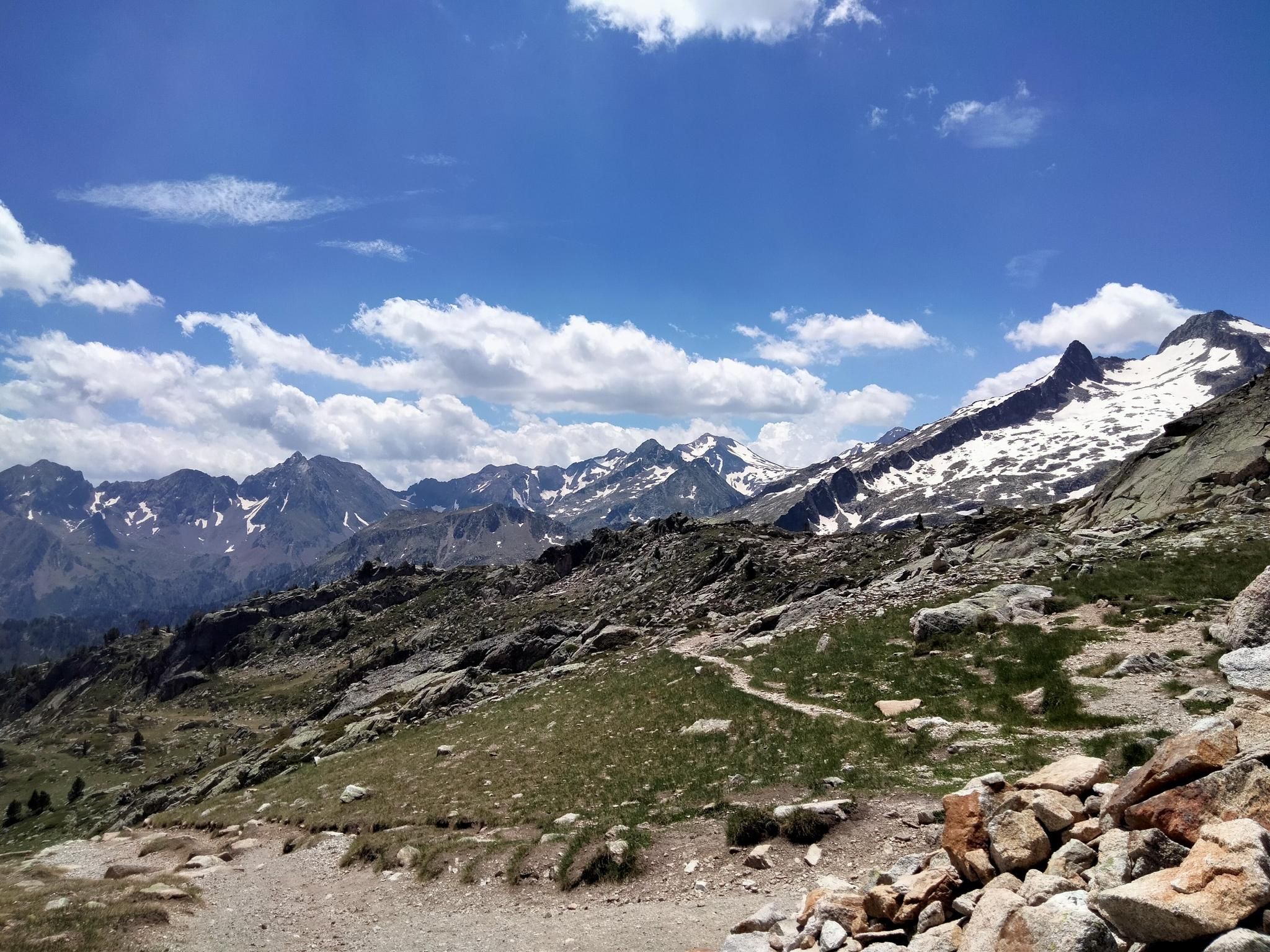
Hexatrek, the western and central Pyrenees – Between mountains and the ocean
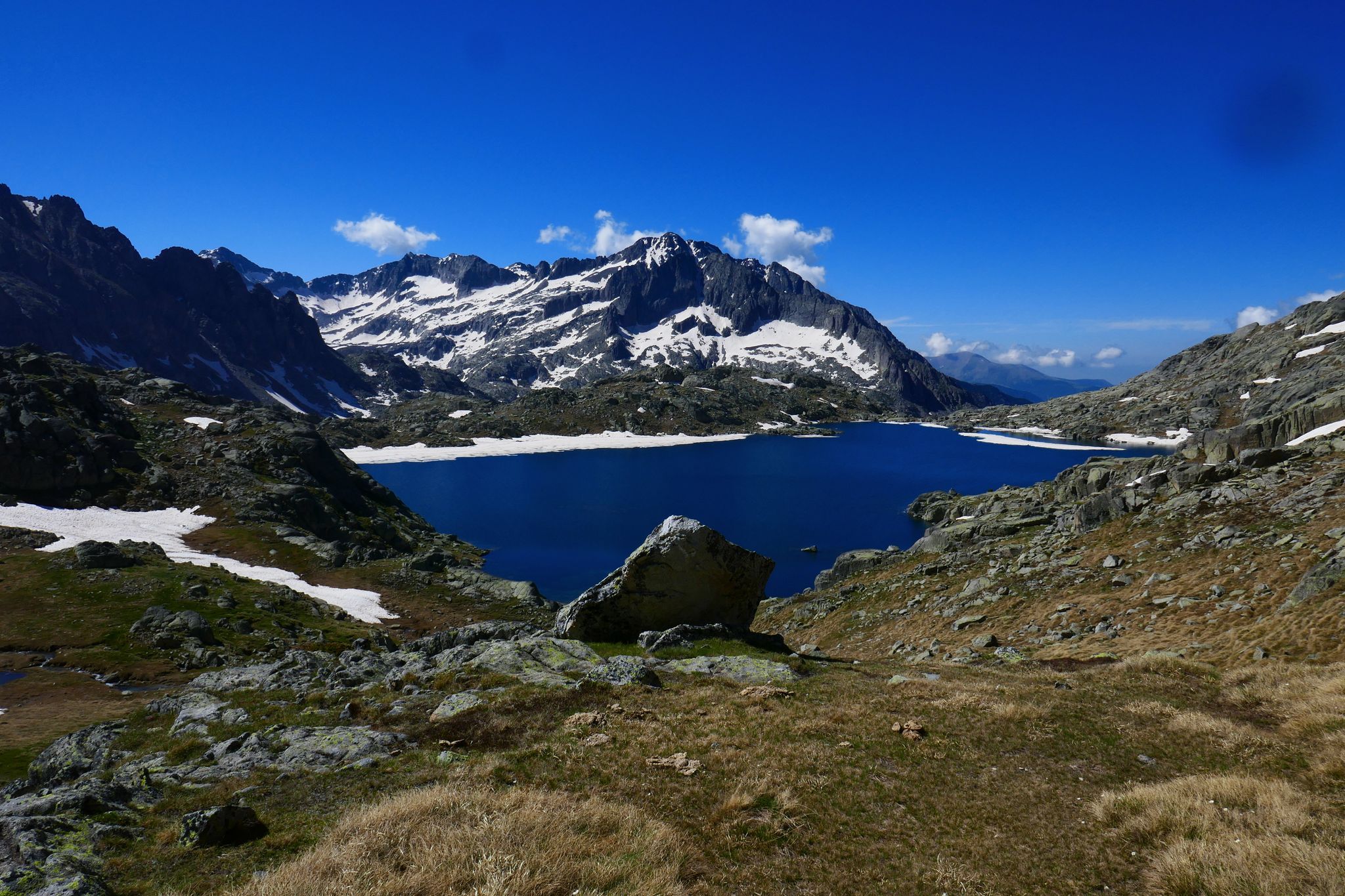
GR 10 – Central Pyrenees crossing the Pyrenees
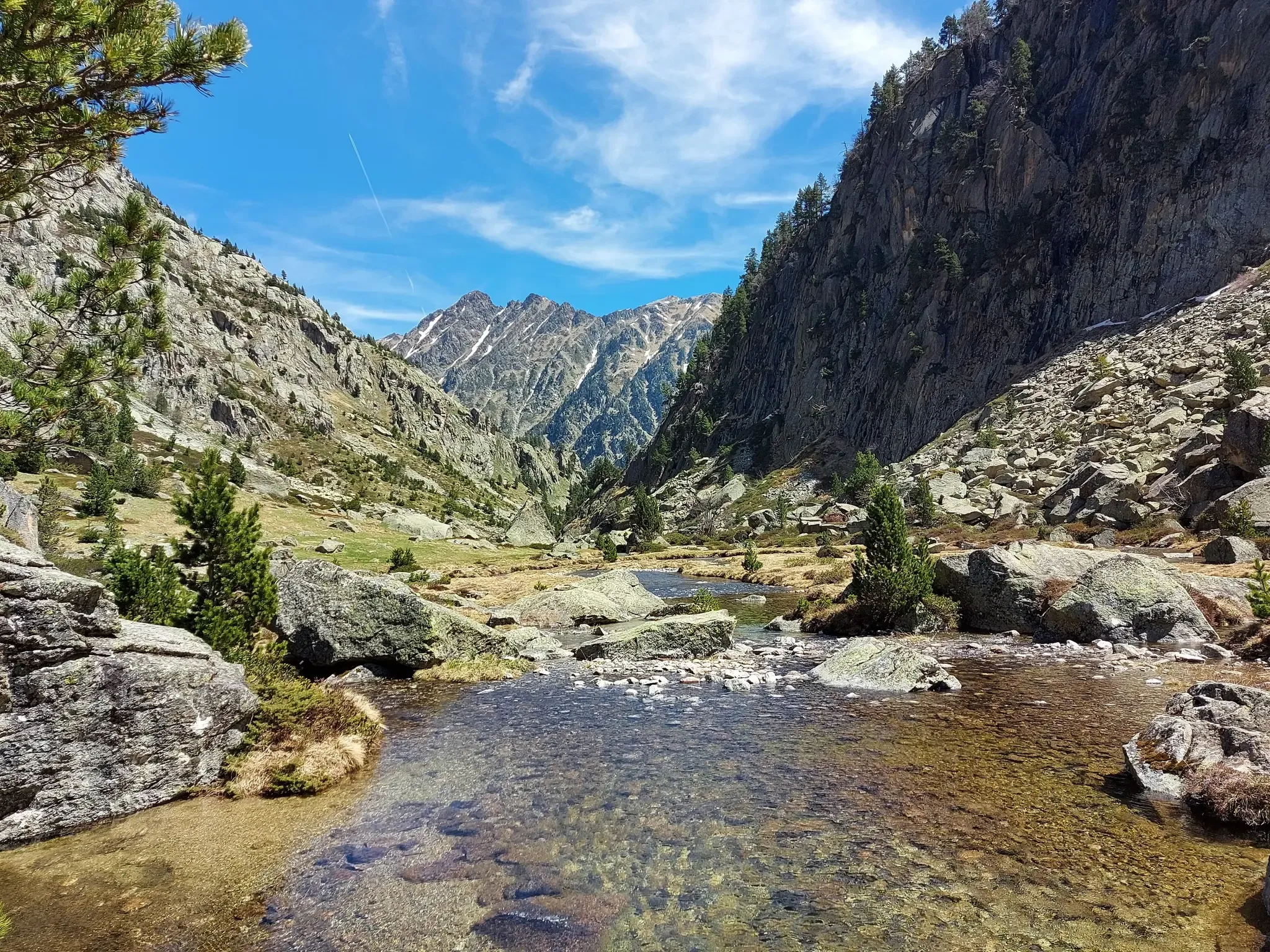
Tour of the Balaïtous – From passes to lakes
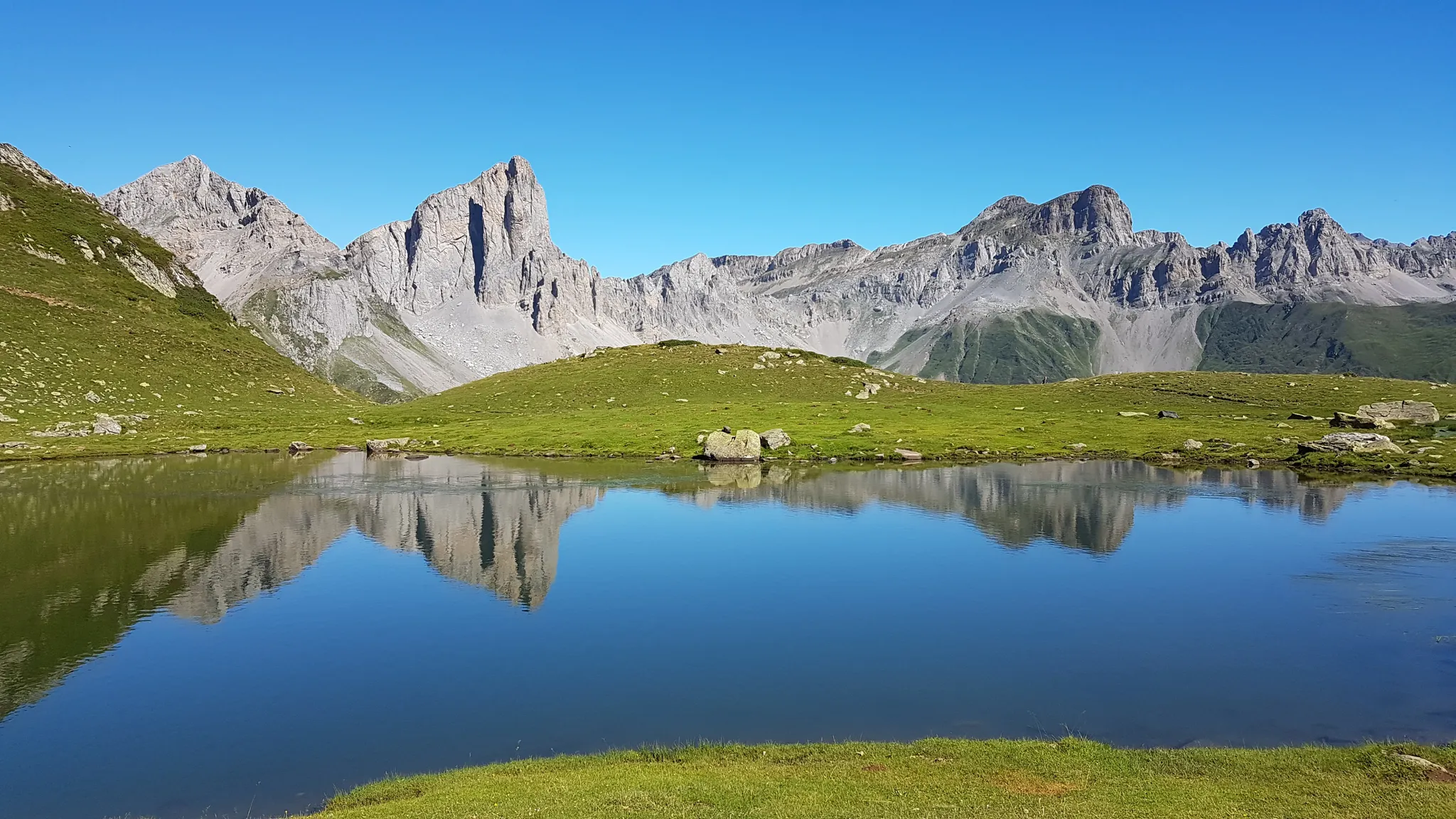
Hike the Aspe Valley – a jewel in the Pyrenees
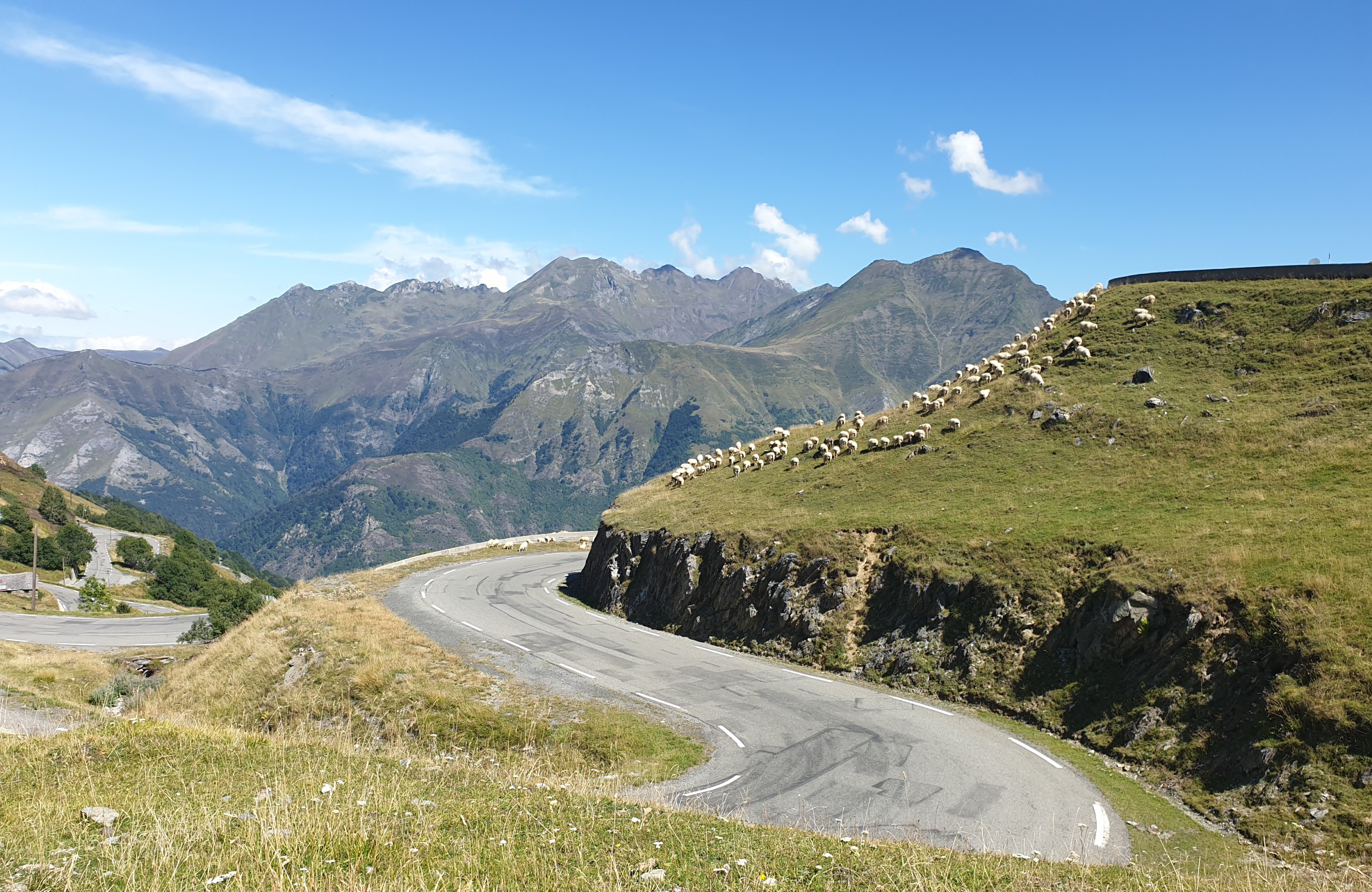
Between myths and legends – emblematic passes of the Pyrenees
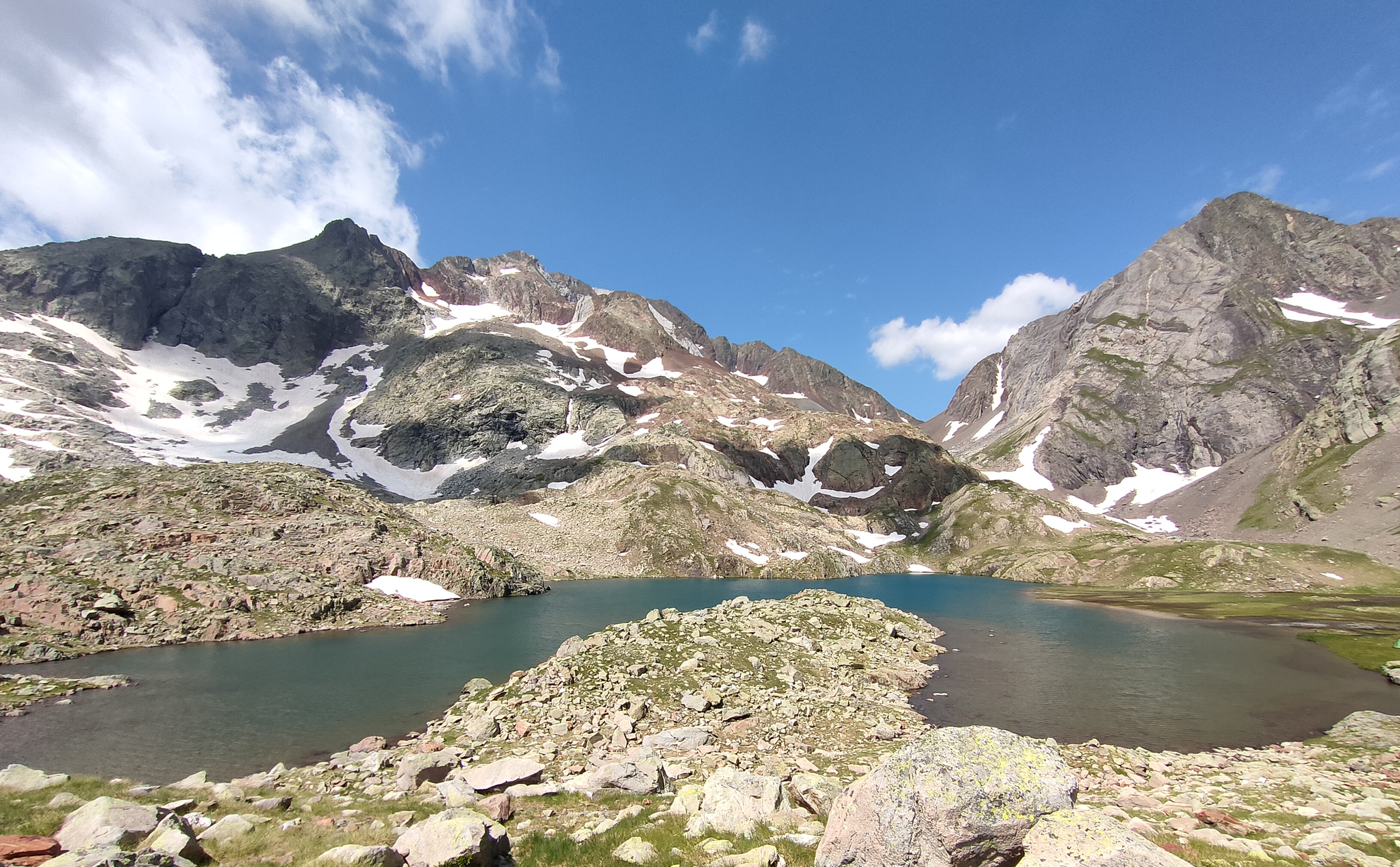
Panoramic Pyrenees – 15 hikers' peaks of over 3,000 metres
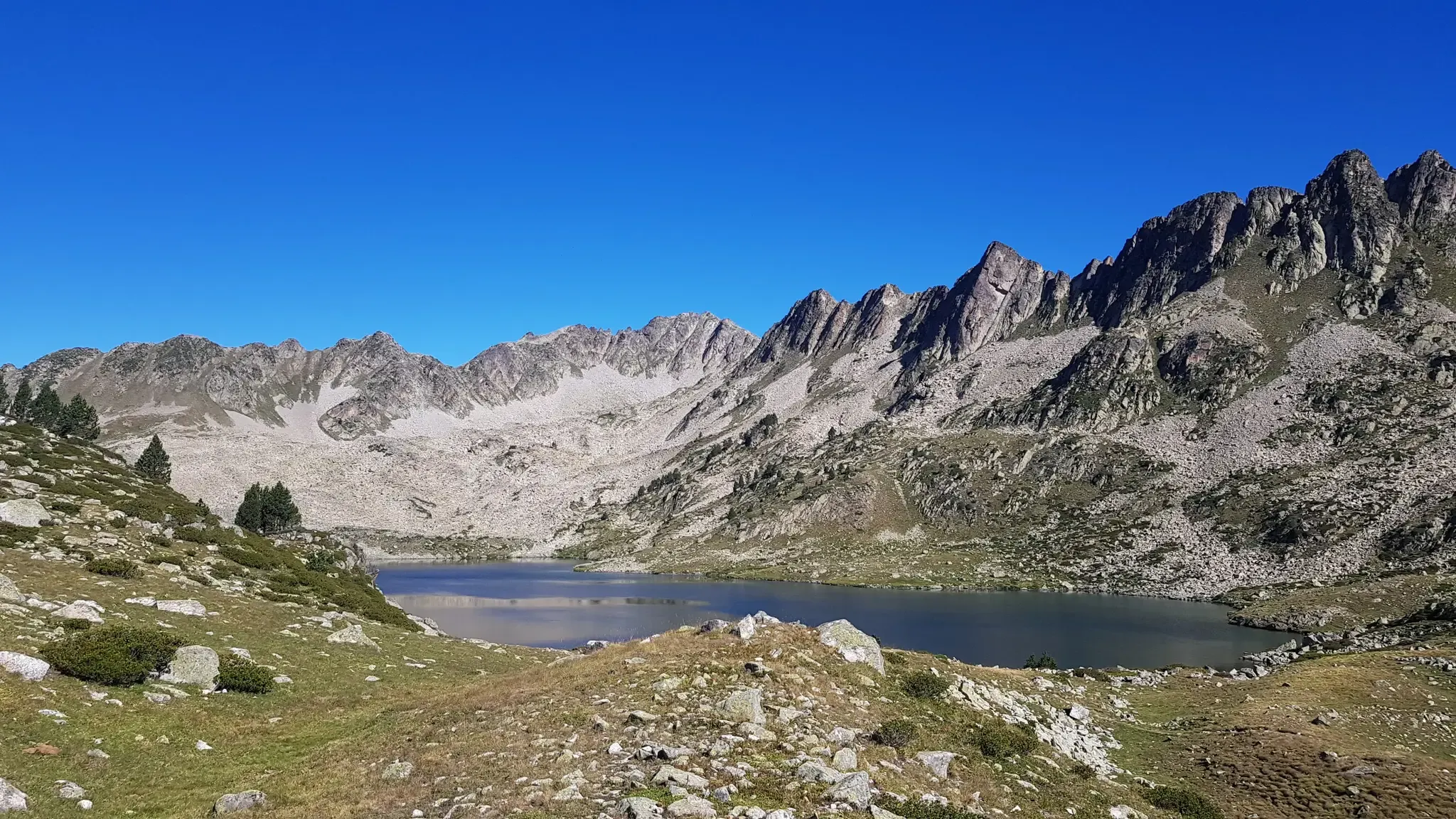
Grand Raid des Pyrénées – Ultra Tour Solo 2023 off
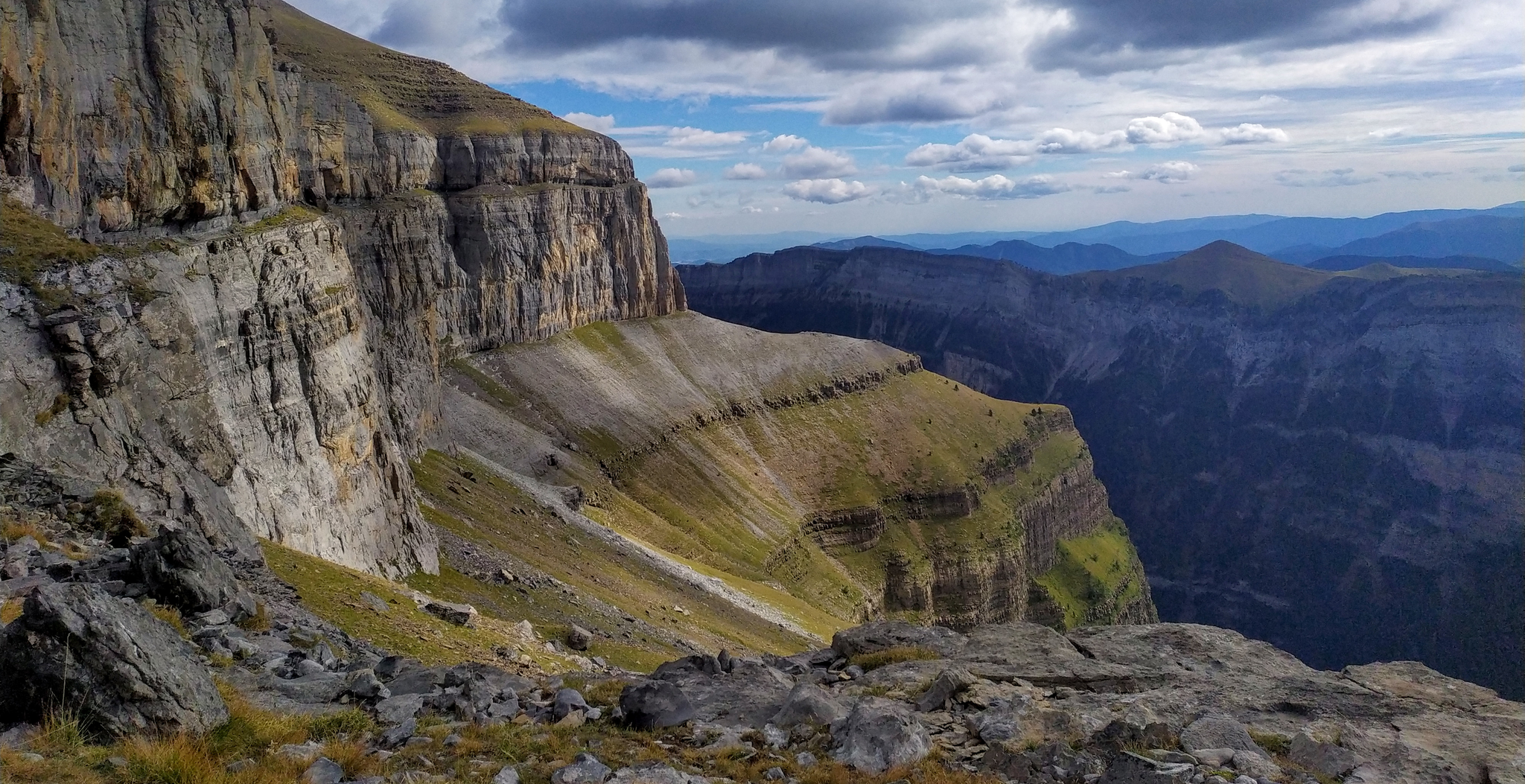
Hike from Gavarnie to Ordesa – A breathtaking loop in the cirques
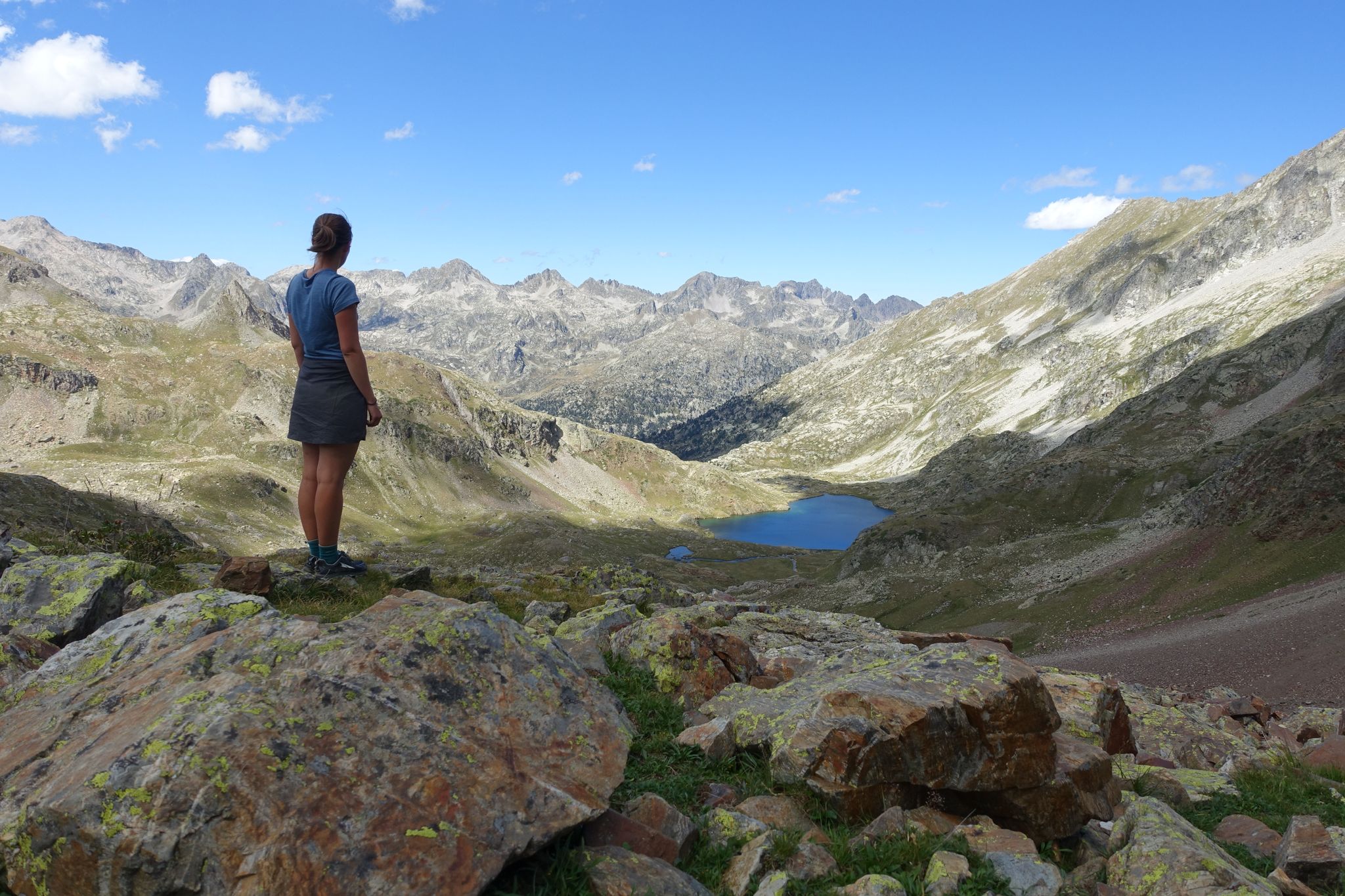
Haute Route Pyrénéenne – Pyrenees Crossing
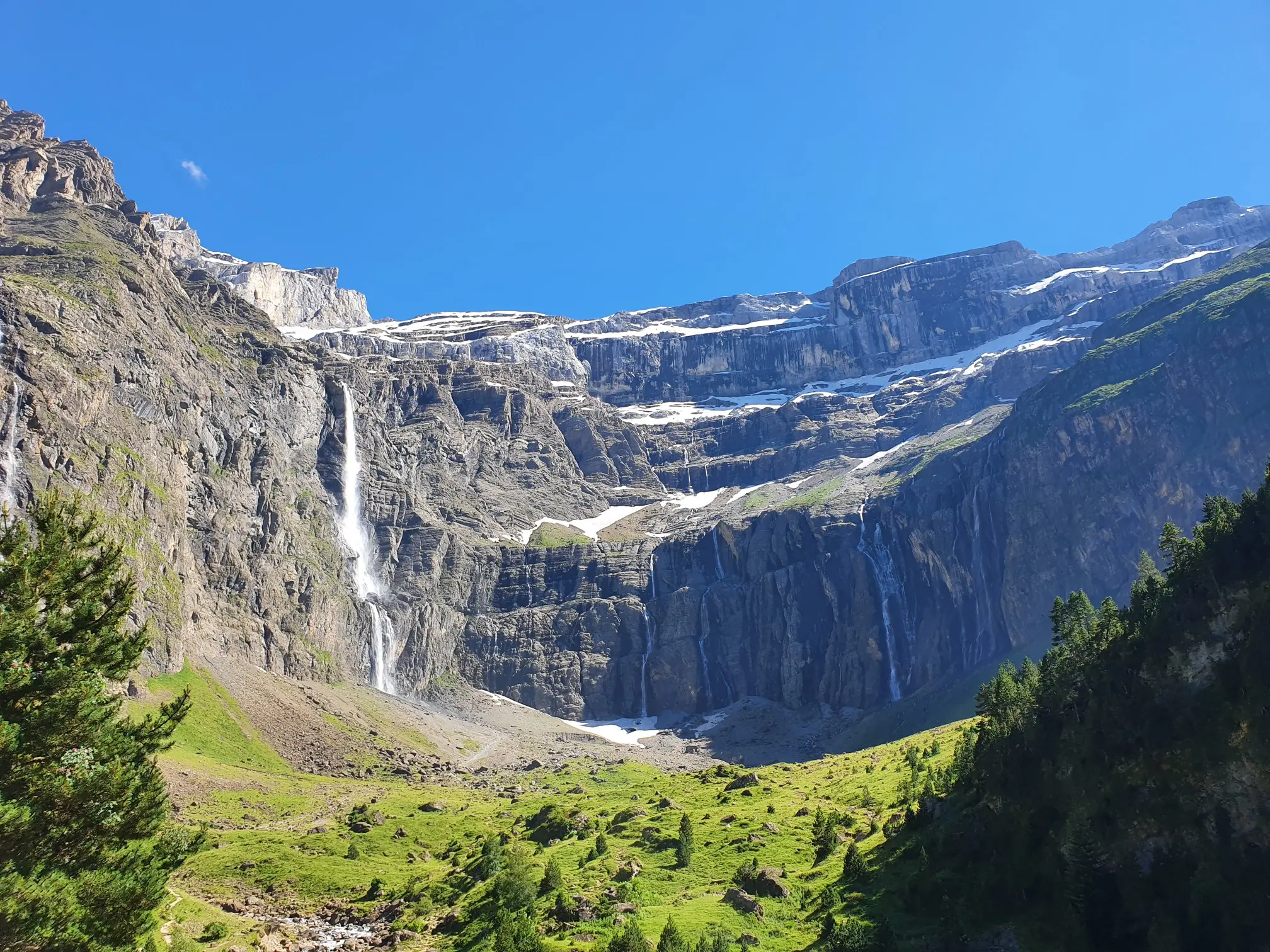
In the heart of the massif – the best hikes in the Central Pyrenees
Other adventures in Pyrénées


Tips from the Community

Because it's a summit that has to be won! A good difference in altitude whether you start from the Pont d'Espagne, the Baysselance refuge or the Ossoue dam, the passage of the Ossoue Glacier and the last part of climbing to reach the summit and enjoy this marvelous panorama
0
0

An amazing view, with the added bonus of some spectacular fine dining (book in advance for dining!)
0
0


Ascent to the summit on foot; no cable car access until 2027. No access to the restaurant or restrooms, but drinking water is available.
0
1

... view of the bridge and the waterfall.
2
0
A phenomenal mountain lake that gets crowded later in the summer.
2
0

Do it in the evening for the sunset, it's magnificent or conversely to admire the sunrise. The night of stars is magnificent! 🤩
0
1

Viñamala Peak (French: Vignemale; Aragonese: Comachibosa) is located in the Pyrenees, between the province of Huesca (Spain) and the department of Hautes-Pyrénées (France). On the Spanish side (Bujaruelo Valley), it forms part of the peripheral zone of the Ordesa y Monte Perdido National Park, while on the French side it is within the Pyrenees National Park. It is the highest peak in the French Pyrenees (3,299 m) and the mountain range to which it belongs.
0
0
Frequently Asked Questions
How many mountaineering routes are available in the Pyrénées?
There are over 50 mountaineering routes in the Pyrénées available on komoot, offering a wide range of experiences for all skill levels.
What are the difficulty levels for mountaineering routes in the Pyrénées?
The Pyrénées offer a diverse range of mountaineering routes. You'll find options for all skill levels, including 1 easy route, 24 moderate routes, and 27 difficult routes, ensuring there's a challenge suitable for everyone.
What kind of terrain can I expect when mountaineering in the Pyrénées?
The Pyrénées boast incredibly diverse terrain, from rugged peaks and sharp ridges to lush valleys, glacial lakes, and extensive forests. The geology varies from limestone in the west to granite in the central areas, creating distinctive rock formations and challenging climbs. You'll encounter everything from well-marked approaches to technical sections requiring glacial traverses and scrambling.
Are there any circular mountaineering routes in the Pyrénées?
Yes, many routes in the Pyrénées are designed as loops, allowing you to start and finish in the same location. For example, the challenging Cirque de Gavarnie – Brecha de Rolando loop from Gavarnie is a popular option, as is the Col de Sencours loop from Col du Tourmalet.
What is the best time of year for mountaineering in the Pyrénées?
The unique climate of the Pyrénées, influenced by both the Atlantic and Mediterranean, means conditions can vary. Generally, late spring to early autumn (June to September) offers the most favorable weather for mountaineering, with milder temperatures. However, weather can be volatile, so always prepare for changing conditions. Winter offers opportunities for ski touring and snowshoeing.
Are there any family-friendly mountaineering routes or areas in the Pyrénées?
While many mountaineering routes are challenging, there are areas suitable for families. The Cirque de Troumouse, for instance, is a glacial cirque with moss-covered rocks and streams that is often recommended for families. The Lake Bouillouses area also offers ideal family walks. When choosing a route, look for 'easy' or 'moderate' difficulty ratings and shorter distances.
What are some notable natural features or landmarks to see along mountaineering routes in the Pyrénées?
The Pyrénées are rich in natural wonders. You can explore the dramatic Lac Dets Coubous, or witness the impressive Grande Cascade de Gavarnie. The distinctive Brèche de Roland is a geological marvel, and the Ossoue Glacier offers a unique high-altitude experience. Many routes also pass by mountain huts like the Estom Refuge or Bastan Refuge, which are landmarks in themselves.
What do other mountaineers enjoy most about the Pyrénées?
The Pyrénées are highly rated by the komoot community, with an average score of 4.7 stars from over 100 reviews. Mountaineers often praise the region for its diverse terrain, from rugged peaks to glacial lakes, and the authentic, uncrowded natural experience it offers compared to other mountain ranges. The well-marked approaches and network of mountain huts are also frequently appreciated.
Are there mountain huts available for overnight stays on mountaineering trips?
Yes, the Pyrénées have a well-established network of refuges (mountain huts) that facilitate multi-day routes and provide accommodation. Notable examples include the Estom Refuge, Bastan Refuge, and Refuge de Campana de Cloutou. These huts are essential for longer treks and offer a unique way to experience the alpine environment.
Can I spot wildlife while mountaineering in the Pyrénées?
The Pyrénées are home to a rich array of wildlife. Keep an eye out for various birds of prey soaring above, and if you're lucky, you might even spot brown bears in certain areas. The Pyrenees National Park, in particular, is known for its biodiversity, with over 1,500 species of plants and animals.
Are there any specific regulations or permits needed for mountaineering in the Pyrénées?
While many areas are freely accessible, some national parks or protected zones within the Pyrénées might have specific regulations regarding camping, group sizes, or access during certain seasons. For high-altitude climbs, especially those involving glaciers like Mount Aneto, specific equipment and experience are necessary. It's always best to check with local park authorities for the most up-to-date information on permits or restrictions for your chosen route.
What are some of the highest peaks I can explore in the Pyrénées?
The Pyrénées offer several challenging high-altitude peaks. Mount Aneto, at 3,404 meters, is the tallest in the range, requiring a glacial traverse and scrambling. Other significant peaks include Monte Perdido, known for its dramatic north face, and Gran Vignemale, offering rugged ridges and panoramic vistas. The Pic du Midi de Bigorre, accessible by funicular, also provides stunning views from 2,877 meters.
Most popular routes in Pyrénées
Most popular attractions in Pyrénées

Get inspired with the komoot mobile app


