The best cycling routes in Las Nieves
4.6
(167)
1,275
riders
53
rides
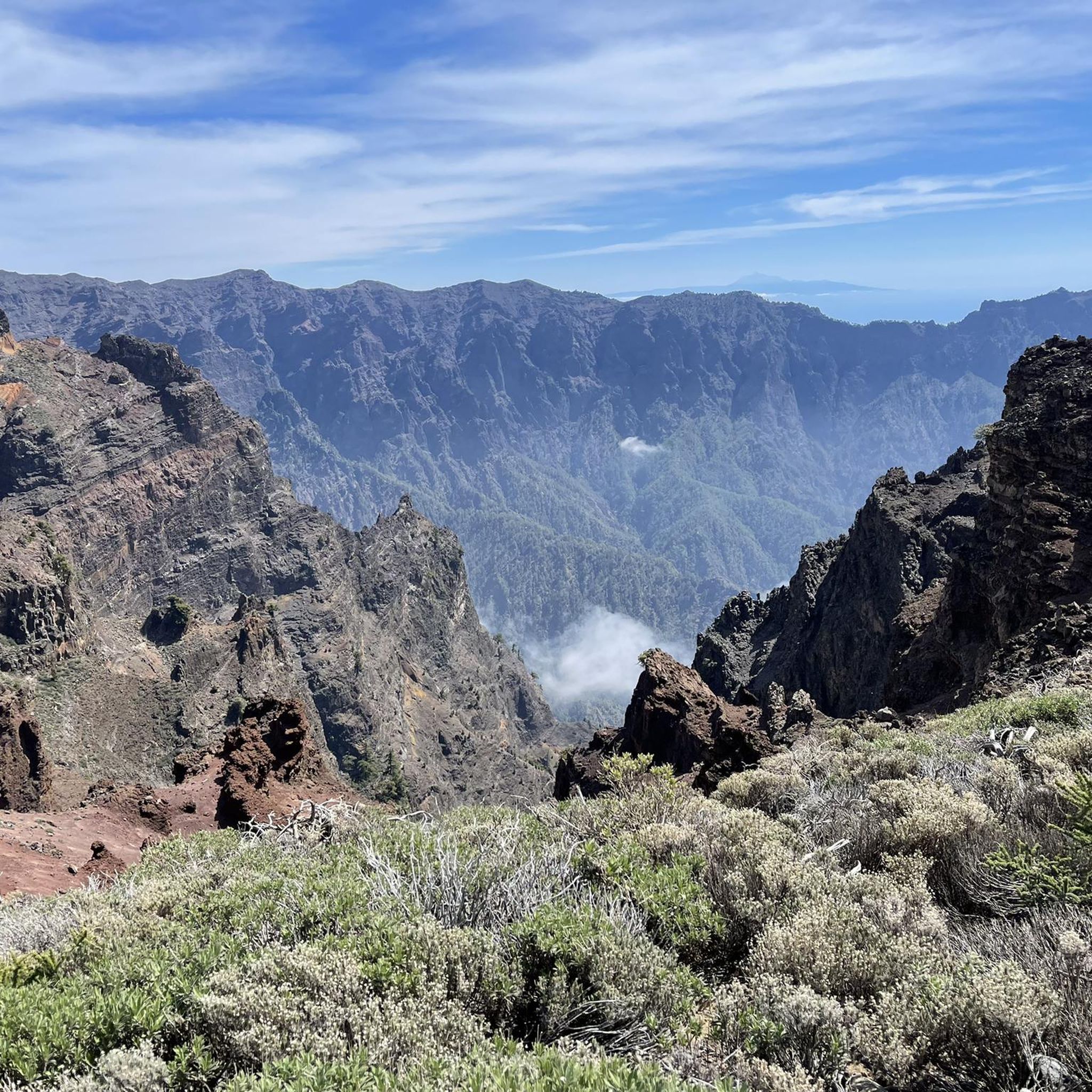
Touring cycling in Las Nieves encompasses two distinct Spanish regions, offering diverse landscapes for cyclists. The Sierra de las Nieves National Park in Andalusia features rugged mountains, extensive Spanish fir forests, and significant geological formations. In contrast, Pico de las Nieves in Gran Canaria presents a volcanic landscape with challenging climbs, substantial elevation changes, and panoramic views across the island. Routes in both areas traverse winding roads and varied terrain, from arid expanses to dense pine forests.
Best touring cycling…
Last updated: May 4, 2026
4.8
(4)
23
riders
66.5km
05:24
1,990m
1,990m
Hard bike ride. Very good fitness required. Mostly paved surfaces. Suitable for all skill levels.
5.0
(4)
21
riders
61.3km
05:18
2,170m
2,170m
Hard bike ride. Very good fitness required. Mostly paved surfaces. Suitable for all skill levels.

Sign up for free
5.0
(1)
11
riders
36.1km
03:01
1,200m
1,200m
Hard bike ride. Very good fitness required. Mostly paved surfaces. Suitable for all skill levels.
10
riders
32.7km
02:40
920m
920m
Hard bike ride. Very good fitness required. Mostly paved surfaces. Suitable for all skill levels.
5.0
(1)
9
riders
32.5km
02:49
1,130m
1,130m
Hard bike ride. Very good fitness required. Mostly paved surfaces. Suitable for all skill levels.
Get access to more routes and recommendations from other explorers.
Sign up for free
Already have an account?
Our route recommendations are based on thousands of hikes, rides, and runs completed by other people on komoot.
Start today with a free account
Your next adventure awaits.
Login or Signup

Other adventures in Las Nieves

Tips from the Community

The “Lo Divino” statue is a bronze artwork in Santa Cruz de La Palma depicting traditional musicians and celebrating the local Christmas music tradition “Lo Divino” – which has been shaping generations with songs and singing since 1947.
1
0
The city beach of Santa Cruz de La Palma is an artificial, black sand beach located directly on Avenida Marítima in the city center. It opened in April 2017 and replaced the former historic beach, Caleta del Varadero, which was lost when the promenade was built in 1949. The beach is approximately 1.2 km long and about 50 m wide, with easy access to the Atlantic Ocean. Easy access directly from the promenade. Showers, restrooms, sun umbrella/lounger rentals, sports areas (volleyball, beach soccer), and a children's playground are available. Suitable for families, swimming, and leisure activities; windsurfing and kitesurfing are also possible. Its location in the capital makes it particularly attractive, as cafés, restaurants, and the promenade are right next door. The black volcanic sand is typical of the Canary Islands. The water is calm, as the city promenade and harbor areas often break up the waves. Especially popular at sunrise, as its easterly location offers a great view over the Atlantic Ocean.
1
0

San Andres y Sauces: Excellent Venezuelan dishes at Caffetteria Heladeria Roma. Take your time and savor the colorful flavors of a small village surrounded by nature.
1
0

The statue honors the musical groups that used to parade through the city before Christmas, singing songs like "Lo Divino." The statue was unveiled in 1997 to honor the groups who had continued this tradition for 50 years prior to that year.
1
0

The limekiln of La Palma is usually truncated cone-shaped, with a narrower part at the top. There is an opening to facilitate the insertion of coal or other fuel. In the lower part, just above the mouth or lower opening, is a grate that served to ventilate the kiln and remove the burnt lime. This was achieved by moving the grate so that the burnt lime fell to the top. The limekiln of El Guindaste, right next to Playa de San Andrés, is the largest and best preserved on the island. The limestone was brought in bulk on ships from Lanzarote or Fuerteventura for the production of slaked lime and was simply burned in kilns here, which is why the most important limekilns are located right by the sea. The other historical infrastructure of this type on the island of La Palma is located in the La Pata ravine in Breña Baja. It was built in the 1940s and was in operation until 1969, when cheaper and easier-to-produce cement put an end to this industry. (from: https://mardesaboreslapalma.es/de/entdecken/sehenswuerdigkeiten-die-mit-dem-meer-in-beziehung-stehen/)
1
0

Free use of the great natural swimming pool. Separate and safe pool outside for children. Parking spaces fill up very quickly in summer, so come early. Changing rooms, restaurant, everything is there. 👍🏼
2
1

great little market hall with tasty stuff
0
0
Frequently Asked Questions
How many touring cycling routes are available in Las Nieves?
Las Nieves offers a diverse network of over 50 touring cycling routes. While the majority, around 45, are classified as difficult, there are also 8 moderate and 1 easy route available, catering to various skill levels.
What makes touring cycling in Las Nieves unique?
Touring cycling in Las Nieves is unique due to its dual nature across two distinct Spanish regions. In the Sierra de las Nieves National Park (Andalusia), you'll find rugged mountains, extensive Spanish fir forests, and dramatic geological formations. Conversely, Pico de las Nieves (Gran Canaria) presents a volcanic landscape with challenging climbs, significant elevation changes, and panoramic views, including Mount Teide on clear days. Both areas offer varied terrain, from arid expanses to dense pine forests.
What do other touring cyclists say about the routes in Las Nieves?
The touring cycling routes in Las Nieves are highly regarded by the komoot community, boasting an average rating of 4.6 stars from nearly 200 reviews. Over 1200 touring cyclists have used komoot to explore the varied terrain, often praising the challenging ascents, scenic descents, and the diverse natural beauty encountered on the trails.
Are there touring cycling routes suitable for beginners in Las Nieves?
While many routes in Las Nieves are challenging, there are options for less experienced touring cyclists. You can find 8 moderate routes and 1 easy route. These typically feature less extreme elevation changes and shorter distances, allowing beginners to enjoy the scenery without excessive difficulty.
Are there challenging touring cycling routes for experienced cyclists?
Absolutely. Las Nieves is renowned for its challenging touring cycling routes, with 45 classified as difficult. These routes often feature significant elevation gains and demanding terrain. For example, the Santa Cruz Market Hall – Santa Cruz de La Palma loop from Los Sauces covers 67 km with nearly 2000 meters of elevation gain, providing a substantial test for experienced riders.
Can I see waterfalls while touring cycling in Las Nieves?
Yes, you can encounter beautiful waterfalls on some touring cycling routes, particularly in areas like the Sierra de las Nieves. Notable waterfalls include Los Tilos Waterfall and Marcos Spring Waterfall. These natural attractions often provide refreshing stops along your ride.
What kind of natural landmarks or viewpoints can I expect to see on a touring cycling route?
Las Nieves offers spectacular natural landmarks and viewpoints. In Sierra de las Nieves, you might pass by the Cubo de la Galga Gorge or enjoy panoramic vistas from Mirador del Guarda Forestal. When cycling towards Pico de las Nieves in Gran Canaria, you'll encounter the iconic volcanic monolith Pico de la Nieve (Snow Peak) and enjoy sweeping views across the island.
Are there any circular touring cycling routes in Las Nieves?
Yes, many touring cycling routes in Las Nieves are designed as loops, allowing you to start and end in the same location. Examples include the View of Puerto Espíndola – Natural Spring Fountain loop from Los Sauces and the Natural Spring Fountain – Las Mimbreras Tunnels loop from Barlovento, which offer varied terrain and scenic returns.
What is the best time of year to go touring cycling in Las Nieves?
The best time for touring cycling in Las Nieves largely depends on the specific region. Gran Canaria, with Pico de las Nieves, offers favorable weather year-round, making it a popular destination even in winter. For Sierra de las Nieves in Andalusia, spring and autumn generally provide the most pleasant temperatures for cycling, avoiding the intense summer heat and potential winter chill at higher altitudes.
Where can I find parking for touring cycling routes in Las Nieves?
Parking availability varies by starting point. For routes originating from towns or villages, you can often find public parking areas. In more remote sections of the Sierra de las Nieves National Park, designated parking spots near trailheads are common. For Pico de las Nieves routes, coastal towns like Maspalomas or Telde, where many ascents begin, offer various parking options.
Are there cafes or places to stop along the touring cycling routes?
Yes, especially when routes pass through or near villages and towns. In both the Sierra de las Nieves and Gran Canaria, you'll find opportunities to stop for refreshments. Smaller local cafes and restaurants are often located in the communities along the cycling paths, providing a chance to refuel and experience local hospitality.
What are some less-known routes for touring cyclists in Las Nieves?
Beyond the most popular options, routes like the San Andrés Village Center – El Guindaste Lime Kiln loop from Ramírez offer a chance to explore quieter paths. This 32.6 km difficult route provides a rewarding experience with over 900 meters of elevation gain, taking you through varied landscapes away from the busiest trails.
Most popular routes in Las Nieves
Most popular attractions in Las Nieves

Get inspired with the komoot mobile app


Explore more
Browse the best Cycling routes in other regions.
