The best walks and hikes in Majona
4.5
(20240)
72,162
hikers
10
hikes
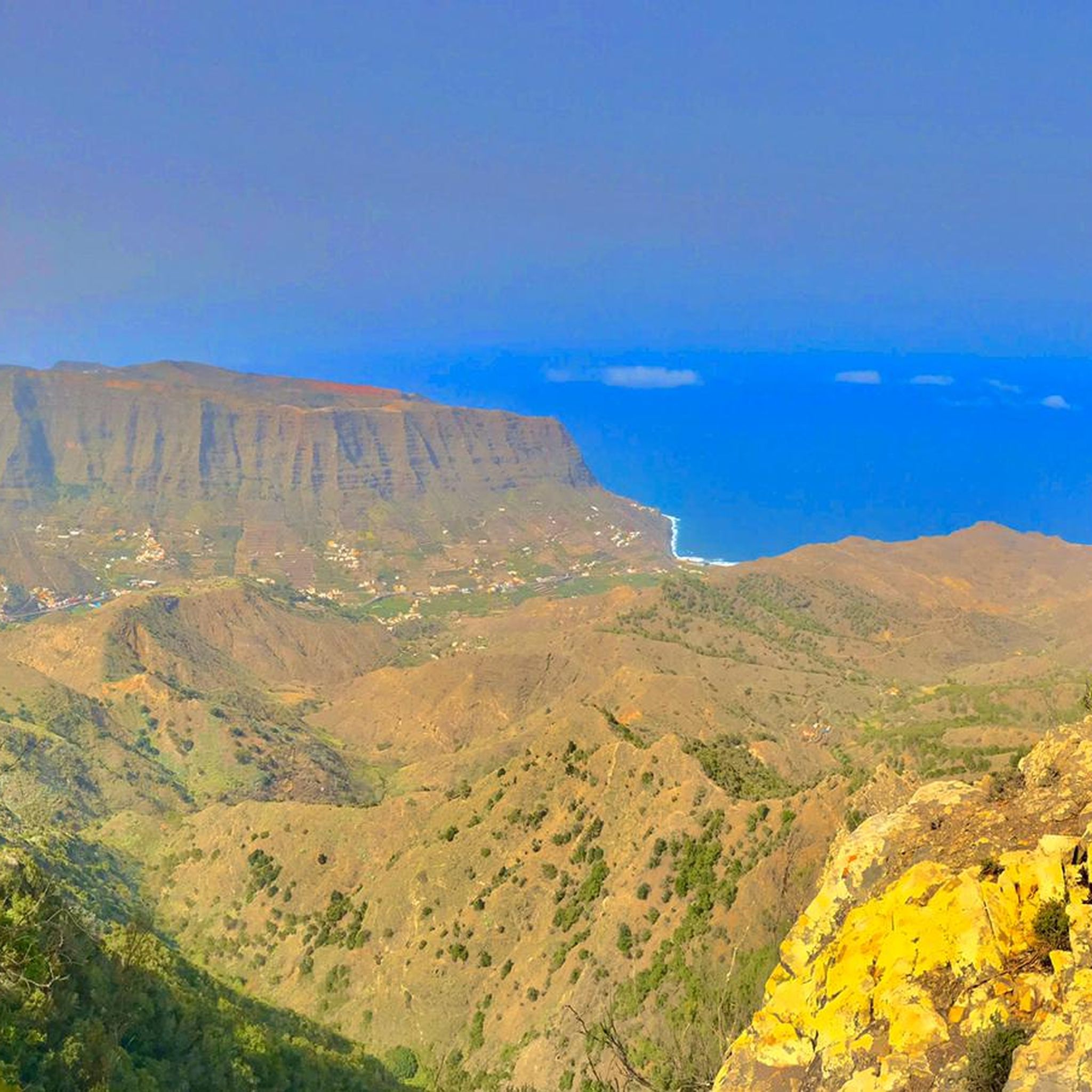
Hiking in Majona offers access to a diverse landscape within La Gomera's Parque Natural de Majona. The region is characterized by steep cliffs and deep valleys, with two major ravines, Canyon Majona and Juel, carving through the terrain. This natural park extends from the sea to high mountains, encompassing varied ecosystems from coastal scrub to mountain forests, providing a range of natural habitats.
Best hiking trails in Majona
- The most popular hiking route is From Parque Natural de Majona to Encheneda — circular, a 13.6 miles (21.8 km) trail that takes 7 hours 13 minutes to complete, featuring significant elevation changes and panoramic views.
- Another top favourite among local hikers is Bar La Vista – Laurel Forest loop from La Gomera, a moderate 5.8 miles (9.3 km) path. This route leads through varied terrain, including sections of laurel forest.
- Local hikers also love the White Caves – Cueva Blancas Cave Houses loop from Lomo de las Colmenas, a 8.7 miles (14.0 km) trail leading through diverse landscapes, often completed in about 4 hours 39 minutes.
- Hiking in Majona is defined by dramatic cliffs, deep ravines, and diverse ecosystems ranging from coastal scrub to mountain forests. The extensive network offers options for different ability levels, from easy walks to more challenging treks.
- The routes in Majona are highly rated by the komoot community with an average score of 4.5 stars from over 16,000 reviews. More than 59,000 hikers have used komoot to explore Majona's varied terrain.
Last updated: August 21, 2026
4.6
(16)
66
hikers
21.8km
07:13
1,000m
1,000m
Hard hike. Very good fitness required. Easily-accessible paths. Suitable for all skill levels.
4.9
(102)
387
hikers
Moderate hike. Good fitness required. Mostly accessible paths. Sure-footedness required.

Sign up for free
4.4
(27)
113
hikers
Moderate hike. Good fitness required. Easily-accessible paths. Suitable for all skill levels.
4.8
(24)
75
hikers
Moderate hike. Good fitness required. Mostly accessible paths. Sure-footedness required.
4.9
(9)
29
hikers
13.6km
03:55
330m
330m
Moderate hike. Good fitness required. Easily-accessible paths. Suitable for all skill levels.
Get access to more routes and recommendations from other explorers.
Sign up for free
Already have an account?
Our route recommendations are based on thousands of hikes, rides, and runs completed by other people on komoot.
Start today with a free account
Your next adventure awaits.
Login or Signup
Tips from the Community

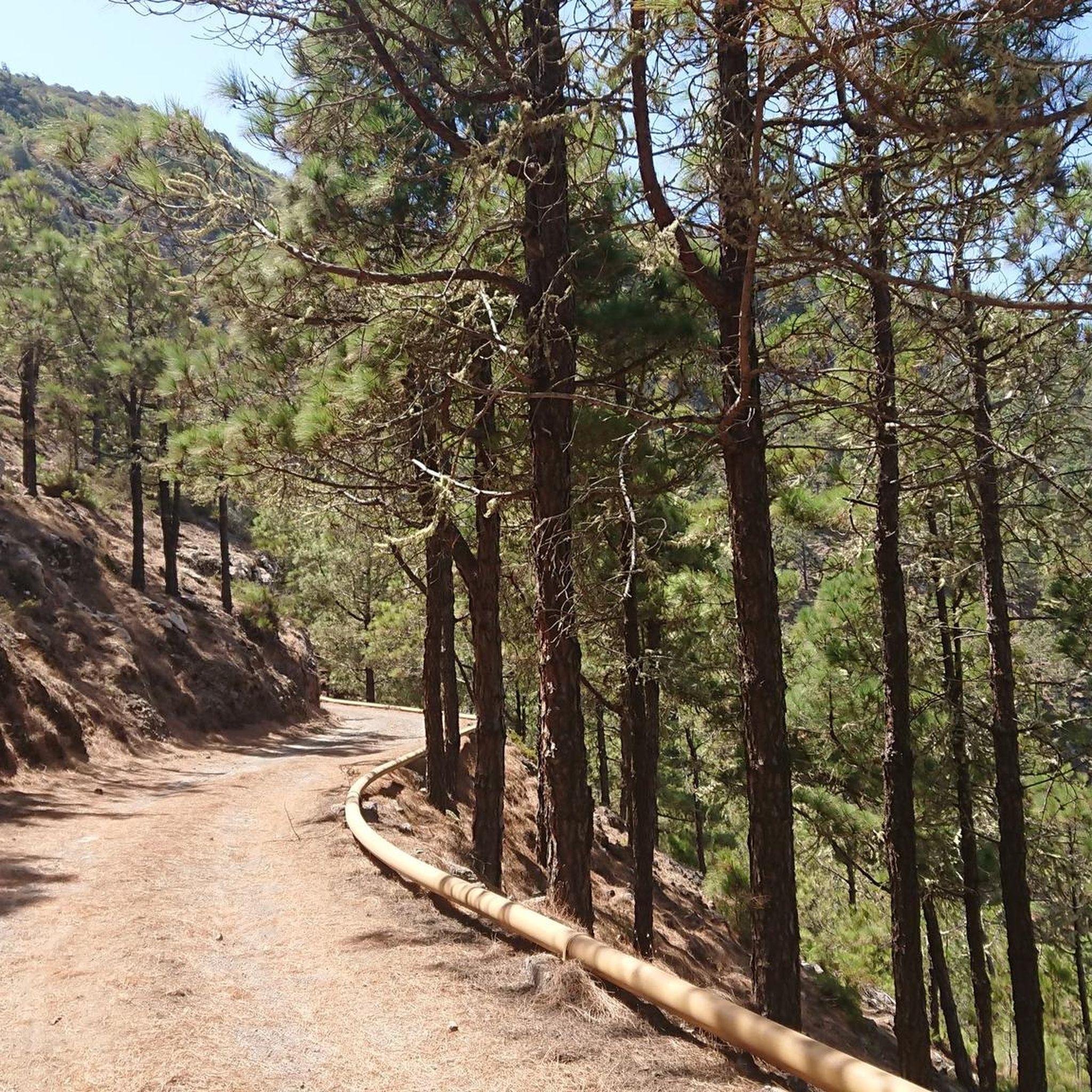
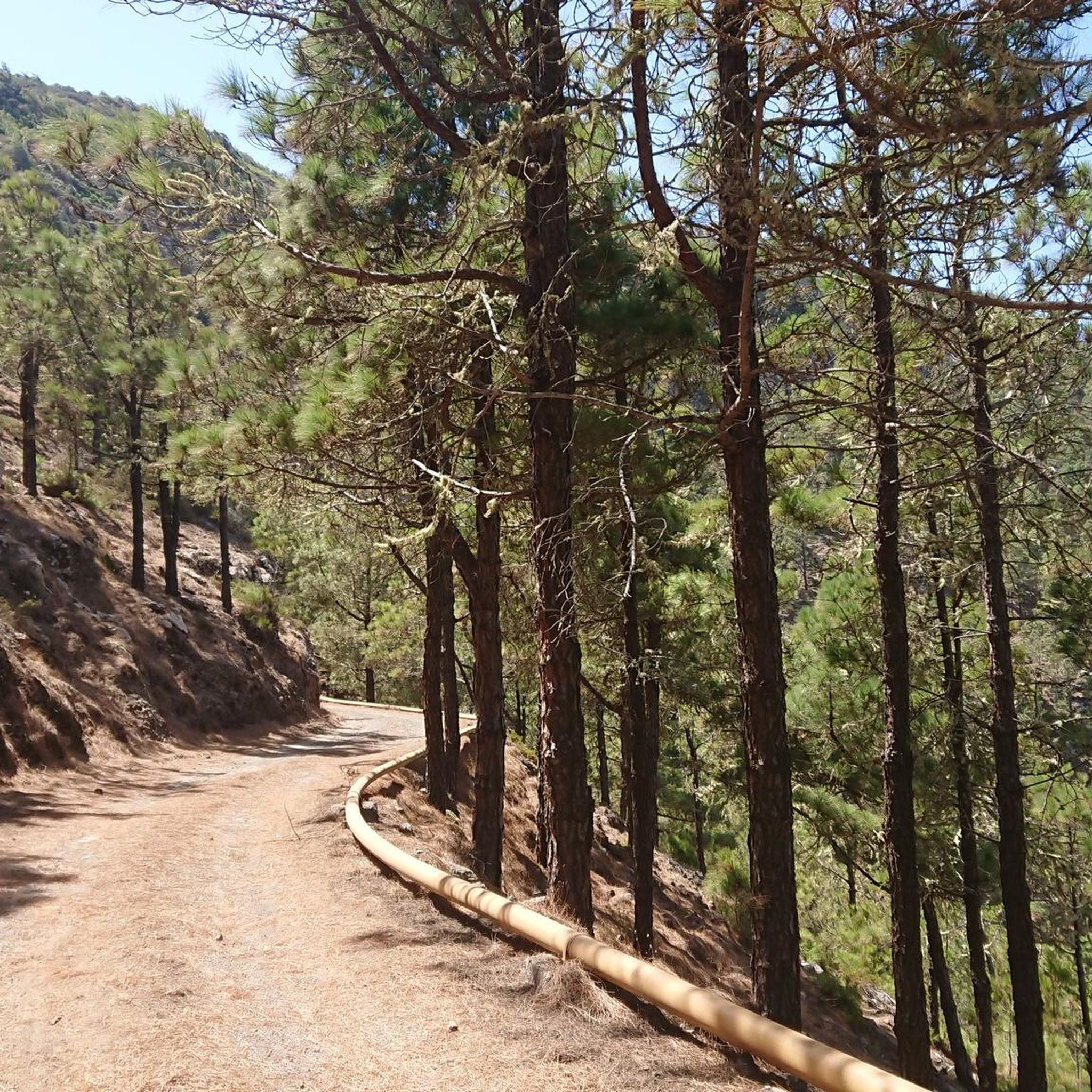
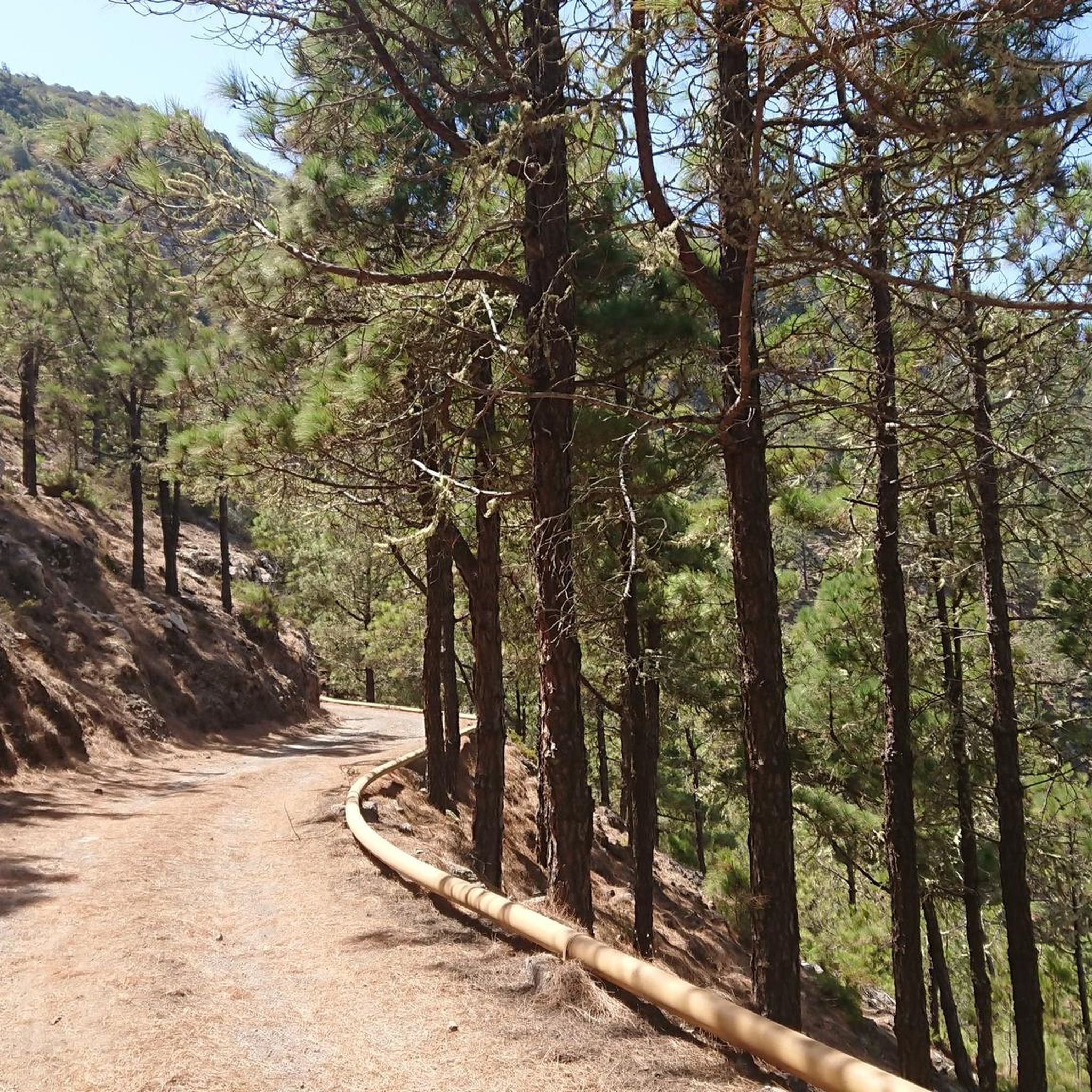
The Majona Natural Park is a protected area in the northeast of La Gomera, between San Sebastián and Hermigua. It was created to conserve one of the island's wildest and least altered landscapes: enormous volcanic ravines, arid slopes, old paths, and all the vegetation typical of the Gomera's dry climate, such as tabaibas, cardones, and palm trees. Unlike Garajonay, here there are no large humid forests or constant fog. Majona has a much harsher and more open appearance, with tracks hanging over precipices and enormous views of the Atlantic. Historically, it was also an important area for capturing and transporting water through galleries, reservoirs, and long pipelines, such as the pipe that accompanies the track towards Roque Garaballo.
0
0
From the GM-1 to Roque Garaballo, the trail is marked by the large metal pipe that accompanies the route through curves, ravines, and volcanic slopes. In many sections, you can perfectly hear the water running inside, even when the path seems to climb again. The system works by taking advantage of the island's natural pressure and gradients: the water circulates confined within the pipe and maintains its flow thanks to the principle of communicating vessels and the force accumulated in previous descents. On an island where historically every liter of water was vital, these pipes allowed water to be transported over long distances, crossing rugged and inaccessible terrain. Riding alongside this pipe suspended over the void, hearing the water in the middle of an arid and silent landscape, gives this trail a very special and almost forgotten atmosphere.
0
0

The "White Caves" (Spanish: Cuevas Blancas or Casa de las Cuevas Blancas) on La Gomera are a former, now abandoned rock cave village. The dwellings were carved directly into the rock but should not be confused with the inhabited so-called "dropout caves", which are often found directly by the sea. Rather, they seem to be a testament to the former, simple way of life on the island. Probably already used in prehistoric times until the 15th century by the indigenous population before the Spanish conquest. After the conquest of La Gomera in the late 15th century (around 1488), the traditional use of caves apparently declined sharply. These caves (-houses) here were very likely occasionally used by shepherds or farm laborers until just before the turn of the millennium, but definitely no longer permanently as a main residence. The tour here via the so-called "Pole Path" is phenomenal - however - despite "defusing" - (now the path itself is wide and (almost) level to walk) not for people with a fear of heights. The "poles" are largely dismantled (good riddance!), what remains are rather "historical" railing fragments that provide psychological security. A great path that you should have done!
0
0

The white caves in the far east of La Gomera are a very interesting destination for a hike. The path there is very varied and offers great views 👍
0
0

You can drive up the path by car if you have the courage. From there you start a really beautiful hike. It goes past steep slopes - you need a head for heights - to the abandoned cave site. It is possible to do the tour as a circular hike or to end it in San Sebastian. Both are beautiful tours with fantastic views. Be careful when it is windy.
1
0

Small parking lot... I personally would rather be up here on foot than by car
1
1

Attention: Can only be reached via an extremely narrow road!
1
2
Perfect hiking trail with a view 🤩
0
0
Frequently Asked Questions
How many hiking trails are there in Majona?
Majona offers a vast network of hiking opportunities, with over 500 routes available for exploration. These trails cater to various skill levels, from easy strolls to more challenging treks through the diverse landscapes of the Parque Natural de Majona.
What kind of terrain can I expect on Majona's hiking trails?
The terrain in Majona is incredibly diverse, ranging from coastal scrub near the sea to mountain forests at higher elevations. You'll encounter dramatic cliffs, deep valleys, and ravines like Canyon Majona and Juel. Many trails are ancient paths, offering constantly evolving and visually stimulating experiences.
How difficult are hikes in Majona?
Majona provides a range of difficulties. You can find 149 easy routes for leisurely walks, 256 moderate trails for a good challenge, and 96 difficult routes for experienced hikers seeking significant elevation changes and rugged terrain. For example, the From Parque Natural de Majona to Encheneda — circular route is considered difficult, while Ascent to Las Casetas – View of Roque de Agando loop from Montaña Ismael is an easy option.
Are there circular hiking routes available in Majona?
Yes, Majona features several excellent circular routes. A popular choice is the From Parque Natural de Majona to Encheneda — circular, which is a longer, challenging option. Another well-loved route is the White Caves – Cueva Blancas Cave Houses loop from Lomo de las Colmenas, offering diverse landscapes.
What natural features and landmarks can I see while hiking in Majona?
Majona is rich in natural beauty. You can explore dramatic cliffs, deep ravines, and diverse ecosystems from coastal areas to laurel forests. Notable landmarks include the Majona Natural Park itself, and the Scenic Ascent to Degollada de la Cumbre. The Abandoned Settlement of El Palmar also offers a glimpse into the region's history.
Are there any specific viewpoints offering panoramic views in Majona?
Absolutely. Majona is known for its stunning panoramic views. The Mirador del Bailadero is a highlight, offering sweeping vistas of the ocean and surrounding cliffs. Many trails also provide breathtaking ocean views and dramatic mountain ranges, perfect for photography.
What is the best time of year to hike in Majona?
Majona Natural Park is accessible year-round. However, visiting during daylight hours is recommended for safety and to fully appreciate the scenery. The diverse ecosystems mean conditions can vary, so checking local weather forecasts is always advisable.
Can I spot wildlife while hiking in Majona?
Yes, Majona Natural Park is a sanctuary for diverse wildlife. Birdwatching is a significant activity, with species such as the Barbary falcon and various pigeons inhabiting the area. Efforts have been made to support animals, including the installation of water troughs during summer months.
Are there family-friendly hiking options in Majona?
While Majona's terrain can be rugged, there are options suitable for families. The park offers trails that cater to various fitness levels, including easier walks. It's best to check the difficulty ratings of individual routes to find one appropriate for your family's experience level, such as the easy Ascent to Las Casetas – View of Roque de Agando loop from Montaña Ismael.
Can I bring my dog on the hiking trails in Majona?
While the park is a natural area, specific regulations regarding dogs can vary. It's always recommended to check local park rules or signage at trailheads regarding pets to ensure a pleasant and compliant hiking experience for everyone.
Where can I park when hiking in Majona?
Parking is available at various points around the park. A popular starting point for many routes is the Las Casetas parking lot, which is suitable for accessing several trails, including a well-known circular route.
Do I need a permit to hike in Majona Natural Park?
Entry to Majona Natural Park is typically free, and permits are generally not required for hiking the trails. However, it's always a good practice to respect park regulations and stay on marked paths to protect the natural environment.
What do other hikers enjoy most about Majona's trails?
The komoot community highly rates Majona's trails, with an average score of 4.5 stars from over 16,000 reviews. Hikers often praise the dramatic contrasts in vegetation and landscapes, the stunning panoramic views, and the sense of peaceful escape offered by the park's isolation and tranquil wilderness.
Most popular routes in Majona
Most popular attractions in Majona

Get inspired with the komoot mobile app


Explore more
Browse the best Hikes in other regions.
