The best walks and hikes in Pilancones
4.4
(18097)
85,645
hikers
22
hikes
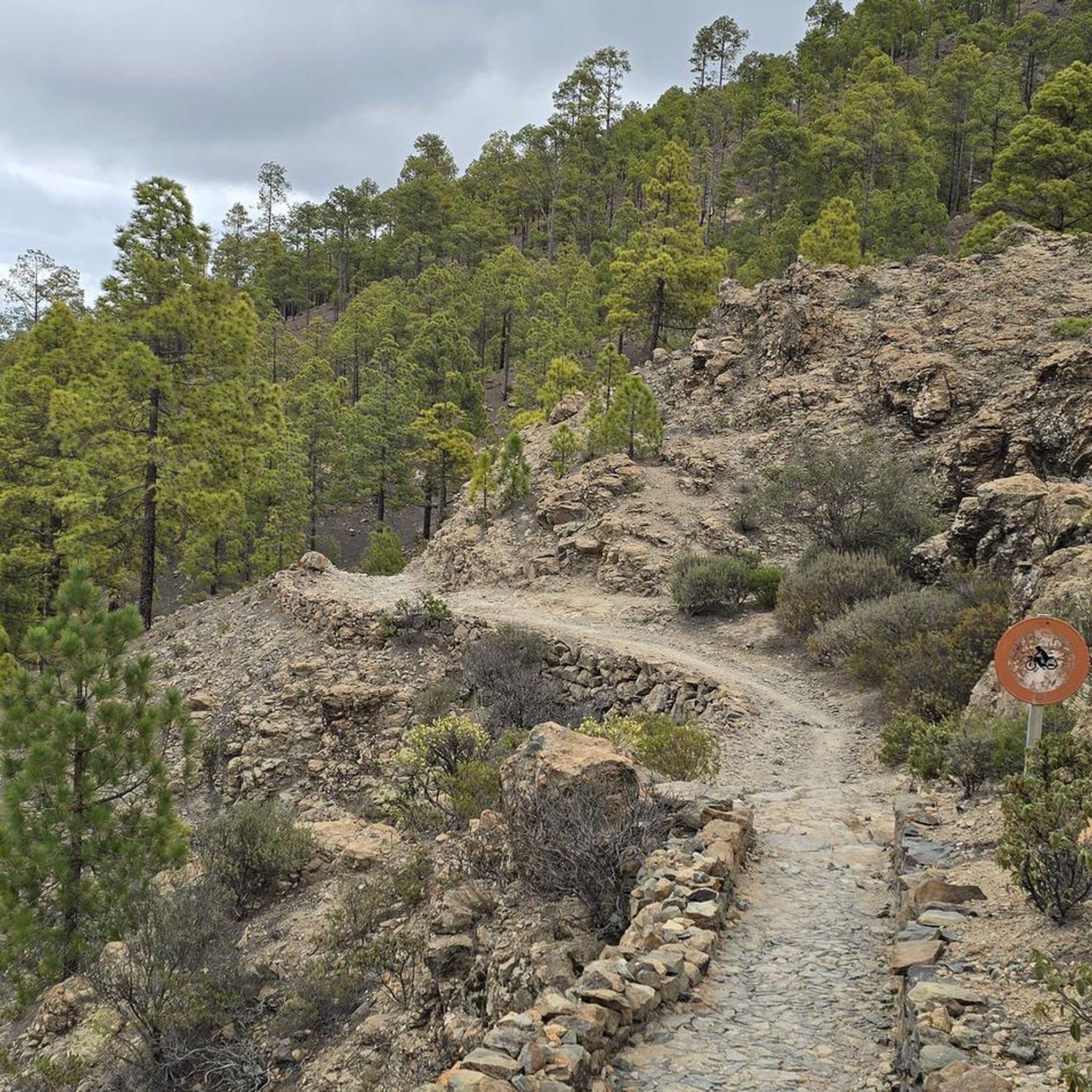
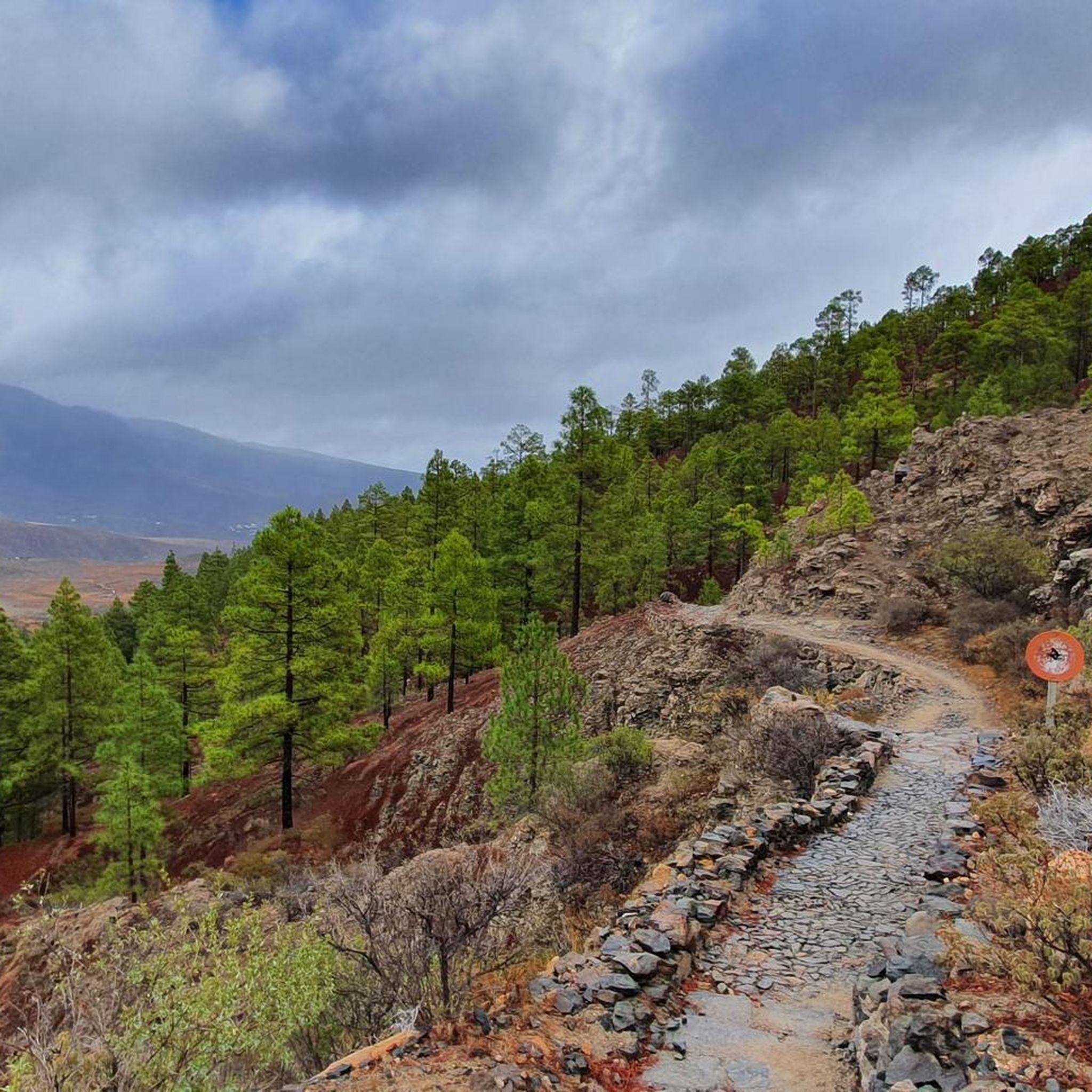
Hiking in Pilancones Natural Park offers diverse landscapes shaped by volcanic eruptions over 12 million years ago, featuring deep ravines and narrow plateaus. The park is characterized by brown, sloping ravines and extensive pine forests, particularly in its upper reaches. Water features like dams and natural pools, known as "pilancones," further enrich the terrain. This area provides varied hiking opportunities across its rugged and green environment.
Best hiking trails in Pilancones
- The most popular hiking route is View of Maspalomas – Wonderful view across reservoirs loop from Ayagaures, a 7.0 miles (11.3 km) trail that takes 3 hours 38 minutes to complete. This route offers views across the park's reservoirs and surrounding areas.
- Another top favourite among local hikers is Angostura Dam – Wonderful view across reservoirs loop from Ayagaures, a difficult 10.8 miles (17.4 km) path. This trail navigates through varied terrain, including sections near the Angostura Dam.
- Local hikers also love the View of Presa de Cira – View of the Fataga Canyon loop from Degollada de Cruz Grande, a 9.5 miles (15.3 km) trail leading through the Fataga Canyon, often completed in about 4 hours 38 minutes.
- Hiking in Pilancones is defined by volcanic terrain, deep ravines, and protected pine forests. The network offers options for different ability levels, from moderate walks to more challenging routes.
- The routes in Pilancones are highly rated by the komoot community with an average score of 4.3 stars from over 4000 reviews. More than 28000 hikers have used komoot to explore Pilancones's varied terrain.
Last updated: August 18, 2026
4.7
(238)
698
hikers
Moderate hike. Good fitness required. Mostly accessible paths. Sure-footedness required.
4.8
(67)
272
hikers
Hard hike. Very good fitness required. Sure-footedness, sturdy shoes and alpine experience required.

Sign up for free
4.8
(16)
82
hikers
Moderate hike. Good fitness required. Easily-accessible paths. Suitable for all skill levels.
4.6
(32)
73
hikers
Moderate hike. Good fitness required. Easily-accessible paths. Suitable for all skill levels.
4.8
(20)
68
hikers
9.50km
03:29
550m
550m
Moderate hike. Good fitness required. Mostly accessible paths. Sure-footedness required.
Get access to more routes and recommendations from other explorers.
Sign up for free
Already have an account?
Our route recommendations are based on thousands of hikes, rides, and runs completed by other people on komoot.
Start today with a free account
Your next adventure awaits.
Login or Signup


Tips from the Community

In sunshine, you can smell the spicy scent of the pines.
0
0

Here nature has created impressive rock formations of volcanic rock.
1
0
From here you can enjoy a magnificent view towards the coast
2
0

The 'presa' or reservoir of La Gambuesa is located at an altitude of approximately 330 meters above sea level and has a capacity of 47,000 cubic meters of water. The reservoir forms an inseparable whole with the Presa de la Angostura, sharing with it the watershed of the Barranco de Ayagaures and a landscape of exceptional ecological, scenic, and cultural value.
0
0

You now need a reservation to visit the rock. Hikers are crowding at the entrance to the path and are not allowed through. Only 60 people per hour are allowed in with a reservation. So groups of people are waiting here for their free slot (usually a 2-3 hour wait). In addition, the parking lot is not usable and is closed. Cars are parked all over the place on the side of the road. Very annoying.
4
0

Great air, full of secondary plant substances. You can smell the pine trees at any time.
2
0
Frequently Asked Questions
What kind of terrain can I expect when hiking in Pilancones Natural Park?
Pilancones Natural Park offers a dramatic and diverse landscape. You'll encounter rugged volcanic terrain with deep ravines and narrow plateaus, particularly in areas like the Fataga ravine. The upper reaches feature protected pine forests, creating a green contrast to the drier parts of Gran Canaria. The park also has water features, including dams and natural pools, locally known as 'pilancones', which form after water runoff.
How many hiking trails are available in Pilancones Natural Park?
There are over 25 hiking trails available in Pilancones Natural Park, catering to various skill levels. These include 4 easy routes, 15 moderate routes, and 6 more challenging options.
What do other hikers enjoy most about hiking in Pilancones?
The komoot community highly rates hiking in Pilancones, with an average score of 4.3 stars from over 4,000 reviews. Hikers often praise the diverse landscapes, from volcanic ravines to pine forests, and the breathtaking views of reservoirs and iconic landmarks like Roque Nublo. Over 28,000 hikers have used komoot to explore the park's varied terrain.
Are there any easy or family-friendly hiking options in Pilancones?
Yes, Pilancones Natural Park offers several routes suitable for all levels, including 4 easy trails. While specific family-friendly routes aren't detailed, the park's diverse offerings mean there are options for less strenuous walks, allowing families to enjoy the natural beauty. For example, the 'Llanos de La Pez-Cruz Grande' route is known to be scenic and suitable for all levels.
Are there challenging hikes for experienced trekkers in Pilancones?
Absolutely. Pilancones Natural Park features 6 difficult routes for experienced hikers. Trails like the Angostura Dam – Wonderful view across reservoirs loop from Ayagaures, a 10.8-mile (17.4 km) path, offer significant elevation changes and varied terrain. Other challenging options include the 'San Bartolomé de Tirajana - Degollada de La Manzanilla - Pilancones loop' and 'Pilancones - Tederas - Ayagaures'.
What natural landmarks or viewpoints can I see along the trails?
Pilancones is rich in natural landmarks and viewpoints. You can visit the Degollada de la Cruz Grande Viewpoint for expansive vistas, or see the ancient Pino de Pilancones. Many trails offer views of the Chira reservoir and iconic formations like Roque Nublo, such as the View of Roque Nublo from Palmitos Cliffs. You might also discover a Small Reservoir with Waterfall.
Are there any circular hiking routes in Pilancones Natural Park?
Yes, many of the trails in Pilancones are designed as loops, offering circular routes. Popular examples include the View of Maspalomas – Wonderful view across reservoirs loop from Ayagaures, the Angostura Dam – Wonderful view across reservoirs loop from Ayagaures, and the View of Presa de Cira – View of the Fataga Canyon loop from Degollada de Cruz Grande. These loops allow you to experience diverse scenery without retracing your steps.
What kind of wildlife and flora can I observe in Pilancones?
Pilancones Natural Park is a haven for biodiversity. Its flora includes significant 'Tabaibal-Cardonal' vegetation in the lowlands, along with isolated dragon trees and junipers. The park is a Special Protection Area for Birds (ZEPA), providing a protected habitat for numerous bird colonies, including endemic species like the Blue Chaffinch and Great Spotted Woodpecker. You might also encounter various threatened animal and plant species.
Are there any routes that feature water bodies like dams or reservoirs?
Yes, the park's landscape is enriched by several dams and reservoirs. You can hike near the Ayagaures Dam or the Presa de La Gambuesa. Routes like the View of Maspalomas – Wonderful view across reservoirs loop from Ayagaures offer views across these blue waters, and small streams in lower areas shelter various waterbird species.
What is the best time of year to hike in Pilancones Natural Park?
Gran Canaria generally offers pleasant hiking weather year-round. However, the park's upper reaches feature protected pine forests, making it exceptionally green, which can be particularly enjoyable during cooler months or after rainfall when the natural pools ('pilancones') are more prominent. Always check local weather forecasts before your hike.
Can I find routes that offer views of Roque Nublo?
Yes, several routes and viewpoints within Pilancones Natural Park offer stunning views of Roque Nublo, one of Gran Canaria's most iconic landmarks. For example, the Pine forest – View of Roque Nublo loop from Degollada de Cruz Grande is a popular choice for this specific vista, and the View of Roque Nublo from Palmitos Cliffs is a notable highlight.
Most popular routes in Pilancones
Most popular attractions in Pilancones

Get inspired with the komoot mobile app


Explore more
Browse the best Hikes in other regions.
