Attractions and Places To See around Río Guadalimar - Top 4
Best attractions and places to see around Río Guadalimar include a diverse range of natural landscapes and historical landmarks. The river, whose name translates to "red river," flows through the Sierra de Cazorla, Segura y Las Villas Natural Park, originating at the foot of Almenara Hill. Its course reveals a transition from mountainous terrain to rolling hills and alluvial plains. The region features significant historical bridges and archaeological sites, showcasing human activity from ancient eras.
Best attractions and places to…
Last updated: June 29, 2026
Puente Mocho
Highlight • Bridge
It gives the feeling of being two different bridges joined by a walkway.
Translated by Google •
Tip by

Génave Bridge over the Guadalquivir River
Highlight • Bridge
Translated by Google •
Tip by

Sign up now to discover places like this
Get recommendations on the best single tracks, peaks, & plenty of other exciting outdoor places.
Sign up for free
Ariza Bridge
Highlight • Bridge
Translated by Google •
Tip by

Giribaile Reservoir
Highlight • Lake
Translated by Google •
Tip by
Start today with a free account
Your next adventure awaits.
Login or Signup

Tips from the Community

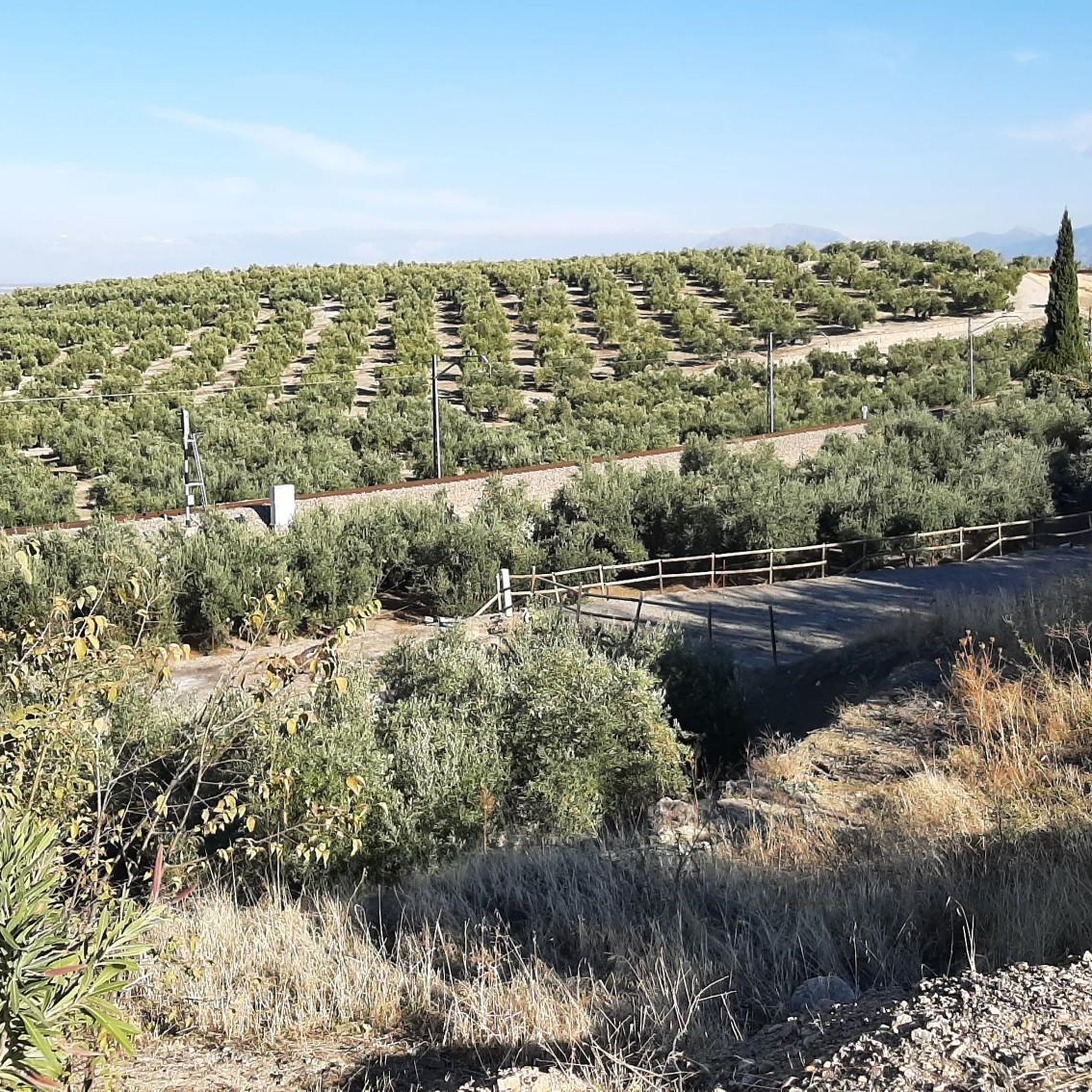
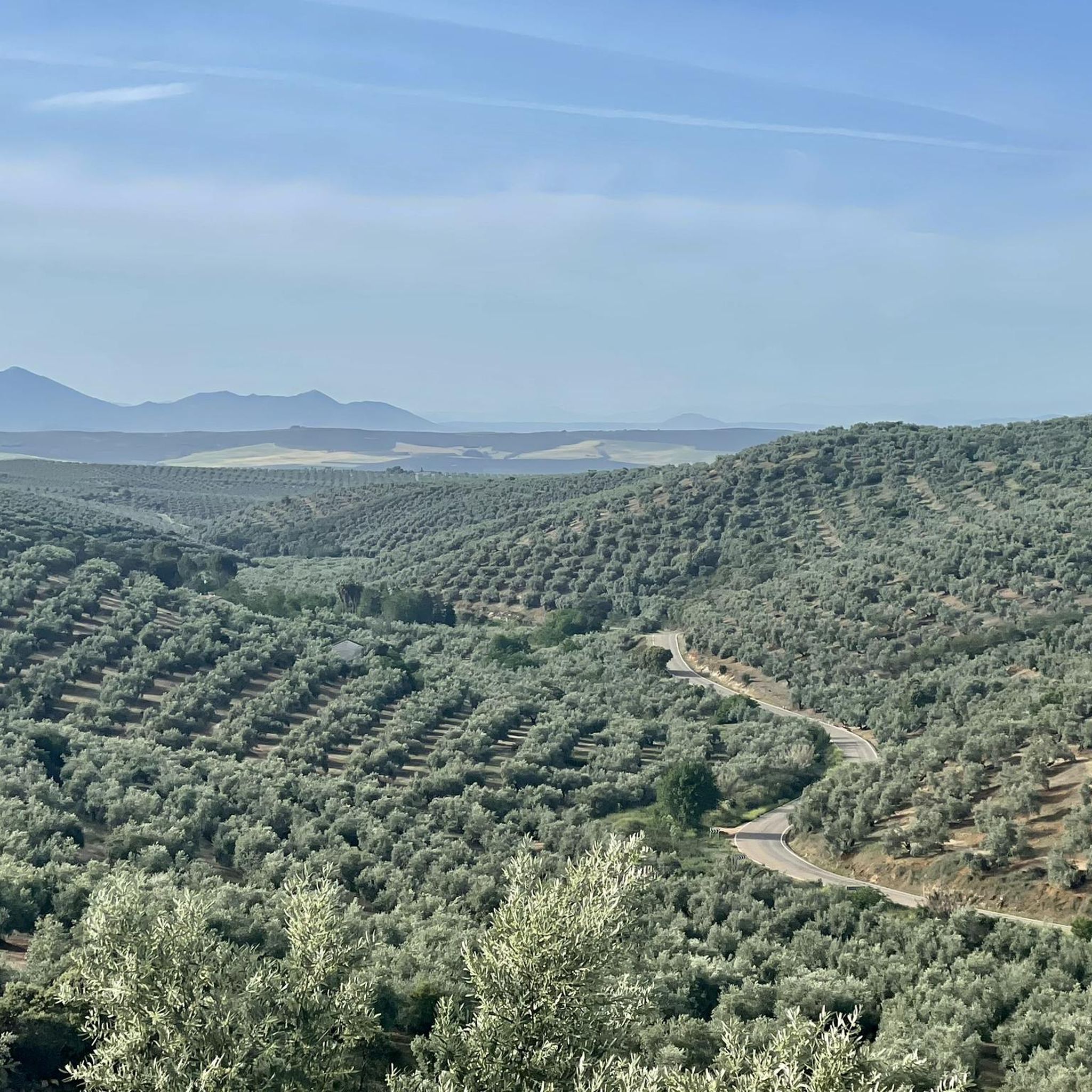
Reservoir that collects the waters of the Río Guadalimar and that extends over a good number of hectares. There are three other reservoirs in this area.
0
0
Old bridge that helps to cross this narrower part of what is called the Giribaile Reservoir, close to the town of Úbeda and which takes the waters of the Río Guadalimar.
0
0

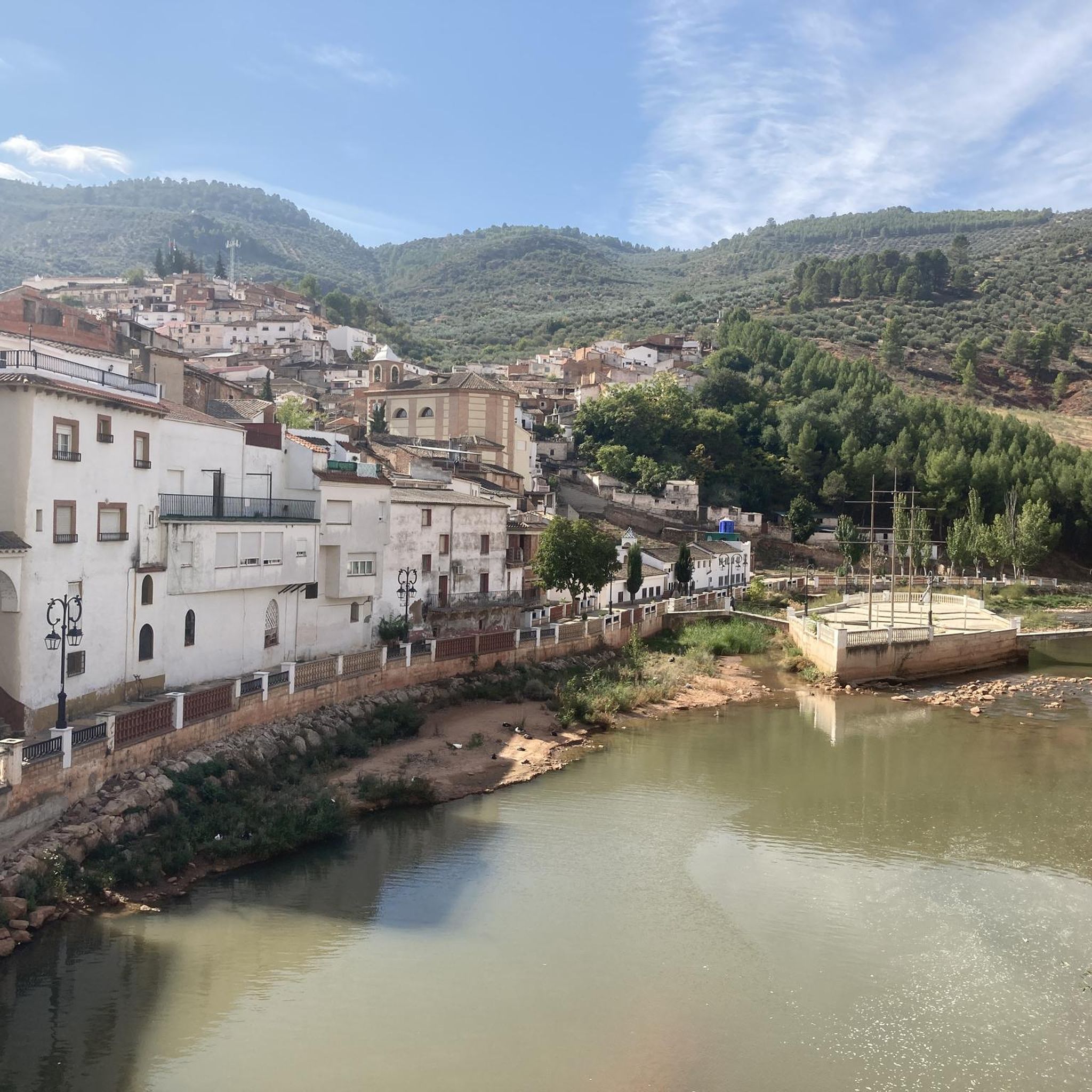
Small picturesque town located at the entrance of the Sierra de Segura mountains. The town sits on the Guadalquivir river. It dates back to the 1st century BC, with the construction of a bridge over the Guadalquivir river, part of an important Roman road that existed in this valley and an important crossroads in trade between Levante and Andalusia.
0
0

It is a Roman bridge over the Guadalimar river. It has six semicircular arches with a total length of 100 meters. It gives the feeling of being two different bridges joined by a walkway.
4
0

Old stone bridge with irregular shape
2
1
Frequently Asked Questions
What historical landmarks can I explore along the Río Guadalimar?
The region boasts several significant historical landmarks. You can visit the ancient Puente Mocho, a Roman bridge over the Guadalimar river with six semicircular arches. Another notable structure is the Ariza Bridge, a 16th-century bridge located below the Pantano del Giribaile. Additionally, the Génave Bridge, though named for the Guadalquivir in its highlight, is near Puente de Génave, a town with Roman origins and historical significance in trade routes.
Are there any natural attractions or features to see around Río Guadalimar?
Absolutely. The Río Guadalimar flows through the stunning Sierra de Cazorla, Segura y Las Villas Natural Park, offering diverse ecosystems and mountainous landscapes, especially near its headwaters. A prominent natural feature is the Giribaile Reservoir, the second most important reservoir in the province, known for its expansive waters and surrounding scenery. The river's journey also reveals varied landscapes, from high mountains to rolling hills and alluvial plains.
What kind of outdoor activities can I do near the attractions?
The area around Río Guadalimar is excellent for various outdoor activities. You can find numerous routes for cycling, mountain biking, and running. For example, explore traffic-free bike rides, challenging MTB trails, or scenic running trails. The Giribaile Reservoir is also a popular spot for fishing and swimming in designated areas.
Are there family-friendly places to visit around Río Guadalimar?
Yes, there are family-friendly options. The Giribaile Reservoir is a great spot for families, offering opportunities for swimming and fishing. The Génave Bridge area, near the town of Puente de Génave, is also considered family-friendly and offers a glimpse into local history.
Where does the Río Guadalimar originate and what are its key features?
The Río Guadalimar originates at the foot of Almenara Hill, at an altitude of 1200 meters, within the Alcaraz mountain range in Albacete. Its name translates to "red river" due to the reddish hue of its waters. Key features include its passage through the Sierra de Cazorla, Segura y Las Villas Natural Park, and its role in forming the Giribaile Reservoir before it eventually joins the Guadalquivir River.
Can I go swimming in the Río Guadalimar or its reservoirs?
Yes, swimming is permitted in designated areas. The Giribaile Reservoir is a popular spot for swimming. Additionally, Peña del Olivar, located near the Guadalimar in the Arroyo Los Molinos, is designated as a swimming zone, providing a natural spot for recreation.
What kind of hiking opportunities are available along the river?
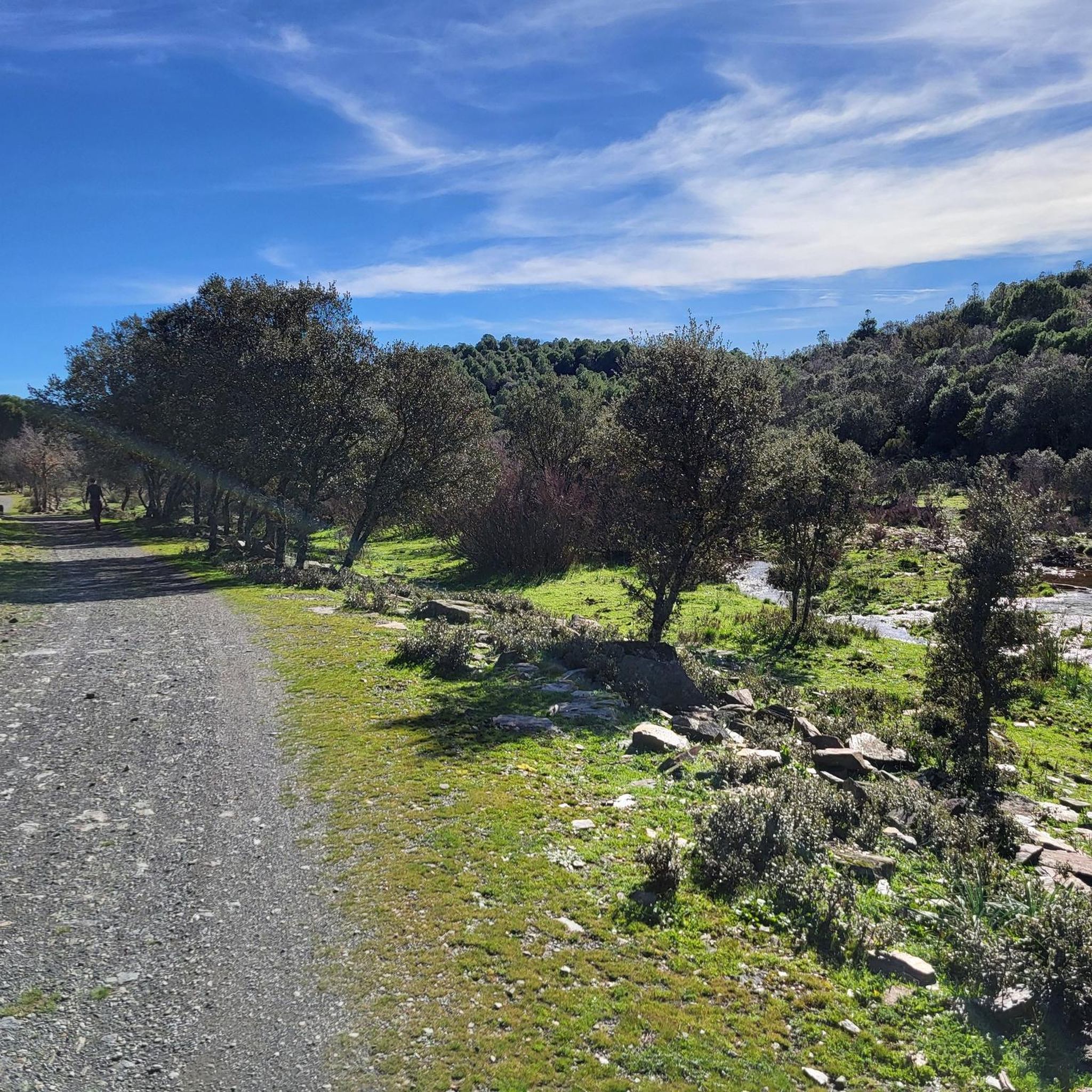
The areas surrounding the Guadalimar, particularly within the Sierra de Cazorla, Segura y Las Villas Natural Park, offer numerous hiking opportunities. Some routes, especially near Siles, La Puerta de Segura, and Puente de Génave, follow the river's course, providing scenic views and access to unique flora like hazelnut trees and hollies. You can find various running trails that are also suitable for hiking.
Are there any archaeological sites near the Río Guadalimar?
Yes, near Puente Mocho, you can find the Yacimiento Arqueológico Terrazas del Guadalimar. This archaeological site provides evidence of human occupation from the Lower and Middle Paleolithic eras, showcasing early human activity in the Sierra de Segura.
What towns are notable along the Río Guadalimar?
Several towns are significant along the river. Puente de Génave features an open-air museum along its riverbanks and is home to the 19th-century Puente Nuevo. La Puerta de Segura, considered the natural entrance to the Sierra de Segura, is divided by the Guadalimar and offers a pleasant river walk, along with the ruins of a castle and the Church of San Mateo.
What are some unique cultural or artistic points of interest in the region?
Puente de Génave offers unique cultural and artistic points of interest. Beyond its historical bridges, the town features an open-air museum along the riverbanks, displaying various sculptures such as "El Chapuzón," "El Barco de Papel," and "El Árbol de Canalones." The town also presents interesting "kitsch" art, exemplified by the distinctive architecture of the Unicaja building.
What can I expect to see in terms of wildlife and ecosystems?
Along its course, especially where it borders municipalities like Torreblascopedro, the river creates fertile plains and a typical riparian ecosystem. This environment is characterized by gallery forests and supports diverse flora and fauna. The Sierra de Cazorla, Segura y Las Villas Natural Park, through which the river flows, is renowned for its spectacular beauty and rich biodiversity.
Most popular routes around Río Guadalimar

Get inspired with the komoot mobile app


Explore more
Still not found the Highlight you’re looking for? See guides of the top attractions in other regions:
