The best cycling routes around Pfäfers
4.5
(1521)
19,869
riders
11
rides
Touring cycling routes around Pfäfers traverse a landscape characterized by the deep Tamina Valley, the impressive Tamina Gorge, and views of the Grisons Rhine Valley. The region features diverse terrain, from paved roads along river valleys to routes with significant elevation gains through alpine scenery. Geological formations, including the UNESCO Tectonic Arena Sardona, contribute to the varied environment. Cycling paths often incorporate natural features like the Mapragg Reservoir and historical sites.
Best touring cycling routes around Pfäfers
- The most popular…
Last updated: October 11, 2026
4.5
(2)
83
riders
59.5km
05:02
1,950m
1,950m
Hard bike ride. Very good fitness required. Mostly paved surfaces. Suitable for all skill levels.
48
riders
24.8km
01:51
500m
500m
Hard bike ride. Very good fitness required. Mostly paved surfaces. Suitable for all skill levels.

31
riders
15.8km
01:14
410m
410m
Moderate bike ride. Good fitness required. Mostly paved surfaces. Suitable for all skill levels.
5.0
(1)
17
riders
22.2km
01:41
510m
510m
Hard bike ride. Very good fitness required. Mostly paved surfaces. Suitable for all skill levels.
4.0
(1)
11
riders
8.62km
00:53
360m
360m
Moderate bike ride. Good fitness required. Mostly paved surfaces. Suitable for all skill levels.
Get access to more routes and recommendations from other explorers.
Already have an account?
Our route recommendations are based on thousands of hikes, rides, and runs completed by other people on komoot.
Start today with a free account
Your next adventure awaits.
Popular around Pfäfers
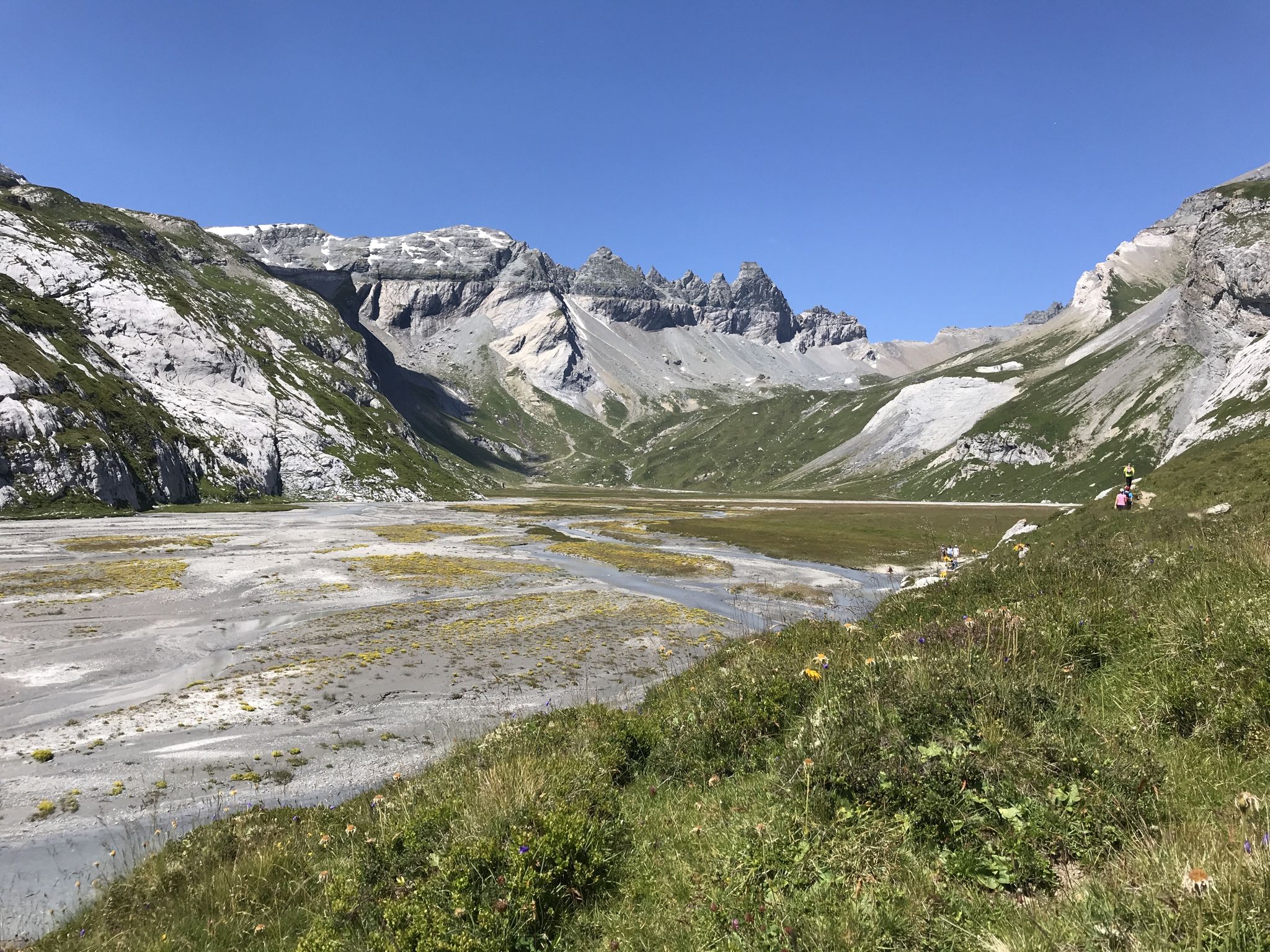
Sardona World Heritage Trail – Where the Alps once formed
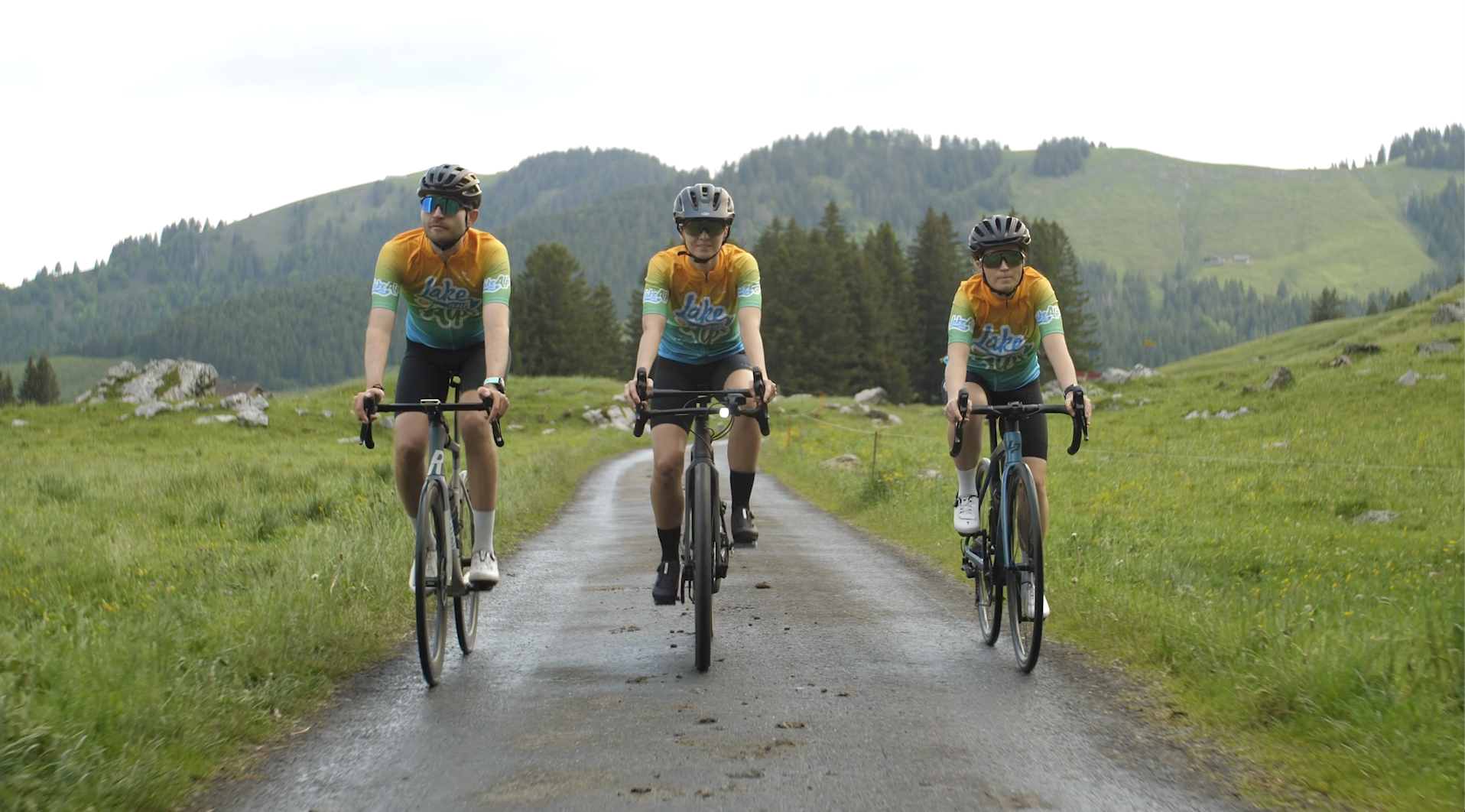
Lake and Alps Adventure – explore 100 dreamy places in our cycling region!
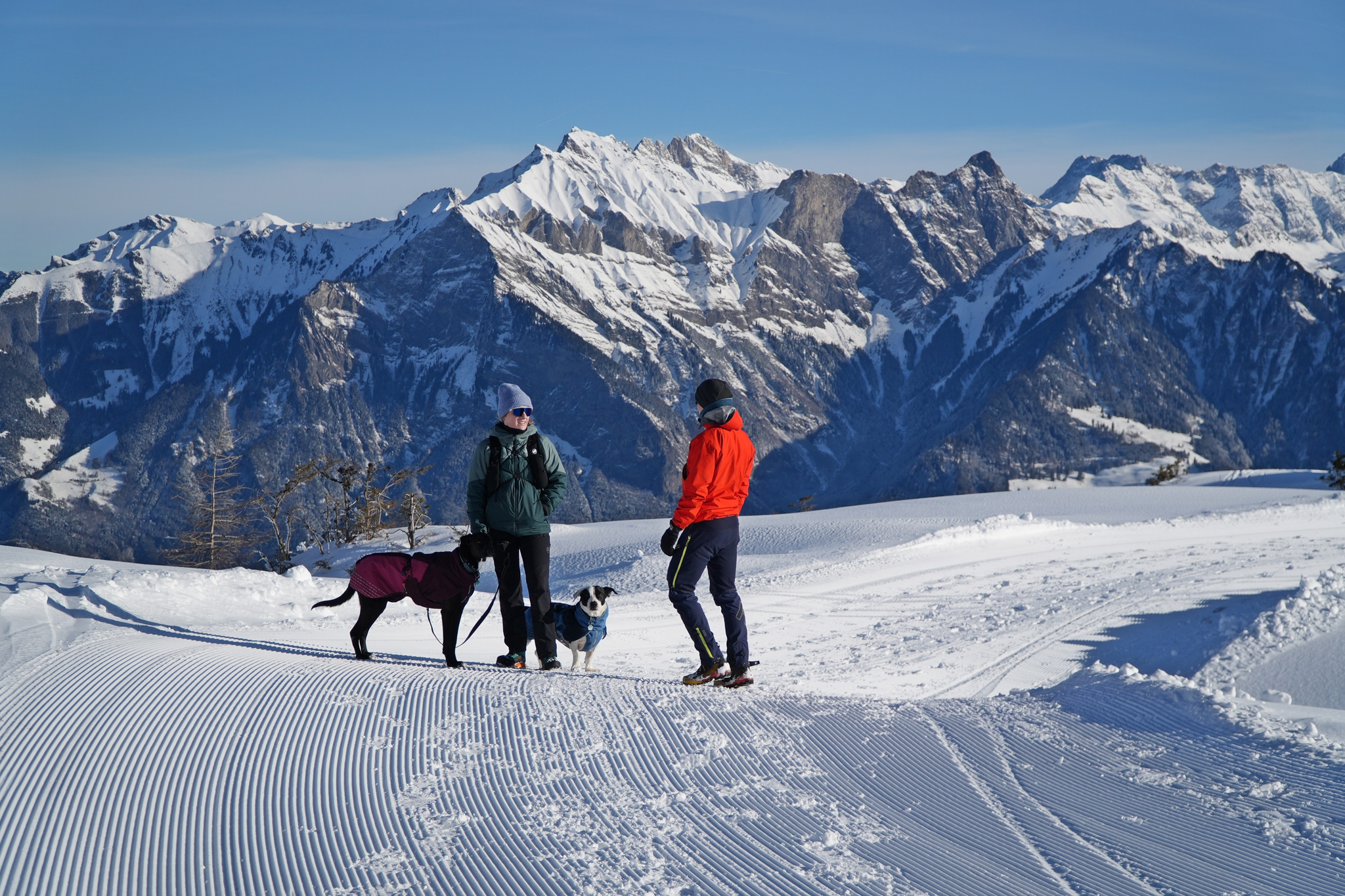
Enchanting winter hikes with dogs in Eastern Switzerland
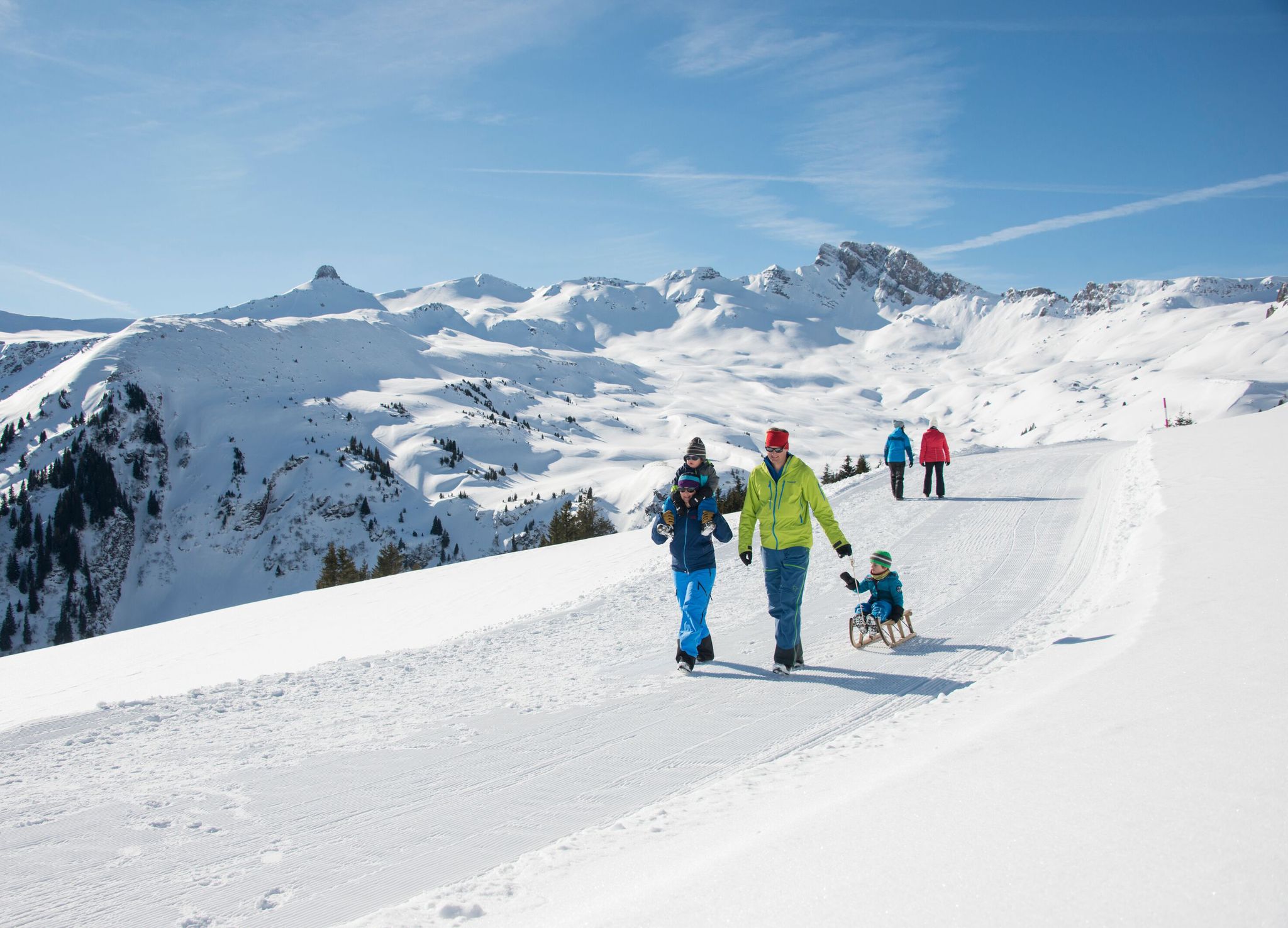
Family-friendly winter hikes in Eastern Switzerland

Peak bagging hikes in Heidiland
Summer in Eastern Switzerland – 10 hikes in Heidiland
Blue lakes, wide panoramas & autumnal splendour – hiking in Heidiland
Pure Swiss mountain idyll – hikes in Heidiland
The most beautiful gorges of the Alps
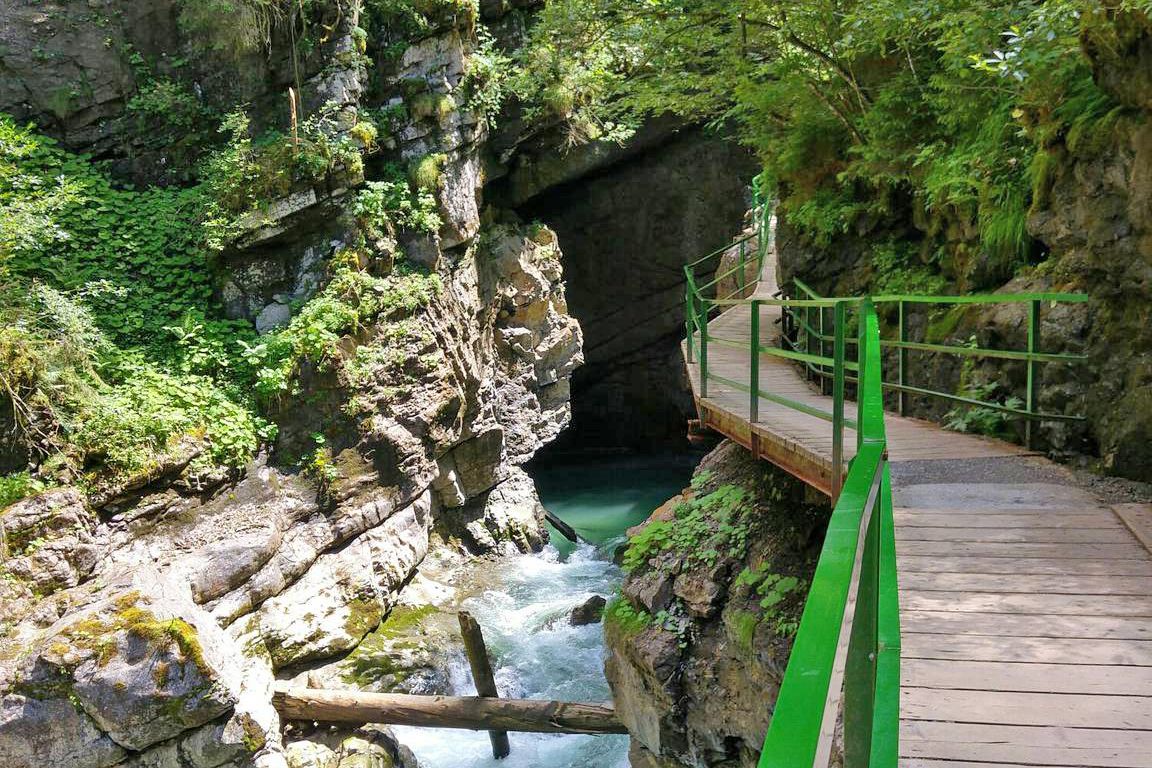
Wild gorges in southern Germany and northern Switzerland
Other adventures around Pfäfers


Tips from the Community

the homemade fruit tart tastes delicious.
0
0

Traffic-free road from here to Bad Ragaz, great cycling route
0
0

There's no car traffic on this road. There's still an incline.
0
0

A place of power in a special class
0
0

Ruinaulta Rhine Gorge The Ruinaulta, or Rhine Gorge, is a gorge of the Vorderrhein River, up to 400 meters deep and approximately 13 kilometers long, between Ilanz and the mouth of the Hinterrhein River near Reichenau in the canton of Graubünden in Switzerland. The Romansh name 'Ruinaulta' is composed of the two words ruina (scree slope, quarry) and aulta (high). The Ruinaulta was formed after the Flims Landslide almost 10,000 years ago. At that time, over 10 billion cubic meters of rock broke off between the Flimserstein and Piz Grisch, burying the Vorderrhein Valley between the present-day villages of Castrisch and Reichenau under a mass of debris several hundred meters thick. Because the Vorderrhein River could no longer drain away, a lake was dammed over a length of approximately 25 kilometers. Over time, the river cut deep into the landslide, and the resulting lake drained away completely. What remained was the Ruinaulta, with its steep limestone scree cliffs in impressive erosion formations. Text / Source: Wikipedia https://de.wikipedia.org/wiki/Ruinaulta
16
0
Confluence of the Vorderrhein and Hinterrhein, Reichenau Dominated by Reichenau Castle, the hamlet lies at the confluence of the Vorderrhein and Hinterrhein rivers, making it virtually the birthplace of the Rhine. It all began 10,000 years ago. Between the Flimserstein (a high plateau) and Piz Grisch, over 10,000 cubic meters of rock broke off and thundered down into the valley. Towards Reichenau, the Vorderrhein valley disappears under a gigantic mass of rubble. From there, the Rhine diligently ate its way through the rock, creating the spectacular Swiss "Grand Canyon" – the Ruinaulta. Text / Source: myswitzerland.com https://www.myswitzerland.com/de-ch/erlebnisse/route/vom-zusammenfluss-der-rheine-in-die-rheinschlucht/
16
0

very nice on sunny days
0
0

Frequently Asked Questions
How many touring cycling routes are available around Pfäfers?
There are over 10 touring cycling routes around Pfäfers, offering a variety of experiences. These include routes with significant elevation gains through alpine scenery and more moderate rides along valley floors. The komoot community has rated these routes highly, with an average score of 4.6 stars.
Are there any easy touring cycling routes suitable for beginners or families in Pfäfers?
While many routes in Pfäfers involve elevation, there are moderate options that can be suitable for families or those seeking a less strenuous ride. The Tamina Bridge – Pfäfers Monastery and Village loop from Bad Ragaz is a moderate 5.4-mile (8.8 km) trail that takes you through the scenic Tamina Valley and past cultural landmarks like the baroque Pfäfers Monastery, making it a good choice for a leisurely tour.
What are some challenging touring cycling routes for experienced riders in Pfäfers?
For experienced touring cyclists seeking a challenge, the Kunkel Pass – Kunkels Pass Tunnel loop from Vättis is a difficult 37.0-mile (59.6 km) route with substantial elevation gain and panoramic mountain views. Another demanding option is the Mapraggsee – Tamina Bridge loop from Vättis, a difficult 15.4-mile (24.8 km) path that includes views of the Mapragg Reservoir and the impressive Tamina Bridge.
Are there circular touring cycling routes in the Pfäfers region?
Yes, many touring cycling routes around Pfäfers are designed as loops, allowing you to start and end in the same location. Examples include the Bergrestaurant Kunkelspass – Kunkel Pass loop from Vättis, which is a moderate 15.7 km (9.8 miles) route, and the Saarfall – View of Tamina Bridge loop from Valens, a more challenging 22.2 km (13.8 miles) ride.
What natural attractions can I see while cycling around Pfäfers?
The Pfäfers region offers stunning natural features. Many routes provide views of the Grisons Rhine Valley, especially on descents towards Bad Ragaz. You can also cycle past the Tamina Gorge, a mystical natural wonder with warm spring water, and the Mapragg Reservoir. The area is also part of the UNESCO Tectonic Arena Sardona, showcasing unique geological formations.
Are there any historical or cultural landmarks along the touring cycling routes?
Absolutely. Cycling routes often incorporate historical and cultural sites. You can encounter the baroque Pfäfers Monastery and the tranquil village of Pfäfers. The Old Bath Pfäfers, Switzerland's oldest baroque bathhouse, is also nearby and functions as a museum. Some routes even pass by the Wartenstein Castle Ruins, adding a historical dimension to your ride.
What is the best time of year for touring cycling in Pfäfers?
The region's diverse terrain, from valley roads to alpine ascents, means cycling is enjoyable across several seasons. Spring and autumn offer pleasant temperatures and vibrant scenery, while summer allows for higher alpine routes. Always check local weather conditions, especially for routes with significant elevation, as mountain weather can change rapidly.
How can I access touring cycling routes in Pfäfers using public transport?
Bad Ragaz, a spa town close to Pfäfers, serves as a common starting and ending point for many cycling routes and is well-connected by public transport. From Bad Ragaz, you can often reach the starting points of various tours, including those leading into the Tamina Valley. Swiss public transport is generally bike-friendly, but it's advisable to check specific train or bus regulations regarding bike transport in advance.
Are there places to eat or get refreshments along the touring cycling routes in Pfäfers?
Yes, you'll find options for refreshments. Bad Ragaz, a popular hub, offers various cafes and restaurants. Along some routes, such as those near the Kunkel Pass, you might find mountain restaurants like Bergrestaurant Kunkelspass. The Old Bath Pfäfers also houses a restaurant. It's always a good idea to carry some snacks and water, especially on longer or more remote routes.
What do other touring cyclists enjoy most about cycling in Pfäfers?
The komoot community highly rates touring cycling in Pfäfers, with an average score of 4.6 stars from over 1,100 reviews. Cyclists frequently praise the region's diverse landscapes, from the impressive Tamina Valley and Gorge to the panoramic views of the Grisons Rhine Valley. The blend of natural beauty, challenging ascents, and cultural landmarks like Pfäfers Monastery makes for a memorable experience.
Is there parking available near the touring cycling routes in Pfäfers?
Yes, parking is generally available in key starting points for touring cycling routes. Towns like Bad Ragaz and villages such as Vättis, which serve as common access points for many tours, typically offer parking facilities. It's recommended to check specific parking options for your chosen route's trailhead before you set out.
Most popular routes around Pfäfers
Most popular attractions around Pfäfers

Get inspired with the komoot mobile app


Explore more
Browse the best Cycling routes in other regions.
