The best running trails in Ponga
4.5
(2)
308
runners
25
runs
Jogging in Ponga offers a diverse natural landscape within the Cantabrian Mountains, characterized by varied elevations ranging from 300 to over 2,100 meters. The region features extensive ancient beech forests, including the Peloño Partial Nature Reserve, and encompasses the upper basins of the Sella and Ponga rivers, with rugged gorges. This environment provides a range of terrain for running, from shaded forest paths to challenging mountain ascents.
Best jogging routes in Ponga
- The most popular jogging route is Vegabaño Mountain…
Last updated: October 15, 2026
13
runners
9.84km
01:45
550m
550m
Hard run. Very good fitness required. Sure-footedness, sturdy shoes and alpine experience required.
5
runners
36.2km
05:29
1,620m
1,620m
Hard run. Very good fitness required. Sure-footedness, sturdy shoes and alpine experience required.

8
runners
8.26km
01:17
460m
460m
Hard run. Very good fitness required. Mostly paved surfaces. Suitable for all skill levels.
6
runners
13.3km
02:25
880m
880m
Hard run. Very good fitness required. Sure-footedness, sturdy shoes and alpine experience required.
7
runners
10.6km
01:23
290m
290m
Moderate run. Good fitness required. Mostly paved surfaces. Suitable for all skill levels.
Get access to more routes and recommendations from other explorers.
Already have an account?
Our route recommendations are based on thousands of hikes, rides, and runs completed by other people on komoot.
Tips from the Community

Oseja de Sajambre, in the heart of the Picos de Europa National Park, is an ideal destination for lovers of nature, hiking, and traditional mountain architecture.
5
1

Does anyone know if it is possible to use the shelter out of season (when it is closed and not managed)?
0
0

All information about the hut at http://www.refugiopicos.com/index.html
0
2
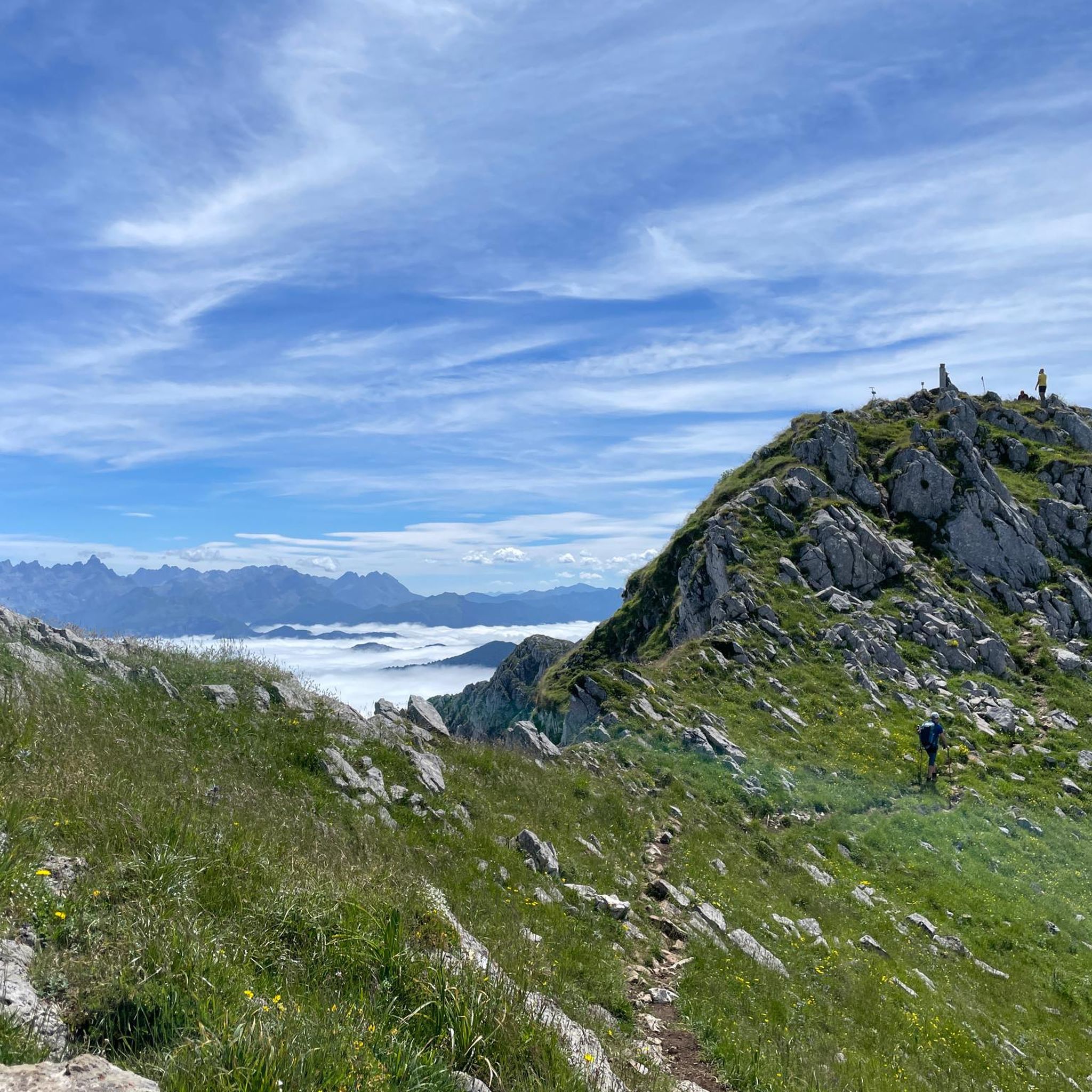
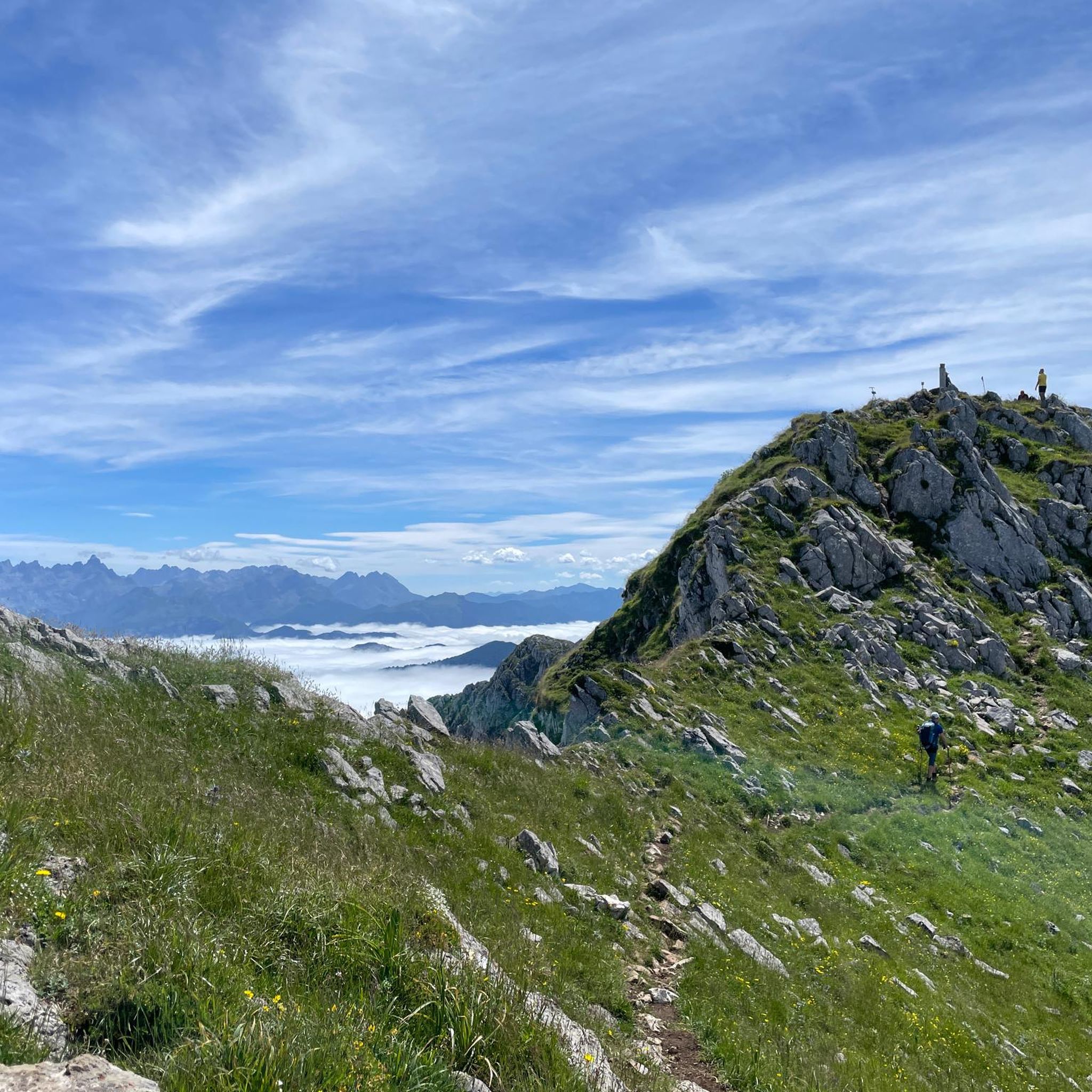
Majada de Vegabaño I can say that Vegabaño is one of the most beautiful and charming places I have ever been to. Located in the heart of the Picos de Europa, nestled in a meadow at 1,432 metres above sea level and surrounded by beech and oak forests, this mountain refuge is located. Vegabaño is a little-known and little-frequented paradise, perhaps that is where its charm lies. A place where time stands still and where geology, flora and fauna reach their maximum expression. Vegabaño offers us the possibility of experiencing nature in a special way, surrounded at all times by an incomparable setting and where one is able to find the link between man and nature. A place with easy access to the Refuge where everyone is welcome, and where Julián and Nuria make sure you feel like family, and I can attest that they succeed. An unbeatable option, even for a day out. You can get to Soto by car and take the track to the refuge meadow.
1
0
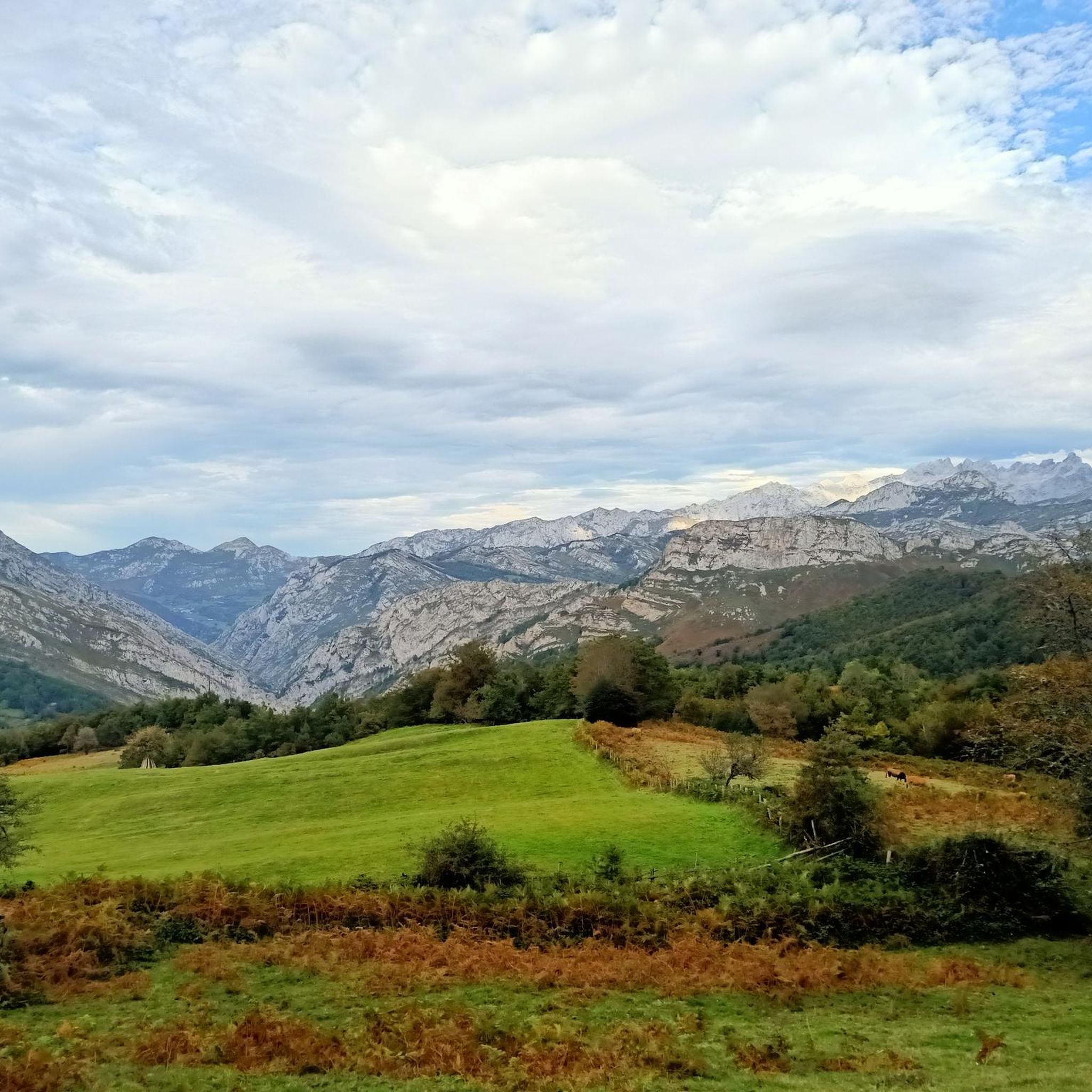
The village of Soto, with the Picos de Eropa behind it, is one of the most beautiful mountain villages in the north of the peninsula, which has earned it the title of "the garden of the Peña Santa". The location of Soto is documented in the years 1080 and 1096 (in Sajambre or next to Beza, it is said) and in 1182 the Soto Sajambre mentioned in the diplomatic instrument must have already been a village. But what is hidden in the mist of time is the true origin of Soto, which has a Latin name (subtus: "forest") and is located at the foot of two mountains with mythical resonances (Peña Santa with its Jou Santo and Carombo) and on the very edge of the ancient Via Saliámica or Senda del Arcediano.
1
0

It is located within the Picos de Europa National Park, at the foot of Peña Santa (2,596 m). It is a pretty mountain village and its houses are a good example of the traditional architecture of the Sajambre Valley, with corridors and a typical granary.
1
1
It's a village with traditional buildings, featuring stone houses, corridors with turned balconies, and tiled roofs. There are also granaries that stand on their wooden stilts or "pegollos."
2
1
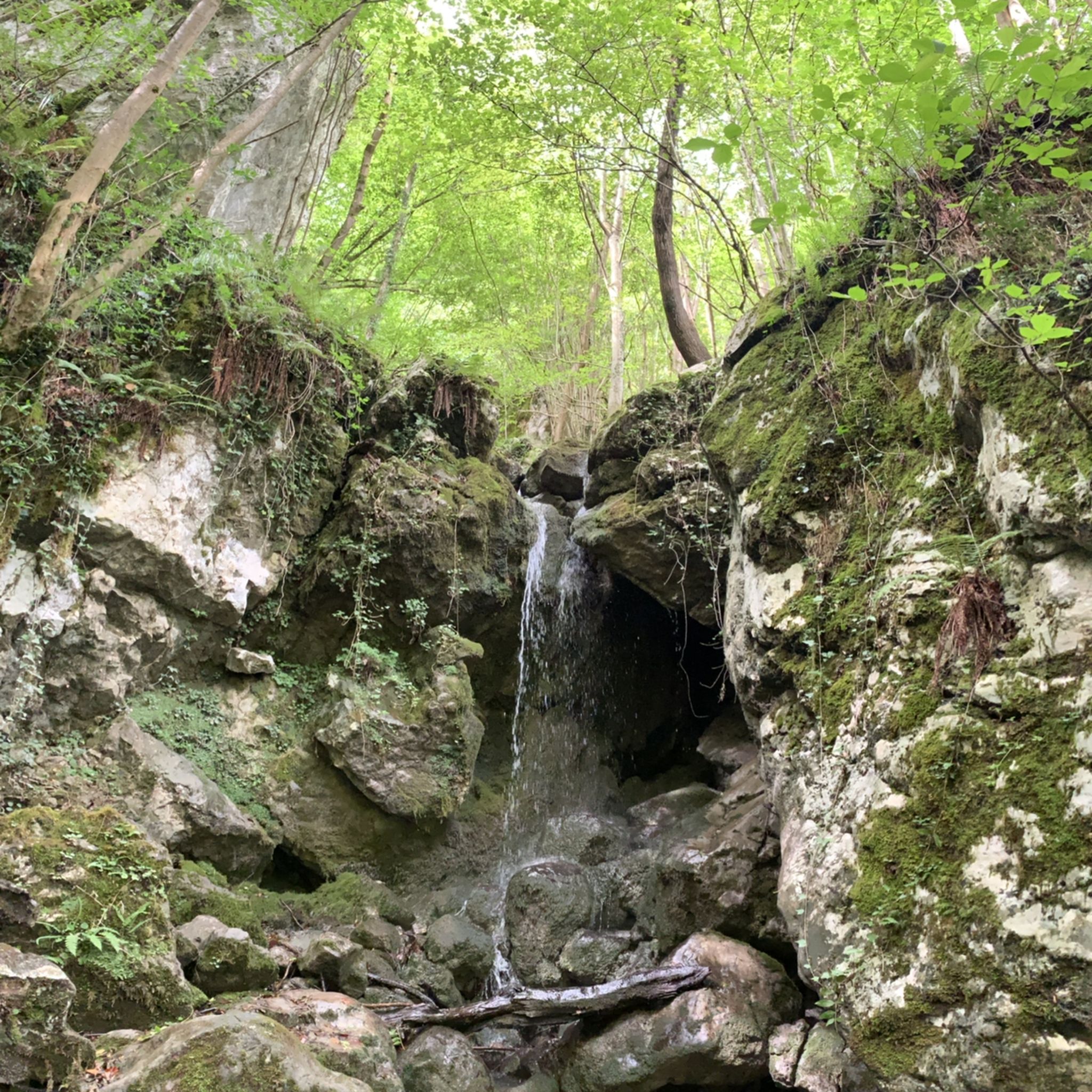
Here you can rest under the shade of old and wise trees. What a great place to take in the beautiful world we live in!
1
0
Frequently Asked Questions
How many running routes are available in Ponga?
Ponga offers a wide selection of running routes, with over 18 trails documented on komoot. These routes traverse the diverse landscapes of the Natural Park, providing options for various preferences.
What kind of terrain can I expect on the running trails in Ponga?
You can expect a varied terrain in Ponga, ranging from challenging mountainous paths with significant ascents and descents to shaded trails through ancient beech forests. The region also features routes alongside river basins and through rugged gorges, offering a mix of surfaces like tarmac, grass, and dirt tracks.
Are there any circular jogging routes in Ponga?
Yes, many of the running routes in Ponga are designed as loops, allowing you to start and finish in the same location. For example, you can explore the Vegabaño Mountain Hut loop from Soto de Sajambre or the Soto de Sajambre loop from Soto de Sajambre, both offering scenic circular experiences.
What do other runners enjoy most about jogging in Ponga?
The running routes in Ponga are highly rated by the komoot community, with an average score of 4.5 stars. Runners frequently praise the majestic mountains, ancient forests, and diverse river landscapes, highlighting the serene and less crowded natural environment compared to more famous parks.
Are there any less strenuous running options for beginners in Ponga?
While Ponga is known for its challenging mountainous terrain, there are some less strenuous options available, particularly at lower elevations or along riverbanks. The komoot guide currently lists one moderate route, but most are considered difficult. It's advisable to check the route details for elevation and distance to find a suitable path.
What are some notable natural features or landmarks I might see while running in Ponga?
Ponga is rich in natural beauty. You might encounter the stunning Los Beyos Gorge, the ancient Roblón de los Bustiellos, or enjoy views from the Collada Llomena mountain pass. The park is also home to extensive beech forests, such as the Peloño Partial Nature Reserve, which are particularly vibrant in autumn.
Is Ponga suitable for experienced trail runners looking for a challenge?
Absolutely. Ponga's rugged and diverse landscape, with peaks reaching over 2,100 meters, offers challenging ascents and descents perfect for experienced trail runners. Many of the routes, such as the Running loop from Pendones, feature significant elevation changes and demanding terrain.
Can I find long-distance running trails in Ponga?
Yes, Ponga offers several longer running trails for those seeking extended distances. For instance, the Embalse de la Jocica – Cueva Jortigoso loop from Collado de Angón is a challenging 21.4 km route with considerable elevation gain, ideal for long-distance training.
Are there any running routes that pass through traditional villages?
While specific routes aren't detailed, Ponga's traditional villages like San Juan de Beleño, Abiegos, and Tarañes, with their characteristic stone and wood architecture, are integrated into the park's landscape. Jogging through these quaint settlements can offer a charming cultural experience alongside your run.
What is the best time of year to go running in Ponga?
Ponga offers beautiful running conditions throughout much of the year. The ancient beech forests, especially the Peloño Partial Nature Reserve, are particularly vibrant in autumn. Spring and summer provide lush greenery, while winter can offer a different, more challenging experience, though some higher elevation trails may be less accessible due to snow.
Is it possible to combine running in Ponga with other outdoor activities?
Yes, Ponga's location within the Cantabrian Mountains and its proximity to other natural parks like Redes and Picos de Europa make it an excellent base for combining running with other outdoor pursuits such as hiking, wildlife observation, or exploring the numerous caves formed by the karst landscape.
What kind of wildlife might I encounter on the trails?
Ponga is home to diverse fauna characteristic of the Asturian mountains. While running, you might spot deer, roe deer, chamois, and wild boars. Otters and desmans inhabit the river areas, and the park is also known for its rich bird life. Brown bears are present but are rarely seen.
Most popular attractions in Ponga

Get inspired with the komoot mobile app


Explore more
Browse the best Running Trails & Routes in other regions.
