Attractions and Places To See in National Park Teide - Top 20
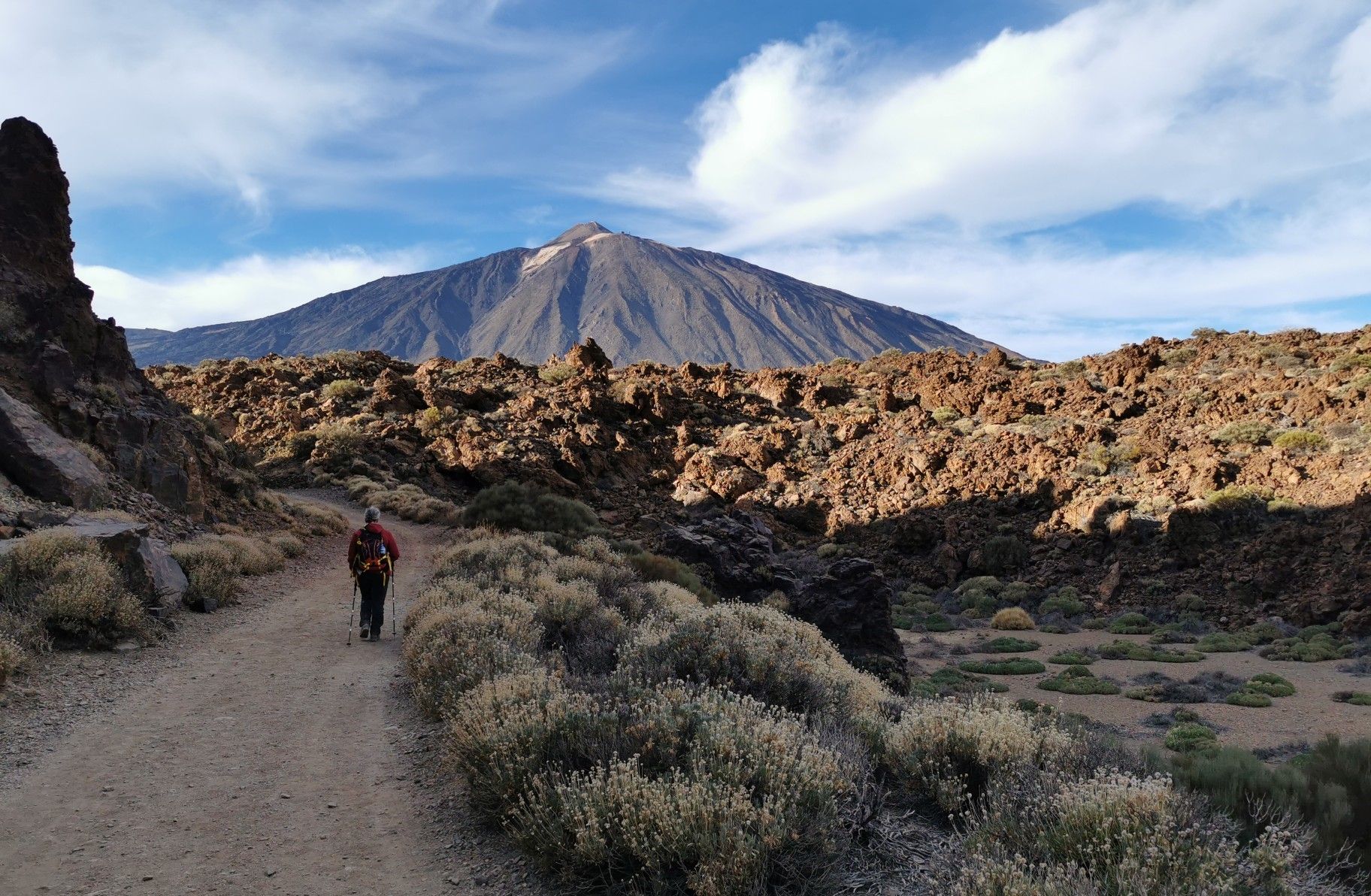
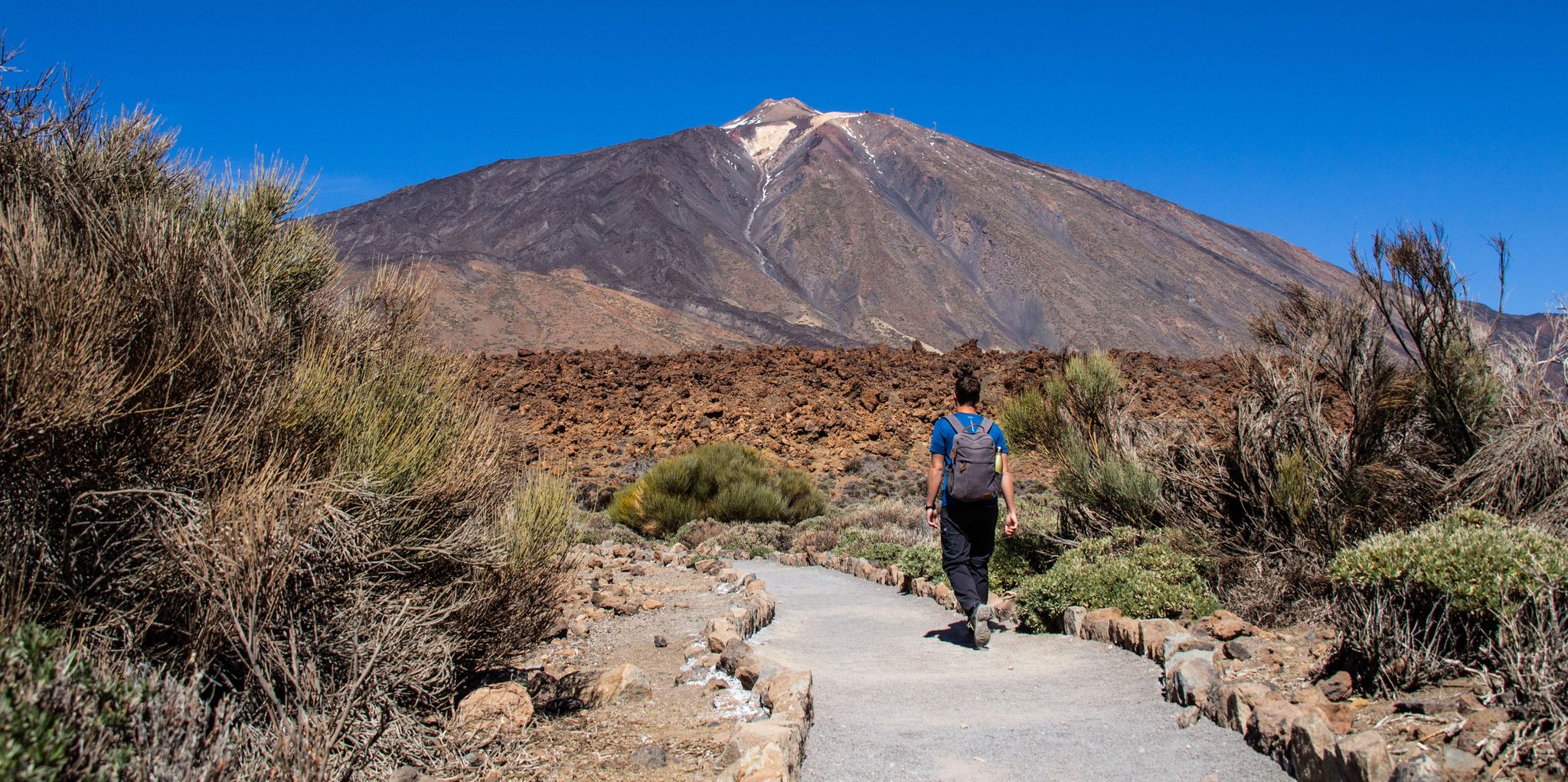
Best attractions and places to see in National Park Teide include a diverse volcanic landscape centered around Mount Teide, Spain's highest peak at 3,718 meters. This UNESCO World Heritage Site features a vast caldera, unique rock formations, and significant geological structures. The park offers numerous natural wonders and points of interest for exploration. Its geological features are considered globally unique, showcasing a complex and mature volcanic system.
Best attractions and places to see in National Park Teide
- The most popular attractions is Roque Cinchado, a natural monument known as the "finger of God." It is considered a symbol of the Cañadas and is a spectacular highlight among the Roques de García.
- Another must-see spot is Placas de Guillermo, a natural monument offering a circular route with views of the rocks and Teide in the background. This landscape is considered unique in Europe.
- Visitors also love Guajara, a summit at 2,715 meters that is the highest peak along the ancient crater. It offers a magnificent view over the caldera, Pico del Teide, and neighboring islands, and was once the site of the world's first high-mountain observatory.
- National Park Teide is known for its volcanic landscapes, unique rock formations, and extensive network of hiking trails. The park provides a variety of natural monuments, viewpoints, and summits to explore.
- The attractions in National Park Teide are appreciated by the komoot community, with over 1600 upvotes and more than 790 photos shared by visitors.
Last updated: July 6, 2026
Roque Cinchado
Highlight • Natural Monument
Translated by Google •
Tip by

El Burro
Highlight • Natural Monument
Translated by Google •
Tip by

Sign up now to discover places like this
Get recommendations on the best single tracks, peaks, & plenty of other exciting outdoor places.
Sign up for free
Placas de Guillermo
Highlight • Natural Monument
Translated by Google •
Tip by

Guajara
Highlight • Summit
Tip by

La Catedral, Teide National Park
Highlight • Natural Monument
Translated by Google •
Tip by

Sign up for free to discover even more attractions in National Park Teide.
Sign up for free
Already have an account?
Start today with a free account
Your next adventure awaits.
Login or Signup
Popular around National Park Teide
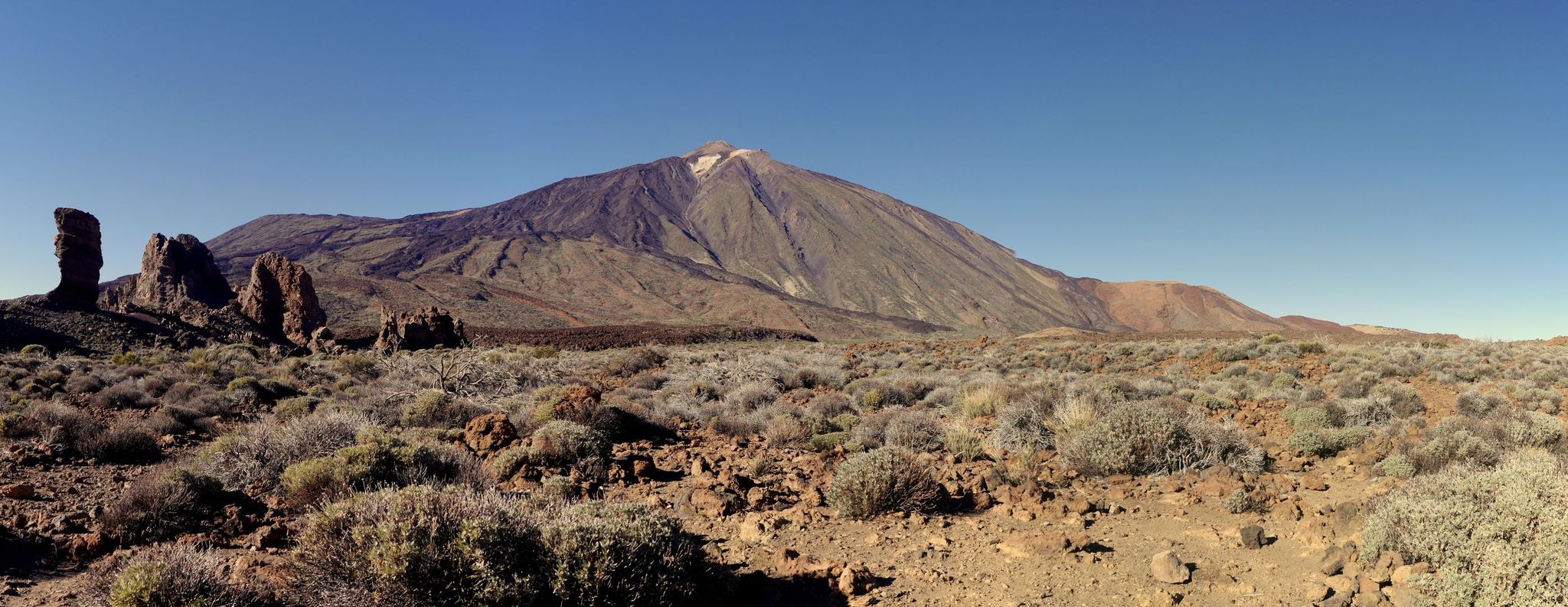
The giant of Tenerife — around Teide by road bike
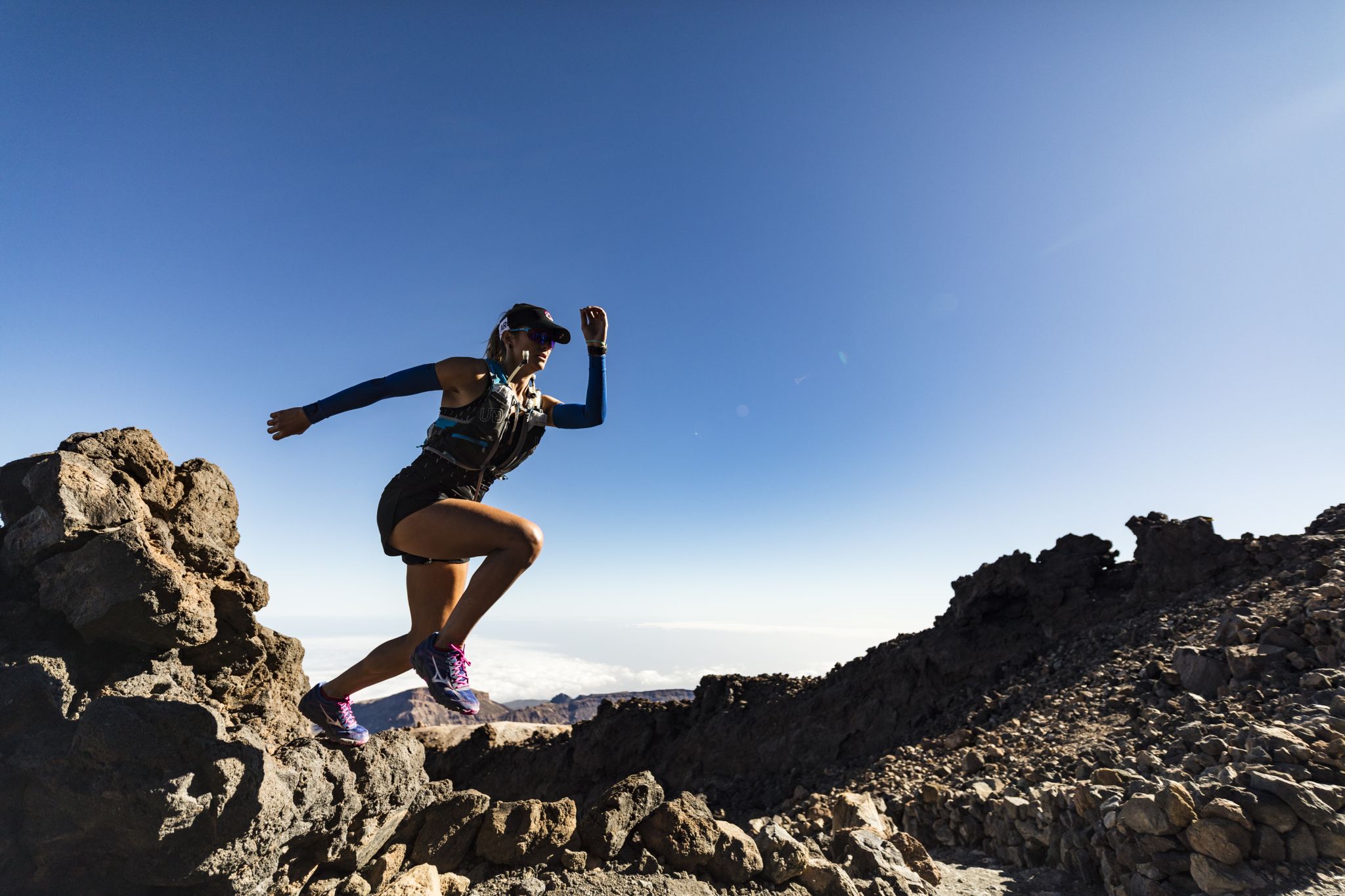
Trail running in Tenerife – dreamy routes between sea and mountain
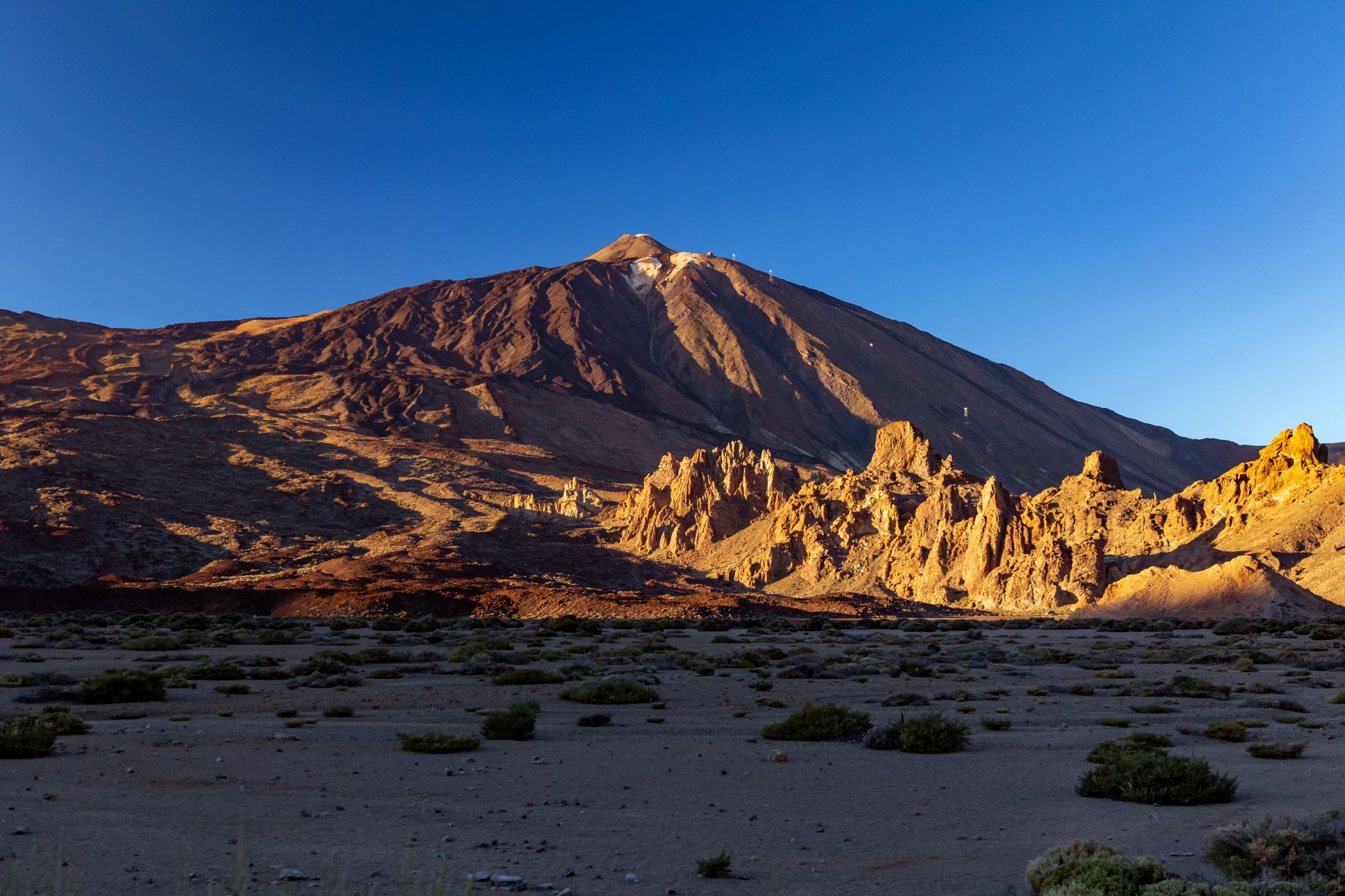
Six fascinating ways to discover the Canary Islands on foot
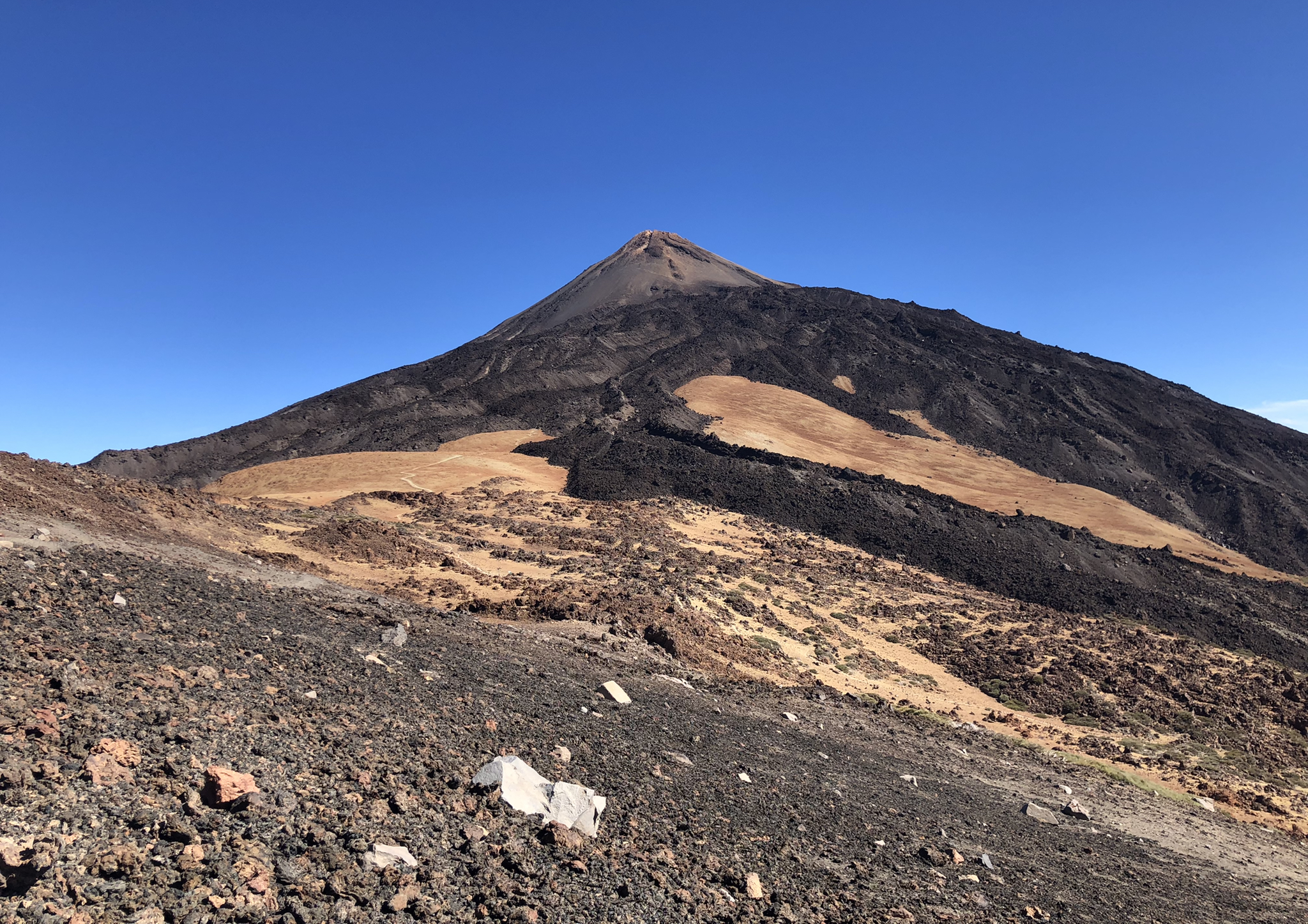
Volcanoes, lava and forests – running in Tenerife
Tenerife from north to south – Camino Natural de Anaga-Chasna
Laurel forest to Caldera – hike the Tenerife GR 131 in 5 days
Adventuring in Tenerife — six hiking Tours for every taste
From volcanic peaks to pristine beaches – A hiking paradise in Tenerife
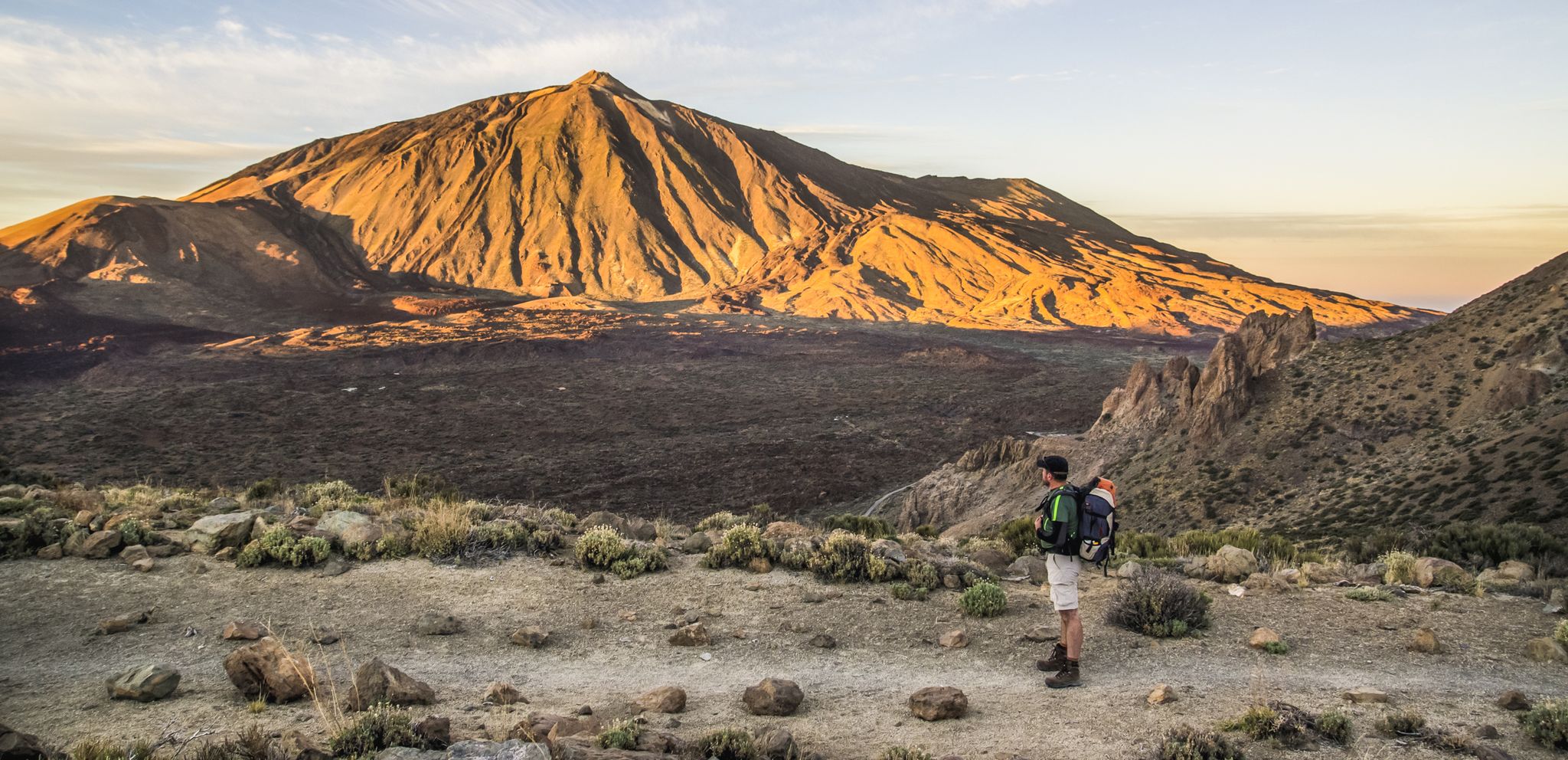
The most beautiful hiking adventures on Tenerife
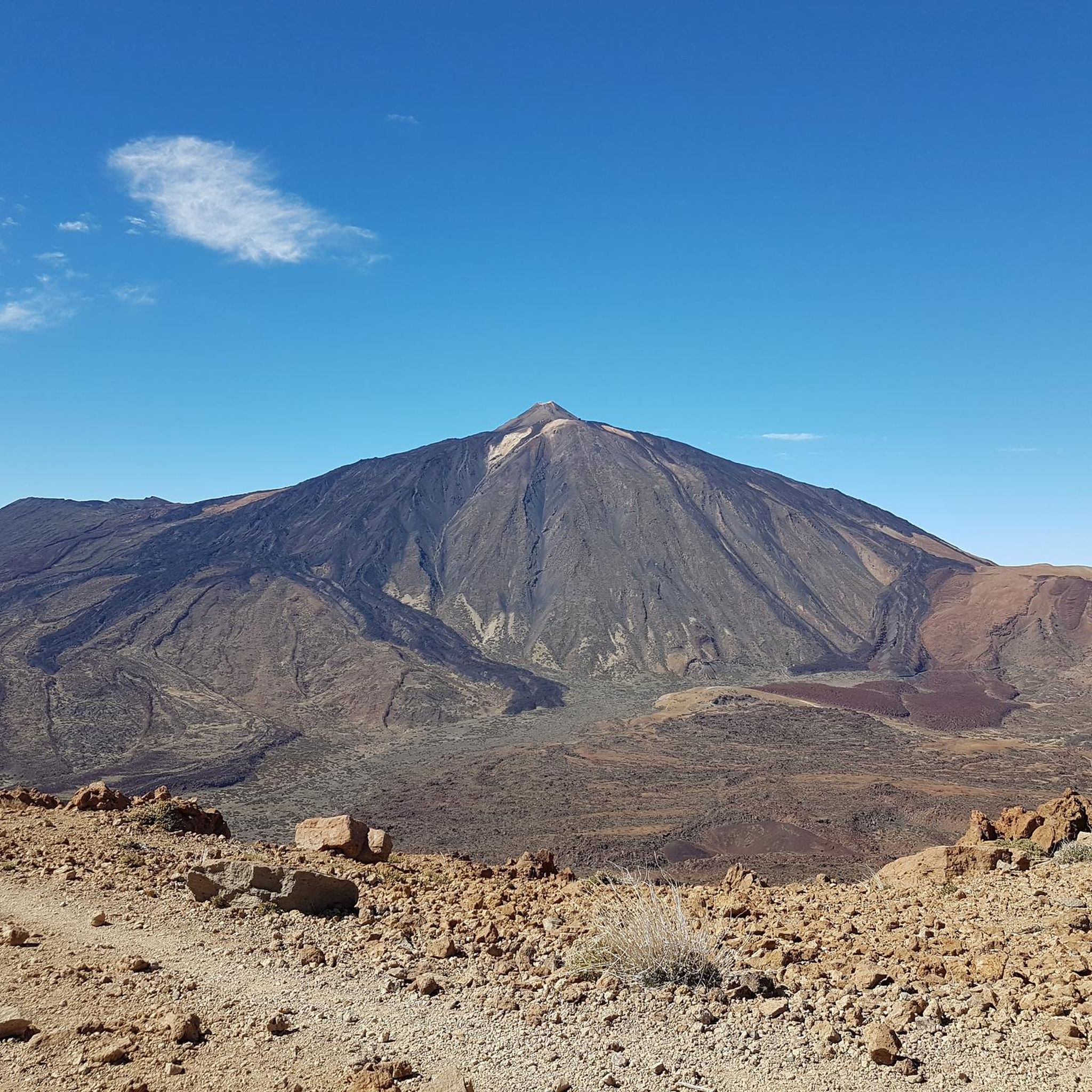
Hiking in National Park Teide
Other adventures in National Park Teide


Tips from the Community

Stunning, spectacular views of the surrounding nature. A visit is highly recommended and very interesting.
1
0


The short circular hike of Sendero 3 leads around the Los Roques rock formations with the famous Roque Cinchado. The path initially runs through flat terrain along the spectacular rock towers. This is followed by the descent into the Llano de Ucanca sedimentary plain, which leads alongside an impressive tongue of lava that has solidified as if it were a waterfall. At the foot of the bizarre lava formations, the path leads to the volcanic vent La Catedral and back up to the starting point.
2
0
An easy and highly recommended circular hike around one of the most impressive rock formations in the Teide National Park. The special feature lies in the variety of volcanic manifestations that can be observed here in their different colors and shapes. A NOTICE: Crowds of tourists often move between the Mirador de la Ruleta and the Roque Cinchado. However, the crowds quickly disperse as hardly anyone goes on the hike. So don't let that put you off! Refreshments available in the Parador National cafeteria, opposite the viewing point.
5
1

One of the grandiose rocks of the Roques de Garcia
5
0

Very nice hike around the rock group Roques de Garcia. The mosquitoes present themselves to the viewer in different "design" and color. Each wonderful in their own way.
7
1
From the Roques de Garcia you can see the Teide from below
9
0

Since this tour is very popular, you should start it as early as possible.
7
0
Frequently Asked Questions
What are the most unique natural features to explore in Teide National Park?
Teide National Park is renowned for its unique volcanic landscapes. You can explore the iconic Roque Cinchado, often called the "finger of God," which is part of the spectacular Roques de García formations. Another must-see is Placas de Guillermo, offering a circular route with views of unique rock formations and Teide in the background. Don't miss La Catedral, another breathtaking natural monument within the park.
Are there any challenging hikes or summits for experienced trekkers?
Yes, for experienced trekkers, the ascent to Guajara is highly recommended. At 2,715 meters, it's the highest peak along the ancient crater, offering magnificent views over the caldera, Pico del Teide, and neighboring islands. The ascent route over the scree fields on the north-west slope is adventurous and strenuous, but rewarding. Remember to bring enough water as there are no supplies on the way.
What cultural or historical sites can I visit within the park?
While primarily known for its natural beauty, the park also holds historical significance. Guajara, for instance, was once the site of the world's first high-mountain observatory, with ruins still visible at the summit. Additionally, the Juan Évora Museum (Ethnographic Museum Juan Évora) provides insights into the region's natural and cultural history, including the Guanche people's spiritual connection to Mount Teide.
Are there family-friendly trails or attractions suitable for children?
Yes, several areas are suitable for families. The Roques de García are easily accessible, and parts of the path can even be used with wheelchairs and prams, making them very family-friendly. El Burro is another natural monument within the Roques de García group that is considered family-friendly. For easy hikes, you can find options like the "Sendero Barranco de Erques" or the "Roque Blanco – Roque Cinchado loop" which are listed in the Easy hikes in National Park Teide guide.
What are the best viewpoints for panoramic scenery?
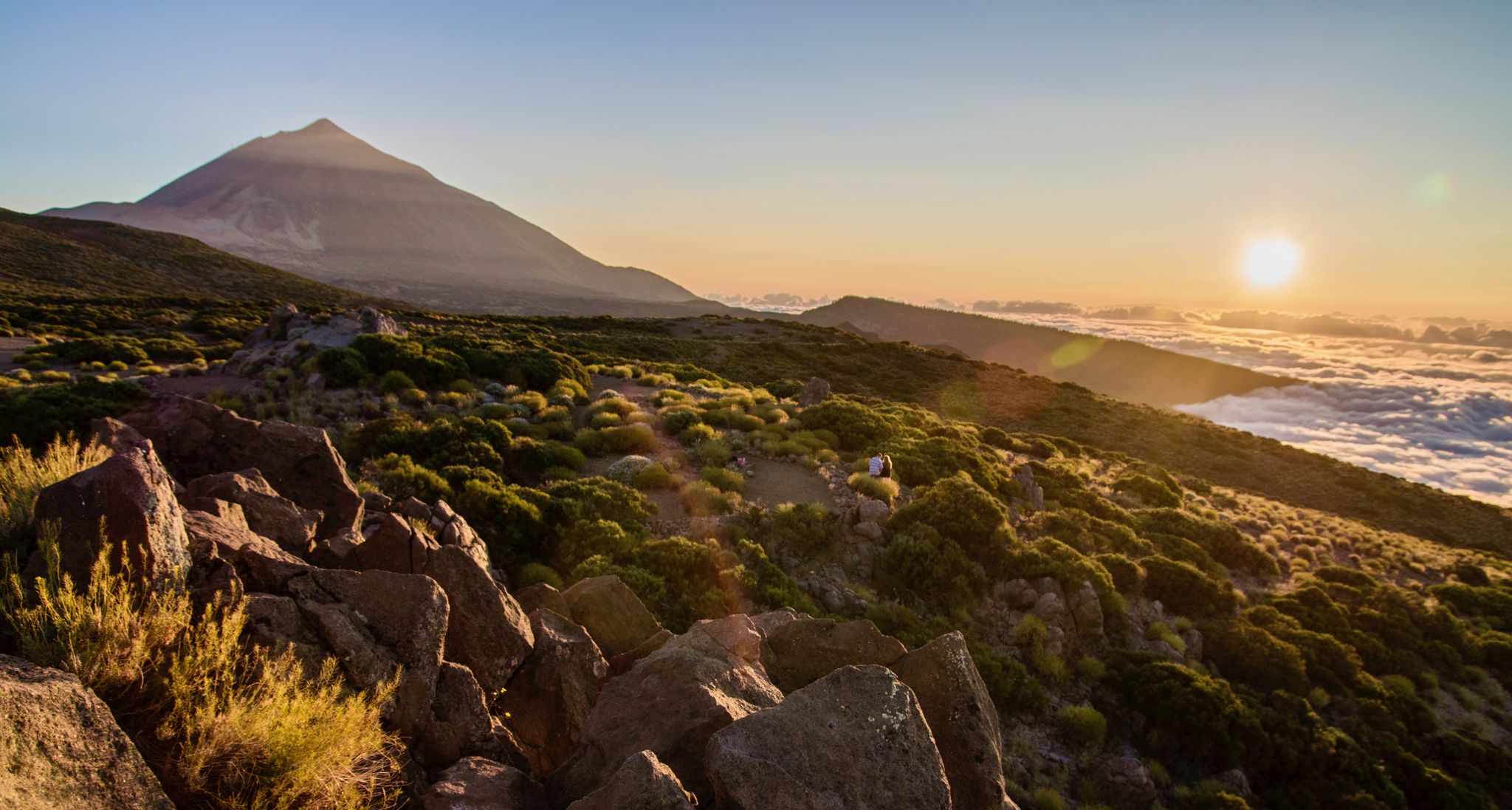
The park is dotted with numerous viewpoints. The summit of Guajara offers an exceptional panorama of the majestic Teide, the impressive Cañadas, and the islands of El Hierro, Gran Canaria, and La Gomera. The Pico Viejo Viewpoint provides glorious views, especially of the island's southern slopes and neighboring islands. Mirador Izana is particularly popular for sunrise views over Mount Teide.
What outdoor activities, besides hiking, can I do near these attractions?
Beyond hiking, Teide National Park offers excellent opportunities for cycling. You can explore gravel biking routes, with options like the "North Trail of Teide – El Lagar Campsite loop" or "Gravel in Tenerife from Aguamansa to La Montañeta," detailed in the Gravel biking in National Park Teide guide. For mountain biking, routes such as "Volcanes de Fasnia – Corral del Niño loop" are available, which you can find in the MTB Trails in National Park Teide guide.
Do I need a permit to access certain areas or trails?
Yes, a permit is required to access the very summit of Mount Teide (Pico del Teide) from La Rambleta. While the Teide Cable Car can take you to La Rambleta, the final ascent to the summit requires a separate permit. It's advisable to secure this permit in advance, especially during peak seasons.
What is the best time of year to visit Teide National Park?
The park is beautiful year-round, but the best time often depends on your preferred activities. Spring (April-May) is excellent for seeing the unique flora, such as the Teide violet and Teide bugloss, in bloom. Autumn (September-October) offers clear skies and pleasant temperatures for hiking. Winter can bring snow, creating a stunning contrast with the volcanic landscape, but some higher trails might be closed. Always check weather conditions before your visit.
What unique geological formations can be found in the park?
The park is a geological marvel. Beyond the famous Roques de García, you'll find the vast Las Cañadas del Teide caldera, characterized by surreal volcanic scenery and solidified lava flows. The Minas de San José area is known for its "Martian" landscapes with sprawling fields of unusual yellow-red volcanic deposits. The geological structures of the caldera and the Teide-Pico Viejo stratovolcano are considered globally unique.
Are there any accessible trails for visitors with mobility limitations?
Yes, some areas within the park are designed to be accessible. The Roques de García are easily accessible by car, and parts of the circular path around these formations can be used with wheelchairs and prams. It's always recommended to check specific trail conditions and accessibility information prior to your visit for the most up-to-date details.
What should I wear when visiting or hiking in Teide National Park?
Due to the high altitude and varying weather conditions, it's crucial to dress in layers. Even on sunny days, temperatures can drop significantly, especially at higher elevations or when the sun sets. Bring warm clothing, a windproof and waterproof jacket, sturdy hiking boots, sun protection (hat, sunglasses, high SPF sunscreen), and plenty of water. The weather can change rapidly, so being prepared for all conditions is key.
What makes Teide National Park a UNESCO World Heritage Site?
Teide National Park was declared a UNESCO World Heritage Site in 2007 due to its exceptional natural beauty and outstanding geological value. It is recognized as an excellent example of a relatively old, geologically complex, and mature volcanic system. The park's unique volcanic landscapes, diverse flora and fauna adapted to the environment, and its significance as one of the world's most important volcanic structures contribute to its global importance.
Most popular routes in National Park Teide
Most popular attractions in National Park Teide

Get inspired with the komoot mobile app


Explore more
Still not found the Highlight you’re looking for? See guides of the top attractions in other regions:
