Top 7 Caves in Brecon Beacons
Best caves in Brecon Beacons are located within Bannau Brycheiniog, a region recognized for its significant and diverse subterranean landscapes. This area features extensive cave systems, offering a range of experiences from accessible showcaves to challenging routes. The geological formations and historical sites within these caves provide varied exploration opportunities.
Best caves in Brecon Beacons
- The most popular caves is Porth Yr Ogof Cave, a cave that boasts the largest entrance of any cave in Wales, measuring over 17 meters wide and almost 5 meters tall. This site also features a visitor center and parking facilities.
- Another must-see spot is Chartist Cave, a historical site with a broad arch entrance formed of Twrch Sandstone. This cave is notable for its cultural significance, having been used to store weaponry.
- Visitors also love Llygad Llwchwr (Source of the River Loughor), a cave where the River Loughor emerges from an underground lake within a 1.2 km long cave system. This location provides a unique opportunity to observe the source of a river.
- Brecon Beacons is known for accessible showcaves, historical caves, and river source caves. The region offers a variety of cave types to see and explore, catering to different levels of interest.
- The caves in Brecon Beacons are appreciated by the komoot community, with 67 upvotes and 55 photos shared by users.
Last updated: October 17, 2026
Carreg Cennen Castle
Highlight • Castle
Tip by

Porth Yr Ogof Cave
Highlight • Cave
Tip by

Sign up now to discover places like this
Get recommendations on the best single tracks, peaks, & plenty of other exciting outdoor places.
Chartist Cave
Highlight • Historical Site
Tip by

Llygad Llwchwr (Source of the River Loughor)
Highlight • Cave
The cave contains a dry high level series and an active river level. Beyond the fourth river chamber exploration is only possible by cave diving.
Tip by

Craig y Cilau: Crags and Caves
Highlight • Natural Monument
You will find some steep sections to test your strength, and likely some muddy and slippery paths, so come appropriately prepared.
Tip by
Sign up for free to discover even more caves in Brecon Beacons.
Already have an account?
Start today with a free account
Your next adventure awaits.
Popular around Brecon Beacons
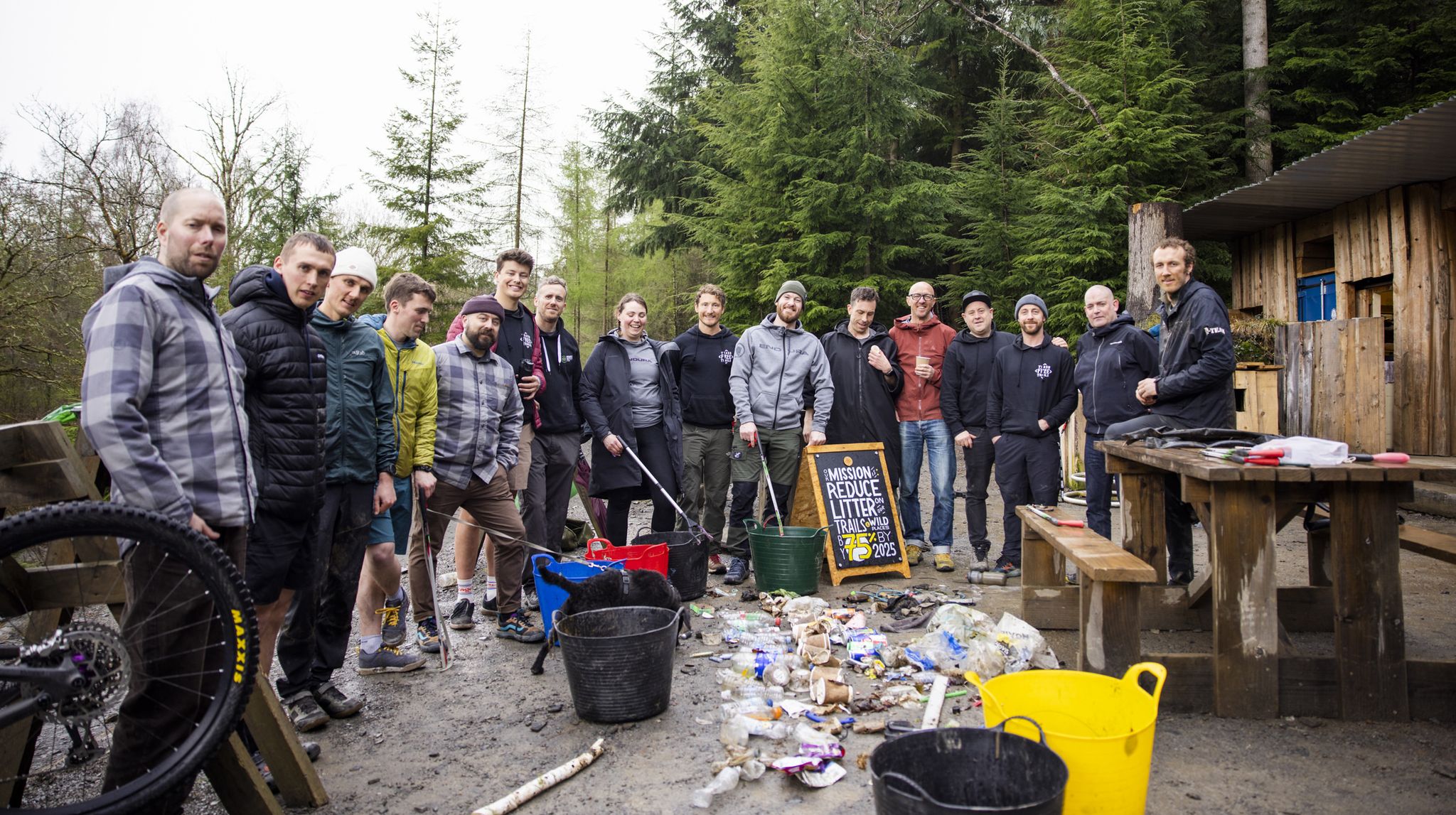
Adventures with a Purpose – our A-TEAMers’ best routes
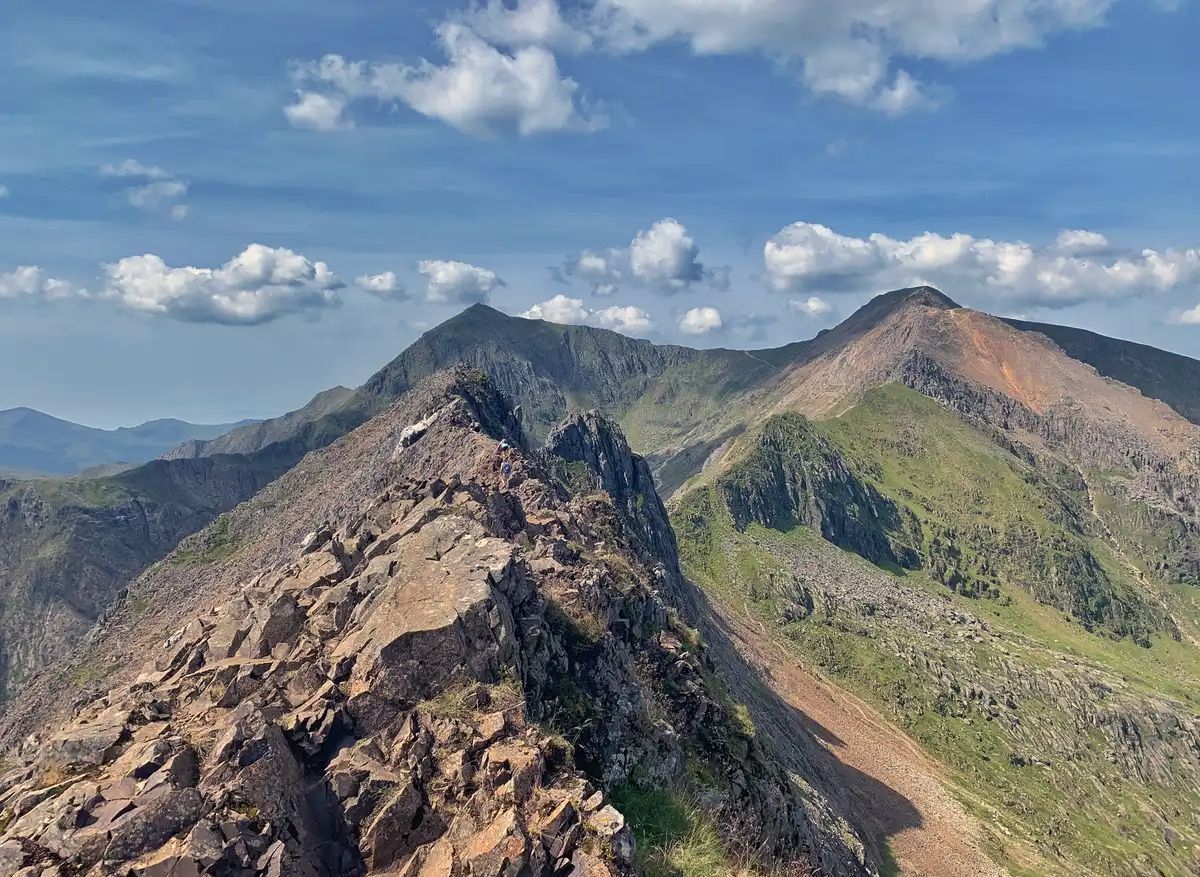
The Dragon's Back – running the spine of Wales
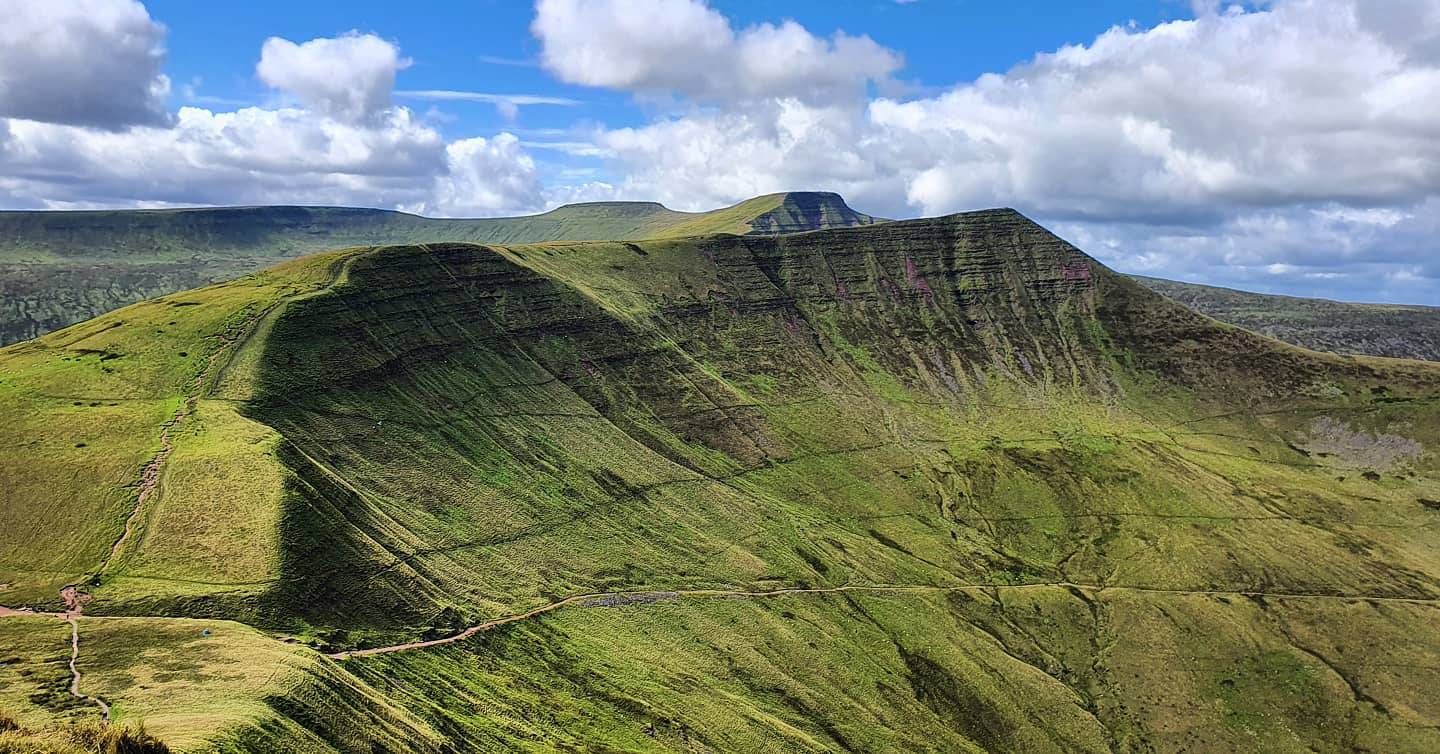
Beacons Way — Hike the high, emerald spine of South Wales
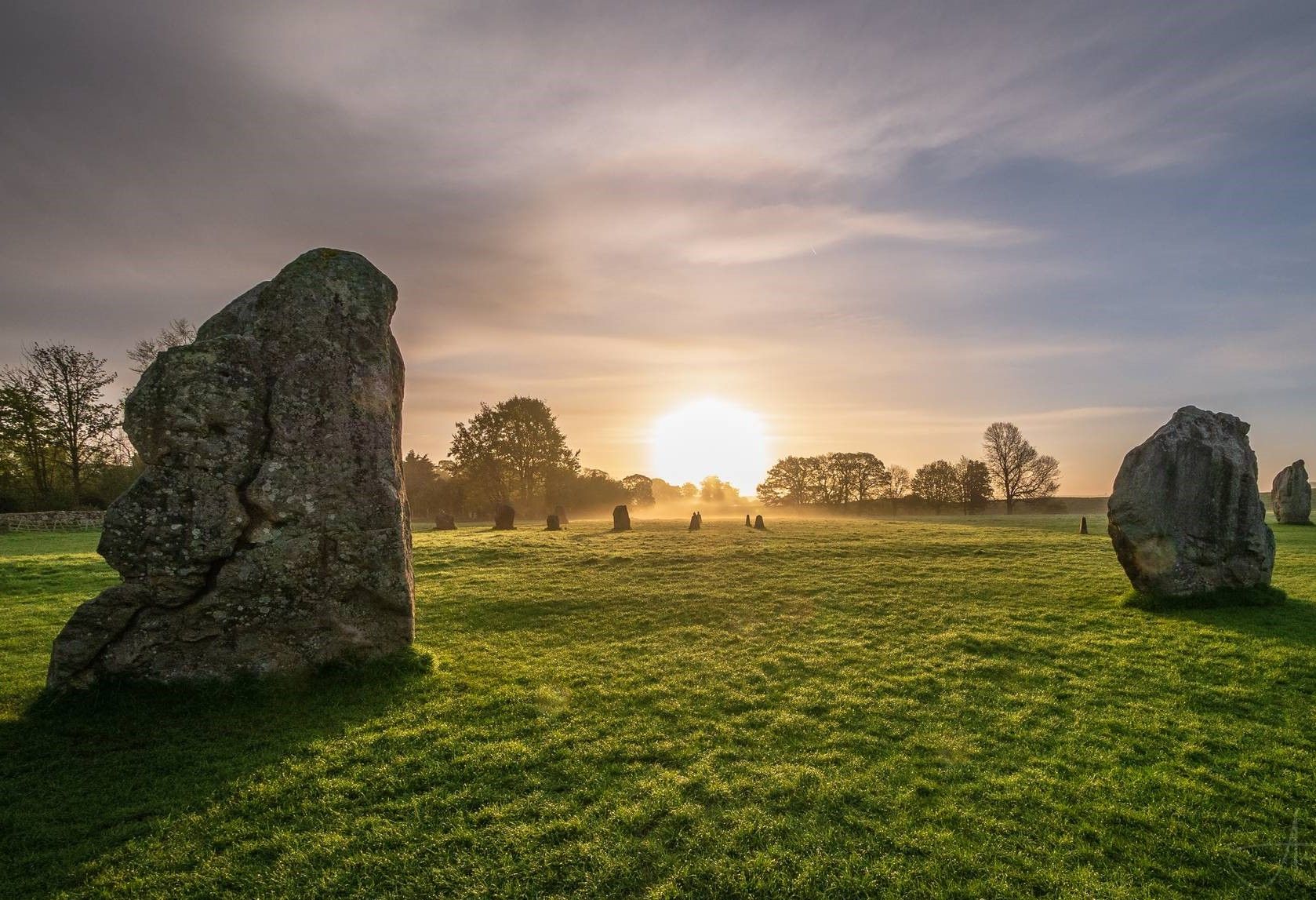
Celtic Way — An epic pilgrimage through prehistory and wild beauty
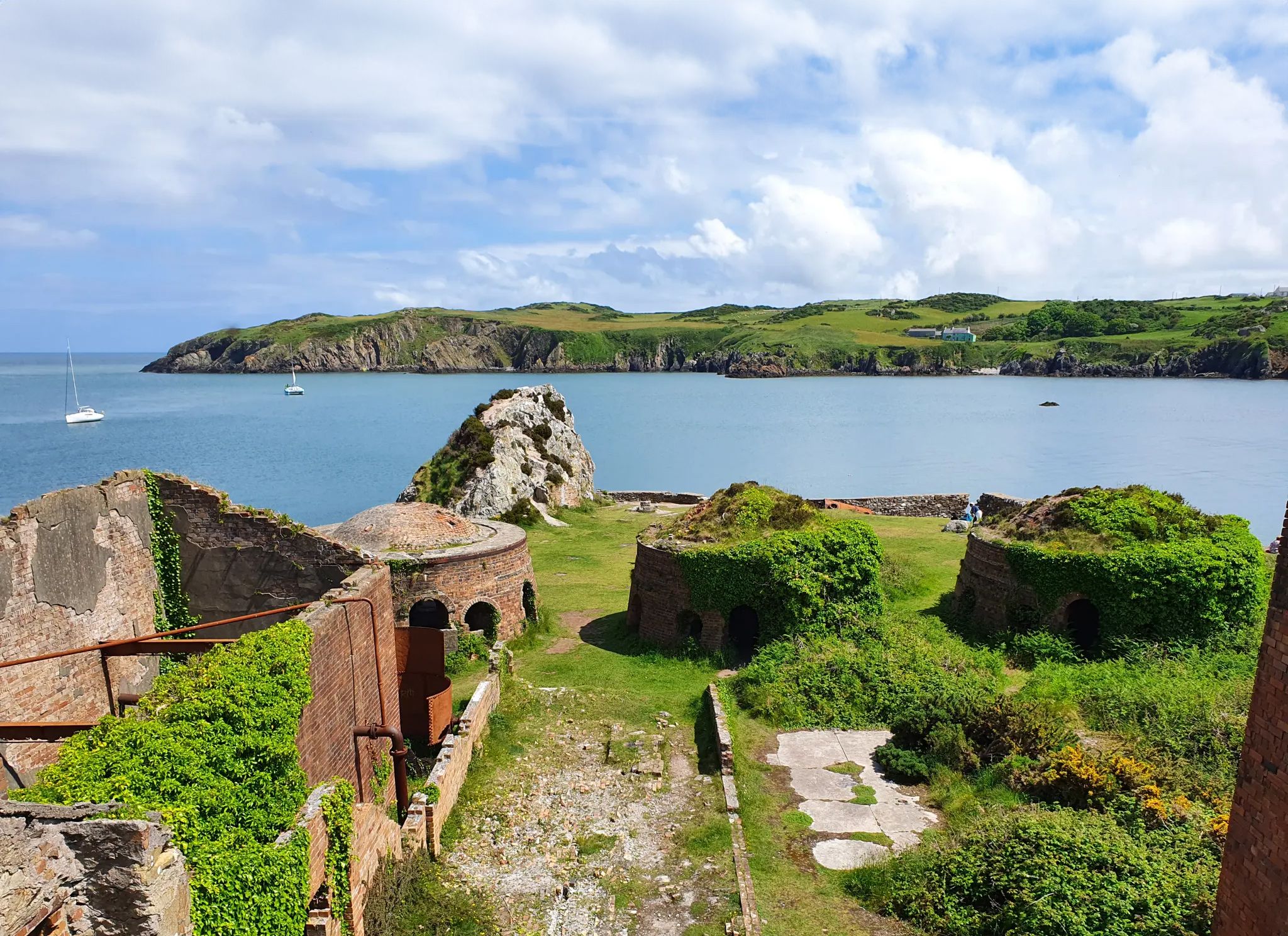
O Fon i Fynwy — Exploring Wales on foot from top to bottom
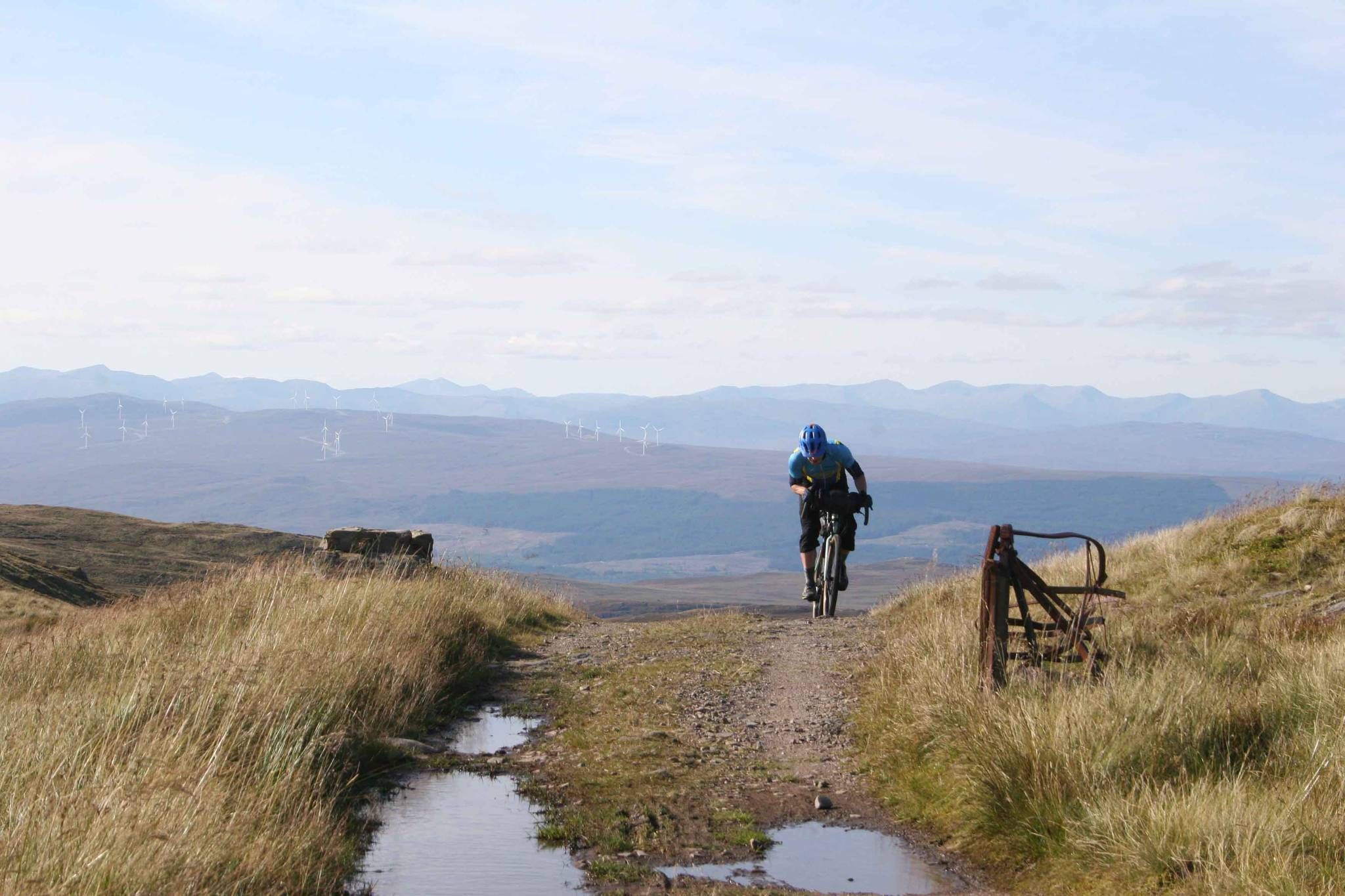
GB Divide — Great Britain end to end off-road on GBDURO
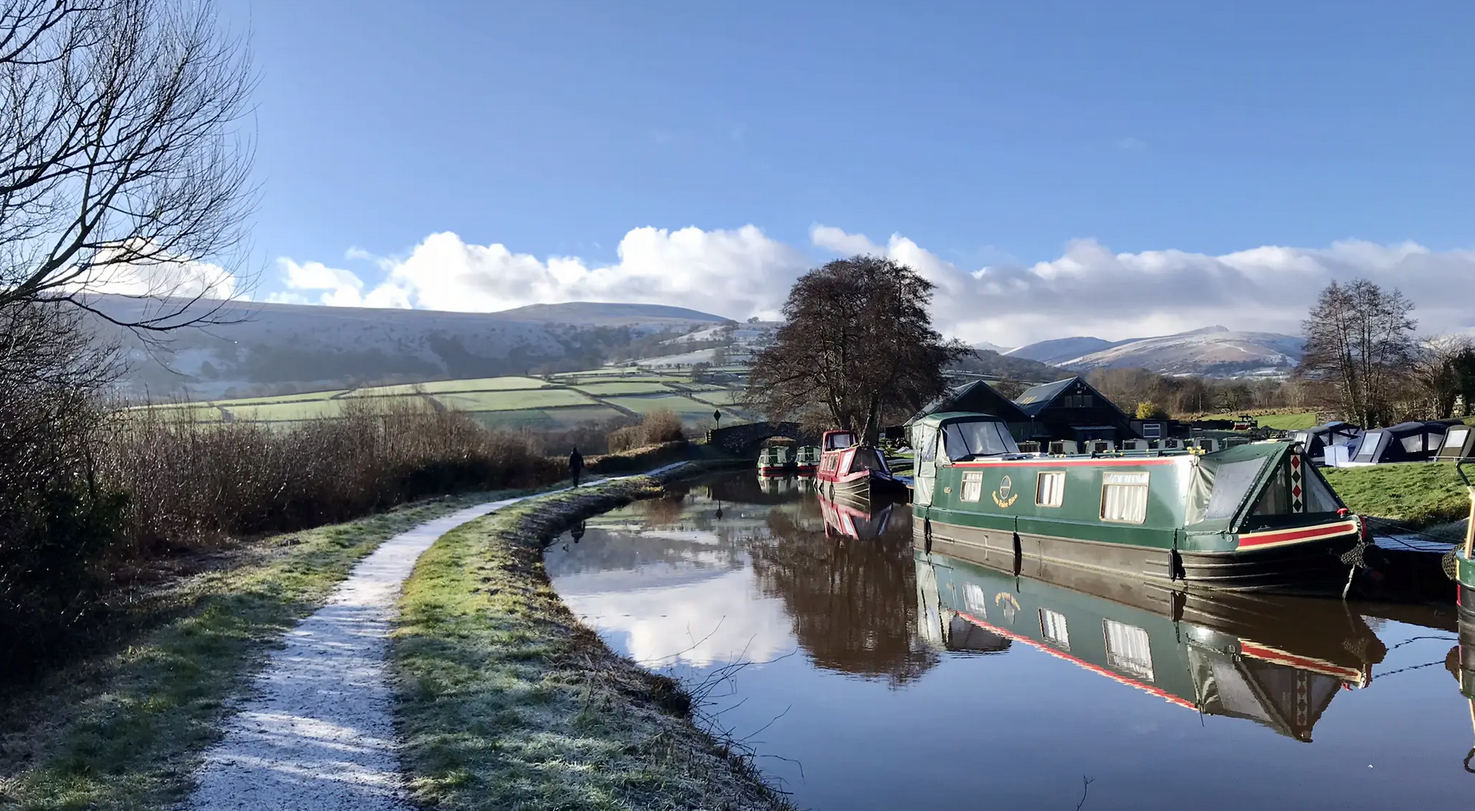
Usk Valley Walk — A river ramble into the Brecon Beacons
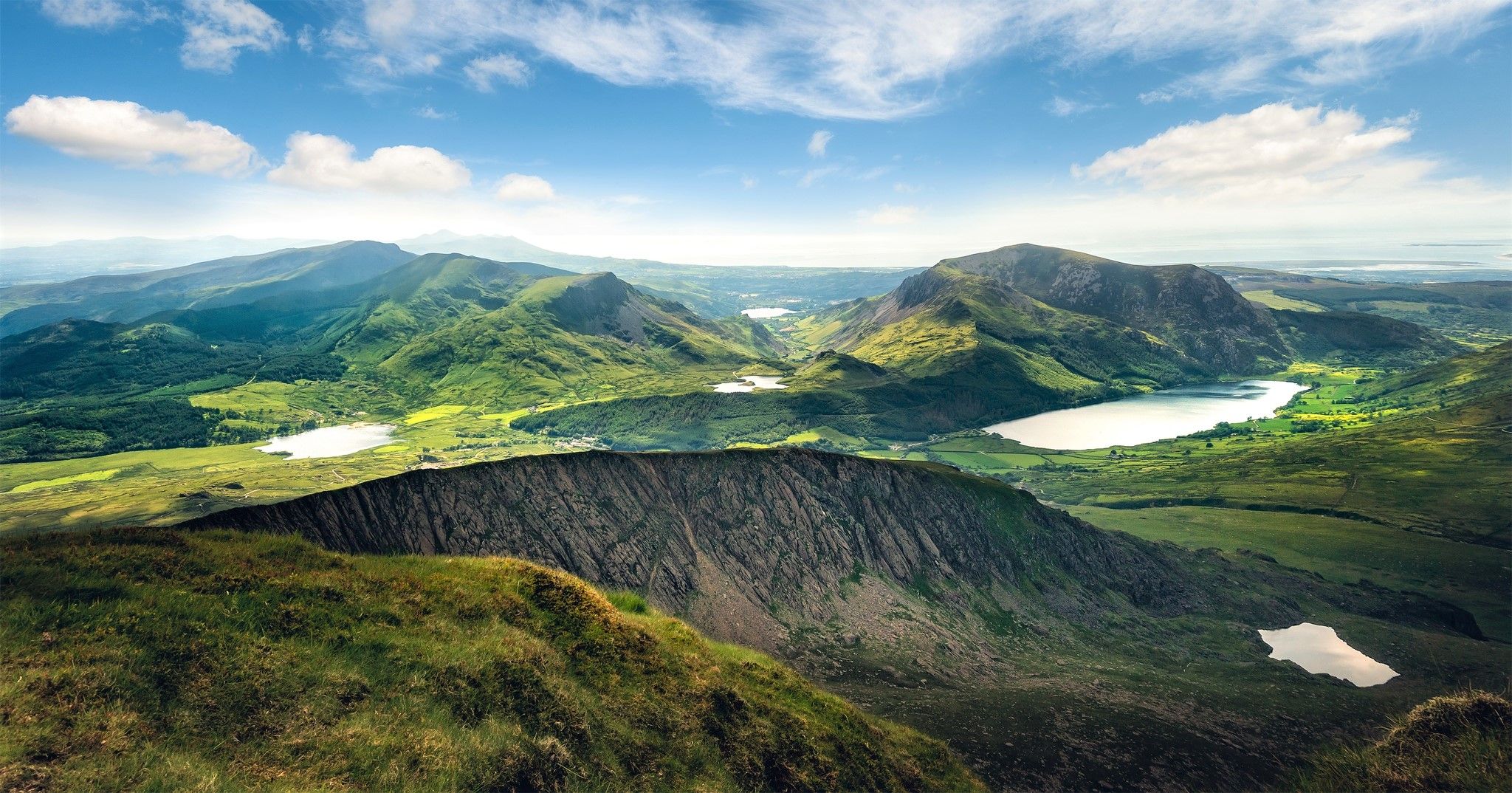
Cambrian Way — Hike the highest, wildest and most beautiful trail in Wales
Sarn Helen — Ride in the footsteps of Romans across Wales
Wales North to South — Celtic rugged beauty by trail
Other adventures in Brecon Beacons


Tips from the Community

The location of the castle above the valley of the Cennen is simply indescribably beautiful, especially when sun and clouds constantly change the lighting mood.
1
0

Can almost be missed ! Stay on the path and it should come on your right side ! Check out the inside
2
0

Wow just wow, didn’t expect the cave below the castle !!!
1
1

As well as the caves, here you have Porth yr Ogof car park, or Cwm Porth car park, to give it its proper name. It's one of the better car parks, with toilets and a small shop. On most days there is also hot food and drinks available. The famous Four Waterfalls walk also starts from here. This is a spectacular walk, and each waterfall is great in its own way. They are Sgwd Clun-Gwyn, Sgwd Isaf Clun-Gwyn, Sgwd y Pannwr, and Sgwd yr Eira.
1
0

The River Loughor is a river in Wales that marks the border between Carmarthenshire & Swansea. The river is sourced from an underground lake at the Black Mountain emerging at the surface from Llygad Llwchwr, which translates from the Welsh as eye of the Loughor😀
2
0
Carreg Cennen Castle is erected sometime after 1284 by Baron John Giffard and his son on the site of an earlier Welsh fortification. In 1462, Carreg Cennen flies the Lancastrian flag. Taken on behalf of the Yorkist king Edward IV, it is slighted by pick and crowbar, ending its life as a stronghold. Carreg Cennen castle is spectacularly located on a great limestone crag about 90m above the river Cennen, offering views miles around.
4
0

Chartist Cave or sometimes Chartist's or Chartists' Cave is a culturally significant cave on Mynydd Llangynidr in southern Powys, Wales. The entrance is a broad arch formed of Twrch Sandstone Millstone Grit which overlies the Carboniferous Limestone immediately beneath.
3
0

Ruin of a late thirteenth-century castle, on a limestone rock where there may already have been a fort in the Iron Age. The earliest castle was most likely the work of the dynasty of Welsh princes. The oldest found written mention of the castle dates "only" from 1248 when Rhys Fychan (died 1271), great-grandson of Lord Rhys, conquered the castle from the English. In 1277 the castle was captured by Edward I of England in his first campaign against Llewelyn ap Gruffudd of Gwynedd (died 1282).[1] The castle was briefly reconquered in 1282 and 1287. In 1282–83 Edward I completed his conquest of Wales and granted Carreg Cennen Castle in 1283 to his loyal supporter John Giffard (d. 1299), baron of Brimpsfield (Gloucestershire). The current castle was most likely built by Baron Giffard and his son John (died 1322), not too long after 1284. Being a resident of Ghent myself, I thought it was a nice fact that the castle was in the hands of John of Gaunt (yes, John of Gaunt), Duke of Lancaster, for a while in the 14th century. During the War of the Roses (1455-1485), Carreg Cennen Castle was initially in Lancaster hands, but was later conquered by the York supporters. In the late 18th century the castle became popular among amateur archaeologists and artists, with William Turner visiting the castle in 1798. In the 19th century the second Earl of Cawdor began restoration work on Carreg Cennen Castle. In 1932 the castle came under state management. In the 1960s the castle became the property of the Morris family, owners of the Castell Farm farm near the castle. Source: Wikipedia The castle can be visited 364 days of the year. Just not on Christmas Day. 9:30 am - 4:30 pm (from April to October until 5:00 pm) The ticket desk is located at the tea room / gift shop ("downstairs", where the parking is also located). In high season and on weekends, tickets can also be purchased near the entrance to the castle. Entrance prices range from £6.50 for adults, £4.00 for discount holders, to £20.00 for a family ticket.
2
1
Frequently Asked Questions
What types of caves can I explore in the Brecon Beacons?
The Brecon Beacons, now known as Bannau Brycheiniog, offer a diverse range of subterranean experiences. You can explore accessible showcaves, historical caves, and river source caves, as well as more challenging systems for experienced cavers. The region is known for its significant geological formations and varied exploration opportunities.
Are there family-friendly caves in the Brecon Beacons?
Yes, the National Showcaves Centre for Wales, which includes Dan-yr-Ogof, Cathedral Cave, and Bone Cave, is ideal for families. It offers accessible paths, stunning formations, and educational opportunities. Beyond the caves, the site also features a dinosaur park and a Shire Horse Centre, providing a full day of activities.
Which caves are known for their historical significance?
The Chartist Cave on Mynydd Llangynidr is notable for its cultural significance, having been used to store weaponry during the Chartist uprising. Additionally, the Bone Cave at the National Showcaves Centre is historically significant as a burial site for 42 human skeletons.
Where can I see unique natural formations in Brecon Beacons caves?
Many caves in the region boast impressive natural formations. Dan-yr-Ogof features awe-inspiring passageways and formations like the Alabaster Pillar and the 'Rasher of Bacon'. Cathedral Cave is known for its thousands of stalactites and natural waterfalls. Ogof Craig a Ffynnon also offers intricate natural stalactites in a more adventurous setting.
Are there accessible caves for visitors with limited mobility?
The National Showcaves Centre for Wales is highly accessible, making it a good option for those new to caving or with limited mobility. For a less strenuous caving experience, Ogof Clogwyn in Clydach Gorge is highlighted as the most easily accessible cavern to walk through.
What are the options for experienced cavers seeking a challenge?
For experienced cavers, Porth yr Ogof offers an extensive network of 2.25 km of labyrinthine passageways with obstacles like 'The Wormhole' and 'The Washing Machine'. The 1.2 km long cave system at Llygad Llwchwr also presents challenges, with exploration beyond the fourth river chamber only possible by cave diving. For more extensive exploration of many caves, guidance from local clubs and qualified instructors is often required.
Can I find parking and visitor facilities near the caves?
Yes, Porth yr Ogof has a visitor center and a pay-and-display car park. The National Showcaves Centre for Wales also provides extensive facilities for visitors. For other caves, parking availability may vary, and it's advisable to check specific locations.
What outdoor activities can I combine with a visit to the caves?
The Brecon Beacons offer numerous outdoor activities. You can explore running trails, such as the Brecon Beacons Horseshoe Ridge Trail, or enjoy cycling routes like the Taff Trail and Talybont Reservoir Loop. Gravel biking is also popular, with routes like the Talybont Reservoir – Pontsticill Reservoir loop. You can find more details on these activities in the Running Trails in Brecon Beacons, Cycling in Brecon Beacons, and Gravel biking in Brecon Beacons guides.
Is there a best time of year to visit the caves in the Brecon Beacons?
Caves generally maintain a consistent temperature year-round, making them suitable for visiting in any season. However, for surface activities and combining cave visits with other outdoor pursuits, spring and autumn often offer pleasant weather. During winter, some access roads or facilities might have limited hours, so it's always best to check ahead.
Are permits required for exploring caves in the Brecon Beacons?
For more extensive exploration of many caves beyond designated showcave paths, permission from landowners, guidance from local clubs, and the expertise of a qualified instructor are often required. Accessible showcaves typically do not require permits beyond their entrance fees.
Which cave features the largest entrance in Wales?
Porth yr Ogof boasts the largest cave entrance in Wales, measuring 17 meters wide and nearly 5 meters high. This impressive entrance is where the Afon Mellte river begins its subterranean journey.
Where does the River Loughor emerge from an underground system?
The River Loughor emerges from an underground lake within a 1.2 km long cave system at Llygad Llwchwr, located in the Black Mountain. This magical spot, whose name translates to 'eye of the Loughor,' offers a unique opportunity to witness the source of a river.
What kind of wildlife or natural reserves are associated with the caves?
The area around Craig y Cilau: Crags and Caves is a nature reserve. Its imposing limestone escarpment is home to a diverse variety of rare wild plants, bird life, and bats in some of the extensive cave systems found there.
Most popular routes in Brecon Beacons
Most popular attractions in Brecon Beacons

Get inspired with the komoot mobile app


