Attractions and Places To See in Bükki National Park - Top 20
Best attractions and places to see in Bükki National Park, Hungary's largest national park, are characterized by mountainous, forested landscapes and extensive cave systems. This region offers a diverse range of natural features and historical sites. The park is renowned for its more than 1,000 caves and is a vital habitat for numerous plant and animal species. It provides varied opportunities for outdoor activities and exploration.
Best attractions and places to see in Bükki National Park
- The most popular attractions…
Last updated: October 9, 2026
Szalajka Valley: Crystal-clear Stream and Waterfalls
Highlight • River
Translated by Google •
Tip by

Istállós-kő Cave
Highlight • Cave
Translated by Google •
Tip by
Sign up now to discover places like this
Get recommendations on the best single tracks, peaks, & plenty of other exciting outdoor places.
Olasz-kapu Pass
Highlight • Mountain Pass
Translated by Google •
Tip by

Három-kő
Highlight • Viewpoint
Translated by Google •
Tip by

Hámori Lake
Highlight • Lake
Translated by Google •
Tip by

Sign up for free to discover even more attractions in Bükki National Park.
Already have an account?
Start today with a free account
Your next adventure awaits.

Tips from the Community

Extensive archaeological work since 2000 has confirmed that people lived in the Szalajka Valley as early as 40,000 years ago. The cave dwellers lived in the Istállós cave and even had contact with other tribes from the valley, some of which lived 500 kilometers away. People also lived in the idyllic valley during the Bronze Age, as evidenced by Celtic relics and an early earthwork. Nevertheless, there were no major settlements within the valley until the Middle Ages, as trade routes were difficult to establish in the heavily forested area. Continuous settlement in the Szalajka Valley began in the 14th century, when people settled in the village of Wárad, now known as Szilvásvárad. The high-quality timber served as a source of urban income even in the Middle Ages, leading to increasing numbers of settlements. Source: https://www.urlaub-ungarn.at/sightseeing/natuerliche-gehenswuerdigkeiten-ungarn/szalajka-tal.html
0
0
Extensive archaeological work since 2000 has confirmed that people lived in the Szalajka Valley as early as 40,000 years ago. The cave dwellers lived in the Istállós cave and even had contact with other tribes from the valley, some of which lived 500 kilometers away. People also lived in the idyllic valley during the Bronze Age, as evidenced by Celtic relics and an early earthwork. Nevertheless, there were no major settlements within the valley until the Middle Ages, as trade routes were difficult to establish in the heavily forested area. Permanent settlement in the Szalajka Valley began in the 14th century, when people settled in the village of Wárad, now known as Szilvásvárad. The high-quality timber served as a source of urban income even in the Middle Ages, attracting increasing numbers of people to settle there. Later, potash was also extracted from the valley, which ultimately gave the area its current name. Potash means "sal alcali" in Latin, and these words have been incorporated into the Hungarian language. Until the 20th century, the valley was only known regionally. With the construction of the Szilvásvárad narrow-gauge railway, the first tourists arrived to travel to the valley by train. Since the 21st century, however, the Szalajka Valley has become a purely tourist destination, with forestry operations remaining minimal. Source: https://www.urlaub-ungarn.at/sightseeing/natuerliche-sehenswuerdigkeiten-ungarn/szalajka-tal.html
0
0


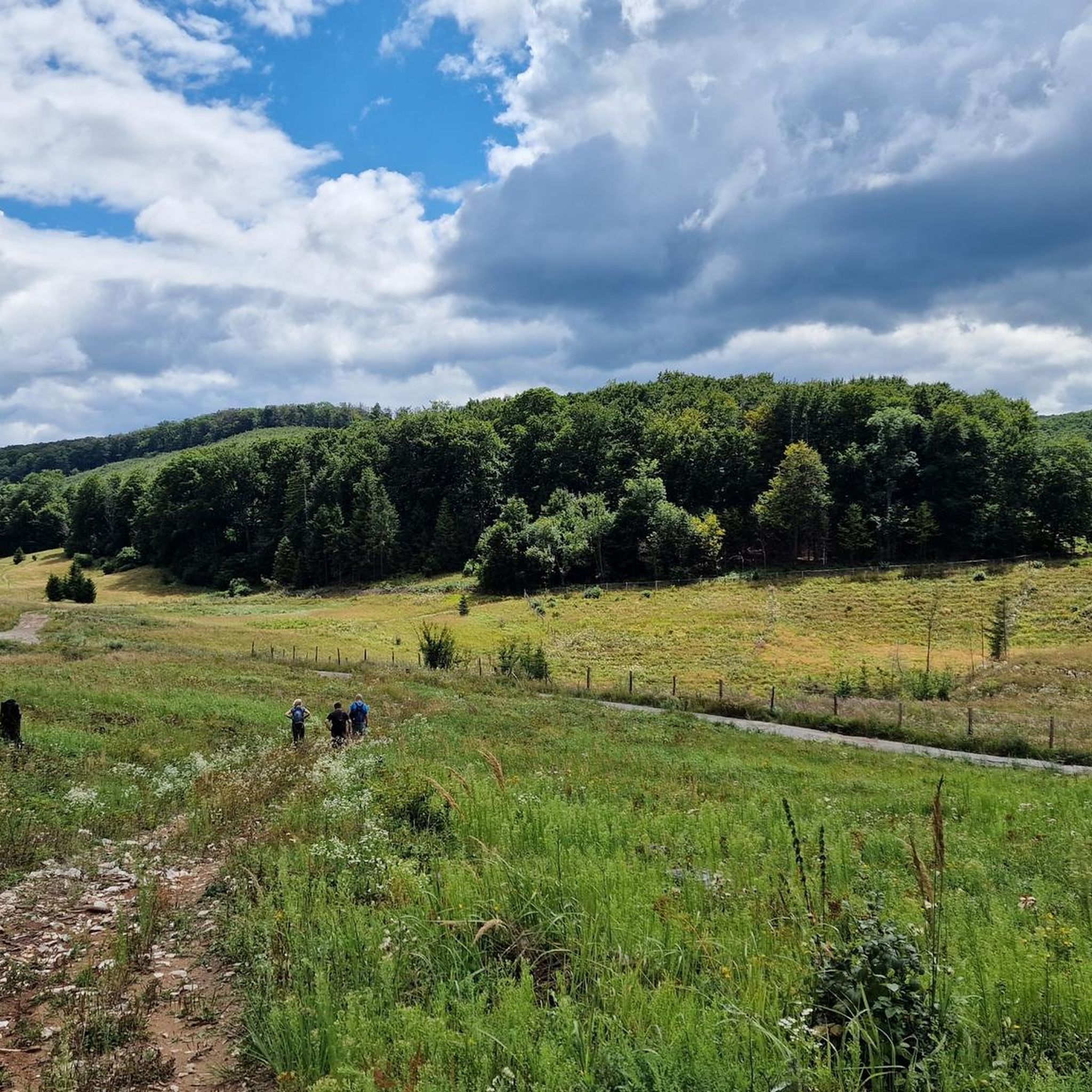
This place can be explored starting from Jávorkút. You can go on forest paths and on a designated bike route on asphalt. I am now describing the asphalt route. From Jávorkút, you actually have to follow the asphalt road leading there until there is a fork. Here you can head back to the Lazy Valley towards Miskolc - Lillafüred, and turn right to Nagy mező. You have to go to Nagy mező, and when you reach it, you have to continue on the asphalt. There will be another fork where you have to keep right, and in a short time you will reach the Jewish Meadow where the Italian Gate is located. It is noteworthy that the asphalt we came on is actually the track of the old light railway, so there used to be a train here. It also transported stone and wood to the iconic landmark, the engine house, from where the wagons were lowered onto a funicular and then continued through Szilvásvárad towards Slovakia. The Italian Gate is famous because 150 Italian prisoners carved through the rock face here by hand so that the train could pass.
0
0

Beautiful nature, amazing views. Good places for practicing MTB.
0
1


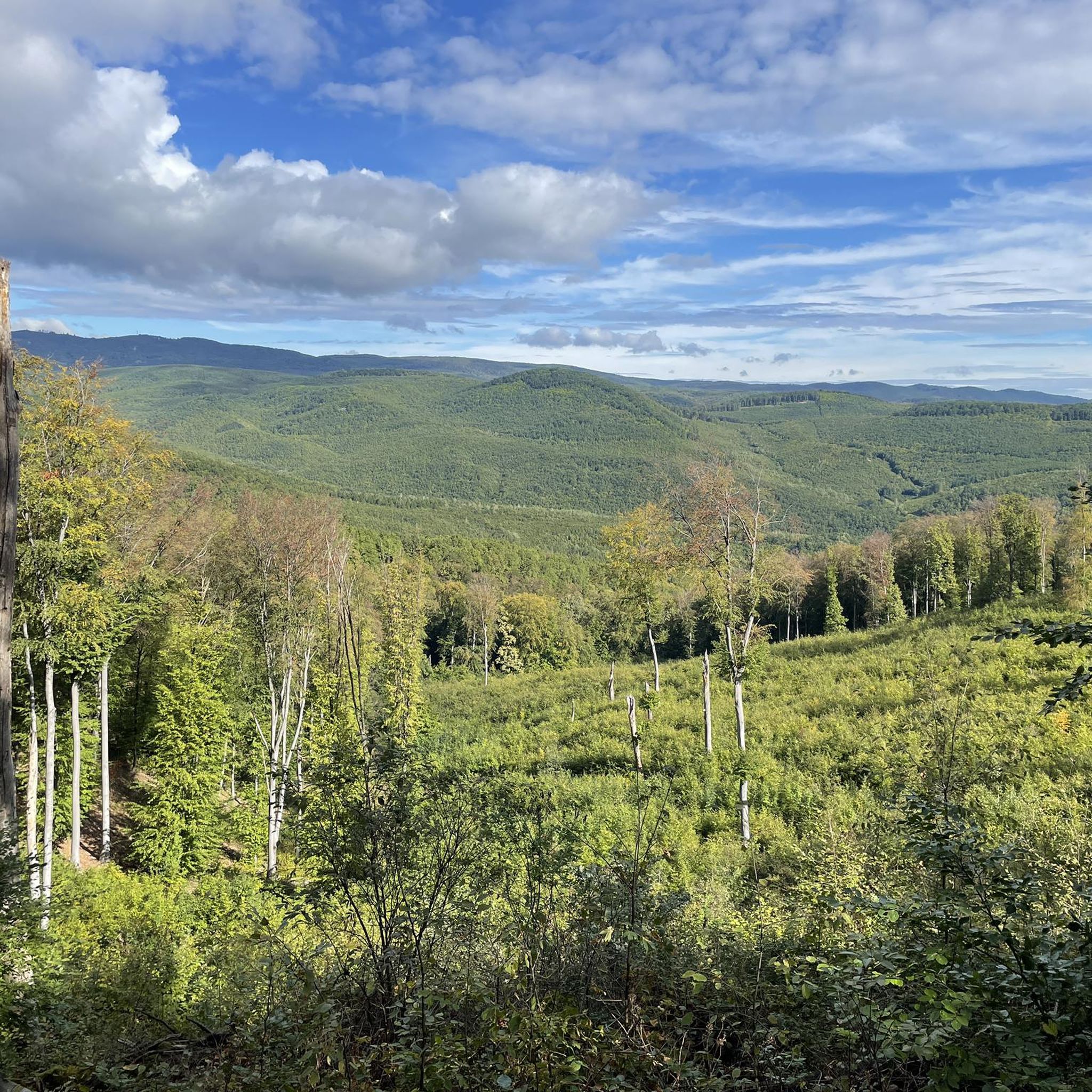
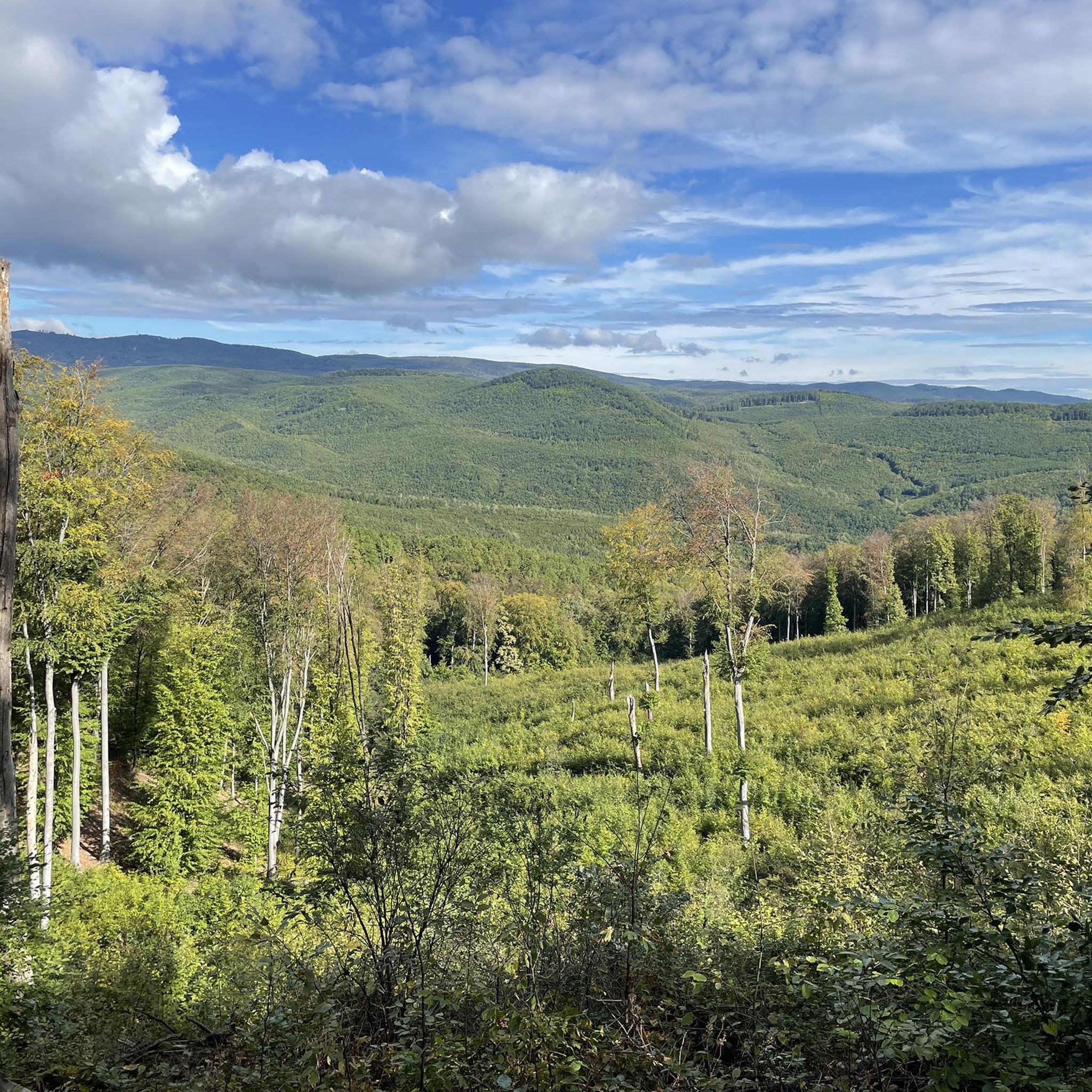
Among the vantage points of the Bükk Plateau, the 904-meter-high Három-kő offers one of the most beautiful and widest panoramas. It presumably got its name from the fact that three sharp limestone peaks located relatively close to each other support the slope. The unique sight immediately encourages hikers who come here to take a breathless, long look: looking from east to west, on a clear day you can see Nagyhegy, which forms the southern part of the Zemplén Mountains, below us is the Lök Valley, the Vöröskő Valley and the Felsőtárkányi Basin. , as well as the Nagy-Oltár rising above it, the Vasbánya-tetó, the Tárkányi-orom, the Ibolyás-tetó or just further south the Bükk gate, the city of Eger and the Nagy-Eged mountain and the northern cleft of the Alföld.
1
1

Frequently Asked Questions
What natural features can I explore in Bükki National Park?
Bükki National Park is rich in natural wonders. You can visit picturesque lakes like Hámori Lake, stunning waterfalls such as Fátyol-vízesés (Veil Waterfall) in Szilvásvárad, and numerous caves. The park also features mountainous, forested landscapes, including the Bükk Plateau and the scenic Szalajka Valley.
Are there any significant caves to visit in the park?
Yes, the park is renowned for its extensive cave systems. Notable caves include Istállós-kő Cave, an important archaeological site, and Szent István Cave (István Cave) near Lillafüred, known for its impressive dripstone formations and guided tours. Szeleta Cave is another significant Paleolithic site.
Where can I find panoramic views in Bükki National Park?
For breathtaking panoramic views, head to Zsófia Lookout Tower, which offers amazing vistas of Lake Hámori, the Palace Hotel, and Lillafüred. Tar-kő, an approximately 950-meter-high cliff, also provides expansive views, as does Kilátó a Bálvány tetején.
What historical sites are there to discover in Bükki National Park?
The park and its surroundings offer several historical points of interest. The Szalajka Valley is an extensive archaeological site with evidence of human habitation dating back 40,000 years. You can also visit Diósgyőr Castle in Miskolc, a stunning medieval fortress, and the Ancient Blast Furnace, showcasing Hungary's industrial history.
Are there family-friendly attractions or activities in Bükki National Park?
Absolutely. The Szalajka Valley is a popular family destination with its picturesque waterfalls and scenic beauty. Hámori Lake offers boat rentals and leisurely strolls, perfect for families. Many trails, such as those around Lillafüred, are also suitable for easy family walks.
What outdoor activities are available near the attractions in Bükki National Park?
Bükki National Park is ideal for a variety of outdoor activities. You can enjoy hiking, cycling, caving, horseback riding, and birdwatching. For specific routes and trails, explore the waterfall hikes or cycling routes available in the region.
Are there hiking trails suitable for different skill levels?
Yes, Bükki National Park offers a wide range of hiking trails varying in difficulty. You can find easy walks around areas like Lillafüred and Hámori Lake, as well as more challenging routes on the Bükk Plateau or towards peaks like Tar-kő. Check out the waterfall hikes guide for options.
Can I go cycling or mountain biking in the park?
Yes, the park provides excellent opportunities for cycling and mountain biking. There are designated bike routes and forest paths, including those around the Olasz-kapu Pass. You can find detailed routes and difficulty levels in the cycling guide for Bükki National Park.
What is the best time of year to visit Bükki National Park?
Bükki National Park is beautiful in every season. Spring brings blooming wildflowers and pleasant temperatures for hiking, while autumn offers stunning foliage. Summer is ideal for longer outdoor activities, and winter provides a serene, snow-covered landscape for those interested in winter sports or quiet exploration.
What do visitors particularly enjoy about Bükki National Park?
Visitors frequently praise the park's natural beauty, especially the crystal-clear waters of Szalajka Valley and the romantic setting of Hámori Lake. The panoramic views from Zsófia Lookout Tower are also highly appreciated, as are the opportunities for peaceful walks and exploring the unique cave systems.
How can I get around Bükki National Park using public transport?
While some areas are more accessible by car, public transport options exist. For example, a narrow-gauge railway runs from Miskolc to the valley of Omassa, providing access to parts of the park. Specific routes and schedules for public transport within the park can vary, so it's advisable to check local services for the most up-to-date information.
Are there any less crowded viewpoints in Bükki National Park?
While popular viewpoints like Zsófia Lookout Tower can attract visitors, exploring trails leading to less frequented spots like certain sections of the Bükk Plateau or specific viewpoints along the hiking paths can offer more solitude. Tar-kő, while known, can also provide a more expansive and less crowded experience depending on the season.
Most popular routes in Bükki National Park
Most popular attractions in Bükki National Park

Get inspired with the komoot mobile app


Explore more
Still not found the Highlight you’re looking for? See guides of the top attractions in other regions:
