Attractions and Places To See around Hallerbos - Top 20
Best attractions and places to see around Hallerbos include a diverse range of natural features and historical points of interest. This region is renowned for its ancient forests, particularly the spectacular bluebell bloom in spring, which creates a distinctive purple-blue carpet. Hallerbos is also home to impressive giant sequoia trees and a rich ecosystem with varied flora and fauna. The area features numerous walking trails and is part of the Brabantse Wouden National Park.
Best attractions and places to see around Hallerbos
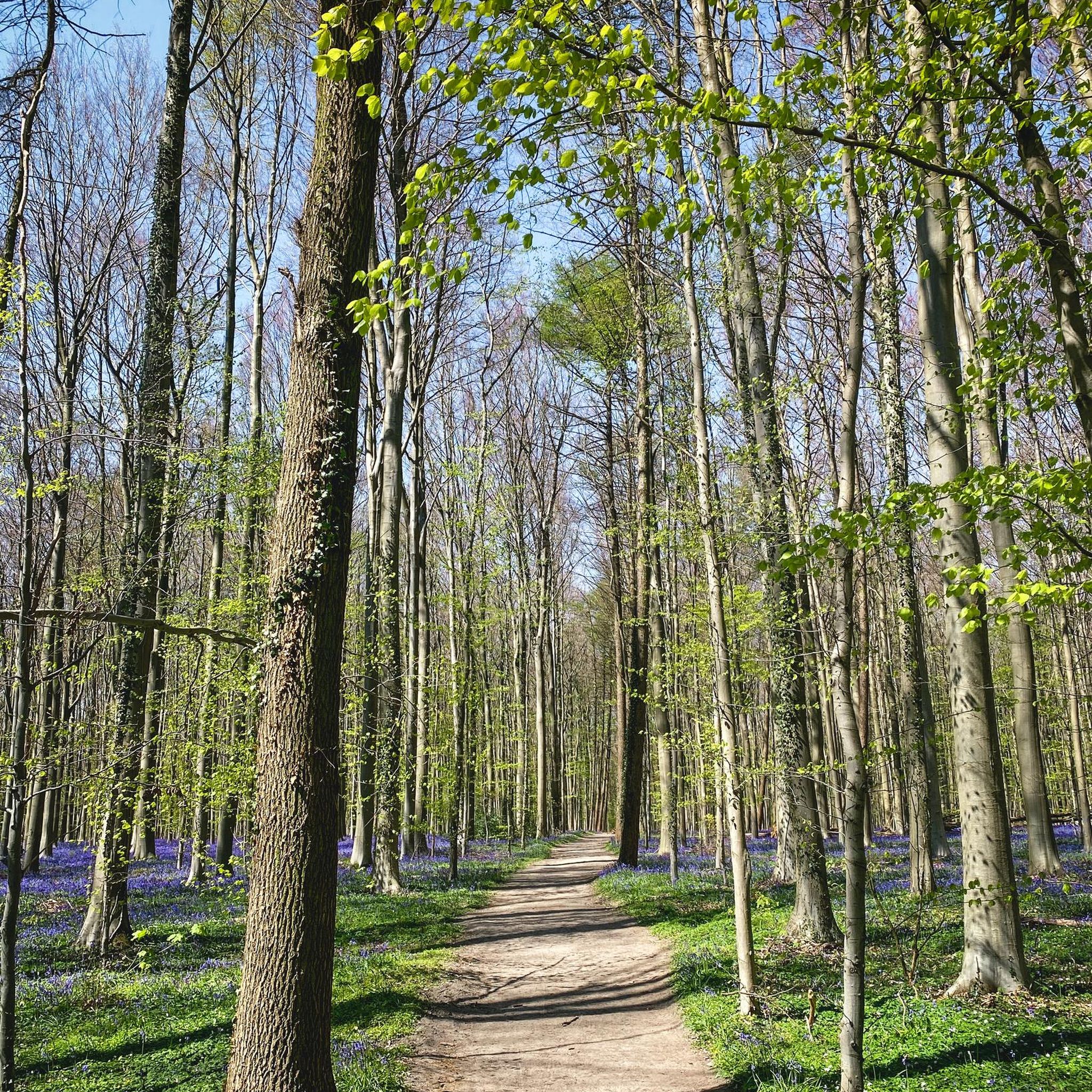
- The most popular attractions is Hallerbos — The Bluebell Forest, a forest known for its unique purple carpet of wild hyacinths and white wood anemones. This phenomenon typically occurs around mid-April, drawing photographers and nature lovers.
- Another must-see spot is Steenputbeek Valley, a forest and natural monument managed by Natuurpunt. This area features ancient Cambrian rocks, varied flora including giant horsetail and wrangroot, and serves as a stepping stone between larger forest areas.
- Visitors also love Sequoias in Hallerbos, a natural monument featuring a group of giant sequoia trees. These trees are among the largest in Hallerbos, with some reaching approximately 40 meters in height.
- Hallerbos is known for its ancient forests, diverse natural monuments, and scenic valleys. The region offers a variety of attractions to see and explore, from iconic bluebell carpets to impressive sequoia trees and rich ecosystems.
- The attractions around Hallerbos are appreciated by the komoot community, with 521 upvotes and 104 photos shared by visitors.
Last updated: July 6, 2026
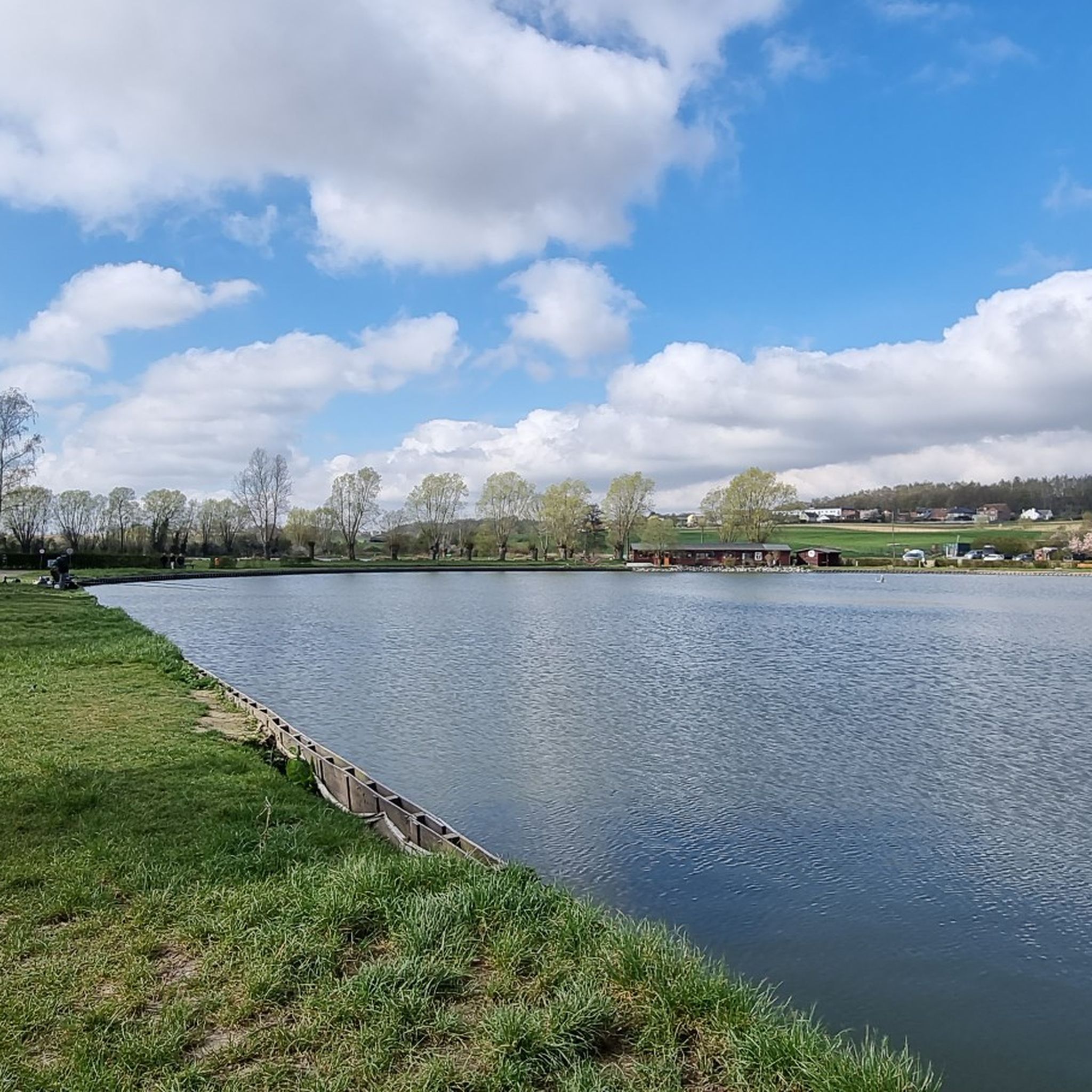
Hallerbos — The Bluebell Forest
Highlight • Forest
Translated by Google •
Tip by

Hallerbos
Highlight • Forest
Tip by

Sign up now to discover places like this
Get recommendations on the best single tracks, peaks, & plenty of other exciting outdoor places.
Sign up for free
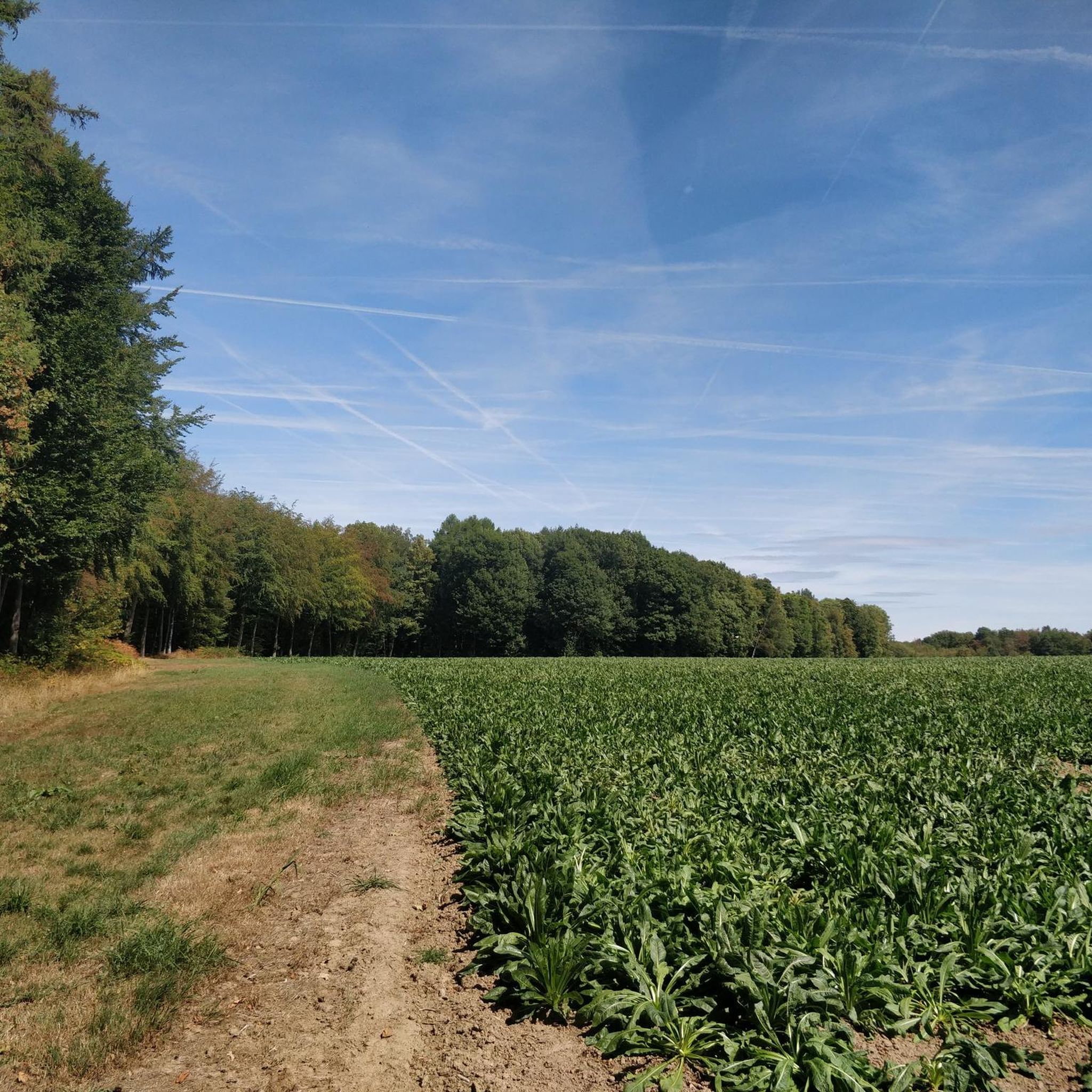
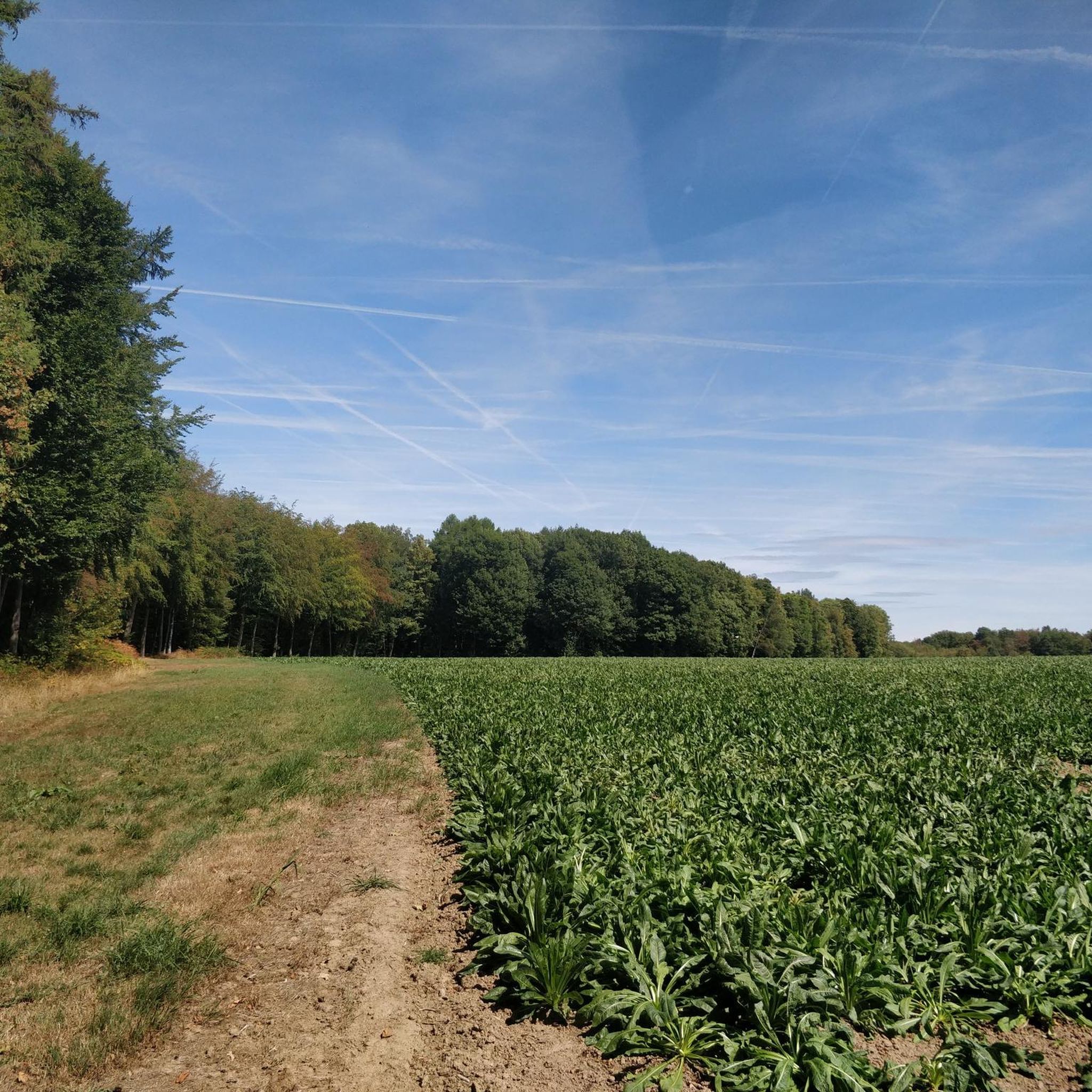
Steenputbeek Valley
Highlight (Segment) • Forest
Translated by Google •
Tip by

Bluebell Woods of Hallerbos
Highlight • Forest
Translated by Google •
Tip by

Forest Path Through Hallerbos
Highlight • Forest
Translated by Google •
Tip by

Sign up for free to discover even more attractions around Hallerbos.
Sign up for free
Already have an account?
Start today with a free account
Your next adventure awaits.
Login or Signup

Tips from the Community

Fairly well marked, one or two nice climbs.
0
0

The Hallerbos (French: Bois de Hal) is a forest with an area of 552 ha southeast of Halle (511 ha on Halle territory). The forest is largely owned by the Flemish Region and a small part by the Walloon Region and private properties. The Hallerbos is a quiet recreation area, which is highly appreciated by the population of the surrounding highly urbanized areas. It is very accessible thanks to the many paths, and for an introduction there are three hiking trails. The forest is part of the Flemish Ecological Network, has been a Flemish nature reserve since 2021 and is protected in Europe as a Natura 2000 area 'Hallerbos and nearby forest complexes with source areas and heaths' (BE2400009) (together with other sub-areas such as the Markvallei, Zuunvallei with the Gaasbeek domain, De Wolfsputten, Kesterbeekvallei, Kesterheide, the Terrijst forest reserve, Lembeekbos, Zevenbronnen, Gasthuisbos, Begijnenbos). Since 2023, the forest has been part of the Brabantse Wouden National Park.
1
0


Beautiful forest outside busy Brussels. End of April the forest get's a natural carpet colouring practically the whole forst in a blue/purple color. Magic! Make sure to walk a bit further then the classic entrance to enjoy the peaceful nature.
3
0

The ‘Hallerbos’, also known as the blue forest, is one of the 3 extensive forest areas in the Brussels capital area. It is an ancient forest with a mix of young and older trees. The giant Sequoia trees are pretty impressive as well as the beautiful purple carpet of bluebells, which bloom around mid-April. Crossing the forests on a mix of gravel and singletrack dirt roads make up for a visit well worth it!
0
0

Magnificent walk in the Bois de Hal, a veritable carpet of flowers, endless hyacinths, it's splendid.
2
0

The Hallerbos is the most important and most extensive forest area between Zenne and Zoniën. The forest is a crowd favorite thanks to the beautiful purple carpet of bluebells, which bloom around mid-April. The varied relief provides wonderful hiking opportunities and makes a visit to this forest more than worthwhile
3
0

Well worth it, during the flowering of the wild bluebells
3
0
Frequently Asked Questions
When is the best time to visit Hallerbos to see the bluebells?
The most iconic bluebell bloom typically occurs from mid-April to early May, creating a stunning purple-blue carpet across the forest floor. The exact timing can vary annually depending on weather conditions, and the bloom usually lasts about 7-10 days.
What unique natural features can I explore in Hallerbos?
Beyond the famous bluebells, Hallerbos is home to impressive giant sequoia trees, some of which are among the largest in the forest. You can also discover a diverse ecosystem with various tree species like beeches, oaks, and maples, as well as approximately ten ponds that support local wildlife.
What walking trails are available in Hallerbos, and what are their characteristics?
Hallerbos offers several signposted walking routes. The Sequoia Walk (4 km) guides you past the giant redwood trees. The Reebok Walk (7 km) is highly recommended for experiencing the bluebell carpets. For those seeking an easier path, the Plateau Walk (4 km) is an accessible, nearly flat trail with adapted paving and rest points.
Are there family-friendly activities or areas in Hallerbos?
Yes, Hallerbos is very family-friendly. The Hallerbos — The Bluebell Forest itself is considered family-friendly, and there are several play areas scattered throughout the forest. The Plateau Walk is also suitable for less mobile persons, making it accessible for families with strollers.
Does Hallerbos have any historical points of interest?
Hallerbos has a rich history. You can find the Malakoff Tower, a replica medieval watchtower built in 1854. Boundary stones from a 1778 division of the forest are still present, and the Forest Museum offers insights into the forest's ecology and past. The forest itself was once part of vast carboniferous forests dating back to the Mesolithic era.
What kind of wildlife can I expect to see in Hallerbos?
Hallerbos boasts a rich variety of fauna. Visitors might spot roe deer, foxes, squirrels, wild hares, and over 100 different species of birds. The forest also houses one of the largest populations of the fire salamander in Flanders, and rare butterflies like the Purple Emperor are attracted to specific plants found here.
What makes the ecosystem of Hallerbos special beyond the bluebells?
Beyond the bluebells, Hallerbos is notable for its diverse flora, including rare plants like Bear's Garlic and Spiked Rampion. The forest's composition of beeches, oaks, and maples, along with its ponds and swamp zones, creates a varied habitat. It's also a protected Natura 2000 area and part of the Brabantse Wouden National Park, safeguarding its unique biodiversity.
What do visitors particularly enjoy about Hallerbos?
Visitors consistently praise the magical appearance of the forest, especially during the bluebell bloom, describing it as an enchanting experience. The varied relief provides wonderful hiking opportunities, and the presence of impressive giant sequoia trees also makes for a memorable visit. Many appreciate the well-maintained paths and the peaceful atmosphere.
What outdoor activities, like hiking or cycling, can I do near Hallerbos?
The area around Hallerbos is excellent for various outdoor activities. You can find numerous options for hiking, including easy routes like the 'Reebok hike' and 'Hyacinth walk'. There are also dedicated running trails and MTB trails for cycling enthusiasts, offering diverse terrain from gravel to singletrack dirt roads.
Are there accessible trails for visitors with limited mobility?
Yes, the Plateau Walk in Hallerbos is designed to be accessible. It is a 4 km, nearly flat trail with adapted paving and designated rest points, making it suitable for individuals with limited mobility or those using strollers.
What is the Steenputbeek Valley, and what can I see there?
The Steenputbeek Valley is a natural monument managed by Natuurpunt, featuring ancient Cambrian rocks, some 550 million years old. It boasts a varied flora, including giant horsetail and wrangroot, and serves as an important ecological stepping stone between larger forest areas. It also has beautiful hiking trails and a nice playground for children.
What other activities can I do in Hallerbos besides walking?
In addition to walking and hiking, Hallerbos is well-suited for cycling and horseback riding, with designated trails available for these activities. There are also small picnic areas scattered throughout the forest, perfect for a relaxing break amidst nature.
Most popular routes around Hallerbos
Most popular attractions around Hallerbos

Get inspired with the komoot mobile app


Explore more
Still not found the Highlight you’re looking for? See guides of the top attractions in other regions:
