Attractions and Places To See around Mirker Hain - Top 6
Attractions and places to see around Mirker Hain include a diverse range of natural features and historical landmarks within a popular recreation area in Wuppertal. The area, spanning approximately 20 hectares, features a park-like structure with ancient trees, gorges, and abundant water features. It offers opportunities for leisurely activities and exploration of its unique geological and architectural points of interest. Mirker Hain is known for its varied landscape, making it appealing for nature enthusiasts and those seeking family-friendly outdoor experiences.
…Last updated: July 7, 2026
Mirker Hain
Highlight • Forest
Translated by Google •
Tip by

Belvedere Tower (Villa Seyd Park)
Highlight • Monument
The tower, built …
Translated by Google •
Tip by

Sign up now to discover places like this
Get recommendations on the best single tracks, peaks, & plenty of other exciting outdoor places.
Sign up for free
Cascades on the Vogelsangbach
Highlight • Waterfall
Translated by Google •
Tip by

Villa Seyd
Highlight • Historical Site
Translated by Google •
Tip by
Norwegian Prefabricated House (Kohlstraße 64)
Highlight • Historical Site
Translated by Google •
Tip by
Sign up for free to discover even more attractions around Mirker Hain.
Sign up for free
Already have an account?
Start today with a free account
Your next adventure awaits.
Login or Signup

Tips from the Community

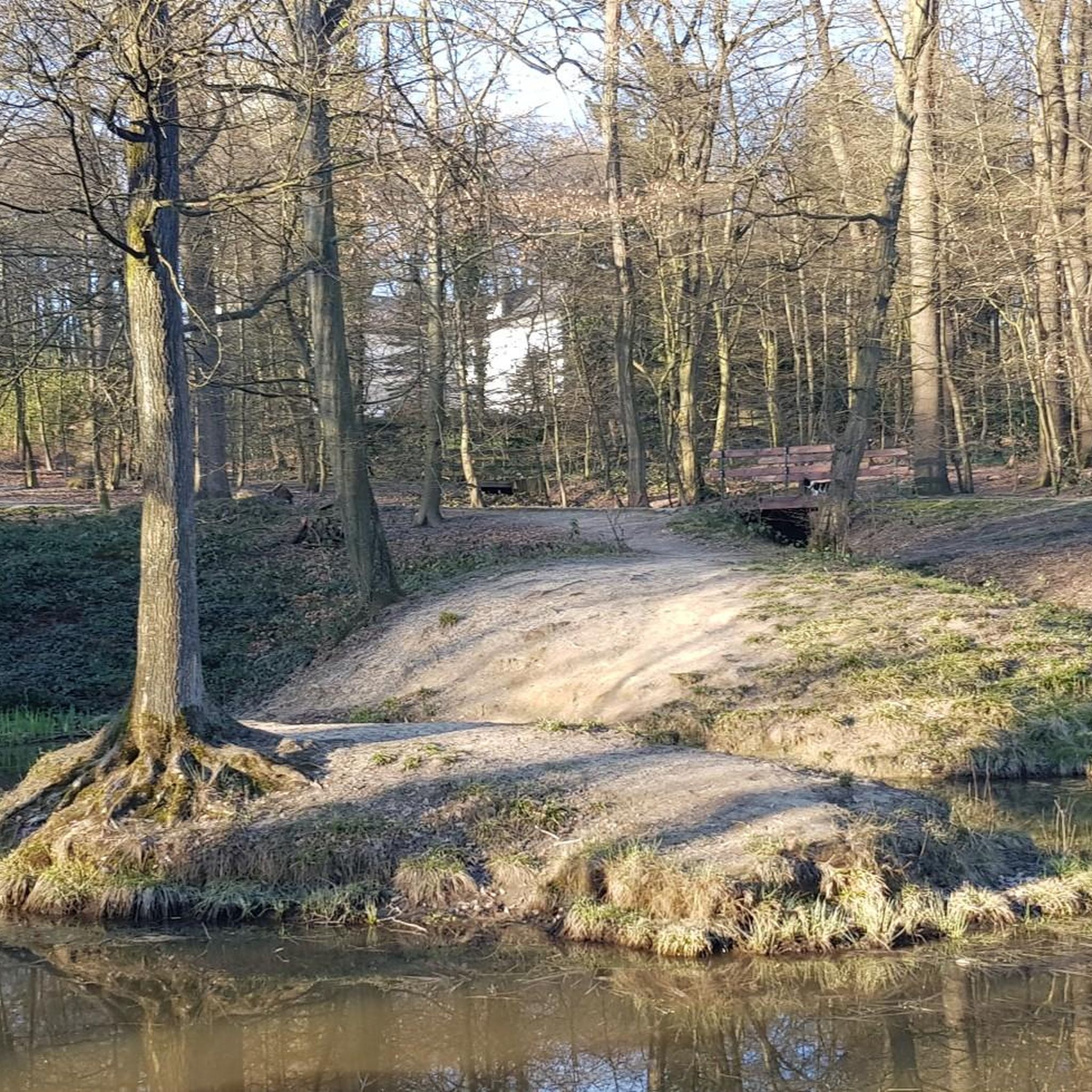
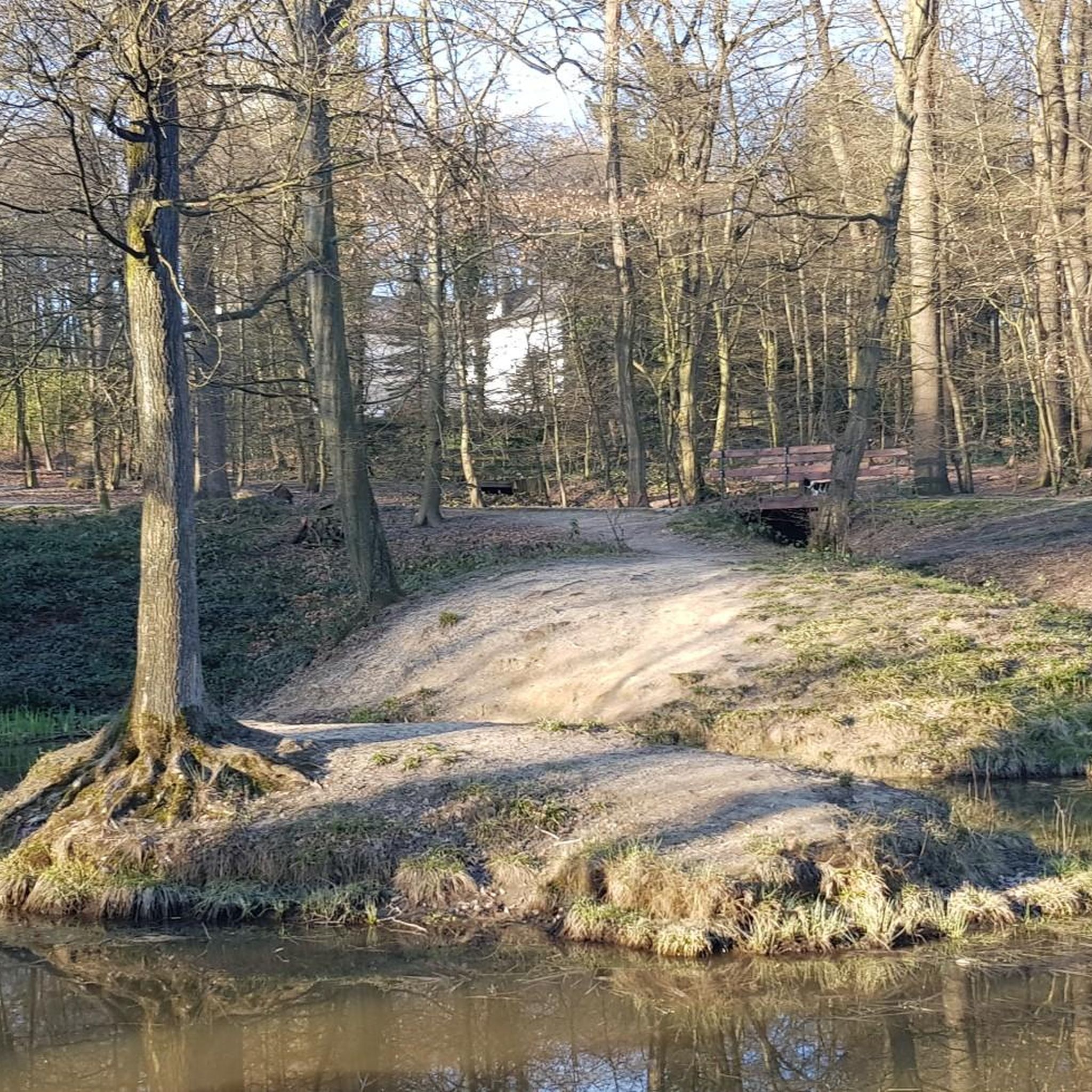
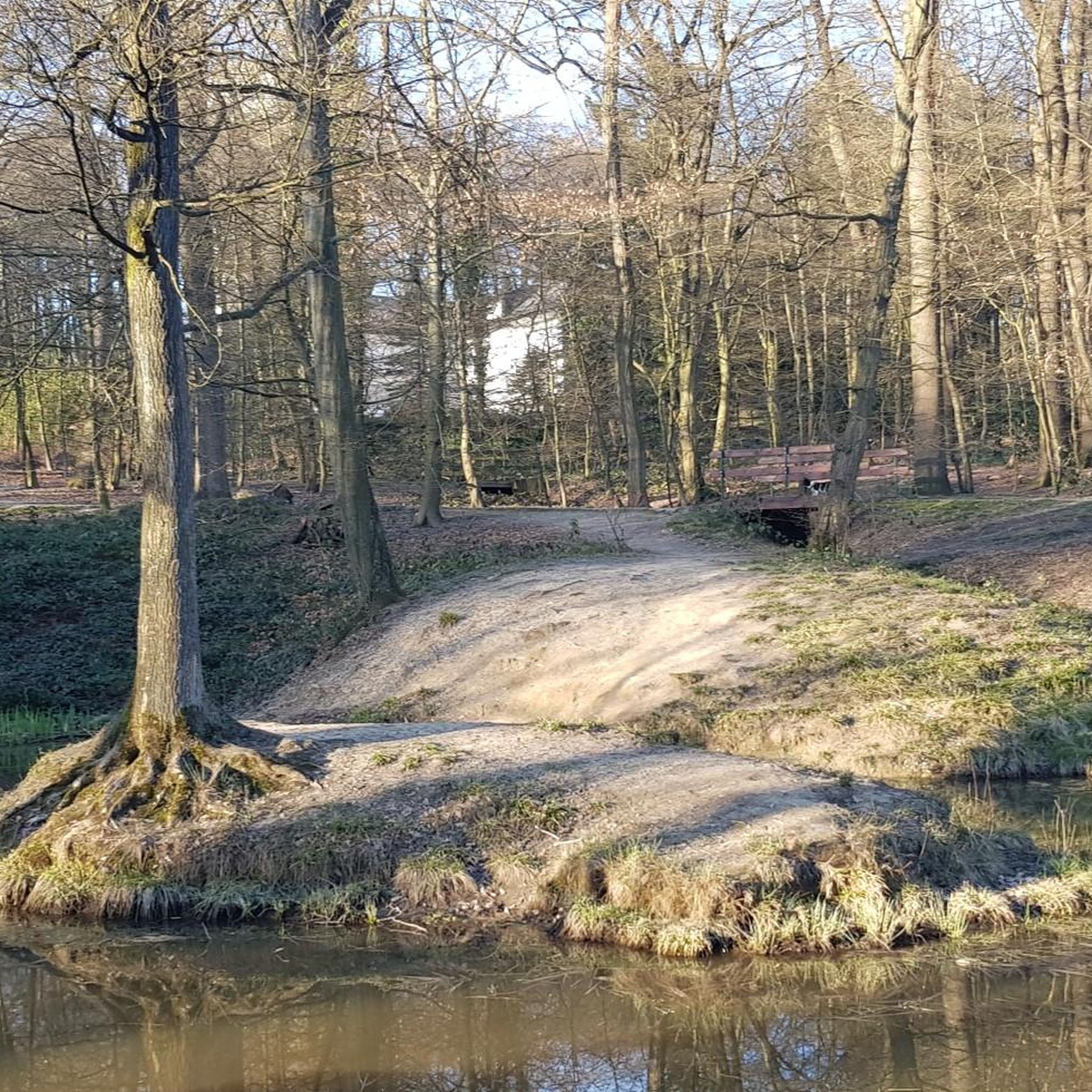
Beautiful, well-kept park and not too artificial.
1
0

Southern part of the Mirker Hain, more park than forest.
2
0

Attention to the structure dwindles at a gradient of just 13%.
1
0

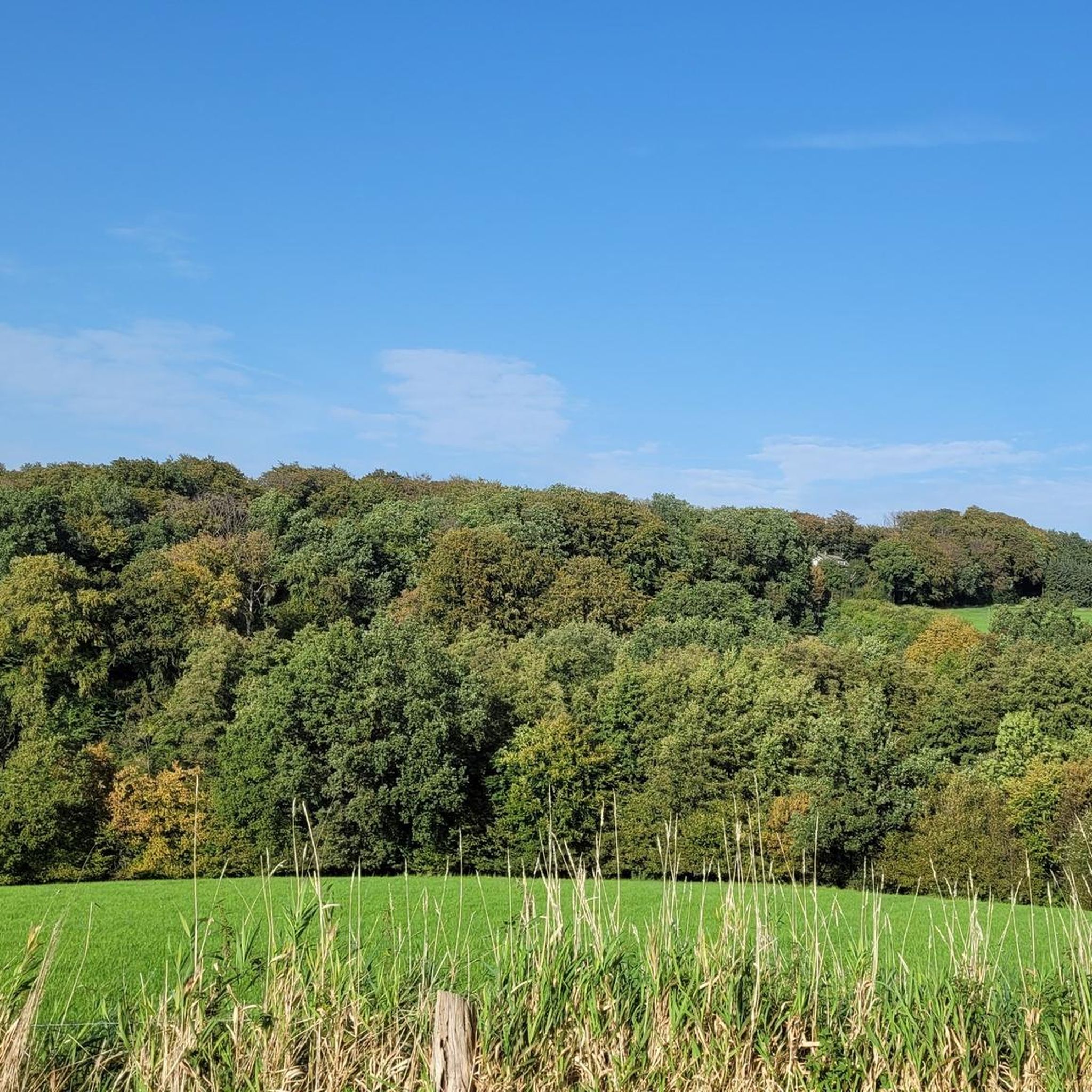
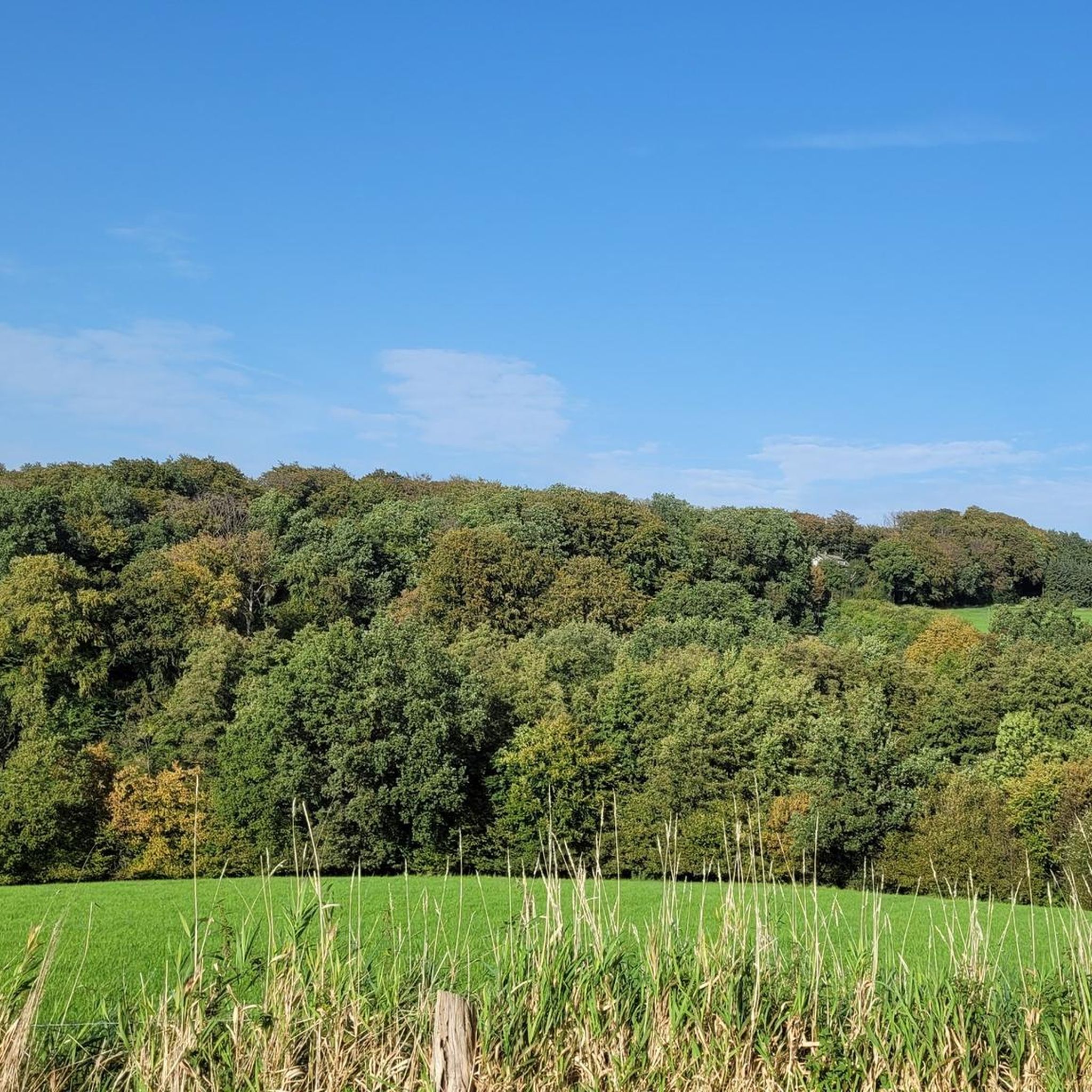
In the past, this brook valley was traversed by many paths that repeatedly crossed the Vogelsangbach with log bridges. At that time nobody thought that the walk would lead through the remains of the Carboniferous and Devonian. As if you were entering another world! These two areas of the lower Mirker Hain are so different. The special charm of this valley captivates you immediately. Many different lines of sight tempt you to follow the views spontaneously. The path continues to the end of the narrow gorge, below the dam on Wilhelm-Raabe-Weg. The Vogelsang brook is directed into the lower Bachtal via its many barrages, which seem like cascades. Source and more: http://uellendahl.de/index.php/forum-mirker-hain/fotogalerie/schlucht-und-bachtal
2
0
It is a representative villa built in 1896, the construction of which was based on baroque palace designs. The two-storey entrance hall with an oval floor plan is followed by the representative rooms on the ground floor; The living rooms are accessed from the upper floor. The hall is covered by a glazed dome, some of which are still in the original color glazing. The decoration of the representative rooms on the ground floor, which has largely been preserved, is of high quality. Source: https://www.wuppertal.de/denkmalliste-online/Detail/Show/1530
3
0
The building at Kohlstrasse 64 is a single-storey, single-storey prefabricated wooden house with a gable roof, which was originally exhibited at the World Exhibition of 1900 in Paris. The banker August Freiherr von der Heydt bought this house and had it moved to Elberfeld around 1905. The building was erected at Mirker Hain next to an older dance hall, which no longer exists today, and served as a residential and restoration building from an early age. The mentioned object is the oldest known prefabricated house in Wuppertal and one of the earliest examples of a prefabricated house in Germany, so the building is significant for architectural history. In the years around 1900, many prefabricated houses were shown at the world exhibitions, which were then purchased and rebuilt in other locations. In particular, these are prefabricated wooden houses designed by Norwegian architects. The building mentioned is also part of the series of prefabricated houses, the structure and decorative forms of which are shaped by the Norwegian homeland style. It was acquired by August von der Heydt (1851-1929) and rebuilt. The Elberfeld banker von der Heydt is primarily known beyond Wuppertal for his extensive collection of contemporary art. In addition, he was involved in many public tasks in Wuppertal. He already became chairman when the Elberfeld Beautification Association was founded. He was instrumental in founding the zoological garden and donated numerous monuments and works of art to design public facilities and spaces. The prefabricated house is thus also a testimony to the public work of von der Heydts. Source: https://www.wuppertal.de/denkmalliste-online/Detail/Show/4429
5
0
The object is the pentagonal and two-storey tower building made of natural stone, built in 1896, with buttresses at the tower corners and a pointed arch frieze under a flat tent roof. Originally, the tower building, which was used as a pavilion, had window and door openings in each of the five façade surfaces on the upper floor, which are now bricked up. These doors led to a circumferential parapet balcony, which could also be reached via an outer spiral staircase made of steel. Originally there was also an underground, head-high corridor between the Villa Seyd and the tower, which was interrupted by new buildings, but still in its beginnings. The tower building is the last historical component of facilities on the former park area of Villa Seyd. It is a rare example of the art of horticulture in the parks of the upper middle class at the turn of the century. It is thus a testimony to the history of Elberfeld. Source: https://www.wuppertal.de/denkmalliste-online/Detail/Show/4428
2
0

The Belvedere Tower is a listed private observation tower. It originally belonged to the former 130,000 m² park of Villa Seyd and was used as a pavilion. The tower, built in 1896, has a pentagonal base and stands in a hairpin bend in Kohlstrasse. The tower, made of natural stone with buttresses on the tower corners and a pointed arch frieze under a flat tent roof, has two floors. On the upper floor there were originally window openings or a door opening in all of the five façade surfaces, all of which are now walled up. The doors led to a surrounding parapet balcony, which could also be reached via an outer spiral staircase made of steel. (Source http://www.wuppertals-gruene-anlagen.de/aussichtstuerme/belvedere-turm-in-der-parkanlage-der-villa-seyd-kohlstrasse/)
3
0
Frequently Asked Questions
What natural features can I explore in Mirker Hain?
Mirker Hain is rich in natural beauty. You can discover the deep Vogelsangbach Gorge, which reveals rare marine layers from the Devonian and Carboniferous periods. The park also features numerous springs, streams, ponds, and gorges that create waterfalls and shape the landscape. Look out for the "Buchenhallen" formed by ancient beech trees and a dense canopy of beech and oak trees, some up to 150 years old.
Are there any historical landmarks or unique architectural sites to see?
Yes, Mirker Hain offers several historical and architectural points of interest. You can visit the Norwegian Prefabricated House (Kohlstraße 64), considered one of the earliest examples of a prefabricated house in Germany, originally from the 1900 Paris Expo. Also notable are the Belvedere Tower (Villa Seyd Park), a private observation tower built in 1896, and the classical Villa Seyd itself, a representative villa from the same period.
What outdoor activities can I do near these attractions?
The area around Mirker Hain is excellent for outdoor activities. You can find numerous routes for gravel biking, mountain biking, and road cycling. For example, explore routes like the "Deilbach Bridge – Herzkamp–Horath Scenic Road loop" for gravel biking, or the "Kaiser Wilhelm Monument – Idyllic Farm Near Nord Erbach loop" for MTB. Road cyclists might enjoy the "View of Bevertalsperre Dam – Schwarzbachtrasse loop." You can find more details on these and other routes in the Gravel biking around Mirker Hain, MTB Trails around Mirker Hain, and Road Cycling Routes around Mirker Hain guides.
Are there specific hiking trails or routes recommended in Mirker Hain?
Mirker Hain is popular for hiking and walking, offering numerous trails suitable for various fitness levels. Popular options include the "Mirker Hain – Vogelsangbach loop" and the "Holzbrücke über den Bach – Aussicht vom Wilhelm-Raabe-Weg loop." These trails allow you to experience the park's diverse landscape, including its gorges and ancient forests.
Is Mirker Hain suitable for families with children?
Yes, Mirker Hain is very family-friendly. It features two dedicated children's playgrounds, making it an enjoyable experience for younger visitors. The park-like structure and natural environment provide a great setting for leisurely walks and exploration for all ages.
When is the best time to visit Mirker Hain?
Mirker Hain can be enjoyed year-round, with each season offering a unique experience. Spring brings lush greenery and blooming flora, while autumn showcases vibrant foliage. The dense canopy of beech and oak trees provides shade in summer, and the park's features can be beautiful even in winter. For hiking, consider pleasant weather conditions in spring and autumn.
How can I get to Mirker Hain?
Mirker Hain is a popular local recreation area in Wuppertal. While specific parking details are not provided, it is generally accessible by car and public transport, given its urban location. It's advisable to check local public transport schedules or parking availability in the Uellendahl district of Wuppertal-Katernberg before your visit.
Are there any amenities like cafes or restaurants near Mirker Hain?
The Norwegian Prefabricated House (Kohlstraße 64), a historical site within Mirker Hain, originally served gastronomic purposes. While specific current amenities like cafes or restaurants directly within the Hain are not detailed, as a popular recreation area in Wuppertal, you can expect to find various dining options in the surrounding Uellendahl district.
What do visitors enjoy the most about Mirker Hain?
Visitors particularly appreciate the park's diverse natural features, including its ancient trees, gorges, and abundant water elements. The historical landmarks like the Norwegian Prefabricated House and the Belvedere Tower also draw interest. The park's well-groomed, park-like structure and family-friendly amenities, such as playgrounds, contribute to its appeal as a popular recreational spot.
Is Mirker Hain dog-friendly?
As a popular local recreation area, Mirker Hain is generally welcoming to dogs. However, it is always recommended to keep dogs on a leash, especially in areas with wildlife or near playgrounds, and to adhere to local regulations regarding pet waste to ensure a pleasant experience for all visitors.
What is the significance of the Vogelsangbach Gorge?
The Vogelsangbach Gorge is the most striking natural feature in the center of Mirker Hain. It is protected as a natural monument due to its scientific value, as it reveals rare marine layers from the Devonian and Carboniferous periods. The brook valley also features many barrages that create beautiful cascade-like formations.
Who was responsible for the design of Mirker Hain?
The engaging design of Mirker Hain, which capitalized on its varied water resources, was implemented in 1879 according to the plans of landscape gardener Vincentz. It was the fourth park created and shaped by the Elberfeld Beautification Association, highlighting its historical importance in urban green space development.
Most popular routes around Mirker Hain

Get inspired with the komoot mobile app


Explore more
Still not found the Highlight you’re looking for? See guides of the top attractions in other regions:
