Attractions and Places To See around Mjøsa - Top 20
Best attractions and places to see around Mjøsa, Norway's largest lake, blend natural beauty with cultural and historical significance. This glacial fjord lake, located approximately 100 kilometers north of Oslo, offers a diverse range of attractions. Visitors can explore historical sites, cultural points of interest, and various outdoor activities around its shores. The region provides opportunities to discover its heritage and varied landscapes.
Best attractions and places to see around Mjøsa
- The most popular attractions is Hamar Cathedral Ruins (Domkirkeruinene), a religious building and historical site that dates back to around 1152/53. A glass building preserves these medieval ruins, which were once an important pilgrimage site.
- Another must-see spot is Mjøsa Bridge Cycle Path, a cycle way and bridge. This path offers a wide, separated route for safe passage across Norway's largest lake.
- Visitors also love Hamar Diving Tower, an architectural structure by the lake. This tower allows visitors to jump into Lake Mjøsa from a height of 5 meters.
- Mjøsa is known for historical sites, natural features, and cultural attractions. The region offers a variety of places to see and explore, from ancient ruins to modern recreational areas.
- The attractions around Mjøsa are appreciated by the komoot community, with 22 highlights featuring photos and receiving 30 upvotes.
Last updated: June 24, 2026
Vingnes Bridge
Highlight • Bridge
The benches are the perfect resting place to enjoy the panorama.
Translated by Google •
Tip by

Hamar Cathedral Ruins (Domkirkeruinene)
Highlight • Religious Site
Translated by Google •
Tip by

Sign up now to discover places like this
Get recommendations on the best single tracks, peaks, & plenty of other exciting outdoor places.
Sign up for free
Heritage Railway Station
Highlight • Historical Site
No old trains and buildings freely accessible. There is also something to eat, perfect for a break.
Translated by Google •
Tip by
Mjøsa Bridge Cycle Path
Highlight • Cycleway
Tip by

Hamar Diving Tower
Highlight • Structure
Translated by Google •
Tip by

Sign up for free to discover even more attractions around Mjøsa.
Sign up for free
Already have an account?
Start today with a free account
Your next adventure awaits.
Login or Signup



Tips from the Community

The Mjøsa Bridge offers a wide, separated cycle and footpath for a safe crossing over Norway’s largest lake. Expect strong winds on exposed days, so keep a steady line.
1
0
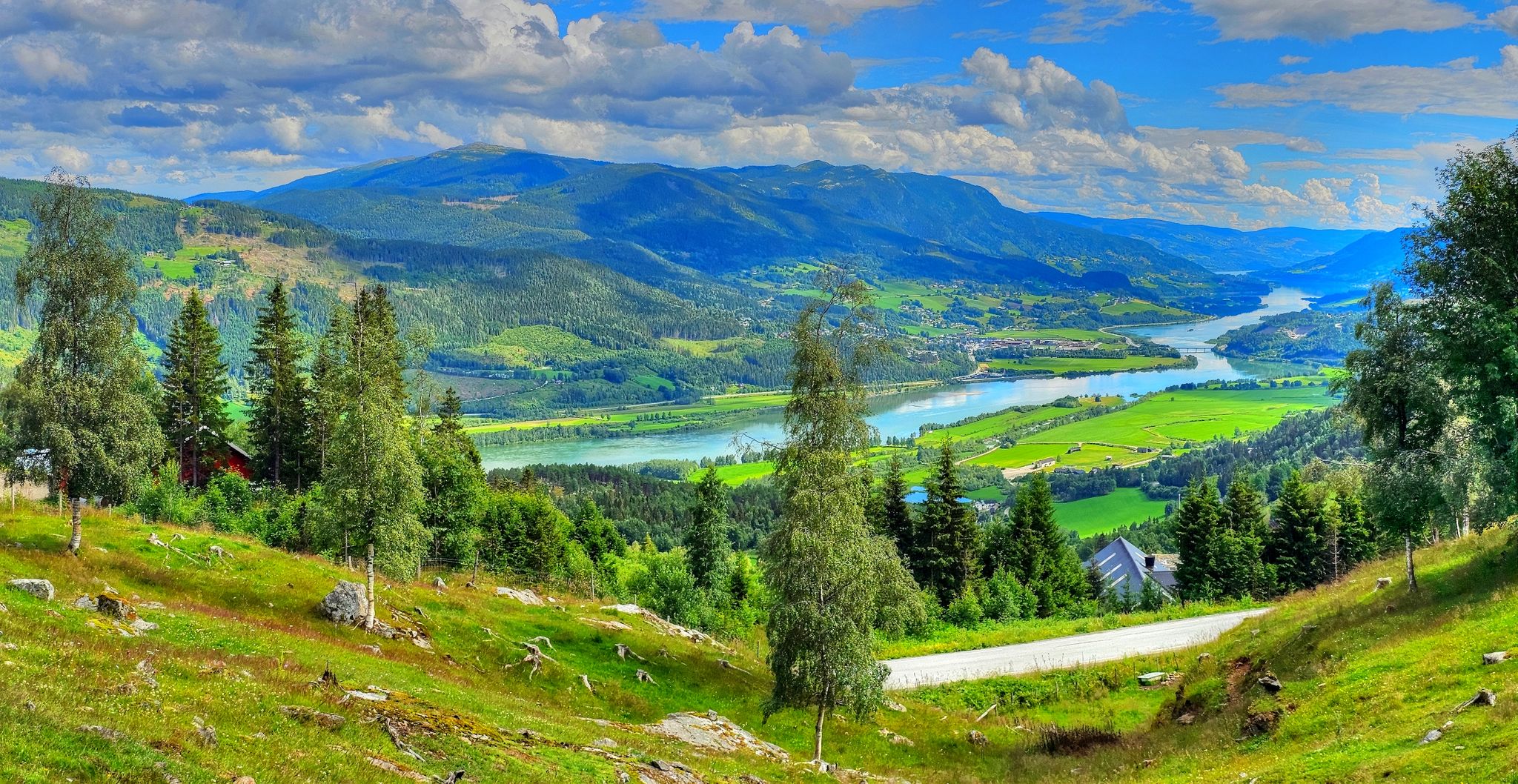
The Vingnes Bridge links central Lillehammer with the Vingnes peninsula across Lake Mjøsa. It’s a busy road bridge but has a separate pedestrian and cycle path, giving safe passage and fine views over the lake and town — especially at sunset.
1
0

Nice place to cycle, and to stop for a moment on the bench to enjoy
0
0

Great view of the lake and the city.
0
1
Panoramic bridge over Mjøsa. The short walk is worth it because of the view over the lake and the city. And all without any car traffic👍.
0
0

Pedestrian and bicycle bridge over Lake Mjøsa with good views.
0
0

Interesting idea to protect the ruins with a Louvre-like glass building. Worth seeing from the outside, but admission is far too expensive.
1
0

Ruins of the medieval cathedral of Hamar. The associated diocese was abandoned as a result of the Reformation and the cathedral fell into disrepair.
4
0
Frequently Asked Questions
What historical sites can I visit around Mjøsa?
The Mjøsa region is rich in history. You can explore the medieval Hamar Cathedral Ruins (Domkirkeruinene), protected by a glass structure, which was once an important pilgrimage site. Another significant historical landmark is Eidsvoll 1814 (Eidsvoll Manor House), where the Norwegian Constitution was signed. Don't miss Ringsaker Church, one of Norway's most authentic medieval churches, or Atlungstad Brenneri, an historic distillery from 1855.
Are there any family-friendly attractions in the Mjøsa region?
Yes, Mjøsa offers several family-friendly attractions. The Hamar Cathedral Ruins (Domkirkeruinene) and the Heritage Railway Station are great for exploring history. For a unique experience, the Hamar Diving Tower allows visitors to jump into Lake Mjøsa. Maihaugen in Lillehammer, Norway's largest open-air museum, also provides engaging activities for all ages. Helgøya Klatrepark (climbing park) on Helgøya Island is another option for active families.
What natural features and viewpoints can I discover around Lake Mjøsa?
Lake Mjøsa itself is a prominent natural wonder, being Norway's largest lake. You can enjoy scenic views from the Vingnes Bridge, which offers a separate pedestrian and cycle path. Helgøya Island, the largest island in the lake, features a lush cultural landscape. The Emerald Mines at Byrud Gård offer a unique natural and historical experience as Northern Europe's only emerald mines.
What outdoor activities and routes are available near Mjøsa's attractions?
The Mjøsa region is excellent for outdoor activities. You can find numerous routes for cycling and hiking. For example, the Mjøsa Bridge Cycle Path provides a safe crossing over the lake. The Mjøstråkk Cycling Route offers a scenic way to experience the cultural landscape around the entire lake. For specific routes, explore options like the 'Hamar Olympic Hall – Hamar City Beach loop' for road cycling or 'Along the Mjøspromenaden' for an easy hike. You can find more details on hiking, cycling, and road cycling guides for the area.
Are there any cultural attractions or museums to visit?
Absolutely. Maihaugen in Lillehammer is Norway's largest open-air museum, showcasing over 200 historic houses. The Norwegian Railway Museum in Hamar allows you to delve into Norway's rail history with vintage locomotives. The Peder Balke Centre in Kapp features the works of a pioneer landscape painter, and Hamar Kulturhus is a central hub for cultural events.
What is the best time of year to visit Mjøsa?
The Mjøsa region is enjoyable year-round, but the best time depends on your interests. Summer (June-August) is ideal for outdoor activities like cycling, hiking, and enjoying the lake, with attractions like Mjøsfronten in Hamar offering a vibrant holiday atmosphere. Winter offers opportunities for activities like ice skating in Mjøsparken. The Skibladner paddle steamer operates during the warmer months, typically from late spring to early autumn.
Can I find wheelchair-accessible paths or attractions around Lake Mjøsa?
Yes, efforts have been made to ensure accessibility in certain areas. The Vingnes Bridge includes a separate pedestrian and cycle path, which is generally accessible. While specific accessibility details for all attractions vary, the Mjøsa Bridge Cycle Path also offers wide, separated paths suitable for various users.
Where can I experience the unique cultural landscape of Mjøsa?
To experience the unique cultural landscape, consider visiting Nes and Helgøya, often referred to as the 'heart of Mjøsa,' known for its manor farms and local culinary experiences. Stange Vestbygd, dubbed the 'Tuscany of the North,' also offers beautiful cultural landscapes and agricultural heritage. Cycling the Mjøstråkk route is an excellent way to immerse yourself in these areas.
What are some unique or 'hidden gem' attractions in the Mjøsa region?
Beyond the main highlights, you might enjoy the historic Atlungstad Brenneri, an active distillery since 1855. The ruins of Mjøskastellet on Steinsholmen, a 13th-century medieval citadel on a small island, offer a glimpse into ancient history. The Emerald Mines at Byrud Gård are also a unique and lesser-known natural attraction.
Are there opportunities for cycling around the lake?
Yes, cycling is a popular way to explore the Mjøsa region. The Mjøstråkk Cycling Route circles the entire lake, passing by many cultural and industrial monuments. The Mjøsa Bridge Cycle Path provides a safe route across the lake. You can find various cycling routes, including those suitable for touring bicycles, in the Cycling around Mjøsa guide.
What is the Skibladner and can I ride it?
The Skibladner, affectionately known as the 'White Swan of Mjøsa,' is the world's oldest paddle steamer still in timetabled service. It offers an authentic 19th-century steamship travel experience with scenic views of the lake. Yes, you can ride it during its operational season, which typically runs from late spring through early autumn.
Where can I find places to eat or relax with a view of Lake Mjøsa?
Many areas along the lake offer opportunities to dine or relax with a view. Mjøsfronten in Hamar is a popular spot with food trucks and sun loungers during summer. Helgøya Island and Nes are known for local culinary experiences and farm shops. While specific cafes with lake views are numerous, exploring the towns along the shoreline like Hamar, Gjøvik, and Lillehammer will provide various options.
Most popular routes around Mjøsa
Most popular attractions around Mjøsa

Get inspired with the komoot mobile app


Explore more
Still not found the Highlight you’re looking for? See guides of the top attractions in other regions:
