The best cycling routes around Mjøsa
4.6
(105)
1,787
riders
45
rides
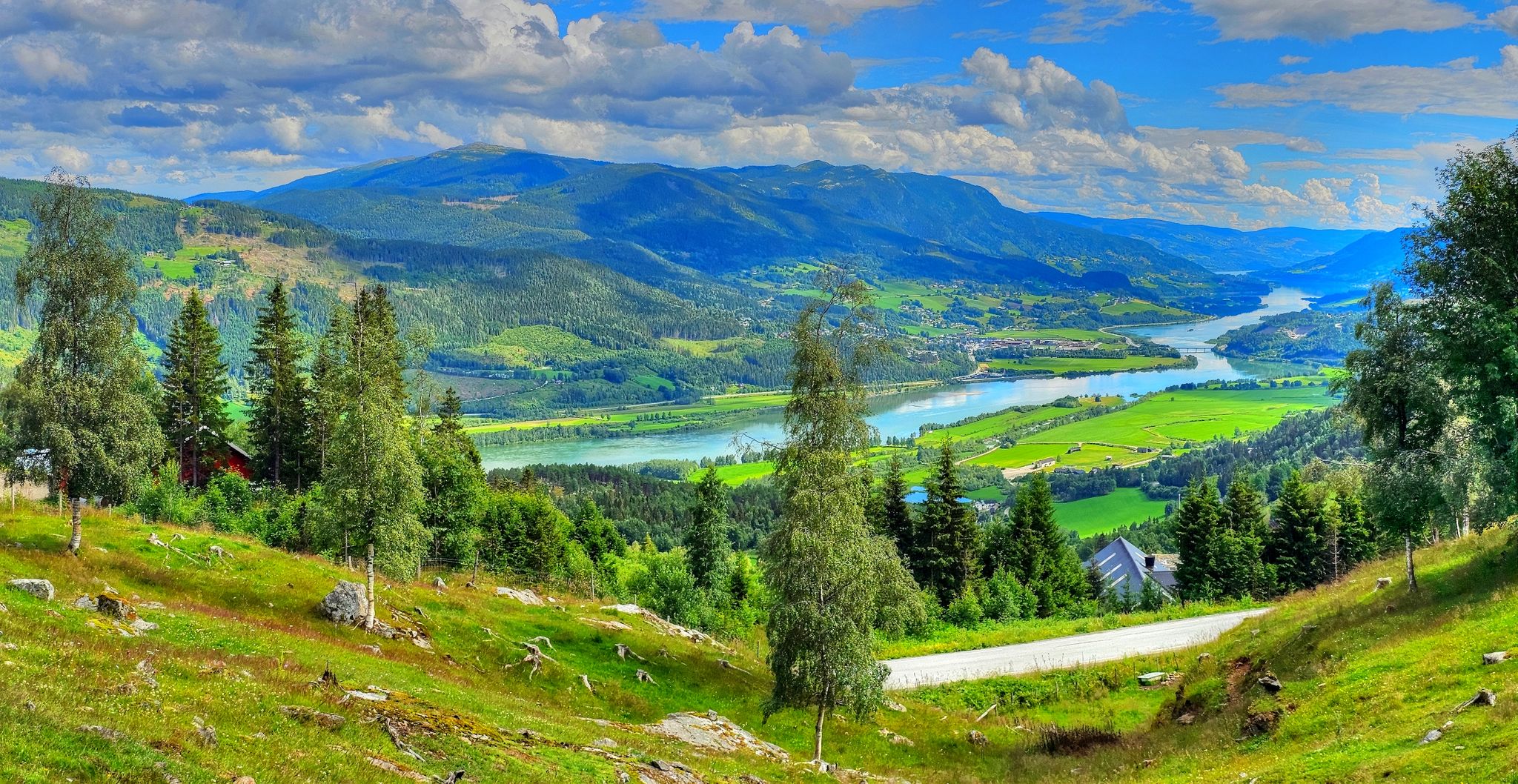
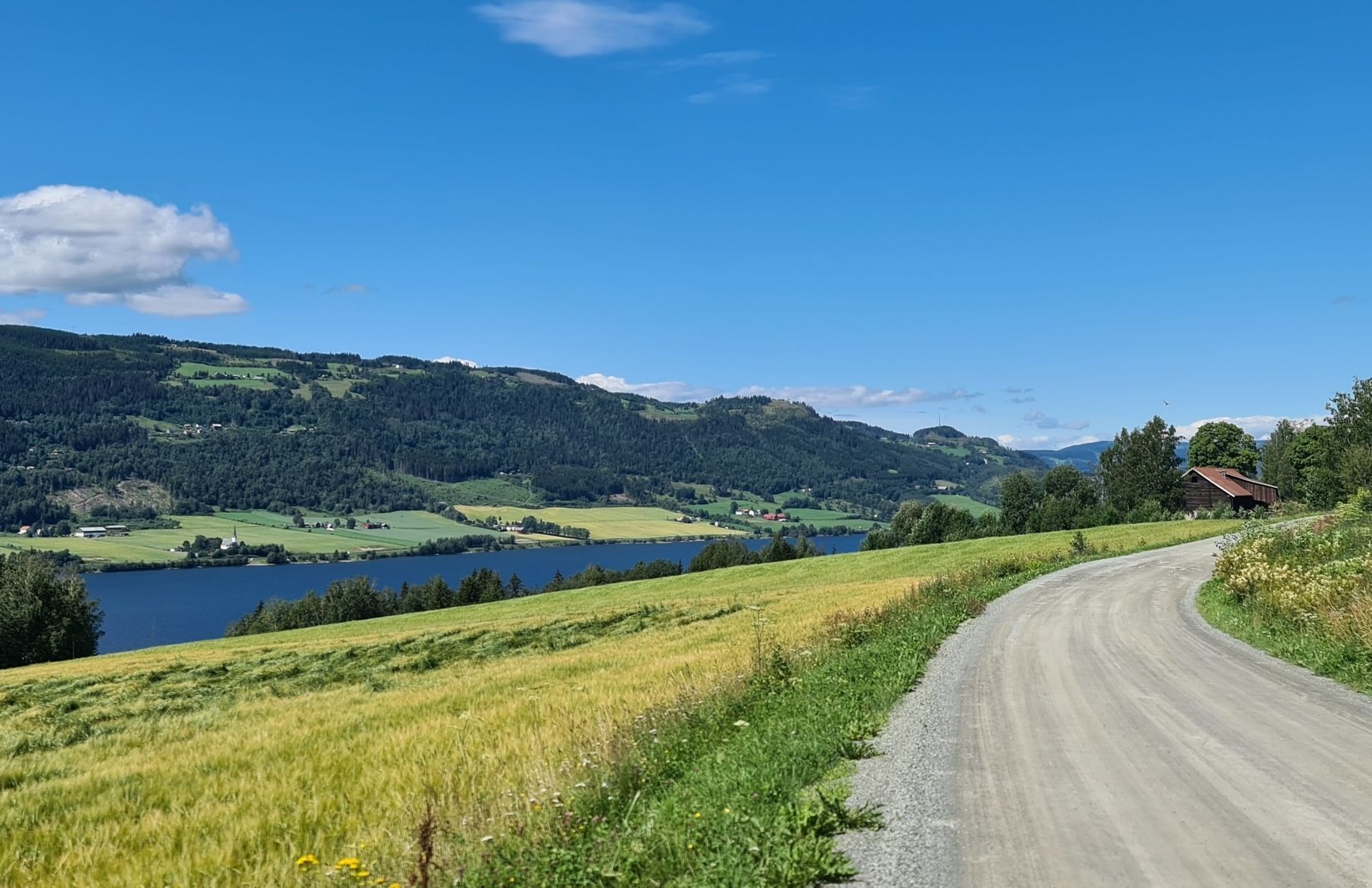
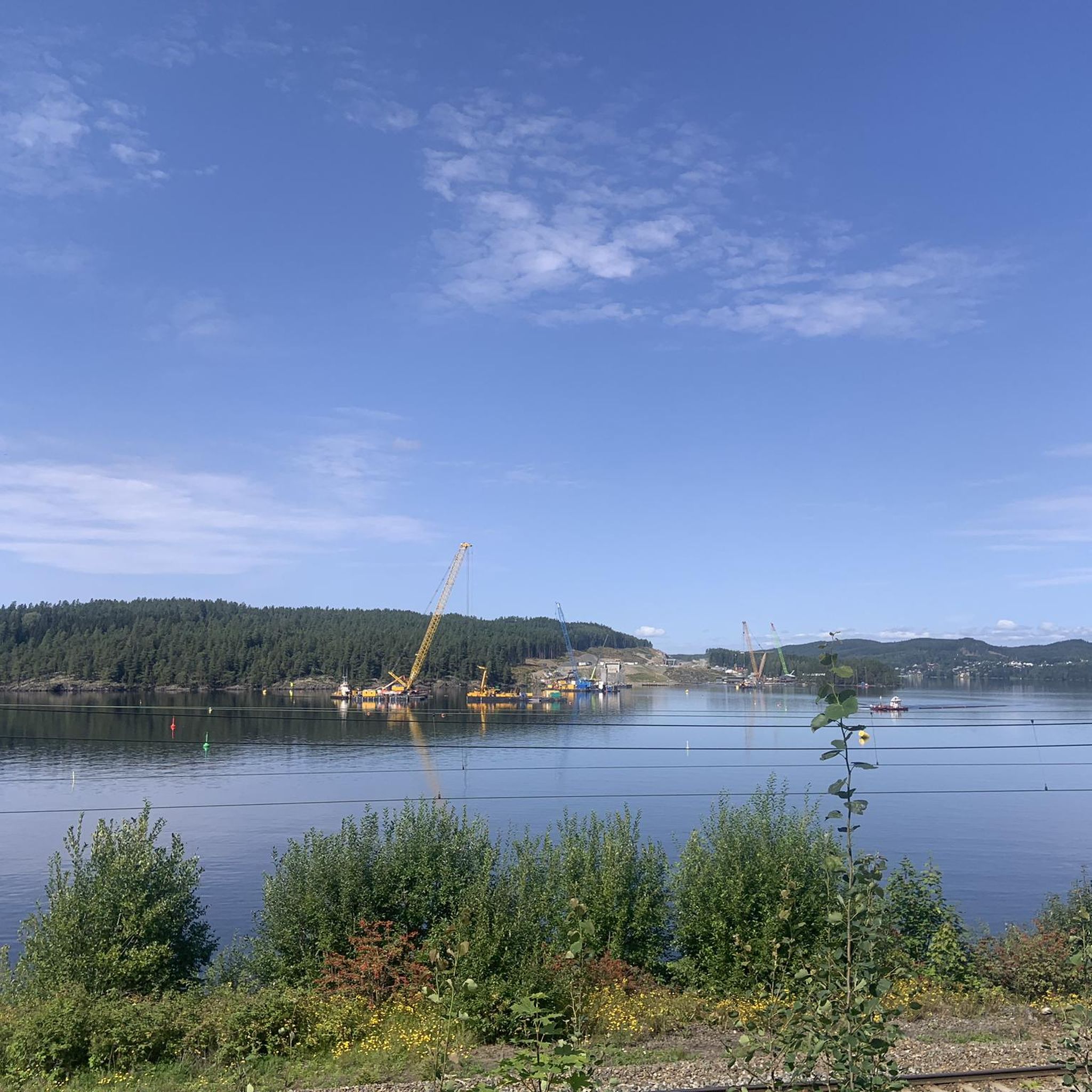
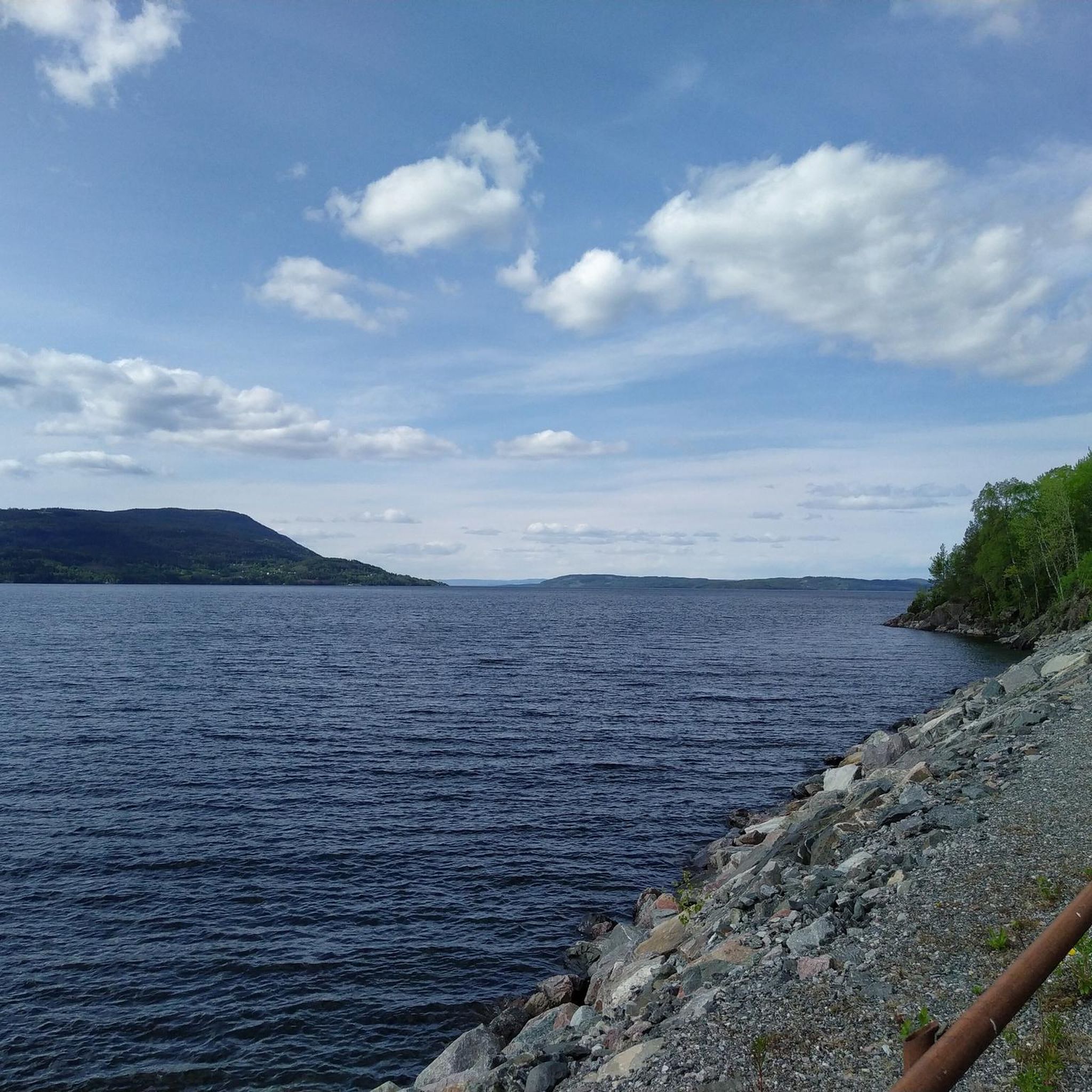
Touring cycling routes around Mjøsa traverse a landscape characterized by open cultural areas, rolling hills, and varied terrain. The region features a large glacial fjord lake, with routes often following tranquil country lanes, passing through forests, and open meadows. The Mjøstråkk route, a well-marked circular path, offers a mix of gentle, traffic-free sections and some hilly parts, particularly on the western side. This diverse topography provides a range of cycling experiences.
Best touring cycling routes around Mjøsa
- The most popular touring cycling route is Hamar Diving Tower – Heritage Railway Station loop from Hamar, a 17.9 miles (28.8 km) trail that takes 2 hours 11 minutes to complete. This moderate route offers views of the lake and surrounding cultural landscape.
- Another top favourite among local touring cyclists is Hamar Diving Tower – Nes Church loop from Hamar, a difficult 53.9 miles (86.7 km) path. This route features significant elevation gain and extends further along the Mjøsa shoreline.
- Local touring cyclists also love the Viker Church loop from Nes kirke, a 8.6 miles (13.8 km) trail leading through rural areas and offering glimpses of the lake, often completed in about 53 minutes.
- Touring cycling around Mjøsa is defined by open cultural landscapes, rolling hills, and the expansive glacial fjord lake. The network offers options for various ability levels, from easier dedicated cycle paths to more challenging hilly sections.
- The routes in Mjøsa are highly rated by the komoot community with an average score of 4.5 stars from over 16 reviews. More than 325 touring cyclists have used komoot to explore Mjøsa's varied terrain.
Last updated: June 26, 2026
4.7
(3)
43
riders
28.3km
02:09
210m
210m
Moderate bike ride. Good fitness required. Mostly paved surfaces. Suitable for all skill levels.
24
riders
86.7km
05:34
1,000m
1,000m
Hard bike ride. Very good fitness required. Mostly paved surfaces. Suitable for all skill levels.

Sign up for free
4.8
(4)
21
riders
13.8km
00:54
190m
190m
Moderate bike ride. Good fitness required. Mostly paved surfaces. Suitable for all skill levels.
8
riders
128km
07:50
1,100m
1,100m
Hard bike ride. Very good fitness required. Mostly paved surfaces. Suitable for all skill levels.
11
riders
52.4km
03:10
410m
410m
Moderate bike ride. Good fitness required. Mostly paved surfaces. Suitable for all skill levels.
Get access to more routes and recommendations from other explorers.
Sign up for free
Already have an account?
Our route recommendations are based on thousands of hikes, rides, and runs completed by other people on komoot.
Start today with a free account
Your next adventure awaits.
Login or Signup



Tips from the Community

In Hamar, you can walk from one beach to the next. Martodden alone has several sandy beaches. Trees provide shade.
0
0

The old Franzefoss Lime Kilns stand as striking stone towers beside the trail, a reminder of Norway’s 19th-century lime industry. It’s a short but worthwhile stop to admire the preserved kilns and learn how limestone was once burned here for building materials.
0
0
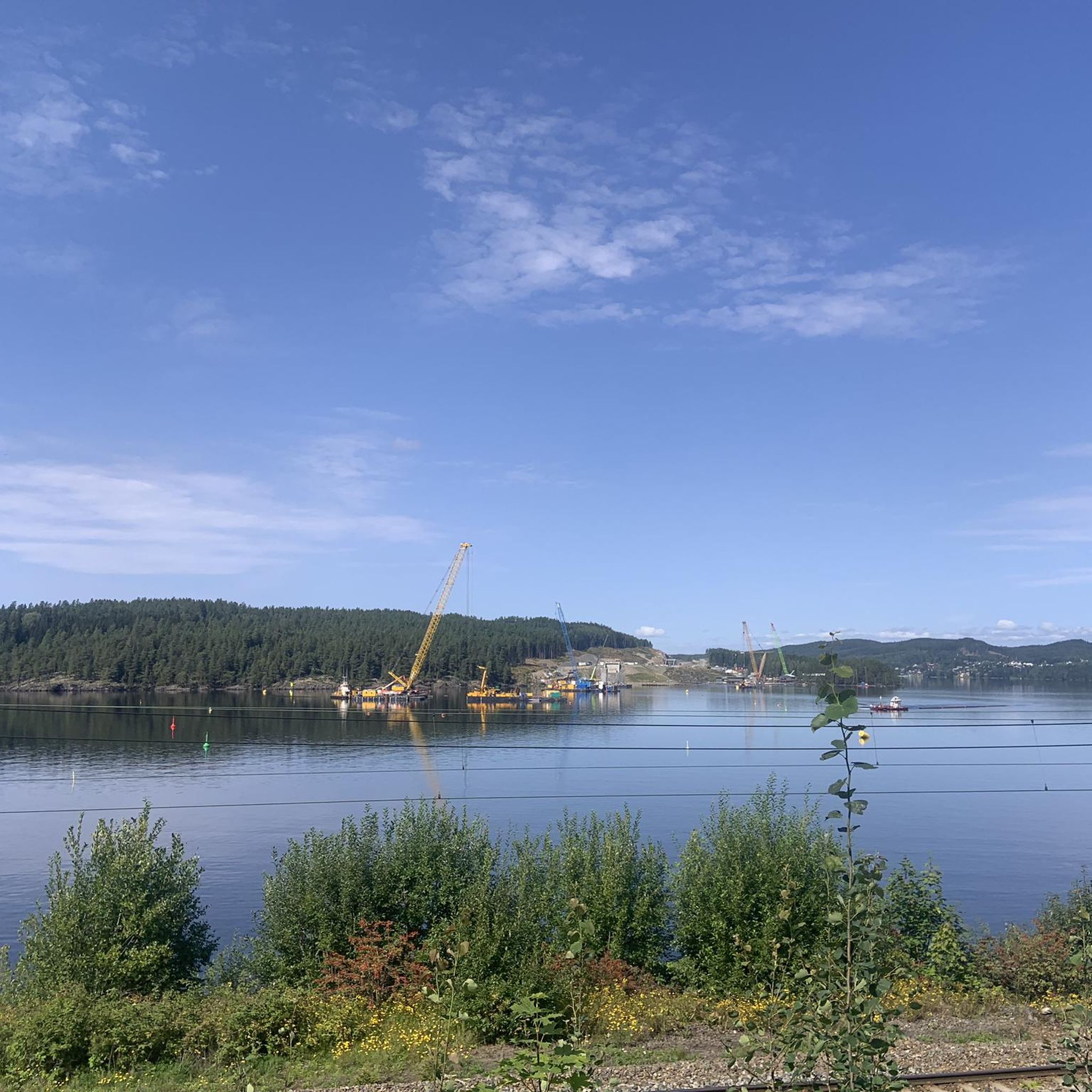
The Mjøsa Bridge offers a wide, separated cycle and footpath for a safe crossing over Norway’s largest lake. Expect strong winds on exposed days, so keep a steady line.
1
0
The Vingnes Bridge links central Lillehammer with the Vingnes peninsula across Lake Mjøsa. It’s a busy road bridge but has a separate pedestrian and cycle path, giving safe passage and fine views over the lake and town — especially at sunset.
1
0

In good weather, you can enjoy the sun or the shade
0
0
Nice place to cycle, and to stop for a moment on the bench to enjoy
0
0

Ringsaker church is a notable medieval stone church situated near the shores of Mjøsa lake. Known for its basilica form, it's a significant historical landmark in the region. It makes for the perfect excuse to have a break, observe the impressive architecture and enjoy the peaceful surroundings.
0
0

Stopping here for a drink during your bike trip is practically a necessity!
0
0
Frequently Asked Questions
What kind of terrain can I expect when touring cycling around Mjøsa?
The Mjøsa region offers a diverse cycling experience. You'll find a mix of gentle, traffic-free converted railway lines, local country lanes, and some hilly sections, particularly on the western side of the lake. The landscape is characterized by open cultural areas, rolling hills, and verdant surroundings, providing varied terrain for different fitness levels.
Are there cycling routes suitable for beginners or families in the Mjøsa region?
Yes, Mjøsa offers options for various ability levels. While the full Mjøstråkk route has varied terrain, there are easier, dedicated cycle paths perfect for families, such as the stretch from Minnesund to Tangen station. The eastern side of the lake is generally less challenging, providing more gentle rides. For a moderate option, consider the Hamar Diving Tower – Heritage Railway Station loop from Hamar, which is 28.8 km long.
How long does it typically take to cycle the full Mjøstråkk route?
The Mjøstråkk is a well-marked circular path spanning 234-241 kilometers around Lake Mjøsa. Experienced cyclists typically complete the entire loop over several days, often four to five days, covering 50-60 km daily. This allows ample time to enjoy the scenery and attractions along the way.
Are there options for more challenging touring cycling routes around Mjøsa?
Yes, for cyclists seeking a greater challenge, the Mjøsa region includes routes with significant elevation gain. For example, the Hamar Diving Tower – Nes Church loop from Hamar is a difficult 86.7 km path featuring over 1000 meters of elevation gain. Another demanding option is the Hamar Diving Tower – Vingnes Marina loop from Hamar, which covers 127.7 km with similar elevation.
What cultural and historical sites can I visit along the Mjøsa cycling routes?
The Mjøsa region is rich in history and culture. Along your ride, you can explore sites like the Hamar Cathedral Ruins (Domkirkeruinene), the Heritage Railway Station, and the historic Atlungstad Brenneri distillery. Helgøya island also offers historical gems like Hovelsrud historical gardens. Many routes, such as the Viker Church loop from Nes kirke, lead through rural areas dotted with historical churches and manor farms.
Are there scenic viewpoints or natural features to enjoy while cycling around Mjøsa?
Absolutely. The Mjøsa region is known for its breathtaking open cultural landscapes and views of Norway's largest lake. You can find stunning vistas at various points, including the View of Lake Mjøsa highlight. The Domkirkeodden Nature Monument offers a beautiful natural setting, and the Scenic segment of the Mjøstråkk route is specifically highlighted for its picturesque qualities.
Can I bring my dog on the cycling routes around Mjøsa?
While many outdoor areas in Norway are dog-friendly, specific regulations can vary. It's generally advisable to keep dogs on a leash, especially in cultural landscapes, agricultural areas, and during nesting seasons. Always check local signage or municipality websites for specific rules regarding dogs on cycle paths and in nature reserves to ensure a pleasant experience for everyone.
What facilities like cafes or accommodation are available along the Mjøsa cycling paths?
The Mjøsa region is well-equipped for touring cyclists. Along the Mjøstråkk route and other paths, you'll find ample opportunities for accommodation, ranging from hotels to guesthouses and even unique treetop cabins. There are also numerous farm shops, rural cafés, and restaurants where you can refuel and enjoy local flavors. Hamar, Lillehammer, and Gjøvik offer a wide range of services.
Is it possible to combine cycling with other activities on Lake Mjøsa?
Yes, the Mjøsa region offers a variety of activities that can be combined with cycling. A unique experience is taking a trip on the world's oldest paddle steamer in timetabled service, Skibladner, which allows cyclists to bring their bikes on board for parts of the journey. You can also enjoy swimming at spots like Koigen beach in Hamar, or try boating activities such as kayaking, canoeing, or RIB tours on the lake.
What is the best time of year for touring cycling around Mjøsa?
The best time for touring cycling around Mjøsa is typically during the warmer months, from late spring to early autumn (May to September). During this period, the weather is generally mild, and the landscapes are lush and green. This also coincides with the operating season for many attractions and services around the lake. Always check the local weather forecast before you head out.
How do other touring cyclists rate the routes around Mjøsa?
The touring cycling routes around Mjøsa are highly rated by the komoot community, with an average score of 4.5 stars from over 16 reviews. Cyclists often praise the region's varied terrain, the stunning views of the lake and cultural landscapes, and the well-maintained paths that cater to different skill levels.
Are there public transport options that can assist with cycling trips around Mjøsa?
Yes, public transport can be a convenient way to access different sections of the Mjøstråkk or to shorten your cycling trip. The region has train stations in towns like Hamar and Lillehammer, and some local buses may accommodate bikes, though it's always best to check with the specific transport provider in advance. The Skibladner paddle steamer also offers a unique public transport option for cyclists on the lake.
Most popular routes around Mjøsa
Most popular attractions around Mjøsa

Get inspired with the komoot mobile app


Explore more
Browse the best Cycling routes in other regions.
