The best volcano hikes and walks in Washington
4.7
(4277)
84,822
hikers
5
hikes
Volcano hiking trails in Washington offer a diverse range of outdoor experiences across varied terrain. The state features active volcanic peaks, alpine slopes, and extensive mountain ranges shaped by geological activity. These landscapes provide challenging ascents and panoramic views for hikers. The region's geography includes distinct ecosystems, from high-altitude volcanic environments to surrounding forests.
Best volcano hiking trails in Washington
- The most popular volcano hiking route is Mount Saint Helens Summit via Ptarmigan Trail, a 7.0 miles (11.3 km)…
Last updated: November 17, 2026
5.0
(12)
162
hikers
11.3km
07:33
1,640m
890m
Embark on the challenging Mount Saint Helens Summit via Ptarmigan Trail, a difficult route that spans 7.0 miles (11.3 km) and demands a significant elevation gain of 5388 feet (1642…
5.0
(1)
61
hikers
13.0km
09:17
2,080m
890m
Prepare for a challenging ascent on the Worm Flows Climbing Route, a difficult hike that takes you through the dynamic landscape of Mount St. Helens. You will cover 8.1 miles…

4
hikers
26.9km
14:15
2,690m
160m
Embark on an epic journey through the heart of the Glacier Peak Wilderness on the North Fork Sauk Trail to Glacier Peak. This demanding route challenges hikers with its significant…
5.0
(11)
167
hikers
Hard hike. Very good fitness required. Sure-footedness, sturdy shoes and alpine experience required.
8
hikers
19.3km
10:12
1,700m
1,700m
Hard hike. Very good fitness required. Sure-footedness, sturdy shoes and alpine experience required.
Our route recommendations are based on thousands of hikes, rides, and runs completed by other people on komoot.
Start today with a free account
Your next adventure awaits.
Popular around Washington

Volcano hikes in the Cascade Range

Volcano hikes in Cowlitz County

Volcano hikes in Gifford Pinchot National Forest

Volcano hikes in Skamania County
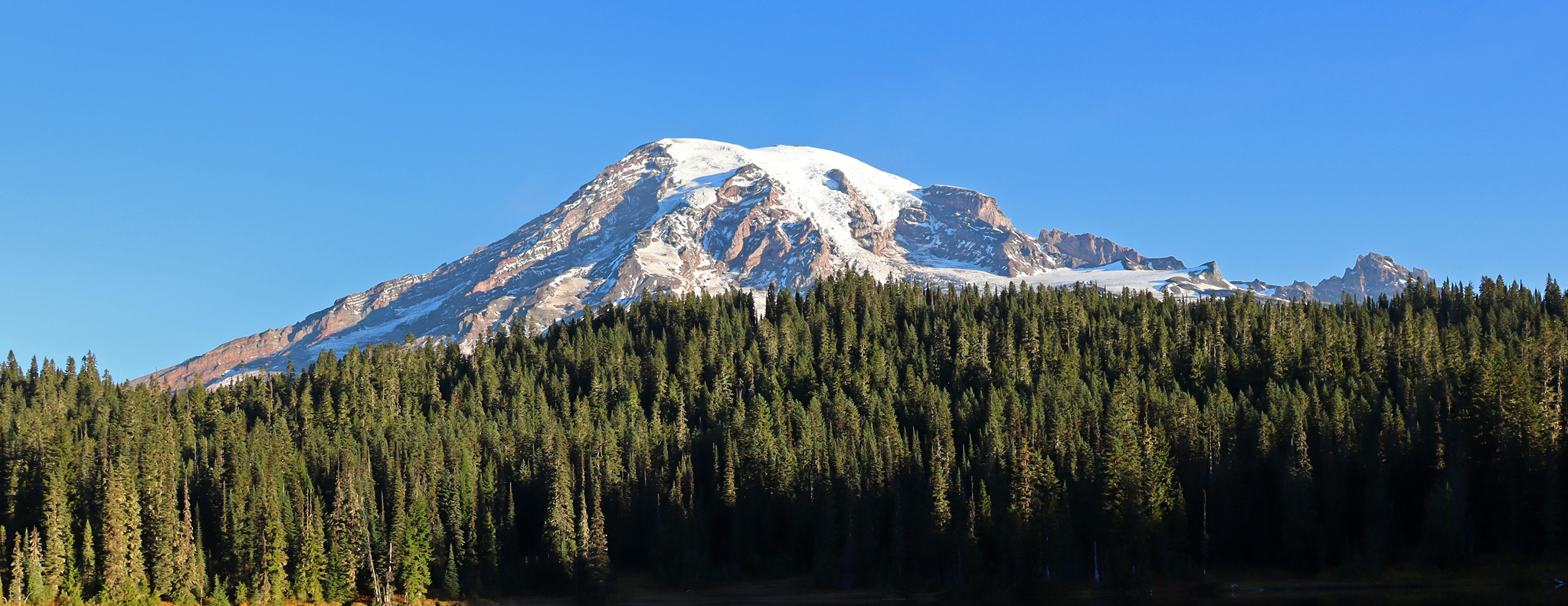
Wonderland Trail — 93 iconic miles around Mount Rainier
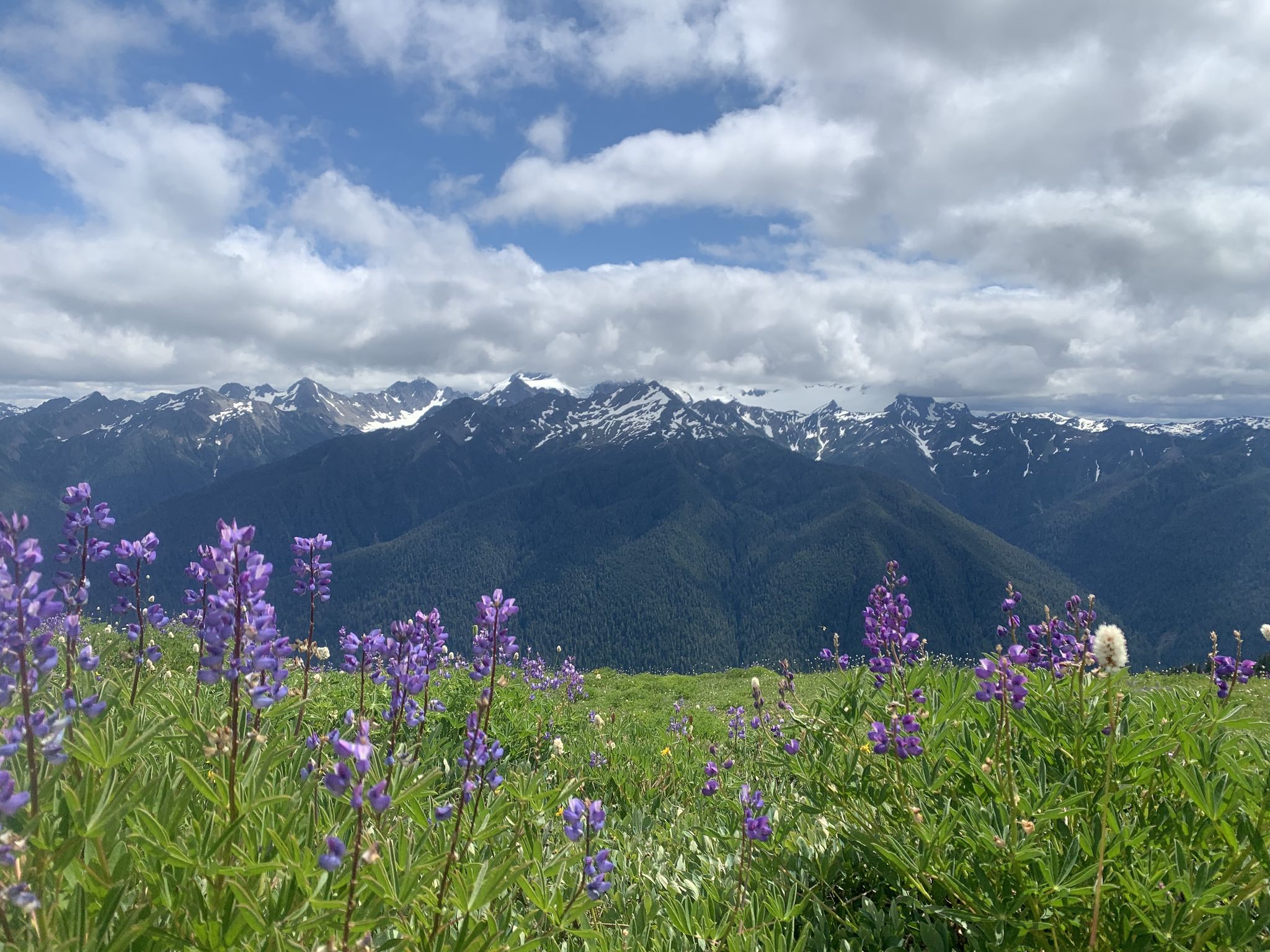
Pacific Northwest National Scenic Trail — From Alpine to Alava through the untamed Northwest

Pacific Crest Trail from Mexico to Canada – 4,200 kilometres of wilderness
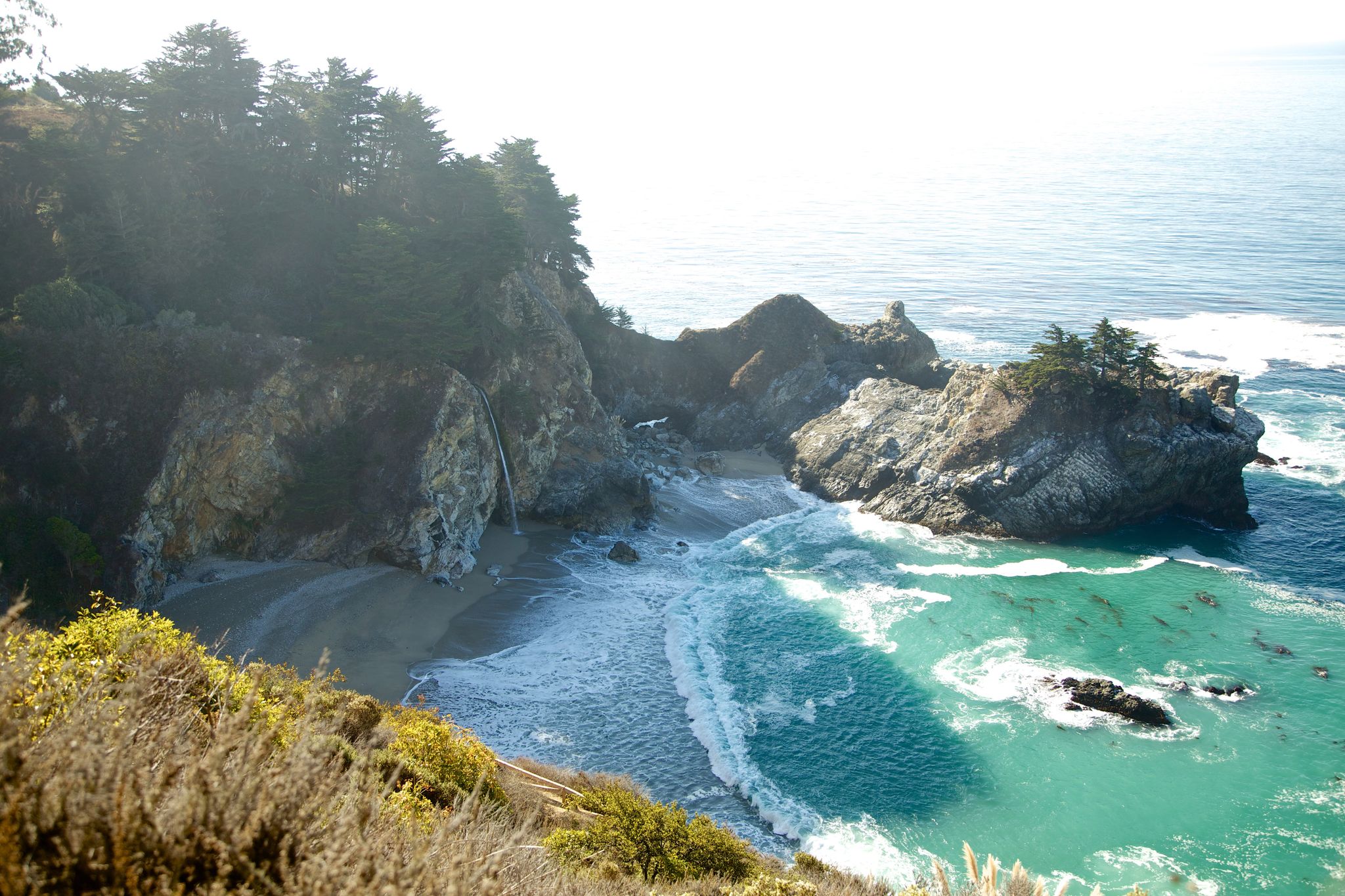
The tour of your life – music trails on the Pacific coast
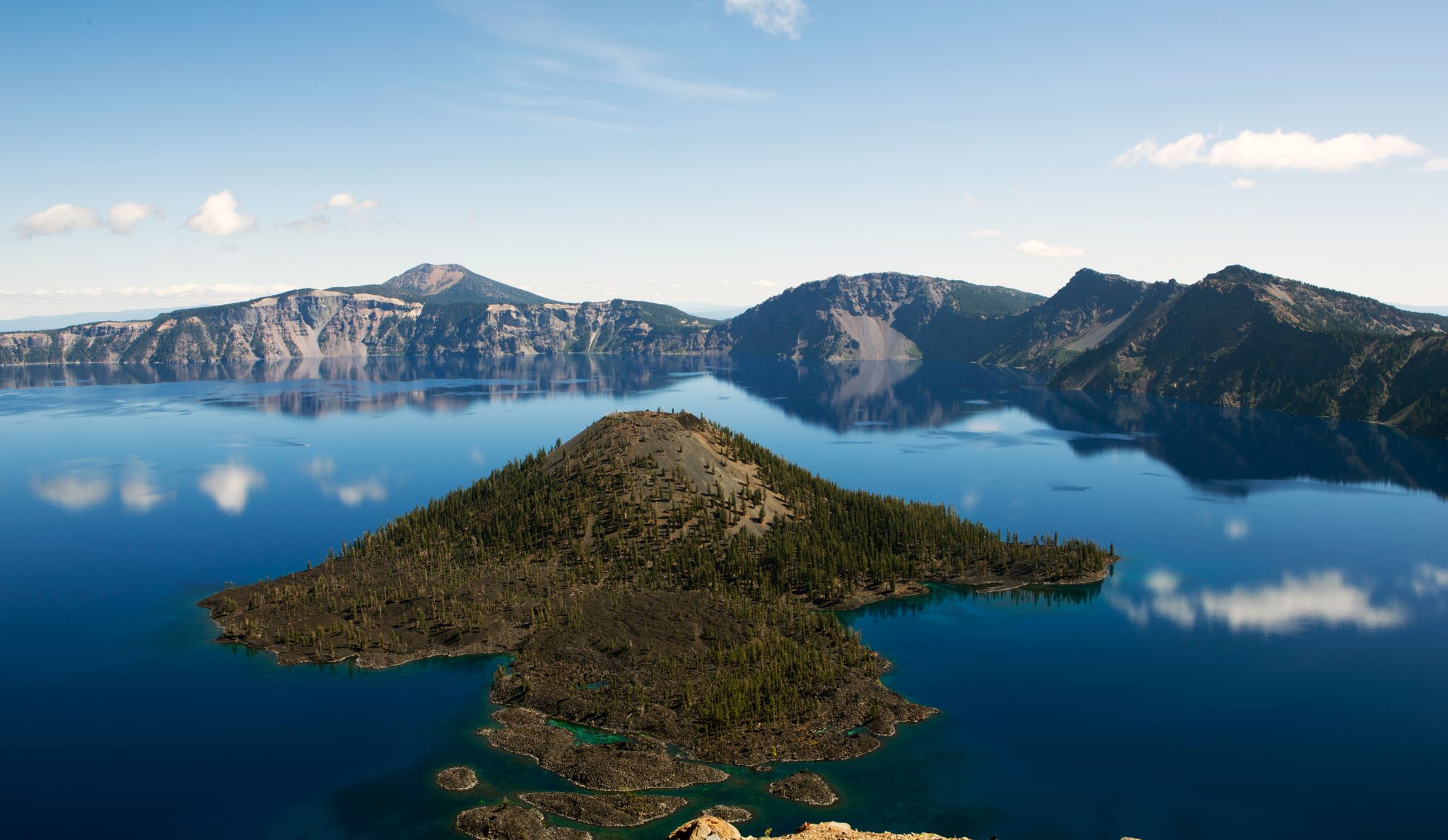
Volcanic peaks and glistening shores – discover Oregon and Washington
The pristine beauty of the US National Parks
Other adventures in Washington


Tips from the Community

https://americanluck.com/promotions/promo/login-bonus asdadasdasdada asdasd asdasdada adadsaasda
0
0

The Monitor Ridge is a challenging route up to the summit of Mount Saint Helens. Expect some climbing over volcanic rock, some sliding the closer you get to the top due to loos rock and there is no shade at all. Wooden pillars will show you the way.
2
0
On your way up to the summit of Mount Saint Helens, this is the last spot that has at least some shade. So take a short break, before you head out into the sun. This is also the boundary of the restricted area. You can hike up to this point without a permit, but to continue, you have to obtain a permit at https://www.recreation.gov/.
2
0
This is where the Ptarmigan Trail meets with the Loowit Trail and Monitor Ridge. If you plan to summit Mount Saint Helens, you continue along the rough Monitor Ridge. Keep in mind that you need a permit to do so. The Loowit Trail, however, circumfences Mount Saint Helens and leads you to the blast zone. It is 30 miles long, so it can be a great multi-day adventure. There is no permit needed to complete the Loowit Trail.
3
0
Climbers Bivouac is the main trailhead to summit majestic Mount Saint Helens. If you just hike to the base of the volcano, you can do so without a permit. But if you – like most people – want to climb this active volcano, you need to obtain a permit at https://www.recreation.gov/ in advance. There are great camping options at the trailhead. Arrive early, since it fills quickly with hikers who plan to summit the next day. The trailhead is equipped with two pit toilets.
3
0
If it is not a cloudy day, White Pass offers some great views. There are spots for at least three tents below White Mountain. This is the second White Pass along the Pacific Crest Trail.
4
0
Most people will know the name of Mount St. Helens due to the massive eruption that happened in May 1980. In that event, the top of the mountain was blasted away by the pressure that was released instantly and the north side collapsed with a gigantic landslide. Today, the volcano is still mildly active. You can see steam coming out of the crater and timelapse videos show the evolution of new cones over the years. A steep trail will lead you to the rim with some difficult terrain, the true summit is another 0.4 miles to the west. For summiting Mount St. Helens, you need to obtain a permit year round.
4
0

Frequently Asked Questions
How many volcano hiking trails are available in Washington?
Komoot offers several challenging volcano hiking trails in Washington, including routes on Mount Saint Helens and Glacier Peak. These trails are generally considered difficult, offering significant elevation gain and distance for experienced hikers.
What is the best time of year to hike Washington's volcanoes?
The best time to hike Washington's volcanic peaks is typically from late spring through early fall (June to September) when snowmelt has progressed and trails are more accessible. However, conditions can vary significantly by elevation and specific volcano. Always check current weather and trail conditions before heading out.
Are permits required for hiking volcano trails in Washington, especially for Mount St. Helens?
Yes, permits are often required for summiting certain volcanoes, particularly Mount St. Helens. For example, routes like the Mount Saint Helens Summit via Ptarmigan Trail and the Worm Flows Climbing Route require permits during peak season. It's crucial to check the specific national park or forest service websites for the most up-to-date permit requirements and reservation systems well in advance of your trip.
Are there any less crowded volcano hiking options in Washington?
While popular volcanoes like Mount St. Helens can be busy, exploring trails in areas like Glacier Peak Wilderness might offer a more secluded experience. The North Fork Sauk Trail to Glacier Peak is a challenging, longer route that can provide a sense of solitude amidst stunning alpine scenery.
Can I bring my dog on volcano hiking trails in Washington?
Dog policies vary greatly depending on the specific trail and land management agency (National Park, National Forest, State Park). While some National Forest trails may allow dogs on leash, National Parks generally restrict them to paved roads and developed areas. Always check the regulations for your chosen trail before bringing your canine companion.
What kind of flora and fauna can I expect to see on Washington's volcano trails?
Washington's diverse volcanic landscapes, shaped by the Ice Age, offer a rich variety of flora and fauna. You might encounter lush mossy forests, alpine meadows bursting with wildflowers, and even unique plant life adapted to volcanic soils. Wildlife can include deer, elk, various bird species, and smaller mammals. Higher elevations may feature more rugged, sparse vegetation.
What are some interesting natural attractions or landmarks near Washington's volcano trails?
Near the volcano trails, you can explore fascinating natural attractions. For example, the Mount St. Helens area is close to unique geological features like Ape Cave Interpretive Site, offering a chance to explore lava tubes. Other nearby highlights include Talus Rocks and the Big Four Ice Caves, though caution is advised when visiting ice caves due to potential hazards.
What gear should I prepare for a volcano summit hike like Mount St. Helens?
For challenging volcano summit hikes such as those on Mount St. Helens, proper gear is essential. This typically includes sturdy hiking boots, layers of moisture-wicking clothing, rain gear, a hat, gloves, plenty of water and food, navigation tools (map, compass, or GPS), a first-aid kit, and sun protection. Depending on the season and specific route, an ice axe and crampons may also be necessary, especially for routes like the Worm Flows Climbing Route.
Are there any circular or loop trails around Washington's volcanoes?
While many volcano trails are out-and-back to a summit, some areas offer loop options. For instance, Mount Rainier National Park, a prominent volcanic peak, features popular loop trails like the Naches Peak Loop, providing stunning views of the mountain and surrounding landscapes. Always check specific trail descriptions for loop configurations.
What do other hikers enjoy the most about hiking Washington's volcano trails?
The komoot community highly rates the hiking experiences in Washington, with an average score of 4.69 stars from over 4200 ratings. Reviewers often praise the dramatic volcanic landscapes, the challenging yet rewarding ascents, and the panoramic views from the summits. The unique geological features and diverse ecosystems also receive frequent commendation.
Are there any huts or shelters available along volcano hiking routes in Washington?
Yes, some areas near Washington's volcanoes offer huts or shelters, particularly in National Parks and Forests. For example, within Mount Rainier National Park, the Paradise Inn provides lodging, and other areas might have backcountry shelters like Canyon Creek Shelter. Always check availability and regulations for overnight stays.
What are the typical parking situations at volcano trailheads in Washington?
Parking at volcano trailheads in Washington can vary from designated lots requiring a pass (like a Northwest Forest Pass or National Park entrance fee) to more informal roadside parking. Popular trailheads, especially for routes like those on Mount St. Helens, can fill up quickly, particularly on weekends. Arriving early is often recommended, and always check for specific parking regulations and fees for your chosen trailhead.
Most popular routes in Washington
Most popular attractions in Washington

Get inspired with the komoot mobile app


Didn’t find what you were looking for?
Check out more Hikes throughout Washington below and find the perfect route in your destination.
Explore more
Browse the best Hikes in other regions.
