The best hikes from bus stations around Szczecin
4.6
(559)
6,114
hikers
302
hikes
Bus station hiking trails around Szczecin lead through a region characterized by extensive forests, numerous lakes, and diverse waterways. The landscape features low elevations, including hills, deeply cut valleys, and meandering streams, particularly within the vast Puszcza Bukowa (Beech Forest) and around scenic lakes like Głębokie and Emerald Lake. This area offers varied terrain for hikers, from dense woodlands to lakeside paths.
Best bus station hiking trails around Szczecin
- The most popular bus station hiking route is King's Gate (Brama…
Last updated: April 28, 2026
4.5
(33)
175
hikers
Easy hike. Great for any fitness level. Easily-accessible paths. Suitable for all skill levels.
4.6
(30)
120
hikers
Moderate hike. Good fitness required. Easily-accessible paths. Suitable for all skill levels.

Sign up for free
4.8
(9)
135
hikers
7.48km
01:57
50m
50m
Easy hike. Great for any fitness level. Easily-accessible paths. Suitable for all skill levels.
4.9
(8)
116
hikers
6.97km
01:58
150m
150m
Easy hike. Great for any fitness level. Easily-accessible paths. Suitable for all skill levels.
4.8
(5)
92
hikers
Easy hike. Great for any fitness level. Easily-accessible paths. Suitable for all skill levels.
Get access to more routes and recommendations from other explorers.
Sign up for free
Already have an account?
Our route recommendations are based on thousands of hikes, rides, and runs completed by other people on komoot.
Start today with a free account
Your next adventure awaits.
Login or Signup
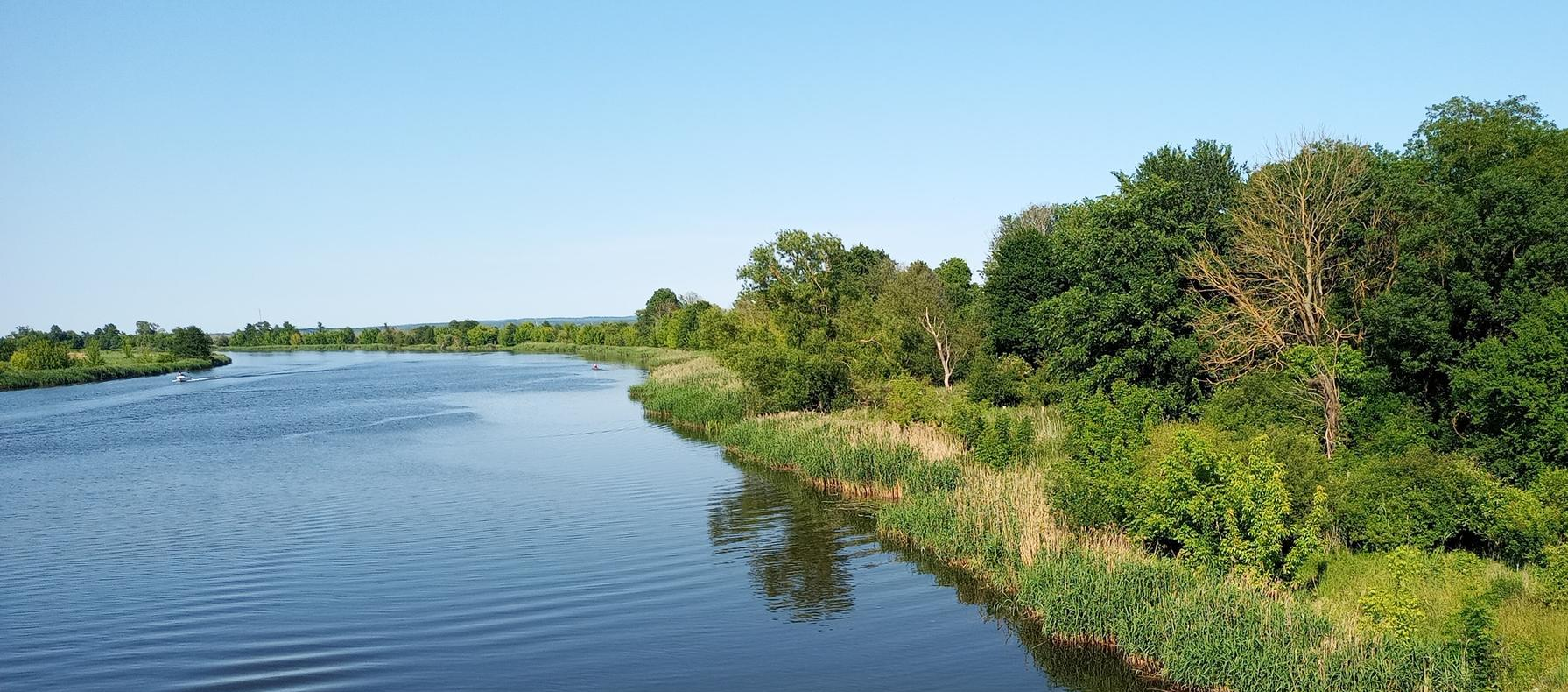
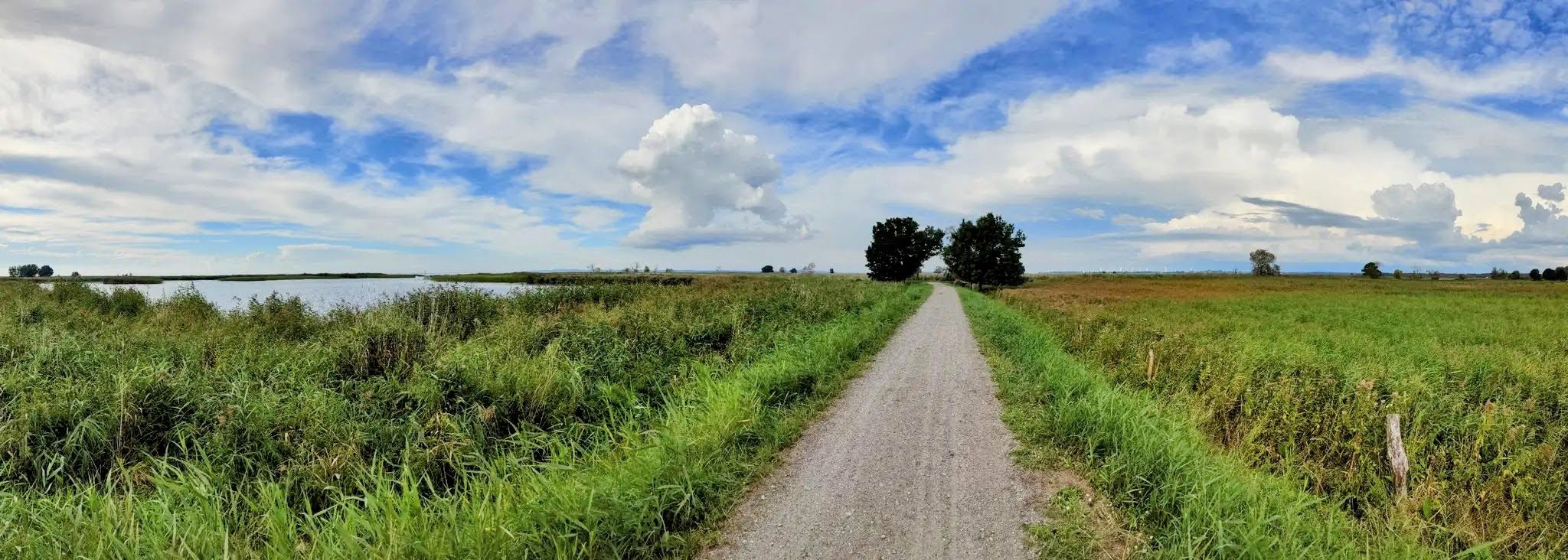
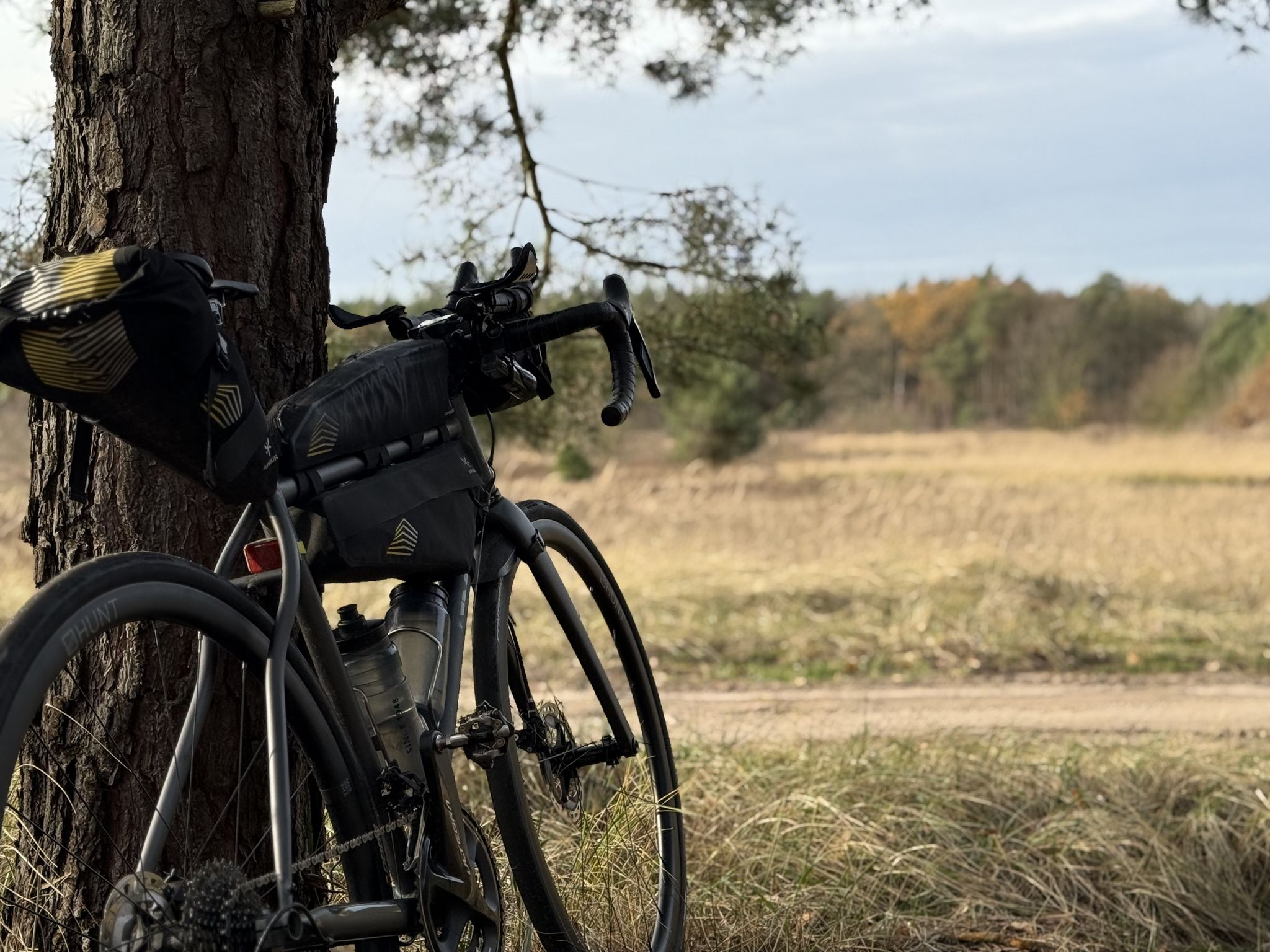
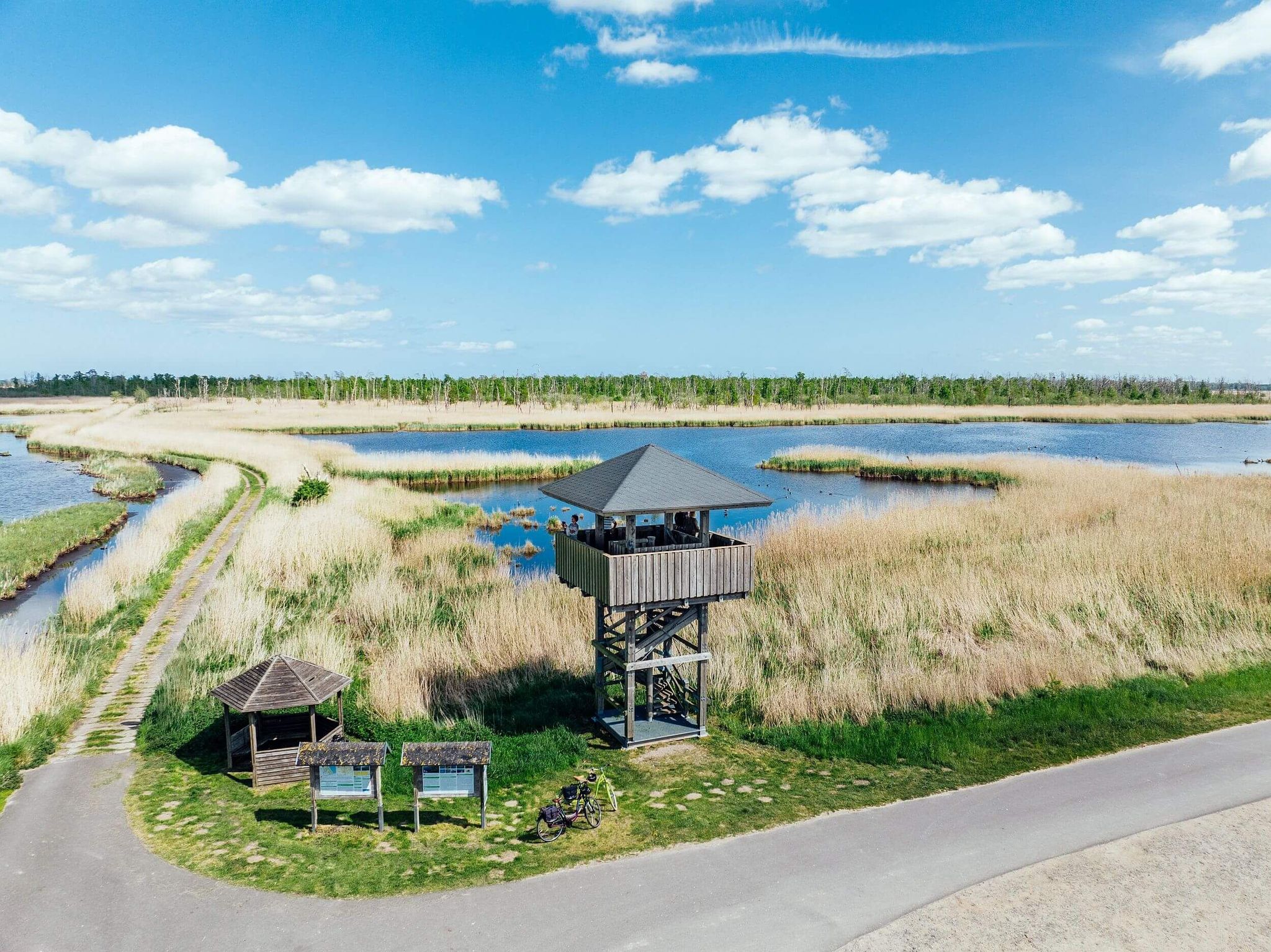
Other adventures around Szczecin


Tips from the Community

Somewhat hidden in the forest and off the path are the ruins of the former Toepffer family palace. A staircase, the remains of columns, and a few other relics are still there, giving an idea of the size of the property. The building likely had a very high standard of furnishings for its time.
1
1
An easily accessible vantage point offering a wonderful panoramic view of Szczecin. The open area in front of the vantage point also offers numerous seating areas and barbecue facilities.
1
0

Cement was already known to the ancient Romans, but it was later abandoned in construction for hundreds of years. It wasn't until the 19th century that the Englishman Joseph Aspdin reinvented it, patenting a method for producing Portland cement (its color resembled the limestone rocks of the Isle of Portland in Great Britain) in 1824. Less than forty years later, Szczecin was already one of the largest centers of the cement industry in Germany. Gustav Adolf Toepffer was largely responsible for this. He initially sought his chance to make a fortune by opening a fashion store, investing in a coconut mat factory, and breeding silkworms. However, his greatest success and fame came from the Portland cement factory "Stern," which he founded in 1862 with Heinrich Grawitz (his brother-in-law) in Zdroje. A major advantage was the convenient location of the cement plant. It was built on the site between today's ul. Batalionów Chłopskich (Champions' Battalions) and the banks of the Regalica River, near Kopalniana and Grabowa Streets. Close to the deposits of chalk, limestone, and clay mined on the slopes of the Bukowa Forest. Mine output (the most famous being the flooded chalk mine pit, the Emerald Lake) was transported to the cement plant in cable cars. Some elements of this infrastructure survive to this day (including a tunnel and a bridge). Access to the river (the factory was connected to the Regalica by a canal) guaranteed good transport conditions for the finished product, as well as the receipt of supplies from the island of Rügen (when local raw materials were slowly depleting). All this, and above all, the high quality of the award-winning product, led to the factory's rapid expansion. After the founder's death, his son, Albert Eduard Toepffer, took over management of the factory. He expanded production to include paving slabs and roof tiles. Today, he would also be called a marketing expert. He demonstrated the potential of the materials produced by "Stern" to potential buyers by building an artificial grotto in 1880 (it still exists today) and two concrete arches (one survives), upon which a Far Eastern-style music pavilion was erected. Today, almost no trace remains of the factory. After the war, it was dismantled to provide building materials for the reconstruction of Szczecin.
1
0
The building was built in 1906 on the hills of the Beech Forest near the Szczecin "Stern" cement factory. It was built by Helmut Toepffer, grandson of the founder of the Stern cement plant and the Katherinen Kreidegrub mine. Due to its location, the palace was nicknamed "Parkhaus." The residence had 30 rooms, not including utility rooms such as the kitchen and pantries. In addition to two master bedrooms and dressing rooms, the second floor contained nine guest rooms and bathrooms. The house also included a smoking room, a writing room for the ladies, a study, a winter garden, a billiards room, an East Asian-style room, and an extensive library with approximately 5,000 volumes. At the rear of the building, half of the hill was removed to accommodate an extension, which was intended to house the museum's art collection. The Renaissance Hall measured 8 meters high, 12 meters wide, and 24 meters long. The palace was brimming with art collections, and the interiors were crafted from luxurious materials. For example, the Asian room featured leopard skins, a statue of the Buddha on a lotus pedestal, and hand-painted, two-piece screens made of East Asian silk. In the dining room, the ceiling and walls were paneled with East Asian teak. The paneling featured copies of beautiful street scenes painted by the famous Spaniard Bartolomé Esteban Murillo. The large dining table, chairs, and sideboards were all made of the same wood. The palace's art collections include hundreds of volumes (often rare, long-standing, or leather-covered), and a marble copy of Michelangelo's "Moses" statue. The entire complex survived the air raids on Szczecin intact, but was looted and devastated by Russian troops. In later years, it continued to deteriorate, undeveloped and dismantled by "collectors" of building materials and timber. Today, the only remains are the Stairs leading to the Renaissance Hall where the statue of Moses stood, and scattered elements of the palace's concrete columns, as well as fragments of cornices with carved architectural details.
1
1
A former chalk and marl mine operated by the nearby "Stern" Portland cement factory, founded in 1862 and owned by the Toepffer family. In 1925, a sudden flood of groundwater through a layer of permeable sand led to the quarry's opening. The quarry quickly filled with water. People were immediately evacuated. The quarry was flooded. Emerald Lake was created, which owes its color and name to the high calcium carbonate content in the water and the reflection of light from the chalk bed. In good weather, railway wagons and even workers' tools can still be seen at the bottom of the lake. A concrete bridge, part of the railway track used to transport chalk output to the nearby cement plant, still stands near the lake today.
0
1

really great there
0
1

The Haymarket, or "Rynek Sienny" in Polish, is one of the historic squares in Szczecin. This square has a long and fascinating history dating back to the Middle Ages. Surrounded by historic buildings, shops, and restaurants, the Haymarket creates a lively atmosphere. The square, located in the heart of the city, was once an important trading center where hay and agricultural products were sold.
2
0
The Baroque Harbor Gate (Brama Portowa), with its richly decorated upper section, was formerly called the Berlin Gate. It was built between 1725 and 1727 by order of the Prussian King Frederick William after the Prussians purchased Stettin from Sweden.
2
1
Frequently Asked Questions
How many bus-accessible hiking trails are there around Szczecin?
There are over 290 hiking routes around Szczecin that are easily accessible by bus. These trails cater to various skill levels, from easy strolls to more challenging forest paths.
Are there easy hiking trails accessible by bus in Szczecin?
Yes, Szczecin offers a wide selection of easy hiking trails accessible by bus. Over 190 routes are classified as easy, perfect for a relaxed outing. An example is the King's Gate (Brama Królewska) – Post Directorate Building loop from Szczecin, which is an easy 7 km hike.
Can I find circular hiking routes starting from bus stations in Szczecin?
Absolutely. Many bus-accessible trails around Szczecin are circular, allowing you to start and end your hike at the same point. For instance, the View of Emerald Lake (Jezioro Szmaragdowe) – Groński Boulder loop from Bukowe-Klęskowo is a moderate 11.8 km circular route, and the View of Emerald Lake (Jezioro Szmaragdowe) loop from Rezerwat Zdroje offers an easy 7 km circular option.
Are the bus-accessible hiking trails around Szczecin dog-friendly?
Many of the natural areas around Szczecin, including the Wkrzańska Forest and Arkoński Forest, are generally dog-friendly. However, it's always best to keep dogs on a leash, especially in nature reserves like the Szczecin Landscape Park (Puszcza Bukowa) to protect wildlife. Always check local signage for specific regulations in protected areas.
Are there family-friendly hiking options accessible by bus in Szczecin?
Yes, the region offers numerous family-friendly trails. Areas like the Emerald Lake (Jezioro Szmaragdowe) within the Bukowa Forest are particularly popular for family hikes, featuring well-maintained paths and interesting sights. The Ruins of the Toepffer Palace – View of Emerald Lake loop from Rezerwat Zdroje is an easy 5.8 km route suitable for families.
What interesting sights or attractions can I see along bus-accessible hiking trails?
Many trails lead to or pass by notable attractions. For example, near Emerald Lake, you can find the Szmaragd Inn. Other highlights in the broader Szczecin area include the historic Pomeranian Dukes’ Castle and the Hay Market Square (Rynek Sienny). The region's natural beauty, like the striking turquoise water of Emerald Lake and the dense beech forests, are attractions in themselves.
When is the best time of year to go hiking around Szczecin?
Szczecin's diverse landscapes offer great hiking opportunities year-round. Spring brings blooming flora, while autumn showcases vibrant foliage, especially in the Beech Forest. Summer is ideal for longer days and enjoying the lakes, though some trails can be busy. Winter offers a unique, tranquil experience, especially in the snow-covered forests, but requires appropriate gear.
Are there bus-accessible hikes with good viewpoints around Szczecin?
While Szczecin's terrain is generally low, areas like the Bukowe Hills within the Szczecin Landscape Park offer elevated sections with panoramic views. The trails around Emerald Lake also provide scenic vistas of the unique turquoise water. Look for routes that traverse these forested hills for the best viewpoints.
Are there places to eat or drink near the bus-accessible hiking trails?
Yes, popular hiking areas often have facilities nearby. For instance, the Szmaragd Inn is located near Emerald Lake, offering a convenient stop. Other areas like Głębokie Lake also have cafes and restaurants. For trails within or near the city, you'll find various options for refreshments.
What do other hikers enjoy most about hiking in Szczecin?
The hiking trails around Szczecin are highly rated by the komoot community, with an average score of 4.6 stars. Reviewers often praise the diverse natural landscapes, particularly the extensive forests like Puszcza Bukowa and the unique beauty of Emerald Lake. The accessibility by public transport and the well-maintained paths are also frequently highlighted.
What kind of natural landscapes can I expect on bus-accessible hikes in Szczecin?
Szczecin is known for its diverse natural landscapes. You can expect to hike through vast forested areas like the Wkrzańska Forest and the dense Beech Forest (Puszcza Bukowa), which features deeply cut valleys and meandering streams. The region also boasts numerous lakes, such as Głębokie Lake and the striking Emerald Lake, offering picturesque waterside trails.
Most popular routes around Szczecin
Most popular attractions around Szczecin

Get inspired with the komoot mobile app


Explore more
Browse the best Hikes in other regions.
