The best hikes from bus stations around Yosemite Valley
4.7
(5004)
43,934
hikers
51
hikes
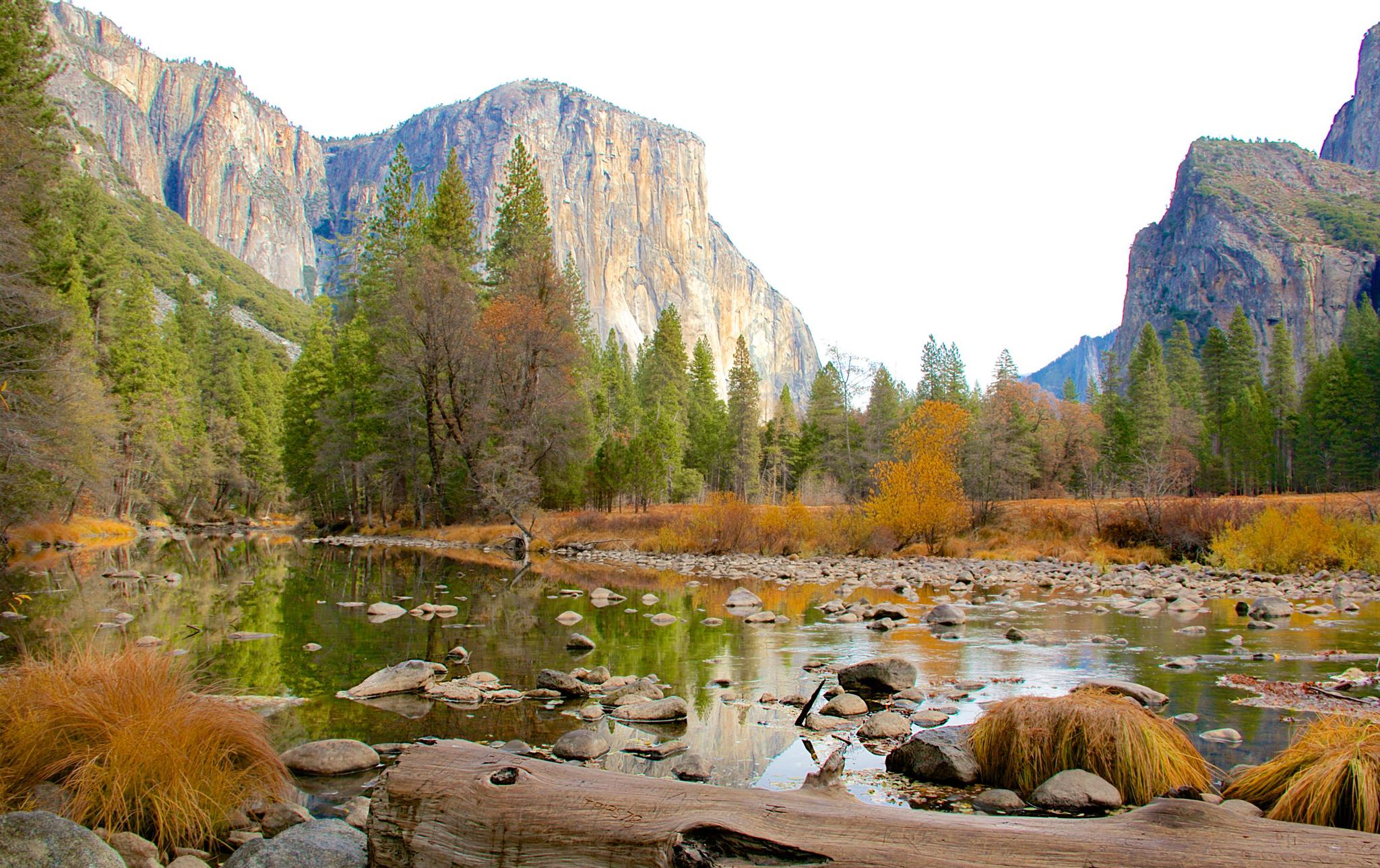
Hiking around Yosemite Valley is characterized by its dramatic glacial geology, featuring towering granite formations, powerful waterfalls, and serene river valleys. The landscape includes colossal granite monoliths like El Capitan and Half Dome, alongside the Merced River winding through lush meadows. This region offers a diverse network of bus station hiking trails, providing access to varied terrain from valley floors to challenging ascents.
Best bus station hiking trails around Yosemite Valley
- The most popular bus station hiking route is Vernal…
Last updated: July 7, 2026
4.9
(659)
5,202
hikers
13.4km
05:19
680m
680m
Hard hike. Very good fitness required. Mostly accessible paths. Sure-footedness required.
4.8
(372)
3,692
hikers
10.3km
03:50
460m
460m
Moderate hike. Good fitness required. Mostly accessible paths. Sure-footedness required.

Sign up for free
4.9
(216)
1,407
hikers
9.04km
03:41
740m
740m
Moderate hike. Good fitness required. Easily-accessible paths. Suitable for all skill levels.
4.8
(132)
1,987
hikers
7.54km
02:40
320m
320m
Moderate hike. Good fitness required. Mostly accessible paths. Sure-footedness required.
4.7
(150)
1,110
hikers
10.3km
02:43
100m
100m
Moderate hike. Good fitness required. Mostly accessible paths. Sure-footedness required.
Get access to more routes and recommendations from other explorers.
Sign up for free
Already have an account?
Our route recommendations are based on thousands of hikes, rides, and runs completed by other people on komoot.
Start today with a free account
Your next adventure awaits.
Login or Signup


Tips from the Community

The Mist Trail is much easier to hike uphill in early summer (snowmelt) than downhill because it becomes very slippery. Instead of returning the same way, it's recommended to head a little further upstream, turning right, onto the John Muir Trail—not only because of the slippery descent, but also because this leads to the best vantage point for Vernal Falls (marked on the map). Especially when the Merced River is full, the view is spectacular. The descent on the John Muir Trail is then much easier. Warning for photographers: During snowmelt, only take photos in the "splash zone" with a truly waterproof (submersible!) camera—and pack any other camera in a completely waterproof bag beforehand and only unpack it again at the top. Several careless camera owners have destroyed their equipment on this trail. I once heard a man at the top complaining about a broken Hasselblad – it was in his backpack, but obviously not completely waterproof. The fine mist penetrates everywhere, and even with a rain jacket, you end up wet like you've just taken a shower. On warm summer days, the trail is extremely crowded, with several thousand visitors on just a few kilometers of trail.
0
1
In summer, the most crowded trail in the entire park begins here. It's actually only bearable during the week in the off-season, but on summer weekends, several thousand people are spread out over just a few kilometers of trail.
0
0

It's worth it... but don't stop at the beach right away; instead, continue walking up. From here, you'll have a fantastic view of the mountains and their reflections.
0
0

You get really wet when you go up the steps at Verna Fall
0
0

Very nice for cooling your legs and nice for a picnic
0
0

Beautiful view of a magnificent panorama
0
0
It is important to consider the time of year. In late summer/autumn, the waterfall often no longer has any water...
0
0
When the waterfall is full of water, it is certainly very impressive. Unfortunately, it is not that way all year round. So it is better to check beforehand...
0
0
Frequently Asked Questions
How many bus station hiking trails are available in Yosemite Valley?
There are nearly 60 hiking trails in Yosemite Valley that are accessible directly from bus stations. These routes cater to various fitness levels, with 24 easy, 20 moderate, and 14 difficult options available.
Are there any family-friendly hikes accessible by bus in Yosemite Valley?
Yes, Yosemite Valley offers several family-friendly options accessible via the bus system. For a relatively easy and scenic walk, consider the Lower and Upper Mirror Lakes loop from Valley Shuttle Stop #15. This moderate route has minimal elevation gain and offers beautiful views of the surrounding granite formations.
What are some of the most scenic waterfalls accessible from bus stops?
Yosemite Valley is renowned for its powerful waterfalls. From bus stops, you can access trails leading to several impressive falls. The Mist Trail to Vernal Fall is a popular moderate hike, allowing you to experience the refreshing spray of Vernal Fall up close. For a more challenging adventure, the Vernal and Nevada Falls via Mist Trail continues to the majestic Nevada Fall.
Can I find circular routes near bus stations in Yosemite Valley?
Absolutely. Many trails accessible from bus stations offer circular options, allowing you to experience diverse scenery without retracing your steps. A great example is the Vernal Fall and Clark Point Loop via Mist Trail and John Muir Trail, a moderate hike that provides varied perspectives of the falls and surrounding valley.
What kind of natural landmarks can I expect to see on these bus-accessible trails?
The bus-accessible trails in Yosemite Valley offer incredible views of its iconic granite formations and waterfalls. You'll encounter sights like the towering Half Dome Summit, the impressive El Capitan Summit, and the dramatic Sentinel Dome. Many routes also provide panoramic vistas of the valley's U-shaped topography, sculpted by ancient glaciers.
What is the best time of year to hike these bus-accessible trails?
The best time to hike in Yosemite Valley, especially to see the waterfalls at their most powerful, is during spring snowmelt (typically April to June). However, the valley offers stunning beauty year-round. Summer provides warm weather for high-country access, while autumn brings vibrant foliage. Winter offers a serene, snow-covered landscape, though some trails may be closed or require special gear.
Are there any challenging hikes accessible by bus for experienced hikers?
Yes, for experienced hikers seeking a challenge, the Vernal and Nevada Falls via Mist Trail is a difficult route that ascends over 670 meters, offering a strenuous but rewarding experience with breathtaking waterfall views. Another demanding option is the Upper Yosemite Fall Trail, which climbs over 730 meters to the top of one of North America's highest waterfalls.
What do other hikers say about the bus station trails in Yosemite Valley?
The komoot community highly rates the hiking experience in Yosemite Valley, with an average score of 4.7 out of 5 stars from over 4,900 reviews. Hikers frequently praise the unparalleled scenic beauty, the dramatic granite formations, and the accessibility of many trails via the valley's bus system, making it easy to explore without a car.
Are there any permits required for bus-accessible hikes in Yosemite Valley?
While many bus-accessible trails in Yosemite Valley do not require specific permits for day hiking, certain iconic routes, such as the Half Dome cable route, do require a permit. It's always advisable to check the official National Park Service website for the most current information on permits and regulations before your visit. You can find general planning information at nps.gov.
Can I spot wildlife on trails accessible from bus stops?
Yosemite Valley is rich in wildlife, and many bus-accessible trails offer opportunities for spotting various animals. Keep an eye out for deer, squirrels, and a wide array of bird species. If you're lucky, you might even catch a glimpse of black bears, though it's crucial to maintain a safe distance and never feed them. Early mornings and late evenings are often the best times for wildlife viewing.
What are some less crowded bus-accessible hikes in Yosemite Valley?
While Yosemite Valley can be popular, especially during peak season, some bus-accessible trails tend to be less crowded than the most famous ones. Exploring trails further away from the main visitor centers or opting for longer, more strenuous routes can often lead to a more solitary experience. Additionally, hiking early in the morning or later in the afternoon can help avoid the busiest times.
Most popular routes around Yosemite Valley
Most popular attractions around Yosemite Valley

Get inspired with the komoot mobile app


Explore more
Browse the best Hikes in other regions.
