The best traffic-free bike rides around Lugo
4.5
(15)
233
riders
27
rides
No traffic gravel bike trails around Lugo traverse a diverse landscape, offering a mix of paved and untarmacked surfaces. The region features picturesque river valleys, peaceful forests, and expansive farmlands. Riders can also explore mountainous areas with significant elevation gains and sections of historic Roman roads. This varied terrain provides options for different skill levels, from moderate to challenging rides.
Best no traffic gravel bike trails around Lugo
- The most popular no traffic gravel bike trail is View of the…
Last updated: October 10, 2026
5.0
(1)
8
riders
147km
10:09
2,710m
2,710m
Hard gravel ride. Very good fitness required. Mostly paved surfaces. Suitable for all skill levels.
5.0
(1)
8
riders
46.4km
03:18
710m
710m
Hard gravel ride. Very good fitness required. Mostly paved surfaces. Suitable for all skill levels.

2
riders
66.5km
05:44
1,430m
1,430m
Hard gravel ride. Very good fitness required. Mostly paved surfaces. Suitable for all skill levels.
5
riders
55.2km
04:25
1,130m
1,130m
Hard gravel ride. Very good fitness required. Mostly paved surfaces. Suitable for all skill levels.
6
riders
36.1km
02:36
480m
480m
Hard gravel ride. Very good fitness required. You may need to push your bike for some segments of this route.
Get access to more routes and recommendations from other explorers.
Already have an account?
Our route recommendations are based on thousands of hikes, rides, and runs completed by other people on komoot.
Start today with a free account
Your next adventure awaits.
Popular around Lugo

Traffic-free bike rides around Lugo

Traffic-free bike rides around O Corgo

Traffic-free bike rides around Outeiro De Rei

Traffic-free bike rides in Miño-Neira
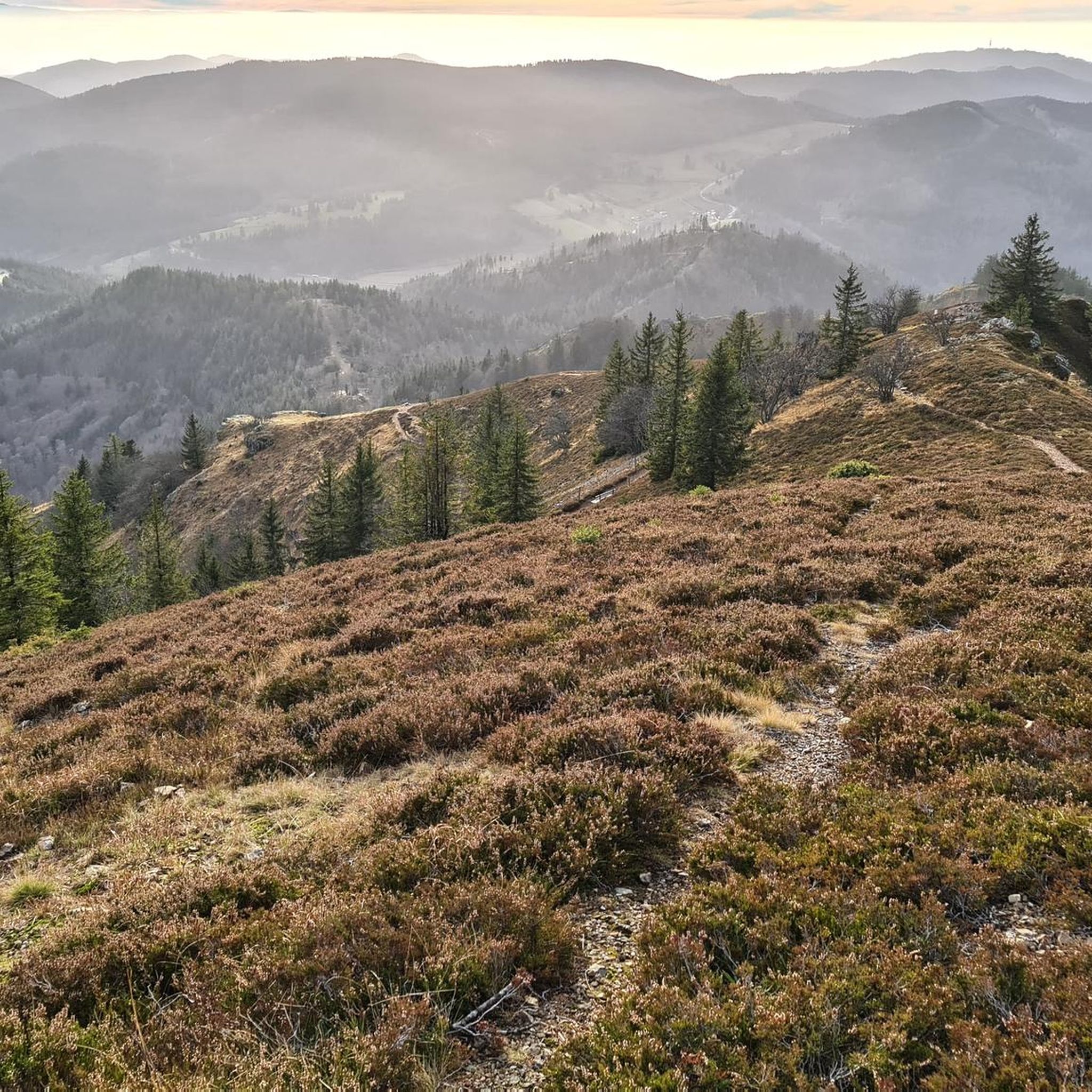
Traffic-free bike rides around Castroverde

Traffic-free bike rides around Guntín
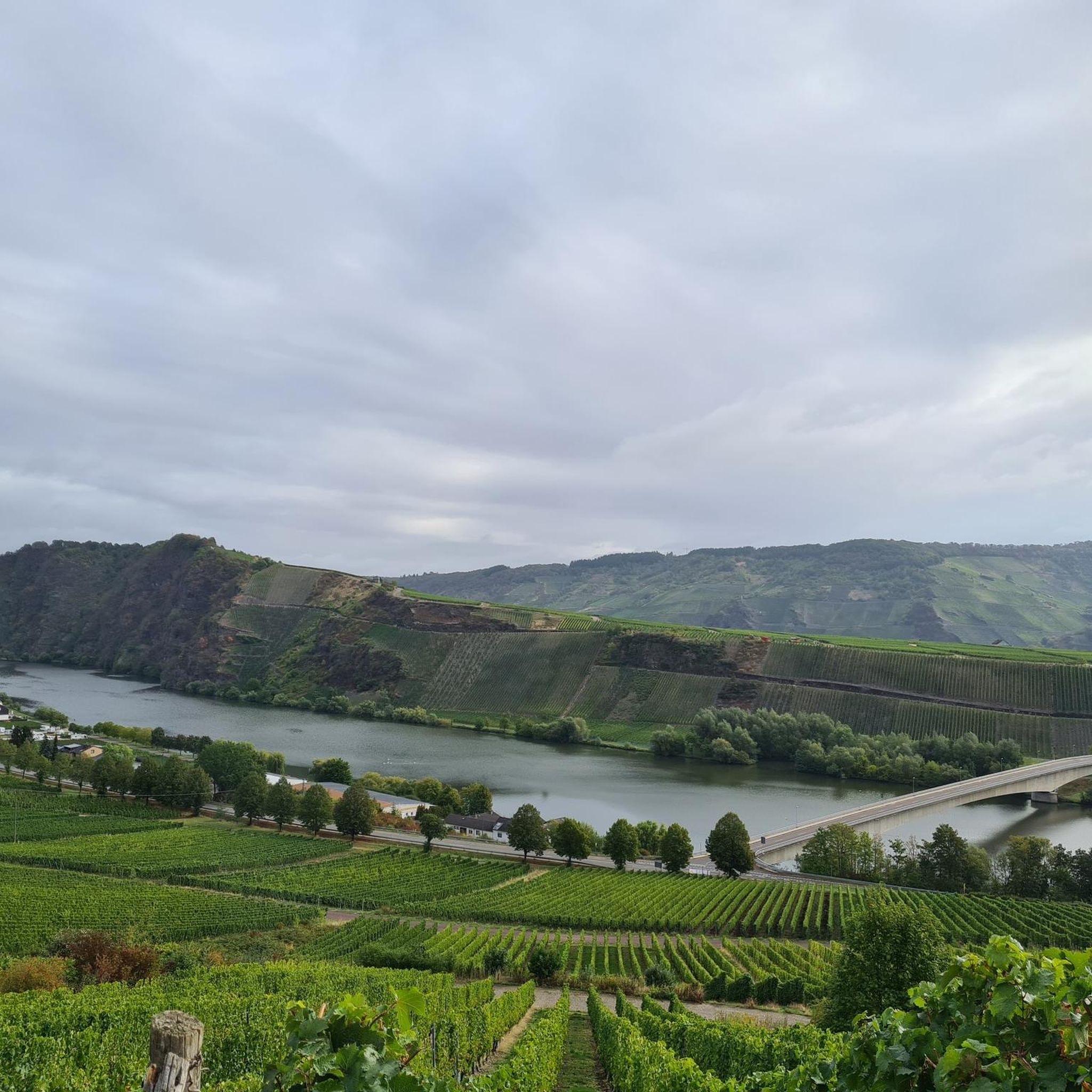
Traffic-free bike rides around Friol
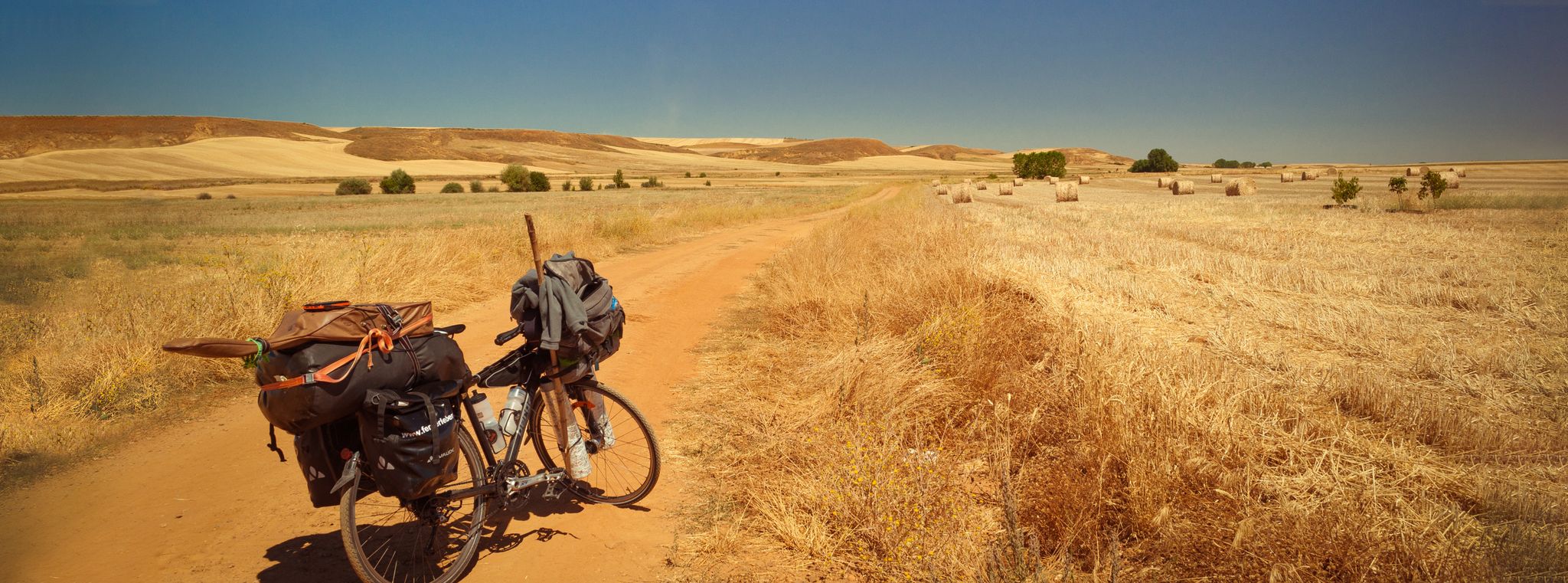
Camino Francés and Camino Finisterre – Cycling pilgrimages in Spain
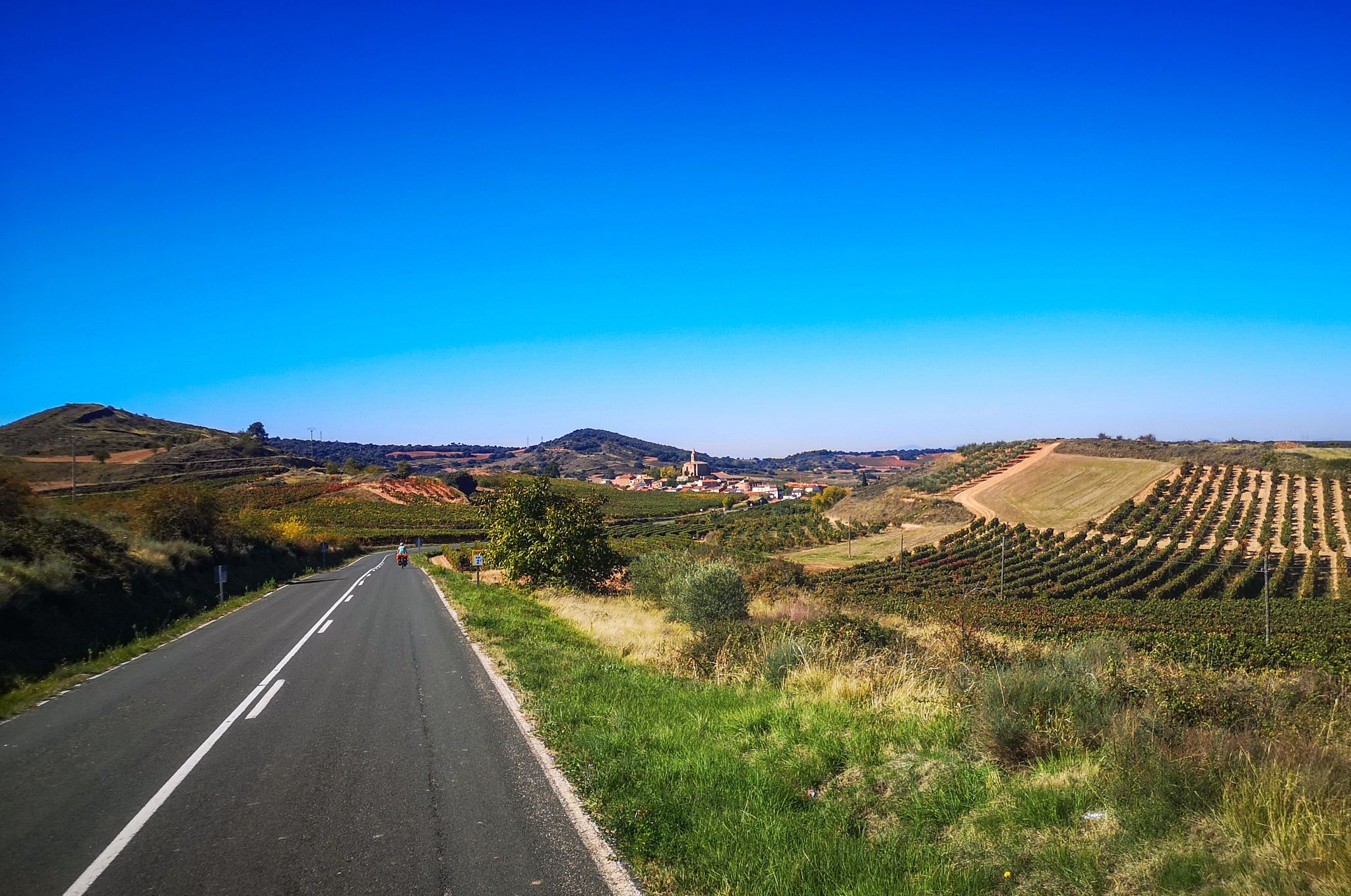
Santiago de Compostela – A journey through northern Spain (10 days)
Camino del Norte – 15 stages
Other adventures around Lugo


Tips from the Community

In June 2026, His Holiness Pope Leo XIV undertook a pastoral visit to Spain and, in his address, naturally referred to the national saint SANTIAGO MAJOR. He spoke of: 'a journey in several stages, each of which will show an aspect of the multifaceted nature of a great country that has embraced the word of the Gospel for almost two millennia. Tradition has always associated the first evangelization of the Iberian Peninsula with the preaching of the Apostle James the Greater. This connection is of considerable theological significance, as it expresses the local Church's awareness of being in continuity with the apostolic mission emanating from the event of Pentecost. The ancient connection between the Christian faith and this land... has profoundly shaped its culture and represents a source of hope and guidance amidst the challenges that we, as a human family, must face together today.'
0
0

Located at the entrance to Triacastela, this wooden sculpture depicts a classic pilgrim with a staff, cloak, and hat. It's one of the most photographed spots on the Camino as it passes through this town. A work of local craftsmanship, it pays homage to the thousands of pilgrims who have passed through this historic Galician village, which was one of the first documented stops on the Camino de Santiago route. A good excuse to stop, stretch your legs, and take a symbolic photo before entering the town. From here, decide whether to continue along the San Xil route (shorter and more mountainous) or the Samos route (longer and with a monastery). Both routes are beautiful, but very different.
0
0

Contrary to what the name suggests, this was not the king's palace or residence. It's a lovely little place and good for a break.
1
2

Romanesque church dating from the last third of the 12th century with later alterations. Only the main entrance and part of the façade remain of the original design. It has a Latin cross plan with a rectangular nave, two side chapels, and a pentagonal presbytery. The walls are made of masonry and granite ashlars, and the roof is covered with two- and four-sided tiles. The entrance is Romanesque and features a rounded arch with two archivolts, coved arches, an outer band of truncated spires, and decorated capitals. The tympanum is plain on quoins. The altarpiece in the main chapel is neoclassical.
1
1

It is a fortress-church dedicated to St. Nicholas
4
0

Portomarín, in the province of Lugo, is an emblematic stop on the French Way of St. James. However, its history is even more fascinating. The original Portomarín was buried by the waters of the Miño River in 1963 due to the construction of the Belesar reservoir in Chantada. The residents had to choose between money or a house in the new town. Although the old town was declared a Historic-Artistic Site in 1946 and its San Juan church a National Monument in 1931, the arrival of General Franco and the president of Fenosa, Pedro Barrié de la Maza, sealed its fate in favor of the electrical business. I hope you enjoy exploring this place full of history and beauty! 😊
7
0

Frequently Asked Questions
How many traffic-free gravel bike trails can I find around Lugo?
Lugo offers a selection of 18 traffic-free gravel bike trails, providing a diverse range of experiences. While there are no routes specifically rated as 'easy' in this collection, you'll find 6 moderate and 12 difficult options, ensuring a suitable challenge for various skill levels. These routes traverse Lugo's varied terrain, from peaceful forests to historic Roman roads.
What kind of terrain can I expect on the traffic-free gravel bike trails in Lugo?
The traffic-free gravel bike trails in Lugo feature a rich variety of terrain. You'll encounter a mix of paved and untarmacked surfaces, including natural tracks, rural roads, and even sections of the historic Camino Primitivo. Expect to cycle through serene forests, expansive farmlands, and picturesque river valleys like the Miño, with some routes offering significant elevation gains in mountainous areas for more challenging rides.
Are there any challenging traffic-free gravel bike routes for experienced riders in Lugo?
Yes, Lugo is well-suited for experienced gravel bikers seeking a challenge. Out of the 18 available traffic-free routes, 12 are rated as difficult. For instance, the Sobrado Lagoon – Sobrado dos Monxes Monastery loop from Sobrado is a demanding 118 km route with over 1700 meters of elevation gain. Another challenging option is the Portomarín – Hórreo loop from A Pobra de San Xiao, covering nearly 147 km with over 2700 meters of ascent.
What historical or natural attractions can I see along the traffic-free gravel bike trails?
Many traffic-free gravel bike trails in Lugo integrate the region's rich history and natural beauty. You might encounter sections of the ancient Roman Walls of Lugo or ride along parts of the historic Camino Primitivo. Natural highlights include the San Jorge de Aguasantas Fountain and the Penedos de Casacamiño. You can also discover man-made monuments like the Portomarín Bridge or the 100 km Marker on the Camino de Santiago.
Are there any circular traffic-free gravel bike routes available?
Yes, many of the traffic-free gravel bike routes around Lugo are designed as circular loops, allowing you to start and end at the same point. Examples include the View of the Chanca Viaduct – Ponte da Chanca Viaduct loop from Lugo, which offers a scenic ride, and the Lakes of Teixeiro – Ermita del Carmen de Vilabade loop from Castroverde, taking you through diverse landscapes.
What is the best time of year for gravel biking in Lugo?
Lugo offers good gravel biking opportunities throughout much of the year. Spring and autumn generally provide the most pleasant temperatures and vibrant scenery. Summer can be warm, but routes through forested areas or along river valleys offer shade. Winter riding is also possible, though some higher elevation areas might be more challenging due to weather conditions.
Are there any traffic-free gravel routes that pass through villages or offer amenities like cafes?
While specific amenities like cafes are not detailed for every route, many trails in Lugo pass through or near rural villages and historical towns, especially those that incorporate sections of the Camino de Santiago. These locations often provide opportunities for refreshments and local experiences. For example, the Portomarín – Hórreo loop from A Pobra de San Xiao connects historical points, likely offering access to local services.
What do other gravel bikers say about the traffic-free trails in Lugo?
The komoot community highly rates the gravel biking experience in Lugo, with an average score of 4.6 out of 5 stars. Reviewers often praise the region's diverse landscapes, the tranquility of the traffic-free routes, and the unique blend of natural beauty with historical elements like the Camino Primitivo sections. The challenging nature of many trails is also frequently highlighted as a positive for experienced riders.
Are there any traffic-free gravel routes suitable for a longer day trip, around 50-60 km?
Yes, Lugo has several traffic-free gravel routes that fit this distance range. The Lakes of Teixeiro – Ermita del Carmen de Vilabade loop from Castroverde is approximately 66 km, offering a substantial ride. Another option is the Alto da Baqueriza – Cádavo, Baleira loop from Castroverde, which is around 55 km and provides a good day's adventure through varied terrain.
Can I access these traffic-free gravel trails using public transport?
While specific public transport access points for each trail are not detailed, Lugo city itself is a transport hub. Many routes start from or near towns like Lugo or Castroverde, which may have bus connections. For routes starting in more remote areas, personal transport to the trailhead might be necessary. It's advisable to check local public transport schedules for specific starting points.
What are some unique natural features I might encounter on these trails?
Beyond the general landscapes, you might discover specific natural monuments and features. For instance, the Ancient tree on the Camino Francés, just after Sarria is a notable landmark. You could also ride through a Misty Forest With Ivy-Covered Willows, offering a truly immersive natural experience.
Most popular routes around Lugo
Most popular attractions around Lugo

Get inspired with the komoot mobile app


Didn’t find what you were looking for?
Check out more Gravel rides throughout Lugo below and find the perfect route in your destination.
Explore more
Browse the best Gravel rides in other regions.
