Attractions and Places To See around Nadwiślański Park Krajobrazowy - Top 20
Best attractions and places to see around Nadwiślański Park Krajobrazowy, located in the Kuyavian-Pomeranian Voivodeship, Poland, preserves the landscape and cultural heritage of the Lower Vistula Valley. Spanning over 33,306.5 hectares, primarily on the left bank of the Vistula River, the park acts as an ecological corridor. It features diverse natural characteristics of the Vistula River and encompasses several nature reserves protecting unique ecosystems. The region also includes historical landmarks and cultural sites.
Best attractions and places to see around…
Last updated: July 15, 2026
Ostromecko Palace and Park Complex
Highlight • Historical Site
Translated by Google •
Tip by

Gen. Stanisław Skalski Bridge in Chełmno
Highlight • Bridge
Translated by Google •
Tip by

Sign up now to discover places like this
Get recommendations on the best single tracks, peaks, & plenty of other exciting outdoor places.
Sign up for free
Świecie Castle
Highlight • Castle
Translated by Google •
Tip by

Fordon Bridge (Rudolf Modrzejewski Bridge)
Highlight • Bridge
The passage is narrow - two bicycles will fit, but close together.
Translated by Google •
Tip by

Church of the Nativity of the Blessed Virgin Mary in Czarże
Highlight • Religious Site
Translated by Google •
Tip by

Sign up for free to discover even more attractions around Nadwiślański Park Krajobrazowy.
Sign up for free
Already have an account?
Start today with a free account
Your next adventure awaits.
Login or Signup
Popular around Nadwiślański Park Krajobrazowy
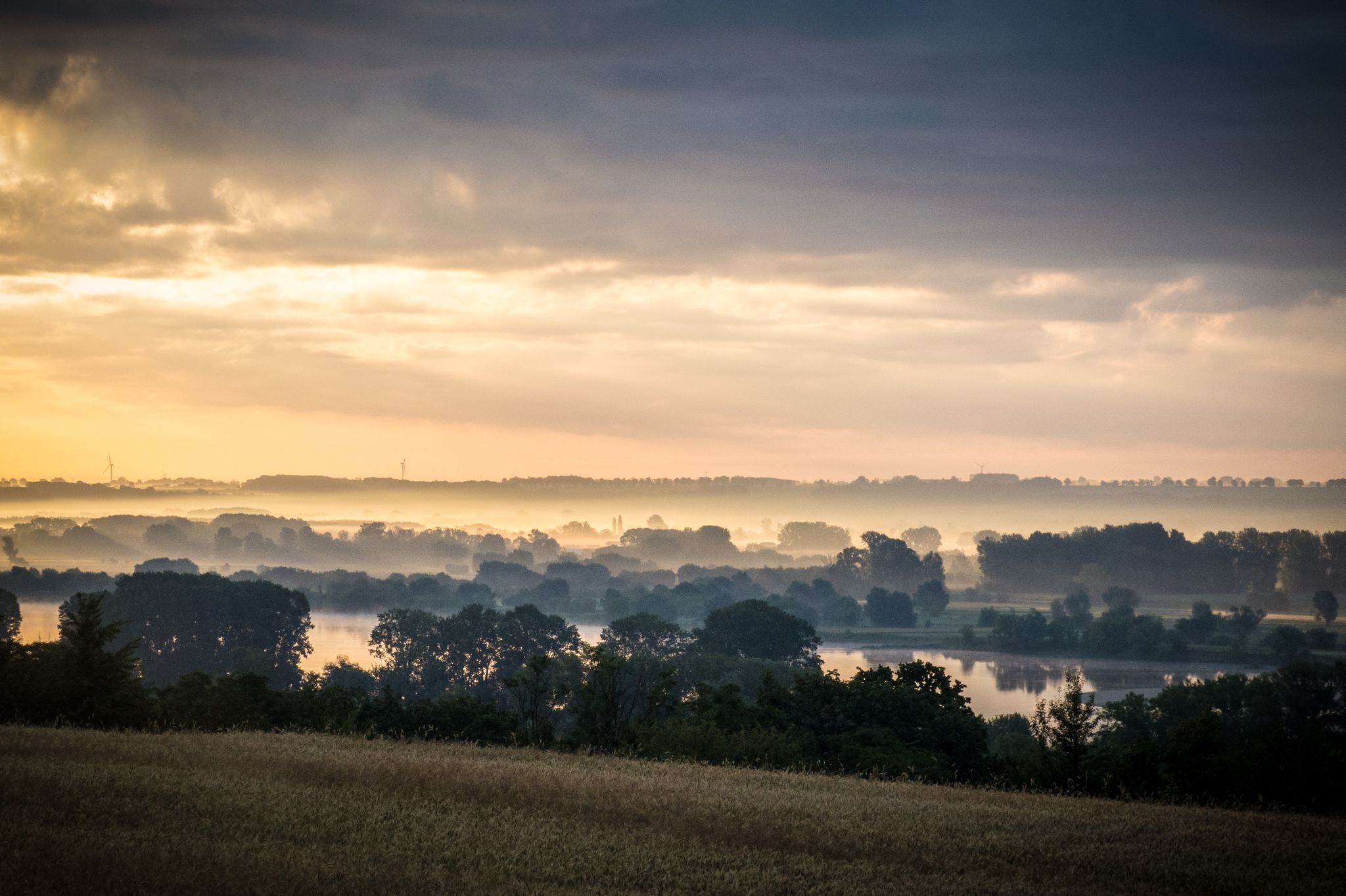
EuroVelo 9 – The Amber Route from the Baltic to Adriatic Sea
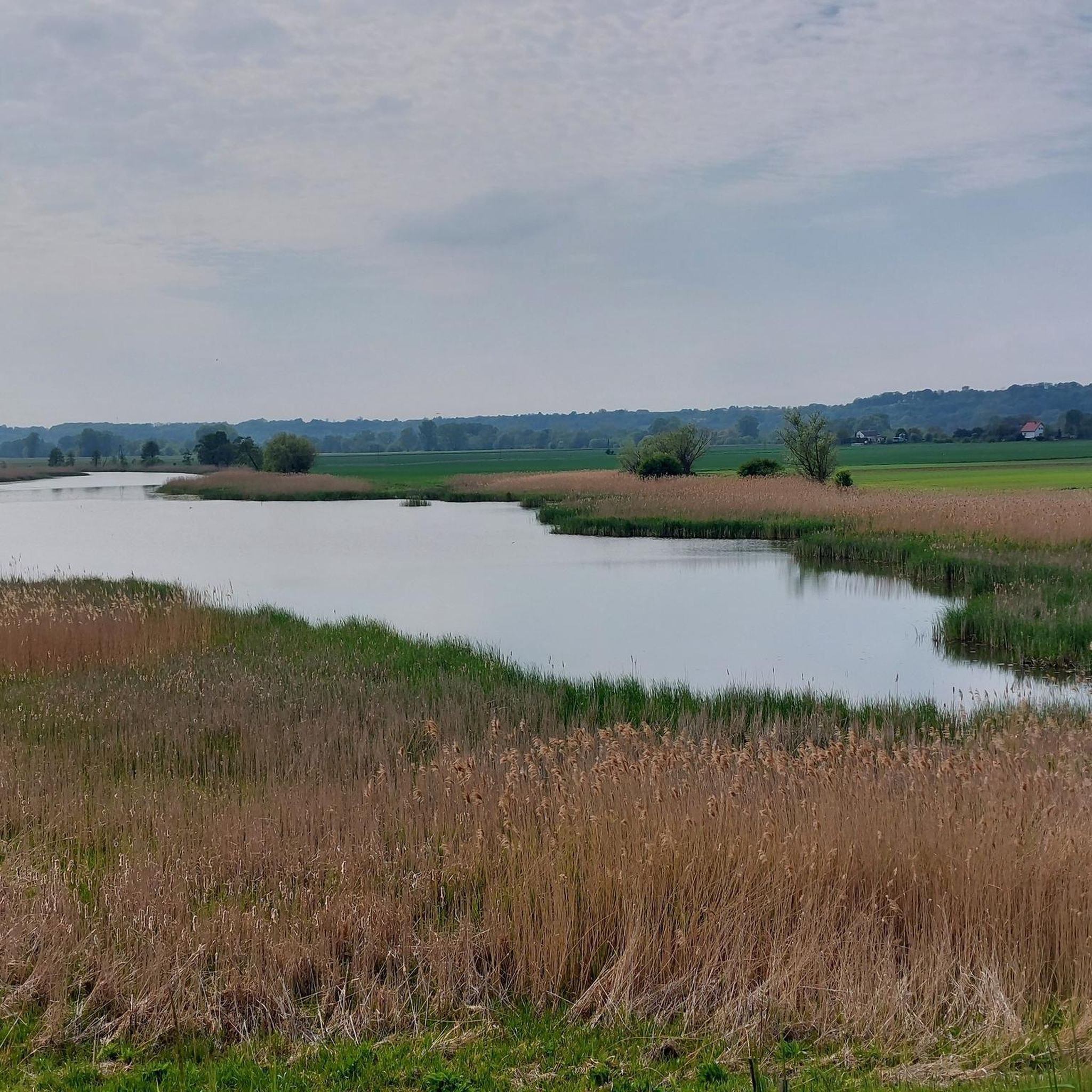
Cycling around Nadwiślański Park Krajobrazowy
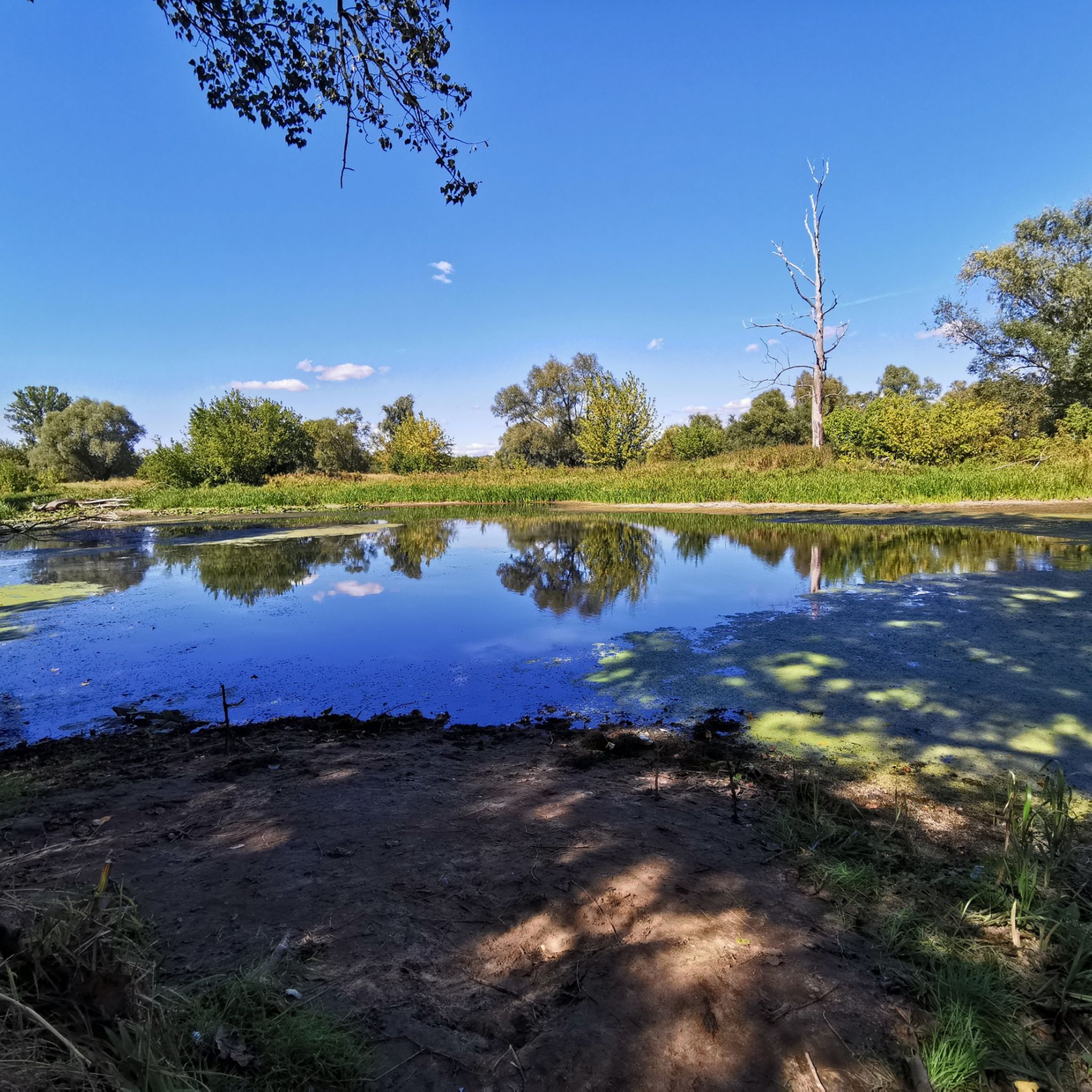
Road Cycling Routes around Nadwiślański Park Krajobrazowy
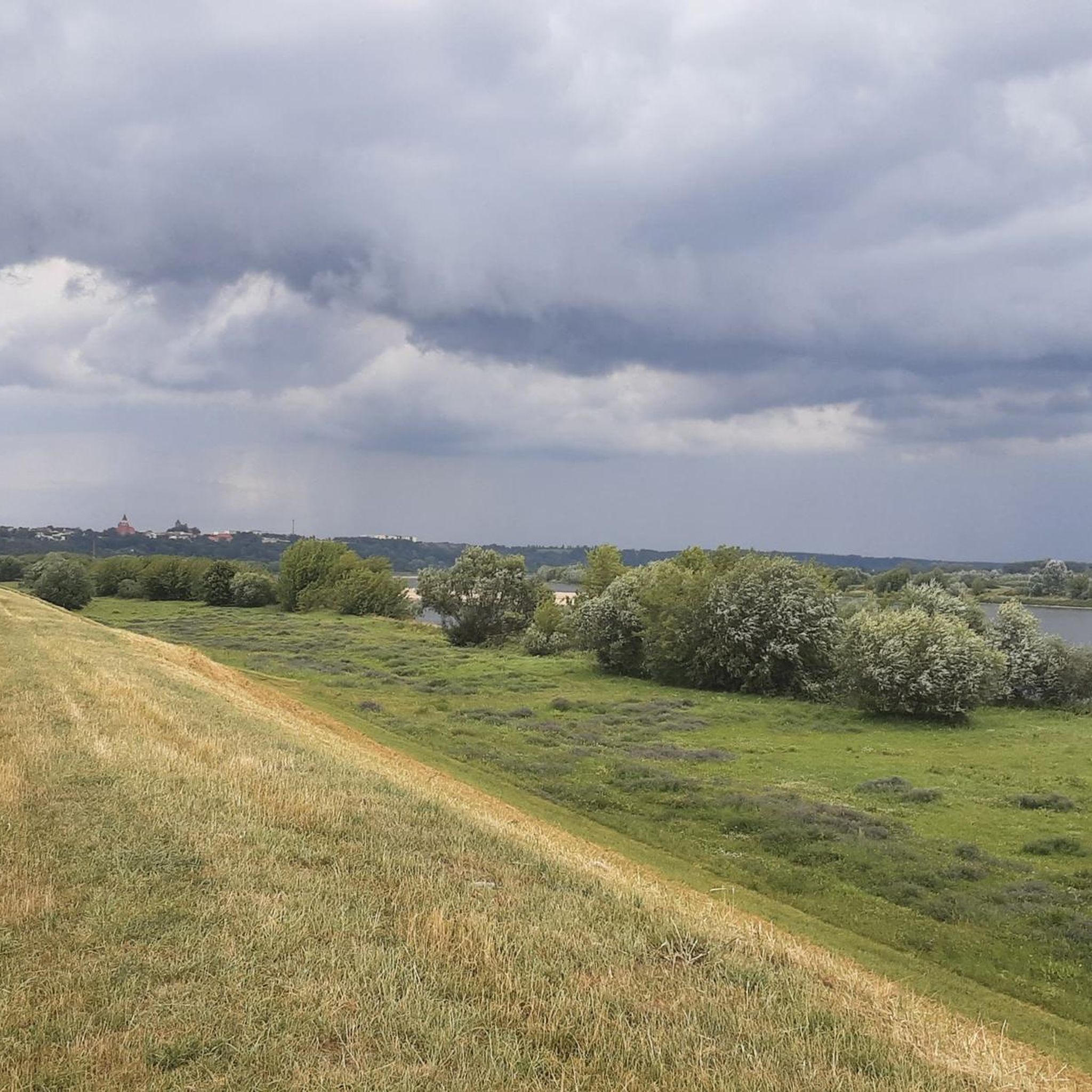
Running Trails around Nadwiślański Park Krajobrazowy
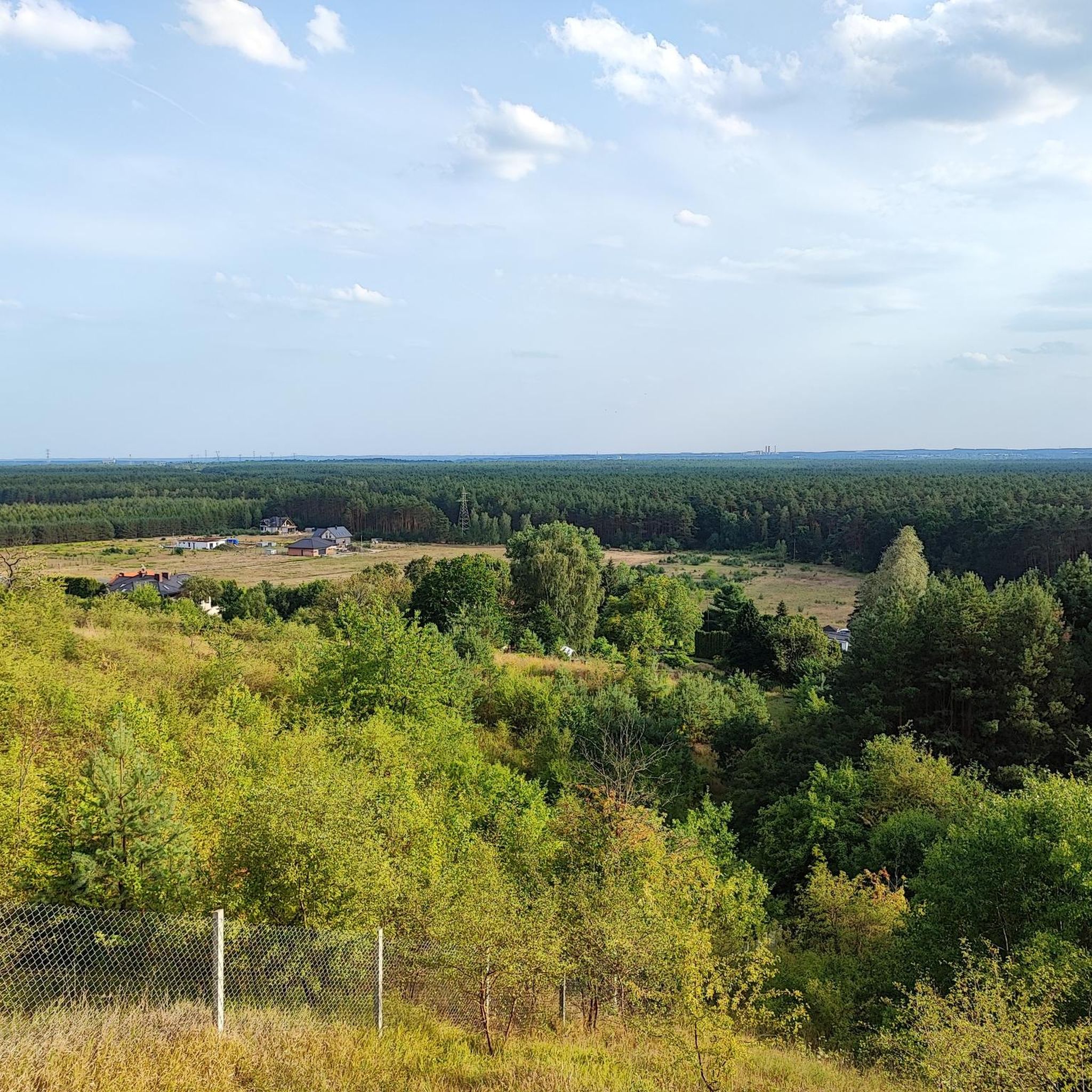
Hiking around Nadwiślański Park Krajobrazowy

Gravel biking around Nadwiślański Park Krajobrazowy
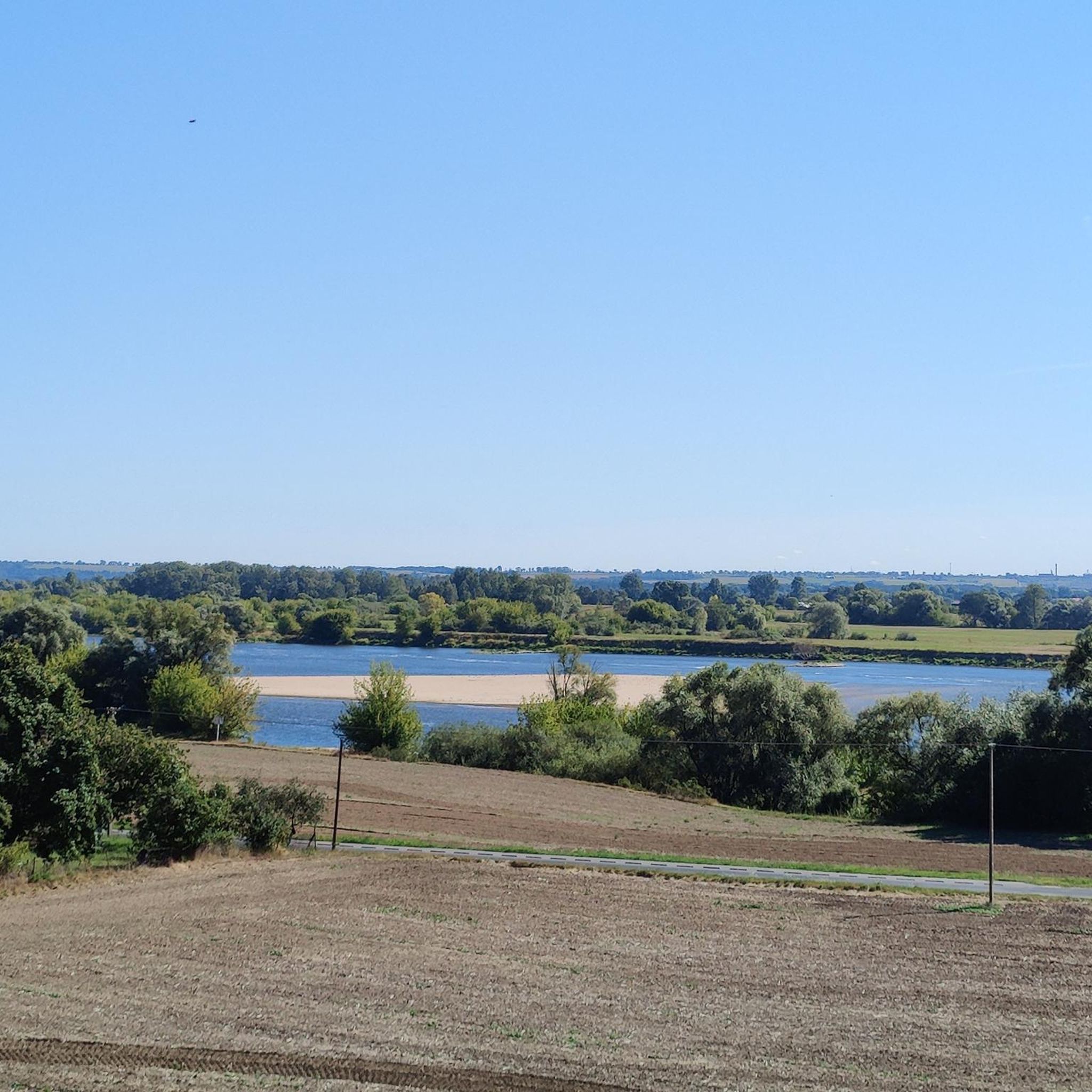
MTB Trails around Nadwiślański Park Krajobrazowy
Other adventures around Nadwiślański Park Krajobrazowy

Tips from the Community

It is a residential complex consisting of two palaces (the Old Palace and the New Palace) and a beautiful park. It is also a cultural and recreational center. There is even a museum of old, historic pianos!
0
0

The Fordon Bridge named after Rudolf Modrzejewski is similar in terms of construction to the Grudziądz bridge. Steel structure. Little remains of the original bridge today. Destroyed twice during WWII, rebuilt in 1950-56. A general renovation of the crossing is planned.
0
0

Interesting construction. In addition to cars, trains also pass through it! The passage is narrow - two bicycles will fit, but close together.
0
0

From the flood embankment you have to take steep and narrow steps to the beginning of the bridge
0
0

The history of this place in a nutshell: Ostromecko Old Palace - already in the 13th century it was the site of a former knight's manor, and later in the 16th century a noble manor. In the 1750s, in place of the modest noble residence in Ostromecko, Paweł Michał Mostowski of the Dołęga coat of arms (1721–1781), Pomeranian voivode in the years 1758–1763, built a palace in the Dresden Baroque style, now called the Old Palace. After the first partition of Poland in 1772, Ostromecko was incorporated into the Kingdom of Prussia. From 1804, the owners became the wealthy merchant family Schönborn from Grudziądz. In 1832, Jakub Martin Schönborn commissioned the construction of a new residence, the so-called New Palace. At the same time, he began to arrange a landscape park in the English style, designed by the Prussian royal gardener. In 1873, the Schonborn and Alvensleben families were united in Ostromecko (Marta Matylda Maria Schönborn + Albrecht von Alvensleben) At the end of the 19th century, the Ostromecko estate was one of the largest in the Chełmno district. It covered an area of 3,000. hectares, where seven farms, a sawmill, a distillery, a brickyard and a mineral water plant operated. In 1920, under the Treaty of Versailles, Ostromecko was incorporated into the Polish state. The Ostromecko estate was then managed by Count Joachim von Alvensleben - a Polish citizen, of German nationality, of the Evangelical denomination, with a favorable attitude towards the Polish authorities. He employed Poles and parceled out land for them, and in 1930 he financed the monument of freedom in Ostromecko in honor of the 10th anniversary of regaining independence. In 1945, the Avensleben palaces, park and mausoleum were plundered by Soviet Army soldiers and the local population. After World War II, as part of the agricultural reform, the estates of the Alvensleben-Schonborn family were taken over by the State Treasury. In 1985, the Old Palace was taken over by the Pomeranian Philharmonic as its branch. Ignacy Paderewski in Bydgoszcz. The palace and park complex in Ostromecko was called "Bydgoszcz Wilanów" and it was planned to transform it into a cultural center radiating to the entire region. The Old Palace houses a collection (125 items) of contemporary Polish paintings and graphics, as well as a collection of 50 antique pianos and grand pianos. Additionally, valuable books and reprints of old works, mainly related to the Enlightenment era, have been collected here. Currently, all palace buildings are owned by the City of Bydgoszcz. source[https://pl.wikipedia.org/wiki/Zesp%C3%B3%C5%82_pa%C5%82acowo-parkowy_w_Ostromecku]
0
0
The Park and Palace Complex in Ostromecko is also a place of interesting cultural events, including publicly available ones, often organized outdoors near the palace, which can be combined with a bicycle trip. I still remember Sunday bicycle trips from Toruń to Ostromecko combined with an open-air concert of excellent opera performers as part of the publicly available Sunday "Music Terraces" under the new palace. https://www.komoot.com/pl-pl/tour/1676977928
0
0
Church of the Nativity of the Blessed Virgin Mary in Czarż, a Gothic-style temple built at the turn of the 13th and 14th centuries. The quadrangular tower added to the temple in 1638 collapsed in 1656. All that remains is the Gothic portal, on which a bell tower in the shape of a reinforced concrete frame was built in 1974, which unfortunately does not really fit the shape of the medieval temple. [https://pl.wikipedia.org/wiki/Ko%C5%9Bci%C3%B3%C5%82_Narodzina_Naj%C5%9Bwi%C4%99tszej_Maryi_Panny_w_Czar%C5%BCu]
0
1

Frequently Asked Questions
What historical landmarks can I explore in Nadwiślański Park Krajobrazowy?
The region is rich in history. You can visit the 14th-century Gothic Świecie Castle, which offers exhibitions and panoramic views from its tower. Another significant historical site is the Church of the Nativity of the Blessed Virgin Mary in Czarże, a Gothic-style temple dating back to the turn of the 13th and 14th centuries. Additionally, the Gen. Stanisław Skalski Bridge in Chełmno and the Fordon Bridge (Rudolf Modrzejewski Bridge) are notable engineering marvels with historical significance.
What natural features and reserves are prominent in the park?
Nadwiślański Park Krajobrazowy is known for its well-preserved natural characteristics of the Vistula River, which acts as an ecological corridor. The park encompasses several nature reserves, including Grabowiec, a forest reserve with rare plant species and an educational path; Jezioro Fletnowskie, protecting a unique post-glacial lake; and Las Mariański, featuring diverse tree stands and the historical 'Maria's Spring'. Other reserves like Wiosło Duże, Śnieżynka, and Wielka Kępa Ostromecka also protect unique ecosystems and landscapes.
Are there family-friendly attractions or activities in the area?
Yes, several attractions are suitable for families. Świecie Castle is considered family-friendly, offering an engaging historical experience. The Gądecz–Włóki Cycling Path is also designed to be family-friendly, providing a wide and separated bicycle path for enjoyable rides. Exploring the nature reserves, such as Grabowiec with its educational path, can also be a great family activity.
What kind of cycling routes can I find near Nadwiślański Park Krajobrazowy?
The region offers a variety of cycling routes. You can find options for touring bicycles, such as the 'Cycling Route to Gruczno – Miniature Park loop from Świecie' or the 'Fordon Bridge over the Vistula – Mały Port Drzewny loop from Ostromecko'. For gravel biking enthusiasts, there are routes like the 'Hanza Pałac Hotel in Rulewo – Waterfall on the Mątawa loop from Dolna Grupa'. You can explore more cycling options in the Cycling around Nadwiślański Park Krajobrazowy guide or the Gravel biking around Nadwiślański Park Krajobrazowy guide.
Are there opportunities for running or hiking in the park?
Yes, the park and its surroundings offer several running trails. You can find moderate running loops from areas like Przylesie, Bohaterów, or Niemcz, with distances ranging from 6 km to over 10 km. These routes often take you through scenic areas like Myślęcinek. For more details on specific routes, refer to the Running Trails around Nadwiślański Park Krajobrazowy guide.
What is the significance of the Vistula River within the park?
The Vistula River is a central and significant natural feature of Nadwiślański Park Krajobrazowy. It acts as a vital ecological corridor, connecting the Baltic Sea with the Carpathians, and supports diverse life forms. The park was established to preserve the rich landscape and cultural heritage of this Lower Vistula Valley, recognizing the river as one of Europe's ten most valuable aquatic ecosystems.
Can I learn about local traditions or products in the area?
The region has a historical connection to fruit cultivation, particularly known for its 'świeckie powidła' (Świecie plum jam). Efforts are underway to preserve old apple varieties in a collection at Chrystkowo, reflecting the area's agricultural heritage. While specific cultural sites for learning about these traditions aren't detailed, the historical context of the region's produce is a unique cultural aspect.
What are some interesting viewpoints or scenic spots?
The tower of Świecie Castle offers wonderful panoramic views of the surrounding area, including the confluence of the Wda and Vistula rivers. Additionally, the flood embankment near the Gen. Stanisław Skalski Bridge in Chełmno provides a good vantage point, though accessing the bridge from there involves steep steps.
What is the Ostromecko Palace and Park Complex?
The Ostromecko Palace and Park Complex is a significant cultural site within the region. It features two historic palaces surrounded by an expansive landscape park. This complex offers a blend of historical architecture and natural beauty, making it a notable point of interest for visitors.
Are there any unique bridges in the park area?
Yes, the area is home to some interesting bridges. The Fordon Bridge (Rudolf Modrzejewski Bridge) is an engineering marvel that accommodates both car and train traffic. Another notable structure is the Gen. Stanisław Skalski Bridge in Chełmno, which connects the Vistula's banks and has a history of replacing earlier ferry connections.
What is the best time of year to visit Nadwiślański Park Krajobrazowy?
While specific seasonal recommendations are not provided, the park's diverse natural features, including forests and the Vistula River, suggest that spring and autumn would be ideal for enjoying the lush greenery, autumn colors, and comfortable temperatures for outdoor activities like cycling and running. Summer would also be pleasant for exploring, especially along the river.
Most popular routes around Nadwiślański Park Krajobrazowy
Most popular attractions around Nadwiślański Park Krajobrazowy

Get inspired with the komoot mobile app


Explore more
Still not found the Highlight you’re looking for? See guides of the top attractions in other regions:
