The best walks and hikes around Nadwiślański Park Krajobrazowy
4.7
(234)
4,134
hikers
39
hikes
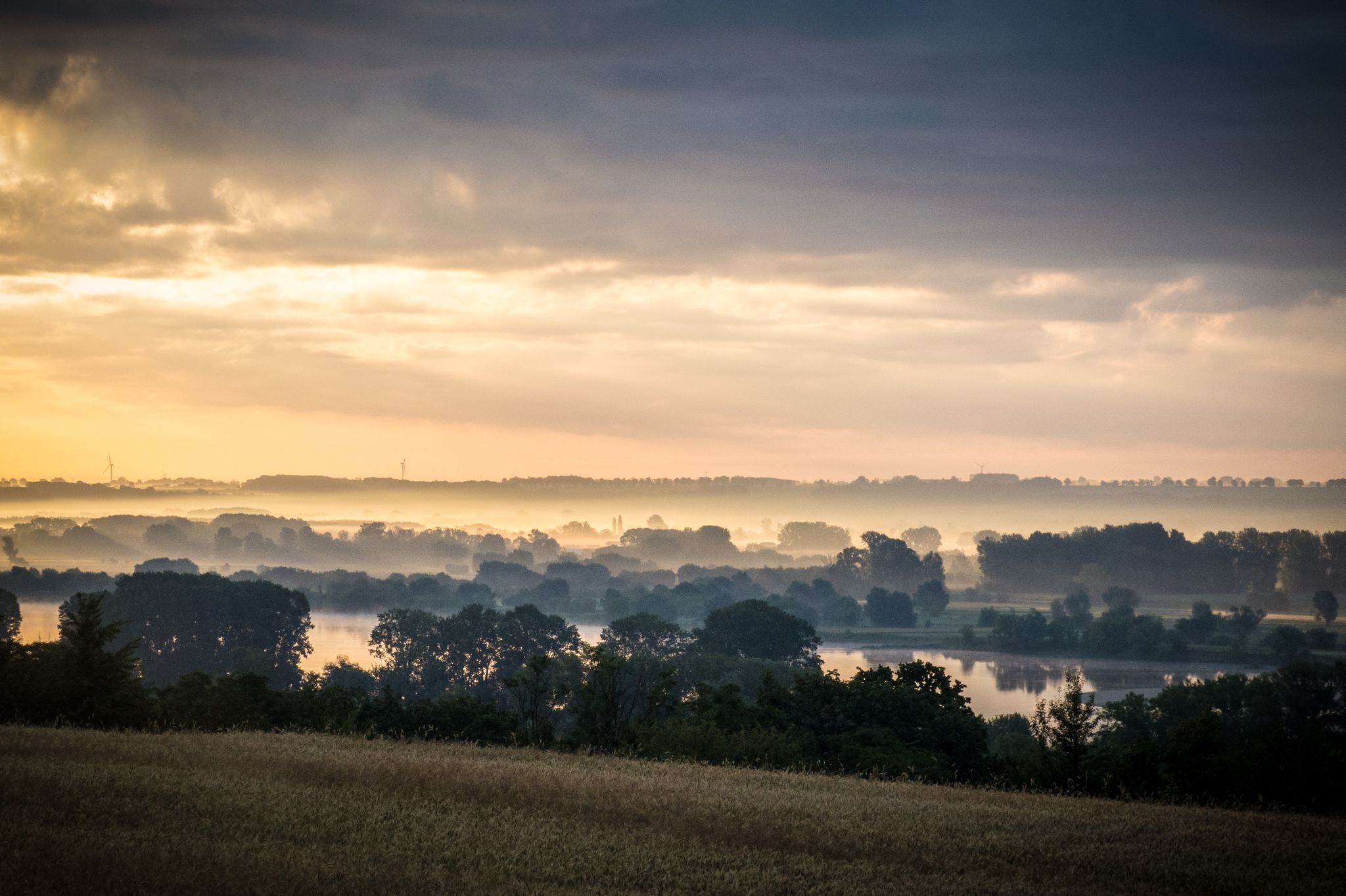
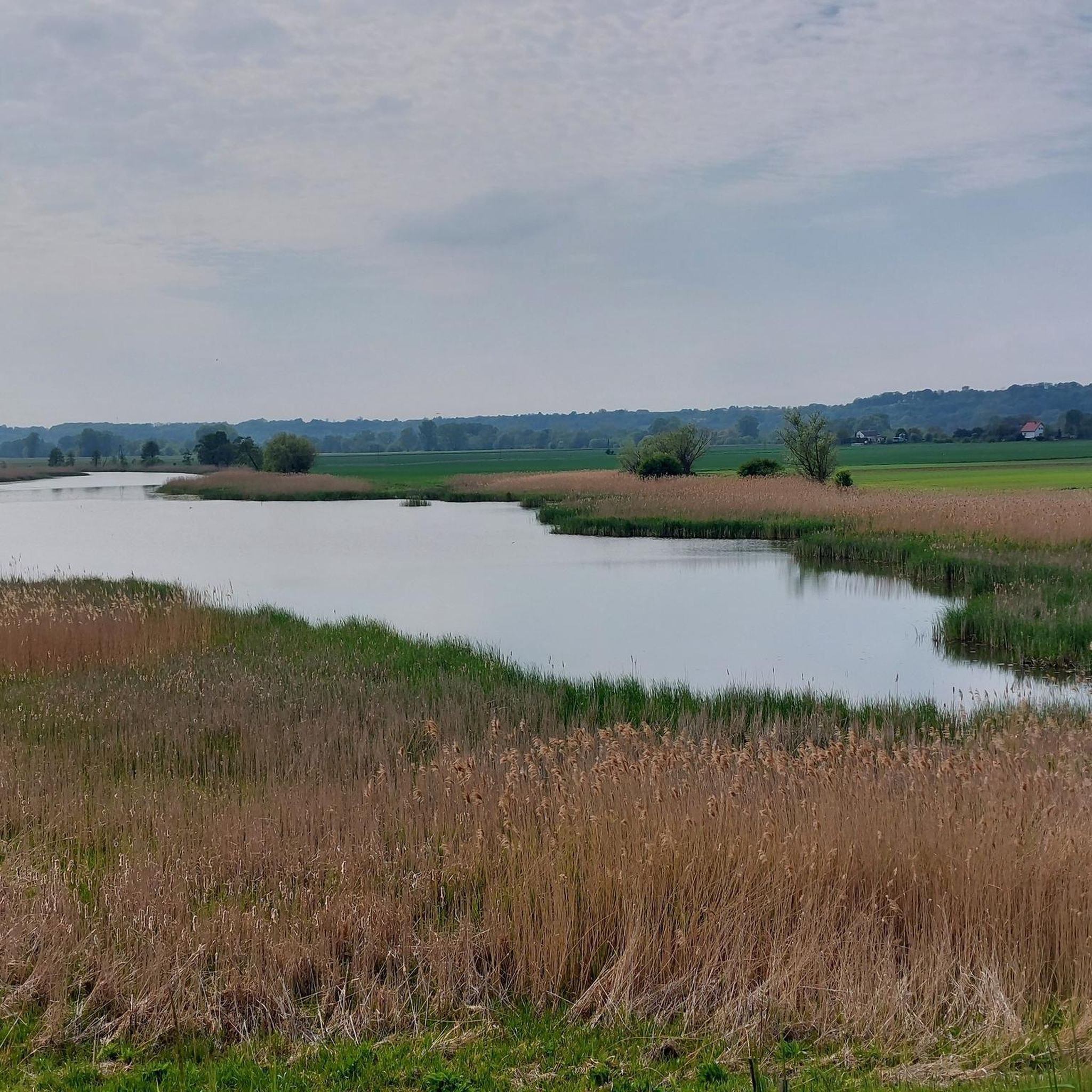
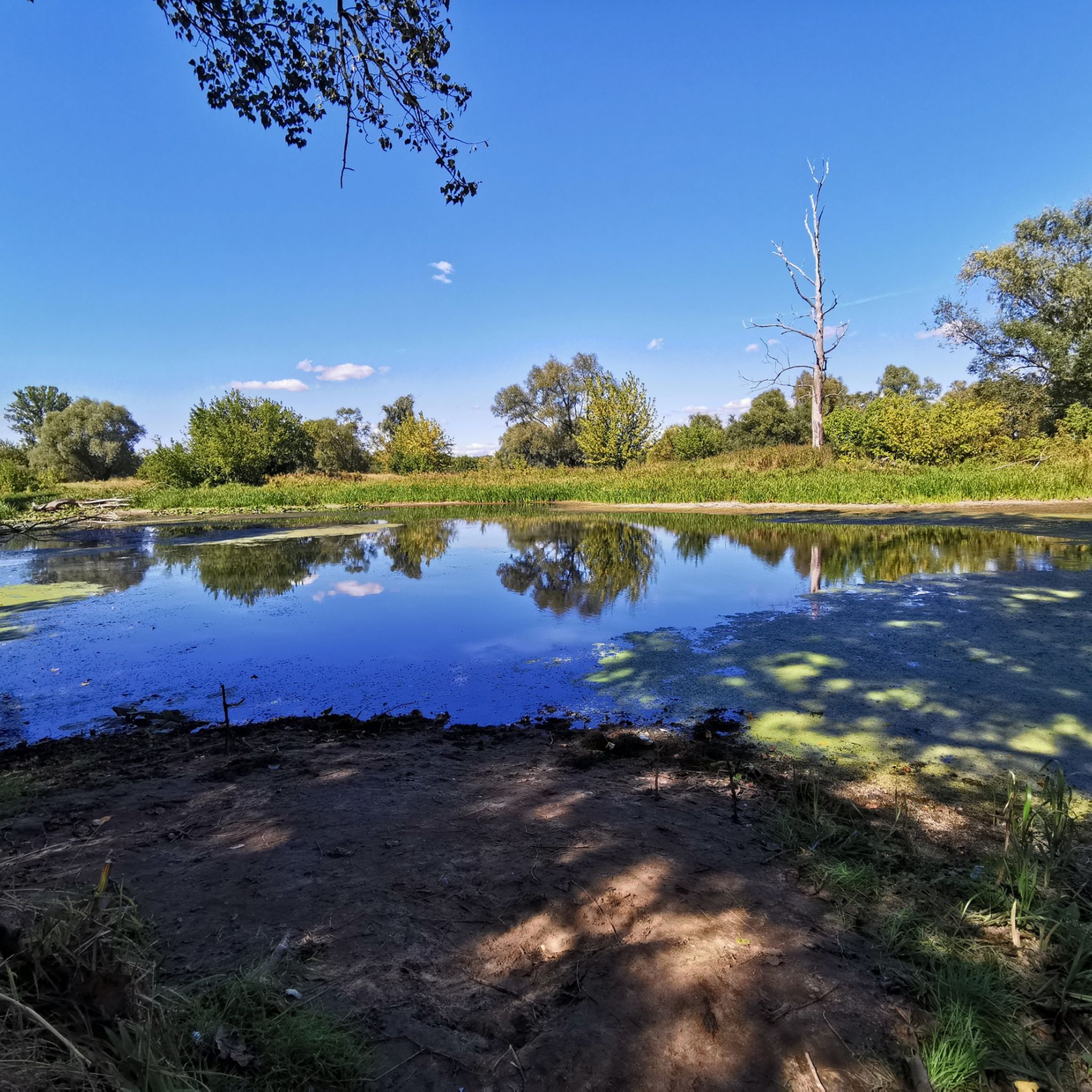
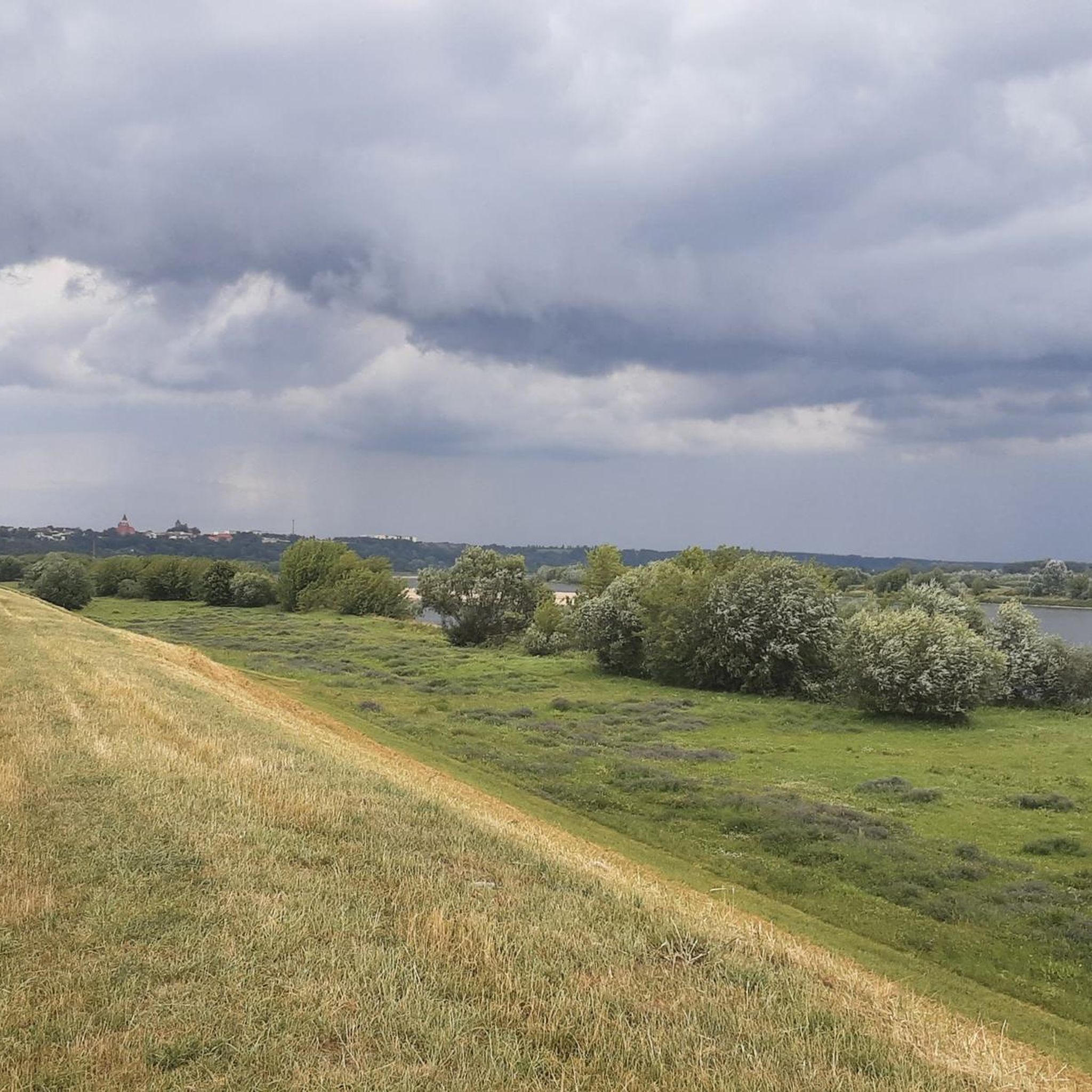
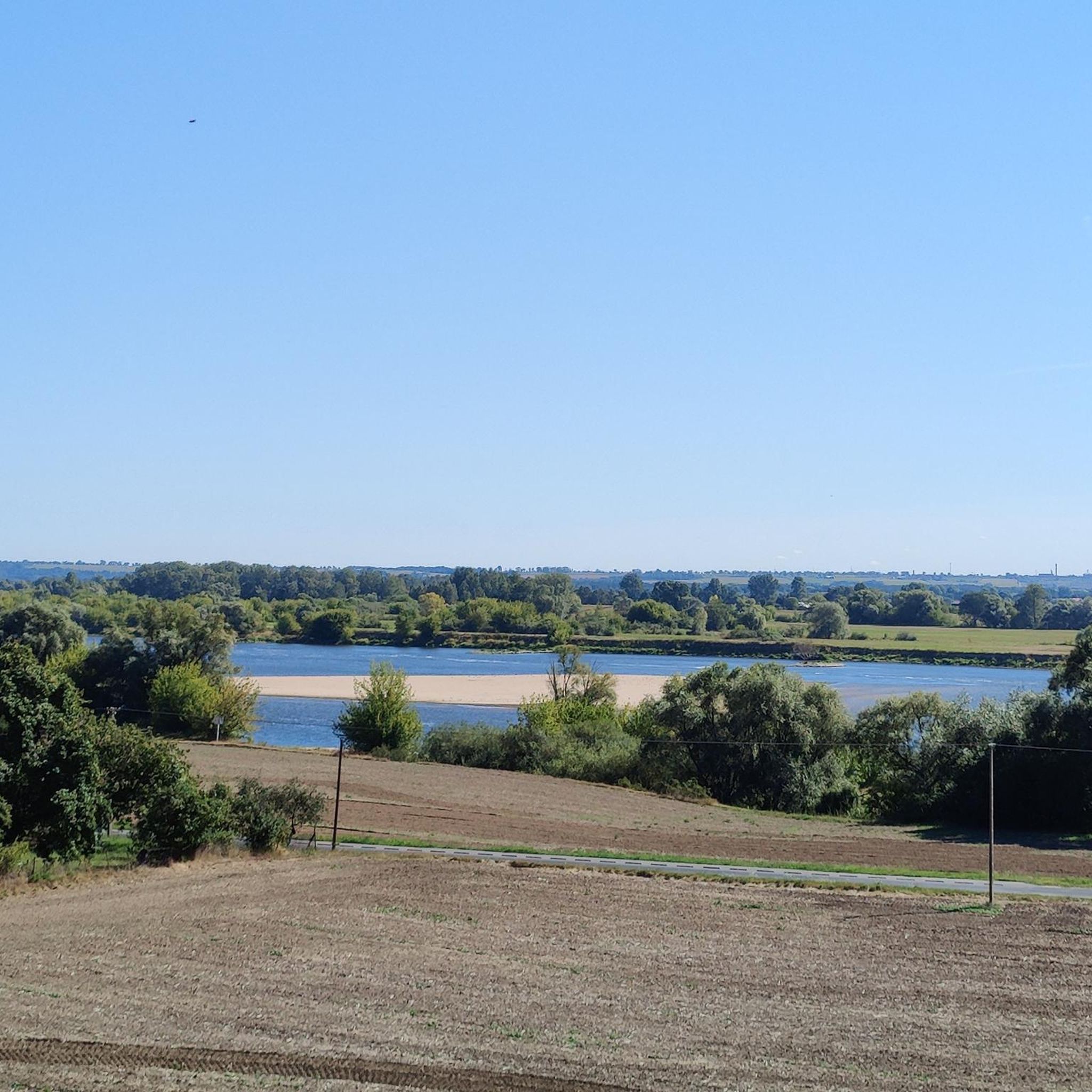
Hiking around Nadwiślański Park Krajobrazowy offers diverse terrain shaped by the Vistula River, encompassing riverine landscapes, varied forest ecosystems, and significant geological formations. The park features flat valleys, plateaus reaching 75 meters above sea level, and steep escarpments with inclinations up to 45 degrees. It also includes numerous nature reserves protecting unique lakes, old-growth forests, and critical bird habitats. This environment provides a range of experiences for hikers interested in geomorphology, diverse flora, and birdwatching.
Best hiking trails around Nadwiślański…
Last updated: July 14, 2026
4.5
(2)
16
hikers
Moderate hike. Good fitness required. Easily-accessible paths. Suitable for all skill levels.
4.7
(3)
131
hikers
9.12km
02:22
50m
50m
Moderate hike. Good fitness required. Easily-accessible paths. Suitable for all skill levels.

Sign up for free
3.5
(2)
48
hikers
4.95km
01:19
50m
50m
Easy hike. Great for any fitness level. Easily-accessible paths. Suitable for all skill levels.
13
hikers
Easy hike. Great for any fitness level. Easily-accessible paths. Suitable for all skill levels.
8
hikers
Easy hike. Great for any fitness level. Easily-accessible paths. Suitable for all skill levels.
Get access to more routes and recommendations from other explorers.
Sign up for free
Already have an account?
Our route recommendations are based on thousands of hikes, rides, and runs completed by other people on komoot.
Start today with a free account
Your next adventure awaits.
Login or Signup
Popular around Nadwiślański Park Krajobrazowy
EuroVelo 9 – The Amber Route from the Baltic to Adriatic Sea
Cycling around Nadwiślański Park Krajobrazowy
Road Cycling Routes around Nadwiślański Park Krajobrazowy
Running Trails around Nadwiślański Park Krajobrazowy

Gravel biking around Nadwiślański Park Krajobrazowy
MTB Trails around Nadwiślański Park Krajobrazowy
Other adventures around Nadwiślański Park Krajobrazowy

Tips from the Community

A combination of two buildings from different eras: a brick medieval gate with an added Baroque chapel above (!) the road. Unfortunately, due to moisture and lack of security, the chapel above the road is inaccessible. Note the unusual Pietà on the road (Mary with raised arms, not embracing the body).
0
0

Stunning town hall, plenty of benches around the square to admire it from. You can also find food and a bike repair stand nearby.
0
0

Interesting place. Nearby there is a nice, well-kept park and the entrance to the old town through a historical gate.
0
0

It is a residential complex consisting of two palaces (the Old Palace and the New Palace) and a beautiful park. It is also a cultural and recreational center. There is even a museum of old, historic pianos!
0
0

Local bastards with scooters spit on passersby 🤬☝🏾
2
0

The history of this place in a nutshell: Ostromecko Old Palace - already in the 13th century it was the site of a former knight's manor, and later in the 16th century a noble manor. In the 1750s, in place of the modest noble residence in Ostromecko, Paweł Michał Mostowski of the Dołęga coat of arms (1721–1781), Pomeranian voivode in the years 1758–1763, built a palace in the Dresden Baroque style, now called the Old Palace. After the first partition of Poland in 1772, Ostromecko was incorporated into the Kingdom of Prussia. From 1804, the owners became the wealthy merchant family Schönborn from Grudziądz. In 1832, Jakub Martin Schönborn commissioned the construction of a new residence, the so-called New Palace. At the same time, he began to arrange a landscape park in the English style, designed by the Prussian royal gardener. In 1873, the Schonborn and Alvensleben families were united in Ostromecko (Marta Matylda Maria Schönborn + Albrecht von Alvensleben) At the end of the 19th century, the Ostromecko estate was one of the largest in the Chełmno district. It covered an area of 3,000. hectares, where seven farms, a sawmill, a distillery, a brickyard and a mineral water plant operated. In 1920, under the Treaty of Versailles, Ostromecko was incorporated into the Polish state. The Ostromecko estate was then managed by Count Joachim von Alvensleben - a Polish citizen, of German nationality, of the Evangelical denomination, with a favorable attitude towards the Polish authorities. He employed Poles and parceled out land for them, and in 1930 he financed the monument of freedom in Ostromecko in honor of the 10th anniversary of regaining independence. In 1945, the Avensleben palaces, park and mausoleum were plundered by Soviet Army soldiers and the local population. After World War II, as part of the agricultural reform, the estates of the Alvensleben-Schonborn family were taken over by the State Treasury. In 1985, the Old Palace was taken over by the Pomeranian Philharmonic as its branch. Ignacy Paderewski in Bydgoszcz. The palace and park complex in Ostromecko was called "Bydgoszcz Wilanów" and it was planned to transform it into a cultural center radiating to the entire region. The Old Palace houses a collection (125 items) of contemporary Polish paintings and graphics, as well as a collection of 50 antique pianos and grand pianos. Additionally, valuable books and reprints of old works, mainly related to the Enlightenment era, have been collected here. Currently, all palace buildings are owned by the City of Bydgoszcz. source[https://pl.wikipedia.org/wiki/Zesp%C3%B3%C5%82_pa%C5%82acowo-parkowy_w_Ostromecku]
0
0
The Park and Palace Complex in Ostromecko is also a place of interesting cultural events, including publicly available ones, often organized outdoors near the palace, which can be combined with a bicycle trip. I still remember Sunday bicycle trips from Toruń to Ostromecko combined with an open-air concert of excellent opera performers as part of the publicly available Sunday "Music Terraces" under the new palace. https://www.komoot.com/pl-pl/tour/1676977928
0
0
Stefanowy Stok on the western slope of Góra Myślicińska (107 m) named after Stefan Kulmatycki, a ski instructor who was one of the builders of the Myśliciński slope.
1
0
Frequently Asked Questions
What is the typical terrain and difficulty level of hikes in Nadwiślański Park Krajobrazowy?
The park offers diverse terrain, shaped by the Vistula River. You'll find flat riverine valleys, plateaus reaching 75 meters above sea level, and steep escarpments with inclinations up to 45 degrees. The majority of routes are classified as easy, with 26 out of 34 tours being suitable for most hikers, while 8 are moderate. There are no difficult routes listed.
What natural features and viewpoints can I discover while hiking in the park?
Hikers can explore a variety of natural features, including riverine landscapes, diverse forest types, and unique geological formations. Notable viewpoints include View of the Lower Vistula Valley from Kozielec and View of the Vistula River from Nowe. The park also features the picturesque forest ravine in the Śnieżynka reserve and the geomorphologically unique Jezioro Fletnowskie lake trough.
Are there family-friendly hiking options in Nadwiślański Park Krajobrazowy?
Yes, the park offers many easy routes suitable for families. With 26 out of 34 tours classified as easy, there are plenty of options for a relaxed outing. For example, the Myślęcińska Hill loop from Leśny Park Kultury i Wypoczynku "Myślęcinek" is an easy 4.7 km path with gentle elevation changes.
What nature reserves can I explore within Nadwiślański Park Krajobrazowy?
Nadwiślański Park Krajobrazowy encompasses 14 nature reserves, each with unique characteristics. You can explore areas like Wiosło Duże with its steep escarpments and reservoirs, Jezioro Fletnowskie protecting a unique lake trough, and Śnieżynka with its forest ravine and hornbeam forests. The Wielka Kępa reserve is known for old-growth poplars and rich birdlife, while Reptowo is a significant site for grey herons.
What is the best time of year to go hiking in Nadwiślański Park Krajobrazowy?
The park offers appealing hiking conditions throughout much of the year. Spring and autumn provide pleasant temperatures and vibrant scenery, with spring showcasing blooming flora and autumn displaying colorful foliage. Summer is also suitable, especially for enjoying the riverine landscapes and lake areas. Winter hiking is possible, but conditions may vary depending on snow and ice.
Are there any historical or cultural landmarks near the hiking trails?
Yes, beyond the natural beauty, the region offers historical and cultural points of interest. You can visit Świecie Castle or explore the Ostromecko Palace and Park Complex. These sites can be integrated into your hiking excursions for a richer experience.
How many hiking trails are available in Nadwiślański Park Krajobrazowy?
There are over 30 hiking trails available in Nadwiślański Park Krajobrazowy, offering a variety of lengths and difficulty levels. The komoot community has explored 34 different tours in the area.
What do other hikers enjoy the most about hiking in Nadwiślański Park Krajobrazowy?
The area is highly rated by the komoot community, with an average score of 4.7 stars from over 70 reviews. Hikers often praise the diverse riverine landscapes, the variety of forest types, and the opportunities for nature observation, especially birdwatching in the protected reserves.
Can I bring my dog on the hiking trails in Nadwiślański Park Krajobrazowy?
Generally, dogs are welcome on many trails within the park, especially on designated paths. However, specific rules may apply in certain nature reserves to protect wildlife. It's always advisable to keep dogs on a leash and ensure they do not disturb the local fauna, particularly in bird protection areas like Wielka Kępa or Reptowo.
Are there any circular hiking routes in Nadwiślański Park Krajobrazowy?
Yes, there are several circular routes available. For instance, the Myślęcińska Hill loop from Myślęcinek is a popular moderate 8.8 km circular path offering scenic views. Another option is the Wakepark Bydgoszcz – 25 dębów loop from Myślęcinek, which is 8.3 km long and leads through forested areas.
How can I access Nadwiślański Park Krajobrazowy, and is parking available?
Access to the park is generally straightforward by car, with various entry points along the Vistula River valley. Parking facilities are typically available near popular trailheads and attractions within or adjacent to the park. For specific public transport options, it's recommended to check local bus schedules to towns bordering the park.
Are there any long-distance hiking options or multi-day treks in the park?
While the park offers many routes, including longer ones like the Black trail named after Prof. Krystyna Wyrostkiewicz: Chelminski Landscape Park (18.3 km), it is primarily known for day hikes. The diverse landscape allows for combining shorter routes to create longer excursions, but dedicated multi-day treks with overnight facilities directly on the trail are less common. You might consider staying in nearby towns and exploring different sections of the park daily.
Are there any specific regulations or permits required for hiking in Nadwiślański Park Krajobrazowy?
Generally, no specific permits are required for hiking on public trails within Nadwiślański Park Krajobrazowy. However, as a protected landscape park with numerous nature reserves, visitors are expected to respect environmental regulations, stay on marked paths, and avoid disturbing wildlife or vegetation. Always check for local signage, especially when entering specific reserves.
Most popular routes around Nadwiślański Park Krajobrazowy
Most popular attractions around Nadwiślański Park Krajobrazowy

Get inspired with the komoot mobile app


Explore more
Browse the best Hikes in other regions.
