Attractions and Places To See around Biebrzański Park Narodowy - Top 20
Best attractions and places to see around Biebrzański Park Narodowy include vast wetlands, peat bogs, and the meandering Biebrza River, which form a significant natural landscape. This region, Poland's largest national park, is recognized for its rich biodiversity, particularly its birdlife and large population of European elk (moose). It also features historical sites such as the Osowiec Fortress, offering a blend of natural and cultural exploration. The park's extensive network of trails and waterways provides opportunities for hiking, cycling, and kayaking.
Best attractions and places to see around Biebrzański Park Narodowy
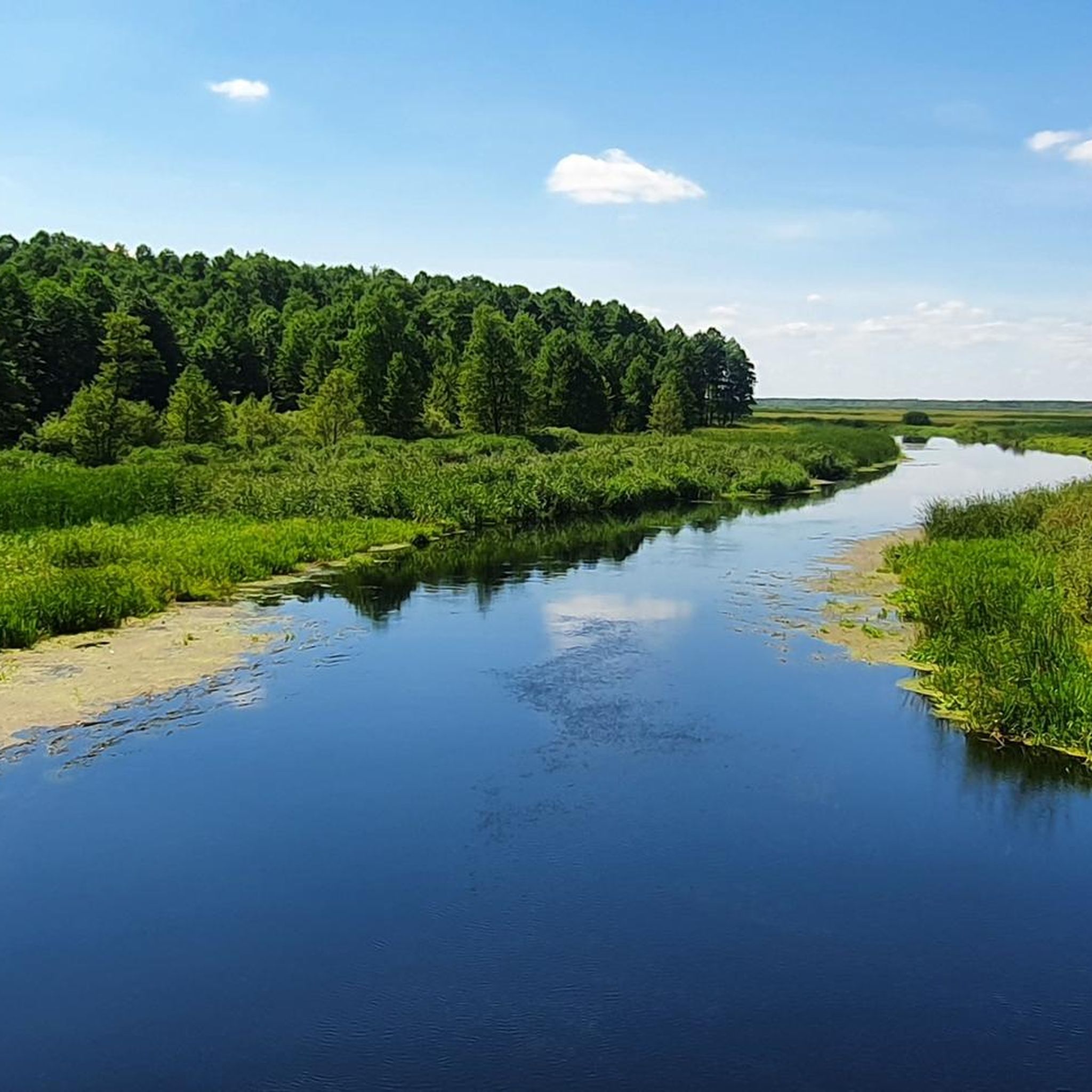
- The most popular attractions is Biebrza River, a river that forms the heart of the park with its oxbow lakes and marshes. This gravel section offers superb views of the river and its surrounding ecosystem.
- Another must-see spot is Debowo lock, a historical site. This 19th-century stone and brick structure is the first lock on the Augustów Canal, retaining its original character near the Biebrza River.
- Visitors also love Ruins of Osowiec Fortress Bunkers, a historical site. These bunkers are part of the historic Osowiec Fortress, offering insight into its past.
- Biebrzański Park Narodowy is known for its natural landscapes, historical sites, and wildlife observation points. Visitors can explore a variety of attractions, from extensive wetlands to historic fortifications and observation towers.
- The attractions around Biebrzański Park Narodowy are appreciated by the komoot community, with more than 70 upvotes and 70 photos shared across various highlights.
Last updated: October 10, 2026
Dębowo Lock
Highlight • Bridge
The stone and brick structure with wooden gates has retained its historic character, and the former maintenance buildings stand nearby. A road bridge, now concrete, spans the lock, replacing a wooden bridge destroyed during the war.
Translated by Google •
Tip by

Biebrza River
Highlight (Segment) • River
Translated by Google •
Tip by

Sign up now to discover places like this
Get recommendations on the best single tracks, peaks, & plenty of other exciting outdoor places.
Ruins of Osowiec Fortress Bunkers
Highlight • Historical Site
Translated by Google •
Tip by

Observation Tower Over the Biebrza Marshes
Highlight • Viewpoint
Translated by Google •
Tip by

Long Gap Footbridge
Highlight • Trail
From the viewing platform, you can admire rare plants such as the red cuckoo and the Lapland willow, as well as numerous marsh birds, including the aquatic warbler, the long-eared owl, and the great snipe. Moose and sunbathing lizards are also common sights.
Translated by Google •
Tip by
Sign up for free to discover even more attractions around Biebrzański Park Narodowy.
Already have an account?
Start today with a free account
Your next adventure awaits.
Popular around Biebrzański Park Narodowy

Tips from the Community

The Dębowo Lock is the first lock on the Augustów Canal, located right at the canal's mouth on the Biebrza River, near the village of Dębowo. Built in 1826–1827 according to the design of Lieutenant Michał Przyrembel, it is the only historic lock on the southern section of the canal. The stone and brick structure with wooden gates has retained its historic character, and the former maintenance buildings stand nearby. A road bridge, now concrete, spans the lock, replacing a wooden bridge destroyed during the war.
2
0
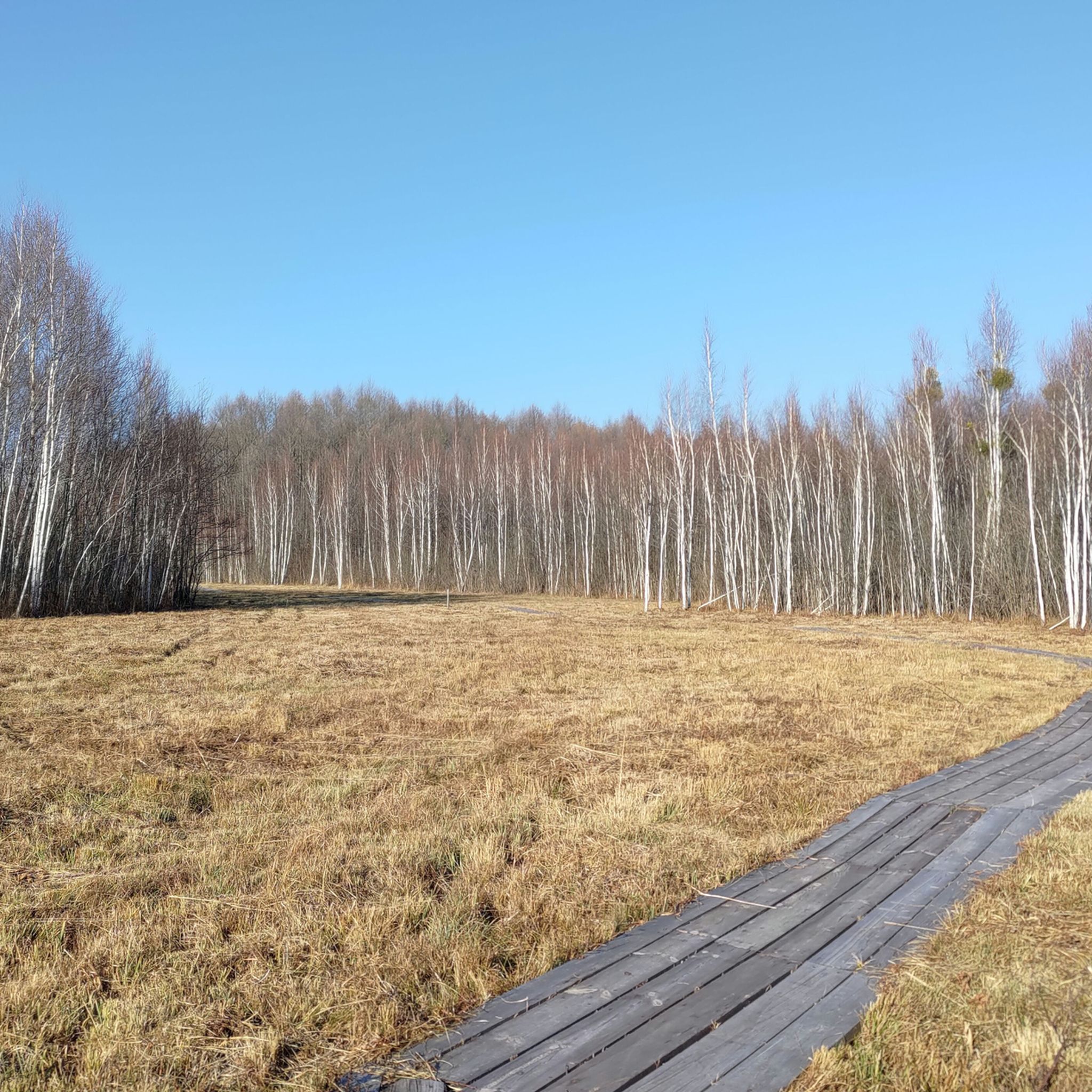
The Długa Luka Footbridge on Carska Droga is one of the most beautiful viewpoints in the Biebrza Valley. The wooden footbridge leads deep into the vast peat bogs, offering visitors a panoramic view of endless sedges and marshes. From the viewing platform, you can admire rare plants such as the red cuckoo and the Lapland willow, as well as numerous marsh birds, including the aquatic warbler, the long-eared owl, and the great snipe. Moose and sunbathing lizards are also common sights.
3
0

On the Gren Velo route. The first route on the Augustów Canal at the mouth of the Biebrza River.
0
2


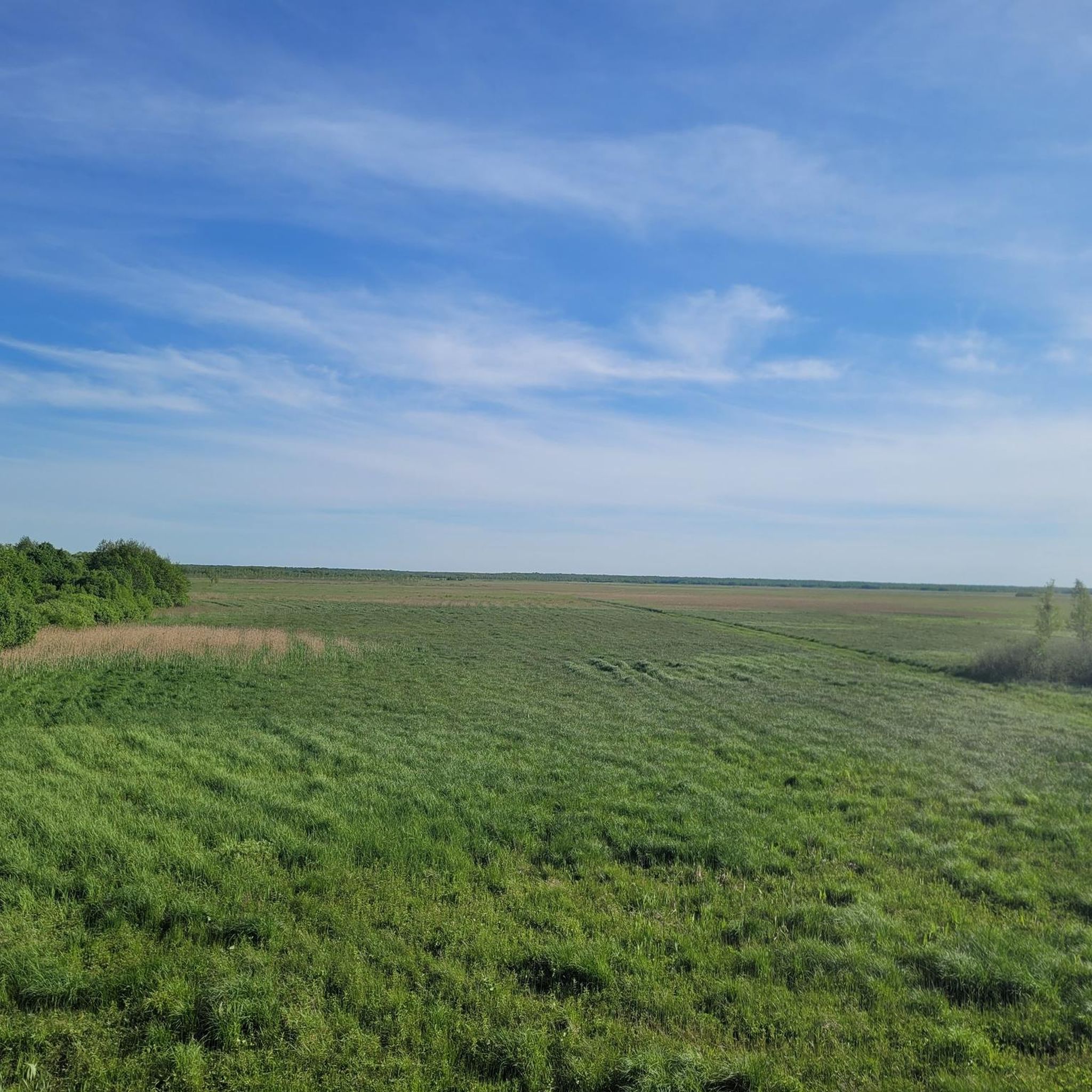
A beautiful observation tower overlooking the flat but vast marshy area between Goniadz and Wólka Piaseczna. It is worth stopping here and climbing the steps.
0
0

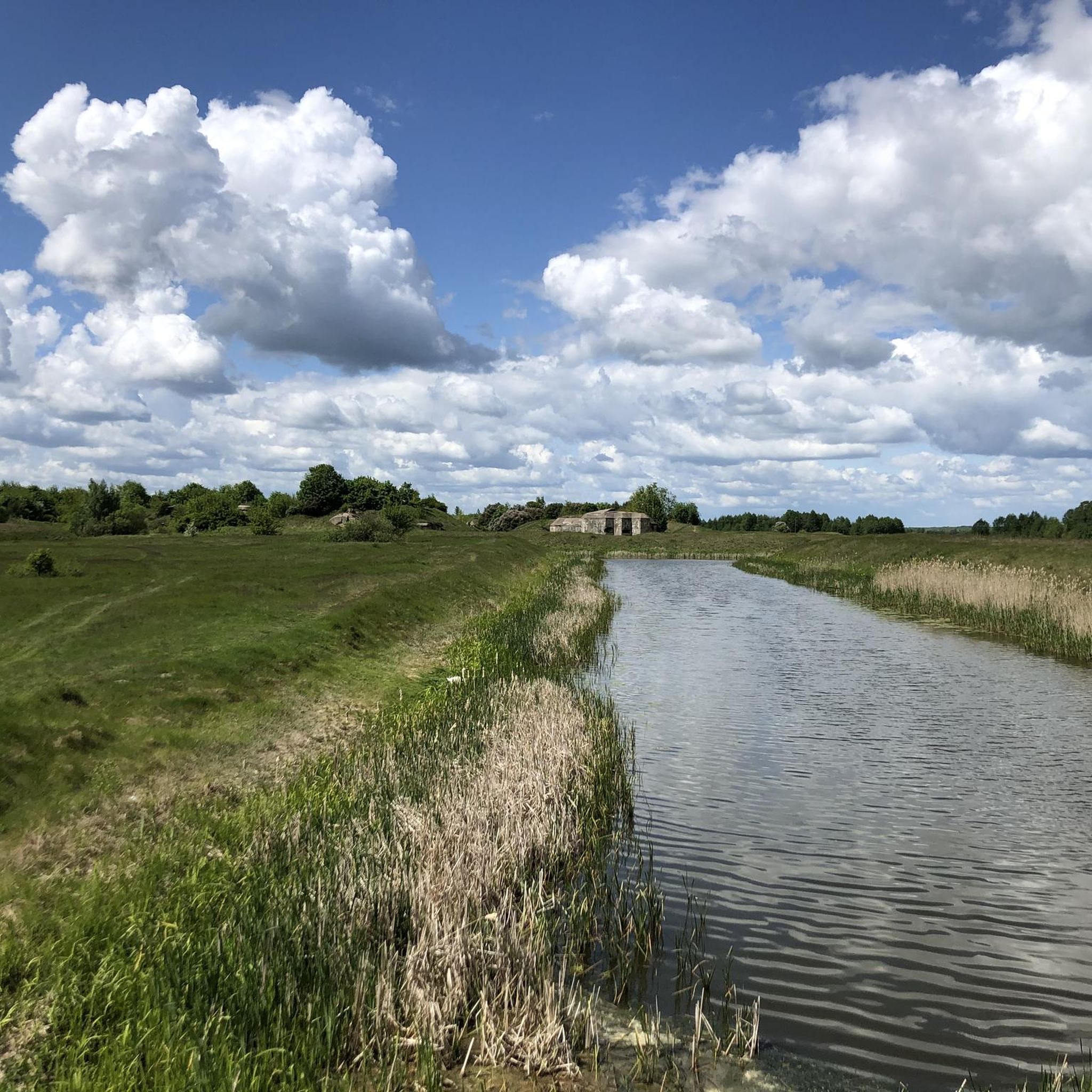
There is a single track path near the moat around Fort II. You can go MTB or walk. The views of the moat and bunkers are very good from this path. I recommend. Please just watch out for the old fence next to the large willow tree on the east side. There is a remnant of the fence in the grass where the cows were grazing, but the pegs and wire are visible so it can be noticed.
1
0

Right next to the road (unfortunately it is asphalt, but you have to somehow get to other places) there is a tower with a beautiful view of the meadows and Biebrza floodplains.
3
0
Another complex of shelters and bunkers belonging to the Osowiec Fortress. Unfortunately, the formal grounds are not open to the public.
4
0
Frequently Asked Questions
What kind of wildlife can I expect to see in Biebrzański Park Narodowy?
Biebrzański Park Narodowy is a critical refuge for biodiversity. You can expect to see Poland's largest population of European elk (moose), as well as beavers, wolves, lynxes, and otters. It's also a world-renowned paradise for birdwatchers, with over 270-280 recorded species, including rare wetland birds like the aquatic warbler, greater spotted eagle, black stork, and ruff, which is the park's symbol.
Where are the best places for birdwatching in Biebrzański Park Narodowy?
The park offers numerous observation towers strategically placed for wildlife viewing. A notable one is the Observation Tower Over the Biebrza Marshes near Goniądz, which provides beautiful views, especially during spring floods. The Long Gap Footbridge also offers opportunities to observe marsh birds like the aquatic warbler and great snipe.
What historical sites can I visit in the area?
The region is rich in history. You can explore the historic 19th-century Osowiec Fortress, which houses the park's headquarters and offers guided tours. The Ruins of Osowiec Fortress Bunkers are also accessible. Another significant site is the Debowo lock, the first lock on the Augustów Canal, which has retained its original 19th-century character.
Are there family-friendly activities or attractions in Biebrzański Park Narodowy?
Yes, several attractions are suitable for families. The Long Gap Footbridge is a great option, offering an easy walk into the peat bogs with chances to spot wildlife. The Observation Tower Over the Biebrza Marshes is also easily accessible and provides panoramic views. The historic Debowo lock is another interesting spot for all ages.
What cycling opportunities are available around Biebrzański Park Narodowy?
The park offers an extensive network of cycling trails, including sections of the Green Velo route. You can find various routes for different skill levels. For example, there are gravel biking routes like the 'Biebrza River – Debowo lock loop from Zabiele' or the 'Ruins of Osowiec Fortress Bunkers – View of the Biebrza River loop from Osowiec-Twierdza'. You can explore more options in the Gravel biking around Biebrzański Park Narodowy guide or the Cycling around Biebrzański Park Narodowy guide.
Can I go kayaking in Biebrzański Park Narodowy?
Yes, the Biebrza River is very popular for canoeing and kayaking. It offers a unique way to explore the untouched wilderness of the park, allowing you to experience the dynamic ecosystem of oxbow lakes, marshes, and swamps up close.
What is the best time of year to visit Biebrzański Park Narodowy?
The best time to visit largely depends on your interests. Spring (March-May) is particularly stunning when the Biebrza River overflows, attracting thousands of migratory birds and offering spectacular views from observation points like Hill 126 in Strękowa Góra. Summer is ideal for kayaking and hiking, while autumn brings beautiful colors and opportunities to spot moose.
Are there hiking trails suitable for beginners in Biebrzański Park Narodowy?
Yes, the park has an extensive network of hiking and walking trails, some of which are suitable for beginners. The Long Gap Footbridge on Carska Droga is an easy, accessible walk offering panoramic views. While specific beginner-focused routes aren't detailed in the provided data, many paths are designed for easy exploration with information boards and footbridges.
Is there an entrance fee for Biebrzański Park Narodowy?
Yes, the park operates with an entrance fee for trails and educational paths. Tickets can be purchased online or directly at the park's headquarters in Osowiec-Twierdza.
What are the main natural features of Biebrzański Park Narodowy?
The park is renowned for its vast and pristine wetlands, making it one of Europe's most valuable complexes of marshlands and peat bogs. The meandering Biebrza River, with its oxbow lakes, marshes, and swamps, forms the heart of the park. Key features include the internationally recognized Biebrza Marshes and the untouched Red Marsh (Czerwone Bagno).
What should I pack for a trip to Biebrzański Park Narodowy?
Given the park's wetland environment, it's advisable to pack waterproof footwear, especially during spring or after rain. Binoculars are highly recommended for bird and wildlife watching. Layered clothing is useful due to changing weather conditions, and insect repellent is essential, particularly in warmer months. Don't forget a camera to capture the stunning landscapes and wildlife.
What do visitors enjoy most about Biebrzański Park Narodowy?
Visitors particularly appreciate the park's untouched nature and the opportunities for wildlife observation. The superb views of the Biebrza River and its surrounding ecosystem are highly praised, especially from spots like the Long Gap Footbridge. The historical significance of sites like the Debowo lock and the Osowiec Fortress also adds to the visitor experience.
Are there any unique cultural events in the region?
Yes, the region hosts a unique cultural event called the Swamp Meadow Mowing Championship. This event is held in the Ławki swamp area and involves participants mowing marked meadow fragments with classic scythes, offering a glimpse into traditional regional practices.
Most popular routes around Biebrzański Park Narodowy
Most popular attractions around Biebrzański Park Narodowy

Get inspired with the komoot mobile app


Explore more
Still not found the Highlight you’re looking for? See guides of the top attractions in other regions:
