Attractions and Places To See around Riserva naturale integrale Saline di Trapani e Paceco - Top 6
Best attractions and places to see around Riserva naturale integrale Saline di Trapani e Paceco include a protected area known for its extensive salt pans and coastal wetlands. This region is recognized for its historical salt production, dating back to the Phoenicians, and features traditional windmills. The reserve serves as a significant resting and breeding ground for numerous migratory bird species. It offers a blend of natural landscapes and cultural heritage related to salt harvesting.
Best attractions and places to see around Riserva naturale integrale Saline di Trapani e Paceco
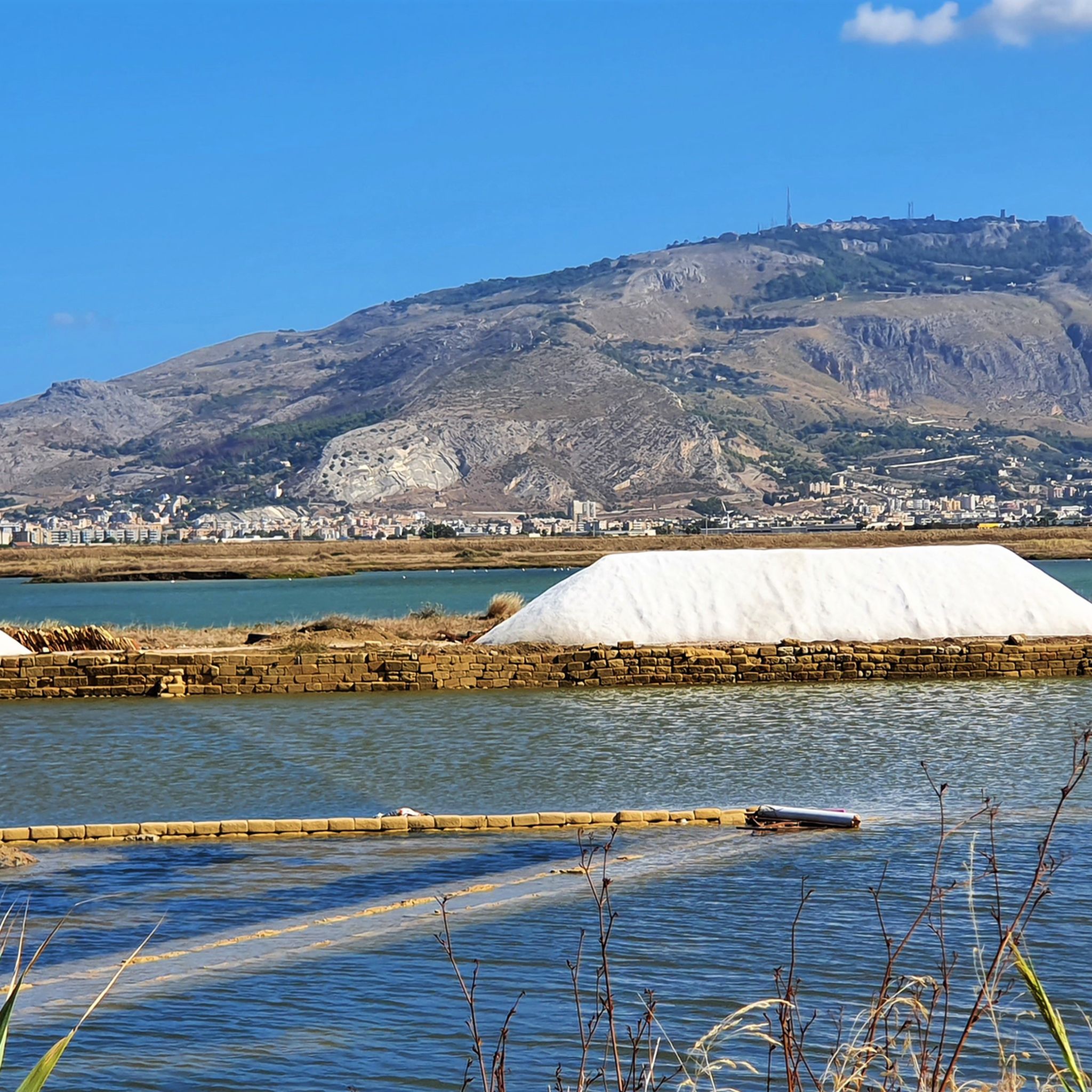
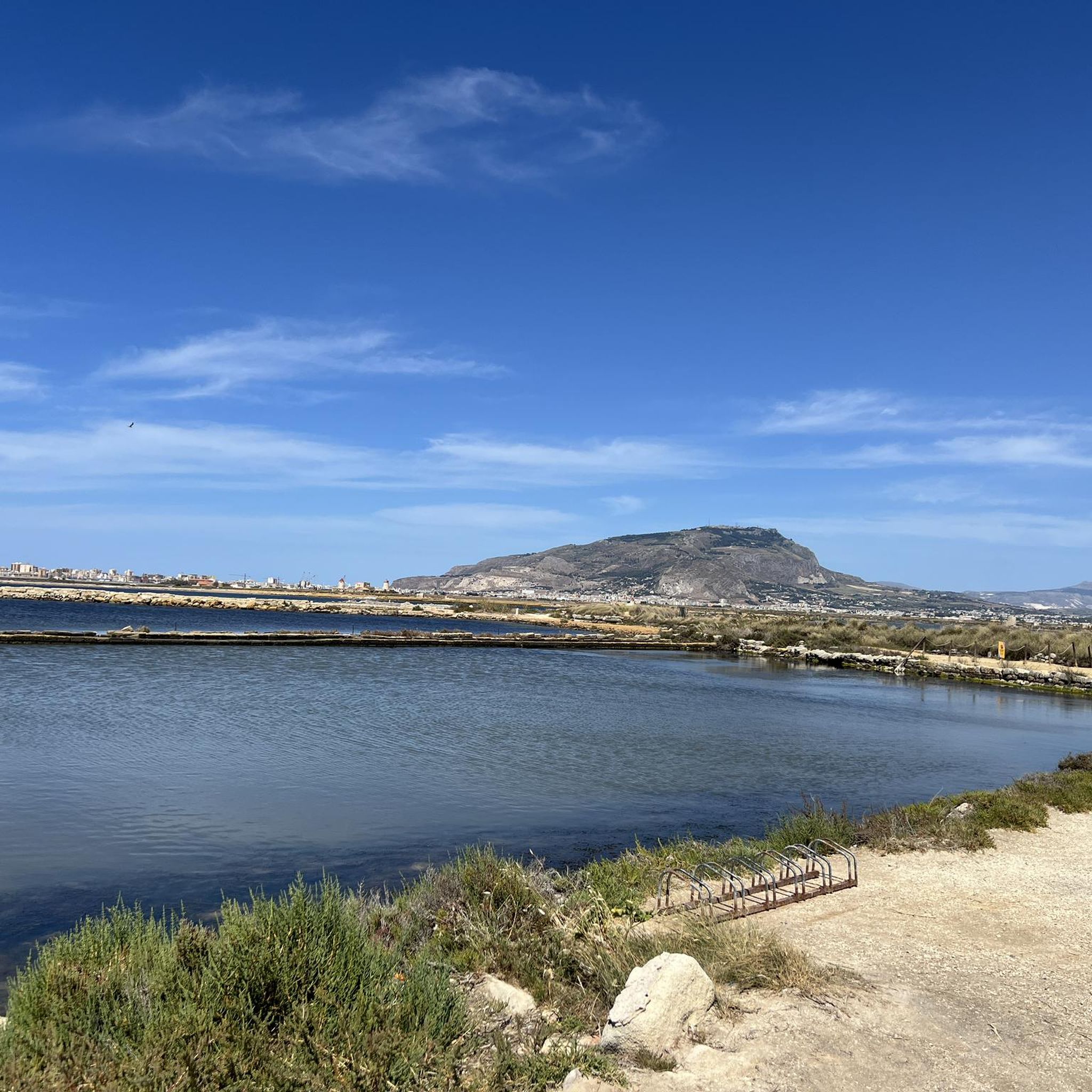
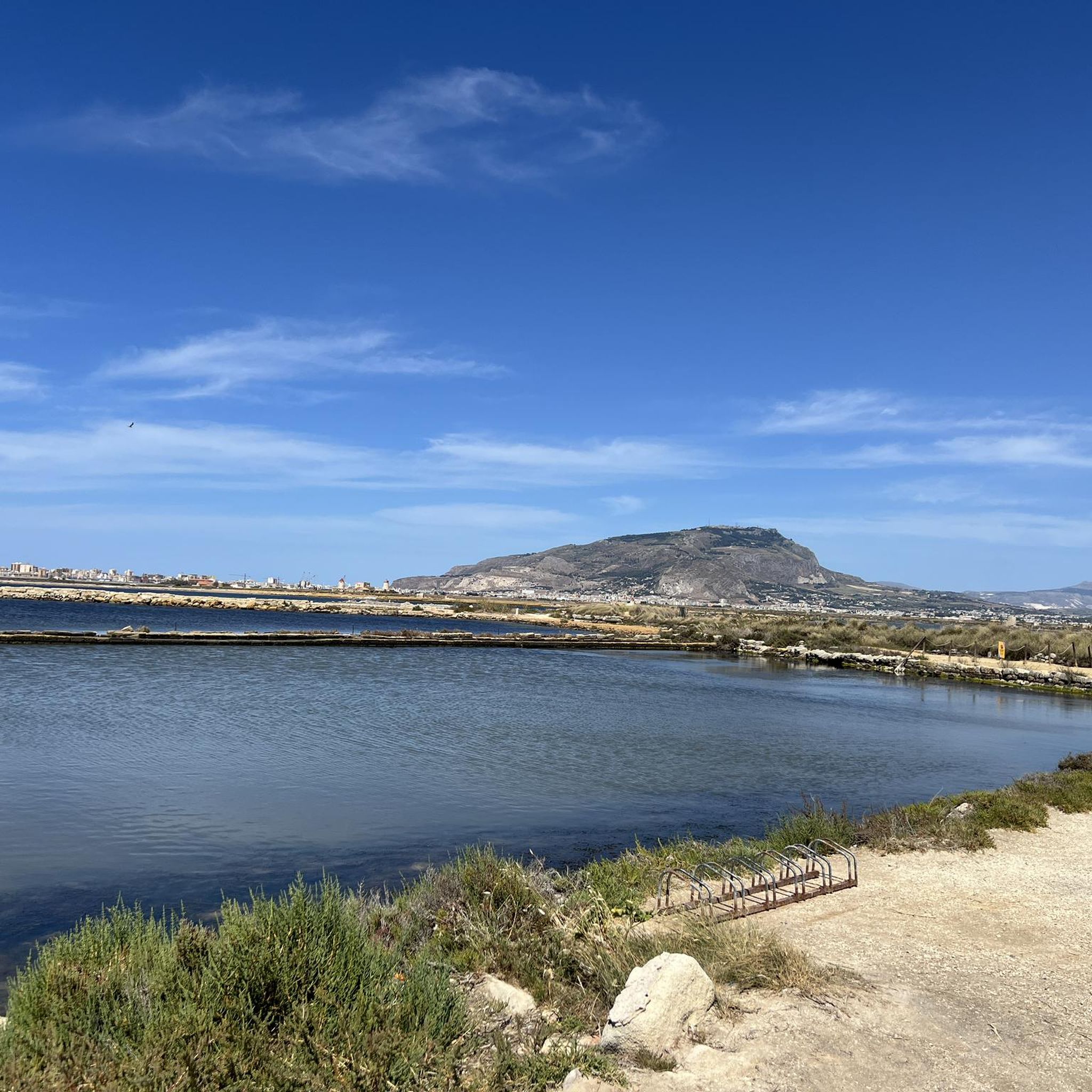
- The most popular attractions is Trapani and Paceco Salt Pans, a natural monument that showcases the historical and natural importance of salt extraction. This area is a protected natural passage for various species of migratory birds.
- Another must-see spot is Salt Pans of the Trapani and Paceco Nature Reserve, a natural monument. Visitors can observe the process of sea salt production and the unique landscape created by the salt pans.
- Visitors also love Maria Stella Mill, a man-made monument. This mill houses the visitor center for the reserve and the Salt Museum, detailing the history of salt production.
- Riserva naturale integrale Saline di Trapani e Paceco is known for natural monuments, historical sites, and man-made monuments. The region offers a variety of attractions to see and explore, from ancient salt pans to historic windmills.
- The attractions around Riserva naturale integrale Saline di Trapani e Paceco are appreciated by the komoot community, with 28 upvotes and 15 photos shared.
Last updated: July 7, 2026
Trapani and Paceco Salt Pans
Highlight • Natural Monument
Translated by Google •
Tip by

Trapani Salt Pans and Salt Museum
Highlight (Segment) • Natural Monument
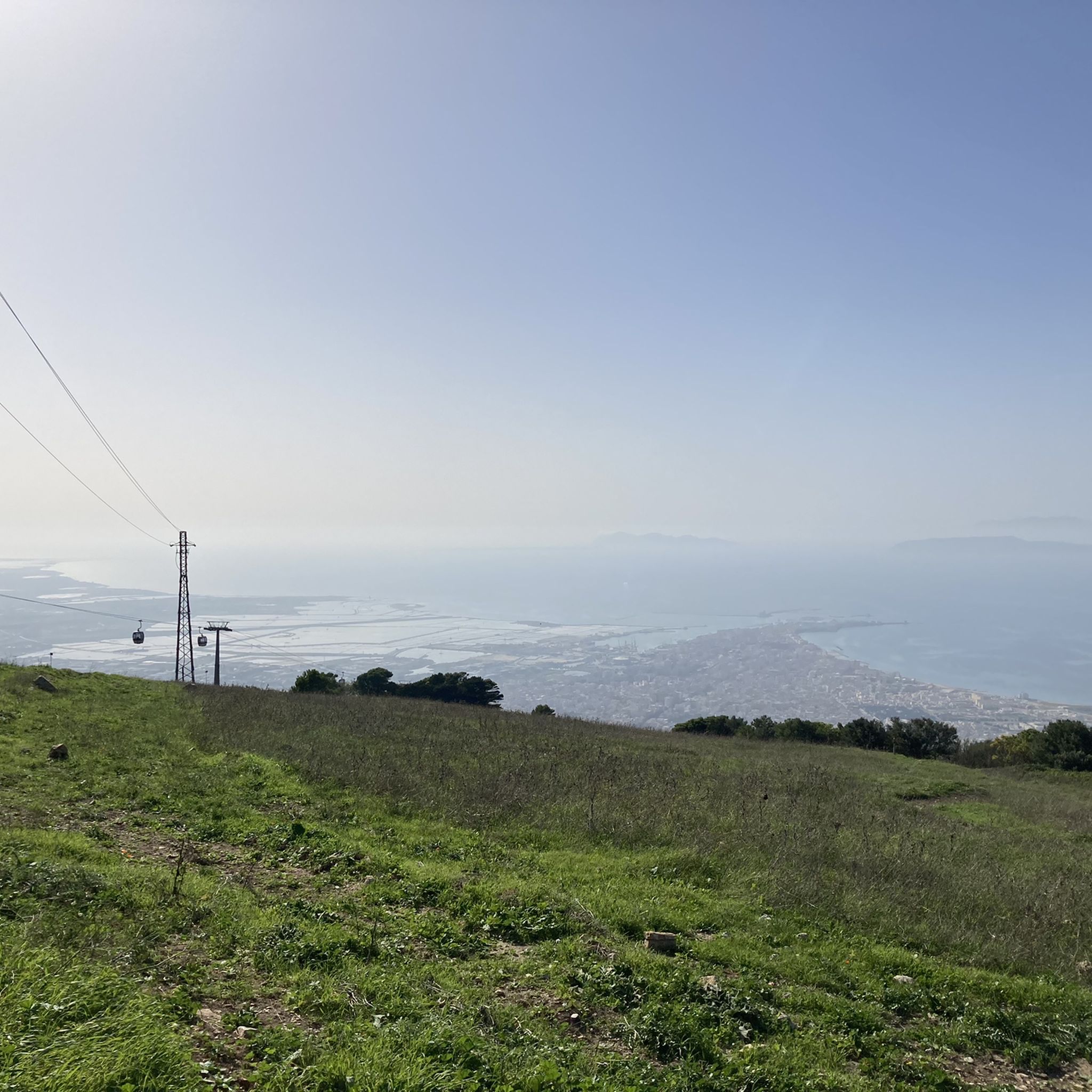
The salt pans of Trapani and Paceco represent a remnant of Nature taken away from urban expansion 26 years ago thanks to the establishment of the Reserve; in addition to being among the last remaining productive salt pans in Sicily, they are also a treasure trove of biodiversity, in which production activities and nature conservation coexist.
Here is concentrated a great naturalistic heritage recognized as a Special Protection Area (ITA010028) and Special Conservation Area (ITA010007), IBA and Ramsar Site, but also an area of high landscape, architectural and ethno-anthropological value.
Source: wwfsalineditrapani.it/
Translated by Google •
Tip by

Sign up now to discover places like this
Get recommendations on the best single tracks, peaks, & plenty of other exciting outdoor places.
Sign up for free
Saline di Trapani e Paceco Nature Reserve
Highlight • Natural Monument
Translated by Google •
Tip by

Maria Stella Mill
Highlight • Monument
Translated by Google •
Tip by

Culcasi Salt Pans with museum and restaurant
Highlight • Natural Monument
There are guided tours in Italian & English.
Next to the mill is a very nice restaurant.
Translated by Google •
Tip by

Sign up for free to discover even more attractions around Riserva naturale integrale Saline di Trapani e Paceco.
Sign up for free
Already have an account?
Start today with a free account
Your next adventure awaits.
Login or Signup
Popular around Riserva naturale integrale Saline di Trapani e Paceco
Road Cycling Routes around Riserva naturale integrale Saline di Trapani e Paceco
Cycling around Riserva naturale integrale Saline di Trapani e Paceco
MTB Trails around Riserva naturale integrale Saline di Trapani e Paceco
Running Trails around Riserva naturale integrale Saline di Trapani e Paceco
Hiking around Riserva naturale integrale Saline di Trapani e Paceco
Tips from the Community

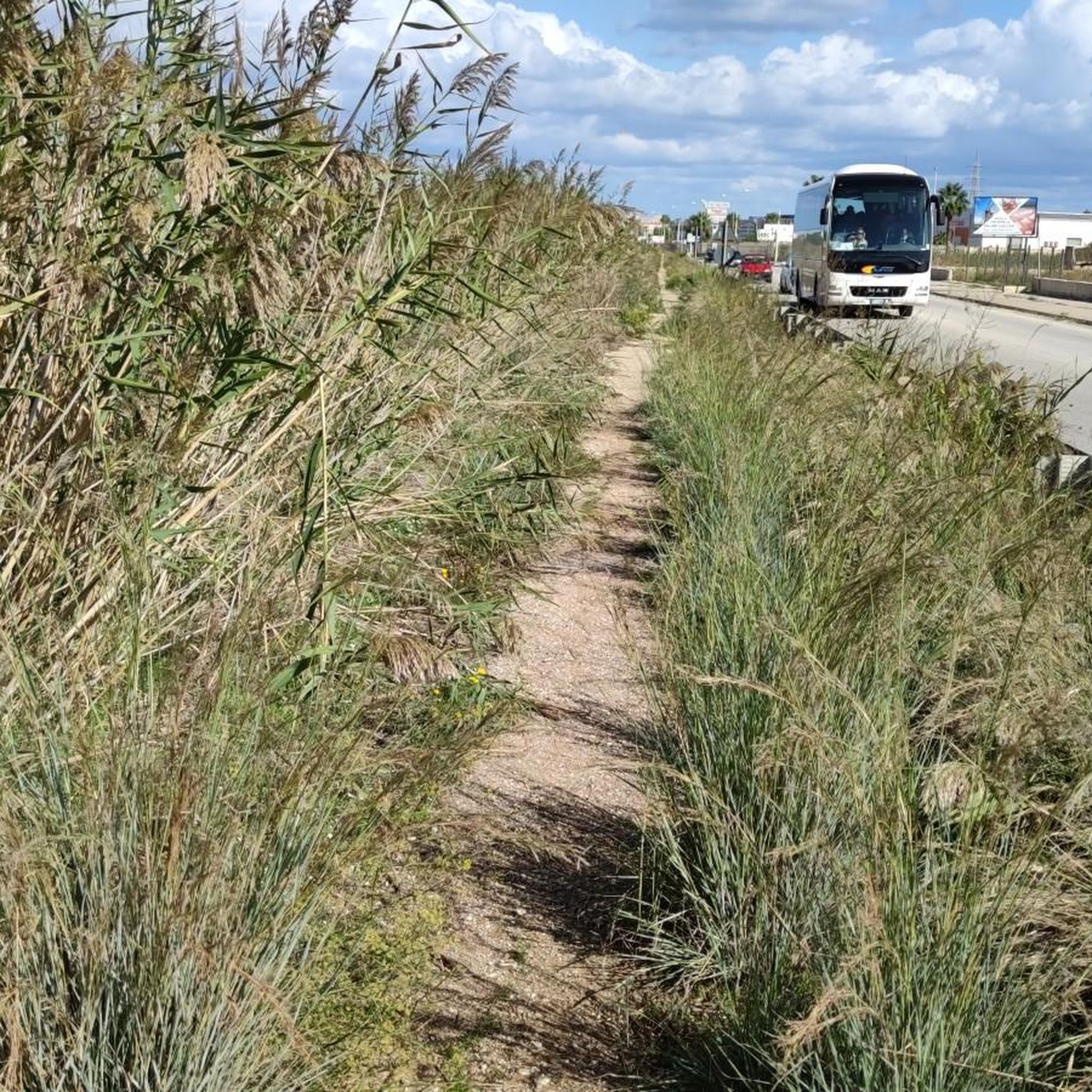
The way from Trapani to the Nubia Salt Museum is unsightly and long on foot along the main road. I recommend going there by car and looking at the salt pans on site.
0
0

An important natural product is extracted from the sea's saltwater here. Only through the power of the elements, sun and wind, which evaporate the water in the saltworks' shallow basins, does pure salt remain. Even today, you won't find a kitchen without salt to season dishes. But in earlier times, it had an additional significance: It was important for preserving food—making it so precious that salt was called "white gold."
0
0

The Maria Stella mill, located on the state road to Trapani, houses the visitor center of the “Riserva naturale orientata delle Saline di Trapani e Paceco”, a protected natural area a few kilometers from Trapani, established in 1995, with the dual intent of preserving a unique habitat, in which a large number of species of migratory birds find shelter (it seems more than 180 have been counted), as well as stopping the advancing building expansion. The Salt Museum is also housed inside the mill.
1
0
It is possible to take advantage of guided tours of the salt mines starting from the museum
0
0

A road bike tour through the salt pans of Trapani and Paceco offers a fascinating insight into the millennia-old tradition of salt production. The flat and well-paved roads lead directly through the quiet basin landscapes, past old windmills that are still used today to regulate water. The vast, open landscape and the shimmering salt create an impressive backdrop that makes every ride an unforgettable experience. In addition to the rich history, the region is also an important resting place for migratory birds such as flamingos, which can be observed during the ride. A special highlight on the route is the Calendula maritima, a rare plant that grows exclusively in this region and is a symbol of local nature conservation. A short stop at the salt museum in one of the windmills is worthwhile to learn more about the importance of salt and the people who have worked with it for thousands of years. This route offers a perfect mix of exercise, cultural experience and enjoyment of nature—ideal for road cyclists who are looking for something special off the beaten track.
0
0

Unmissable show on the salt pans of Trapani and Paceco at sunset is a real spectacle.
14
0

The salt pans of Trapani and Paceco are custodians of a great natural heritage of biodiversity.
4
0
The basins used for salt extraction constitute an environment that hosts a great biological diversity.
0
0
Frequently Asked Questions
What natural features can I explore in the Riserva Naturale Integrale Saline di Trapani e Paceco?
The reserve is renowned for its extensive Trapani and Paceco Salt Pans, which create a stunning landscape, especially at sunset. It also features important coastal wetlands, serving as a crucial habitat for various migratory bird species. You'll also find unique botanical features adapted to the salty environment.
What historical and cultural sites are there to see within the reserve?
The reserve is rich in history, with salt production dating back to the Phoenicians. You can visit the Maria Stella Mill, which houses the visitor center and a Salt Museum. Historic windmills, such as those near Culcasi Salt Pans, dot the landscape, showcasing their role in salt production. The ancient Salina Chiusicella, established in 1488, is one of the oldest operating salt pans.
Are there opportunities for birdwatching in the Saline di Trapani e Paceco?
Yes, the reserve is a paradise for birdwatchers, recognized as one of the most important coastal wetlands internationally. It's a crucial resting and breeding ground for numerous migratory bird species. You can spot pink flamingos, gray herons, black-winged stilts, egrets, avocets, and spoonbills, especially during autumn (September to November) and spring (February to May).
What is the best time of year to visit the Saline di Trapani e Paceco?
The reserve offers unique experiences throughout the year. For birdwatching, spring (February to May) and autumn (September to November) are ideal due to migratory patterns. If you wish to witness traditional salt harvesting, the summer months are the best time to see salt workers in action.
Are there family-friendly activities or attractions in the reserve?
Absolutely! The reserve is considered family-friendly. Children and adults alike can enjoy observing the unique landscape of the salt pans, learning about traditional salt production at the museums, and spotting various bird species. The flat terrain also makes it suitable for easy walks.
Can I witness traditional salt harvesting in the Saline di Trapani e Paceco?
Yes, during the summer months, visitors can often witness the traditional methods of salt harvesting. This labor-intensive process, where salt workers break the thick crust of salt and create pristine white piles, offers a fascinating glimpse into the region's heritage.
Are there hiking or walking trails available near the attractions?
Yes, there are several easy hiking and walking opportunities around the reserve. You can explore routes like the 'Via del Sale' (Salt Road) which starts from the Maria Stella Mill. For more structured options, you can find easy hikes around the area, such as those listed in the Easy hikes around Riserva naturale integrale Saline di Trapani e Paceco guide.
What cycling routes are available around the Riserva Naturale Integrale Saline di Trapani e Paceco?
The area offers scenic cycling routes, allowing you to explore the salt pans and surrounding countryside. A popular option is the 'Trapani Salt Pans and Erice Countryside Loop'. You can find more details and other routes in the Road Cycling Routes around Riserva naturale integrale Saline di Trapani e Paceco guide.
How long should I plan for a visit to the Saline di Trapani e Paceco?
To fully appreciate the natural beauty, historical significance, and cultural aspects, a visit of at least half a day is recommended. This allows time to explore the salt pans, visit a museum, and enjoy some birdwatching. If you plan to do a longer walk or cycle, you might extend your visit to a full day.
Are there any museums within the salt pans area?
Yes, the Maria Stella Mill houses the visitor center for the reserve and the Salt Museum, detailing the history of salt production. Additionally, the Culcasi Salt Pans also feature a museum within an ancient building with a Dutch-type windmill.
What are the best viewpoints for experiencing the salt pans?
The expansive salt pans themselves offer numerous picturesque viewpoints, especially during sunrise or sunset when the changing colors and reflective surfaces create a stunning spectacle. Many visitors find the views from along the 'Via del Sale' particularly captivating.
Is the Riserva Naturale Integrale Saline di Trapani e Paceco accessible for visitors with mobility challenges?
While specific wheelchair-accessible routes are not explicitly detailed, the general flat terrain of the salt pans and designated visitor areas around sites like the Maria Stella Mill may offer some accessibility. It's advisable to contact the WWF Italia visitor center for the most up-to-date information on specific accessible paths and facilities.
What kind of wildlife can I expect to see besides birds?
Beyond the abundant birdlife, the reserve is also home to various mammals such as foxes, rabbits, hedgehogs, and weasels, as well as bats. While these are often more elusive than the birds, their presence contributes to the rich biodiversity of the area.
Most popular routes around Riserva naturale integrale Saline di Trapani e Paceco
Most popular attractions around Riserva naturale integrale Saline di Trapani e Paceco

Get inspired with the komoot mobile app


Explore more
Still not found the Highlight you’re looking for? See guides of the top attractions in other regions:
