Parque Nacional de Picos de Europa
Parque Nacional de Picos de Europa
Top 20 Natural Monuments around Parque Nacional de Picos de Europa
Best natural monuments around Parque Nacional de Picos de Europa include a diverse range of features, from glacial lakes and towering peaks to deep gorges and extensive cave systems. This protected area spans Asturias, Cantabria, and Castilla y León, offering a varied landscape. The region is characterized by its limestone massifs, shaped by glacial movements, and is home to significant geological formations. These sites are notable landmarks and natural features for outdoor enthusiasts.
Best natural monuments around Parque Nacional de…
Last updated: July 10, 2026
6 km on the Ruta del Cares
Highlight • Gorge
Translated by Google •
Tip by

El Cable Viewpoint
Highlight • Viewpoint
Translated by Google •
Tip by

Sign up now to discover places like this
Get recommendations on the best single tracks, peaks, & plenty of other exciting outdoor places.
Sign up for free
Fuente Dé Cable Car
Highlight • Rest Area
Translated by Google •
Tip by

Cares Gorge (Garganta Divina) – Picos de Europa National Park
Highlight • Gorge
You …
Translated by Google •
Tip by

Crystal-clear stream near the Cares River
Highlight • River
Do …
Translated by Google •
Tip by
Sign up for free to discover even more natural monuments around Parque Nacional de Picos de Europa.
Sign up for free
Already have an account?
Start today with a free account
Your next adventure awaits.
Login or Signup
Popular around Parque Nacional de Picos de Europa
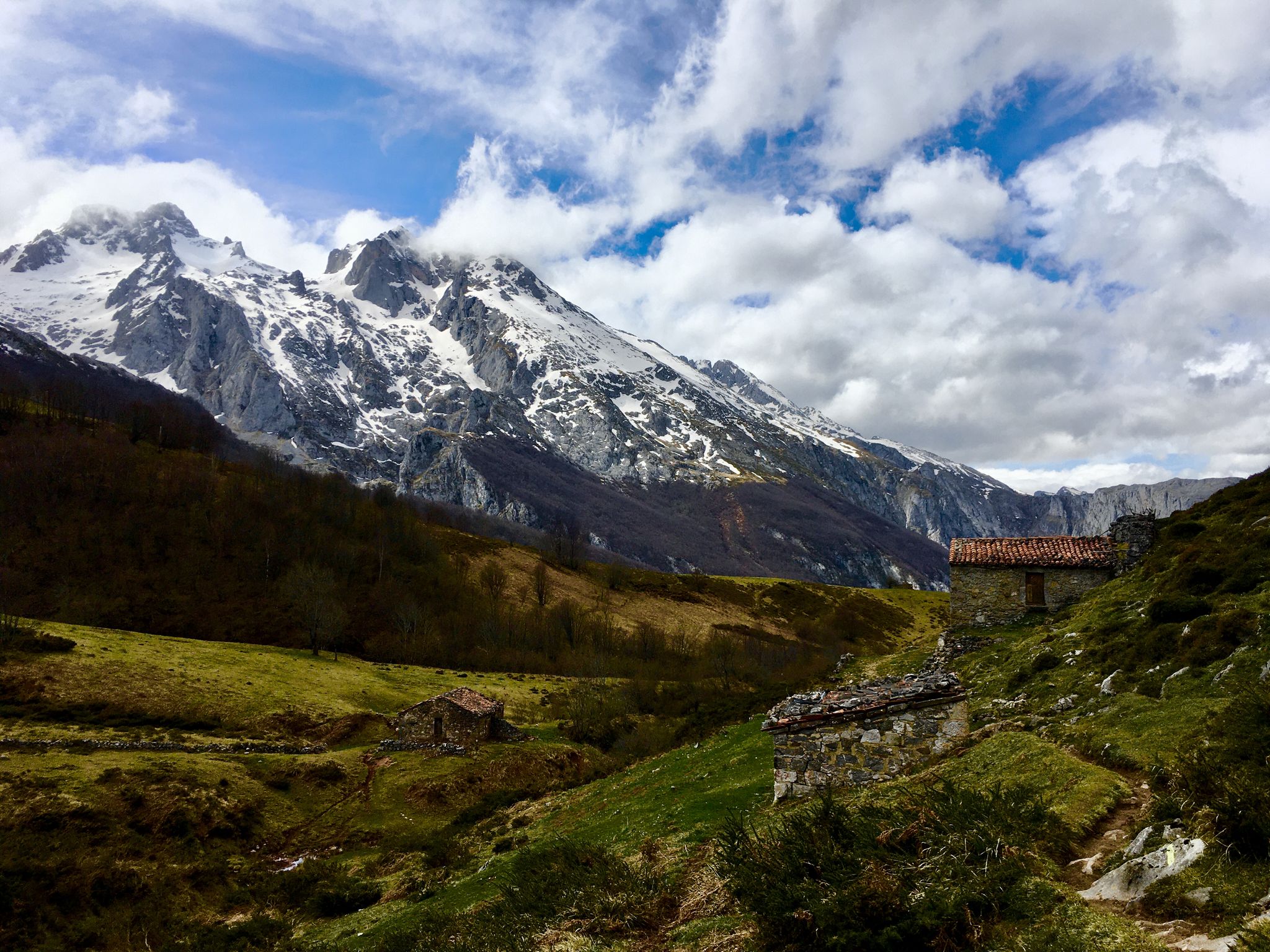
Route of the Reconquest (GR 202) – In the footsteps of an army
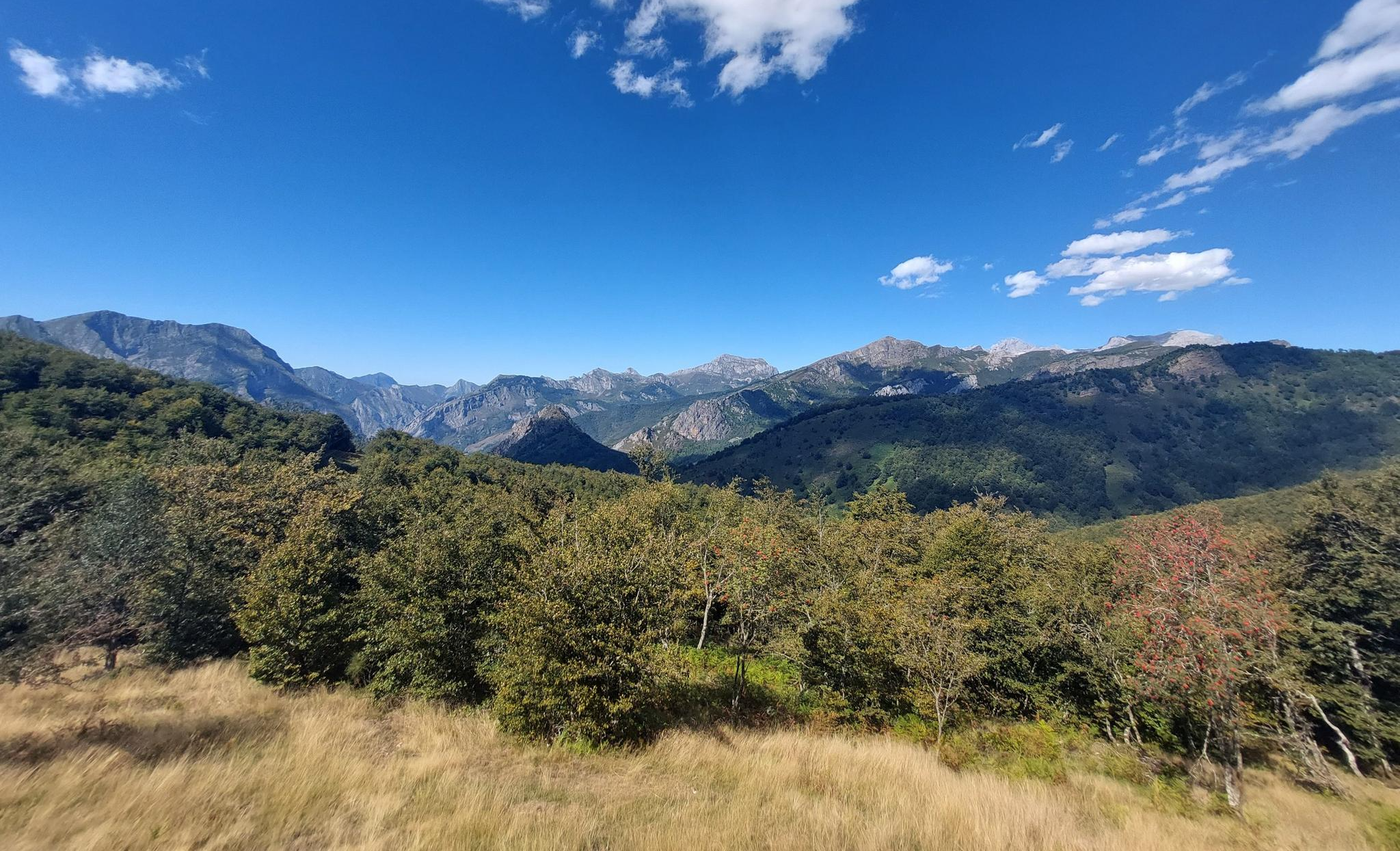
Senda del Arcediano (GR 210) - A historical hike through the Picos del Picos
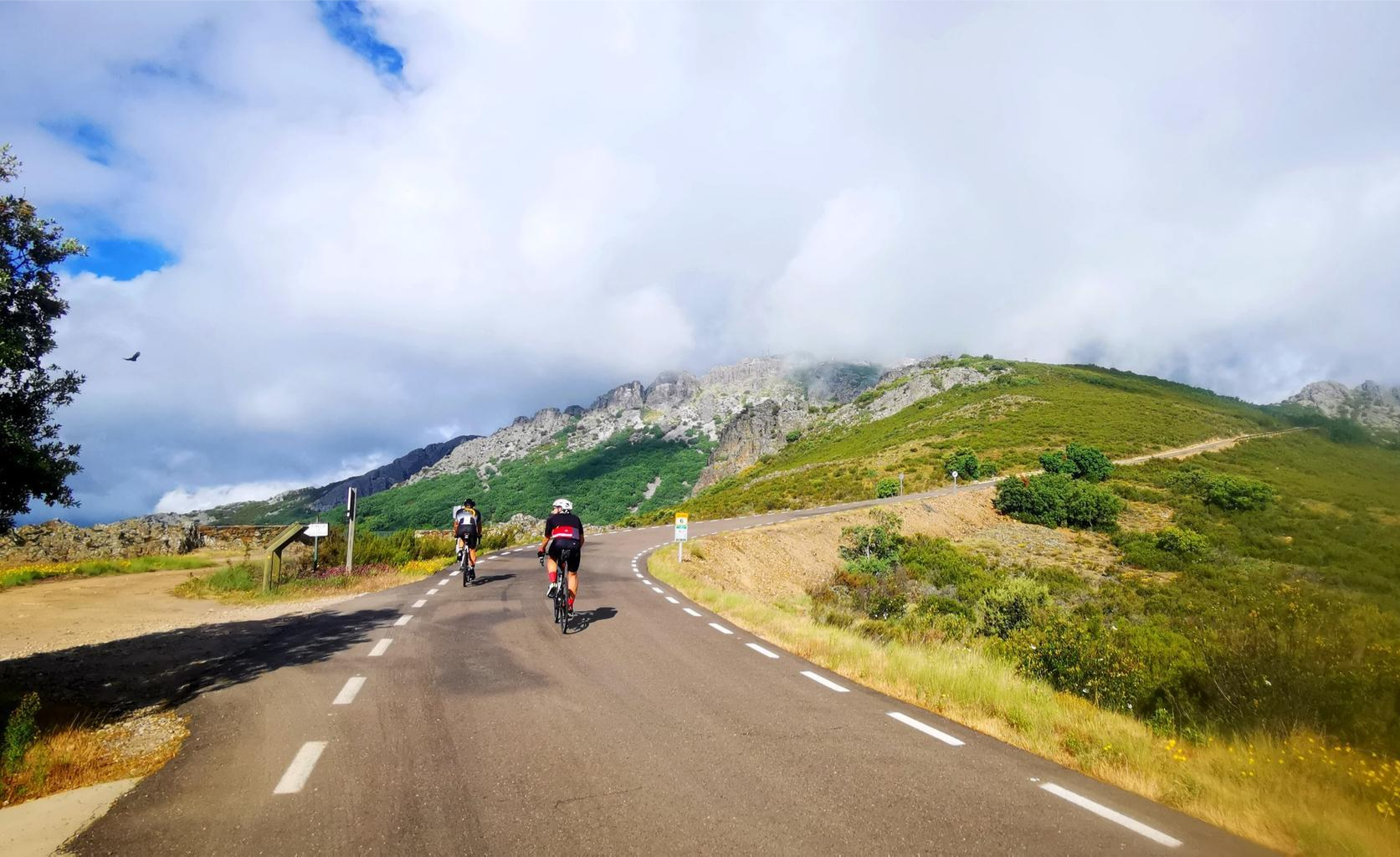
Legendary climbs - Ports of La Vuelta a España
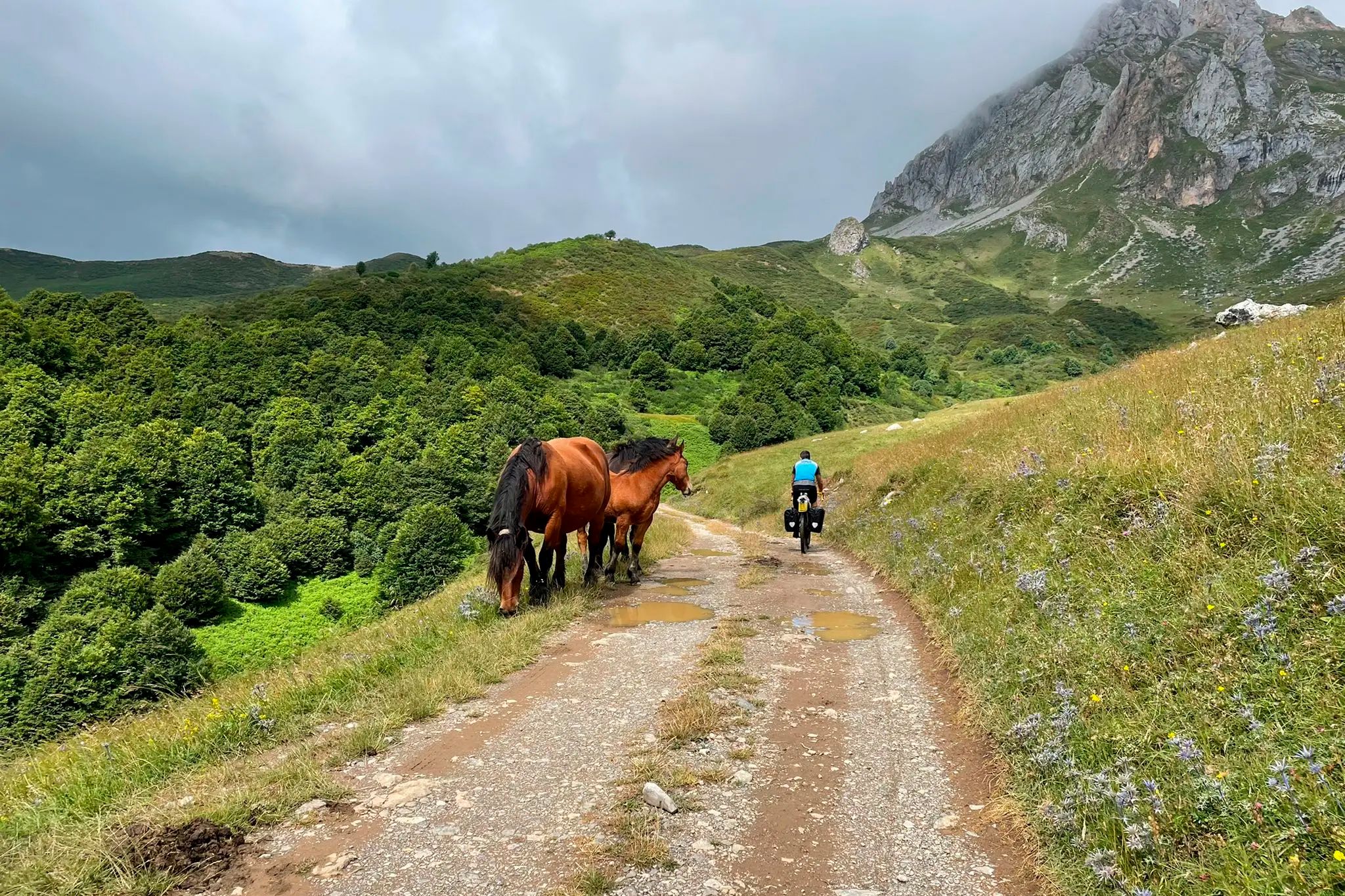
TransCantabrica – Extreme mountain biking in northern Spain
From statue to statue – Reconquista Challenge
A trip through the mountains – Pedales de León MTB
A pilgrimage to the peaks – Camino de los Santuarios
The untamed Collado Jermoso – Picos de Europa
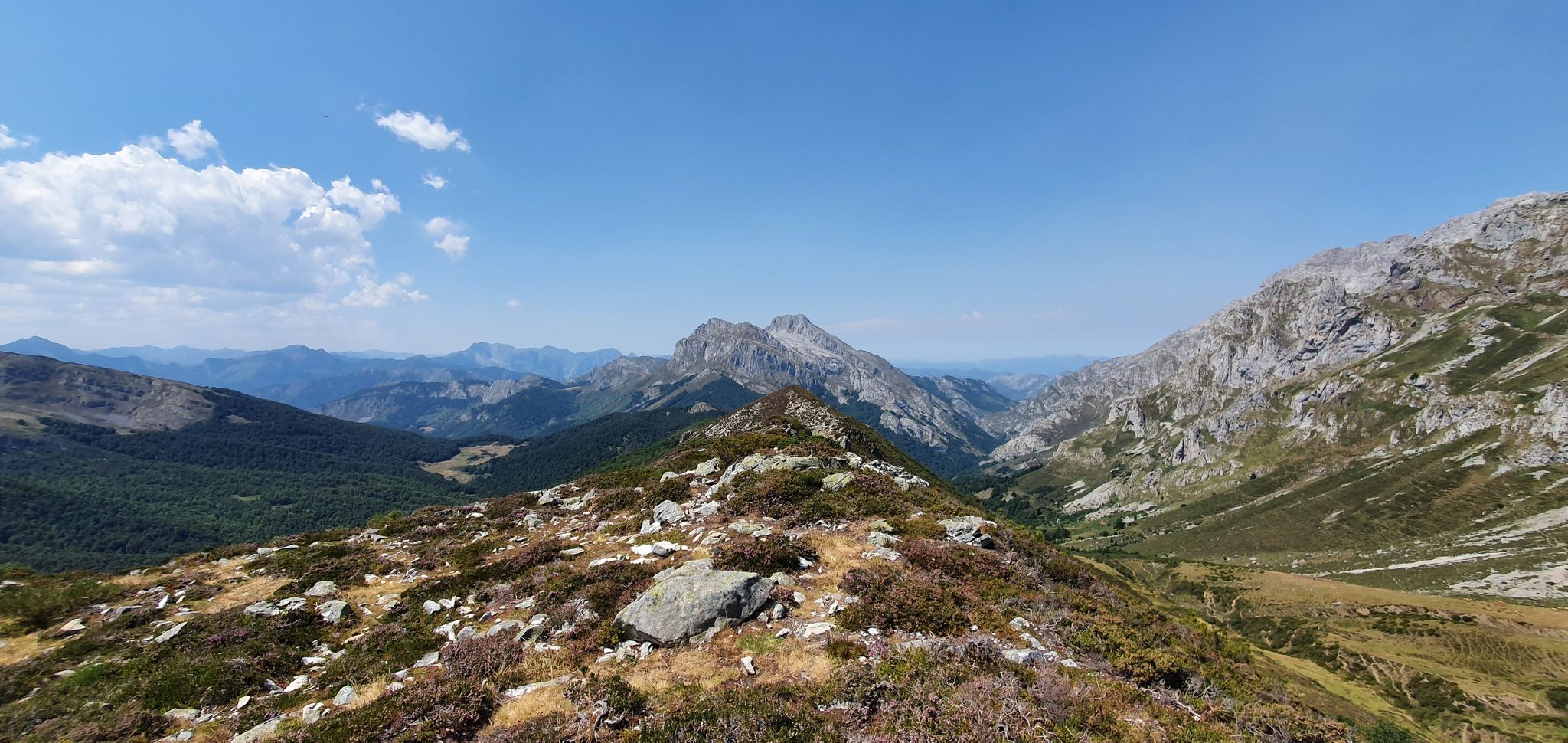
Four days hiking in Spain’s Picos de Europa – Anillo Vindio
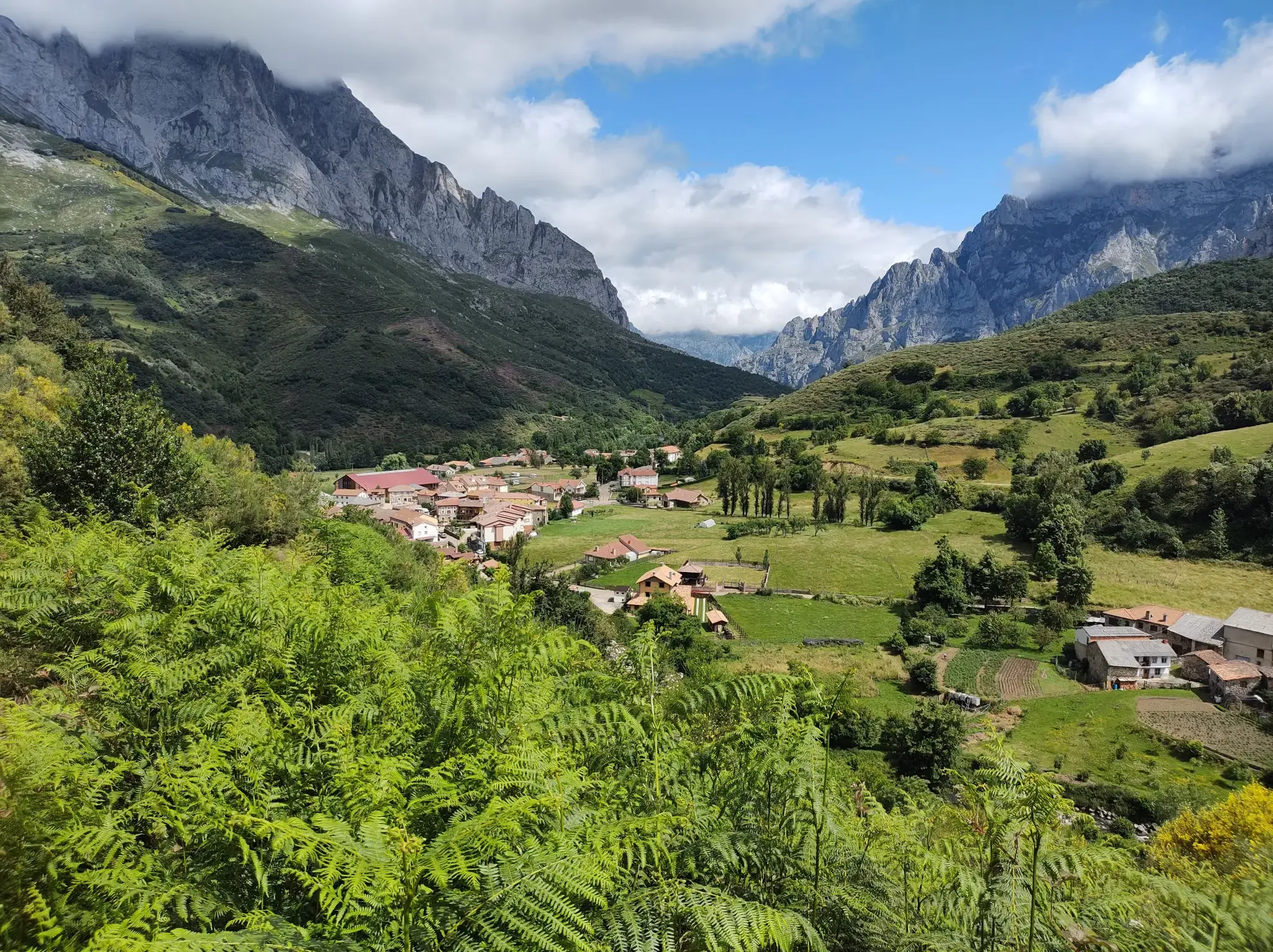
Hike Spain’s Picos de Europa – Ring of Peaks, Three Massifs
Other adventures around Parque Nacional de Picos de Europa


Tips from the Community

Spectacular landscapes. The cable car ride also offers beautiful views. I visited/walked around there and loved it, I recommend it.👍🥾
0
0

A fantastic swimming spot in the VERY cold Cares River. Highly recommended, especially after a hike!
0
0

Known as the "Garganta Divina", this route between Cain (Leon, Castile and Leon) and Poncebos (Asturias) offers you the opportunity to walk between mountains that rise more than 2,000 meters above the bottom of the imposing gorge dug by the Cares River. You will see mythical peaks, cross bridges that connect both sides of the gorge, go through about 70 tunnels carved into the rock and witness an amazing natural spectacle.
4
0
Known as the "Garganta Divina", this route between Cain (Leon, Castile and Leon) and Poncebos (Asturias) offers you the opportunity to walk between mountains that rise more than 2,000 meters above the bottom of the imposing gorge dug by the Cares River. You will see mythical peaks, cross bridges that connect both sides of the gorge, go through about 70 tunnels carved into the rock and witness an amazing natural spectacle.
1
0

Mega canyon in a mega backdrop
5
1

Great vantage point! Can be reached on foot by hiking along the Rio Duje.
2
0

A beautiful river, transparent and very comfortable to see.
5
0
Frequently Asked Questions
What are some notable natural features and viewpoints in Parque Nacional de Picos de Europa?
The Parque Nacional de Picos de Europa is rich in natural features. You can experience the dramatic Ruta del Cares, a gorge offering spectacular views. Another must-see is El Cable Viewpoint, located at 1,847 meters, providing panoramic views of the central massif and the Liébana Valley. The region also features glacial lakes like Enol and Ercina near Covadonga, towering peaks such as Naranjo de Bulnes, and extensive cave systems.
What is the best time to visit the natural monuments in Picos de Europa?
The best time to visit the natural monuments in Picos de Europa generally depends on your planned activities. Summer (June to September) offers the most stable weather for hiking and mountaineering, though popular sites like the Lakes of Covadonga may have restricted vehicle access, requiring shuttle buses. Spring and autumn provide milder temperatures and fewer crowds, with vibrant foliage in autumn. Winter can be challenging due to snow and ice, especially at higher altitudes, but offers unique landscapes for experienced winter sports enthusiasts.
What do visitors enjoy most about the natural monuments in Picos de Europa?
Visitors particularly enjoy the breathtaking scenery, the challenge of the trails, and the unique geological formations. The Ruta del Cares is highly praised for its dramatic views and impressive human engineering. The panoramic vistas from viewpoints like El Cable Viewpoint are also a major draw. Many appreciate the opportunity to observe local wildlife and the sense of immersion in raw nature.
Are there family-friendly natural monuments or trails in Picos de Europa?
Yes, several natural monuments and areas in Picos de Europa are suitable for families. The area around the Lakes of Covadonga offers well-maintained trails suitable for various fitness levels. While the El Cable Viewpoint itself is accessible via cable car, making it easy for families to enjoy high-altitude views. Always check specific trail difficulties and conditions, especially with younger children.
How can I access the Lakes of Covadonga, especially during peak season?
During peak season, access for private vehicles to the Lakes of Covadonga is regulated to preserve the environment. Visitors typically need to use shuttle buses that operate from designated parking areas. It's advisable to check local regulations and schedules before your visit to plan your journey effectively.
Are there any unique cultural or historical aspects associated with the natural monuments?
Yes, the region's natural monuments often intertwine with its rich cultural and historical heritage. The Lakes of Covadonga are near the Covadonga Sanctuary, a site of significant religious and historical importance. Torre de Cerredo, the highest peak, notably houses a geodetic marker and an image of the Virgin of Covadonga. Additionally, some of the extensive cave systems are used for curing Cabrales cheese, reflecting local traditions.
What outdoor activities and hiking trails are available near these natural monuments?
The Parque Nacional de Picos de Europa offers a wide range of outdoor activities. You can find numerous hiking trails, from easy walks to challenging mountaineering routes. Popular options include the Route of Cares from Poncebos to Caín, or the circular Puertos de Áliva from Fuente Dé. For more challenging mountain hikes, consider routes like the Viewpoint – Horcados Rojos loop from Fuente Dé. The area also has options for mountain biking.
What makes the Cares Gorge a popular hiking destination?
The Cares Gorge, often called the 'Divine Gorge,' is a popular hiking destination due to its dramatic scenery and unique trail. The Ruta del Cares is carved into towering cliff faces, offering breathtaking views of the Cares River below and the surrounding mountains. The path, originally created for a hydroelectric plant, features numerous tunnels and bridges, making it an immersive experience that showcases both natural beauty and impressive human engineering.
What can I expect when visiting the Fuente Dé Cable Car and El Cable Viewpoint?
The Fuente Dé Cable Car provides a spectacular ascent, overcoming a 750-meter drop in just four minutes, transporting you to an altitude of 1,820 meters. At the top, El Cable Viewpoint offers panoramic views of the Picos de Europa's central massif, the Liébana Valley, and the Cantabrian Mountains. From here, you can embark on various hiking trails or simply enjoy the stunning high-mountain landscape.
Are there any significant cave systems in Picos de Europa?
Yes, the Picos de Europa is renowned for its extensive and deep cave systems, formed within its calcareous rock. It hosts thousands of cavities, with many reaching depths of over 1,000 meters, including some of the world's deepest. These underground landscapes, with their stalagmites and stalactites, offer unique opportunities for speleologists and provide a glimpse into the region's geological history.
What is the significance of Naranjo de Bulnes (Picu Urriellu)?
Naranjo de Bulnes, also known as Picu Urriellu, is a striking limestone peak that rises to 2,519 meters in the Central Massif. It is particularly famous for its imposing 550-meter vertical west face, making it a highly challenging and iconic destination for mountaineers and a symbol of Spanish mountaineering. Even for non-climbers, hiking to the Refugio Vega de Urriellu at its base offers stunning views of the peak and the surrounding landscape.
Can I find routes for mountain biking in the area?
Yes, the Parque Nacional de Picos de Europa offers several routes suitable for mountain biking. You can explore trails like the Ándara Massif Trail or the Portillo del Boqueron – circular desde Fuente Dé. These routes provide an excellent way to experience the diverse landscapes of the Picos de Europa on two wheels, with options ranging in difficulty.
Most popular routes around Parque Nacional de Picos de Europa
Most popular attractions around Parque Nacional de Picos de Europa

Get inspired with the komoot mobile app


Explore more
Extend your search for the best caves by checking out these guides of the top ones around Parque Nacional de Picos de Europa:
