The best traffic-free bike rides in Albania
4.3
(714)
4,706
riders
11
rides
No traffic touring cycling routes in Albania traverse a landscape characterized by dramatic dolomite limestone karst mountains in the north, a rugged coastline along the Ionian Sea, and significant freshwater lakes. The country features diverse terrain, from challenging mountain passes and deep gorges to serene coastal roads and river valleys. Cyclists can explore a mix of paved roads and gravel paths, often encountering traditional villages and agricultural areas. This varied geography provides a range of experiences for touring cyclists seeking…
Last updated: October 13, 2026
4.9
(9)
67
riders
9.59km
00:41
150m
150m
Easy bike ride. Great for any fitness level. Mostly paved surfaces. Suitable for all skill levels.
4.2
(5)
34
riders
Hard bike ride. Very good fitness required. Mostly paved surfaces. Suitable for all skill levels.

4.8
(4)
39
riders
4.38km
00:17
40m
40m
Easy bike ride. Great for any fitness level. Mostly paved surfaces. Suitable for all skill levels.
4.5
(4)
22
riders
17.2km
01:37
700m
700m
Hard bike ride. Very good fitness required. Mostly paved surfaces. Suitable for all skill levels.
3.8
(4)
13
riders
Moderate bike ride. Good fitness required. Mostly paved surfaces. Suitable for all skill levels.
Get access to more routes and recommendations from other explorers.
Already have an account?
Our route recommendations are based on thousands of hikes, rides, and runs completed by other people on komoot.
Start today with a free account
Your next adventure awaits.
Popular around Albania

Traffic-free bike rides around Lake Skadar

Traffic-free bike rides in Lezhë

Traffic-free bike rides in Tirana

Traffic-free bike rides in Durrës
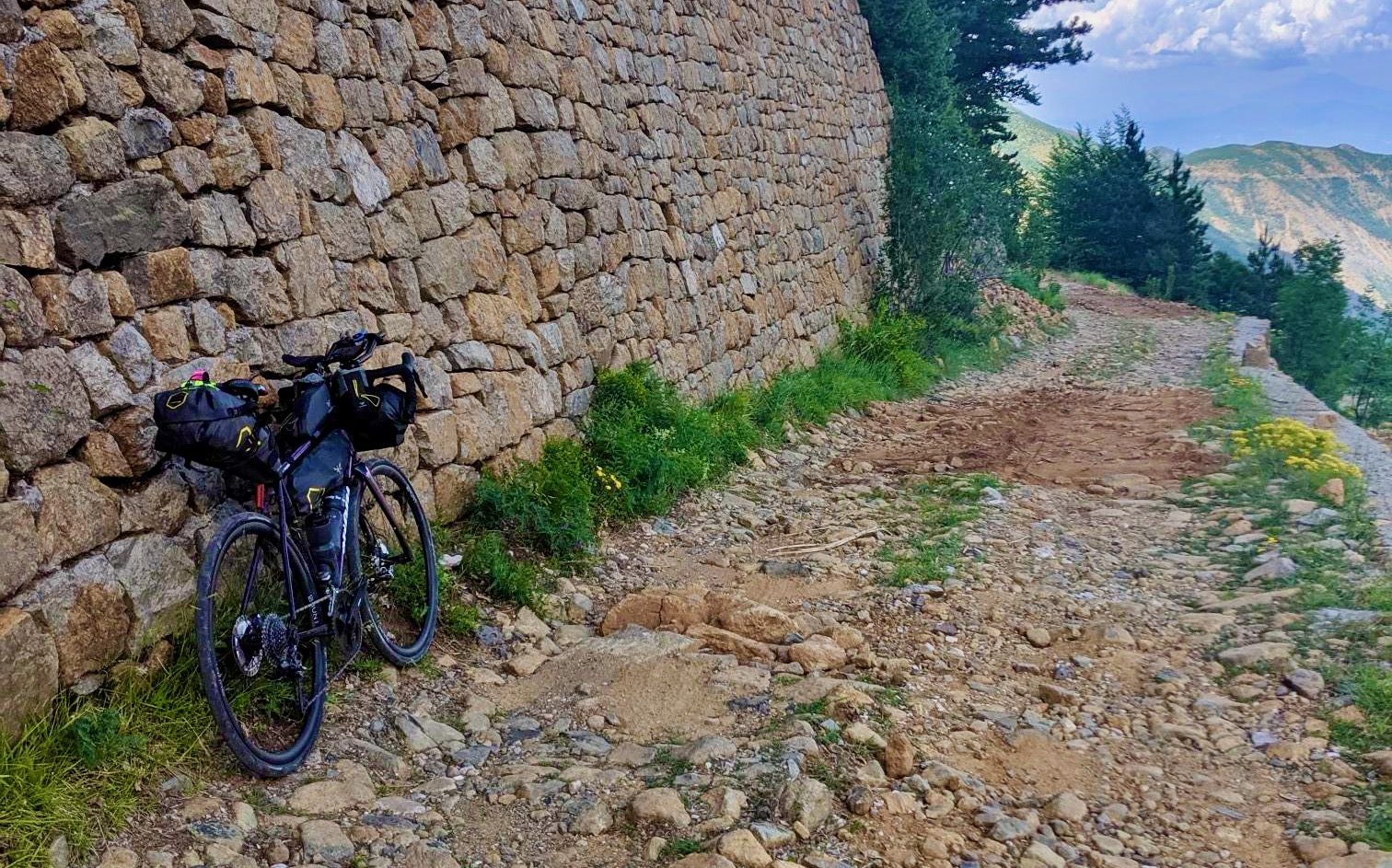
Traversing the Dinaric Alps — bikepacking from the mountains to the sea
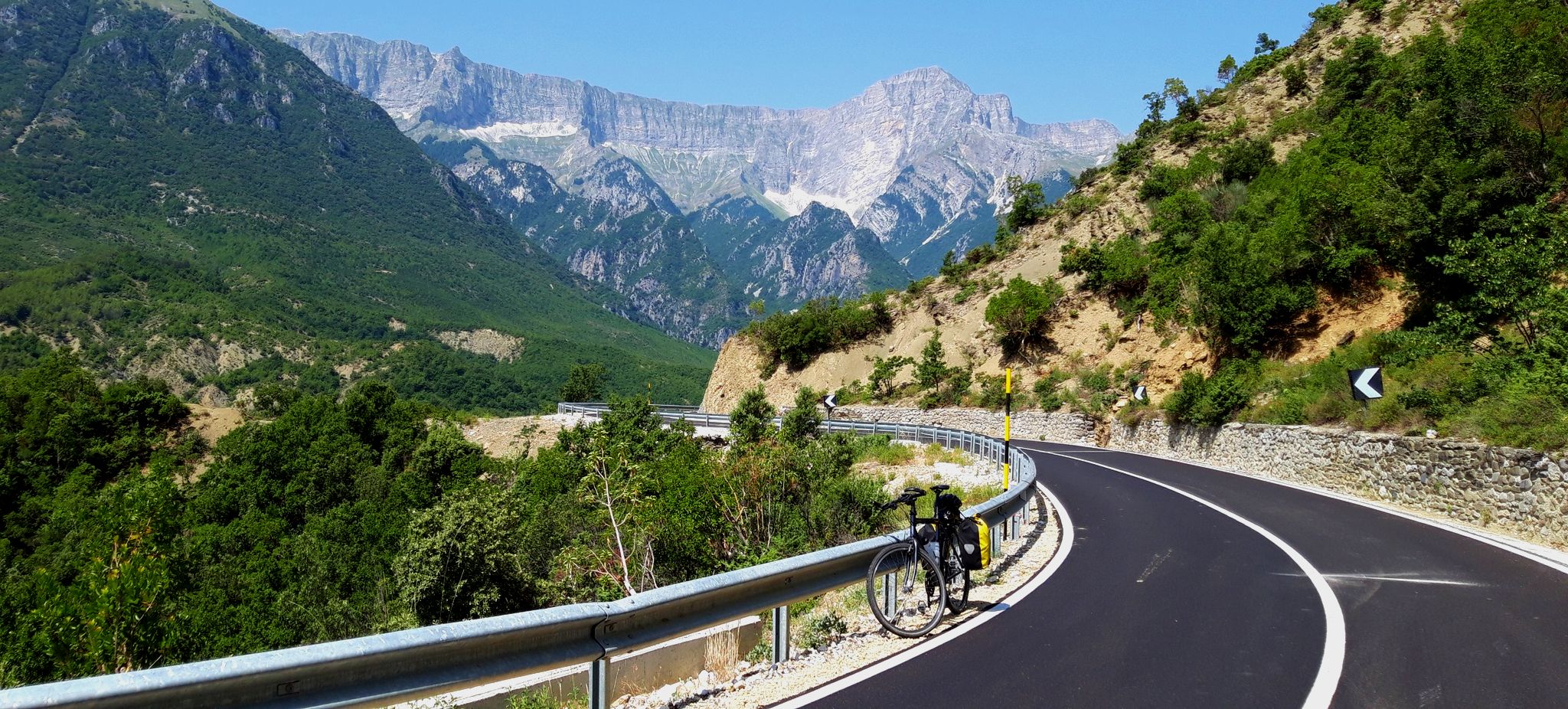
Balkan cycling adventure – Dubrovnik to Corfu
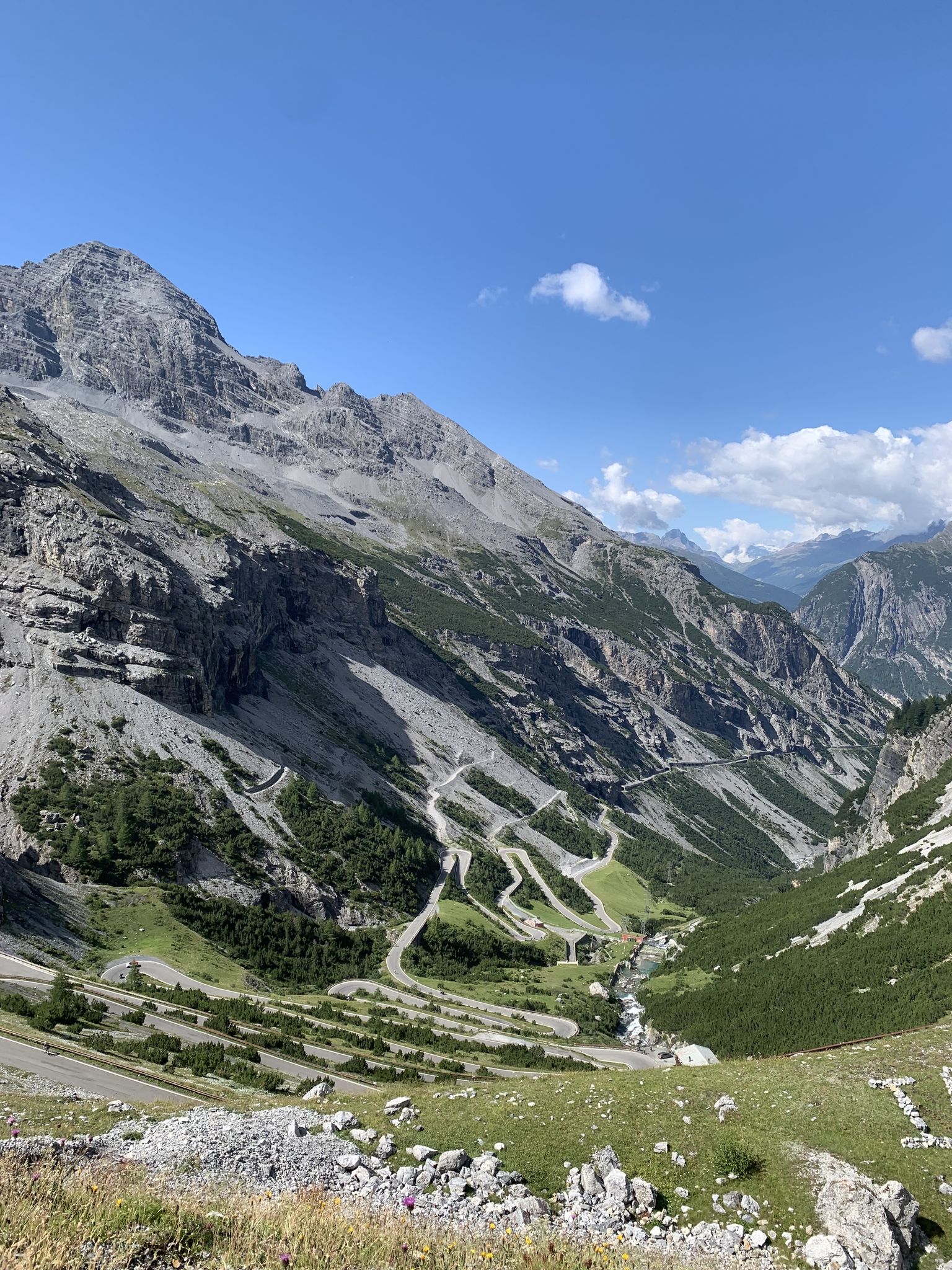
Transcontinental Race No9 2023
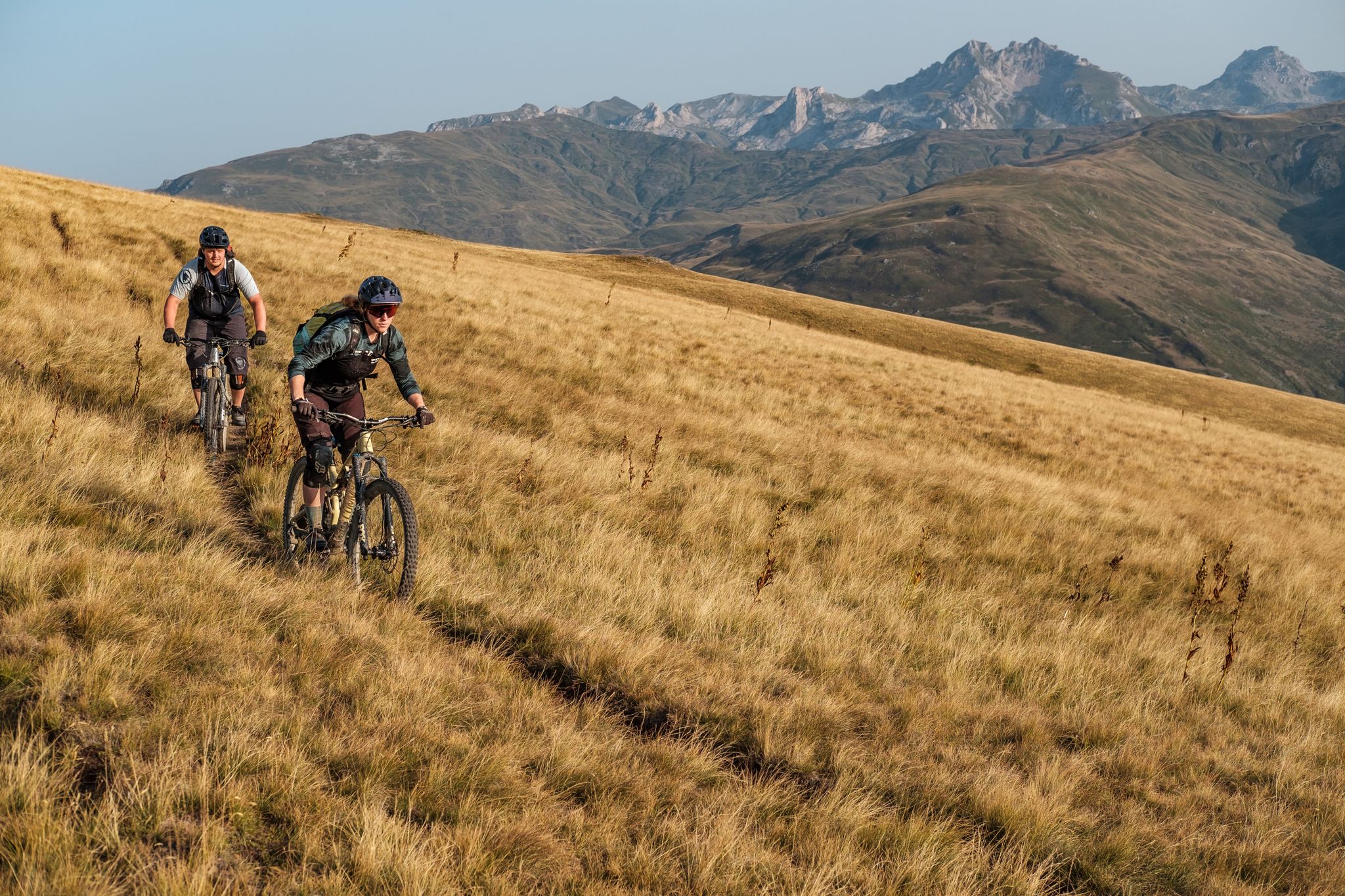
Explorer Trip through Kosovo and Albania
As we wrote history – the Transcontinental Race #TCRN06
Other adventures in Albania


Tips from the Community

The rear bunker is the largest and probably a naval bunker, recognizable by the eaves on the ground.
1
0
Nice little church
1
0

The monument in Krujë honors Gjergj Kastrioti Skënderbeu, the Albanian national hero who united the Albanian principalities in the 15th century and resisted the Ottoman Empire for over 25 years. He won 24 out of 25 battles and is therefore seen as the symbol of Albanian independence.
6
0
Panorama next to the Sarisalltik temple, on the high plateau above Krujë. From this point, you look eastwards over the Shkumbin valley, with the city of Elbasan in the distance.
7
0
This is the absolute highlight of the climb! Hidden in a natural cave on the mountainside lies the Teqe of Sari Salltik, a deeply spiritual sanctuary of the Bektashi Order. This Sufi complex honours the 13th-century mystic Sari Salltik, who, according to legend, protected the region from evil. Via a steep stone staircase, you descend into the atmospheric cave church where a bronze statue of the saint stands. You will also find a natural spring whose water pilgrims believe has healing properties. Once back outside, you will be rewarded with an incredible 'balcony view': in clear weather, you can see the entire coastal plain, from Tirana far across the Adriatic Sea! Practical: At the top of the mountain (near the sanctuary) there is a café/restaurant for a well-deserved cold drink or an Albanian coffee after the strenuous hike. (It was closed when we were there).
5
0
Historic castle complex above Krujë, center of Skanderbeg's 15th-century defense. Within the walls lie the Skanderbeg Museum and the Dollma Tekke, with sightlines over the city and mountain flanks. The old town connects directly: narrow streets, traditional wooden shops, and the characteristic bazaar ribbon towards the castle gate.
7
0
The Sint-Antoniuskerk is a 14th-century cultural monument, restored in 2000, located on the Adriatic coast near Durrës (Albania). The building combines Romanesque and Gothic elements with carved stone details on the exterior and historical murals inside. Historically, the church had close ties to a nearby Byzantine monastery of Mary (confirmed in a document from 1418) and served as a burial place for local noble families. Two unique features of the building are the symbol of the double-headed eagle in the stonework and a rare mural of Mamica Kastrioti on horseback, the sister of national hero Skanderbeg. Today, the well-preserved church is accessible on foot and open to visitors.
8
0
Cape Rodon still bears the scars of Albania's isolated Hoxha era. Along the cape runs a whole belt of bunkers and underground passages, built between 1970 and 1985 when the country feared an invasion from the sea. The location was ideal: a narrow spit of land jutting deep into the Adriatic Sea, with a clear view of any movement along the Bay of Lalëz. That is why a local command post was set up here, not a large base but a regional coordination point that controlled the various observation posts and artillery positions. The long, vaulted tunnels served as safe passage between these posts, protected against blast waves and bombardments. Small concrete rooms overlooked the sea, while light artillery on the rocks was meant to slow down any landing. Today, the bunkers lie abandoned in the landscape, partly overgrown, partly open and raw, forming a silent reminder of a time when Albania had completely dug itself in. The beach segment now called Plazhi i Bunkerit simply refers to those visible bunkers along the coast: a place where nature and military heritage merge almost by themselves.
8
0
Frequently Asked Questions
What kind of terrain can I expect on no-traffic touring cycling routes in Albania?
Albania offers a diverse range of terrain, even on routes designed to minimize traffic. You'll find everything from challenging mountain passes in the Albanian Alps, with gradients exceeding 15% and elevations up to 2500m, to more moderate coastal rides along the Albanian Riviera and flatter routes around its significant lakes like Ohrid and Shkodër. Some routes, like the Llogara Pass Descent, feature substantial climbs and descents, while others, such as the Kadi Bridge – Bënja Thermal Springs loop, offer gentler elevation changes.
Are there any easy or family-friendly no-traffic touring cycling routes in Albania?
Yes, Albania has several easy routes suitable for families or those seeking a more relaxed ride. For instance, the Kadi Bridge – Bënja Thermal Springs loop from Petran is an easy option, offering a gentle ride. Another easy route is the Blue Eye – "Blue Eye" loop from Natural Monument The Blue Eye, which is relatively short and flat. The southern region generally features more predominantly flat roads, making it a good choice for less strenuous cycling.
What natural attractions can I see along these no-traffic cycling routes?
Albania's no-traffic routes often lead to stunning natural wonders. You can encounter dramatic landscapes in the Albanian Alps, including glacial lakes and alpine meadows. Waterfalls are a common sight, such as the Grunas Waterfall and the famous Blue Eye (Syri i Kaltër) Waterfall. The Kadi Bridge – Bënja Thermal Springs loop, for example, takes you to relaxing thermal springs. You might also pass through picturesque gorges like Langarica Canyon or enjoy views of large lakes such as Lake Koman.
What is the best time of year for no-traffic touring cycling in Albania?
Spring and autumn are considered ideal seasons for cycling in Albania. During these times, temperatures are pleasant, flowers are blooming, and foliage is vibrant, with a lower chance of extreme weather. This allows for comfortable exploration of both mountain and coastal routes. Summer can be quite hot, especially in coastal areas, while winters in the mountains can be challenging due to snow and colder temperatures.
Are there any loop routes available for no-traffic touring cycling?
Yes, several no-traffic touring cycling routes in Albania are designed as loops, allowing you to start and end at the same point. Examples include the Kadi Bridge – Bënja Thermal Springs loop from Petran and the Blue Eye – "Blue Eye" loop from Natural Monument The Blue Eye. These circular routes are convenient for day trips and ensure you don't have to retrace your steps.
What cultural landmarks can I visit while cycling in Albania?
Albania's cycling routes often connect significant historical and cultural sites. You can explore UNESCO World Heritage Sites like the Ottoman-era architecture of Gjirokastër and Berat, or the ancient ruins of Butrint. Many routes pass through traditional villages, offering a glimpse into authentic Albanian rural life with stone houses and local cuisine. The country's rich history means you'll find numerous castles, ancient cities, and archaeological parks along the way.
What do other touring cyclists enjoy most about no-traffic routes in Albania?
The no-traffic touring cycling routes in Albania are highly rated by the komoot community, with an average score of 4.35 stars. Reviewers often praise the authentic and untouched landscapes, the tranquility of the paths with significantly less car traffic, and the opportunity to immerse themselves in local culture. The diverse scenery, from dramatic mountains to pristine coastlines, and the affordability of the experience are also frequently highlighted.
How many no-traffic touring cycling routes are available in Albania?
There are over 10 dedicated no-traffic touring cycling routes available in Albania, ranging in difficulty from easy to difficult. This selection provides options for various skill levels and preferences, ensuring a suitable route for almost every cyclist looking for a peaceful ride.
Is it possible to combine cycling with public transport in Albania?
While Albania's public transport system is developing, combining cycling with it can be challenging. Buses are the primary mode of intercity transport, but space for bicycles is not always guaranteed, especially on smaller vehicles or during peak times. It's advisable to inquire locally or with specific transport providers in advance if you plan to bring your bike on public transport.
Are there places to eat or find accommodation along these routes?
Yes, even on no-traffic routes, you'll often find opportunities for refreshments and accommodation, particularly in or near traditional villages and towns. Albania's rural character means you can experience authentic local cuisine and find guesthouses or small hotels. It's always a good idea to plan your stops in advance, especially in more remote mountain areas, as services might be less frequent.
What are the typical distances and durations for no-traffic touring cycling routes in Albania?
The distances and durations vary significantly depending on the route's difficulty and terrain. Easy routes, like the Blue Eye loop, can be as short as 4 km and take less than an hour. Moderate routes, such as the Wooden Pier and Beach at Golem loop, might be around 23 km and take a few hours. Difficult routes, like the View of the Peninsula – Bunkers at Rodoni Beach loop, can extend to nearly 30 km with significant elevation changes, requiring several hours to complete.
Most popular attractions in Albania

Get inspired with the komoot mobile app


Didn’t find what you were looking for?
Check out more Cycling routes throughout Albania below and find the perfect route in your destination.
Explore more
Browse the best Cycling routes in other regions.
