The best hikes from bus stations in Albania
4.3
(15880)
90,917
hikers
188
hikes
Hiking in Albania offers diverse landscapes, from the rugged peaks of the Albanian Alps to scenic coastlines and river valleys. The country is largely mountainous, with approximately 75% covered by mountains or hills, providing extensive terrain for exploration. Bus station hiking trails in Albania often lead through deep green valleys, past crystal-clear rivers, and into dense forests. This varied topography includes high mountain passes, glacial lakes, and dramatic canyons, making it suitable for a range of hiking experiences.
Best bus…
Last updated: October 13, 2026
4.7
(1095)
4,980
hikers
Hard hike. Very good fitness required. Sure-footedness, sturdy shoes and alpine experience required.
4.8
(845)
4,736
hikers
15.7km
08:04
1,290m
1,290m
Hard hike. Very good fitness required. Mostly accessible paths. Sure-footedness required.

4.5
(478)
2,037
hikers
Moderate hike. Good fitness required. Mostly accessible paths. Sure-footedness required.
4.4
(114)
2,222
hikers
Easy hike. Great for any fitness level. Easily-accessible paths. Suitable for all skill levels.
4.4
(87)
2,161
hikers
Easy hike. Great for any fitness level. Easily-accessible paths. Suitable for all skill levels.
Get access to more routes and recommendations from other explorers.
Already have an account?
Our route recommendations are based on thousands of hikes, rides, and runs completed by other people on komoot.
Start today with a free account
Your next adventure awaits.
Popular around Albania

Hikes from bus stations in Kukës

Hikes from bus stations in Shkodër

Hikes from bus stations in Vlorë

Hikes from bus stations in Tirana
Hikes from bus stations around Lake Skadar

Hikes from bus stations in Durrës

Hikes from bus stations in Korçë

Hikes from bus stations around Parku Nacional i Liqenit të Shkodrës

Hikes from bus stations in Elbasan

Hikes from bus stations in Gjirokastër
Other adventures in Albania


Tips from the Community

Behind the church we walk in a southeasterly direction through fields and meadows and arrive at a path flanked by trees and a wall. On the left is the Ethnographic Museum on a rock. We climb to the right over the wooden ladder, however, towards the path along the river. Before restaurant Shpella we turn left and walk straight towards the 'refuge tower'. The *Kulla e Ngujimit* is a multi-story stone tower where men threatened with blood revenge could seek refuge.
7
0
In the heart of the valley stands the stone church of Theth, built in 1892 as a meeting place for the mountain community. During the atheistic period 1967–1990 it was closed and transformed into a health and maternity post, a role it fulfilled for decades. After the fall of the regime, the church regained its original function. The wooden roof and slender tower stand out sharply against the peaks of the Accursed Mountains, while inside the same simplicity and silence reign again — a place where tradition, landscape, and mountain tranquility meet.
7
0
Idyllic, picturesque place. Worth the hike. The restaurant upstairs offers a pleasant break and is the ideal photo spot.
6
0
Deep in the valley of Theth lies the Blue Eye: a clear blue spring that forms in a natural pool between limestone and moss. The water comes directly from an underground karst spring and remains ice-cold, even in the middle of summer. Around the pool are smooth rocks, small waterfalls, and turquoise streams that together form one of the most photogenic spots in Theth National Park. The path to it winds along the river, through narrow passages and over wooden bridges, until you reach the pool where light and water create an almost surreal color.
6
0
You will encounter this rather elongated, popular pool before you reach Blue eye. Another 5' walk.
6
0
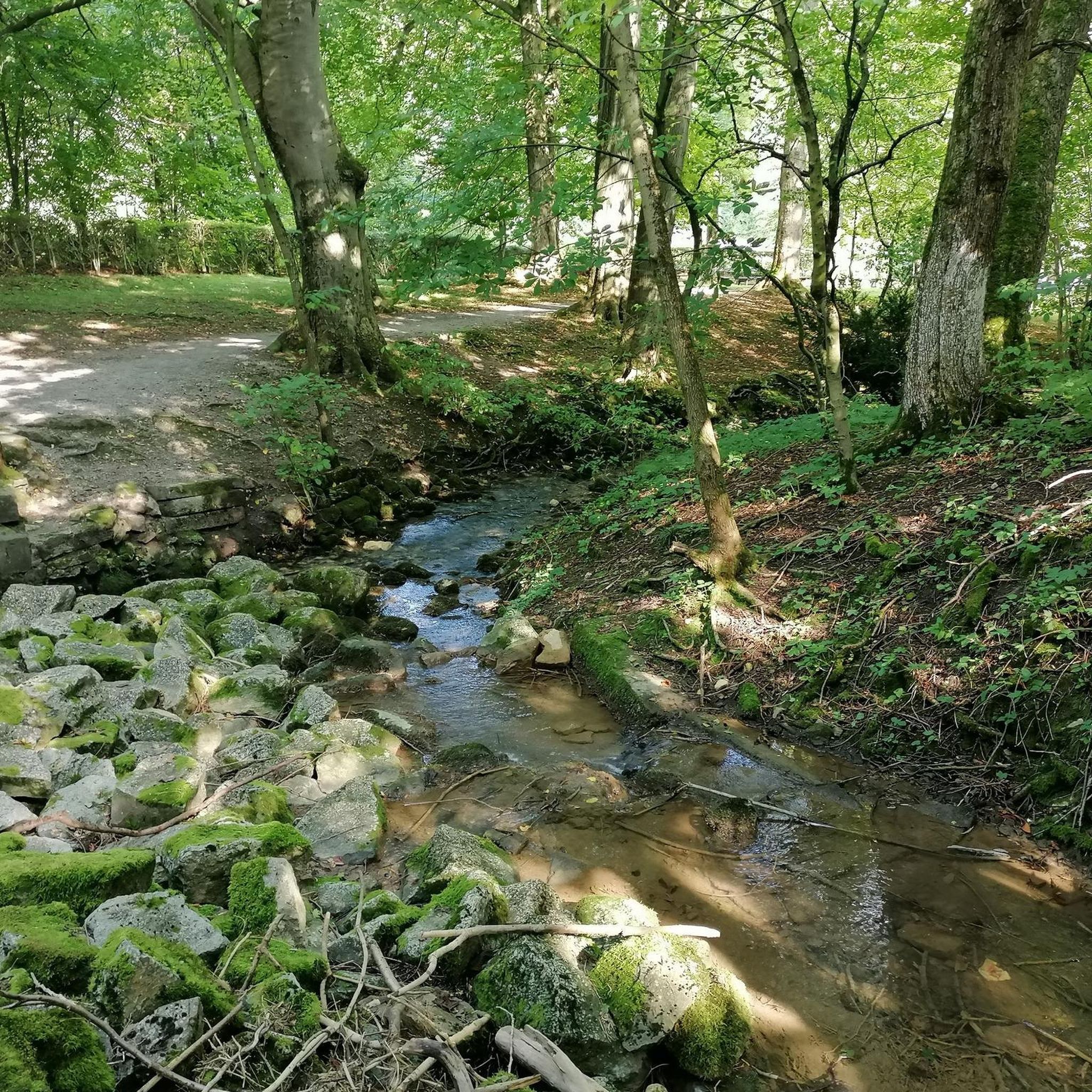
Deep in the Albanian Alps, the Shalë River carves a narrow, green valley out of the limestone. The water remains strikingly clear and light blue, even in the shadow of the steep walls. Along the riverbed, boulders, still pools, and small rapids alternate. The landscape feels untouched and photogenic at the same time: a place where light, water, and stone constantly create new compositions.
6
0
Narrow, powerful waterfall dropping 25–30 meters down a vertical limestone wall on the west flank of the Theth Valley. The source lies directly above the fall, fed by a high-altitude karst spring and meltwater, ensuring the water remains clear and cold even in summer. Since 2002, the waterfall has been an official nature monument. The path to it is short but steep, with wet, slippery stones and a river crossing that can be challenging in rain. Its location — wedged between rocks and greenery — makes this one of Theth's most characterful spots.
6
1
Red pedestrian bridge over the Shala River, a landmark on the trail to Theth's Blue Eye. The metal structure with wooden planks marks the transition from the village path to the mountain trail, contrasting sharply with the valley's greenery. Graffiti and stickers tell the story of passing hikers — a living trace in a rugged landscape where nature and human presence subtly touch.
5
0
Frequently Asked Questions
How many bus-accessible hiking trails are available in Albania?
Albania offers a wide array of hiking experiences accessible by bus, with over 180 routes available. These trails cater to various skill levels, from easy strolls to more challenging mountain treks.
What kind of terrain can I expect on bus-accessible hikes in Albania?
You can expect diverse terrain, reflecting Albania's varied landscape. Many routes lead into the dramatic Albanian Alps with rugged peaks and deep valleys, while others might offer coastal views along the Albanian Riviera or explore areas with glacial lakes and forests. The country is approximately 75% covered by mountains, so elevation changes are common.
What are the best seasons for bus-accessible hiking in Albania?
The best seasons for hiking are generally spring (April-June) and autumn (September-October) when the weather is mild and nature is at its most vibrant. Summer (July-August) can be hot, especially at lower elevations, but is ideal for higher mountain treks. Winter hiking is possible in some areas but requires appropriate gear and experience due to snow and colder conditions.
Are there any circular routes accessible from bus stations?
Yes, several bus-accessible trails offer circular routes, allowing you to start and end at the same point. For example, the Grunas Waterfall – Theth Canyon loop from Thethi National Park is a challenging option, while the View of the Theth Valley – Grunas Waterfall loop offers a moderate alternative in the same stunning area.
Are there any hikes from bus stations that feature waterfalls?
Absolutely! Albania is home to many beautiful waterfalls. You can explore routes like the Grunas Waterfall – Theth Canyon loop which takes you past the impressive Grunas Waterfall. Another popular option is the Blue Eye (Syri i Kaltër) – Bistrica Reservoir loop, which leads to the strikingly turquoise Blue Eye (Syri i Kaltër) Waterfall.
Can I find routes that offer stunning viewpoints or natural monuments?
Many bus-accessible routes in Albania are renowned for their breathtaking views and natural monuments. The Fantastic view – Valbona Pass loop offers epic vistas of both the Valbona and Theth valleys. You can also visit the Blue Eye (Syri i Kaltër), a natural spring, via a bus-accessible trail.
Are there family-friendly hiking options accessible by bus?
Yes, there are several easy and moderate routes suitable for families. The Bistrica Reservoir – View of the Vjosa River loop is an easy option with minimal elevation gain, perfect for a relaxed family outing. Always check the route's difficulty and length to ensure it matches your family's capabilities.
Are bus-accessible trails in Albania suitable for dogs?
Many trails in Albania are dog-friendly, especially in national parks and rural areas. However, it's always advisable to check specific park regulations or local guidelines before heading out. Ensure your dog is on a leash where required and that you carry enough water for both of you, especially during warmer months.
Do I need any permits for hiking on bus-accessible trails in Albania?
For most general hiking trails in Albania, especially those accessible by bus, you typically do not need a specific permit. However, if you plan to enter certain protected areas or national parks, there might be a small entrance fee. Always check the latest regulations for the specific park or region you intend to visit, particularly for multi-day treks or cross-border routes like parts of the Peaks of the Balkans Trail.
Are there places to eat or stay near these bus-accessible trailheads?
In popular hiking regions like Valbona and Theth, you'll often find guesthouses and small cafes near trailheads or in nearby villages. For example, you might encounter places like Bar on the way to Valbona Pass or Cafe Simone. It's recommended to research accommodation and dining options in advance, especially in more remote areas, as availability can be limited.
What is the general difficulty level of bus-accessible hikes in Albania?
The bus-accessible hikes in Albania offer a good mix of difficulty levels. Approximately 80 routes are classified as easy, 80 as moderate, and 21 as difficult. This means you can find trails suitable for beginners looking for a gentle walk, as well as challenging treks for experienced hikers seeking adventure in the mountains.
What do other hikers say about bus-accessible trails in Albania?
The komoot community highly rates the bus-accessible trails in Albania, with an average score of 4.3 stars from over 12,700 ratings. Hikers often praise the stunning natural beauty, the sense of adventure, and the authentic cultural experiences found along these routes.
Most popular attractions in Albania

Get inspired with the komoot mobile app


Didn’t find what you were looking for?
Check out more Hikes throughout Albania below and find the perfect route in your destination.
Explore more
Browse the best Hikes in other regions.
