Attractions and Places To See around the Esla - Top 20
Best attractions and places to see around the Esla include a diverse range of natural landscapes and historical sites in northwest Spain. The Esla River, a significant tributary of the Duero, flows through the provinces of León and Zamora. Its basin originates in the Cantabrian Mountains, offering both natural beauty and historical landmarks. The region features numerous bridges, trails, and viewpoints.
Best attractions and places to see around the Esla
- The most popular attraction is Quintos Bridge Over the Esla…
Last updated: July 6, 2026
Quintos Bridge Over the Esla River
Highlight • Bridge
Translated by Google •
Tip by

Esla River Bridge, Mansilla de las Mulas
Highlight • Bridge
Translated by Google •
Tip by
Sign up now to discover places like this
Get recommendations on the best single tracks, peaks, & plenty of other exciting outdoor places.
Sign up for free
Puente del Mercadillo
Highlight • Bridge
It likely has Roman origins, …
Translated by Google •
Tip by
Stone Bridge over the Esla River
Highlight • Bridge
Translated by Google •
Tip by

Pilgrim Cross Monument
Highlight • Monument
Translated by Google •
Tip by

Bridge of the Vía Verde de la Plata
Highlight • Bridge
Translated by Google •
Tip by

Esla Viewpoint
Highlight • Viewpoint
Translated by Google •
Tip by
Mozarabic Way Along the Esla River
Highlight • Trail
Translated by Google •
Tip by

Camino de la Plata
Highlight • Trail
Translated by Google •
Tip by
Mina Imponderable
Highlight • Structure
Translated by Google •
Tip by
Sign up for free to discover even more attractions around the Esla.
Sign up for free
Already have an account?
Start today with a free account
Your next adventure awaits.
Login or Signup
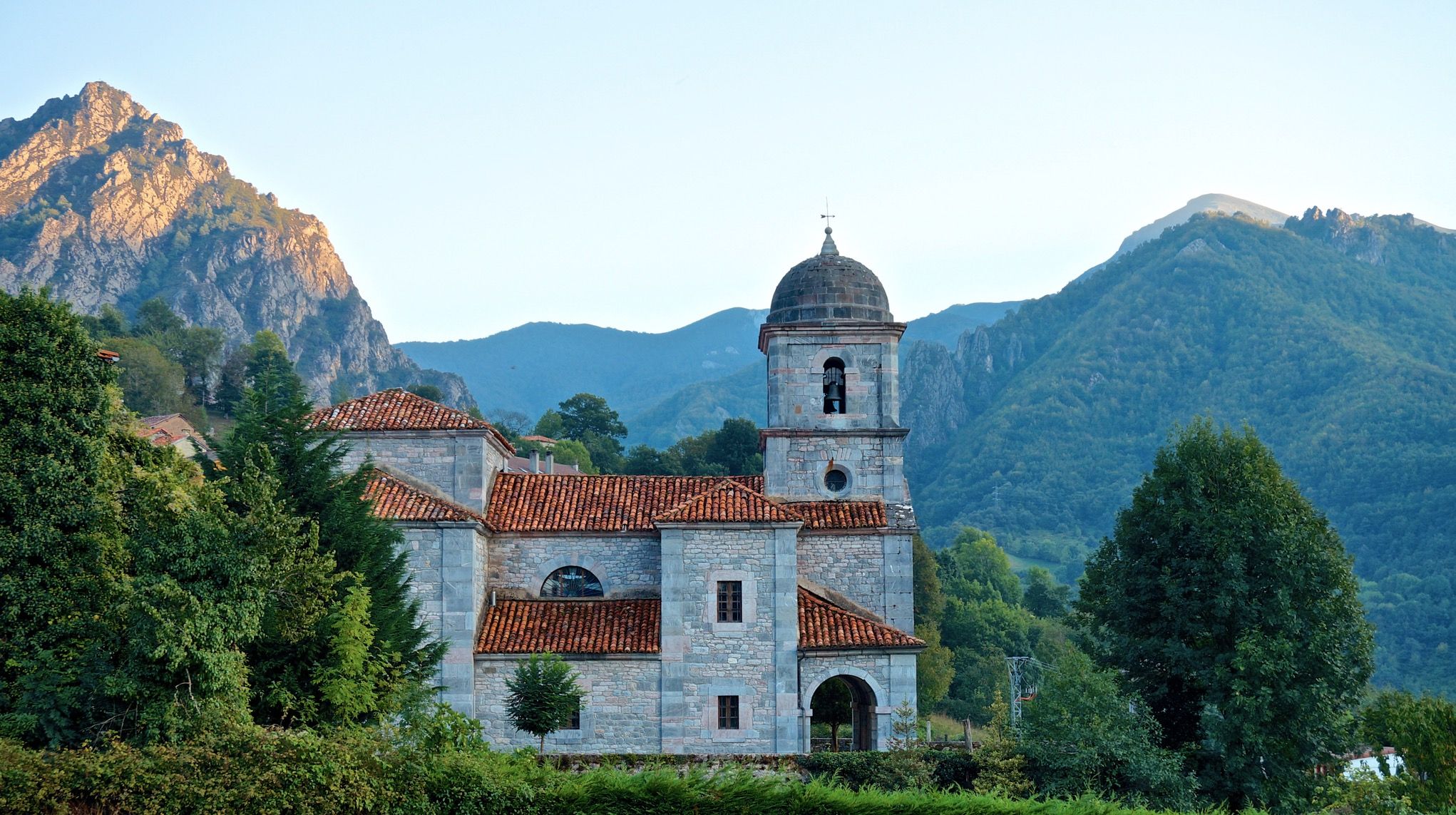
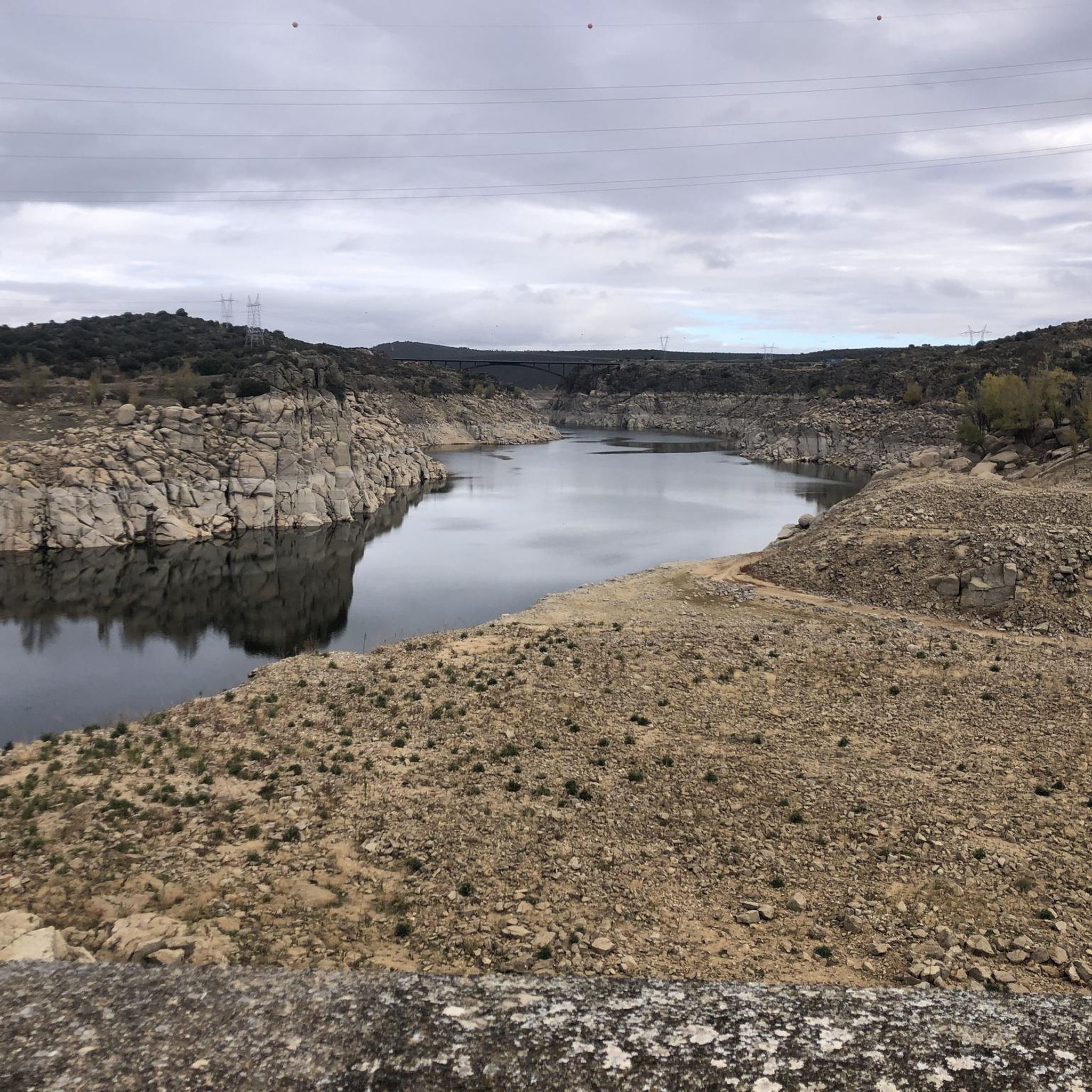
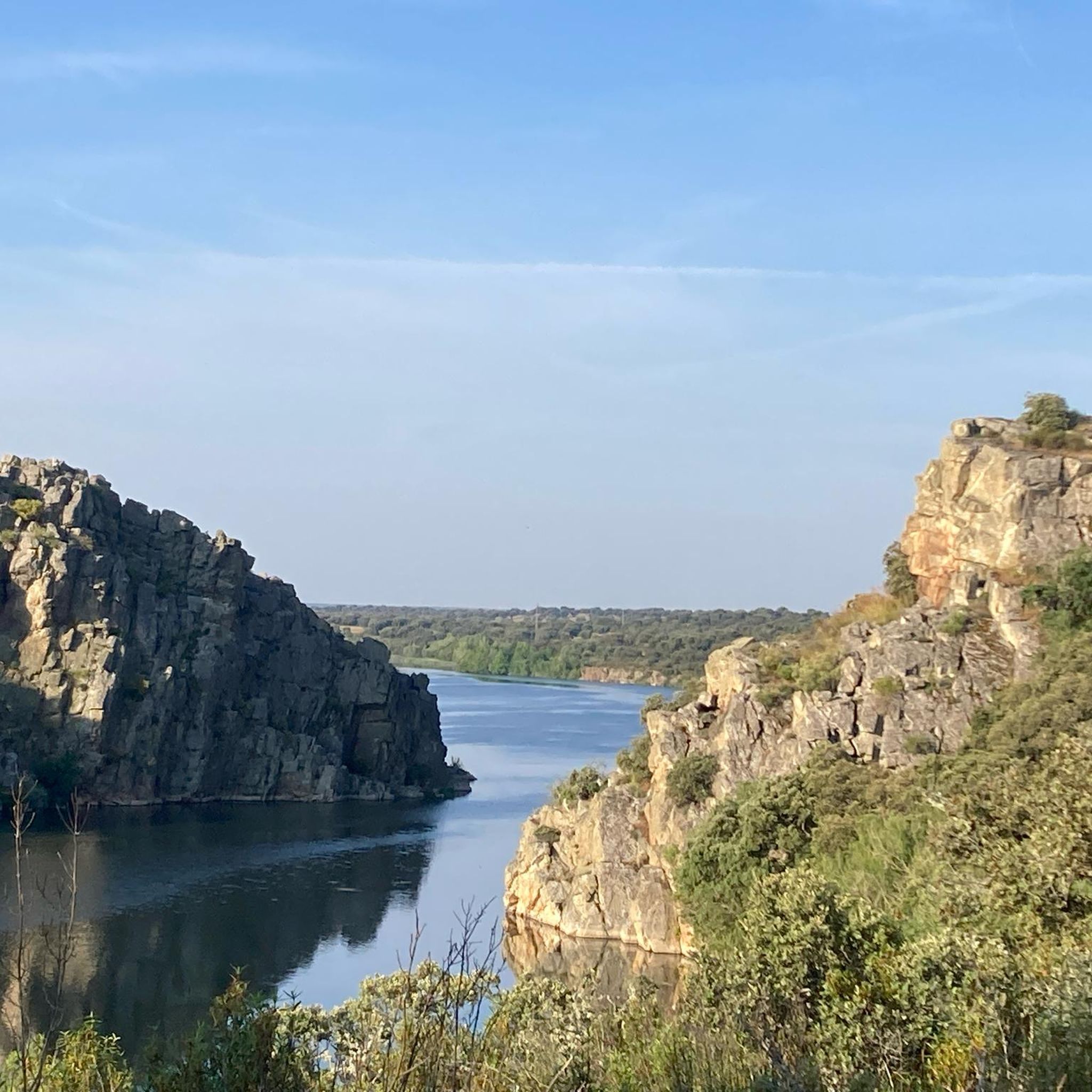
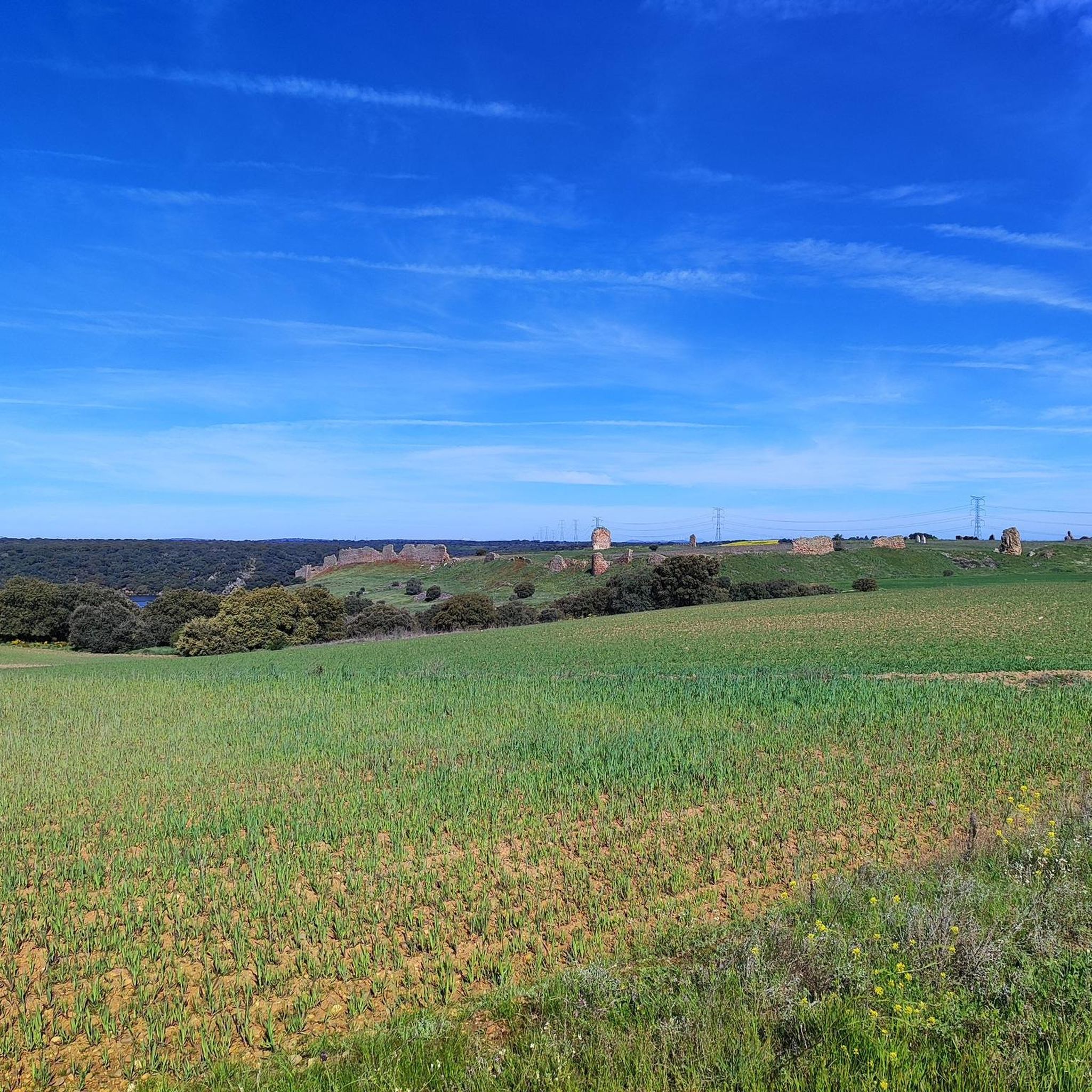
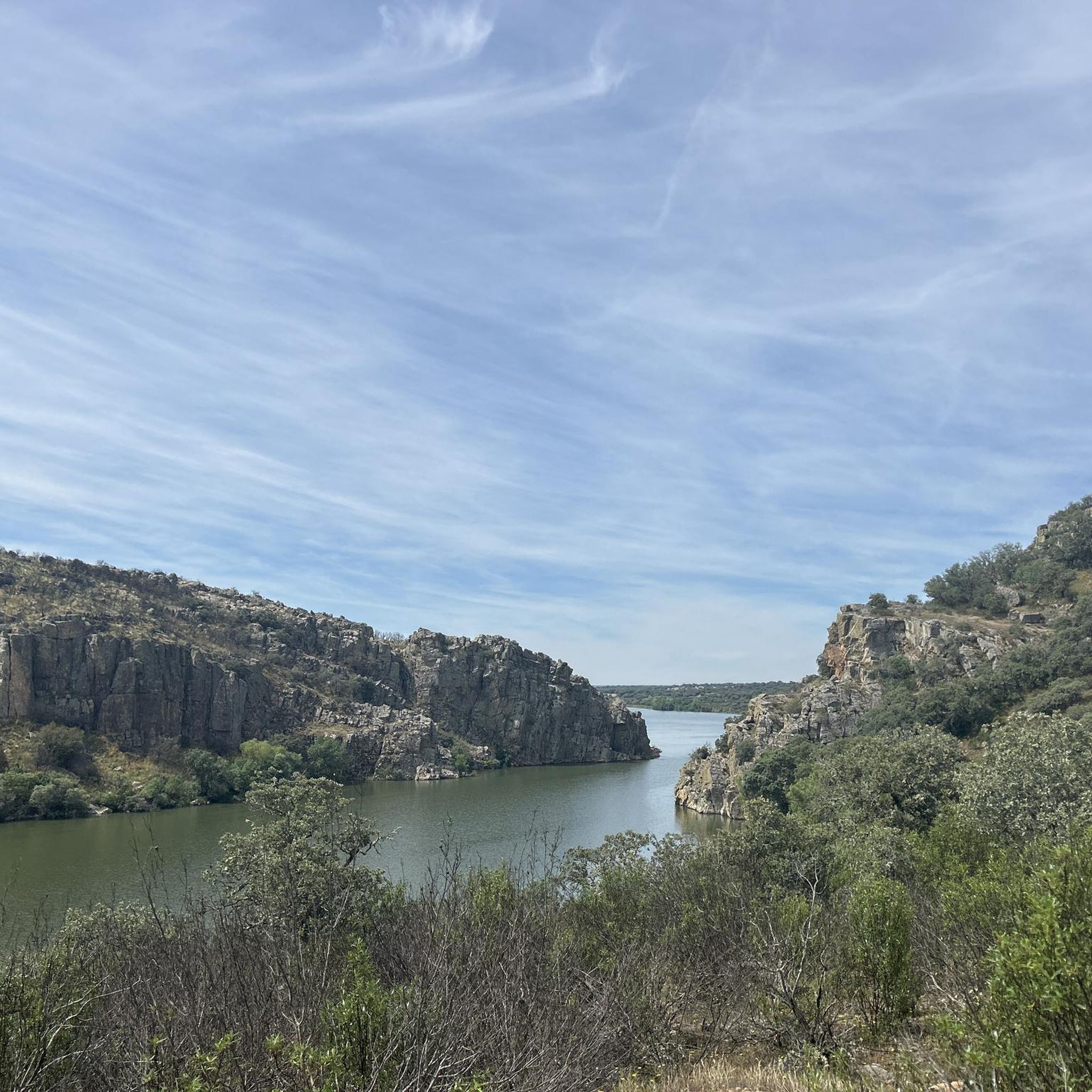

Other adventures around the Esla

Tips from the Community

The Mercadillo Bridge is a historic civil structure located over the Esla River, near Sorriba del Esla, within the municipality of Cistierna (province of León). It likely has Roman origins, forming part of the ancient Esla road or Via Saliámica. It is mentioned in medieval documents, including records from the Monastery of Gradefes and the will of Countess Doña Sancha in 1234, confirming its existence and use during the Middle Ages.
5
0

Legend has it that during a flood in the early 20th century, a cart carrying its entire load of wheat was swept away, and the next day it reappeared intact beneath the central arch of the bridge, as if the river had kept it to return it. The locals considered it a miracle and for years left dried ears of wheat among the stones as an offering. Even today, in summer, when the water level drops, some of those ears can still be seen trapped in the cracks of the old wall.
0
0

One of the many bridges that need to be crossed, not all of them physical, when walking the camino
1
0

An incredible stretch of the 'Vía la Plata' pilgrimage route south of Benavente towards the small town of Barcial del Barco. Disused railway line converted into an adventure paradise, far from cars and traffic.
2
0

This is a beautiful place to cross the Elsa River. The views are beautiful, and the old stone bridge with the arches is impressive.
1
0
Spectacular stone bridge with 9 symmetrical arches that crosses the Esla River. It was built in 1920 to connect the trade route between the Zamora regions of Tierra de Campos and Tábara. The bridge is located on the Jacobean route known as Camino Mozárabe Sanabrés, which allows pilgrims to cross into Zamora and Galicia beyond.
3
1
The Quintos bridge over the Esla river is located on the road between Zamora and Galicia. It unites the Zamora regions of Tierra de Tábara and Tierra de Campos, forming a link on the Camino de Santiago Sanabrés.
4
1
A short distance from the Quintos Bridge, you are following in the footsteps of many. This section next to the Esla river is part of the Jacobean route known as the Camino Mozárabe Sanabrés. Amazing walk on the path between the rock formation and the river landscape.
2
0
Frequently Asked Questions
What natural features can I explore along the Esla River?
The Esla River region offers diverse natural beauty. You can visit the Riaño Reservoir, a Regional Park known for its Euro-Siberian ecosystems, including Atlantic forests and wildlife. The area around the reservoir features spectacular viewpoints like Mirador Alto Valcayo and Mirador Las Hazas. Further south, the Ricobayo Reservoir, part of the "Arribes del Esla," provides opportunities for hiking, boating, and swimming, with a popular beach area near the dam. The river's source, Fuente del Naranco, is nestled in a remote beech-forested valley.
What historical landmarks can I visit along the Esla River?
The Esla River is rich in history. You can explore the ancient walled town of Mansilla de las Mulas, strategically located on the Camino de Santiago, featuring medieval walls, the 18th-century Parish Church of Santa María, and the 13th-century Church of San Martín. The town also has a historic medieval bridge, the Esla River Bridge, Mansilla de las Mulas. Other notable sites include the 16th-century Santa Águeda Church in Riaño, meticulously moved stone by stone from a submerged village, and the 11th-century Hermitage of "Virgen de la Vega" in Cimanes de la Vega.
Are there family-friendly activities or attractions around the Esla River?
Yes, the Esla River region offers several family-friendly options. Many of the bridges, such as the Stone Bridge over the Esla River, are accessible and offer scenic views. The Bridge of the Vía Verde de la Plata is part of an old railway line converted into a trail, perfect for easy walks or cycling with children. The Ricobayo Reservoir also has a popular beach area with recreational facilities, suitable for family outings and swimming.
What kind of hiking trails are available along the Esla River?
The Esla River region provides a variety of hiking trails. You can find easy hikes, such as those listed in the guide Easy hikes around the Esla, which include routes like "Abelón's Waterfalls and San Vicente Hermitage Viewpoint." The Esla Greenway Nature Trail, built on an old railway line, offers a pleasant 9.86 km route suitable for trekkers and those with reduced mobility. For more challenging options, the Montaña de Riaño and Mampodre Regional Park, part of the Picos de Europa massif, features high-mountain trails.
What outdoor sports can I do around the Esla River?
Beyond hiking, the Esla River region is excellent for various outdoor sports. The Riaño Reservoir is ideal for water sports. You can also find numerous running trails, with options for moderate to difficult runs, as detailed in the guide Running Trails around the Esla. For cyclists, there are road cycling routes, including challenging ones through the Riaño Mountain Regional Park, which you can explore in the guide Road Cycling Routes around the Esla.
Where can I find the most scenic viewpoints along the Esla River?
For breathtaking views, head to the Riaño Reservoir area. Mirador Alto Valcayo, featuring a heart sculpture, and Mirador Las Hazas, home to Spain's largest swing, both offer spectacular vistas of the reservoir and its jagged mountain peaks. The "most beautiful bench in León" also provides scenic views of the lake. Additionally, the Esla Viewpoint is another recommended spot for river panoramas.
Is the Esla River region good for wildlife spotting?
Yes, the Riaño Reservoir area, declared a Regional Park, is known for preserving Euro-Siberian ecosystems and is home to wildlife such as brown bears and grouse. The dense forests and natural landscapes throughout the Esla basin provide habitats for various species, making it a promising area for wildlife observation, especially in quieter, more remote sections.
What is the Esla Greenway Nature Trail?
The Esla Greenway Nature Trail is a 9.86 km route built on an old railway line. It offers a pleasant and accessible path for trekkers, cyclists, and individuals with reduced mobility to enjoy the natural beauty along the river. It's an excellent option for a leisurely walk or bike ride away from traffic.
Can you tell me about the bridges over the Esla River?
The Esla River is known for its historical and architecturally significant bridges. The Quintos Bridge Over the Esla River, built in 1920, is a solid masonry stone structure with nine semicircular arches, connecting the Zamora regions of Tierra de Campos with Tábara. The Esla River Bridge, Mansilla de las Mulas is a historic medieval bridge in the ancient walled town. Another notable one is the Bridge of the Vía Verde de la Plata, part of a converted railway line, offering scenic views for hikers and cyclists.
What is the significance of Mansilla de las Mulas?
Mansilla de las Mulas is an ancient walled town with significant historical importance, particularly due to its strategic location on the Camino de Santiago and the Esla River. It was fortified in the 12th century by King Ferdinand II of León. The town's medieval walls are recognized as a Property of Cultural Interest. Visitors can explore its historic churches, such as the Parish Church of Santa María and the Church of San Martín, and visit the Provincial Ethnography Museum housed in the former Convent of San Agustín.
Are there any places for swimming along the Esla River?
Yes, the Ricobayo Reservoir, located on the lower course of the Esla River in Zamora province, offers opportunities for swimming. There is a popular beach area with a pier and recreational facilities near the Ricobayo Dam, making it a great spot for a refreshing dip during warmer months.
What is the 'Cathedral of the Mountain'?
The 'Cathedral of the Mountain' refers to the famous and opulent church located in the small village of Lois. This church is a testament to the village's historical significance and is known for its impressive architecture and grandeur, standing out in its mountainous setting.
Most popular routes around the Esla
Most popular attractions around the Esla

Get inspired with the komoot mobile app


Explore more
Still not found the Highlight you’re looking for? See guides of the top attractions in other regions:
